
Sex, Erotica, and Sexuality in Art and Politics in the Netherlands and Germany

In this extensive article, we delve into the fascinating realm of sex, erotica, and sexuality in art and politics in the Netherlands and Germany. From the rich historical background to the contemporary expressions, we aim to provide a comprehensive exploration of this captivating subject. Join us as we examine the intricate relationship between sexuality and various forms of artistic and political expression.
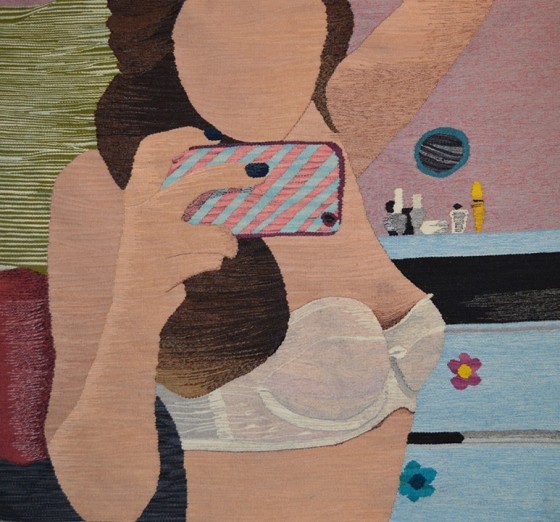
The Historical Foundations: Unearthing the Roots
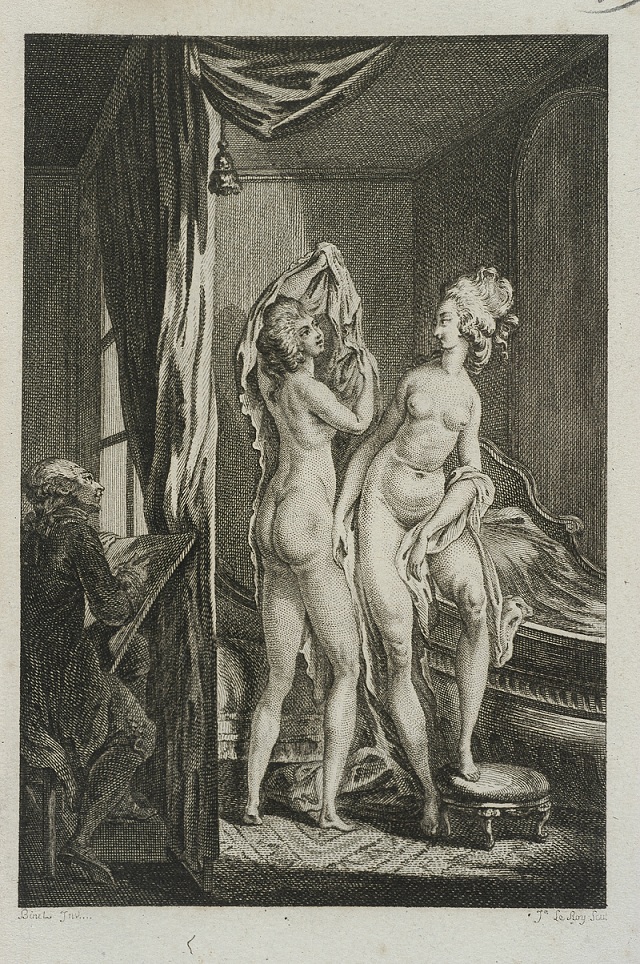
Uncovering the historical foundations of free sex, erotica, and sexuality in art and politics, we explore the deep-seated roots that have shaped the cultural landscapes of the Netherlands and Germany. From the works of iconic artists to the social and political movements that transformed societies, this journey takes us through the centuries, highlighting the significant moments and figures that have influenced and challenged prevailing norms.
German Expressionism and the Avant-Garde: A Paradigm Shift
In the early 20th century, German Expressionism emerged as a powerful artistic movement that pushed the boundaries of conventional art forms. With a particular focus on capturing raw emotions and exploring the darker aspects of human sexuality, artists like Ernst Ludwig Kirchner and Otto Dix created provocative and thought-provoking pieces that challenged the status quo. This section delves into the avant-garde nature of German Expressionism and its impact on the perception of sex and sexuality.
The Dutch Golden Age: A World of Sensuality
During the Dutch Golden Age, the Netherlands experienced a remarkable flourishing of art, trade, and exploration. Within this vibrant period, artists such as Johannes Vermeer and Jan Steen portrayed scenes of intimate encounters, unveiling the sensuality and eroticism hidden beneath the surface. We unravel the hidden narratives depicted in these masterpieces and shed light on the societal attitudes towards sex and eroticism during this prosperous era.
The Controversial Power of Visual Provocation
Visual provocation has long been a powerful tool in art and politics, serving as a means to challenge societal norms and provoke reactions. This section delves into the controversial works that have pushed the boundaries of acceptability, exploring the blurred lines between sex, eroticism, and politics. Through analyzing the art of feminist provocateurs and politically engaged artists, we examine how the visual medium can shape public perception and ignite passionate debates.
The Nuances of Censorship: Balancing Artistic Freedom and Public Morality
Throughout history, the interplay between art, politics, and censorship has been a constant source of tension. This section delves into the complex issue of censorship in relation to sex, erotica, and sexuality in the Netherlands and Germany. Discussing landmark cases and exploring the legal and cultural frameworks surrounding censorship, we address the delicate balance between artistic freedom and public morality.
Contemporary Perspectives: Breaking Boundaries
In contemporary society, sex, erotica, lekker neuken, and sexuality continue to be prominent themes in art and politics. This section examines the diverse expressions and unconventional approaches embraced by artists today. From performance art to digital mediums, we explore how contemporary artists challenge societal norms and redefine the boundaries of visual representation.
The Rise of Sexuality in Political Discourse: A Catalyst for Change
Beyond the realm of art, sexuality has become an integral aspect of political discourse. This section delves into the role of sexuality in shaping political ideologies and movements in the Netherlands and Germany. From LGBTQ+ rights to reproductive rights, we analyze how sexuality intertwines with legislative agendas, sparking social change and activism.
A Reflection on Identity and Empowerment
In the final section of this extensive article, we reflect on the profound impact of sex, erotica, and sexuality on identity and empowerment. We examine how art and politics converge to foster conversations about gender, sexual orientation, and personal agency. Through a nuanced exploration of diverse perspectives, we gain insights into the transformative power of embracing sexuality as an essential element of self-expression and liberation.
Join us on this thought-provoking journey through the intertwining realms of sex, erotica, and sexuality in art and politics in the Netherlands and Germany. As we delve into the historical, cultural, and contemporary dimensions, we invite you to challenge preconceptions, revel in artistic expression, and engage in important dialogues surrounding this timeless and ever-evolving subject.





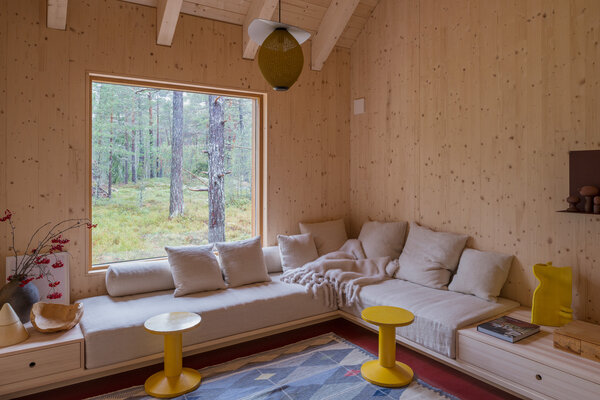

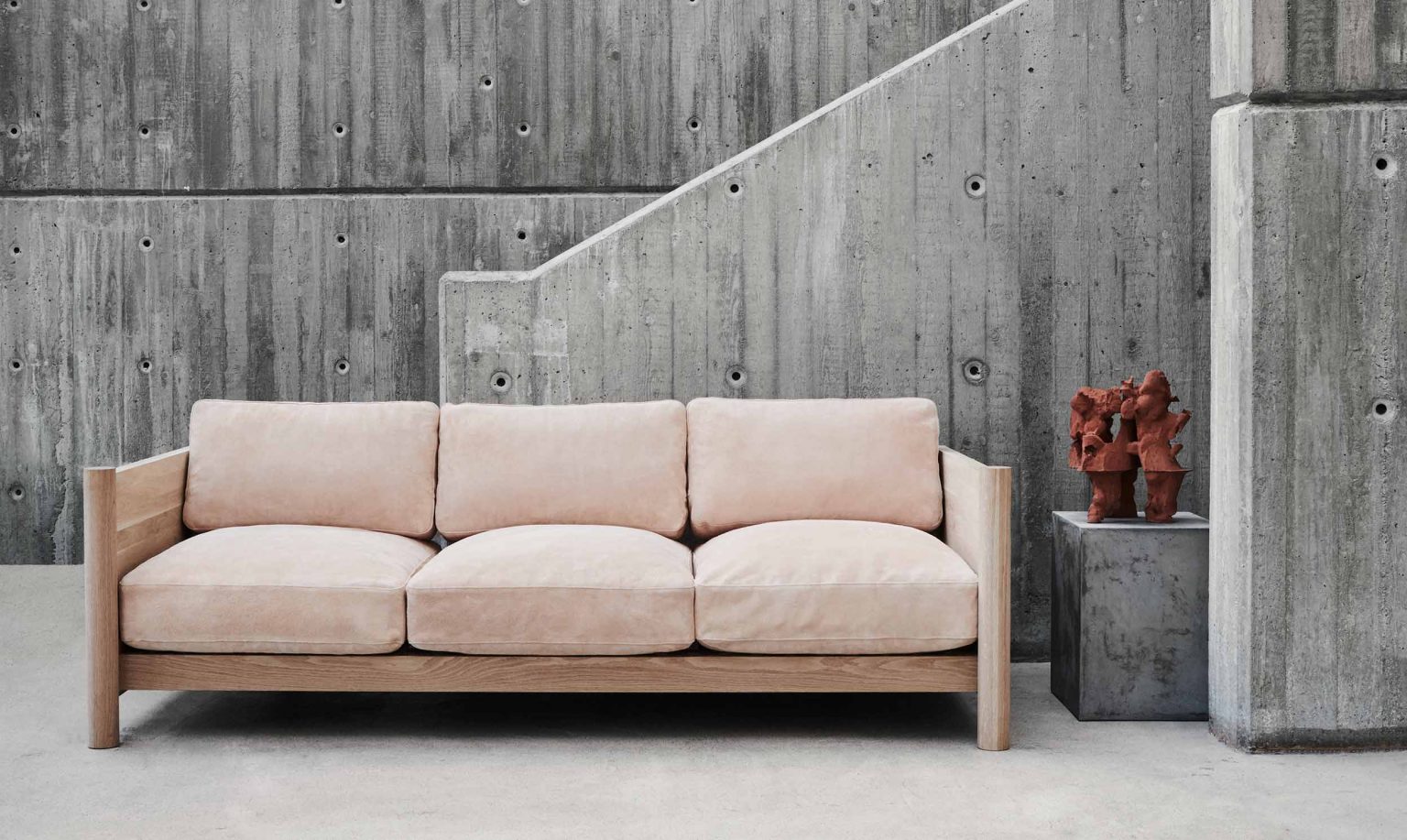
 What furniture that the Halleroeds did not create themselves came out of local antique retailers, yet another manner in which the home pays tribute to Scandinavian midcentury layout. The house’s irregular notched floor program, specifically, was affected by among those forefathers of Modernism, the Austrian-born designer and architect Josef Frank, that left a lot of his important work in Sweden beginning in the 1930s — and that conceived of a succession of homes in 1947, a few of which featured climatic volumes under rectangular roofs. “It is important that you understand your background,” states Ruxandra. “It may not be directly represented in your job, but it affects your mind-set.”
 Karolinska University Hospital a year ago announced plans to lay off hundreds of physicians and nurses to plug a shortage gap of over a thousand kronor, but briefly set them on hold through the worst of this coronavirus catastrophe in spring. Negotiations with labor unions are actually set to restart, hospital chiefs recently declared.