Quality of Life in Stockholm: What Makes This Scandinavian Capital One of Europe’s Best Places to Live
8 months ago · Updated 8 months ago
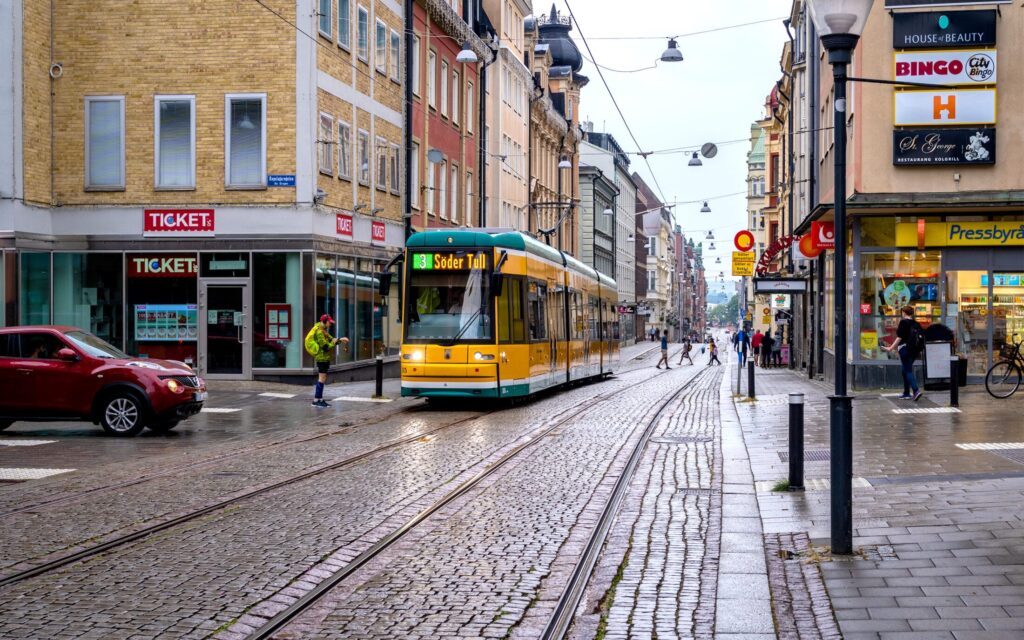
Stockholm regularly appears at the top of global rankings measuring well-being, sustainability, safety, and happiness. But beyond statistics and indexes, what truly defines everyday life in Sweden’s capital? Understanding the quality of life in Stockholm requires looking at how the city blends social stability, natural beauty, progressive governance, and human-centered urban planning into a remarkably livable environment.
From efficient public transport and clean air to work-life balance and access to nature, Stockholm offers a lifestyle that appeals to professionals, families, students, and retirees alike. This article explores the key pillars that make Stockholm one of Europe’s most desirable places to live, while also offering a balanced view of its challenges.
- Why Stockholm Continues to Rank Among Europe’s Best Cities
- Challenges to Consider
- Why Stockholm Continues to Rank Among Europe’s Best Cities
- Cultural Life and Social Inclusion
- Challenges to Consider
- Why Stockholm Continues to Rank Among Europe’s Best Cities
- Economic Stability and Career Opportunities
- Cultural Life and Social Inclusion
- Challenges to Consider
- Why Stockholm Continues to Rank Among Europe’s Best Cities
- Transportation and Mobility
- Economic Stability and Career Opportunities
- Cultural Life and Social Inclusion
- Challenges to Consider
- Why Stockholm Continues to Rank Among Europe’s Best Cities
- Healthcare, Education, and Social Security
- Transportation and Mobility
- Economic Stability and Career Opportunities
- Cultural Life and Social Inclusion
- Challenges to Consider
- Why Stockholm Continues to Rank Among Europe’s Best Cities
- Access to Nature Without Leaving the City
- Healthcare, Education, and Social Security
- Transportation and Mobility
- Economic Stability and Career Opportunities
- Cultural Life and Social Inclusion
- Challenges to Consider
- Why Stockholm Continues to Rank Among Europe’s Best Cities
- Work-Life Balance as a Cultural Foundation
- Access to Nature Without Leaving the City
- Healthcare, Education, and Social Security
- Transportation and Mobility
- Economic Stability and Career Opportunities
- Cultural Life and Social Inclusion
- Challenges to Consider
- Why Stockholm Continues to Rank Among Europe’s Best Cities
- A City Designed Around People
- Work-Life Balance as a Cultural Foundation
- Access to Nature Without Leaving the City
- Healthcare, Education, and Social Security
- Transportation and Mobility
- Economic Stability and Career Opportunities
- Cultural Life and Social Inclusion
- Challenges to Consider
- Why Stockholm Continues to Rank Among Europe’s Best Cities
Why Stockholm Continues to Rank Among Europe’s Best Cities
The quality of life in Stockholm is not the result of a single factor but a carefully balanced system. Effective governance, environmental responsibility, social trust, and cultural values combine to create a city that supports long-term well-being.
Rather than chasing rapid growth at the expense of livability, Stockholm prioritizes sustainability and human happiness—an approach increasingly relevant in today’s urbanized world.
Stockholm stands as a compelling example of how modern cities can thrive without sacrificing environmental health, social equality, or personal well-being. Whether you are considering relocation, extended travel, or simply seeking inspiration from global urban models, Stockholm offers valuable lessons in creating a life-centered city.
Its success lies not in perfection, but in continuous improvement—making it one of Europe’s most livable capitals today and for years to come.
Challenges to Consider
High Cost of Living
Housing prices and rent in Stockholm can be expensive, particularly in central neighborhoods. Securing accommodation may take time, especially for newcomers.
Long Winters and Limited Daylight
Winters are dark and cold, with limited daylight hours. While many residents adapt through winter sports and social activities, it can be challenging for those unaccustomed to Nordic climates.
Why Stockholm Continues to Rank Among Europe’s Best Cities
The quality of life in Stockholm is not the result of a single factor but a carefully balanced system. Effective governance, environmental responsibility, social trust, and cultural values combine to create a city that supports long-term well-being.
Rather than chasing rapid growth at the expense of livability, Stockholm prioritizes sustainability and human happiness—an approach increasingly relevant in today’s urbanized world.
Stockholm stands as a compelling example of how modern cities can thrive without sacrificing environmental health, social equality, or personal well-being. Whether you are considering relocation, extended travel, or simply seeking inspiration from global urban models, Stockholm offers valuable lessons in creating a life-centered city.
Its success lies not in perfection, but in continuous improvement—making it one of Europe’s most livable capitals today and for years to come.
A Rich Cultural Landscape
Stockholm boasts a vibrant cultural scene with museums, theaters, live music venues, and festivals throughout the year. Institutions like the Vasa Museum and Moderna Museet attract both locals and international visitors.
Diversity and Openness
The city is home to people from over 190 countries, creating a multicultural environment. English is widely spoken, making integration easier for newcomers.
According to OECD reports, Sweden ranks high in social trust and civic engagement—key contributors to long-term well-being.
Challenges to Consider
High Cost of Living
Housing prices and rent in Stockholm can be expensive, particularly in central neighborhoods. Securing accommodation may take time, especially for newcomers.
Long Winters and Limited Daylight
Winters are dark and cold, with limited daylight hours. While many residents adapt through winter sports and social activities, it can be challenging for those unaccustomed to Nordic climates.
Why Stockholm Continues to Rank Among Europe’s Best Cities
The quality of life in Stockholm is not the result of a single factor but a carefully balanced system. Effective governance, environmental responsibility, social trust, and cultural values combine to create a city that supports long-term well-being.
Rather than chasing rapid growth at the expense of livability, Stockholm prioritizes sustainability and human happiness—an approach increasingly relevant in today’s urbanized world.
Stockholm stands as a compelling example of how modern cities can thrive without sacrificing environmental health, social equality, or personal well-being. Whether you are considering relocation, extended travel, or simply seeking inspiration from global urban models, Stockholm offers valuable lessons in creating a life-centered city.
Its success lies not in perfection, but in continuous improvement—making it one of Europe’s most livable capitals today and for years to come.
Economic Stability and Career Opportunities
A Thriving Innovation Hub
Stockholm is often referred to as the “Unicorn Factory” due to its high number of billion-dollar startups per capita. Companies like Spotify, Klarna, and Skype originated here, attracting international talent.
The city’s economy benefits from a strong tech sector, financial services, life sciences, and creative industries.
Although living costs are relatively high, wages and social benefits help balance expenses. Income inequality is lower than in many global cities, reinforcing social cohesion.
A Rich Cultural Landscape
Stockholm boasts a vibrant cultural scene with museums, theaters, live music venues, and festivals throughout the year. Institutions like the Vasa Museum and Moderna Museet attract both locals and international visitors.
Diversity and Openness
The city is home to people from over 190 countries, creating a multicultural environment. English is widely spoken, making integration easier for newcomers.
According to OECD reports, Sweden ranks high in social trust and civic engagement—key contributors to long-term well-being.
Challenges to Consider
High Cost of Living
Housing prices and rent in Stockholm can be expensive, particularly in central neighborhoods. Securing accommodation may take time, especially for newcomers.
Long Winters and Limited Daylight
Winters are dark and cold, with limited daylight hours. While many residents adapt through winter sports and social activities, it can be challenging for those unaccustomed to Nordic climates.
Why Stockholm Continues to Rank Among Europe’s Best Cities
The quality of life in Stockholm is not the result of a single factor but a carefully balanced system. Effective governance, environmental responsibility, social trust, and cultural values combine to create a city that supports long-term well-being.
Rather than chasing rapid growth at the expense of livability, Stockholm prioritizes sustainability and human happiness—an approach increasingly relevant in today’s urbanized world.
Stockholm stands as a compelling example of how modern cities can thrive without sacrificing environmental health, social equality, or personal well-being. Whether you are considering relocation, extended travel, or simply seeking inspiration from global urban models, Stockholm offers valuable lessons in creating a life-centered city.
Its success lies not in perfection, but in continuous improvement—making it one of Europe’s most livable capitals today and for years to come.
Transportation and Mobility
Efficient and Sustainable Public Transport
Stockholm’s public transportation system—managed by SL—includes metro lines, buses, trams, ferries, and commuter trains. It is widely regarded as one of Europe’s most reliable and environmentally friendly networks.
High coverage and punctuality reduce the need for private cars, contributing to lower emissions and less congestion.
Cycling as a Way of Life
Dedicated bike lanes span much of the city, making cycling a safe and popular commuting option. This not only supports sustainability goals but also promotes healthier lifestyles.
Economic Stability and Career Opportunities
A Thriving Innovation Hub
Stockholm is often referred to as the “Unicorn Factory” due to its high number of billion-dollar startups per capita. Companies like Spotify, Klarna, and Skype originated here, attracting international talent.
The city’s economy benefits from a strong tech sector, financial services, life sciences, and creative industries.
Although living costs are relatively high, wages and social benefits help balance expenses. Income inequality is lower than in many global cities, reinforcing social cohesion.
A Rich Cultural Landscape
Stockholm boasts a vibrant cultural scene with museums, theaters, live music venues, and festivals throughout the year. Institutions like the Vasa Museum and Moderna Museet attract both locals and international visitors.
Diversity and Openness
The city is home to people from over 190 countries, creating a multicultural environment. English is widely spoken, making integration easier for newcomers.
According to OECD reports, Sweden ranks high in social trust and civic engagement—key contributors to long-term well-being.
Challenges to Consider
High Cost of Living
Housing prices and rent in Stockholm can be expensive, particularly in central neighborhoods. Securing accommodation may take time, especially for newcomers.
Long Winters and Limited Daylight
Winters are dark and cold, with limited daylight hours. While many residents adapt through winter sports and social activities, it can be challenging for those unaccustomed to Nordic climates.
Why Stockholm Continues to Rank Among Europe’s Best Cities
The quality of life in Stockholm is not the result of a single factor but a carefully balanced system. Effective governance, environmental responsibility, social trust, and cultural values combine to create a city that supports long-term well-being.
Rather than chasing rapid growth at the expense of livability, Stockholm prioritizes sustainability and human happiness—an approach increasingly relevant in today’s urbanized world.
Stockholm stands as a compelling example of how modern cities can thrive without sacrificing environmental health, social equality, or personal well-being. Whether you are considering relocation, extended travel, or simply seeking inspiration from global urban models, Stockholm offers valuable lessons in creating a life-centered city.
Its success lies not in perfection, but in continuous improvement—making it one of Europe’s most livable capitals today and for years to come.
A Strong Public Healthcare System
Healthcare in Stockholm is quality of life is publicly funded and accessible to all residents. Hospitals, clinics, and specialized care centers maintain high standards, supported by advanced medical technology and well-trained professionals.
While wait times for non-urgent procedures can occur, the system ensures financial protection and universal coverage.
Education From Early Years to University
Stockholm offers excellent educational opportunities, from free public schooling to world-renowned universities such as Stockholm University and the Royal Institute of Technology (KTH).
Education emphasizes critical thinking, creativity, and collaboration rather than rote learning, preparing students for global careers.
Transportation and Mobility
Efficient and Sustainable Public Transport
Stockholm’s public transportation system—managed by SL—includes metro lines, buses, trams, ferries, and commuter trains. It is widely regarded as one of Europe’s most reliable and environmentally friendly networks.
High coverage and punctuality reduce the need for private cars, contributing to lower emissions and less congestion.
Cycling as a Way of Life
Dedicated bike lanes span much of the city, making cycling a safe and popular commuting option. This not only supports sustainability goals but also promotes healthier lifestyles.
Economic Stability and Career Opportunities
A Thriving Innovation Hub
Stockholm is often referred to as the “Unicorn Factory” due to its high number of billion-dollar startups per capita. Companies like Spotify, Klarna, and Skype originated here, attracting international talent.
The city’s economy benefits from a strong tech sector, financial services, life sciences, and creative industries.
Although living costs are relatively high, wages and social benefits help balance expenses. Income inequality is lower than in many global cities, reinforcing social cohesion.
A Rich Cultural Landscape
Stockholm boasts a vibrant cultural scene with museums, theaters, live music venues, and festivals throughout the year. Institutions like the Vasa Museum and Moderna Museet attract both locals and international visitors.
Diversity and Openness
The city is home to people from over 190 countries, creating a multicultural environment. English is widely spoken, making integration easier for newcomers.
According to OECD reports, Sweden ranks high in social trust and civic engagement—key contributors to long-term well-being.
Challenges to Consider
High Cost of Living
Housing prices and rent in Stockholm can be expensive, particularly in central neighborhoods. Securing accommodation may take time, especially for newcomers.
Long Winters and Limited Daylight
Winters are dark and cold, with limited daylight hours. While many residents adapt through winter sports and social activities, it can be challenging for those unaccustomed to Nordic climates.
Why Stockholm Continues to Rank Among Europe’s Best Cities
The quality of life in Stockholm is not the result of a single factor but a carefully balanced system. Effective governance, environmental responsibility, social trust, and cultural values combine to create a city that supports long-term well-being.
Rather than chasing rapid growth at the expense of livability, Stockholm prioritizes sustainability and human happiness—an approach increasingly relevant in today’s urbanized world.
Stockholm stands as a compelling example of how modern cities can thrive without sacrificing environmental health, social equality, or personal well-being. Whether you are considering relocation, extended travel, or simply seeking inspiration from global urban models, Stockholm offers valuable lessons in creating a life-centered city.
Its success lies not in perfection, but in continuous improvement—making it one of Europe’s most livable capitals today and for years to come.
Access to Nature Without Leaving the City
Parks, Water, and Green Spaces
The quality of life in Stockholm is often described as a city built on water. With 14 islands, dozens of bridges, and immediate access to Lake Mälaren and the Baltic Sea, nature is woven directly into urban life.
Large green spaces such as Djurgården, Hagaparken, and Tantolunden offer opportunities for walking, running, picnics, and outdoor sports year-round.
The Stockholm Archipelago
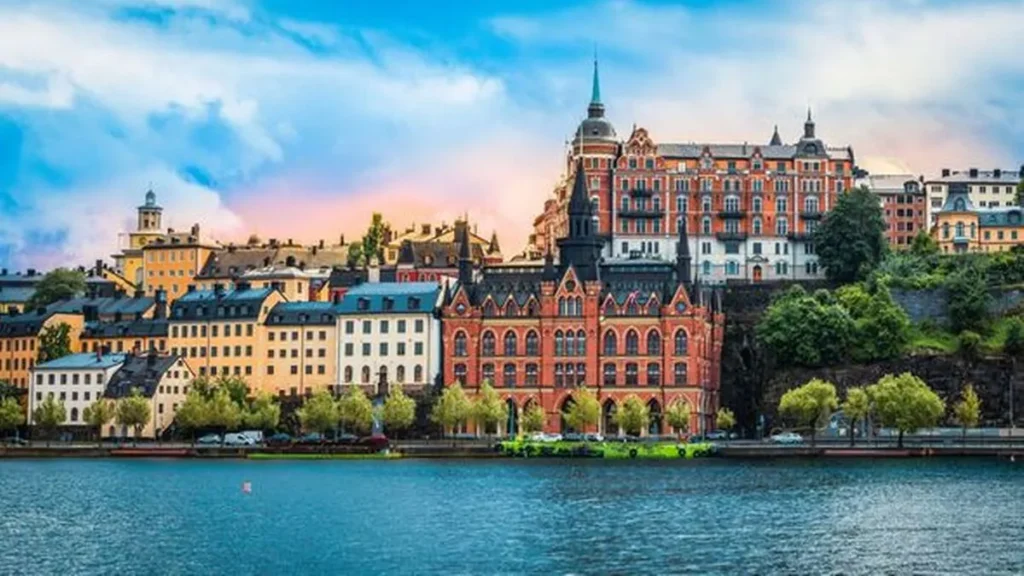
Just a short ferry ride away lies the Stockholm Archipelago, consisting of over 30,000 islands. This proximity to unspoiled nature allows residents to disconnect easily from city life, reinforcing physical and mental well-being.
Environmental organizations such as Swedish Environmental Protection Agency highlight Stockholm as a model for integrating urban development with ecological preservation.
A Strong Public Healthcare System
Healthcare in Stockholm is quality of life is publicly funded and accessible to all residents. Hospitals, clinics, and specialized care centers maintain high standards, supported by advanced medical technology and well-trained professionals.
While wait times for non-urgent procedures can occur, the system ensures financial protection and universal coverage.
Education From Early Years to University
Stockholm offers excellent educational opportunities, from free public schooling to world-renowned universities such as Stockholm University and the Royal Institute of Technology (KTH).
Education emphasizes critical thinking, creativity, and collaboration rather than rote learning, preparing students for global careers.
Transportation and Mobility
Efficient and Sustainable Public Transport
Stockholm’s public transportation system—managed by SL—includes metro lines, buses, trams, ferries, and commuter trains. It is widely regarded as one of Europe’s most reliable and environmentally friendly networks.
High coverage and punctuality reduce the need for private cars, contributing to lower emissions and less congestion.
Cycling as a Way of Life
Dedicated bike lanes span much of the city, making cycling a safe and popular commuting option. This not only supports sustainability goals but also promotes healthier lifestyles.
Economic Stability and Career Opportunities
A Thriving Innovation Hub
Stockholm is often referred to as the “Unicorn Factory” due to its high number of billion-dollar startups per capita. Companies like Spotify, Klarna, and Skype originated here, attracting international talent.
The city’s economy benefits from a strong tech sector, financial services, life sciences, and creative industries.
Although living costs are relatively high, wages and social benefits help balance expenses. Income inequality is lower than in many global cities, reinforcing social cohesion.
A Rich Cultural Landscape
Stockholm boasts a vibrant cultural scene with museums, theaters, live music venues, and festivals throughout the year. Institutions like the Vasa Museum and Moderna Museet attract both locals and international visitors.
Diversity and Openness
The city is home to people from over 190 countries, creating a multicultural environment. English is widely spoken, making integration easier for newcomers.
According to OECD reports, Sweden ranks high in social trust and civic engagement—key contributors to long-term well-being.
Challenges to Consider
High Cost of Living
Housing prices and rent in Stockholm can be expensive, particularly in central neighborhoods. Securing accommodation may take time, especially for newcomers.
Long Winters and Limited Daylight
Winters are dark and cold, with limited daylight hours. While many residents adapt through winter sports and social activities, it can be challenging for those unaccustomed to Nordic climates.
Why Stockholm Continues to Rank Among Europe’s Best Cities
The quality of life in Stockholm is not the result of a single factor but a carefully balanced system. Effective governance, environmental responsibility, social trust, and cultural values combine to create a city that supports long-term well-being.
Rather than chasing rapid growth at the expense of livability, Stockholm prioritizes sustainability and human happiness—an approach increasingly relevant in today’s urbanized world.
Stockholm stands as a compelling example of how modern cities can thrive without sacrificing environmental health, social equality, or personal well-being. Whether you are considering relocation, extended travel, or simply seeking inspiration from global urban models, Stockholm offers valuable lessons in creating a life-centered city.
Its success lies not in perfection, but in continuous improvement—making it one of Europe’s most livable capitals today and for years to come.
Work-Life Balance as a Cultural Foundation
Shorter Workdays, Higher Productivity
Quality of Life in Sweden is globally recognized for its progressive labor policies. In Stockholm, flexible working hours, remote work options, and generous parental leave are the norm rather than the exception. The emphasis is not on working longer hours, but on working efficiently.
This approach allows residents to enjoy life outside the office, contributing significantly to overall well-being and mental health.
The Role of Fika
One uniquely Swedish concept that enhances everyday life is fika—the ritualized coffee break shared with colleagues or friends. More than just a pause, fika reinforces social bonds and reduces workplace stress, subtly improving daily satisfaction.
Access to Nature Without Leaving the City
Parks, Water, and Green Spaces
The quality of life in Stockholm is often described as a city built on water. With 14 islands, dozens of bridges, and immediate access to Lake Mälaren and the Baltic Sea, nature is woven directly into urban life.
Large green spaces such as Djurgården, Hagaparken, and Tantolunden offer opportunities for walking, running, picnics, and outdoor sports year-round.
The Stockholm Archipelago
Just a short ferry ride away lies the Stockholm Archipelago, consisting of over 30,000 islands. This proximity to unspoiled nature allows residents to disconnect easily from city life, reinforcing physical and mental well-being.
Environmental organizations such as Swedish Environmental Protection Agency highlight Stockholm as a model for integrating urban development with ecological preservation.
A Strong Public Healthcare System
Healthcare in Stockholm is quality of life is publicly funded and accessible to all residents. Hospitals, clinics, and specialized care centers maintain high standards, supported by advanced medical technology and well-trained professionals.
While wait times for non-urgent procedures can occur, the system ensures financial protection and universal coverage.
Education From Early Years to University
Stockholm offers excellent educational opportunities, from free public schooling to world-renowned universities such as Stockholm University and the Royal Institute of Technology (KTH).
Education emphasizes critical thinking, creativity, and collaboration rather than rote learning, preparing students for global careers.
Transportation and Mobility
Efficient and Sustainable Public Transport
Stockholm’s public transportation system—managed by SL—includes metro lines, buses, trams, ferries, and commuter trains. It is widely regarded as one of Europe’s most reliable and environmentally friendly networks.
High coverage and punctuality reduce the need for private cars, contributing to lower emissions and less congestion.
Cycling as a Way of Life
Dedicated bike lanes span much of the city, making cycling a safe and popular commuting option. This not only supports sustainability goals but also promotes healthier lifestyles.
Economic Stability and Career Opportunities
A Thriving Innovation Hub
Stockholm is often referred to as the “Unicorn Factory” due to its high number of billion-dollar startups per capita. Companies like Spotify, Klarna, and Skype originated here, attracting international talent.
The city’s economy benefits from a strong tech sector, financial services, life sciences, and creative industries.
Although living costs are relatively high, wages and social benefits help balance expenses. Income inequality is lower than in many global cities, reinforcing social cohesion.
A Rich Cultural Landscape
Stockholm boasts a vibrant cultural scene with museums, theaters, live music venues, and festivals throughout the year. Institutions like the Vasa Museum and Moderna Museet attract both locals and international visitors.
Diversity and Openness
The city is home to people from over 190 countries, creating a multicultural environment. English is widely spoken, making integration easier for newcomers.
According to OECD reports, Sweden ranks high in social trust and civic engagement—key contributors to long-term well-being.
Challenges to Consider
High Cost of Living
Housing prices and rent in Stockholm can be expensive, particularly in central neighborhoods. Securing accommodation may take time, especially for newcomers.
Long Winters and Limited Daylight
Winters are dark and cold, with limited daylight hours. While many residents adapt through winter sports and social activities, it can be challenging for those unaccustomed to Nordic climates.
Why Stockholm Continues to Rank Among Europe’s Best Cities
The quality of life in Stockholm is not the result of a single factor but a carefully balanced system. Effective governance, environmental responsibility, social trust, and cultural values combine to create a city that supports long-term well-being.
Rather than chasing rapid growth at the expense of livability, Stockholm prioritizes sustainability and human happiness—an approach increasingly relevant in today’s urbanized world.
Stockholm stands as a compelling example of how modern cities can thrive without sacrificing environmental health, social equality, or personal well-being. Whether you are considering relocation, extended travel, or simply seeking inspiration from global urban models, Stockholm offers valuable lessons in creating a life-centered city.
Its success lies not in perfection, but in continuous improvement—making it one of Europe’s most livable capitals today and for years to come.
A City Designed Around People
Human-Centered Urban Planning
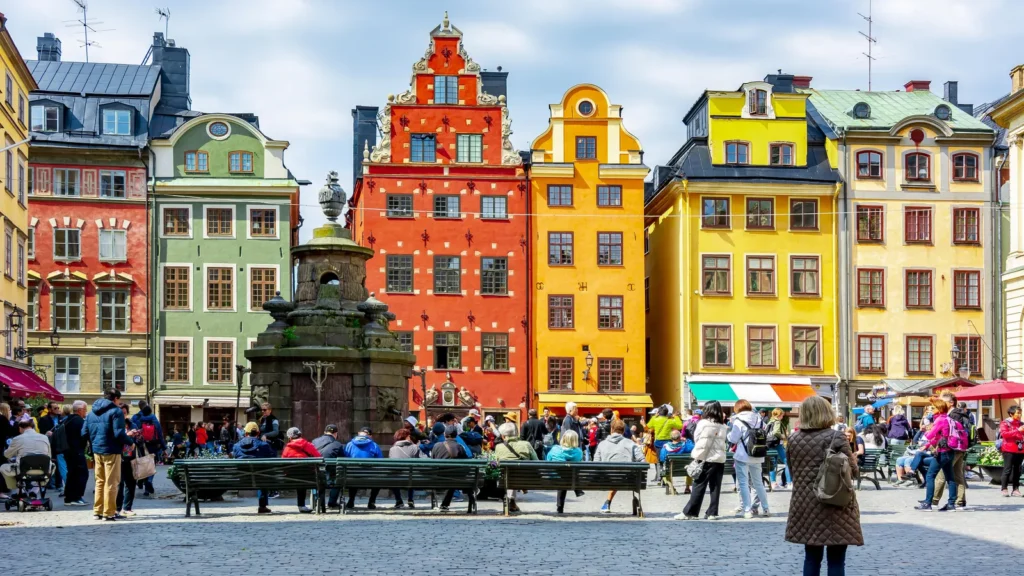
Stockholm’s urban development philosophy prioritizes people over cars. Wide sidewalks, bike-friendly infrastructure, pedestrian zones, and accessible public spaces define the cityscape. Neighborhoods are designed to be functional, safe, and aesthetically pleasing, with schools, healthcare, grocery stores, and green areas within easy reach.
Unlike many large European capitals, Stockholm avoids overcrowded urban chaos. Zoning laws and long-term planning ensure balanced growth while preserving historical districts and natural landscapes.
Clean, Organized, and Safe
Cleanliness and public order are noticeable across the city. Streets, parks, and public transportation are well maintained, and crime rates remain low compared to other major European capitals. According to data from Numbeo’s Quality of Life Index, Stockholm consistently scores high in safety and environmental quality.
Work-Life Balance as a Cultural Foundation
Shorter Workdays, Higher Productivity
Quality of Life in Sweden is globally recognized for its progressive labor policies. In Stockholm, flexible working hours, remote work options, and generous parental leave are the norm rather than the exception. The emphasis is not on working longer hours, but on working efficiently.
This approach allows residents to enjoy life outside the office, contributing significantly to overall well-being and mental health.
The Role of Fika
One uniquely Swedish concept that enhances everyday life is fika—the ritualized coffee break shared with colleagues or friends. More than just a pause, fika reinforces social bonds and reduces workplace stress, subtly improving daily satisfaction.
Access to Nature Without Leaving the City
Parks, Water, and Green Spaces
The quality of life in Stockholm is often described as a city built on water. With 14 islands, dozens of bridges, and immediate access to Lake Mälaren and the Baltic Sea, nature is woven directly into urban life.
Large green spaces such as Djurgården, Hagaparken, and Tantolunden offer opportunities for walking, running, picnics, and outdoor sports year-round.
The Stockholm Archipelago
Just a short ferry ride away lies the Stockholm Archipelago, consisting of over 30,000 islands. This proximity to unspoiled nature allows residents to disconnect easily from city life, reinforcing physical and mental well-being.
Environmental organizations such as Swedish Environmental Protection Agency highlight Stockholm as a model for integrating urban development with ecological preservation.
A Strong Public Healthcare System
Healthcare in Stockholm is quality of life is publicly funded and accessible to all residents. Hospitals, clinics, and specialized care centers maintain high standards, supported by advanced medical technology and well-trained professionals.
While wait times for non-urgent procedures can occur, the system ensures financial protection and universal coverage.
Education From Early Years to University
Stockholm offers excellent educational opportunities, from free public schooling to world-renowned universities such as Stockholm University and the Royal Institute of Technology (KTH).
Education emphasizes critical thinking, creativity, and collaboration rather than rote learning, preparing students for global careers.
Transportation and Mobility
Efficient and Sustainable Public Transport
Stockholm’s public transportation system—managed by SL—includes metro lines, buses, trams, ferries, and commuter trains. It is widely regarded as one of Europe’s most reliable and environmentally friendly networks.
High coverage and punctuality reduce the need for private cars, contributing to lower emissions and less congestion.
Cycling as a Way of Life
Dedicated bike lanes span much of the city, making cycling a safe and popular commuting option. This not only supports sustainability goals but also promotes healthier lifestyles.
Economic Stability and Career Opportunities
A Thriving Innovation Hub
Stockholm is often referred to as the “Unicorn Factory” due to its high number of billion-dollar startups per capita. Companies like Spotify, Klarna, and Skype originated here, attracting international talent.
The city’s economy benefits from a strong tech sector, financial services, life sciences, and creative industries.
Although living costs are relatively high, wages and social benefits help balance expenses. Income inequality is lower than in many global cities, reinforcing social cohesion.
A Rich Cultural Landscape
Stockholm boasts a vibrant cultural scene with museums, theaters, live music venues, and festivals throughout the year. Institutions like the Vasa Museum and Moderna Museet attract both locals and international visitors.
Diversity and Openness
The city is home to people from over 190 countries, creating a multicultural environment. English is widely spoken, making integration easier for newcomers.
According to OECD reports, Sweden ranks high in social trust and civic engagement—key contributors to long-term well-being.
Challenges to Consider
High Cost of Living
Housing prices and rent in Stockholm can be expensive, particularly in central neighborhoods. Securing accommodation may take time, especially for newcomers.
Long Winters and Limited Daylight
Winters are dark and cold, with limited daylight hours. While many residents adapt through winter sports and social activities, it can be challenging for those unaccustomed to Nordic climates.
Why Stockholm Continues to Rank Among Europe’s Best Cities
The quality of life in Stockholm is not the result of a single factor but a carefully balanced system. Effective governance, environmental responsibility, social trust, and cultural values combine to create a city that supports long-term well-being.
Rather than chasing rapid growth at the expense of livability, Stockholm prioritizes sustainability and human happiness—an approach increasingly relevant in today’s urbanized world.
Stockholm stands as a compelling example of how modern cities can thrive without sacrificing environmental health, social equality, or personal well-being. Whether you are considering relocation, extended travel, or simply seeking inspiration from global urban models, Stockholm offers valuable lessons in creating a life-centered city.
Its success lies not in perfection, but in continuous improvement—making it one of Europe’s most livable capitals today and for years to come.
Challenges to Consider
High Cost of Living
Housing prices and rent in Stockholm can be expensive, particularly in central neighborhoods. Securing accommodation may take time, especially for newcomers.
Long Winters and Limited Daylight
Winters are dark and cold, with limited daylight hours. While many residents adapt through winter sports and social activities, it can be challenging for those unaccustomed to Nordic climates.
Why Stockholm Continues to Rank Among Europe’s Best Cities
The quality of life in Stockholm is not the result of a single factor but a carefully balanced system. Effective governance, environmental responsibility, social trust, and cultural values combine to create a city that supports long-term well-being.
Rather than chasing rapid growth at the expense of livability, Stockholm prioritizes sustainability and human happiness—an approach increasingly relevant in today’s urbanized world.
Stockholm stands as a compelling example of how modern cities can thrive without sacrificing environmental health, social equality, or personal well-being. Whether you are considering relocation, extended travel, or simply seeking inspiration from global urban models, Stockholm offers valuable lessons in creating a life-centered city.
Its success lies not in perfection, but in continuous improvement—making it one of Europe’s most livable capitals today and for years to come.
A City Designed Around People
Human-Centered Urban Planning
Stockholm’s urban development philosophy prioritizes people over cars. Wide sidewalks, bike-friendly infrastructure, pedestrian zones, and accessible public spaces define the cityscape. Neighborhoods are designed to be functional, safe, and aesthetically pleasing, with schools, healthcare, grocery stores, and green areas within easy reach.
Unlike many large European capitals, Stockholm avoids overcrowded urban chaos. Zoning laws and long-term planning ensure balanced growth while preserving historical districts and natural landscapes.
Clean, Organized, and Safe
Cleanliness and public order are noticeable across the city. Streets, parks, and public transportation are well maintained, and crime rates remain low compared to other major European capitals. According to data from Numbeo’s Quality of Life Index, Stockholm consistently scores high in safety and environmental quality.
Work-Life Balance as a Cultural Foundation
Shorter Workdays, Higher Productivity
Quality of Life in Sweden is globally recognized for its progressive labor policies. In Stockholm, flexible working hours, remote work options, and generous parental leave are the norm rather than the exception. The emphasis is not on working longer hours, but on working efficiently.
This approach allows residents to enjoy life outside the office, contributing significantly to overall well-being and mental health.
The Role of Fika
One uniquely Swedish concept that enhances everyday life is fika—the ritualized coffee break shared with colleagues or friends. More than just a pause, fika reinforces social bonds and reduces workplace stress, subtly improving daily satisfaction.
Access to Nature Without Leaving the City
Parks, Water, and Green Spaces
The quality of life in Stockholm is often described as a city built on water. With 14 islands, dozens of bridges, and immediate access to Lake Mälaren and the Baltic Sea, nature is woven directly into urban life.
Large green spaces such as Djurgården, Hagaparken, and Tantolunden offer opportunities for walking, running, picnics, and outdoor sports year-round.
The Stockholm Archipelago
Just a short ferry ride away lies the Stockholm Archipelago, consisting of over 30,000 islands. This proximity to unspoiled nature allows residents to disconnect easily from city life, reinforcing physical and mental well-being.
Environmental organizations such as Swedish Environmental Protection Agency highlight Stockholm as a model for integrating urban development with ecological preservation.
A Strong Public Healthcare System
Healthcare in Stockholm is quality of life is publicly funded and accessible to all residents. Hospitals, clinics, and specialized care centers maintain high standards, supported by advanced medical technology and well-trained professionals.
While wait times for non-urgent procedures can occur, the system ensures financial protection and universal coverage.
Education From Early Years to University
Stockholm offers excellent educational opportunities, from free public schooling to world-renowned universities such as Stockholm University and the Royal Institute of Technology (KTH).
Education emphasizes critical thinking, creativity, and collaboration rather than rote learning, preparing students for global careers.
Transportation and Mobility
Efficient and Sustainable Public Transport
Stockholm’s public transportation system—managed by SL—includes metro lines, buses, trams, ferries, and commuter trains. It is widely regarded as one of Europe’s most reliable and environmentally friendly networks.
High coverage and punctuality reduce the need for private cars, contributing to lower emissions and less congestion.
Cycling as a Way of Life
Dedicated bike lanes span much of the city, making cycling a safe and popular commuting option. This not only supports sustainability goals but also promotes healthier lifestyles.
Economic Stability and Career Opportunities
A Thriving Innovation Hub
Stockholm is often referred to as the “Unicorn Factory” due to its high number of billion-dollar startups per capita. Companies like Spotify, Klarna, and Skype originated here, attracting international talent.
The city’s economy benefits from a strong tech sector, financial services, life sciences, and creative industries.
Although living costs are relatively high, wages and social benefits help balance expenses. Income inequality is lower than in many global cities, reinforcing social cohesion.
A Rich Cultural Landscape
Stockholm boasts a vibrant cultural scene with museums, theaters, live music venues, and festivals throughout the year. Institutions like the Vasa Museum and Moderna Museet attract both locals and international visitors.
Diversity and Openness
The city is home to people from over 190 countries, creating a multicultural environment. English is widely spoken, making integration easier for newcomers.
According to OECD reports, Sweden ranks high in social trust and civic engagement—key contributors to long-term well-being.
Challenges to Consider
High Cost of Living
Housing prices and rent in Stockholm can be expensive, particularly in central neighborhoods. Securing accommodation may take time, especially for newcomers.
Long Winters and Limited Daylight
Winters are dark and cold, with limited daylight hours. While many residents adapt through winter sports and social activities, it can be challenging for those unaccustomed to Nordic climates.
Why Stockholm Continues to Rank Among Europe’s Best Cities
The quality of life in Stockholm is not the result of a single factor but a carefully balanced system. Effective governance, environmental responsibility, social trust, and cultural values combine to create a city that supports long-term well-being.
Rather than chasing rapid growth at the expense of livability, Stockholm prioritizes sustainability and human happiness—an approach increasingly relevant in today’s urbanized world.
Stockholm stands as a compelling example of how modern cities can thrive without sacrificing environmental health, social equality, or personal well-being. Whether you are considering relocation, extended travel, or simply seeking inspiration from global urban models, Stockholm offers valuable lessons in creating a life-centered city.
Its success lies not in perfection, but in continuous improvement—making it one of Europe’s most livable capitals today and for years to come.
A Rich Cultural Landscape
Stockholm boasts a vibrant cultural scene with museums, theaters, live music venues, and festivals throughout the year. Institutions like the Vasa Museum and Moderna Museet attract both locals and international visitors.
Diversity and Openness
The city is home to people from over 190 countries, creating a multicultural environment. English is widely spoken, making integration easier for newcomers.
According to OECD reports, Sweden ranks high in social trust and civic engagement—key contributors to long-term well-being.
Challenges to Consider
High Cost of Living
Housing prices and rent in Stockholm can be expensive, particularly in central neighborhoods. Securing accommodation may take time, especially for newcomers.
Long Winters and Limited Daylight
Winters are dark and cold, with limited daylight hours. While many residents adapt through winter sports and social activities, it can be challenging for those unaccustomed to Nordic climates.
Why Stockholm Continues to Rank Among Europe’s Best Cities
The quality of life in Stockholm is not the result of a single factor but a carefully balanced system. Effective governance, environmental responsibility, social trust, and cultural values combine to create a city that supports long-term well-being.
Rather than chasing rapid growth at the expense of livability, Stockholm prioritizes sustainability and human happiness—an approach increasingly relevant in today’s urbanized world.
Stockholm stands as a compelling example of how modern cities can thrive without sacrificing environmental health, social equality, or personal well-being. Whether you are considering relocation, extended travel, or simply seeking inspiration from global urban models, Stockholm offers valuable lessons in creating a life-centered city.
Its success lies not in perfection, but in continuous improvement—making it one of Europe’s most livable capitals today and for years to come.
A City Designed Around People
Human-Centered Urban Planning
Stockholm’s urban development philosophy prioritizes people over cars. Wide sidewalks, bike-friendly infrastructure, pedestrian zones, and accessible public spaces define the cityscape. Neighborhoods are designed to be functional, safe, and aesthetically pleasing, with schools, healthcare, grocery stores, and green areas within easy reach.
Unlike many large European capitals, Stockholm avoids overcrowded urban chaos. Zoning laws and long-term planning ensure balanced growth while preserving historical districts and natural landscapes.
Clean, Organized, and Safe
Cleanliness and public order are noticeable across the city. Streets, parks, and public transportation are well maintained, and crime rates remain low compared to other major European capitals. According to data from Numbeo’s Quality of Life Index, Stockholm consistently scores high in safety and environmental quality.
Work-Life Balance as a Cultural Foundation
Shorter Workdays, Higher Productivity
Quality of Life in Sweden is globally recognized for its progressive labor policies. In Stockholm, flexible working hours, remote work options, and generous parental leave are the norm rather than the exception. The emphasis is not on working longer hours, but on working efficiently.
This approach allows residents to enjoy life outside the office, contributing significantly to overall well-being and mental health.
The Role of Fika
One uniquely Swedish concept that enhances everyday life is fika—the ritualized coffee break shared with colleagues or friends. More than just a pause, fika reinforces social bonds and reduces workplace stress, subtly improving daily satisfaction.
Access to Nature Without Leaving the City
Parks, Water, and Green Spaces
The quality of life in Stockholm is often described as a city built on water. With 14 islands, dozens of bridges, and immediate access to Lake Mälaren and the Baltic Sea, nature is woven directly into urban life.
Large green spaces such as Djurgården, Hagaparken, and Tantolunden offer opportunities for walking, running, picnics, and outdoor sports year-round.
The Stockholm Archipelago
Just a short ferry ride away lies the Stockholm Archipelago, consisting of over 30,000 islands. This proximity to unspoiled nature allows residents to disconnect easily from city life, reinforcing physical and mental well-being.
Environmental organizations such as Swedish Environmental Protection Agency highlight Stockholm as a model for integrating urban development with ecological preservation.
A Strong Public Healthcare System
Healthcare in Stockholm is quality of life is publicly funded and accessible to all residents. Hospitals, clinics, and specialized care centers maintain high standards, supported by advanced medical technology and well-trained professionals.
While wait times for non-urgent procedures can occur, the system ensures financial protection and universal coverage.
Education From Early Years to University
Stockholm offers excellent educational opportunities, from free public schooling to world-renowned universities such as Stockholm University and the Royal Institute of Technology (KTH).
Education emphasizes critical thinking, creativity, and collaboration rather than rote learning, preparing students for global careers.
Transportation and Mobility
Efficient and Sustainable Public Transport
Stockholm’s public transportation system—managed by SL—includes metro lines, buses, trams, ferries, and commuter trains. It is widely regarded as one of Europe’s most reliable and environmentally friendly networks.
High coverage and punctuality reduce the need for private cars, contributing to lower emissions and less congestion.
Cycling as a Way of Life
Dedicated bike lanes span much of the city, making cycling a safe and popular commuting option. This not only supports sustainability goals but also promotes healthier lifestyles.
Economic Stability and Career Opportunities
A Thriving Innovation Hub
Stockholm is often referred to as the “Unicorn Factory” due to its high number of billion-dollar startups per capita. Companies like Spotify, Klarna, and Skype originated here, attracting international talent.
The city’s economy benefits from a strong tech sector, financial services, life sciences, and creative industries.
Although living costs are relatively high, wages and social benefits help balance expenses. Income inequality is lower than in many global cities, reinforcing social cohesion.
A Rich Cultural Landscape
Stockholm boasts a vibrant cultural scene with museums, theaters, live music venues, and festivals throughout the year. Institutions like the Vasa Museum and Moderna Museet attract both locals and international visitors.
Diversity and Openness
The city is home to people from over 190 countries, creating a multicultural environment. English is widely spoken, making integration easier for newcomers.
According to OECD reports, Sweden ranks high in social trust and civic engagement—key contributors to long-term well-being.
Challenges to Consider
High Cost of Living
Housing prices and rent in Stockholm can be expensive, particularly in central neighborhoods. Securing accommodation may take time, especially for newcomers.
Long Winters and Limited Daylight
Winters are dark and cold, with limited daylight hours. While many residents adapt through winter sports and social activities, it can be challenging for those unaccustomed to Nordic climates.
Why Stockholm Continues to Rank Among Europe’s Best Cities
The quality of life in Stockholm is not the result of a single factor but a carefully balanced system. Effective governance, environmental responsibility, social trust, and cultural values combine to create a city that supports long-term well-being.
Rather than chasing rapid growth at the expense of livability, Stockholm prioritizes sustainability and human happiness—an approach increasingly relevant in today’s urbanized world.
Stockholm stands as a compelling example of how modern cities can thrive without sacrificing environmental health, social equality, or personal well-being. Whether you are considering relocation, extended travel, or simply seeking inspiration from global urban models, Stockholm offers valuable lessons in creating a life-centered city.
Its success lies not in perfection, but in continuous improvement—making it one of Europe’s most livable capitals today and for years to come.
Economic Stability and Career Opportunities
A Thriving Innovation Hub
Stockholm is often referred to as the “Unicorn Factory” due to its high number of billion-dollar startups per capita. Companies like Spotify, Klarna, and Skype originated here, attracting international talent.
The city’s economy benefits from a strong tech sector, financial services, life sciences, and creative industries.
Although living costs are relatively high, wages and social benefits help balance expenses. Income inequality is lower than in many global cities, reinforcing social cohesion.
A Rich Cultural Landscape
Stockholm boasts a vibrant cultural scene with museums, theaters, live music venues, and festivals throughout the year. Institutions like the Vasa Museum and Moderna Museet attract both locals and international visitors.
Diversity and Openness
The city is home to people from over 190 countries, creating a multicultural environment. English is widely spoken, making integration easier for newcomers.
According to OECD reports, Sweden ranks high in social trust and civic engagement—key contributors to long-term well-being.
Challenges to Consider
High Cost of Living
Housing prices and rent in Stockholm can be expensive, particularly in central neighborhoods. Securing accommodation may take time, especially for newcomers.
Long Winters and Limited Daylight
Winters are dark and cold, with limited daylight hours. While many residents adapt through winter sports and social activities, it can be challenging for those unaccustomed to Nordic climates.
Why Stockholm Continues to Rank Among Europe’s Best Cities
The quality of life in Stockholm is not the result of a single factor but a carefully balanced system. Effective governance, environmental responsibility, social trust, and cultural values combine to create a city that supports long-term well-being.
Rather than chasing rapid growth at the expense of livability, Stockholm prioritizes sustainability and human happiness—an approach increasingly relevant in today’s urbanized world.
Stockholm stands as a compelling example of how modern cities can thrive without sacrificing environmental health, social equality, or personal well-being. Whether you are considering relocation, extended travel, or simply seeking inspiration from global urban models, Stockholm offers valuable lessons in creating a life-centered city.
Its success lies not in perfection, but in continuous improvement—making it one of Europe’s most livable capitals today and for years to come.
A City Designed Around People
Human-Centered Urban Planning
Stockholm’s urban development philosophy prioritizes people over cars. Wide sidewalks, bike-friendly infrastructure, pedestrian zones, and accessible public spaces define the cityscape. Neighborhoods are designed to be functional, safe, and aesthetically pleasing, with schools, healthcare, grocery stores, and green areas within easy reach.
Unlike many large European capitals, Stockholm avoids overcrowded urban chaos. Zoning laws and long-term planning ensure balanced growth while preserving historical districts and natural landscapes.
Clean, Organized, and Safe
Cleanliness and public order are noticeable across the city. Streets, parks, and public transportation are well maintained, and crime rates remain low compared to other major European capitals. According to data from Numbeo’s Quality of Life Index, Stockholm consistently scores high in safety and environmental quality.
Work-Life Balance as a Cultural Foundation
Shorter Workdays, Higher Productivity
Quality of Life in Sweden is globally recognized for its progressive labor policies. In Stockholm, flexible working hours, remote work options, and generous parental leave are the norm rather than the exception. The emphasis is not on working longer hours, but on working efficiently.
This approach allows residents to enjoy life outside the office, contributing significantly to overall well-being and mental health.
The Role of Fika
One uniquely Swedish concept that enhances everyday life is fika—the ritualized coffee break shared with colleagues or friends. More than just a pause, fika reinforces social bonds and reduces workplace stress, subtly improving daily satisfaction.
Access to Nature Without Leaving the City
Parks, Water, and Green Spaces
The quality of life in Stockholm is often described as a city built on water. With 14 islands, dozens of bridges, and immediate access to Lake Mälaren and the Baltic Sea, nature is woven directly into urban life.
Large green spaces such as Djurgården, Hagaparken, and Tantolunden offer opportunities for walking, running, picnics, and outdoor sports year-round.
The Stockholm Archipelago
Just a short ferry ride away lies the Stockholm Archipelago, consisting of over 30,000 islands. This proximity to unspoiled nature allows residents to disconnect easily from city life, reinforcing physical and mental well-being.
Environmental organizations such as Swedish Environmental Protection Agency highlight Stockholm as a model for integrating urban development with ecological preservation.
A Strong Public Healthcare System
Healthcare in Stockholm is quality of life is publicly funded and accessible to all residents. Hospitals, clinics, and specialized care centers maintain high standards, supported by advanced medical technology and well-trained professionals.
While wait times for non-urgent procedures can occur, the system ensures financial protection and universal coverage.
Education From Early Years to University
Stockholm offers excellent educational opportunities, from free public schooling to world-renowned universities such as Stockholm University and the Royal Institute of Technology (KTH).
Education emphasizes critical thinking, creativity, and collaboration rather than rote learning, preparing students for global careers.
Transportation and Mobility
Efficient and Sustainable Public Transport
Stockholm’s public transportation system—managed by SL—includes metro lines, buses, trams, ferries, and commuter trains. It is widely regarded as one of Europe’s most reliable and environmentally friendly networks.
High coverage and punctuality reduce the need for private cars, contributing to lower emissions and less congestion.
Cycling as a Way of Life
Dedicated bike lanes span much of the city, making cycling a safe and popular commuting option. This not only supports sustainability goals but also promotes healthier lifestyles.
Economic Stability and Career Opportunities
A Thriving Innovation Hub
Stockholm is often referred to as the “Unicorn Factory” due to its high number of billion-dollar startups per capita. Companies like Spotify, Klarna, and Skype originated here, attracting international talent.
The city’s economy benefits from a strong tech sector, financial services, life sciences, and creative industries.
Although living costs are relatively high, wages and social benefits help balance expenses. Income inequality is lower than in many global cities, reinforcing social cohesion.
A Rich Cultural Landscape
Stockholm boasts a vibrant cultural scene with museums, theaters, live music venues, and festivals throughout the year. Institutions like the Vasa Museum and Moderna Museet attract both locals and international visitors.
Diversity and Openness
The city is home to people from over 190 countries, creating a multicultural environment. English is widely spoken, making integration easier for newcomers.
According to OECD reports, Sweden ranks high in social trust and civic engagement—key contributors to long-term well-being.
Challenges to Consider
High Cost of Living
Housing prices and rent in Stockholm can be expensive, particularly in central neighborhoods. Securing accommodation may take time, especially for newcomers.
Long Winters and Limited Daylight
Winters are dark and cold, with limited daylight hours. While many residents adapt through winter sports and social activities, it can be challenging for those unaccustomed to Nordic climates.
Why Stockholm Continues to Rank Among Europe’s Best Cities
The quality of life in Stockholm is not the result of a single factor but a carefully balanced system. Effective governance, environmental responsibility, social trust, and cultural values combine to create a city that supports long-term well-being.
Rather than chasing rapid growth at the expense of livability, Stockholm prioritizes sustainability and human happiness—an approach increasingly relevant in today’s urbanized world.
Stockholm stands as a compelling example of how modern cities can thrive without sacrificing environmental health, social equality, or personal well-being. Whether you are considering relocation, extended travel, or simply seeking inspiration from global urban models, Stockholm offers valuable lessons in creating a life-centered city.
Its success lies not in perfection, but in continuous improvement—making it one of Europe’s most livable capitals today and for years to come.
Transportation and Mobility
Efficient and Sustainable Public Transport
Stockholm’s public transportation system—managed by SL—includes metro lines, buses, trams, ferries, and commuter trains. It is widely regarded as one of Europe’s most reliable and environmentally friendly networks.
High coverage and punctuality reduce the need for private cars, contributing to lower emissions and less congestion.
Cycling as a Way of Life
Dedicated bike lanes span much of the city, making cycling a safe and popular commuting option. This not only supports sustainability goals but also promotes healthier lifestyles.
Economic Stability and Career Opportunities
A Thriving Innovation Hub
Stockholm is often referred to as the “Unicorn Factory” due to its high number of billion-dollar startups per capita. Companies like Spotify, Klarna, and Skype originated here, attracting international talent.
The city’s economy benefits from a strong tech sector, financial services, life sciences, and creative industries.
Although living costs are relatively high, wages and social benefits help balance expenses. Income inequality is lower than in many global cities, reinforcing social cohesion.
A Rich Cultural Landscape
Stockholm boasts a vibrant cultural scene with museums, theaters, live music venues, and festivals throughout the year. Institutions like the Vasa Museum and Moderna Museet attract both locals and international visitors.
Diversity and Openness
The city is home to people from over 190 countries, creating a multicultural environment. English is widely spoken, making integration easier for newcomers.
According to OECD reports, Sweden ranks high in social trust and civic engagement—key contributors to long-term well-being.
Challenges to Consider
High Cost of Living
Housing prices and rent in Stockholm can be expensive, particularly in central neighborhoods. Securing accommodation may take time, especially for newcomers.
Long Winters and Limited Daylight
Winters are dark and cold, with limited daylight hours. While many residents adapt through winter sports and social activities, it can be challenging for those unaccustomed to Nordic climates.
Why Stockholm Continues to Rank Among Europe’s Best Cities
The quality of life in Stockholm is not the result of a single factor but a carefully balanced system. Effective governance, environmental responsibility, social trust, and cultural values combine to create a city that supports long-term well-being.
Rather than chasing rapid growth at the expense of livability, Stockholm prioritizes sustainability and human happiness—an approach increasingly relevant in today’s urbanized world.
Stockholm stands as a compelling example of how modern cities can thrive without sacrificing environmental health, social equality, or personal well-being. Whether you are considering relocation, extended travel, or simply seeking inspiration from global urban models, Stockholm offers valuable lessons in creating a life-centered city.
Its success lies not in perfection, but in continuous improvement—making it one of Europe’s most livable capitals today and for years to come.
A City Designed Around People
Human-Centered Urban Planning
Stockholm’s urban development philosophy prioritizes people over cars. Wide sidewalks, bike-friendly infrastructure, pedestrian zones, and accessible public spaces define the cityscape. Neighborhoods are designed to be functional, safe, and aesthetically pleasing, with schools, healthcare, grocery stores, and green areas within easy reach.
Unlike many large European capitals, Stockholm avoids overcrowded urban chaos. Zoning laws and long-term planning ensure balanced growth while preserving historical districts and natural landscapes.
Clean, Organized, and Safe
Cleanliness and public order are noticeable across the city. Streets, parks, and public transportation are well maintained, and crime rates remain low compared to other major European capitals. According to data from Numbeo’s Quality of Life Index, Stockholm consistently scores high in safety and environmental quality.
Work-Life Balance as a Cultural Foundation
Shorter Workdays, Higher Productivity
Quality of Life in Sweden is globally recognized for its progressive labor policies. In Stockholm, flexible working hours, remote work options, and generous parental leave are the norm rather than the exception. The emphasis is not on working longer hours, but on working efficiently.
This approach allows residents to enjoy life outside the office, contributing significantly to overall well-being and mental health.
The Role of Fika
One uniquely Swedish concept that enhances everyday life is fika—the ritualized coffee break shared with colleagues or friends. More than just a pause, fika reinforces social bonds and reduces workplace stress, subtly improving daily satisfaction.
Access to Nature Without Leaving the City
Parks, Water, and Green Spaces
The quality of life in Stockholm is often described as a city built on water. With 14 islands, dozens of bridges, and immediate access to Lake Mälaren and the Baltic Sea, nature is woven directly into urban life.
Large green spaces such as Djurgården, Hagaparken, and Tantolunden offer opportunities for walking, running, picnics, and outdoor sports year-round.
The Stockholm Archipelago
Just a short ferry ride away lies the Stockholm Archipelago, consisting of over 30,000 islands. This proximity to unspoiled nature allows residents to disconnect easily from city life, reinforcing physical and mental well-being.
Environmental organizations such as Swedish Environmental Protection Agency highlight Stockholm as a model for integrating urban development with ecological preservation.
A Strong Public Healthcare System
Healthcare in Stockholm is quality of life is publicly funded and accessible to all residents. Hospitals, clinics, and specialized care centers maintain high standards, supported by advanced medical technology and well-trained professionals.
While wait times for non-urgent procedures can occur, the system ensures financial protection and universal coverage.
Education From Early Years to University
Stockholm offers excellent educational opportunities, from free public schooling to world-renowned universities such as Stockholm University and the Royal Institute of Technology (KTH).
Education emphasizes critical thinking, creativity, and collaboration rather than rote learning, preparing students for global careers.
Transportation and Mobility
Efficient and Sustainable Public Transport
Stockholm’s public transportation system—managed by SL—includes metro lines, buses, trams, ferries, and commuter trains. It is widely regarded as one of Europe’s most reliable and environmentally friendly networks.
High coverage and punctuality reduce the need for private cars, contributing to lower emissions and less congestion.
Cycling as a Way of Life
Dedicated bike lanes span much of the city, making cycling a safe and popular commuting option. This not only supports sustainability goals but also promotes healthier lifestyles.
Economic Stability and Career Opportunities
A Thriving Innovation Hub
Stockholm is often referred to as the “Unicorn Factory” due to its high number of billion-dollar startups per capita. Companies like Spotify, Klarna, and Skype originated here, attracting international talent.
The city’s economy benefits from a strong tech sector, financial services, life sciences, and creative industries.
Although living costs are relatively high, wages and social benefits help balance expenses. Income inequality is lower than in many global cities, reinforcing social cohesion.
A Rich Cultural Landscape
Stockholm boasts a vibrant cultural scene with museums, theaters, live music venues, and festivals throughout the year. Institutions like the Vasa Museum and Moderna Museet attract both locals and international visitors.
Diversity and Openness
The city is home to people from over 190 countries, creating a multicultural environment. English is widely spoken, making integration easier for newcomers.
According to OECD reports, Sweden ranks high in social trust and civic engagement—key contributors to long-term well-being.
Challenges to Consider
High Cost of Living
Housing prices and rent in Stockholm can be expensive, particularly in central neighborhoods. Securing accommodation may take time, especially for newcomers.
Long Winters and Limited Daylight
Winters are dark and cold, with limited daylight hours. While many residents adapt through winter sports and social activities, it can be challenging for those unaccustomed to Nordic climates.
Why Stockholm Continues to Rank Among Europe’s Best Cities
The quality of life in Stockholm is not the result of a single factor but a carefully balanced system. Effective governance, environmental responsibility, social trust, and cultural values combine to create a city that supports long-term well-being.
Rather than chasing rapid growth at the expense of livability, Stockholm prioritizes sustainability and human happiness—an approach increasingly relevant in today’s urbanized world.
Stockholm stands as a compelling example of how modern cities can thrive without sacrificing environmental health, social equality, or personal well-being. Whether you are considering relocation, extended travel, or simply seeking inspiration from global urban models, Stockholm offers valuable lessons in creating a life-centered city.
Its success lies not in perfection, but in continuous improvement—making it one of Europe’s most livable capitals today and for years to come.
A Strong Public Healthcare System
Healthcare in Stockholm is quality of life is publicly funded and accessible to all residents. Hospitals, clinics, and specialized care centers maintain high standards, supported by advanced medical technology and well-trained professionals.
While wait times for non-urgent procedures can occur, the system ensures financial protection and universal coverage.
Education From Early Years to University
Stockholm offers excellent educational opportunities, from free public schooling to world-renowned universities such as Stockholm University and the Royal Institute of Technology (KTH).
Education emphasizes critical thinking, creativity, and collaboration rather than rote learning, preparing students for global careers.
Transportation and Mobility
Efficient and Sustainable Public Transport
Stockholm’s public transportation system—managed by SL—includes metro lines, buses, trams, ferries, and commuter trains. It is widely regarded as one of Europe’s most reliable and environmentally friendly networks.
High coverage and punctuality reduce the need for private cars, contributing to lower emissions and less congestion.
Cycling as a Way of Life
Dedicated bike lanes span much of the city, making cycling a safe and popular commuting option. This not only supports sustainability goals but also promotes healthier lifestyles.
Economic Stability and Career Opportunities
A Thriving Innovation Hub
Stockholm is often referred to as the “Unicorn Factory” due to its high number of billion-dollar startups per capita. Companies like Spotify, Klarna, and Skype originated here, attracting international talent.
The city’s economy benefits from a strong tech sector, financial services, life sciences, and creative industries.
Although living costs are relatively high, wages and social benefits help balance expenses. Income inequality is lower than in many global cities, reinforcing social cohesion.
A Rich Cultural Landscape
Stockholm boasts a vibrant cultural scene with museums, theaters, live music venues, and festivals throughout the year. Institutions like the Vasa Museum and Moderna Museet attract both locals and international visitors.
Diversity and Openness
The city is home to people from over 190 countries, creating a multicultural environment. English is widely spoken, making integration easier for newcomers.
According to OECD reports, Sweden ranks high in social trust and civic engagement—key contributors to long-term well-being.
Challenges to Consider
High Cost of Living
Housing prices and rent in Stockholm can be expensive, particularly in central neighborhoods. Securing accommodation may take time, especially for newcomers.
Long Winters and Limited Daylight
Winters are dark and cold, with limited daylight hours. While many residents adapt through winter sports and social activities, it can be challenging for those unaccustomed to Nordic climates.
Why Stockholm Continues to Rank Among Europe’s Best Cities
The quality of life in Stockholm is not the result of a single factor but a carefully balanced system. Effective governance, environmental responsibility, social trust, and cultural values combine to create a city that supports long-term well-being.
Rather than chasing rapid growth at the expense of livability, Stockholm prioritizes sustainability and human happiness—an approach increasingly relevant in today’s urbanized world.
Stockholm stands as a compelling example of how modern cities can thrive without sacrificing environmental health, social equality, or personal well-being. Whether you are considering relocation, extended travel, or simply seeking inspiration from global urban models, Stockholm offers valuable lessons in creating a life-centered city.
Its success lies not in perfection, but in continuous improvement—making it one of Europe’s most livable capitals today and for years to come.
A City Designed Around People
Human-Centered Urban Planning
Stockholm’s urban development philosophy prioritizes people over cars. Wide sidewalks, bike-friendly infrastructure, pedestrian zones, and accessible public spaces define the cityscape. Neighborhoods are designed to be functional, safe, and aesthetically pleasing, with schools, healthcare, grocery stores, and green areas within easy reach.
Unlike many large European capitals, Stockholm avoids overcrowded urban chaos. Zoning laws and long-term planning ensure balanced growth while preserving historical districts and natural landscapes.
Clean, Organized, and Safe
Cleanliness and public order are noticeable across the city. Streets, parks, and public transportation are well maintained, and crime rates remain low compared to other major European capitals. According to data from Numbeo’s Quality of Life Index, Stockholm consistently scores high in safety and environmental quality.
Work-Life Balance as a Cultural Foundation
Shorter Workdays, Higher Productivity
Quality of Life in Sweden is globally recognized for its progressive labor policies. In Stockholm, flexible working hours, remote work options, and generous parental leave are the norm rather than the exception. The emphasis is not on working longer hours, but on working efficiently.
This approach allows residents to enjoy life outside the office, contributing significantly to overall well-being and mental health.
The Role of Fika
One uniquely Swedish concept that enhances everyday life is fika—the ritualized coffee break shared with colleagues or friends. More than just a pause, fika reinforces social bonds and reduces workplace stress, subtly improving daily satisfaction.
Access to Nature Without Leaving the City
Parks, Water, and Green Spaces
The quality of life in Stockholm is often described as a city built on water. With 14 islands, dozens of bridges, and immediate access to Lake Mälaren and the Baltic Sea, nature is woven directly into urban life.
Large green spaces such as Djurgården, Hagaparken, and Tantolunden offer opportunities for walking, running, picnics, and outdoor sports year-round.
The Stockholm Archipelago
Just a short ferry ride away lies the Stockholm Archipelago, consisting of over 30,000 islands. This proximity to unspoiled nature allows residents to disconnect easily from city life, reinforcing physical and mental well-being.
Environmental organizations such as Swedish Environmental Protection Agency highlight Stockholm as a model for integrating urban development with ecological preservation.
A Strong Public Healthcare System
Healthcare in Stockholm is quality of life is publicly funded and accessible to all residents. Hospitals, clinics, and specialized care centers maintain high standards, supported by advanced medical technology and well-trained professionals.
While wait times for non-urgent procedures can occur, the system ensures financial protection and universal coverage.
Education From Early Years to University
Stockholm offers excellent educational opportunities, from free public schooling to world-renowned universities such as Stockholm University and the Royal Institute of Technology (KTH).
Education emphasizes critical thinking, creativity, and collaboration rather than rote learning, preparing students for global careers.
Transportation and Mobility
Efficient and Sustainable Public Transport
Stockholm’s public transportation system—managed by SL—includes metro lines, buses, trams, ferries, and commuter trains. It is widely regarded as one of Europe’s most reliable and environmentally friendly networks.
High coverage and punctuality reduce the need for private cars, contributing to lower emissions and less congestion.
Cycling as a Way of Life
Dedicated bike lanes span much of the city, making cycling a safe and popular commuting option. This not only supports sustainability goals but also promotes healthier lifestyles.
Economic Stability and Career Opportunities
A Thriving Innovation Hub
Stockholm is often referred to as the “Unicorn Factory” due to its high number of billion-dollar startups per capita. Companies like Spotify, Klarna, and Skype originated here, attracting international talent.
The city’s economy benefits from a strong tech sector, financial services, life sciences, and creative industries.
Although living costs are relatively high, wages and social benefits help balance expenses. Income inequality is lower than in many global cities, reinforcing social cohesion.
A Rich Cultural Landscape
Stockholm boasts a vibrant cultural scene with museums, theaters, live music venues, and festivals throughout the year. Institutions like the Vasa Museum and Moderna Museet attract both locals and international visitors.
Diversity and Openness
The city is home to people from over 190 countries, creating a multicultural environment. English is widely spoken, making integration easier for newcomers.
According to OECD reports, Sweden ranks high in social trust and civic engagement—key contributors to long-term well-being.
Challenges to Consider
High Cost of Living
Housing prices and rent in Stockholm can be expensive, particularly in central neighborhoods. Securing accommodation may take time, especially for newcomers.
Long Winters and Limited Daylight
Winters are dark and cold, with limited daylight hours. While many residents adapt through winter sports and social activities, it can be challenging for those unaccustomed to Nordic climates.
Why Stockholm Continues to Rank Among Europe’s Best Cities
The quality of life in Stockholm is not the result of a single factor but a carefully balanced system. Effective governance, environmental responsibility, social trust, and cultural values combine to create a city that supports long-term well-being.
Rather than chasing rapid growth at the expense of livability, Stockholm prioritizes sustainability and human happiness—an approach increasingly relevant in today’s urbanized world.
Stockholm stands as a compelling example of how modern cities can thrive without sacrificing environmental health, social equality, or personal well-being. Whether you are considering relocation, extended travel, or simply seeking inspiration from global urban models, Stockholm offers valuable lessons in creating a life-centered city.
Its success lies not in perfection, but in continuous improvement—making it one of Europe’s most livable capitals today and for years to come.
Access to Nature Without Leaving the City
Parks, Water, and Green Spaces
The quality of life in Stockholm is often described as a city built on water. With 14 islands, dozens of bridges, and immediate access to Lake Mälaren and the Baltic Sea, nature is woven directly into urban life.
Large green spaces such as Djurgården, Hagaparken, and Tantolunden offer opportunities for walking, running, picnics, and outdoor sports year-round.
The Stockholm Archipelago
Just a short ferry ride away lies the Stockholm Archipelago, consisting of over 30,000 islands. This proximity to unspoiled nature allows residents to disconnect easily from city life, reinforcing physical and mental well-being.
Environmental organizations such as Swedish Environmental Protection Agency highlight Stockholm as a model for integrating urban development with ecological preservation.
A Strong Public Healthcare System
Healthcare in Stockholm is quality of life is publicly funded and accessible to all residents. Hospitals, clinics, and specialized care centers maintain high standards, supported by advanced medical technology and well-trained professionals.
While wait times for non-urgent procedures can occur, the system ensures financial protection and universal coverage.
Education From Early Years to University
Stockholm offers excellent educational opportunities, from free public schooling to world-renowned universities such as Stockholm University and the Royal Institute of Technology (KTH).
Education emphasizes critical thinking, creativity, and collaboration rather than rote learning, preparing students for global careers.
Transportation and Mobility
Efficient and Sustainable Public Transport
Stockholm’s public transportation system—managed by SL—includes metro lines, buses, trams, ferries, and commuter trains. It is widely regarded as one of Europe’s most reliable and environmentally friendly networks.
High coverage and punctuality reduce the need for private cars, contributing to lower emissions and less congestion.
Cycling as a Way of Life
Dedicated bike lanes span much of the city, making cycling a safe and popular commuting option. This not only supports sustainability goals but also promotes healthier lifestyles.
Economic Stability and Career Opportunities
A Thriving Innovation Hub
Stockholm is often referred to as the “Unicorn Factory” due to its high number of billion-dollar startups per capita. Companies like Spotify, Klarna, and Skype originated here, attracting international talent.
The city’s economy benefits from a strong tech sector, financial services, life sciences, and creative industries.
Although living costs are relatively high, wages and social benefits help balance expenses. Income inequality is lower than in many global cities, reinforcing social cohesion.
A Rich Cultural Landscape
Stockholm boasts a vibrant cultural scene with museums, theaters, live music venues, and festivals throughout the year. Institutions like the Vasa Museum and Moderna Museet attract both locals and international visitors.
Diversity and Openness
The city is home to people from over 190 countries, creating a multicultural environment. English is widely spoken, making integration easier for newcomers.
According to OECD reports, Sweden ranks high in social trust and civic engagement—key contributors to long-term well-being.
Challenges to Consider
High Cost of Living
Housing prices and rent in Stockholm can be expensive, particularly in central neighborhoods. Securing accommodation may take time, especially for newcomers.
Long Winters and Limited Daylight
Winters are dark and cold, with limited daylight hours. While many residents adapt through winter sports and social activities, it can be challenging for those unaccustomed to Nordic climates.
Why Stockholm Continues to Rank Among Europe’s Best Cities
The quality of life in Stockholm is not the result of a single factor but a carefully balanced system. Effective governance, environmental responsibility, social trust, and cultural values combine to create a city that supports long-term well-being.
Rather than chasing rapid growth at the expense of livability, Stockholm prioritizes sustainability and human happiness—an approach increasingly relevant in today’s urbanized world.
Stockholm stands as a compelling example of how modern cities can thrive without sacrificing environmental health, social equality, or personal well-being. Whether you are considering relocation, extended travel, or simply seeking inspiration from global urban models, Stockholm offers valuable lessons in creating a life-centered city.
Its success lies not in perfection, but in continuous improvement—making it one of Europe’s most livable capitals today and for years to come.
A City Designed Around People
Human-Centered Urban Planning
Stockholm’s urban development philosophy prioritizes people over cars. Wide sidewalks, bike-friendly infrastructure, pedestrian zones, and accessible public spaces define the cityscape. Neighborhoods are designed to be functional, safe, and aesthetically pleasing, with schools, healthcare, grocery stores, and green areas within easy reach.
Unlike many large European capitals, Stockholm avoids overcrowded urban chaos. Zoning laws and long-term planning ensure balanced growth while preserving historical districts and natural landscapes.
Clean, Organized, and Safe
Cleanliness and public order are noticeable across the city. Streets, parks, and public transportation are well maintained, and crime rates remain low compared to other major European capitals. According to data from Numbeo’s Quality of Life Index, Stockholm consistently scores high in safety and environmental quality.
Work-Life Balance as a Cultural Foundation
Shorter Workdays, Higher Productivity
Quality of Life in Sweden is globally recognized for its progressive labor policies. In Stockholm, flexible working hours, remote work options, and generous parental leave are the norm rather than the exception. The emphasis is not on working longer hours, but on working efficiently.
This approach allows residents to enjoy life outside the office, contributing significantly to overall well-being and mental health.
The Role of Fika
One uniquely Swedish concept that enhances everyday life is fika—the ritualized coffee break shared with colleagues or friends. More than just a pause, fika reinforces social bonds and reduces workplace stress, subtly improving daily satisfaction.
Access to Nature Without Leaving the City
Parks, Water, and Green Spaces
The quality of life in Stockholm is often described as a city built on water. With 14 islands, dozens of bridges, and immediate access to Lake Mälaren and the Baltic Sea, nature is woven directly into urban life.
Large green spaces such as Djurgården, Hagaparken, and Tantolunden offer opportunities for walking, running, picnics, and outdoor sports year-round.
The Stockholm Archipelago
Just a short ferry ride away lies the Stockholm Archipelago, consisting of over 30,000 islands. This proximity to unspoiled nature allows residents to disconnect easily from city life, reinforcing physical and mental well-being.
Environmental organizations such as Swedish Environmental Protection Agency highlight Stockholm as a model for integrating urban development with ecological preservation.
A Strong Public Healthcare System
Healthcare in Stockholm is quality of life is publicly funded and accessible to all residents. Hospitals, clinics, and specialized care centers maintain high standards, supported by advanced medical technology and well-trained professionals.
While wait times for non-urgent procedures can occur, the system ensures financial protection and universal coverage.
Education From Early Years to University
Stockholm offers excellent educational opportunities, from free public schooling to world-renowned universities such as Stockholm University and the Royal Institute of Technology (KTH).
Education emphasizes critical thinking, creativity, and collaboration rather than rote learning, preparing students for global careers.
Transportation and Mobility
Efficient and Sustainable Public Transport
Stockholm’s public transportation system—managed by SL—includes metro lines, buses, trams, ferries, and commuter trains. It is widely regarded as one of Europe’s most reliable and environmentally friendly networks.
High coverage and punctuality reduce the need for private cars, contributing to lower emissions and less congestion.
Cycling as a Way of Life
Dedicated bike lanes span much of the city, making cycling a safe and popular commuting option. This not only supports sustainability goals but also promotes healthier lifestyles.
Economic Stability and Career Opportunities
A Thriving Innovation Hub
Stockholm is often referred to as the “Unicorn Factory” due to its high number of billion-dollar startups per capita. Companies like Spotify, Klarna, and Skype originated here, attracting international talent.
The city’s economy benefits from a strong tech sector, financial services, life sciences, and creative industries.
Although living costs are relatively high, wages and social benefits help balance expenses. Income inequality is lower than in many global cities, reinforcing social cohesion.
A Rich Cultural Landscape
Stockholm boasts a vibrant cultural scene with museums, theaters, live music venues, and festivals throughout the year. Institutions like the Vasa Museum and Moderna Museet attract both locals and international visitors.
Diversity and Openness
The city is home to people from over 190 countries, creating a multicultural environment. English is widely spoken, making integration easier for newcomers.
According to OECD reports, Sweden ranks high in social trust and civic engagement—key contributors to long-term well-being.
Challenges to Consider
High Cost of Living
Housing prices and rent in Stockholm can be expensive, particularly in central neighborhoods. Securing accommodation may take time, especially for newcomers.
Long Winters and Limited Daylight
Winters are dark and cold, with limited daylight hours. While many residents adapt through winter sports and social activities, it can be challenging for those unaccustomed to Nordic climates.
Why Stockholm Continues to Rank Among Europe’s Best Cities
The quality of life in Stockholm is not the result of a single factor but a carefully balanced system. Effective governance, environmental responsibility, social trust, and cultural values combine to create a city that supports long-term well-being.
Rather than chasing rapid growth at the expense of livability, Stockholm prioritizes sustainability and human happiness—an approach increasingly relevant in today’s urbanized world.
Stockholm stands as a compelling example of how modern cities can thrive without sacrificing environmental health, social equality, or personal well-being. Whether you are considering relocation, extended travel, or simply seeking inspiration from global urban models, Stockholm offers valuable lessons in creating a life-centered city.
Its success lies not in perfection, but in continuous improvement—making it one of Europe’s most livable capitals today and for years to come.
Work-Life Balance as a Cultural Foundation
Shorter Workdays, Higher Productivity
Quality of Life in Sweden is globally recognized for its progressive labor policies. In Stockholm, flexible working hours, remote work options, and generous parental leave are the norm rather than the exception. The emphasis is not on working longer hours, but on working efficiently.
This approach allows residents to enjoy life outside the office, contributing significantly to overall well-being and mental health.
The Role of Fika
One uniquely Swedish concept that enhances everyday life is fika—the ritualized coffee break shared with colleagues or friends. More than just a pause, fika reinforces social bonds and reduces workplace stress, subtly improving daily satisfaction.
Access to Nature Without Leaving the City
Parks, Water, and Green Spaces
The quality of life in Stockholm is often described as a city built on water. With 14 islands, dozens of bridges, and immediate access to Lake Mälaren and the Baltic Sea, nature is woven directly into urban life.
Large green spaces such as Djurgården, Hagaparken, and Tantolunden offer opportunities for walking, running, picnics, and outdoor sports year-round.
The Stockholm Archipelago
Just a short ferry ride away lies the Stockholm Archipelago, consisting of over 30,000 islands. This proximity to unspoiled nature allows residents to disconnect easily from city life, reinforcing physical and mental well-being.
Environmental organizations such as Swedish Environmental Protection Agency highlight Stockholm as a model for integrating urban development with ecological preservation.
A Strong Public Healthcare System
Healthcare in Stockholm is quality of life is publicly funded and accessible to all residents. Hospitals, clinics, and specialized care centers maintain high standards, supported by advanced medical technology and well-trained professionals.
While wait times for non-urgent procedures can occur, the system ensures financial protection and universal coverage.
Education From Early Years to University
Stockholm offers excellent educational opportunities, from free public schooling to world-renowned universities such as Stockholm University and the Royal Institute of Technology (KTH).
Education emphasizes critical thinking, creativity, and collaboration rather than rote learning, preparing students for global careers.
Transportation and Mobility
Efficient and Sustainable Public Transport
Stockholm’s public transportation system—managed by SL—includes metro lines, buses, trams, ferries, and commuter trains. It is widely regarded as one of Europe’s most reliable and environmentally friendly networks.
High coverage and punctuality reduce the need for private cars, contributing to lower emissions and less congestion.
Cycling as a Way of Life
Dedicated bike lanes span much of the city, making cycling a safe and popular commuting option. This not only supports sustainability goals but also promotes healthier lifestyles.
Economic Stability and Career Opportunities
A Thriving Innovation Hub
Stockholm is often referred to as the “Unicorn Factory” due to its high number of billion-dollar startups per capita. Companies like Spotify, Klarna, and Skype originated here, attracting international talent.
The city’s economy benefits from a strong tech sector, financial services, life sciences, and creative industries.
Although living costs are relatively high, wages and social benefits help balance expenses. Income inequality is lower than in many global cities, reinforcing social cohesion.
A Rich Cultural Landscape
Stockholm boasts a vibrant cultural scene with museums, theaters, live music venues, and festivals throughout the year. Institutions like the Vasa Museum and Moderna Museet attract both locals and international visitors.
Diversity and Openness
The city is home to people from over 190 countries, creating a multicultural environment. English is widely spoken, making integration easier for newcomers.
According to OECD reports, Sweden ranks high in social trust and civic engagement—key contributors to long-term well-being.
Challenges to Consider
High Cost of Living
Housing prices and rent in Stockholm can be expensive, particularly in central neighborhoods. Securing accommodation may take time, especially for newcomers.
Long Winters and Limited Daylight
Winters are dark and cold, with limited daylight hours. While many residents adapt through winter sports and social activities, it can be challenging for those unaccustomed to Nordic climates.
Why Stockholm Continues to Rank Among Europe’s Best Cities
The quality of life in Stockholm is not the result of a single factor but a carefully balanced system. Effective governance, environmental responsibility, social trust, and cultural values combine to create a city that supports long-term well-being.
Rather than chasing rapid growth at the expense of livability, Stockholm prioritizes sustainability and human happiness—an approach increasingly relevant in today’s urbanized world.
Stockholm stands as a compelling example of how modern cities can thrive without sacrificing environmental health, social equality, or personal well-being. Whether you are considering relocation, extended travel, or simply seeking inspiration from global urban models, Stockholm offers valuable lessons in creating a life-centered city.
Its success lies not in perfection, but in continuous improvement—making it one of Europe’s most livable capitals today and for years to come.
A City Designed Around People
Human-Centered Urban Planning
Stockholm’s urban development philosophy prioritizes people over cars. Wide sidewalks, bike-friendly infrastructure, pedestrian zones, and accessible public spaces define the cityscape. Neighborhoods are designed to be functional, safe, and aesthetically pleasing, with schools, healthcare, grocery stores, and green areas within easy reach.
Unlike many large European capitals, Stockholm avoids overcrowded urban chaos. Zoning laws and long-term planning ensure balanced growth while preserving historical districts and natural landscapes.
Clean, Organized, and Safe
Cleanliness and public order are noticeable across the city. Streets, parks, and public transportation are well maintained, and crime rates remain low compared to other major European capitals. According to data from Numbeo’s Quality of Life Index, Stockholm consistently scores high in safety and environmental quality.
Work-Life Balance as a Cultural Foundation
Shorter Workdays, Higher Productivity
Quality of Life in Sweden is globally recognized for its progressive labor policies. In Stockholm, flexible working hours, remote work options, and generous parental leave are the norm rather than the exception. The emphasis is not on working longer hours, but on working efficiently.
This approach allows residents to enjoy life outside the office, contributing significantly to overall well-being and mental health.
The Role of Fika
One uniquely Swedish concept that enhances everyday life is fika—the ritualized coffee break shared with colleagues or friends. More than just a pause, fika reinforces social bonds and reduces workplace stress, subtly improving daily satisfaction.
Access to Nature Without Leaving the City
Parks, Water, and Green Spaces
The quality of life in Stockholm is often described as a city built on water. With 14 islands, dozens of bridges, and immediate access to Lake Mälaren and the Baltic Sea, nature is woven directly into urban life.
Large green spaces such as Djurgården, Hagaparken, and Tantolunden offer opportunities for walking, running, picnics, and outdoor sports year-round.
The Stockholm Archipelago
Just a short ferry ride away lies the Stockholm Archipelago, consisting of over 30,000 islands. This proximity to unspoiled nature allows residents to disconnect easily from city life, reinforcing physical and mental well-being.
Environmental organizations such as Swedish Environmental Protection Agency highlight Stockholm as a model for integrating urban development with ecological preservation.
A Strong Public Healthcare System
Healthcare in Stockholm is quality of life is publicly funded and accessible to all residents. Hospitals, clinics, and specialized care centers maintain high standards, supported by advanced medical technology and well-trained professionals.
While wait times for non-urgent procedures can occur, the system ensures financial protection and universal coverage.
Education From Early Years to University
Stockholm offers excellent educational opportunities, from free public schooling to world-renowned universities such as Stockholm University and the Royal Institute of Technology (KTH).
Education emphasizes critical thinking, creativity, and collaboration rather than rote learning, preparing students for global careers.
Transportation and Mobility
Efficient and Sustainable Public Transport
Stockholm’s public transportation system—managed by SL—includes metro lines, buses, trams, ferries, and commuter trains. It is widely regarded as one of Europe’s most reliable and environmentally friendly networks.
High coverage and punctuality reduce the need for private cars, contributing to lower emissions and less congestion.
Cycling as a Way of Life
Dedicated bike lanes span much of the city, making cycling a safe and popular commuting option. This not only supports sustainability goals but also promotes healthier lifestyles.
Economic Stability and Career Opportunities
A Thriving Innovation Hub
Stockholm is often referred to as the “Unicorn Factory” due to its high number of billion-dollar startups per capita. Companies like Spotify, Klarna, and Skype originated here, attracting international talent.
The city’s economy benefits from a strong tech sector, financial services, life sciences, and creative industries.
Although living costs are relatively high, wages and social benefits help balance expenses. Income inequality is lower than in many global cities, reinforcing social cohesion.
A Rich Cultural Landscape
Stockholm boasts a vibrant cultural scene with museums, theaters, live music venues, and festivals throughout the year. Institutions like the Vasa Museum and Moderna Museet attract both locals and international visitors.
Diversity and Openness
The city is home to people from over 190 countries, creating a multicultural environment. English is widely spoken, making integration easier for newcomers.
According to OECD reports, Sweden ranks high in social trust and civic engagement—key contributors to long-term well-being.
Challenges to Consider
High Cost of Living
Housing prices and rent in Stockholm can be expensive, particularly in central neighborhoods. Securing accommodation may take time, especially for newcomers.
Long Winters and Limited Daylight
Winters are dark and cold, with limited daylight hours. While many residents adapt through winter sports and social activities, it can be challenging for those unaccustomed to Nordic climates.
Why Stockholm Continues to Rank Among Europe’s Best Cities
The quality of life in Stockholm is not the result of a single factor but a carefully balanced system. Effective governance, environmental responsibility, social trust, and cultural values combine to create a city that supports long-term well-being.
Rather than chasing rapid growth at the expense of livability, Stockholm prioritizes sustainability and human happiness—an approach increasingly relevant in today’s urbanized world.
Stockholm stands as a compelling example of how modern cities can thrive without sacrificing environmental health, social equality, or personal well-being. Whether you are considering relocation, extended travel, or simply seeking inspiration from global urban models, Stockholm offers valuable lessons in creating a life-centered city.
Its success lies not in perfection, but in continuous improvement—making it one of Europe’s most livable capitals today and for years to come.
Challenges to Consider
High Cost of Living
Housing prices and rent in Stockholm can be expensive, particularly in central neighborhoods. Securing accommodation may take time, especially for newcomers.
Long Winters and Limited Daylight
Winters are dark and cold, with limited daylight hours. While many residents adapt through winter sports and social activities, it can be challenging for those unaccustomed to Nordic climates.
Why Stockholm Continues to Rank Among Europe’s Best Cities
The quality of life in Stockholm is not the result of a single factor but a carefully balanced system. Effective governance, environmental responsibility, social trust, and cultural values combine to create a city that supports long-term well-being.
Rather than chasing rapid growth at the expense of livability, Stockholm prioritizes sustainability and human happiness—an approach increasingly relevant in today’s urbanized world.
Stockholm stands as a compelling example of how modern cities can thrive without sacrificing environmental health, social equality, or personal well-being. Whether you are considering relocation, extended travel, or simply seeking inspiration from global urban models, Stockholm offers valuable lessons in creating a life-centered city.
Its success lies not in perfection, but in continuous improvement—making it one of Europe’s most livable capitals today and for years to come.
Work-Life Balance as a Cultural Foundation
Shorter Workdays, Higher Productivity
Quality of Life in Sweden is globally recognized for its progressive labor policies. In Stockholm, flexible working hours, remote work options, and generous parental leave are the norm rather than the exception. The emphasis is not on working longer hours, but on working efficiently.
This approach allows residents to enjoy life outside the office, contributing significantly to overall well-being and mental health.
The Role of Fika
One uniquely Swedish concept that enhances everyday life is fika—the ritualized coffee break shared with colleagues or friends. More than just a pause, fika reinforces social bonds and reduces workplace stress, subtly improving daily satisfaction.
Access to Nature Without Leaving the City
Parks, Water, and Green Spaces
The quality of life in Stockholm is often described as a city built on water. With 14 islands, dozens of bridges, and immediate access to Lake Mälaren and the Baltic Sea, nature is woven directly into urban life.
Large green spaces such as Djurgården, Hagaparken, and Tantolunden offer opportunities for walking, running, picnics, and outdoor sports year-round.
The Stockholm Archipelago
Just a short ferry ride away lies the Stockholm Archipelago, consisting of over 30,000 islands. This proximity to unspoiled nature allows residents to disconnect easily from city life, reinforcing physical and mental well-being.
Environmental organizations such as Swedish Environmental Protection Agency highlight Stockholm as a model for integrating urban development with ecological preservation.
A Strong Public Healthcare System
Healthcare in Stockholm is quality of life is publicly funded and accessible to all residents. Hospitals, clinics, and specialized care centers maintain high standards, supported by advanced medical technology and well-trained professionals.
While wait times for non-urgent procedures can occur, the system ensures financial protection and universal coverage.
Education From Early Years to University
Stockholm offers excellent educational opportunities, from free public schooling to world-renowned universities such as Stockholm University and the Royal Institute of Technology (KTH).
Education emphasizes critical thinking, creativity, and collaboration rather than rote learning, preparing students for global careers.
Transportation and Mobility
Efficient and Sustainable Public Transport
Stockholm’s public transportation system—managed by SL—includes metro lines, buses, trams, ferries, and commuter trains. It is widely regarded as one of Europe’s most reliable and environmentally friendly networks.
High coverage and punctuality reduce the need for private cars, contributing to lower emissions and less congestion.
Cycling as a Way of Life
Dedicated bike lanes span much of the city, making cycling a safe and popular commuting option. This not only supports sustainability goals but also promotes healthier lifestyles.
Economic Stability and Career Opportunities
A Thriving Innovation Hub
Stockholm is often referred to as the “Unicorn Factory” due to its high number of billion-dollar startups per capita. Companies like Spotify, Klarna, and Skype originated here, attracting international talent.
The city’s economy benefits from a strong tech sector, financial services, life sciences, and creative industries.
Although living costs are relatively high, wages and social benefits help balance expenses. Income inequality is lower than in many global cities, reinforcing social cohesion.
A Rich Cultural Landscape
Stockholm boasts a vibrant cultural scene with museums, theaters, live music venues, and festivals throughout the year. Institutions like the Vasa Museum and Moderna Museet attract both locals and international visitors.
Diversity and Openness
The city is home to people from over 190 countries, creating a multicultural environment. English is widely spoken, making integration easier for newcomers.
According to OECD reports, Sweden ranks high in social trust and civic engagement—key contributors to long-term well-being.
Challenges to Consider
High Cost of Living
Housing prices and rent in Stockholm can be expensive, particularly in central neighborhoods. Securing accommodation may take time, especially for newcomers.
Long Winters and Limited Daylight
Winters are dark and cold, with limited daylight hours. While many residents adapt through winter sports and social activities, it can be challenging for those unaccustomed to Nordic climates.
Why Stockholm Continues to Rank Among Europe’s Best Cities
The quality of life in Stockholm is not the result of a single factor but a carefully balanced system. Effective governance, environmental responsibility, social trust, and cultural values combine to create a city that supports long-term well-being.
Rather than chasing rapid growth at the expense of livability, Stockholm prioritizes sustainability and human happiness—an approach increasingly relevant in today’s urbanized world.
Stockholm stands as a compelling example of how modern cities can thrive without sacrificing environmental health, social equality, or personal well-being. Whether you are considering relocation, extended travel, or simply seeking inspiration from global urban models, Stockholm offers valuable lessons in creating a life-centered city.
Its success lies not in perfection, but in continuous improvement—making it one of Europe’s most livable capitals today and for years to come.
A City Designed Around People
Human-Centered Urban Planning
Stockholm’s urban development philosophy prioritizes people over cars. Wide sidewalks, bike-friendly infrastructure, pedestrian zones, and accessible public spaces define the cityscape. Neighborhoods are designed to be functional, safe, and aesthetically pleasing, with schools, healthcare, grocery stores, and green areas within easy reach.
Unlike many large European capitals, Stockholm avoids overcrowded urban chaos. Zoning laws and long-term planning ensure balanced growth while preserving historical districts and natural landscapes.
Clean, Organized, and Safe
Cleanliness and public order are noticeable across the city. Streets, parks, and public transportation are well maintained, and crime rates remain low compared to other major European capitals. According to data from Numbeo’s Quality of Life Index, Stockholm consistently scores high in safety and environmental quality.
Work-Life Balance as a Cultural Foundation
Shorter Workdays, Higher Productivity
Quality of Life in Sweden is globally recognized for its progressive labor policies. In Stockholm, flexible working hours, remote work options, and generous parental leave are the norm rather than the exception. The emphasis is not on working longer hours, but on working efficiently.
This approach allows residents to enjoy life outside the office, contributing significantly to overall well-being and mental health.
The Role of Fika
One uniquely Swedish concept that enhances everyday life is fika—the ritualized coffee break shared with colleagues or friends. More than just a pause, fika reinforces social bonds and reduces workplace stress, subtly improving daily satisfaction.
Access to Nature Without Leaving the City
Parks, Water, and Green Spaces
The quality of life in Stockholm is often described as a city built on water. With 14 islands, dozens of bridges, and immediate access to Lake Mälaren and the Baltic Sea, nature is woven directly into urban life.
Large green spaces such as Djurgården, Hagaparken, and Tantolunden offer opportunities for walking, running, picnics, and outdoor sports year-round.
The Stockholm Archipelago
Just a short ferry ride away lies the Stockholm Archipelago, consisting of over 30,000 islands. This proximity to unspoiled nature allows residents to disconnect easily from city life, reinforcing physical and mental well-being.
Environmental organizations such as Swedish Environmental Protection Agency highlight Stockholm as a model for integrating urban development with ecological preservation.
A Strong Public Healthcare System
Healthcare in Stockholm is quality of life is publicly funded and accessible to all residents. Hospitals, clinics, and specialized care centers maintain high standards, supported by advanced medical technology and well-trained professionals.
While wait times for non-urgent procedures can occur, the system ensures financial protection and universal coverage.
Education From Early Years to University
Stockholm offers excellent educational opportunities, from free public schooling to world-renowned universities such as Stockholm University and the Royal Institute of Technology (KTH).
Education emphasizes critical thinking, creativity, and collaboration rather than rote learning, preparing students for global careers.
Transportation and Mobility
Efficient and Sustainable Public Transport
Stockholm’s public transportation system—managed by SL—includes metro lines, buses, trams, ferries, and commuter trains. It is widely regarded as one of Europe’s most reliable and environmentally friendly networks.
High coverage and punctuality reduce the need for private cars, contributing to lower emissions and less congestion.
Cycling as a Way of Life
Dedicated bike lanes span much of the city, making cycling a safe and popular commuting option. This not only supports sustainability goals but also promotes healthier lifestyles.
Economic Stability and Career Opportunities
A Thriving Innovation Hub
Stockholm is often referred to as the “Unicorn Factory” due to its high number of billion-dollar startups per capita. Companies like Spotify, Klarna, and Skype originated here, attracting international talent.
The city’s economy benefits from a strong tech sector, financial services, life sciences, and creative industries.
Although living costs are relatively high, wages and social benefits help balance expenses. Income inequality is lower than in many global cities, reinforcing social cohesion.
A Rich Cultural Landscape
Stockholm boasts a vibrant cultural scene with museums, theaters, live music venues, and festivals throughout the year. Institutions like the Vasa Museum and Moderna Museet attract both locals and international visitors.
Diversity and Openness
The city is home to people from over 190 countries, creating a multicultural environment. English is widely spoken, making integration easier for newcomers.
According to OECD reports, Sweden ranks high in social trust and civic engagement—key contributors to long-term well-being.
Challenges to Consider
High Cost of Living
Housing prices and rent in Stockholm can be expensive, particularly in central neighborhoods. Securing accommodation may take time, especially for newcomers.
Long Winters and Limited Daylight
Winters are dark and cold, with limited daylight hours. While many residents adapt through winter sports and social activities, it can be challenging for those unaccustomed to Nordic climates.
Why Stockholm Continues to Rank Among Europe’s Best Cities
The quality of life in Stockholm is not the result of a single factor but a carefully balanced system. Effective governance, environmental responsibility, social trust, and cultural values combine to create a city that supports long-term well-being.
Rather than chasing rapid growth at the expense of livability, Stockholm prioritizes sustainability and human happiness—an approach increasingly relevant in today’s urbanized world.
Stockholm stands as a compelling example of how modern cities can thrive without sacrificing environmental health, social equality, or personal well-being. Whether you are considering relocation, extended travel, or simply seeking inspiration from global urban models, Stockholm offers valuable lessons in creating a life-centered city.
Its success lies not in perfection, but in continuous improvement—making it one of Europe’s most livable capitals today and for years to come.
A Rich Cultural Landscape
Stockholm boasts a vibrant cultural scene with museums, theaters, live music venues, and festivals throughout the year. Institutions like the Vasa Museum and Moderna Museet attract both locals and international visitors.
Diversity and Openness
The city is home to people from over 190 countries, creating a multicultural environment. English is widely spoken, making integration easier for newcomers.
According to OECD reports, Sweden ranks high in social trust and civic engagement—key contributors to long-term well-being.
Challenges to Consider
High Cost of Living
Housing prices and rent in Stockholm can be expensive, particularly in central neighborhoods. Securing accommodation may take time, especially for newcomers.
Long Winters and Limited Daylight
Winters are dark and cold, with limited daylight hours. While many residents adapt through winter sports and social activities, it can be challenging for those unaccustomed to Nordic climates.
Why Stockholm Continues to Rank Among Europe’s Best Cities
The quality of life in Stockholm is not the result of a single factor but a carefully balanced system. Effective governance, environmental responsibility, social trust, and cultural values combine to create a city that supports long-term well-being.
Rather than chasing rapid growth at the expense of livability, Stockholm prioritizes sustainability and human happiness—an approach increasingly relevant in today’s urbanized world.
Stockholm stands as a compelling example of how modern cities can thrive without sacrificing environmental health, social equality, or personal well-being. Whether you are considering relocation, extended travel, or simply seeking inspiration from global urban models, Stockholm offers valuable lessons in creating a life-centered city.
Its success lies not in perfection, but in continuous improvement—making it one of Europe’s most livable capitals today and for years to come.
Work-Life Balance as a Cultural Foundation
Shorter Workdays, Higher Productivity
Quality of Life in Sweden is globally recognized for its progressive labor policies. In Stockholm, flexible working hours, remote work options, and generous parental leave are the norm rather than the exception. The emphasis is not on working longer hours, but on working efficiently.
This approach allows residents to enjoy life outside the office, contributing significantly to overall well-being and mental health.
The Role of Fika
One uniquely Swedish concept that enhances everyday life is fika—the ritualized coffee break shared with colleagues or friends. More than just a pause, fika reinforces social bonds and reduces workplace stress, subtly improving daily satisfaction.
Access to Nature Without Leaving the City
Parks, Water, and Green Spaces
The quality of life in Stockholm is often described as a city built on water. With 14 islands, dozens of bridges, and immediate access to Lake Mälaren and the Baltic Sea, nature is woven directly into urban life.
Large green spaces such as Djurgården, Hagaparken, and Tantolunden offer opportunities for walking, running, picnics, and outdoor sports year-round.
The Stockholm Archipelago
Just a short ferry ride away lies the Stockholm Archipelago, consisting of over 30,000 islands. This proximity to unspoiled nature allows residents to disconnect easily from city life, reinforcing physical and mental well-being.
Environmental organizations such as Swedish Environmental Protection Agency highlight Stockholm as a model for integrating urban development with ecological preservation.
A Strong Public Healthcare System
Healthcare in Stockholm is quality of life is publicly funded and accessible to all residents. Hospitals, clinics, and specialized care centers maintain high standards, supported by advanced medical technology and well-trained professionals.
While wait times for non-urgent procedures can occur, the system ensures financial protection and universal coverage.
Education From Early Years to University
Stockholm offers excellent educational opportunities, from free public schooling to world-renowned universities such as Stockholm University and the Royal Institute of Technology (KTH).
Education emphasizes critical thinking, creativity, and collaboration rather than rote learning, preparing students for global careers.
Transportation and Mobility
Efficient and Sustainable Public Transport
Stockholm’s public transportation system—managed by SL—includes metro lines, buses, trams, ferries, and commuter trains. It is widely regarded as one of Europe’s most reliable and environmentally friendly networks.
High coverage and punctuality reduce the need for private cars, contributing to lower emissions and less congestion.
Cycling as a Way of Life
Dedicated bike lanes span much of the city, making cycling a safe and popular commuting option. This not only supports sustainability goals but also promotes healthier lifestyles.
Economic Stability and Career Opportunities
A Thriving Innovation Hub
Stockholm is often referred to as the “Unicorn Factory” due to its high number of billion-dollar startups per capita. Companies like Spotify, Klarna, and Skype originated here, attracting international talent.
The city’s economy benefits from a strong tech sector, financial services, life sciences, and creative industries.
Although living costs are relatively high, wages and social benefits help balance expenses. Income inequality is lower than in many global cities, reinforcing social cohesion.
A Rich Cultural Landscape
Stockholm boasts a vibrant cultural scene with museums, theaters, live music venues, and festivals throughout the year. Institutions like the Vasa Museum and Moderna Museet attract both locals and international visitors.
Diversity and Openness
The city is home to people from over 190 countries, creating a multicultural environment. English is widely spoken, making integration easier for newcomers.
According to OECD reports, Sweden ranks high in social trust and civic engagement—key contributors to long-term well-being.
Challenges to Consider
High Cost of Living
Housing prices and rent in Stockholm can be expensive, particularly in central neighborhoods. Securing accommodation may take time, especially for newcomers.
Long Winters and Limited Daylight
Winters are dark and cold, with limited daylight hours. While many residents adapt through winter sports and social activities, it can be challenging for those unaccustomed to Nordic climates.
Why Stockholm Continues to Rank Among Europe’s Best Cities
The quality of life in Stockholm is not the result of a single factor but a carefully balanced system. Effective governance, environmental responsibility, social trust, and cultural values combine to create a city that supports long-term well-being.
Rather than chasing rapid growth at the expense of livability, Stockholm prioritizes sustainability and human happiness—an approach increasingly relevant in today’s urbanized world.
Stockholm stands as a compelling example of how modern cities can thrive without sacrificing environmental health, social equality, or personal well-being. Whether you are considering relocation, extended travel, or simply seeking inspiration from global urban models, Stockholm offers valuable lessons in creating a life-centered city.
Its success lies not in perfection, but in continuous improvement—making it one of Europe’s most livable capitals today and for years to come.
A City Designed Around People
Human-Centered Urban Planning
Stockholm’s urban development philosophy prioritizes people over cars. Wide sidewalks, bike-friendly infrastructure, pedestrian zones, and accessible public spaces define the cityscape. Neighborhoods are designed to be functional, safe, and aesthetically pleasing, with schools, healthcare, grocery stores, and green areas within easy reach.
Unlike many large European capitals, Stockholm avoids overcrowded urban chaos. Zoning laws and long-term planning ensure balanced growth while preserving historical districts and natural landscapes.
Clean, Organized, and Safe
Cleanliness and public order are noticeable across the city. Streets, parks, and public transportation are well maintained, and crime rates remain low compared to other major European capitals. According to data from Numbeo’s Quality of Life Index, Stockholm consistently scores high in safety and environmental quality.
Work-Life Balance as a Cultural Foundation
Shorter Workdays, Higher Productivity
Quality of Life in Sweden is globally recognized for its progressive labor policies. In Stockholm, flexible working hours, remote work options, and generous parental leave are the norm rather than the exception. The emphasis is not on working longer hours, but on working efficiently.
This approach allows residents to enjoy life outside the office, contributing significantly to overall well-being and mental health.
The Role of Fika
One uniquely Swedish concept that enhances everyday life is fika—the ritualized coffee break shared with colleagues or friends. More than just a pause, fika reinforces social bonds and reduces workplace stress, subtly improving daily satisfaction.
Access to Nature Without Leaving the City
Parks, Water, and Green Spaces
The quality of life in Stockholm is often described as a city built on water. With 14 islands, dozens of bridges, and immediate access to Lake Mälaren and the Baltic Sea, nature is woven directly into urban life.
Large green spaces such as Djurgården, Hagaparken, and Tantolunden offer opportunities for walking, running, picnics, and outdoor sports year-round.
The Stockholm Archipelago
Just a short ferry ride away lies the Stockholm Archipelago, consisting of over 30,000 islands. This proximity to unspoiled nature allows residents to disconnect easily from city life, reinforcing physical and mental well-being.
Environmental organizations such as Swedish Environmental Protection Agency highlight Stockholm as a model for integrating urban development with ecological preservation.
A Strong Public Healthcare System
Healthcare in Stockholm is quality of life is publicly funded and accessible to all residents. Hospitals, clinics, and specialized care centers maintain high standards, supported by advanced medical technology and well-trained professionals.
While wait times for non-urgent procedures can occur, the system ensures financial protection and universal coverage.
Education From Early Years to University
Stockholm offers excellent educational opportunities, from free public schooling to world-renowned universities such as Stockholm University and the Royal Institute of Technology (KTH).
Education emphasizes critical thinking, creativity, and collaboration rather than rote learning, preparing students for global careers.
Transportation and Mobility
Efficient and Sustainable Public Transport
Stockholm’s public transportation system—managed by SL—includes metro lines, buses, trams, ferries, and commuter trains. It is widely regarded as one of Europe’s most reliable and environmentally friendly networks.
High coverage and punctuality reduce the need for private cars, contributing to lower emissions and less congestion.
Cycling as a Way of Life
Dedicated bike lanes span much of the city, making cycling a safe and popular commuting option. This not only supports sustainability goals but also promotes healthier lifestyles.
Economic Stability and Career Opportunities
A Thriving Innovation Hub
Stockholm is often referred to as the “Unicorn Factory” due to its high number of billion-dollar startups per capita. Companies like Spotify, Klarna, and Skype originated here, attracting international talent.
The city’s economy benefits from a strong tech sector, financial services, life sciences, and creative industries.
Although living costs are relatively high, wages and social benefits help balance expenses. Income inequality is lower than in many global cities, reinforcing social cohesion.
A Rich Cultural Landscape
Stockholm boasts a vibrant cultural scene with museums, theaters, live music venues, and festivals throughout the year. Institutions like the Vasa Museum and Moderna Museet attract both locals and international visitors.
Diversity and Openness
The city is home to people from over 190 countries, creating a multicultural environment. English is widely spoken, making integration easier for newcomers.
According to OECD reports, Sweden ranks high in social trust and civic engagement—key contributors to long-term well-being.
Challenges to Consider
High Cost of Living
Housing prices and rent in Stockholm can be expensive, particularly in central neighborhoods. Securing accommodation may take time, especially for newcomers.
Long Winters and Limited Daylight
Winters are dark and cold, with limited daylight hours. While many residents adapt through winter sports and social activities, it can be challenging for those unaccustomed to Nordic climates.
Why Stockholm Continues to Rank Among Europe’s Best Cities
The quality of life in Stockholm is not the result of a single factor but a carefully balanced system. Effective governance, environmental responsibility, social trust, and cultural values combine to create a city that supports long-term well-being.
Rather than chasing rapid growth at the expense of livability, Stockholm prioritizes sustainability and human happiness—an approach increasingly relevant in today’s urbanized world.
Stockholm stands as a compelling example of how modern cities can thrive without sacrificing environmental health, social equality, or personal well-being. Whether you are considering relocation, extended travel, or simply seeking inspiration from global urban models, Stockholm offers valuable lessons in creating a life-centered city.
Its success lies not in perfection, but in continuous improvement—making it one of Europe’s most livable capitals today and for years to come.
Economic Stability and Career Opportunities
A Thriving Innovation Hub
Stockholm is often referred to as the “Unicorn Factory” due to its high number of billion-dollar startups per capita. Companies like Spotify, Klarna, and Skype originated here, attracting international talent.
The city’s economy benefits from a strong tech sector, financial services, life sciences, and creative industries.
Although living costs are relatively high, wages and social benefits help balance expenses. Income inequality is lower than in many global cities, reinforcing social cohesion.
A Rich Cultural Landscape
Stockholm boasts a vibrant cultural scene with museums, theaters, live music venues, and festivals throughout the year. Institutions like the Vasa Museum and Moderna Museet attract both locals and international visitors.
Diversity and Openness
The city is home to people from over 190 countries, creating a multicultural environment. English is widely spoken, making integration easier for newcomers.
According to OECD reports, Sweden ranks high in social trust and civic engagement—key contributors to long-term well-being.
Challenges to Consider
High Cost of Living
Housing prices and rent in Stockholm can be expensive, particularly in central neighborhoods. Securing accommodation may take time, especially for newcomers.
Long Winters and Limited Daylight
Winters are dark and cold, with limited daylight hours. While many residents adapt through winter sports and social activities, it can be challenging for those unaccustomed to Nordic climates.
Why Stockholm Continues to Rank Among Europe’s Best Cities
The quality of life in Stockholm is not the result of a single factor but a carefully balanced system. Effective governance, environmental responsibility, social trust, and cultural values combine to create a city that supports long-term well-being.
Rather than chasing rapid growth at the expense of livability, Stockholm prioritizes sustainability and human happiness—an approach increasingly relevant in today’s urbanized world.
Stockholm stands as a compelling example of how modern cities can thrive without sacrificing environmental health, social equality, or personal well-being. Whether you are considering relocation, extended travel, or simply seeking inspiration from global urban models, Stockholm offers valuable lessons in creating a life-centered city.
Its success lies not in perfection, but in continuous improvement—making it one of Europe’s most livable capitals today and for years to come.
Work-Life Balance as a Cultural Foundation
Shorter Workdays, Higher Productivity
Quality of Life in Sweden is globally recognized for its progressive labor policies. In Stockholm, flexible working hours, remote work options, and generous parental leave are the norm rather than the exception. The emphasis is not on working longer hours, but on working efficiently.
This approach allows residents to enjoy life outside the office, contributing significantly to overall well-being and mental health.
The Role of Fika
One uniquely Swedish concept that enhances everyday life is fika—the ritualized coffee break shared with colleagues or friends. More than just a pause, fika reinforces social bonds and reduces workplace stress, subtly improving daily satisfaction.
Access to Nature Without Leaving the City
Parks, Water, and Green Spaces
The quality of life in Stockholm is often described as a city built on water. With 14 islands, dozens of bridges, and immediate access to Lake Mälaren and the Baltic Sea, nature is woven directly into urban life.
Large green spaces such as Djurgården, Hagaparken, and Tantolunden offer opportunities for walking, running, picnics, and outdoor sports year-round.
The Stockholm Archipelago
Just a short ferry ride away lies the Stockholm Archipelago, consisting of over 30,000 islands. This proximity to unspoiled nature allows residents to disconnect easily from city life, reinforcing physical and mental well-being.
Environmental organizations such as Swedish Environmental Protection Agency highlight Stockholm as a model for integrating urban development with ecological preservation.
A Strong Public Healthcare System
Healthcare in Stockholm is quality of life is publicly funded and accessible to all residents. Hospitals, clinics, and specialized care centers maintain high standards, supported by advanced medical technology and well-trained professionals.
While wait times for non-urgent procedures can occur, the system ensures financial protection and universal coverage.
Education From Early Years to University
Stockholm offers excellent educational opportunities, from free public schooling to world-renowned universities such as Stockholm University and the Royal Institute of Technology (KTH).
Education emphasizes critical thinking, creativity, and collaboration rather than rote learning, preparing students for global careers.
Transportation and Mobility
Efficient and Sustainable Public Transport
Stockholm’s public transportation system—managed by SL—includes metro lines, buses, trams, ferries, and commuter trains. It is widely regarded as one of Europe’s most reliable and environmentally friendly networks.
High coverage and punctuality reduce the need for private cars, contributing to lower emissions and less congestion.
Cycling as a Way of Life
Dedicated bike lanes span much of the city, making cycling a safe and popular commuting option. This not only supports sustainability goals but also promotes healthier lifestyles.
Economic Stability and Career Opportunities
A Thriving Innovation Hub
Stockholm is often referred to as the “Unicorn Factory” due to its high number of billion-dollar startups per capita. Companies like Spotify, Klarna, and Skype originated here, attracting international talent.
The city’s economy benefits from a strong tech sector, financial services, life sciences, and creative industries.
Although living costs are relatively high, wages and social benefits help balance expenses. Income inequality is lower than in many global cities, reinforcing social cohesion.
A Rich Cultural Landscape
Stockholm boasts a vibrant cultural scene with museums, theaters, live music venues, and festivals throughout the year. Institutions like the Vasa Museum and Moderna Museet attract both locals and international visitors.
Diversity and Openness
The city is home to people from over 190 countries, creating a multicultural environment. English is widely spoken, making integration easier for newcomers.
According to OECD reports, Sweden ranks high in social trust and civic engagement—key contributors to long-term well-being.
Challenges to Consider
High Cost of Living
Housing prices and rent in Stockholm can be expensive, particularly in central neighborhoods. Securing accommodation may take time, especially for newcomers.
Long Winters and Limited Daylight
Winters are dark and cold, with limited daylight hours. While many residents adapt through winter sports and social activities, it can be challenging for those unaccustomed to Nordic climates.
Why Stockholm Continues to Rank Among Europe’s Best Cities
The quality of life in Stockholm is not the result of a single factor but a carefully balanced system. Effective governance, environmental responsibility, social trust, and cultural values combine to create a city that supports long-term well-being.
Rather than chasing rapid growth at the expense of livability, Stockholm prioritizes sustainability and human happiness—an approach increasingly relevant in today’s urbanized world.
Stockholm stands as a compelling example of how modern cities can thrive without sacrificing environmental health, social equality, or personal well-being. Whether you are considering relocation, extended travel, or simply seeking inspiration from global urban models, Stockholm offers valuable lessons in creating a life-centered city.
Its success lies not in perfection, but in continuous improvement—making it one of Europe’s most livable capitals today and for years to come.
A City Designed Around People
Human-Centered Urban Planning
Stockholm’s urban development philosophy prioritizes people over cars. Wide sidewalks, bike-friendly infrastructure, pedestrian zones, and accessible public spaces define the cityscape. Neighborhoods are designed to be functional, safe, and aesthetically pleasing, with schools, healthcare, grocery stores, and green areas within easy reach.
Unlike many large European capitals, Stockholm avoids overcrowded urban chaos. Zoning laws and long-term planning ensure balanced growth while preserving historical districts and natural landscapes.
Clean, Organized, and Safe
Cleanliness and public order are noticeable across the city. Streets, parks, and public transportation are well maintained, and crime rates remain low compared to other major European capitals. According to data from Numbeo’s Quality of Life Index, Stockholm consistently scores high in safety and environmental quality.
Work-Life Balance as a Cultural Foundation
Shorter Workdays, Higher Productivity
Quality of Life in Sweden is globally recognized for its progressive labor policies. In Stockholm, flexible working hours, remote work options, and generous parental leave are the norm rather than the exception. The emphasis is not on working longer hours, but on working efficiently.
This approach allows residents to enjoy life outside the office, contributing significantly to overall well-being and mental health.
The Role of Fika
One uniquely Swedish concept that enhances everyday life is fika—the ritualized coffee break shared with colleagues or friends. More than just a pause, fika reinforces social bonds and reduces workplace stress, subtly improving daily satisfaction.
Access to Nature Without Leaving the City
Parks, Water, and Green Spaces
The quality of life in Stockholm is often described as a city built on water. With 14 islands, dozens of bridges, and immediate access to Lake Mälaren and the Baltic Sea, nature is woven directly into urban life.
Large green spaces such as Djurgården, Hagaparken, and Tantolunden offer opportunities for walking, running, picnics, and outdoor sports year-round.
The Stockholm Archipelago
Just a short ferry ride away lies the Stockholm Archipelago, consisting of over 30,000 islands. This proximity to unspoiled nature allows residents to disconnect easily from city life, reinforcing physical and mental well-being.
Environmental organizations such as Swedish Environmental Protection Agency highlight Stockholm as a model for integrating urban development with ecological preservation.
A Strong Public Healthcare System
Healthcare in Stockholm is quality of life is publicly funded and accessible to all residents. Hospitals, clinics, and specialized care centers maintain high standards, supported by advanced medical technology and well-trained professionals.
While wait times for non-urgent procedures can occur, the system ensures financial protection and universal coverage.
Education From Early Years to University
Stockholm offers excellent educational opportunities, from free public schooling to world-renowned universities such as Stockholm University and the Royal Institute of Technology (KTH).
Education emphasizes critical thinking, creativity, and collaboration rather than rote learning, preparing students for global careers.
Transportation and Mobility
Efficient and Sustainable Public Transport
Stockholm’s public transportation system—managed by SL—includes metro lines, buses, trams, ferries, and commuter trains. It is widely regarded as one of Europe’s most reliable and environmentally friendly networks.
High coverage and punctuality reduce the need for private cars, contributing to lower emissions and less congestion.
Cycling as a Way of Life
Dedicated bike lanes span much of the city, making cycling a safe and popular commuting option. This not only supports sustainability goals but also promotes healthier lifestyles.
Economic Stability and Career Opportunities
A Thriving Innovation Hub
Stockholm is often referred to as the “Unicorn Factory” due to its high number of billion-dollar startups per capita. Companies like Spotify, Klarna, and Skype originated here, attracting international talent.
The city’s economy benefits from a strong tech sector, financial services, life sciences, and creative industries.
Although living costs are relatively high, wages and social benefits help balance expenses. Income inequality is lower than in many global cities, reinforcing social cohesion.
A Rich Cultural Landscape
Stockholm boasts a vibrant cultural scene with museums, theaters, live music venues, and festivals throughout the year. Institutions like the Vasa Museum and Moderna Museet attract both locals and international visitors.
Diversity and Openness
The city is home to people from over 190 countries, creating a multicultural environment. English is widely spoken, making integration easier for newcomers.
According to OECD reports, Sweden ranks high in social trust and civic engagement—key contributors to long-term well-being.
Challenges to Consider
High Cost of Living
Housing prices and rent in Stockholm can be expensive, particularly in central neighborhoods. Securing accommodation may take time, especially for newcomers.
Long Winters and Limited Daylight
Winters are dark and cold, with limited daylight hours. While many residents adapt through winter sports and social activities, it can be challenging for those unaccustomed to Nordic climates.
Why Stockholm Continues to Rank Among Europe’s Best Cities
The quality of life in Stockholm is not the result of a single factor but a carefully balanced system. Effective governance, environmental responsibility, social trust, and cultural values combine to create a city that supports long-term well-being.
Rather than chasing rapid growth at the expense of livability, Stockholm prioritizes sustainability and human happiness—an approach increasingly relevant in today’s urbanized world.
Stockholm stands as a compelling example of how modern cities can thrive without sacrificing environmental health, social equality, or personal well-being. Whether you are considering relocation, extended travel, or simply seeking inspiration from global urban models, Stockholm offers valuable lessons in creating a life-centered city.
Its success lies not in perfection, but in continuous improvement—making it one of Europe’s most livable capitals today and for years to come.
Transportation and Mobility
Efficient and Sustainable Public Transport
Stockholm’s public transportation system—managed by SL—includes metro lines, buses, trams, ferries, and commuter trains. It is widely regarded as one of Europe’s most reliable and environmentally friendly networks.
High coverage and punctuality reduce the need for private cars, contributing to lower emissions and less congestion.
Cycling as a Way of Life
Dedicated bike lanes span much of the city, making cycling a safe and popular commuting option. This not only supports sustainability goals but also promotes healthier lifestyles.
Economic Stability and Career Opportunities
A Thriving Innovation Hub
Stockholm is often referred to as the “Unicorn Factory” due to its high number of billion-dollar startups per capita. Companies like Spotify, Klarna, and Skype originated here, attracting international talent.
The city’s economy benefits from a strong tech sector, financial services, life sciences, and creative industries.
Although living costs are relatively high, wages and social benefits help balance expenses. Income inequality is lower than in many global cities, reinforcing social cohesion.
A Rich Cultural Landscape
Stockholm boasts a vibrant cultural scene with museums, theaters, live music venues, and festivals throughout the year. Institutions like the Vasa Museum and Moderna Museet attract both locals and international visitors.
Diversity and Openness
The city is home to people from over 190 countries, creating a multicultural environment. English is widely spoken, making integration easier for newcomers.
According to OECD reports, Sweden ranks high in social trust and civic engagement—key contributors to long-term well-being.
Challenges to Consider
High Cost of Living
Housing prices and rent in Stockholm can be expensive, particularly in central neighborhoods. Securing accommodation may take time, especially for newcomers.
Long Winters and Limited Daylight
Winters are dark and cold, with limited daylight hours. While many residents adapt through winter sports and social activities, it can be challenging for those unaccustomed to Nordic climates.
Why Stockholm Continues to Rank Among Europe’s Best Cities
The quality of life in Stockholm is not the result of a single factor but a carefully balanced system. Effective governance, environmental responsibility, social trust, and cultural values combine to create a city that supports long-term well-being.
Rather than chasing rapid growth at the expense of livability, Stockholm prioritizes sustainability and human happiness—an approach increasingly relevant in today’s urbanized world.
Stockholm stands as a compelling example of how modern cities can thrive without sacrificing environmental health, social equality, or personal well-being. Whether you are considering relocation, extended travel, or simply seeking inspiration from global urban models, Stockholm offers valuable lessons in creating a life-centered city.
Its success lies not in perfection, but in continuous improvement—making it one of Europe’s most livable capitals today and for years to come.
Work-Life Balance as a Cultural Foundation
Shorter Workdays, Higher Productivity
Quality of Life in Sweden is globally recognized for its progressive labor policies. In Stockholm, flexible working hours, remote work options, and generous parental leave are the norm rather than the exception. The emphasis is not on working longer hours, but on working efficiently.
This approach allows residents to enjoy life outside the office, contributing significantly to overall well-being and mental health.
The Role of Fika
One uniquely Swedish concept that enhances everyday life is fika—the ritualized coffee break shared with colleagues or friends. More than just a pause, fika reinforces social bonds and reduces workplace stress, subtly improving daily satisfaction.
Access to Nature Without Leaving the City
Parks, Water, and Green Spaces
The quality of life in Stockholm is often described as a city built on water. With 14 islands, dozens of bridges, and immediate access to Lake Mälaren and the Baltic Sea, nature is woven directly into urban life.
Large green spaces such as Djurgården, Hagaparken, and Tantolunden offer opportunities for walking, running, picnics, and outdoor sports year-round.
The Stockholm Archipelago
Just a short ferry ride away lies the Stockholm Archipelago, consisting of over 30,000 islands. This proximity to unspoiled nature allows residents to disconnect easily from city life, reinforcing physical and mental well-being.
Environmental organizations such as Swedish Environmental Protection Agency highlight Stockholm as a model for integrating urban development with ecological preservation.
A Strong Public Healthcare System
Healthcare in Stockholm is quality of life is publicly funded and accessible to all residents. Hospitals, clinics, and specialized care centers maintain high standards, supported by advanced medical technology and well-trained professionals.
While wait times for non-urgent procedures can occur, the system ensures financial protection and universal coverage.
Education From Early Years to University
Stockholm offers excellent educational opportunities, from free public schooling to world-renowned universities such as Stockholm University and the Royal Institute of Technology (KTH).
Education emphasizes critical thinking, creativity, and collaboration rather than rote learning, preparing students for global careers.
Transportation and Mobility
Efficient and Sustainable Public Transport
Stockholm’s public transportation system—managed by SL—includes metro lines, buses, trams, ferries, and commuter trains. It is widely regarded as one of Europe’s most reliable and environmentally friendly networks.
High coverage and punctuality reduce the need for private cars, contributing to lower emissions and less congestion.
Cycling as a Way of Life
Dedicated bike lanes span much of the city, making cycling a safe and popular commuting option. This not only supports sustainability goals but also promotes healthier lifestyles.
Economic Stability and Career Opportunities
A Thriving Innovation Hub
Stockholm is often referred to as the “Unicorn Factory” due to its high number of billion-dollar startups per capita. Companies like Spotify, Klarna, and Skype originated here, attracting international talent.
The city’s economy benefits from a strong tech sector, financial services, life sciences, and creative industries.
Although living costs are relatively high, wages and social benefits help balance expenses. Income inequality is lower than in many global cities, reinforcing social cohesion.
A Rich Cultural Landscape
Stockholm boasts a vibrant cultural scene with museums, theaters, live music venues, and festivals throughout the year. Institutions like the Vasa Museum and Moderna Museet attract both locals and international visitors.
Diversity and Openness
The city is home to people from over 190 countries, creating a multicultural environment. English is widely spoken, making integration easier for newcomers.
According to OECD reports, Sweden ranks high in social trust and civic engagement—key contributors to long-term well-being.
Challenges to Consider
High Cost of Living
Housing prices and rent in Stockholm can be expensive, particularly in central neighborhoods. Securing accommodation may take time, especially for newcomers.
Long Winters and Limited Daylight
Winters are dark and cold, with limited daylight hours. While many residents adapt through winter sports and social activities, it can be challenging for those unaccustomed to Nordic climates.
Why Stockholm Continues to Rank Among Europe’s Best Cities
The quality of life in Stockholm is not the result of a single factor but a carefully balanced system. Effective governance, environmental responsibility, social trust, and cultural values combine to create a city that supports long-term well-being.
Rather than chasing rapid growth at the expense of livability, Stockholm prioritizes sustainability and human happiness—an approach increasingly relevant in today’s urbanized world.
Stockholm stands as a compelling example of how modern cities can thrive without sacrificing environmental health, social equality, or personal well-being. Whether you are considering relocation, extended travel, or simply seeking inspiration from global urban models, Stockholm offers valuable lessons in creating a life-centered city.
Its success lies not in perfection, but in continuous improvement—making it one of Europe’s most livable capitals today and for years to come.
A City Designed Around People
Human-Centered Urban Planning
Stockholm’s urban development philosophy prioritizes people over cars. Wide sidewalks, bike-friendly infrastructure, pedestrian zones, and accessible public spaces define the cityscape. Neighborhoods are designed to be functional, safe, and aesthetically pleasing, with schools, healthcare, grocery stores, and green areas within easy reach.
Unlike many large European capitals, Stockholm avoids overcrowded urban chaos. Zoning laws and long-term planning ensure balanced growth while preserving historical districts and natural landscapes.
Clean, Organized, and Safe
Cleanliness and public order are noticeable across the city. Streets, parks, and public transportation are well maintained, and crime rates remain low compared to other major European capitals. According to data from Numbeo’s Quality of Life Index, Stockholm consistently scores high in safety and environmental quality.
Work-Life Balance as a Cultural Foundation
Shorter Workdays, Higher Productivity
Quality of Life in Sweden is globally recognized for its progressive labor policies. In Stockholm, flexible working hours, remote work options, and generous parental leave are the norm rather than the exception. The emphasis is not on working longer hours, but on working efficiently.
This approach allows residents to enjoy life outside the office, contributing significantly to overall well-being and mental health.
The Role of Fika
One uniquely Swedish concept that enhances everyday life is fika—the ritualized coffee break shared with colleagues or friends. More than just a pause, fika reinforces social bonds and reduces workplace stress, subtly improving daily satisfaction.
Access to Nature Without Leaving the City
Parks, Water, and Green Spaces
The quality of life in Stockholm is often described as a city built on water. With 14 islands, dozens of bridges, and immediate access to Lake Mälaren and the Baltic Sea, nature is woven directly into urban life.
Large green spaces such as Djurgården, Hagaparken, and Tantolunden offer opportunities for walking, running, picnics, and outdoor sports year-round.
The Stockholm Archipelago
Just a short ferry ride away lies the Stockholm Archipelago, consisting of over 30,000 islands. This proximity to unspoiled nature allows residents to disconnect easily from city life, reinforcing physical and mental well-being.
Environmental organizations such as Swedish Environmental Protection Agency highlight Stockholm as a model for integrating urban development with ecological preservation.
A Strong Public Healthcare System
Healthcare in Stockholm is quality of life is publicly funded and accessible to all residents. Hospitals, clinics, and specialized care centers maintain high standards, supported by advanced medical technology and well-trained professionals.
While wait times for non-urgent procedures can occur, the system ensures financial protection and universal coverage.
Education From Early Years to University
Stockholm offers excellent educational opportunities, from free public schooling to world-renowned universities such as Stockholm University and the Royal Institute of Technology (KTH).
Education emphasizes critical thinking, creativity, and collaboration rather than rote learning, preparing students for global careers.
Transportation and Mobility
Efficient and Sustainable Public Transport
Stockholm’s public transportation system—managed by SL—includes metro lines, buses, trams, ferries, and commuter trains. It is widely regarded as one of Europe’s most reliable and environmentally friendly networks.
High coverage and punctuality reduce the need for private cars, contributing to lower emissions and less congestion.
Cycling as a Way of Life
Dedicated bike lanes span much of the city, making cycling a safe and popular commuting option. This not only supports sustainability goals but also promotes healthier lifestyles.
Economic Stability and Career Opportunities
A Thriving Innovation Hub
Stockholm is often referred to as the “Unicorn Factory” due to its high number of billion-dollar startups per capita. Companies like Spotify, Klarna, and Skype originated here, attracting international talent.
The city’s economy benefits from a strong tech sector, financial services, life sciences, and creative industries.
Although living costs are relatively high, wages and social benefits help balance expenses. Income inequality is lower than in many global cities, reinforcing social cohesion.
A Rich Cultural Landscape
Stockholm boasts a vibrant cultural scene with museums, theaters, live music venues, and festivals throughout the year. Institutions like the Vasa Museum and Moderna Museet attract both locals and international visitors.
Diversity and Openness
The city is home to people from over 190 countries, creating a multicultural environment. English is widely spoken, making integration easier for newcomers.
According to OECD reports, Sweden ranks high in social trust and civic engagement—key contributors to long-term well-being.
Challenges to Consider
High Cost of Living
Housing prices and rent in Stockholm can be expensive, particularly in central neighborhoods. Securing accommodation may take time, especially for newcomers.
Long Winters and Limited Daylight
Winters are dark and cold, with limited daylight hours. While many residents adapt through winter sports and social activities, it can be challenging for those unaccustomed to Nordic climates.
Why Stockholm Continues to Rank Among Europe’s Best Cities
The quality of life in Stockholm is not the result of a single factor but a carefully balanced system. Effective governance, environmental responsibility, social trust, and cultural values combine to create a city that supports long-term well-being.
Rather than chasing rapid growth at the expense of livability, Stockholm prioritizes sustainability and human happiness—an approach increasingly relevant in today’s urbanized world.
Stockholm stands as a compelling example of how modern cities can thrive without sacrificing environmental health, social equality, or personal well-being. Whether you are considering relocation, extended travel, or simply seeking inspiration from global urban models, Stockholm offers valuable lessons in creating a life-centered city.
Its success lies not in perfection, but in continuous improvement—making it one of Europe’s most livable capitals today and for years to come.
A Strong Public Healthcare System
Healthcare in Stockholm is quality of life is publicly funded and accessible to all residents. Hospitals, clinics, and specialized care centers maintain high standards, supported by advanced medical technology and well-trained professionals.
While wait times for non-urgent procedures can occur, the system ensures financial protection and universal coverage.
Education From Early Years to University
Stockholm offers excellent educational opportunities, from free public schooling to world-renowned universities such as Stockholm University and the Royal Institute of Technology (KTH).
Education emphasizes critical thinking, creativity, and collaboration rather than rote learning, preparing students for global careers.
Transportation and Mobility
Efficient and Sustainable Public Transport
Stockholm’s public transportation system—managed by SL—includes metro lines, buses, trams, ferries, and commuter trains. It is widely regarded as one of Europe’s most reliable and environmentally friendly networks.
High coverage and punctuality reduce the need for private cars, contributing to lower emissions and less congestion.
Cycling as a Way of Life
Dedicated bike lanes span much of the city, making cycling a safe and popular commuting option. This not only supports sustainability goals but also promotes healthier lifestyles.
Economic Stability and Career Opportunities
A Thriving Innovation Hub
Stockholm is often referred to as the “Unicorn Factory” due to its high number of billion-dollar startups per capita. Companies like Spotify, Klarna, and Skype originated here, attracting international talent.
The city’s economy benefits from a strong tech sector, financial services, life sciences, and creative industries.
Although living costs are relatively high, wages and social benefits help balance expenses. Income inequality is lower than in many global cities, reinforcing social cohesion.
A Rich Cultural Landscape
Stockholm boasts a vibrant cultural scene with museums, theaters, live music venues, and festivals throughout the year. Institutions like the Vasa Museum and Moderna Museet attract both locals and international visitors.
Diversity and Openness
The city is home to people from over 190 countries, creating a multicultural environment. English is widely spoken, making integration easier for newcomers.
According to OECD reports, Sweden ranks high in social trust and civic engagement—key contributors to long-term well-being.
Challenges to Consider
High Cost of Living
Housing prices and rent in Stockholm can be expensive, particularly in central neighborhoods. Securing accommodation may take time, especially for newcomers.
Long Winters and Limited Daylight
Winters are dark and cold, with limited daylight hours. While many residents adapt through winter sports and social activities, it can be challenging for those unaccustomed to Nordic climates.
Why Stockholm Continues to Rank Among Europe’s Best Cities
The quality of life in Stockholm is not the result of a single factor but a carefully balanced system. Effective governance, environmental responsibility, social trust, and cultural values combine to create a city that supports long-term well-being.
Rather than chasing rapid growth at the expense of livability, Stockholm prioritizes sustainability and human happiness—an approach increasingly relevant in today’s urbanized world.
Stockholm stands as a compelling example of how modern cities can thrive without sacrificing environmental health, social equality, or personal well-being. Whether you are considering relocation, extended travel, or simply seeking inspiration from global urban models, Stockholm offers valuable lessons in creating a life-centered city.
Its success lies not in perfection, but in continuous improvement—making it one of Europe’s most livable capitals today and for years to come.
Work-Life Balance as a Cultural Foundation
Shorter Workdays, Higher Productivity
Quality of Life in Sweden is globally recognized for its progressive labor policies. In Stockholm, flexible working hours, remote work options, and generous parental leave are the norm rather than the exception. The emphasis is not on working longer hours, but on working efficiently.
This approach allows residents to enjoy life outside the office, contributing significantly to overall well-being and mental health.
The Role of Fika
One uniquely Swedish concept that enhances everyday life is fika—the ritualized coffee break shared with colleagues or friends. More than just a pause, fika reinforces social bonds and reduces workplace stress, subtly improving daily satisfaction.
Access to Nature Without Leaving the City
Parks, Water, and Green Spaces
The quality of life in Stockholm is often described as a city built on water. With 14 islands, dozens of bridges, and immediate access to Lake Mälaren and the Baltic Sea, nature is woven directly into urban life.
Large green spaces such as Djurgården, Hagaparken, and Tantolunden offer opportunities for walking, running, picnics, and outdoor sports year-round.
The Stockholm Archipelago
Just a short ferry ride away lies the Stockholm Archipelago, consisting of over 30,000 islands. This proximity to unspoiled nature allows residents to disconnect easily from city life, reinforcing physical and mental well-being.
Environmental organizations such as Swedish Environmental Protection Agency highlight Stockholm as a model for integrating urban development with ecological preservation.
A Strong Public Healthcare System
Healthcare in Stockholm is quality of life is publicly funded and accessible to all residents. Hospitals, clinics, and specialized care centers maintain high standards, supported by advanced medical technology and well-trained professionals.
While wait times for non-urgent procedures can occur, the system ensures financial protection and universal coverage.
Education From Early Years to University
Stockholm offers excellent educational opportunities, from free public schooling to world-renowned universities such as Stockholm University and the Royal Institute of Technology (KTH).
Education emphasizes critical thinking, creativity, and collaboration rather than rote learning, preparing students for global careers.
Transportation and Mobility
Efficient and Sustainable Public Transport
Stockholm’s public transportation system—managed by SL—includes metro lines, buses, trams, ferries, and commuter trains. It is widely regarded as one of Europe’s most reliable and environmentally friendly networks.
High coverage and punctuality reduce the need for private cars, contributing to lower emissions and less congestion.
Cycling as a Way of Life
Dedicated bike lanes span much of the city, making cycling a safe and popular commuting option. This not only supports sustainability goals but also promotes healthier lifestyles.
Economic Stability and Career Opportunities
A Thriving Innovation Hub
Stockholm is often referred to as the “Unicorn Factory” due to its high number of billion-dollar startups per capita. Companies like Spotify, Klarna, and Skype originated here, attracting international talent.
The city’s economy benefits from a strong tech sector, financial services, life sciences, and creative industries.
Although living costs are relatively high, wages and social benefits help balance expenses. Income inequality is lower than in many global cities, reinforcing social cohesion.
A Rich Cultural Landscape
Stockholm boasts a vibrant cultural scene with museums, theaters, live music venues, and festivals throughout the year. Institutions like the Vasa Museum and Moderna Museet attract both locals and international visitors.
Diversity and Openness
The city is home to people from over 190 countries, creating a multicultural environment. English is widely spoken, making integration easier for newcomers.
According to OECD reports, Sweden ranks high in social trust and civic engagement—key contributors to long-term well-being.
Challenges to Consider
High Cost of Living
Housing prices and rent in Stockholm can be expensive, particularly in central neighborhoods. Securing accommodation may take time, especially for newcomers.
Long Winters and Limited Daylight
Winters are dark and cold, with limited daylight hours. While many residents adapt through winter sports and social activities, it can be challenging for those unaccustomed to Nordic climates.
Why Stockholm Continues to Rank Among Europe’s Best Cities
The quality of life in Stockholm is not the result of a single factor but a carefully balanced system. Effective governance, environmental responsibility, social trust, and cultural values combine to create a city that supports long-term well-being.
Rather than chasing rapid growth at the expense of livability, Stockholm prioritizes sustainability and human happiness—an approach increasingly relevant in today’s urbanized world.
Stockholm stands as a compelling example of how modern cities can thrive without sacrificing environmental health, social equality, or personal well-being. Whether you are considering relocation, extended travel, or simply seeking inspiration from global urban models, Stockholm offers valuable lessons in creating a life-centered city.
Its success lies not in perfection, but in continuous improvement—making it one of Europe’s most livable capitals today and for years to come.
A City Designed Around People
Human-Centered Urban Planning
Stockholm’s urban development philosophy prioritizes people over cars. Wide sidewalks, bike-friendly infrastructure, pedestrian zones, and accessible public spaces define the cityscape. Neighborhoods are designed to be functional, safe, and aesthetically pleasing, with schools, healthcare, grocery stores, and green areas within easy reach.
Unlike many large European capitals, Stockholm avoids overcrowded urban chaos. Zoning laws and long-term planning ensure balanced growth while preserving historical districts and natural landscapes.
Clean, Organized, and Safe
Cleanliness and public order are noticeable across the city. Streets, parks, and public transportation are well maintained, and crime rates remain low compared to other major European capitals. According to data from Numbeo’s Quality of Life Index, Stockholm consistently scores high in safety and environmental quality.
Work-Life Balance as a Cultural Foundation
Shorter Workdays, Higher Productivity
Quality of Life in Sweden is globally recognized for its progressive labor policies. In Stockholm, flexible working hours, remote work options, and generous parental leave are the norm rather than the exception. The emphasis is not on working longer hours, but on working efficiently.
This approach allows residents to enjoy life outside the office, contributing significantly to overall well-being and mental health.
The Role of Fika
One uniquely Swedish concept that enhances everyday life is fika—the ritualized coffee break shared with colleagues or friends. More than just a pause, fika reinforces social bonds and reduces workplace stress, subtly improving daily satisfaction.
Access to Nature Without Leaving the City
Parks, Water, and Green Spaces
The quality of life in Stockholm is often described as a city built on water. With 14 islands, dozens of bridges, and immediate access to Lake Mälaren and the Baltic Sea, nature is woven directly into urban life.
Large green spaces such as Djurgården, Hagaparken, and Tantolunden offer opportunities for walking, running, picnics, and outdoor sports year-round.
The Stockholm Archipelago
Just a short ferry ride away lies the Stockholm Archipelago, consisting of over 30,000 islands. This proximity to unspoiled nature allows residents to disconnect easily from city life, reinforcing physical and mental well-being.
Environmental organizations such as Swedish Environmental Protection Agency highlight Stockholm as a model for integrating urban development with ecological preservation.
A Strong Public Healthcare System
Healthcare in Stockholm is quality of life is publicly funded and accessible to all residents. Hospitals, clinics, and specialized care centers maintain high standards, supported by advanced medical technology and well-trained professionals.
While wait times for non-urgent procedures can occur, the system ensures financial protection and universal coverage.
Education From Early Years to University
Stockholm offers excellent educational opportunities, from free public schooling to world-renowned universities such as Stockholm University and the Royal Institute of Technology (KTH).
Education emphasizes critical thinking, creativity, and collaboration rather than rote learning, preparing students for global careers.
Transportation and Mobility
Efficient and Sustainable Public Transport
Stockholm’s public transportation system—managed by SL—includes metro lines, buses, trams, ferries, and commuter trains. It is widely regarded as one of Europe’s most reliable and environmentally friendly networks.
High coverage and punctuality reduce the need for private cars, contributing to lower emissions and less congestion.
Cycling as a Way of Life
Dedicated bike lanes span much of the city, making cycling a safe and popular commuting option. This not only supports sustainability goals but also promotes healthier lifestyles.
Economic Stability and Career Opportunities
A Thriving Innovation Hub
Stockholm is often referred to as the “Unicorn Factory” due to its high number of billion-dollar startups per capita. Companies like Spotify, Klarna, and Skype originated here, attracting international talent.
The city’s economy benefits from a strong tech sector, financial services, life sciences, and creative industries.
Although living costs are relatively high, wages and social benefits help balance expenses. Income inequality is lower than in many global cities, reinforcing social cohesion.
A Rich Cultural Landscape
Stockholm boasts a vibrant cultural scene with museums, theaters, live music venues, and festivals throughout the year. Institutions like the Vasa Museum and Moderna Museet attract both locals and international visitors.
Diversity and Openness
The city is home to people from over 190 countries, creating a multicultural environment. English is widely spoken, making integration easier for newcomers.
According to OECD reports, Sweden ranks high in social trust and civic engagement—key contributors to long-term well-being.
Challenges to Consider
High Cost of Living
Housing prices and rent in Stockholm can be expensive, particularly in central neighborhoods. Securing accommodation may take time, especially for newcomers.
Long Winters and Limited Daylight
Winters are dark and cold, with limited daylight hours. While many residents adapt through winter sports and social activities, it can be challenging for those unaccustomed to Nordic climates.
Why Stockholm Continues to Rank Among Europe’s Best Cities
The quality of life in Stockholm is not the result of a single factor but a carefully balanced system. Effective governance, environmental responsibility, social trust, and cultural values combine to create a city that supports long-term well-being.
Rather than chasing rapid growth at the expense of livability, Stockholm prioritizes sustainability and human happiness—an approach increasingly relevant in today’s urbanized world.
Stockholm stands as a compelling example of how modern cities can thrive without sacrificing environmental health, social equality, or personal well-being. Whether you are considering relocation, extended travel, or simply seeking inspiration from global urban models, Stockholm offers valuable lessons in creating a life-centered city.
Its success lies not in perfection, but in continuous improvement—making it one of Europe’s most livable capitals today and for years to come.
Access to Nature Without Leaving the City
Parks, Water, and Green Spaces
The quality of life in Stockholm is often described as a city built on water. With 14 islands, dozens of bridges, and immediate access to Lake Mälaren and the Baltic Sea, nature is woven directly into urban life.
Large green spaces such as Djurgården, Hagaparken, and Tantolunden offer opportunities for walking, running, picnics, and outdoor sports year-round.
The Stockholm Archipelago
Just a short ferry ride away lies the Stockholm Archipelago, consisting of over 30,000 islands. This proximity to unspoiled nature allows residents to disconnect easily from city life, reinforcing physical and mental well-being.
Environmental organizations such as Swedish Environmental Protection Agency highlight Stockholm as a model for integrating urban development with ecological preservation.
A Strong Public Healthcare System
Healthcare in Stockholm is quality of life is publicly funded and accessible to all residents. Hospitals, clinics, and specialized care centers maintain high standards, supported by advanced medical technology and well-trained professionals.
While wait times for non-urgent procedures can occur, the system ensures financial protection and universal coverage.
Education From Early Years to University
Stockholm offers excellent educational opportunities, from free public schooling to world-renowned universities such as Stockholm University and the Royal Institute of Technology (KTH).
Education emphasizes critical thinking, creativity, and collaboration rather than rote learning, preparing students for global careers.
Transportation and Mobility
Efficient and Sustainable Public Transport
Stockholm’s public transportation system—managed by SL—includes metro lines, buses, trams, ferries, and commuter trains. It is widely regarded as one of Europe’s most reliable and environmentally friendly networks.
High coverage and punctuality reduce the need for private cars, contributing to lower emissions and less congestion.
Cycling as a Way of Life
Dedicated bike lanes span much of the city, making cycling a safe and popular commuting option. This not only supports sustainability goals but also promotes healthier lifestyles.
Economic Stability and Career Opportunities
A Thriving Innovation Hub
Stockholm is often referred to as the “Unicorn Factory” due to its high number of billion-dollar startups per capita. Companies like Spotify, Klarna, and Skype originated here, attracting international talent.
The city’s economy benefits from a strong tech sector, financial services, life sciences, and creative industries.
Although living costs are relatively high, wages and social benefits help balance expenses. Income inequality is lower than in many global cities, reinforcing social cohesion.
A Rich Cultural Landscape
Stockholm boasts a vibrant cultural scene with museums, theaters, live music venues, and festivals throughout the year. Institutions like the Vasa Museum and Moderna Museet attract both locals and international visitors.
Diversity and Openness
The city is home to people from over 190 countries, creating a multicultural environment. English is widely spoken, making integration easier for newcomers.
According to OECD reports, Sweden ranks high in social trust and civic engagement—key contributors to long-term well-being.
Challenges to Consider
High Cost of Living
Housing prices and rent in Stockholm can be expensive, particularly in central neighborhoods. Securing accommodation may take time, especially for newcomers.
Long Winters and Limited Daylight
Winters are dark and cold, with limited daylight hours. While many residents adapt through winter sports and social activities, it can be challenging for those unaccustomed to Nordic climates.
Why Stockholm Continues to Rank Among Europe’s Best Cities
The quality of life in Stockholm is not the result of a single factor but a carefully balanced system. Effective governance, environmental responsibility, social trust, and cultural values combine to create a city that supports long-term well-being.
Rather than chasing rapid growth at the expense of livability, Stockholm prioritizes sustainability and human happiness—an approach increasingly relevant in today’s urbanized world.
Stockholm stands as a compelling example of how modern cities can thrive without sacrificing environmental health, social equality, or personal well-being. Whether you are considering relocation, extended travel, or simply seeking inspiration from global urban models, Stockholm offers valuable lessons in creating a life-centered city.
Its success lies not in perfection, but in continuous improvement—making it one of Europe’s most livable capitals today and for years to come.
Work-Life Balance as a Cultural Foundation
Shorter Workdays, Higher Productivity
Quality of Life in Sweden is globally recognized for its progressive labor policies. In Stockholm, flexible working hours, remote work options, and generous parental leave are the norm rather than the exception. The emphasis is not on working longer hours, but on working efficiently.
This approach allows residents to enjoy life outside the office, contributing significantly to overall well-being and mental health.
The Role of Fika
One uniquely Swedish concept that enhances everyday life is fika—the ritualized coffee break shared with colleagues or friends. More than just a pause, fika reinforces social bonds and reduces workplace stress, subtly improving daily satisfaction.
Access to Nature Without Leaving the City
Parks, Water, and Green Spaces
The quality of life in Stockholm is often described as a city built on water. With 14 islands, dozens of bridges, and immediate access to Lake Mälaren and the Baltic Sea, nature is woven directly into urban life.
Large green spaces such as Djurgården, Hagaparken, and Tantolunden offer opportunities for walking, running, picnics, and outdoor sports year-round.
The Stockholm Archipelago
Just a short ferry ride away lies the Stockholm Archipelago, consisting of over 30,000 islands. This proximity to unspoiled nature allows residents to disconnect easily from city life, reinforcing physical and mental well-being.
Environmental organizations such as Swedish Environmental Protection Agency highlight Stockholm as a model for integrating urban development with ecological preservation.
A Strong Public Healthcare System
Healthcare in Stockholm is quality of life is publicly funded and accessible to all residents. Hospitals, clinics, and specialized care centers maintain high standards, supported by advanced medical technology and well-trained professionals.
While wait times for non-urgent procedures can occur, the system ensures financial protection and universal coverage.
Education From Early Years to University
Stockholm offers excellent educational opportunities, from free public schooling to world-renowned universities such as Stockholm University and the Royal Institute of Technology (KTH).
Education emphasizes critical thinking, creativity, and collaboration rather than rote learning, preparing students for global careers.
Transportation and Mobility
Efficient and Sustainable Public Transport
Stockholm’s public transportation system—managed by SL—includes metro lines, buses, trams, ferries, and commuter trains. It is widely regarded as one of Europe’s most reliable and environmentally friendly networks.
High coverage and punctuality reduce the need for private cars, contributing to lower emissions and less congestion.
Cycling as a Way of Life
Dedicated bike lanes span much of the city, making cycling a safe and popular commuting option. This not only supports sustainability goals but also promotes healthier lifestyles.
Economic Stability and Career Opportunities
A Thriving Innovation Hub
Stockholm is often referred to as the “Unicorn Factory” due to its high number of billion-dollar startups per capita. Companies like Spotify, Klarna, and Skype originated here, attracting international talent.
The city’s economy benefits from a strong tech sector, financial services, life sciences, and creative industries.
Although living costs are relatively high, wages and social benefits help balance expenses. Income inequality is lower than in many global cities, reinforcing social cohesion.
A Rich Cultural Landscape
Stockholm boasts a vibrant cultural scene with museums, theaters, live music venues, and festivals throughout the year. Institutions like the Vasa Museum and Moderna Museet attract both locals and international visitors.
Diversity and Openness
The city is home to people from over 190 countries, creating a multicultural environment. English is widely spoken, making integration easier for newcomers.
According to OECD reports, Sweden ranks high in social trust and civic engagement—key contributors to long-term well-being.
Challenges to Consider
High Cost of Living
Housing prices and rent in Stockholm can be expensive, particularly in central neighborhoods. Securing accommodation may take time, especially for newcomers.
Long Winters and Limited Daylight
Winters are dark and cold, with limited daylight hours. While many residents adapt through winter sports and social activities, it can be challenging for those unaccustomed to Nordic climates.
Why Stockholm Continues to Rank Among Europe’s Best Cities
The quality of life in Stockholm is not the result of a single factor but a carefully balanced system. Effective governance, environmental responsibility, social trust, and cultural values combine to create a city that supports long-term well-being.
Rather than chasing rapid growth at the expense of livability, Stockholm prioritizes sustainability and human happiness—an approach increasingly relevant in today’s urbanized world.
Stockholm stands as a compelling example of how modern cities can thrive without sacrificing environmental health, social equality, or personal well-being. Whether you are considering relocation, extended travel, or simply seeking inspiration from global urban models, Stockholm offers valuable lessons in creating a life-centered city.
Its success lies not in perfection, but in continuous improvement—making it one of Europe’s most livable capitals today and for years to come.
A City Designed Around People
Human-Centered Urban Planning
Stockholm’s urban development philosophy prioritizes people over cars. Wide sidewalks, bike-friendly infrastructure, pedestrian zones, and accessible public spaces define the cityscape. Neighborhoods are designed to be functional, safe, and aesthetically pleasing, with schools, healthcare, grocery stores, and green areas within easy reach.
Unlike many large European capitals, Stockholm avoids overcrowded urban chaos. Zoning laws and long-term planning ensure balanced growth while preserving historical districts and natural landscapes.
Clean, Organized, and Safe
Cleanliness and public order are noticeable across the city. Streets, parks, and public transportation are well maintained, and crime rates remain low compared to other major European capitals. According to data from Numbeo’s Quality of Life Index, Stockholm consistently scores high in safety and environmental quality.
Work-Life Balance as a Cultural Foundation
Shorter Workdays, Higher Productivity
Quality of Life in Sweden is globally recognized for its progressive labor policies. In Stockholm, flexible working hours, remote work options, and generous parental leave are the norm rather than the exception. The emphasis is not on working longer hours, but on working efficiently.
This approach allows residents to enjoy life outside the office, contributing significantly to overall well-being and mental health.
The Role of Fika
One uniquely Swedish concept that enhances everyday life is fika—the ritualized coffee break shared with colleagues or friends. More than just a pause, fika reinforces social bonds and reduces workplace stress, subtly improving daily satisfaction.
Access to Nature Without Leaving the City
Parks, Water, and Green Spaces
The quality of life in Stockholm is often described as a city built on water. With 14 islands, dozens of bridges, and immediate access to Lake Mälaren and the Baltic Sea, nature is woven directly into urban life.
Large green spaces such as Djurgården, Hagaparken, and Tantolunden offer opportunities for walking, running, picnics, and outdoor sports year-round.
The Stockholm Archipelago
Just a short ferry ride away lies the Stockholm Archipelago, consisting of over 30,000 islands. This proximity to unspoiled nature allows residents to disconnect easily from city life, reinforcing physical and mental well-being.
Environmental organizations such as Swedish Environmental Protection Agency highlight Stockholm as a model for integrating urban development with ecological preservation.
A Strong Public Healthcare System
Healthcare in Stockholm is quality of life is publicly funded and accessible to all residents. Hospitals, clinics, and specialized care centers maintain high standards, supported by advanced medical technology and well-trained professionals.
While wait times for non-urgent procedures can occur, the system ensures financial protection and universal coverage.
Education From Early Years to University
Stockholm offers excellent educational opportunities, from free public schooling to world-renowned universities such as Stockholm University and the Royal Institute of Technology (KTH).
Education emphasizes critical thinking, creativity, and collaboration rather than rote learning, preparing students for global careers.
Transportation and Mobility
Efficient and Sustainable Public Transport
Stockholm’s public transportation system—managed by SL—includes metro lines, buses, trams, ferries, and commuter trains. It is widely regarded as one of Europe’s most reliable and environmentally friendly networks.
High coverage and punctuality reduce the need for private cars, contributing to lower emissions and less congestion.
Cycling as a Way of Life
Dedicated bike lanes span much of the city, making cycling a safe and popular commuting option. This not only supports sustainability goals but also promotes healthier lifestyles.
Economic Stability and Career Opportunities
A Thriving Innovation Hub
Stockholm is often referred to as the “Unicorn Factory” due to its high number of billion-dollar startups per capita. Companies like Spotify, Klarna, and Skype originated here, attracting international talent.
The city’s economy benefits from a strong tech sector, financial services, life sciences, and creative industries.
Although living costs are relatively high, wages and social benefits help balance expenses. Income inequality is lower than in many global cities, reinforcing social cohesion.
A Rich Cultural Landscape
Stockholm boasts a vibrant cultural scene with museums, theaters, live music venues, and festivals throughout the year. Institutions like the Vasa Museum and Moderna Museet attract both locals and international visitors.
Diversity and Openness
The city is home to people from over 190 countries, creating a multicultural environment. English is widely spoken, making integration easier for newcomers.
According to OECD reports, Sweden ranks high in social trust and civic engagement—key contributors to long-term well-being.
Challenges to Consider
High Cost of Living
Housing prices and rent in Stockholm can be expensive, particularly in central neighborhoods. Securing accommodation may take time, especially for newcomers.
Long Winters and Limited Daylight
Winters are dark and cold, with limited daylight hours. While many residents adapt through winter sports and social activities, it can be challenging for those unaccustomed to Nordic climates.
Why Stockholm Continues to Rank Among Europe’s Best Cities
The quality of life in Stockholm is not the result of a single factor but a carefully balanced system. Effective governance, environmental responsibility, social trust, and cultural values combine to create a city that supports long-term well-being.
Rather than chasing rapid growth at the expense of livability, Stockholm prioritizes sustainability and human happiness—an approach increasingly relevant in today’s urbanized world.
Stockholm stands as a compelling example of how modern cities can thrive without sacrificing environmental health, social equality, or personal well-being. Whether you are considering relocation, extended travel, or simply seeking inspiration from global urban models, Stockholm offers valuable lessons in creating a life-centered city.
Its success lies not in perfection, but in continuous improvement—making it one of Europe’s most livable capitals today and for years to come.
Challenges to Consider
High Cost of Living
Housing prices and rent in Stockholm can be expensive, particularly in central neighborhoods. Securing accommodation may take time, especially for newcomers.
Long Winters and Limited Daylight
Winters are dark and cold, with limited daylight hours. While many residents adapt through winter sports and social activities, it can be challenging for those unaccustomed to Nordic climates.
Why Stockholm Continues to Rank Among Europe’s Best Cities
The quality of life in Stockholm is not the result of a single factor but a carefully balanced system. Effective governance, environmental responsibility, social trust, and cultural values combine to create a city that supports long-term well-being.
Rather than chasing rapid growth at the expense of livability, Stockholm prioritizes sustainability and human happiness—an approach increasingly relevant in today’s urbanized world.
Stockholm stands as a compelling example of how modern cities can thrive without sacrificing environmental health, social equality, or personal well-being. Whether you are considering relocation, extended travel, or simply seeking inspiration from global urban models, Stockholm offers valuable lessons in creating a life-centered city.
Its success lies not in perfection, but in continuous improvement—making it one of Europe’s most livable capitals today and for years to come.
Access to Nature Without Leaving the City
Parks, Water, and Green Spaces
The quality of life in Stockholm is often described as a city built on water. With 14 islands, dozens of bridges, and immediate access to Lake Mälaren and the Baltic Sea, nature is woven directly into urban life.
Large green spaces such as Djurgården, Hagaparken, and Tantolunden offer opportunities for walking, running, picnics, and outdoor sports year-round.
The Stockholm Archipelago
Just a short ferry ride away lies the Stockholm Archipelago, consisting of over 30,000 islands. This proximity to unspoiled nature allows residents to disconnect easily from city life, reinforcing physical and mental well-being.
Environmental organizations such as Swedish Environmental Protection Agency highlight Stockholm as a model for integrating urban development with ecological preservation.
A Strong Public Healthcare System
Healthcare in Stockholm is quality of life is publicly funded and accessible to all residents. Hospitals, clinics, and specialized care centers maintain high standards, supported by advanced medical technology and well-trained professionals.
While wait times for non-urgent procedures can occur, the system ensures financial protection and universal coverage.
Education From Early Years to University
Stockholm offers excellent educational opportunities, from free public schooling to world-renowned universities such as Stockholm University and the Royal Institute of Technology (KTH).
Education emphasizes critical thinking, creativity, and collaboration rather than rote learning, preparing students for global careers.
Transportation and Mobility
Efficient and Sustainable Public Transport
Stockholm’s public transportation system—managed by SL—includes metro lines, buses, trams, ferries, and commuter trains. It is widely regarded as one of Europe’s most reliable and environmentally friendly networks.
High coverage and punctuality reduce the need for private cars, contributing to lower emissions and less congestion.
Cycling as a Way of Life
Dedicated bike lanes span much of the city, making cycling a safe and popular commuting option. This not only supports sustainability goals but also promotes healthier lifestyles.
Economic Stability and Career Opportunities
A Thriving Innovation Hub
Stockholm is often referred to as the “Unicorn Factory” due to its high number of billion-dollar startups per capita. Companies like Spotify, Klarna, and Skype originated here, attracting international talent.
The city’s economy benefits from a strong tech sector, financial services, life sciences, and creative industries.
Although living costs are relatively high, wages and social benefits help balance expenses. Income inequality is lower than in many global cities, reinforcing social cohesion.
A Rich Cultural Landscape
Stockholm boasts a vibrant cultural scene with museums, theaters, live music venues, and festivals throughout the year. Institutions like the Vasa Museum and Moderna Museet attract both locals and international visitors.
Diversity and Openness
The city is home to people from over 190 countries, creating a multicultural environment. English is widely spoken, making integration easier for newcomers.
According to OECD reports, Sweden ranks high in social trust and civic engagement—key contributors to long-term well-being.
Challenges to Consider
High Cost of Living
Housing prices and rent in Stockholm can be expensive, particularly in central neighborhoods. Securing accommodation may take time, especially for newcomers.
Long Winters and Limited Daylight
Winters are dark and cold, with limited daylight hours. While many residents adapt through winter sports and social activities, it can be challenging for those unaccustomed to Nordic climates.
Why Stockholm Continues to Rank Among Europe’s Best Cities
The quality of life in Stockholm is not the result of a single factor but a carefully balanced system. Effective governance, environmental responsibility, social trust, and cultural values combine to create a city that supports long-term well-being.
Rather than chasing rapid growth at the expense of livability, Stockholm prioritizes sustainability and human happiness—an approach increasingly relevant in today’s urbanized world.
Stockholm stands as a compelling example of how modern cities can thrive without sacrificing environmental health, social equality, or personal well-being. Whether you are considering relocation, extended travel, or simply seeking inspiration from global urban models, Stockholm offers valuable lessons in creating a life-centered city.
Its success lies not in perfection, but in continuous improvement—making it one of Europe’s most livable capitals today and for years to come.
Work-Life Balance as a Cultural Foundation
Shorter Workdays, Higher Productivity
Quality of Life in Sweden is globally recognized for its progressive labor policies. In Stockholm, flexible working hours, remote work options, and generous parental leave are the norm rather than the exception. The emphasis is not on working longer hours, but on working efficiently.
This approach allows residents to enjoy life outside the office, contributing significantly to overall well-being and mental health.
The Role of Fika
One uniquely Swedish concept that enhances everyday life is fika—the ritualized coffee break shared with colleagues or friends. More than just a pause, fika reinforces social bonds and reduces workplace stress, subtly improving daily satisfaction.
Access to Nature Without Leaving the City
Parks, Water, and Green Spaces
The quality of life in Stockholm is often described as a city built on water. With 14 islands, dozens of bridges, and immediate access to Lake Mälaren and the Baltic Sea, nature is woven directly into urban life.
Large green spaces such as Djurgården, Hagaparken, and Tantolunden offer opportunities for walking, running, picnics, and outdoor sports year-round.
The Stockholm Archipelago
Just a short ferry ride away lies the Stockholm Archipelago, consisting of over 30,000 islands. This proximity to unspoiled nature allows residents to disconnect easily from city life, reinforcing physical and mental well-being.
Environmental organizations such as Swedish Environmental Protection Agency highlight Stockholm as a model for integrating urban development with ecological preservation.
A Strong Public Healthcare System
Healthcare in Stockholm is quality of life is publicly funded and accessible to all residents. Hospitals, clinics, and specialized care centers maintain high standards, supported by advanced medical technology and well-trained professionals.
While wait times for non-urgent procedures can occur, the system ensures financial protection and universal coverage.
Education From Early Years to University
Stockholm offers excellent educational opportunities, from free public schooling to world-renowned universities such as Stockholm University and the Royal Institute of Technology (KTH).
Education emphasizes critical thinking, creativity, and collaboration rather than rote learning, preparing students for global careers.
Transportation and Mobility
Efficient and Sustainable Public Transport
Stockholm’s public transportation system—managed by SL—includes metro lines, buses, trams, ferries, and commuter trains. It is widely regarded as one of Europe’s most reliable and environmentally friendly networks.
High coverage and punctuality reduce the need for private cars, contributing to lower emissions and less congestion.
Cycling as a Way of Life
Dedicated bike lanes span much of the city, making cycling a safe and popular commuting option. This not only supports sustainability goals but also promotes healthier lifestyles.
Economic Stability and Career Opportunities
A Thriving Innovation Hub
Stockholm is often referred to as the “Unicorn Factory” due to its high number of billion-dollar startups per capita. Companies like Spotify, Klarna, and Skype originated here, attracting international talent.
The city’s economy benefits from a strong tech sector, financial services, life sciences, and creative industries.
Although living costs are relatively high, wages and social benefits help balance expenses. Income inequality is lower than in many global cities, reinforcing social cohesion.
A Rich Cultural Landscape
Stockholm boasts a vibrant cultural scene with museums, theaters, live music venues, and festivals throughout the year. Institutions like the Vasa Museum and Moderna Museet attract both locals and international visitors.
Diversity and Openness
The city is home to people from over 190 countries, creating a multicultural environment. English is widely spoken, making integration easier for newcomers.
According to OECD reports, Sweden ranks high in social trust and civic engagement—key contributors to long-term well-being.
Challenges to Consider
High Cost of Living
Housing prices and rent in Stockholm can be expensive, particularly in central neighborhoods. Securing accommodation may take time, especially for newcomers.
Long Winters and Limited Daylight
Winters are dark and cold, with limited daylight hours. While many residents adapt through winter sports and social activities, it can be challenging for those unaccustomed to Nordic climates.
Why Stockholm Continues to Rank Among Europe’s Best Cities
The quality of life in Stockholm is not the result of a single factor but a carefully balanced system. Effective governance, environmental responsibility, social trust, and cultural values combine to create a city that supports long-term well-being.
Rather than chasing rapid growth at the expense of livability, Stockholm prioritizes sustainability and human happiness—an approach increasingly relevant in today’s urbanized world.
Stockholm stands as a compelling example of how modern cities can thrive without sacrificing environmental health, social equality, or personal well-being. Whether you are considering relocation, extended travel, or simply seeking inspiration from global urban models, Stockholm offers valuable lessons in creating a life-centered city.
Its success lies not in perfection, but in continuous improvement—making it one of Europe’s most livable capitals today and for years to come.
A City Designed Around People
Human-Centered Urban Planning
Stockholm’s urban development philosophy prioritizes people over cars. Wide sidewalks, bike-friendly infrastructure, pedestrian zones, and accessible public spaces define the cityscape. Neighborhoods are designed to be functional, safe, and aesthetically pleasing, with schools, healthcare, grocery stores, and green areas within easy reach.
Unlike many large European capitals, Stockholm avoids overcrowded urban chaos. Zoning laws and long-term planning ensure balanced growth while preserving historical districts and natural landscapes.
Clean, Organized, and Safe
Cleanliness and public order are noticeable across the city. Streets, parks, and public transportation are well maintained, and crime rates remain low compared to other major European capitals. According to data from Numbeo’s Quality of Life Index, Stockholm consistently scores high in safety and environmental quality.
Work-Life Balance as a Cultural Foundation
Shorter Workdays, Higher Productivity
Quality of Life in Sweden is globally recognized for its progressive labor policies. In Stockholm, flexible working hours, remote work options, and generous parental leave are the norm rather than the exception. The emphasis is not on working longer hours, but on working efficiently.
This approach allows residents to enjoy life outside the office, contributing significantly to overall well-being and mental health.
The Role of Fika
One uniquely Swedish concept that enhances everyday life is fika—the ritualized coffee break shared with colleagues or friends. More than just a pause, fika reinforces social bonds and reduces workplace stress, subtly improving daily satisfaction.
Access to Nature Without Leaving the City
Parks, Water, and Green Spaces
The quality of life in Stockholm is often described as a city built on water. With 14 islands, dozens of bridges, and immediate access to Lake Mälaren and the Baltic Sea, nature is woven directly into urban life.
Large green spaces such as Djurgården, Hagaparken, and Tantolunden offer opportunities for walking, running, picnics, and outdoor sports year-round.
The Stockholm Archipelago
Just a short ferry ride away lies the Stockholm Archipelago, consisting of over 30,000 islands. This proximity to unspoiled nature allows residents to disconnect easily from city life, reinforcing physical and mental well-being.
Environmental organizations such as Swedish Environmental Protection Agency highlight Stockholm as a model for integrating urban development with ecological preservation.
A Strong Public Healthcare System
Healthcare in Stockholm is quality of life is publicly funded and accessible to all residents. Hospitals, clinics, and specialized care centers maintain high standards, supported by advanced medical technology and well-trained professionals.
While wait times for non-urgent procedures can occur, the system ensures financial protection and universal coverage.
Education From Early Years to University
Stockholm offers excellent educational opportunities, from free public schooling to world-renowned universities such as Stockholm University and the Royal Institute of Technology (KTH).
Education emphasizes critical thinking, creativity, and collaboration rather than rote learning, preparing students for global careers.
Transportation and Mobility
Efficient and Sustainable Public Transport
Stockholm’s public transportation system—managed by SL—includes metro lines, buses, trams, ferries, and commuter trains. It is widely regarded as one of Europe’s most reliable and environmentally friendly networks.
High coverage and punctuality reduce the need for private cars, contributing to lower emissions and less congestion.
Cycling as a Way of Life
Dedicated bike lanes span much of the city, making cycling a safe and popular commuting option. This not only supports sustainability goals but also promotes healthier lifestyles.
Economic Stability and Career Opportunities
A Thriving Innovation Hub
Stockholm is often referred to as the “Unicorn Factory” due to its high number of billion-dollar startups per capita. Companies like Spotify, Klarna, and Skype originated here, attracting international talent.
The city’s economy benefits from a strong tech sector, financial services, life sciences, and creative industries.
Although living costs are relatively high, wages and social benefits help balance expenses. Income inequality is lower than in many global cities, reinforcing social cohesion.
A Rich Cultural Landscape
Stockholm boasts a vibrant cultural scene with museums, theaters, live music venues, and festivals throughout the year. Institutions like the Vasa Museum and Moderna Museet attract both locals and international visitors.
Diversity and Openness
The city is home to people from over 190 countries, creating a multicultural environment. English is widely spoken, making integration easier for newcomers.
According to OECD reports, Sweden ranks high in social trust and civic engagement—key contributors to long-term well-being.
Challenges to Consider
High Cost of Living
Housing prices and rent in Stockholm can be expensive, particularly in central neighborhoods. Securing accommodation may take time, especially for newcomers.
Long Winters and Limited Daylight
Winters are dark and cold, with limited daylight hours. While many residents adapt through winter sports and social activities, it can be challenging for those unaccustomed to Nordic climates.
Why Stockholm Continues to Rank Among Europe’s Best Cities
The quality of life in Stockholm is not the result of a single factor but a carefully balanced system. Effective governance, environmental responsibility, social trust, and cultural values combine to create a city that supports long-term well-being.
Rather than chasing rapid growth at the expense of livability, Stockholm prioritizes sustainability and human happiness—an approach increasingly relevant in today’s urbanized world.
Stockholm stands as a compelling example of how modern cities can thrive without sacrificing environmental health, social equality, or personal well-being. Whether you are considering relocation, extended travel, or simply seeking inspiration from global urban models, Stockholm offers valuable lessons in creating a life-centered city.
Its success lies not in perfection, but in continuous improvement—making it one of Europe’s most livable capitals today and for years to come.
A Rich Cultural Landscape
Stockholm boasts a vibrant cultural scene with museums, theaters, live music venues, and festivals throughout the year. Institutions like the Vasa Museum and Moderna Museet attract both locals and international visitors.
Diversity and Openness
The city is home to people from over 190 countries, creating a multicultural environment. English is widely spoken, making integration easier for newcomers.
According to OECD reports, Sweden ranks high in social trust and civic engagement—key contributors to long-term well-being.
Challenges to Consider
High Cost of Living
Housing prices and rent in Stockholm can be expensive, particularly in central neighborhoods. Securing accommodation may take time, especially for newcomers.
Long Winters and Limited Daylight
Winters are dark and cold, with limited daylight hours. While many residents adapt through winter sports and social activities, it can be challenging for those unaccustomed to Nordic climates.
Why Stockholm Continues to Rank Among Europe’s Best Cities
The quality of life in Stockholm is not the result of a single factor but a carefully balanced system. Effective governance, environmental responsibility, social trust, and cultural values combine to create a city that supports long-term well-being.
Rather than chasing rapid growth at the expense of livability, Stockholm prioritizes sustainability and human happiness—an approach increasingly relevant in today’s urbanized world.
Stockholm stands as a compelling example of how modern cities can thrive without sacrificing environmental health, social equality, or personal well-being. Whether you are considering relocation, extended travel, or simply seeking inspiration from global urban models, Stockholm offers valuable lessons in creating a life-centered city.
Its success lies not in perfection, but in continuous improvement—making it one of Europe’s most livable capitals today and for years to come.
Access to Nature Without Leaving the City
Parks, Water, and Green Spaces
The quality of life in Stockholm is often described as a city built on water. With 14 islands, dozens of bridges, and immediate access to Lake Mälaren and the Baltic Sea, nature is woven directly into urban life.
Large green spaces such as Djurgården, Hagaparken, and Tantolunden offer opportunities for walking, running, picnics, and outdoor sports year-round.
The Stockholm Archipelago
Just a short ferry ride away lies the Stockholm Archipelago, consisting of over 30,000 islands. This proximity to unspoiled nature allows residents to disconnect easily from city life, reinforcing physical and mental well-being.
Environmental organizations such as Swedish Environmental Protection Agency highlight Stockholm as a model for integrating urban development with ecological preservation.
A Strong Public Healthcare System
Healthcare in Stockholm is quality of life is publicly funded and accessible to all residents. Hospitals, clinics, and specialized care centers maintain high standards, supported by advanced medical technology and well-trained professionals.
While wait times for non-urgent procedures can occur, the system ensures financial protection and universal coverage.
Education From Early Years to University
Stockholm offers excellent educational opportunities, from free public schooling to world-renowned universities such as Stockholm University and the Royal Institute of Technology (KTH).
Education emphasizes critical thinking, creativity, and collaboration rather than rote learning, preparing students for global careers.
Transportation and Mobility
Efficient and Sustainable Public Transport
Stockholm’s public transportation system—managed by SL—includes metro lines, buses, trams, ferries, and commuter trains. It is widely regarded as one of Europe’s most reliable and environmentally friendly networks.
High coverage and punctuality reduce the need for private cars, contributing to lower emissions and less congestion.
Cycling as a Way of Life
Dedicated bike lanes span much of the city, making cycling a safe and popular commuting option. This not only supports sustainability goals but also promotes healthier lifestyles.
Economic Stability and Career Opportunities
A Thriving Innovation Hub
Stockholm is often referred to as the “Unicorn Factory” due to its high number of billion-dollar startups per capita. Companies like Spotify, Klarna, and Skype originated here, attracting international talent.
The city’s economy benefits from a strong tech sector, financial services, life sciences, and creative industries.
Although living costs are relatively high, wages and social benefits help balance expenses. Income inequality is lower than in many global cities, reinforcing social cohesion.
A Rich Cultural Landscape
Stockholm boasts a vibrant cultural scene with museums, theaters, live music venues, and festivals throughout the year. Institutions like the Vasa Museum and Moderna Museet attract both locals and international visitors.
Diversity and Openness
The city is home to people from over 190 countries, creating a multicultural environment. English is widely spoken, making integration easier for newcomers.
According to OECD reports, Sweden ranks high in social trust and civic engagement—key contributors to long-term well-being.
Challenges to Consider
High Cost of Living
Housing prices and rent in Stockholm can be expensive, particularly in central neighborhoods. Securing accommodation may take time, especially for newcomers.
Long Winters and Limited Daylight
Winters are dark and cold, with limited daylight hours. While many residents adapt through winter sports and social activities, it can be challenging for those unaccustomed to Nordic climates.
Why Stockholm Continues to Rank Among Europe’s Best Cities
The quality of life in Stockholm is not the result of a single factor but a carefully balanced system. Effective governance, environmental responsibility, social trust, and cultural values combine to create a city that supports long-term well-being.
Rather than chasing rapid growth at the expense of livability, Stockholm prioritizes sustainability and human happiness—an approach increasingly relevant in today’s urbanized world.
Stockholm stands as a compelling example of how modern cities can thrive without sacrificing environmental health, social equality, or personal well-being. Whether you are considering relocation, extended travel, or simply seeking inspiration from global urban models, Stockholm offers valuable lessons in creating a life-centered city.
Its success lies not in perfection, but in continuous improvement—making it one of Europe’s most livable capitals today and for years to come.
Work-Life Balance as a Cultural Foundation
Shorter Workdays, Higher Productivity
Quality of Life in Sweden is globally recognized for its progressive labor policies. In Stockholm, flexible working hours, remote work options, and generous parental leave are the norm rather than the exception. The emphasis is not on working longer hours, but on working efficiently.
This approach allows residents to enjoy life outside the office, contributing significantly to overall well-being and mental health.
The Role of Fika
One uniquely Swedish concept that enhances everyday life is fika—the ritualized coffee break shared with colleagues or friends. More than just a pause, fika reinforces social bonds and reduces workplace stress, subtly improving daily satisfaction.
Access to Nature Without Leaving the City
Parks, Water, and Green Spaces
The quality of life in Stockholm is often described as a city built on water. With 14 islands, dozens of bridges, and immediate access to Lake Mälaren and the Baltic Sea, nature is woven directly into urban life.
Large green spaces such as Djurgården, Hagaparken, and Tantolunden offer opportunities for walking, running, picnics, and outdoor sports year-round.
The Stockholm Archipelago
Just a short ferry ride away lies the Stockholm Archipelago, consisting of over 30,000 islands. This proximity to unspoiled nature allows residents to disconnect easily from city life, reinforcing physical and mental well-being.
Environmental organizations such as Swedish Environmental Protection Agency highlight Stockholm as a model for integrating urban development with ecological preservation.
A Strong Public Healthcare System
Healthcare in Stockholm is quality of life is publicly funded and accessible to all residents. Hospitals, clinics, and specialized care centers maintain high standards, supported by advanced medical technology and well-trained professionals.
While wait times for non-urgent procedures can occur, the system ensures financial protection and universal coverage.
Education From Early Years to University
Stockholm offers excellent educational opportunities, from free public schooling to world-renowned universities such as Stockholm University and the Royal Institute of Technology (KTH).
Education emphasizes critical thinking, creativity, and collaboration rather than rote learning, preparing students for global careers.
Transportation and Mobility
Efficient and Sustainable Public Transport
Stockholm’s public transportation system—managed by SL—includes metro lines, buses, trams, ferries, and commuter trains. It is widely regarded as one of Europe’s most reliable and environmentally friendly networks.
High coverage and punctuality reduce the need for private cars, contributing to lower emissions and less congestion.
Cycling as a Way of Life
Dedicated bike lanes span much of the city, making cycling a safe and popular commuting option. This not only supports sustainability goals but also promotes healthier lifestyles.
Economic Stability and Career Opportunities
A Thriving Innovation Hub
Stockholm is often referred to as the “Unicorn Factory” due to its high number of billion-dollar startups per capita. Companies like Spotify, Klarna, and Skype originated here, attracting international talent.
The city’s economy benefits from a strong tech sector, financial services, life sciences, and creative industries.
Although living costs are relatively high, wages and social benefits help balance expenses. Income inequality is lower than in many global cities, reinforcing social cohesion.
A Rich Cultural Landscape
Stockholm boasts a vibrant cultural scene with museums, theaters, live music venues, and festivals throughout the year. Institutions like the Vasa Museum and Moderna Museet attract both locals and international visitors.
Diversity and Openness
The city is home to people from over 190 countries, creating a multicultural environment. English is widely spoken, making integration easier for newcomers.
According to OECD reports, Sweden ranks high in social trust and civic engagement—key contributors to long-term well-being.
Challenges to Consider
High Cost of Living
Housing prices and rent in Stockholm can be expensive, particularly in central neighborhoods. Securing accommodation may take time, especially for newcomers.
Long Winters and Limited Daylight
Winters are dark and cold, with limited daylight hours. While many residents adapt through winter sports and social activities, it can be challenging for those unaccustomed to Nordic climates.
Why Stockholm Continues to Rank Among Europe’s Best Cities
The quality of life in Stockholm is not the result of a single factor but a carefully balanced system. Effective governance, environmental responsibility, social trust, and cultural values combine to create a city that supports long-term well-being.
Rather than chasing rapid growth at the expense of livability, Stockholm prioritizes sustainability and human happiness—an approach increasingly relevant in today’s urbanized world.
Stockholm stands as a compelling example of how modern cities can thrive without sacrificing environmental health, social equality, or personal well-being. Whether you are considering relocation, extended travel, or simply seeking inspiration from global urban models, Stockholm offers valuable lessons in creating a life-centered city.
Its success lies not in perfection, but in continuous improvement—making it one of Europe’s most livable capitals today and for years to come.
A City Designed Around People
Human-Centered Urban Planning
Stockholm’s urban development philosophy prioritizes people over cars. Wide sidewalks, bike-friendly infrastructure, pedestrian zones, and accessible public spaces define the cityscape. Neighborhoods are designed to be functional, safe, and aesthetically pleasing, with schools, healthcare, grocery stores, and green areas within easy reach.
Unlike many large European capitals, Stockholm avoids overcrowded urban chaos. Zoning laws and long-term planning ensure balanced growth while preserving historical districts and natural landscapes.
Clean, Organized, and Safe
Cleanliness and public order are noticeable across the city. Streets, parks, and public transportation are well maintained, and crime rates remain low compared to other major European capitals. According to data from Numbeo’s Quality of Life Index, Stockholm consistently scores high in safety and environmental quality.
Work-Life Balance as a Cultural Foundation
Shorter Workdays, Higher Productivity
Quality of Life in Sweden is globally recognized for its progressive labor policies. In Stockholm, flexible working hours, remote work options, and generous parental leave are the norm rather than the exception. The emphasis is not on working longer hours, but on working efficiently.
This approach allows residents to enjoy life outside the office, contributing significantly to overall well-being and mental health.
The Role of Fika
One uniquely Swedish concept that enhances everyday life is fika—the ritualized coffee break shared with colleagues or friends. More than just a pause, fika reinforces social bonds and reduces workplace stress, subtly improving daily satisfaction.
Access to Nature Without Leaving the City
Parks, Water, and Green Spaces
The quality of life in Stockholm is often described as a city built on water. With 14 islands, dozens of bridges, and immediate access to Lake Mälaren and the Baltic Sea, nature is woven directly into urban life.
Large green spaces such as Djurgården, Hagaparken, and Tantolunden offer opportunities for walking, running, picnics, and outdoor sports year-round.
The Stockholm Archipelago
Just a short ferry ride away lies the Stockholm Archipelago, consisting of over 30,000 islands. This proximity to unspoiled nature allows residents to disconnect easily from city life, reinforcing physical and mental well-being.
Environmental organizations such as Swedish Environmental Protection Agency highlight Stockholm as a model for integrating urban development with ecological preservation.
A Strong Public Healthcare System
Healthcare in Stockholm is quality of life is publicly funded and accessible to all residents. Hospitals, clinics, and specialized care centers maintain high standards, supported by advanced medical technology and well-trained professionals.
While wait times for non-urgent procedures can occur, the system ensures financial protection and universal coverage.
Education From Early Years to University
Stockholm offers excellent educational opportunities, from free public schooling to world-renowned universities such as Stockholm University and the Royal Institute of Technology (KTH).
Education emphasizes critical thinking, creativity, and collaboration rather than rote learning, preparing students for global careers.
Transportation and Mobility
Efficient and Sustainable Public Transport
Stockholm’s public transportation system—managed by SL—includes metro lines, buses, trams, ferries, and commuter trains. It is widely regarded as one of Europe’s most reliable and environmentally friendly networks.
High coverage and punctuality reduce the need for private cars, contributing to lower emissions and less congestion.
Cycling as a Way of Life
Dedicated bike lanes span much of the city, making cycling a safe and popular commuting option. This not only supports sustainability goals but also promotes healthier lifestyles.
Economic Stability and Career Opportunities
A Thriving Innovation Hub
Stockholm is often referred to as the “Unicorn Factory” due to its high number of billion-dollar startups per capita. Companies like Spotify, Klarna, and Skype originated here, attracting international talent.
The city’s economy benefits from a strong tech sector, financial services, life sciences, and creative industries.
Although living costs are relatively high, wages and social benefits help balance expenses. Income inequality is lower than in many global cities, reinforcing social cohesion.
A Rich Cultural Landscape
Stockholm boasts a vibrant cultural scene with museums, theaters, live music venues, and festivals throughout the year. Institutions like the Vasa Museum and Moderna Museet attract both locals and international visitors.
Diversity and Openness
The city is home to people from over 190 countries, creating a multicultural environment. English is widely spoken, making integration easier for newcomers.
According to OECD reports, Sweden ranks high in social trust and civic engagement—key contributors to long-term well-being.
Challenges to Consider
High Cost of Living
Housing prices and rent in Stockholm can be expensive, particularly in central neighborhoods. Securing accommodation may take time, especially for newcomers.
Long Winters and Limited Daylight
Winters are dark and cold, with limited daylight hours. While many residents adapt through winter sports and social activities, it can be challenging for those unaccustomed to Nordic climates.
Why Stockholm Continues to Rank Among Europe’s Best Cities
The quality of life in Stockholm is not the result of a single factor but a carefully balanced system. Effective governance, environmental responsibility, social trust, and cultural values combine to create a city that supports long-term well-being.
Rather than chasing rapid growth at the expense of livability, Stockholm prioritizes sustainability and human happiness—an approach increasingly relevant in today’s urbanized world.
Stockholm stands as a compelling example of how modern cities can thrive without sacrificing environmental health, social equality, or personal well-being. Whether you are considering relocation, extended travel, or simply seeking inspiration from global urban models, Stockholm offers valuable lessons in creating a life-centered city.
Its success lies not in perfection, but in continuous improvement—making it one of Europe’s most livable capitals today and for years to come.
Economic Stability and Career Opportunities
A Thriving Innovation Hub
Stockholm is often referred to as the “Unicorn Factory” due to its high number of billion-dollar startups per capita. Companies like Spotify, Klarna, and Skype originated here, attracting international talent.
The city’s economy benefits from a strong tech sector, financial services, life sciences, and creative industries.
Although living costs are relatively high, wages and social benefits help balance expenses. Income inequality is lower than in many global cities, reinforcing social cohesion.
A Rich Cultural Landscape
Stockholm boasts a vibrant cultural scene with museums, theaters, live music venues, and festivals throughout the year. Institutions like the Vasa Museum and Moderna Museet attract both locals and international visitors.
Diversity and Openness
The city is home to people from over 190 countries, creating a multicultural environment. English is widely spoken, making integration easier for newcomers.
According to OECD reports, Sweden ranks high in social trust and civic engagement—key contributors to long-term well-being.
Challenges to Consider
High Cost of Living
Housing prices and rent in Stockholm can be expensive, particularly in central neighborhoods. Securing accommodation may take time, especially for newcomers.
Long Winters and Limited Daylight
Winters are dark and cold, with limited daylight hours. While many residents adapt through winter sports and social activities, it can be challenging for those unaccustomed to Nordic climates.
Why Stockholm Continues to Rank Among Europe’s Best Cities
The quality of life in Stockholm is not the result of a single factor but a carefully balanced system. Effective governance, environmental responsibility, social trust, and cultural values combine to create a city that supports long-term well-being.
Rather than chasing rapid growth at the expense of livability, Stockholm prioritizes sustainability and human happiness—an approach increasingly relevant in today’s urbanized world.
Stockholm stands as a compelling example of how modern cities can thrive without sacrificing environmental health, social equality, or personal well-being. Whether you are considering relocation, extended travel, or simply seeking inspiration from global urban models, Stockholm offers valuable lessons in creating a life-centered city.
Its success lies not in perfection, but in continuous improvement—making it one of Europe’s most livable capitals today and for years to come.
Access to Nature Without Leaving the City
Parks, Water, and Green Spaces
The quality of life in Stockholm is often described as a city built on water. With 14 islands, dozens of bridges, and immediate access to Lake Mälaren and the Baltic Sea, nature is woven directly into urban life.
Large green spaces such as Djurgården, Hagaparken, and Tantolunden offer opportunities for walking, running, picnics, and outdoor sports year-round.
The Stockholm Archipelago
Just a short ferry ride away lies the Stockholm Archipelago, consisting of over 30,000 islands. This proximity to unspoiled nature allows residents to disconnect easily from city life, reinforcing physical and mental well-being.
Environmental organizations such as Swedish Environmental Protection Agency highlight Stockholm as a model for integrating urban development with ecological preservation.
A Strong Public Healthcare System
Healthcare in Stockholm is quality of life is publicly funded and accessible to all residents. Hospitals, clinics, and specialized care centers maintain high standards, supported by advanced medical technology and well-trained professionals.
While wait times for non-urgent procedures can occur, the system ensures financial protection and universal coverage.
Education From Early Years to University
Stockholm offers excellent educational opportunities, from free public schooling to world-renowned universities such as Stockholm University and the Royal Institute of Technology (KTH).
Education emphasizes critical thinking, creativity, and collaboration rather than rote learning, preparing students for global careers.
Transportation and Mobility
Efficient and Sustainable Public Transport
Stockholm’s public transportation system—managed by SL—includes metro lines, buses, trams, ferries, and commuter trains. It is widely regarded as one of Europe’s most reliable and environmentally friendly networks.
High coverage and punctuality reduce the need for private cars, contributing to lower emissions and less congestion.
Cycling as a Way of Life
Dedicated bike lanes span much of the city, making cycling a safe and popular commuting option. This not only supports sustainability goals but also promotes healthier lifestyles.
Economic Stability and Career Opportunities
A Thriving Innovation Hub
Stockholm is often referred to as the “Unicorn Factory” due to its high number of billion-dollar startups per capita. Companies like Spotify, Klarna, and Skype originated here, attracting international talent.
The city’s economy benefits from a strong tech sector, financial services, life sciences, and creative industries.
Although living costs are relatively high, wages and social benefits help balance expenses. Income inequality is lower than in many global cities, reinforcing social cohesion.
A Rich Cultural Landscape
Stockholm boasts a vibrant cultural scene with museums, theaters, live music venues, and festivals throughout the year. Institutions like the Vasa Museum and Moderna Museet attract both locals and international visitors.
Diversity and Openness
The city is home to people from over 190 countries, creating a multicultural environment. English is widely spoken, making integration easier for newcomers.
According to OECD reports, Sweden ranks high in social trust and civic engagement—key contributors to long-term well-being.
Challenges to Consider
High Cost of Living
Housing prices and rent in Stockholm can be expensive, particularly in central neighborhoods. Securing accommodation may take time, especially for newcomers.
Long Winters and Limited Daylight
Winters are dark and cold, with limited daylight hours. While many residents adapt through winter sports and social activities, it can be challenging for those unaccustomed to Nordic climates.
Why Stockholm Continues to Rank Among Europe’s Best Cities
The quality of life in Stockholm is not the result of a single factor but a carefully balanced system. Effective governance, environmental responsibility, social trust, and cultural values combine to create a city that supports long-term well-being.
Rather than chasing rapid growth at the expense of livability, Stockholm prioritizes sustainability and human happiness—an approach increasingly relevant in today’s urbanized world.
Stockholm stands as a compelling example of how modern cities can thrive without sacrificing environmental health, social equality, or personal well-being. Whether you are considering relocation, extended travel, or simply seeking inspiration from global urban models, Stockholm offers valuable lessons in creating a life-centered city.
Its success lies not in perfection, but in continuous improvement—making it one of Europe’s most livable capitals today and for years to come.
Work-Life Balance as a Cultural Foundation
Shorter Workdays, Higher Productivity
Quality of Life in Sweden is globally recognized for its progressive labor policies. In Stockholm, flexible working hours, remote work options, and generous parental leave are the norm rather than the exception. The emphasis is not on working longer hours, but on working efficiently.
This approach allows residents to enjoy life outside the office, contributing significantly to overall well-being and mental health.
The Role of Fika
One uniquely Swedish concept that enhances everyday life is fika—the ritualized coffee break shared with colleagues or friends. More than just a pause, fika reinforces social bonds and reduces workplace stress, subtly improving daily satisfaction.
Access to Nature Without Leaving the City
Parks, Water, and Green Spaces
The quality of life in Stockholm is often described as a city built on water. With 14 islands, dozens of bridges, and immediate access to Lake Mälaren and the Baltic Sea, nature is woven directly into urban life.
Large green spaces such as Djurgården, Hagaparken, and Tantolunden offer opportunities for walking, running, picnics, and outdoor sports year-round.
The Stockholm Archipelago
Just a short ferry ride away lies the Stockholm Archipelago, consisting of over 30,000 islands. This proximity to unspoiled nature allows residents to disconnect easily from city life, reinforcing physical and mental well-being.
Environmental organizations such as Swedish Environmental Protection Agency highlight Stockholm as a model for integrating urban development with ecological preservation.
A Strong Public Healthcare System
Healthcare in Stockholm is quality of life is publicly funded and accessible to all residents. Hospitals, clinics, and specialized care centers maintain high standards, supported by advanced medical technology and well-trained professionals.
While wait times for non-urgent procedures can occur, the system ensures financial protection and universal coverage.
Education From Early Years to University
Stockholm offers excellent educational opportunities, from free public schooling to world-renowned universities such as Stockholm University and the Royal Institute of Technology (KTH).
Education emphasizes critical thinking, creativity, and collaboration rather than rote learning, preparing students for global careers.
Transportation and Mobility
Efficient and Sustainable Public Transport
Stockholm’s public transportation system—managed by SL—includes metro lines, buses, trams, ferries, and commuter trains. It is widely regarded as one of Europe’s most reliable and environmentally friendly networks.
High coverage and punctuality reduce the need for private cars, contributing to lower emissions and less congestion.
Cycling as a Way of Life
Dedicated bike lanes span much of the city, making cycling a safe and popular commuting option. This not only supports sustainability goals but also promotes healthier lifestyles.
Economic Stability and Career Opportunities
A Thriving Innovation Hub
Stockholm is often referred to as the “Unicorn Factory” due to its high number of billion-dollar startups per capita. Companies like Spotify, Klarna, and Skype originated here, attracting international talent.
The city’s economy benefits from a strong tech sector, financial services, life sciences, and creative industries.
Although living costs are relatively high, wages and social benefits help balance expenses. Income inequality is lower than in many global cities, reinforcing social cohesion.
A Rich Cultural Landscape
Stockholm boasts a vibrant cultural scene with museums, theaters, live music venues, and festivals throughout the year. Institutions like the Vasa Museum and Moderna Museet attract both locals and international visitors.
Diversity and Openness
The city is home to people from over 190 countries, creating a multicultural environment. English is widely spoken, making integration easier for newcomers.
According to OECD reports, Sweden ranks high in social trust and civic engagement—key contributors to long-term well-being.
Challenges to Consider
High Cost of Living
Housing prices and rent in Stockholm can be expensive, particularly in central neighborhoods. Securing accommodation may take time, especially for newcomers.
Long Winters and Limited Daylight
Winters are dark and cold, with limited daylight hours. While many residents adapt through winter sports and social activities, it can be challenging for those unaccustomed to Nordic climates.
Why Stockholm Continues to Rank Among Europe’s Best Cities
The quality of life in Stockholm is not the result of a single factor but a carefully balanced system. Effective governance, environmental responsibility, social trust, and cultural values combine to create a city that supports long-term well-being.
Rather than chasing rapid growth at the expense of livability, Stockholm prioritizes sustainability and human happiness—an approach increasingly relevant in today’s urbanized world.
Stockholm stands as a compelling example of how modern cities can thrive without sacrificing environmental health, social equality, or personal well-being. Whether you are considering relocation, extended travel, or simply seeking inspiration from global urban models, Stockholm offers valuable lessons in creating a life-centered city.
Its success lies not in perfection, but in continuous improvement—making it one of Europe’s most livable capitals today and for years to come.
A City Designed Around People
Human-Centered Urban Planning
Stockholm’s urban development philosophy prioritizes people over cars. Wide sidewalks, bike-friendly infrastructure, pedestrian zones, and accessible public spaces define the cityscape. Neighborhoods are designed to be functional, safe, and aesthetically pleasing, with schools, healthcare, grocery stores, and green areas within easy reach.
Unlike many large European capitals, Stockholm avoids overcrowded urban chaos. Zoning laws and long-term planning ensure balanced growth while preserving historical districts and natural landscapes.
Clean, Organized, and Safe
Cleanliness and public order are noticeable across the city. Streets, parks, and public transportation are well maintained, and crime rates remain low compared to other major European capitals. According to data from Numbeo’s Quality of Life Index, Stockholm consistently scores high in safety and environmental quality.
Work-Life Balance as a Cultural Foundation
Shorter Workdays, Higher Productivity
Quality of Life in Sweden is globally recognized for its progressive labor policies. In Stockholm, flexible working hours, remote work options, and generous parental leave are the norm rather than the exception. The emphasis is not on working longer hours, but on working efficiently.
This approach allows residents to enjoy life outside the office, contributing significantly to overall well-being and mental health.
The Role of Fika
One uniquely Swedish concept that enhances everyday life is fika—the ritualized coffee break shared with colleagues or friends. More than just a pause, fika reinforces social bonds and reduces workplace stress, subtly improving daily satisfaction.
Access to Nature Without Leaving the City
Parks, Water, and Green Spaces
The quality of life in Stockholm is often described as a city built on water. With 14 islands, dozens of bridges, and immediate access to Lake Mälaren and the Baltic Sea, nature is woven directly into urban life.
Large green spaces such as Djurgården, Hagaparken, and Tantolunden offer opportunities for walking, running, picnics, and outdoor sports year-round.
The Stockholm Archipelago
Just a short ferry ride away lies the Stockholm Archipelago, consisting of over 30,000 islands. This proximity to unspoiled nature allows residents to disconnect easily from city life, reinforcing physical and mental well-being.
Environmental organizations such as Swedish Environmental Protection Agency highlight Stockholm as a model for integrating urban development with ecological preservation.
A Strong Public Healthcare System
Healthcare in Stockholm is quality of life is publicly funded and accessible to all residents. Hospitals, clinics, and specialized care centers maintain high standards, supported by advanced medical technology and well-trained professionals.
While wait times for non-urgent procedures can occur, the system ensures financial protection and universal coverage.
Education From Early Years to University
Stockholm offers excellent educational opportunities, from free public schooling to world-renowned universities such as Stockholm University and the Royal Institute of Technology (KTH).
Education emphasizes critical thinking, creativity, and collaboration rather than rote learning, preparing students for global careers.
Transportation and Mobility
Efficient and Sustainable Public Transport
Stockholm’s public transportation system—managed by SL—includes metro lines, buses, trams, ferries, and commuter trains. It is widely regarded as one of Europe’s most reliable and environmentally friendly networks.
High coverage and punctuality reduce the need for private cars, contributing to lower emissions and less congestion.
Cycling as a Way of Life
Dedicated bike lanes span much of the city, making cycling a safe and popular commuting option. This not only supports sustainability goals but also promotes healthier lifestyles.
Economic Stability and Career Opportunities
A Thriving Innovation Hub
Stockholm is often referred to as the “Unicorn Factory” due to its high number of billion-dollar startups per capita. Companies like Spotify, Klarna, and Skype originated here, attracting international talent.
The city’s economy benefits from a strong tech sector, financial services, life sciences, and creative industries.
Although living costs are relatively high, wages and social benefits help balance expenses. Income inequality is lower than in many global cities, reinforcing social cohesion.
A Rich Cultural Landscape
Stockholm boasts a vibrant cultural scene with museums, theaters, live music venues, and festivals throughout the year. Institutions like the Vasa Museum and Moderna Museet attract both locals and international visitors.
Diversity and Openness
The city is home to people from over 190 countries, creating a multicultural environment. English is widely spoken, making integration easier for newcomers.
According to OECD reports, Sweden ranks high in social trust and civic engagement—key contributors to long-term well-being.
Challenges to Consider
High Cost of Living
Housing prices and rent in Stockholm can be expensive, particularly in central neighborhoods. Securing accommodation may take time, especially for newcomers.
Long Winters and Limited Daylight
Winters are dark and cold, with limited daylight hours. While many residents adapt through winter sports and social activities, it can be challenging for those unaccustomed to Nordic climates.
Why Stockholm Continues to Rank Among Europe’s Best Cities
The quality of life in Stockholm is not the result of a single factor but a carefully balanced system. Effective governance, environmental responsibility, social trust, and cultural values combine to create a city that supports long-term well-being.
Rather than chasing rapid growth at the expense of livability, Stockholm prioritizes sustainability and human happiness—an approach increasingly relevant in today’s urbanized world.
Stockholm stands as a compelling example of how modern cities can thrive without sacrificing environmental health, social equality, or personal well-being. Whether you are considering relocation, extended travel, or simply seeking inspiration from global urban models, Stockholm offers valuable lessons in creating a life-centered city.
Its success lies not in perfection, but in continuous improvement—making it one of Europe’s most livable capitals today and for years to come.
Transportation and Mobility
Efficient and Sustainable Public Transport
Stockholm’s public transportation system—managed by SL—includes metro lines, buses, trams, ferries, and commuter trains. It is widely regarded as one of Europe’s most reliable and environmentally friendly networks.
High coverage and punctuality reduce the need for private cars, contributing to lower emissions and less congestion.
Cycling as a Way of Life
Dedicated bike lanes span much of the city, making cycling a safe and popular commuting option. This not only supports sustainability goals but also promotes healthier lifestyles.
Economic Stability and Career Opportunities
A Thriving Innovation Hub
Stockholm is often referred to as the “Unicorn Factory” due to its high number of billion-dollar startups per capita. Companies like Spotify, Klarna, and Skype originated here, attracting international talent.
The city’s economy benefits from a strong tech sector, financial services, life sciences, and creative industries.
Although living costs are relatively high, wages and social benefits help balance expenses. Income inequality is lower than in many global cities, reinforcing social cohesion.
A Rich Cultural Landscape
Stockholm boasts a vibrant cultural scene with museums, theaters, live music venues, and festivals throughout the year. Institutions like the Vasa Museum and Moderna Museet attract both locals and international visitors.
Diversity and Openness
The city is home to people from over 190 countries, creating a multicultural environment. English is widely spoken, making integration easier for newcomers.
According to OECD reports, Sweden ranks high in social trust and civic engagement—key contributors to long-term well-being.
Challenges to Consider
High Cost of Living
Housing prices and rent in Stockholm can be expensive, particularly in central neighborhoods. Securing accommodation may take time, especially for newcomers.
Long Winters and Limited Daylight
Winters are dark and cold, with limited daylight hours. While many residents adapt through winter sports and social activities, it can be challenging for those unaccustomed to Nordic climates.
Why Stockholm Continues to Rank Among Europe’s Best Cities
The quality of life in Stockholm is not the result of a single factor but a carefully balanced system. Effective governance, environmental responsibility, social trust, and cultural values combine to create a city that supports long-term well-being.
Rather than chasing rapid growth at the expense of livability, Stockholm prioritizes sustainability and human happiness—an approach increasingly relevant in today’s urbanized world.
Stockholm stands as a compelling example of how modern cities can thrive without sacrificing environmental health, social equality, or personal well-being. Whether you are considering relocation, extended travel, or simply seeking inspiration from global urban models, Stockholm offers valuable lessons in creating a life-centered city.
Its success lies not in perfection, but in continuous improvement—making it one of Europe’s most livable capitals today and for years to come.
Access to Nature Without Leaving the City
Parks, Water, and Green Spaces
The quality of life in Stockholm is often described as a city built on water. With 14 islands, dozens of bridges, and immediate access to Lake Mälaren and the Baltic Sea, nature is woven directly into urban life.
Large green spaces such as Djurgården, Hagaparken, and Tantolunden offer opportunities for walking, running, picnics, and outdoor sports year-round.
The Stockholm Archipelago
Just a short ferry ride away lies the Stockholm Archipelago, consisting of over 30,000 islands. This proximity to unspoiled nature allows residents to disconnect easily from city life, reinforcing physical and mental well-being.
Environmental organizations such as Swedish Environmental Protection Agency highlight Stockholm as a model for integrating urban development with ecological preservation.
A Strong Public Healthcare System
Healthcare in Stockholm is quality of life is publicly funded and accessible to all residents. Hospitals, clinics, and specialized care centers maintain high standards, supported by advanced medical technology and well-trained professionals.
While wait times for non-urgent procedures can occur, the system ensures financial protection and universal coverage.
Education From Early Years to University
Stockholm offers excellent educational opportunities, from free public schooling to world-renowned universities such as Stockholm University and the Royal Institute of Technology (KTH).
Education emphasizes critical thinking, creativity, and collaboration rather than rote learning, preparing students for global careers.
Transportation and Mobility
Efficient and Sustainable Public Transport
Stockholm’s public transportation system—managed by SL—includes metro lines, buses, trams, ferries, and commuter trains. It is widely regarded as one of Europe’s most reliable and environmentally friendly networks.
High coverage and punctuality reduce the need for private cars, contributing to lower emissions and less congestion.
Cycling as a Way of Life
Dedicated bike lanes span much of the city, making cycling a safe and popular commuting option. This not only supports sustainability goals but also promotes healthier lifestyles.
Economic Stability and Career Opportunities
A Thriving Innovation Hub
Stockholm is often referred to as the “Unicorn Factory” due to its high number of billion-dollar startups per capita. Companies like Spotify, Klarna, and Skype originated here, attracting international talent.
The city’s economy benefits from a strong tech sector, financial services, life sciences, and creative industries.
Although living costs are relatively high, wages and social benefits help balance expenses. Income inequality is lower than in many global cities, reinforcing social cohesion.
A Rich Cultural Landscape
Stockholm boasts a vibrant cultural scene with museums, theaters, live music venues, and festivals throughout the year. Institutions like the Vasa Museum and Moderna Museet attract both locals and international visitors.
Diversity and Openness
The city is home to people from over 190 countries, creating a multicultural environment. English is widely spoken, making integration easier for newcomers.
According to OECD reports, Sweden ranks high in social trust and civic engagement—key contributors to long-term well-being.
Challenges to Consider
High Cost of Living
Housing prices and rent in Stockholm can be expensive, particularly in central neighborhoods. Securing accommodation may take time, especially for newcomers.
Long Winters and Limited Daylight
Winters are dark and cold, with limited daylight hours. While many residents adapt through winter sports and social activities, it can be challenging for those unaccustomed to Nordic climates.
Why Stockholm Continues to Rank Among Europe’s Best Cities
The quality of life in Stockholm is not the result of a single factor but a carefully balanced system. Effective governance, environmental responsibility, social trust, and cultural values combine to create a city that supports long-term well-being.
Rather than chasing rapid growth at the expense of livability, Stockholm prioritizes sustainability and human happiness—an approach increasingly relevant in today’s urbanized world.
Stockholm stands as a compelling example of how modern cities can thrive without sacrificing environmental health, social equality, or personal well-being. Whether you are considering relocation, extended travel, or simply seeking inspiration from global urban models, Stockholm offers valuable lessons in creating a life-centered city.
Its success lies not in perfection, but in continuous improvement—making it one of Europe’s most livable capitals today and for years to come.
Work-Life Balance as a Cultural Foundation
Shorter Workdays, Higher Productivity
Quality of Life in Sweden is globally recognized for its progressive labor policies. In Stockholm, flexible working hours, remote work options, and generous parental leave are the norm rather than the exception. The emphasis is not on working longer hours, but on working efficiently.
This approach allows residents to enjoy life outside the office, contributing significantly to overall well-being and mental health.
The Role of Fika
One uniquely Swedish concept that enhances everyday life is fika—the ritualized coffee break shared with colleagues or friends. More than just a pause, fika reinforces social bonds and reduces workplace stress, subtly improving daily satisfaction.
Access to Nature Without Leaving the City
Parks, Water, and Green Spaces
The quality of life in Stockholm is often described as a city built on water. With 14 islands, dozens of bridges, and immediate access to Lake Mälaren and the Baltic Sea, nature is woven directly into urban life.
Large green spaces such as Djurgården, Hagaparken, and Tantolunden offer opportunities for walking, running, picnics, and outdoor sports year-round.
The Stockholm Archipelago
Just a short ferry ride away lies the Stockholm Archipelago, consisting of over 30,000 islands. This proximity to unspoiled nature allows residents to disconnect easily from city life, reinforcing physical and mental well-being.
Environmental organizations such as Swedish Environmental Protection Agency highlight Stockholm as a model for integrating urban development with ecological preservation.
A Strong Public Healthcare System
Healthcare in Stockholm is quality of life is publicly funded and accessible to all residents. Hospitals, clinics, and specialized care centers maintain high standards, supported by advanced medical technology and well-trained professionals.
While wait times for non-urgent procedures can occur, the system ensures financial protection and universal coverage.
Education From Early Years to University
Stockholm offers excellent educational opportunities, from free public schooling to world-renowned universities such as Stockholm University and the Royal Institute of Technology (KTH).
Education emphasizes critical thinking, creativity, and collaboration rather than rote learning, preparing students for global careers.
Transportation and Mobility
Efficient and Sustainable Public Transport
Stockholm’s public transportation system—managed by SL—includes metro lines, buses, trams, ferries, and commuter trains. It is widely regarded as one of Europe’s most reliable and environmentally friendly networks.
High coverage and punctuality reduce the need for private cars, contributing to lower emissions and less congestion.
Cycling as a Way of Life
Dedicated bike lanes span much of the city, making cycling a safe and popular commuting option. This not only supports sustainability goals but also promotes healthier lifestyles.
Economic Stability and Career Opportunities
A Thriving Innovation Hub
Stockholm is often referred to as the “Unicorn Factory” due to its high number of billion-dollar startups per capita. Companies like Spotify, Klarna, and Skype originated here, attracting international talent.
The city’s economy benefits from a strong tech sector, financial services, life sciences, and creative industries.
Although living costs are relatively high, wages and social benefits help balance expenses. Income inequality is lower than in many global cities, reinforcing social cohesion.
A Rich Cultural Landscape
Stockholm boasts a vibrant cultural scene with museums, theaters, live music venues, and festivals throughout the year. Institutions like the Vasa Museum and Moderna Museet attract both locals and international visitors.
Diversity and Openness
The city is home to people from over 190 countries, creating a multicultural environment. English is widely spoken, making integration easier for newcomers.
According to OECD reports, Sweden ranks high in social trust and civic engagement—key contributors to long-term well-being.
Challenges to Consider
High Cost of Living
Housing prices and rent in Stockholm can be expensive, particularly in central neighborhoods. Securing accommodation may take time, especially for newcomers.
Long Winters and Limited Daylight
Winters are dark and cold, with limited daylight hours. While many residents adapt through winter sports and social activities, it can be challenging for those unaccustomed to Nordic climates.
Why Stockholm Continues to Rank Among Europe’s Best Cities
The quality of life in Stockholm is not the result of a single factor but a carefully balanced system. Effective governance, environmental responsibility, social trust, and cultural values combine to create a city that supports long-term well-being.
Rather than chasing rapid growth at the expense of livability, Stockholm prioritizes sustainability and human happiness—an approach increasingly relevant in today’s urbanized world.
Stockholm stands as a compelling example of how modern cities can thrive without sacrificing environmental health, social equality, or personal well-being. Whether you are considering relocation, extended travel, or simply seeking inspiration from global urban models, Stockholm offers valuable lessons in creating a life-centered city.
Its success lies not in perfection, but in continuous improvement—making it one of Europe’s most livable capitals today and for years to come.
A City Designed Around People
Human-Centered Urban Planning
Stockholm’s urban development philosophy prioritizes people over cars. Wide sidewalks, bike-friendly infrastructure, pedestrian zones, and accessible public spaces define the cityscape. Neighborhoods are designed to be functional, safe, and aesthetically pleasing, with schools, healthcare, grocery stores, and green areas within easy reach.
Unlike many large European capitals, Stockholm avoids overcrowded urban chaos. Zoning laws and long-term planning ensure balanced growth while preserving historical districts and natural landscapes.
Clean, Organized, and Safe
Cleanliness and public order are noticeable across the city. Streets, parks, and public transportation are well maintained, and crime rates remain low compared to other major European capitals. According to data from Numbeo’s Quality of Life Index, Stockholm consistently scores high in safety and environmental quality.
Work-Life Balance as a Cultural Foundation
Shorter Workdays, Higher Productivity
Quality of Life in Sweden is globally recognized for its progressive labor policies. In Stockholm, flexible working hours, remote work options, and generous parental leave are the norm rather than the exception. The emphasis is not on working longer hours, but on working efficiently.
This approach allows residents to enjoy life outside the office, contributing significantly to overall well-being and mental health.
The Role of Fika
One uniquely Swedish concept that enhances everyday life is fika—the ritualized coffee break shared with colleagues or friends. More than just a pause, fika reinforces social bonds and reduces workplace stress, subtly improving daily satisfaction.
Access to Nature Without Leaving the City
Parks, Water, and Green Spaces
The quality of life in Stockholm is often described as a city built on water. With 14 islands, dozens of bridges, and immediate access to Lake Mälaren and the Baltic Sea, nature is woven directly into urban life.
Large green spaces such as Djurgården, Hagaparken, and Tantolunden offer opportunities for walking, running, picnics, and outdoor sports year-round.
The Stockholm Archipelago
Just a short ferry ride away lies the Stockholm Archipelago, consisting of over 30,000 islands. This proximity to unspoiled nature allows residents to disconnect easily from city life, reinforcing physical and mental well-being.
Environmental organizations such as Swedish Environmental Protection Agency highlight Stockholm as a model for integrating urban development with ecological preservation.
A Strong Public Healthcare System
Healthcare in Stockholm is quality of life is publicly funded and accessible to all residents. Hospitals, clinics, and specialized care centers maintain high standards, supported by advanced medical technology and well-trained professionals.
While wait times for non-urgent procedures can occur, the system ensures financial protection and universal coverage.
Education From Early Years to University
Stockholm offers excellent educational opportunities, from free public schooling to world-renowned universities such as Stockholm University and the Royal Institute of Technology (KTH).
Education emphasizes critical thinking, creativity, and collaboration rather than rote learning, preparing students for global careers.
Transportation and Mobility
Efficient and Sustainable Public Transport
Stockholm’s public transportation system—managed by SL—includes metro lines, buses, trams, ferries, and commuter trains. It is widely regarded as one of Europe’s most reliable and environmentally friendly networks.
High coverage and punctuality reduce the need for private cars, contributing to lower emissions and less congestion.
Cycling as a Way of Life
Dedicated bike lanes span much of the city, making cycling a safe and popular commuting option. This not only supports sustainability goals but also promotes healthier lifestyles.
Economic Stability and Career Opportunities
A Thriving Innovation Hub
Stockholm is often referred to as the “Unicorn Factory” due to its high number of billion-dollar startups per capita. Companies like Spotify, Klarna, and Skype originated here, attracting international talent.
The city’s economy benefits from a strong tech sector, financial services, life sciences, and creative industries.
Although living costs are relatively high, wages and social benefits help balance expenses. Income inequality is lower than in many global cities, reinforcing social cohesion.
A Rich Cultural Landscape
Stockholm boasts a vibrant cultural scene with museums, theaters, live music venues, and festivals throughout the year. Institutions like the Vasa Museum and Moderna Museet attract both locals and international visitors.
Diversity and Openness
The city is home to people from over 190 countries, creating a multicultural environment. English is widely spoken, making integration easier for newcomers.
According to OECD reports, Sweden ranks high in social trust and civic engagement—key contributors to long-term well-being.
Challenges to Consider
High Cost of Living
Housing prices and rent in Stockholm can be expensive, particularly in central neighborhoods. Securing accommodation may take time, especially for newcomers.
Long Winters and Limited Daylight
Winters are dark and cold, with limited daylight hours. While many residents adapt through winter sports and social activities, it can be challenging for those unaccustomed to Nordic climates.
Why Stockholm Continues to Rank Among Europe’s Best Cities
The quality of life in Stockholm is not the result of a single factor but a carefully balanced system. Effective governance, environmental responsibility, social trust, and cultural values combine to create a city that supports long-term well-being.
Rather than chasing rapid growth at the expense of livability, Stockholm prioritizes sustainability and human happiness—an approach increasingly relevant in today’s urbanized world.
Stockholm stands as a compelling example of how modern cities can thrive without sacrificing environmental health, social equality, or personal well-being. Whether you are considering relocation, extended travel, or simply seeking inspiration from global urban models, Stockholm offers valuable lessons in creating a life-centered city.
Its success lies not in perfection, but in continuous improvement—making it one of Europe’s most livable capitals today and for years to come.
A Strong Public Healthcare System
Healthcare in Stockholm is quality of life is publicly funded and accessible to all residents. Hospitals, clinics, and specialized care centers maintain high standards, supported by advanced medical technology and well-trained professionals.
While wait times for non-urgent procedures can occur, the system ensures financial protection and universal coverage.
Education From Early Years to University
Stockholm offers excellent educational opportunities, from free public schooling to world-renowned universities such as Stockholm University and the Royal Institute of Technology (KTH).
Education emphasizes critical thinking, creativity, and collaboration rather than rote learning, preparing students for global careers.
Transportation and Mobility
Efficient and Sustainable Public Transport
Stockholm’s public transportation system—managed by SL—includes metro lines, buses, trams, ferries, and commuter trains. It is widely regarded as one of Europe’s most reliable and environmentally friendly networks.
High coverage and punctuality reduce the need for private cars, contributing to lower emissions and less congestion.
Cycling as a Way of Life
Dedicated bike lanes span much of the city, making cycling a safe and popular commuting option. This not only supports sustainability goals but also promotes healthier lifestyles.
Economic Stability and Career Opportunities
A Thriving Innovation Hub
Stockholm is often referred to as the “Unicorn Factory” due to its high number of billion-dollar startups per capita. Companies like Spotify, Klarna, and Skype originated here, attracting international talent.
The city’s economy benefits from a strong tech sector, financial services, life sciences, and creative industries.
Although living costs are relatively high, wages and social benefits help balance expenses. Income inequality is lower than in many global cities, reinforcing social cohesion.
A Rich Cultural Landscape
Stockholm boasts a vibrant cultural scene with museums, theaters, live music venues, and festivals throughout the year. Institutions like the Vasa Museum and Moderna Museet attract both locals and international visitors.
Diversity and Openness
The city is home to people from over 190 countries, creating a multicultural environment. English is widely spoken, making integration easier for newcomers.
According to OECD reports, Sweden ranks high in social trust and civic engagement—key contributors to long-term well-being.
Challenges to Consider
High Cost of Living
Housing prices and rent in Stockholm can be expensive, particularly in central neighborhoods. Securing accommodation may take time, especially for newcomers.
Long Winters and Limited Daylight
Winters are dark and cold, with limited daylight hours. While many residents adapt through winter sports and social activities, it can be challenging for those unaccustomed to Nordic climates.
Why Stockholm Continues to Rank Among Europe’s Best Cities
The quality of life in Stockholm is not the result of a single factor but a carefully balanced system. Effective governance, environmental responsibility, social trust, and cultural values combine to create a city that supports long-term well-being.
Rather than chasing rapid growth at the expense of livability, Stockholm prioritizes sustainability and human happiness—an approach increasingly relevant in today’s urbanized world.
Stockholm stands as a compelling example of how modern cities can thrive without sacrificing environmental health, social equality, or personal well-being. Whether you are considering relocation, extended travel, or simply seeking inspiration from global urban models, Stockholm offers valuable lessons in creating a life-centered city.
Its success lies not in perfection, but in continuous improvement—making it one of Europe’s most livable capitals today and for years to come.
Access to Nature Without Leaving the City
Parks, Water, and Green Spaces
The quality of life in Stockholm is often described as a city built on water. With 14 islands, dozens of bridges, and immediate access to Lake Mälaren and the Baltic Sea, nature is woven directly into urban life.
Large green spaces such as Djurgården, Hagaparken, and Tantolunden offer opportunities for walking, running, picnics, and outdoor sports year-round.
The Stockholm Archipelago
Just a short ferry ride away lies the Stockholm Archipelago, consisting of over 30,000 islands. This proximity to unspoiled nature allows residents to disconnect easily from city life, reinforcing physical and mental well-being.
Environmental organizations such as Swedish Environmental Protection Agency highlight Stockholm as a model for integrating urban development with ecological preservation.
A Strong Public Healthcare System
Healthcare in Stockholm is quality of life is publicly funded and accessible to all residents. Hospitals, clinics, and specialized care centers maintain high standards, supported by advanced medical technology and well-trained professionals.
While wait times for non-urgent procedures can occur, the system ensures financial protection and universal coverage.
Education From Early Years to University
Stockholm offers excellent educational opportunities, from free public schooling to world-renowned universities such as Stockholm University and the Royal Institute of Technology (KTH).
Education emphasizes critical thinking, creativity, and collaboration rather than rote learning, preparing students for global careers.
Transportation and Mobility
Efficient and Sustainable Public Transport
Stockholm’s public transportation system—managed by SL—includes metro lines, buses, trams, ferries, and commuter trains. It is widely regarded as one of Europe’s most reliable and environmentally friendly networks.
High coverage and punctuality reduce the need for private cars, contributing to lower emissions and less congestion.
Cycling as a Way of Life
Dedicated bike lanes span much of the city, making cycling a safe and popular commuting option. This not only supports sustainability goals but also promotes healthier lifestyles.
Economic Stability and Career Opportunities
A Thriving Innovation Hub
Stockholm is often referred to as the “Unicorn Factory” due to its high number of billion-dollar startups per capita. Companies like Spotify, Klarna, and Skype originated here, attracting international talent.
The city’s economy benefits from a strong tech sector, financial services, life sciences, and creative industries.
Although living costs are relatively high, wages and social benefits help balance expenses. Income inequality is lower than in many global cities, reinforcing social cohesion.
A Rich Cultural Landscape
Stockholm boasts a vibrant cultural scene with museums, theaters, live music venues, and festivals throughout the year. Institutions like the Vasa Museum and Moderna Museet attract both locals and international visitors.
Diversity and Openness
The city is home to people from over 190 countries, creating a multicultural environment. English is widely spoken, making integration easier for newcomers.
According to OECD reports, Sweden ranks high in social trust and civic engagement—key contributors to long-term well-being.
Challenges to Consider
High Cost of Living
Housing prices and rent in Stockholm can be expensive, particularly in central neighborhoods. Securing accommodation may take time, especially for newcomers.
Long Winters and Limited Daylight
Winters are dark and cold, with limited daylight hours. While many residents adapt through winter sports and social activities, it can be challenging for those unaccustomed to Nordic climates.
Why Stockholm Continues to Rank Among Europe’s Best Cities
The quality of life in Stockholm is not the result of a single factor but a carefully balanced system. Effective governance, environmental responsibility, social trust, and cultural values combine to create a city that supports long-term well-being.
Rather than chasing rapid growth at the expense of livability, Stockholm prioritizes sustainability and human happiness—an approach increasingly relevant in today’s urbanized world.
Stockholm stands as a compelling example of how modern cities can thrive without sacrificing environmental health, social equality, or personal well-being. Whether you are considering relocation, extended travel, or simply seeking inspiration from global urban models, Stockholm offers valuable lessons in creating a life-centered city.
Its success lies not in perfection, but in continuous improvement—making it one of Europe’s most livable capitals today and for years to come.
Work-Life Balance as a Cultural Foundation
Shorter Workdays, Higher Productivity
Quality of Life in Sweden is globally recognized for its progressive labor policies. In Stockholm, flexible working hours, remote work options, and generous parental leave are the norm rather than the exception. The emphasis is not on working longer hours, but on working efficiently.
This approach allows residents to enjoy life outside the office, contributing significantly to overall well-being and mental health.
The Role of Fika
One uniquely Swedish concept that enhances everyday life is fika—the ritualized coffee break shared with colleagues or friends. More than just a pause, fika reinforces social bonds and reduces workplace stress, subtly improving daily satisfaction.
Access to Nature Without Leaving the City
Parks, Water, and Green Spaces
The quality of life in Stockholm is often described as a city built on water. With 14 islands, dozens of bridges, and immediate access to Lake Mälaren and the Baltic Sea, nature is woven directly into urban life.
Large green spaces such as Djurgården, Hagaparken, and Tantolunden offer opportunities for walking, running, picnics, and outdoor sports year-round.
The Stockholm Archipelago
Just a short ferry ride away lies the Stockholm Archipelago, consisting of over 30,000 islands. This proximity to unspoiled nature allows residents to disconnect easily from city life, reinforcing physical and mental well-being.
Environmental organizations such as Swedish Environmental Protection Agency highlight Stockholm as a model for integrating urban development with ecological preservation.
A Strong Public Healthcare System
Healthcare in Stockholm is quality of life is publicly funded and accessible to all residents. Hospitals, clinics, and specialized care centers maintain high standards, supported by advanced medical technology and well-trained professionals.
While wait times for non-urgent procedures can occur, the system ensures financial protection and universal coverage.
Education From Early Years to University
Stockholm offers excellent educational opportunities, from free public schooling to world-renowned universities such as Stockholm University and the Royal Institute of Technology (KTH).
Education emphasizes critical thinking, creativity, and collaboration rather than rote learning, preparing students for global careers.
Transportation and Mobility
Efficient and Sustainable Public Transport
Stockholm’s public transportation system—managed by SL—includes metro lines, buses, trams, ferries, and commuter trains. It is widely regarded as one of Europe’s most reliable and environmentally friendly networks.
High coverage and punctuality reduce the need for private cars, contributing to lower emissions and less congestion.
Cycling as a Way of Life
Dedicated bike lanes span much of the city, making cycling a safe and popular commuting option. This not only supports sustainability goals but also promotes healthier lifestyles.
Economic Stability and Career Opportunities
A Thriving Innovation Hub
Stockholm is often referred to as the “Unicorn Factory” due to its high number of billion-dollar startups per capita. Companies like Spotify, Klarna, and Skype originated here, attracting international talent.
The city’s economy benefits from a strong tech sector, financial services, life sciences, and creative industries.
Although living costs are relatively high, wages and social benefits help balance expenses. Income inequality is lower than in many global cities, reinforcing social cohesion.
A Rich Cultural Landscape
Stockholm boasts a vibrant cultural scene with museums, theaters, live music venues, and festivals throughout the year. Institutions like the Vasa Museum and Moderna Museet attract both locals and international visitors.
Diversity and Openness
The city is home to people from over 190 countries, creating a multicultural environment. English is widely spoken, making integration easier for newcomers.
According to OECD reports, Sweden ranks high in social trust and civic engagement—key contributors to long-term well-being.
Challenges to Consider
High Cost of Living
Housing prices and rent in Stockholm can be expensive, particularly in central neighborhoods. Securing accommodation may take time, especially for newcomers.
Long Winters and Limited Daylight
Winters are dark and cold, with limited daylight hours. While many residents adapt through winter sports and social activities, it can be challenging for those unaccustomed to Nordic climates.
Why Stockholm Continues to Rank Among Europe’s Best Cities
The quality of life in Stockholm is not the result of a single factor but a carefully balanced system. Effective governance, environmental responsibility, social trust, and cultural values combine to create a city that supports long-term well-being.
Rather than chasing rapid growth at the expense of livability, Stockholm prioritizes sustainability and human happiness—an approach increasingly relevant in today’s urbanized world.
Stockholm stands as a compelling example of how modern cities can thrive without sacrificing environmental health, social equality, or personal well-being. Whether you are considering relocation, extended travel, or simply seeking inspiration from global urban models, Stockholm offers valuable lessons in creating a life-centered city.
Its success lies not in perfection, but in continuous improvement—making it one of Europe’s most livable capitals today and for years to come.
A City Designed Around People
Human-Centered Urban Planning
Stockholm’s urban development philosophy prioritizes people over cars. Wide sidewalks, bike-friendly infrastructure, pedestrian zones, and accessible public spaces define the cityscape. Neighborhoods are designed to be functional, safe, and aesthetically pleasing, with schools, healthcare, grocery stores, and green areas within easy reach.
Unlike many large European capitals, Stockholm avoids overcrowded urban chaos. Zoning laws and long-term planning ensure balanced growth while preserving historical districts and natural landscapes.
Clean, Organized, and Safe
Cleanliness and public order are noticeable across the city. Streets, parks, and public transportation are well maintained, and crime rates remain low compared to other major European capitals. According to data from Numbeo’s Quality of Life Index, Stockholm consistently scores high in safety and environmental quality.
Work-Life Balance as a Cultural Foundation
Shorter Workdays, Higher Productivity
Quality of Life in Sweden is globally recognized for its progressive labor policies. In Stockholm, flexible working hours, remote work options, and generous parental leave are the norm rather than the exception. The emphasis is not on working longer hours, but on working efficiently.
This approach allows residents to enjoy life outside the office, contributing significantly to overall well-being and mental health.
The Role of Fika
One uniquely Swedish concept that enhances everyday life is fika—the ritualized coffee break shared with colleagues or friends. More than just a pause, fika reinforces social bonds and reduces workplace stress, subtly improving daily satisfaction.
Access to Nature Without Leaving the City
Parks, Water, and Green Spaces
The quality of life in Stockholm is often described as a city built on water. With 14 islands, dozens of bridges, and immediate access to Lake Mälaren and the Baltic Sea, nature is woven directly into urban life.
Large green spaces such as Djurgården, Hagaparken, and Tantolunden offer opportunities for walking, running, picnics, and outdoor sports year-round.
The Stockholm Archipelago
Just a short ferry ride away lies the Stockholm Archipelago, consisting of over 30,000 islands. This proximity to unspoiled nature allows residents to disconnect easily from city life, reinforcing physical and mental well-being.
Environmental organizations such as Swedish Environmental Protection Agency highlight Stockholm as a model for integrating urban development with ecological preservation.
A Strong Public Healthcare System
Healthcare in Stockholm is quality of life is publicly funded and accessible to all residents. Hospitals, clinics, and specialized care centers maintain high standards, supported by advanced medical technology and well-trained professionals.
While wait times for non-urgent procedures can occur, the system ensures financial protection and universal coverage.
Education From Early Years to University
Stockholm offers excellent educational opportunities, from free public schooling to world-renowned universities such as Stockholm University and the Royal Institute of Technology (KTH).
Education emphasizes critical thinking, creativity, and collaboration rather than rote learning, preparing students for global careers.
Transportation and Mobility
Efficient and Sustainable Public Transport
Stockholm’s public transportation system—managed by SL—includes metro lines, buses, trams, ferries, and commuter trains. It is widely regarded as one of Europe’s most reliable and environmentally friendly networks.
High coverage and punctuality reduce the need for private cars, contributing to lower emissions and less congestion.
Cycling as a Way of Life
Dedicated bike lanes span much of the city, making cycling a safe and popular commuting option. This not only supports sustainability goals but also promotes healthier lifestyles.
Economic Stability and Career Opportunities
A Thriving Innovation Hub
Stockholm is often referred to as the “Unicorn Factory” due to its high number of billion-dollar startups per capita. Companies like Spotify, Klarna, and Skype originated here, attracting international talent.
The city’s economy benefits from a strong tech sector, financial services, life sciences, and creative industries.
Although living costs are relatively high, wages and social benefits help balance expenses. Income inequality is lower than in many global cities, reinforcing social cohesion.
A Rich Cultural Landscape
Stockholm boasts a vibrant cultural scene with museums, theaters, live music venues, and festivals throughout the year. Institutions like the Vasa Museum and Moderna Museet attract both locals and international visitors.
Diversity and Openness
The city is home to people from over 190 countries, creating a multicultural environment. English is widely spoken, making integration easier for newcomers.
According to OECD reports, Sweden ranks high in social trust and civic engagement—key contributors to long-term well-being.
Challenges to Consider
High Cost of Living
Housing prices and rent in Stockholm can be expensive, particularly in central neighborhoods. Securing accommodation may take time, especially for newcomers.
Long Winters and Limited Daylight
Winters are dark and cold, with limited daylight hours. While many residents adapt through winter sports and social activities, it can be challenging for those unaccustomed to Nordic climates.
Why Stockholm Continues to Rank Among Europe’s Best Cities
The quality of life in Stockholm is not the result of a single factor but a carefully balanced system. Effective governance, environmental responsibility, social trust, and cultural values combine to create a city that supports long-term well-being.
Rather than chasing rapid growth at the expense of livability, Stockholm prioritizes sustainability and human happiness—an approach increasingly relevant in today’s urbanized world.
Stockholm stands as a compelling example of how modern cities can thrive without sacrificing environmental health, social equality, or personal well-being. Whether you are considering relocation, extended travel, or simply seeking inspiration from global urban models, Stockholm offers valuable lessons in creating a life-centered city.
Its success lies not in perfection, but in continuous improvement—making it one of Europe’s most livable capitals today and for years to come.
Challenges to Consider
High Cost of Living
Housing prices and rent in Stockholm can be expensive, particularly in central neighborhoods. Securing accommodation may take time, especially for newcomers.
Long Winters and Limited Daylight
Winters are dark and cold, with limited daylight hours. While many residents adapt through winter sports and social activities, it can be challenging for those unaccustomed to Nordic climates.
Why Stockholm Continues to Rank Among Europe’s Best Cities
The quality of life in Stockholm is not the result of a single factor but a carefully balanced system. Effective governance, environmental responsibility, social trust, and cultural values combine to create a city that supports long-term well-being.
Rather than chasing rapid growth at the expense of livability, Stockholm prioritizes sustainability and human happiness—an approach increasingly relevant in today’s urbanized world.
Stockholm stands as a compelling example of how modern cities can thrive without sacrificing environmental health, social equality, or personal well-being. Whether you are considering relocation, extended travel, or simply seeking inspiration from global urban models, Stockholm offers valuable lessons in creating a life-centered city.
Its success lies not in perfection, but in continuous improvement—making it one of Europe’s most livable capitals today and for years to come.
A Strong Public Healthcare System
Healthcare in Stockholm is quality of life is publicly funded and accessible to all residents. Hospitals, clinics, and specialized care centers maintain high standards, supported by advanced medical technology and well-trained professionals.
While wait times for non-urgent procedures can occur, the system ensures financial protection and universal coverage.
Education From Early Years to University
Stockholm offers excellent educational opportunities, from free public schooling to world-renowned universities such as Stockholm University and the Royal Institute of Technology (KTH).
Education emphasizes critical thinking, creativity, and collaboration rather than rote learning, preparing students for global careers.
Transportation and Mobility
Efficient and Sustainable Public Transport
Stockholm’s public transportation system—managed by SL—includes metro lines, buses, trams, ferries, and commuter trains. It is widely regarded as one of Europe’s most reliable and environmentally friendly networks.
High coverage and punctuality reduce the need for private cars, contributing to lower emissions and less congestion.
Cycling as a Way of Life
Dedicated bike lanes span much of the city, making cycling a safe and popular commuting option. This not only supports sustainability goals but also promotes healthier lifestyles.
Economic Stability and Career Opportunities
A Thriving Innovation Hub
Stockholm is often referred to as the “Unicorn Factory” due to its high number of billion-dollar startups per capita. Companies like Spotify, Klarna, and Skype originated here, attracting international talent.
The city’s economy benefits from a strong tech sector, financial services, life sciences, and creative industries.
Although living costs are relatively high, wages and social benefits help balance expenses. Income inequality is lower than in many global cities, reinforcing social cohesion.
A Rich Cultural Landscape
Stockholm boasts a vibrant cultural scene with museums, theaters, live music venues, and festivals throughout the year. Institutions like the Vasa Museum and Moderna Museet attract both locals and international visitors.
Diversity and Openness
The city is home to people from over 190 countries, creating a multicultural environment. English is widely spoken, making integration easier for newcomers.
According to OECD reports, Sweden ranks high in social trust and civic engagement—key contributors to long-term well-being.
Challenges to Consider
High Cost of Living
Housing prices and rent in Stockholm can be expensive, particularly in central neighborhoods. Securing accommodation may take time, especially for newcomers.
Long Winters and Limited Daylight
Winters are dark and cold, with limited daylight hours. While many residents adapt through winter sports and social activities, it can be challenging for those unaccustomed to Nordic climates.
Why Stockholm Continues to Rank Among Europe’s Best Cities
The quality of life in Stockholm is not the result of a single factor but a carefully balanced system. Effective governance, environmental responsibility, social trust, and cultural values combine to create a city that supports long-term well-being.
Rather than chasing rapid growth at the expense of livability, Stockholm prioritizes sustainability and human happiness—an approach increasingly relevant in today’s urbanized world.
Stockholm stands as a compelling example of how modern cities can thrive without sacrificing environmental health, social equality, or personal well-being. Whether you are considering relocation, extended travel, or simply seeking inspiration from global urban models, Stockholm offers valuable lessons in creating a life-centered city.
Its success lies not in perfection, but in continuous improvement—making it one of Europe’s most livable capitals today and for years to come.
Access to Nature Without Leaving the City
Parks, Water, and Green Spaces
The quality of life in Stockholm is often described as a city built on water. With 14 islands, dozens of bridges, and immediate access to Lake Mälaren and the Baltic Sea, nature is woven directly into urban life.
Large green spaces such as Djurgården, Hagaparken, and Tantolunden offer opportunities for walking, running, picnics, and outdoor sports year-round.
The Stockholm Archipelago
Just a short ferry ride away lies the Stockholm Archipelago, consisting of over 30,000 islands. This proximity to unspoiled nature allows residents to disconnect easily from city life, reinforcing physical and mental well-being.
Environmental organizations such as Swedish Environmental Protection Agency highlight Stockholm as a model for integrating urban development with ecological preservation.
A Strong Public Healthcare System
Healthcare in Stockholm is quality of life is publicly funded and accessible to all residents. Hospitals, clinics, and specialized care centers maintain high standards, supported by advanced medical technology and well-trained professionals.
While wait times for non-urgent procedures can occur, the system ensures financial protection and universal coverage.
Education From Early Years to University
Stockholm offers excellent educational opportunities, from free public schooling to world-renowned universities such as Stockholm University and the Royal Institute of Technology (KTH).
Education emphasizes critical thinking, creativity, and collaboration rather than rote learning, preparing students for global careers.
Transportation and Mobility
Efficient and Sustainable Public Transport
Stockholm’s public transportation system—managed by SL—includes metro lines, buses, trams, ferries, and commuter trains. It is widely regarded as one of Europe’s most reliable and environmentally friendly networks.
High coverage and punctuality reduce the need for private cars, contributing to lower emissions and less congestion.
Cycling as a Way of Life
Dedicated bike lanes span much of the city, making cycling a safe and popular commuting option. This not only supports sustainability goals but also promotes healthier lifestyles.
Economic Stability and Career Opportunities
A Thriving Innovation Hub
Stockholm is often referred to as the “Unicorn Factory” due to its high number of billion-dollar startups per capita. Companies like Spotify, Klarna, and Skype originated here, attracting international talent.
The city’s economy benefits from a strong tech sector, financial services, life sciences, and creative industries.
Although living costs are relatively high, wages and social benefits help balance expenses. Income inequality is lower than in many global cities, reinforcing social cohesion.
A Rich Cultural Landscape
Stockholm boasts a vibrant cultural scene with museums, theaters, live music venues, and festivals throughout the year. Institutions like the Vasa Museum and Moderna Museet attract both locals and international visitors.
Diversity and Openness
The city is home to people from over 190 countries, creating a multicultural environment. English is widely spoken, making integration easier for newcomers.
According to OECD reports, Sweden ranks high in social trust and civic engagement—key contributors to long-term well-being.
Challenges to Consider
High Cost of Living
Housing prices and rent in Stockholm can be expensive, particularly in central neighborhoods. Securing accommodation may take time, especially for newcomers.
Long Winters and Limited Daylight
Winters are dark and cold, with limited daylight hours. While many residents adapt through winter sports and social activities, it can be challenging for those unaccustomed to Nordic climates.
Why Stockholm Continues to Rank Among Europe’s Best Cities
The quality of life in Stockholm is not the result of a single factor but a carefully balanced system. Effective governance, environmental responsibility, social trust, and cultural values combine to create a city that supports long-term well-being.
Rather than chasing rapid growth at the expense of livability, Stockholm prioritizes sustainability and human happiness—an approach increasingly relevant in today’s urbanized world.
Stockholm stands as a compelling example of how modern cities can thrive without sacrificing environmental health, social equality, or personal well-being. Whether you are considering relocation, extended travel, or simply seeking inspiration from global urban models, Stockholm offers valuable lessons in creating a life-centered city.
Its success lies not in perfection, but in continuous improvement—making it one of Europe’s most livable capitals today and for years to come.
Work-Life Balance as a Cultural Foundation
Shorter Workdays, Higher Productivity
Quality of Life in Sweden is globally recognized for its progressive labor policies. In Stockholm, flexible working hours, remote work options, and generous parental leave are the norm rather than the exception. The emphasis is not on working longer hours, but on working efficiently.
This approach allows residents to enjoy life outside the office, contributing significantly to overall well-being and mental health.
The Role of Fika
One uniquely Swedish concept that enhances everyday life is fika—the ritualized coffee break shared with colleagues or friends. More than just a pause, fika reinforces social bonds and reduces workplace stress, subtly improving daily satisfaction.
Access to Nature Without Leaving the City
Parks, Water, and Green Spaces
The quality of life in Stockholm is often described as a city built on water. With 14 islands, dozens of bridges, and immediate access to Lake Mälaren and the Baltic Sea, nature is woven directly into urban life.
Large green spaces such as Djurgården, Hagaparken, and Tantolunden offer opportunities for walking, running, picnics, and outdoor sports year-round.
The Stockholm Archipelago
Just a short ferry ride away lies the Stockholm Archipelago, consisting of over 30,000 islands. This proximity to unspoiled nature allows residents to disconnect easily from city life, reinforcing physical and mental well-being.
Environmental organizations such as Swedish Environmental Protection Agency highlight Stockholm as a model for integrating urban development with ecological preservation.
A Strong Public Healthcare System
Healthcare in Stockholm is quality of life is publicly funded and accessible to all residents. Hospitals, clinics, and specialized care centers maintain high standards, supported by advanced medical technology and well-trained professionals.
While wait times for non-urgent procedures can occur, the system ensures financial protection and universal coverage.
Education From Early Years to University
Stockholm offers excellent educational opportunities, from free public schooling to world-renowned universities such as Stockholm University and the Royal Institute of Technology (KTH).
Education emphasizes critical thinking, creativity, and collaboration rather than rote learning, preparing students for global careers.
Transportation and Mobility
Efficient and Sustainable Public Transport
Stockholm’s public transportation system—managed by SL—includes metro lines, buses, trams, ferries, and commuter trains. It is widely regarded as one of Europe’s most reliable and environmentally friendly networks.
High coverage and punctuality reduce the need for private cars, contributing to lower emissions and less congestion.
Cycling as a Way of Life
Dedicated bike lanes span much of the city, making cycling a safe and popular commuting option. This not only supports sustainability goals but also promotes healthier lifestyles.
Economic Stability and Career Opportunities
A Thriving Innovation Hub
Stockholm is often referred to as the “Unicorn Factory” due to its high number of billion-dollar startups per capita. Companies like Spotify, Klarna, and Skype originated here, attracting international talent.
The city’s economy benefits from a strong tech sector, financial services, life sciences, and creative industries.
Although living costs are relatively high, wages and social benefits help balance expenses. Income inequality is lower than in many global cities, reinforcing social cohesion.
A Rich Cultural Landscape
Stockholm boasts a vibrant cultural scene with museums, theaters, live music venues, and festivals throughout the year. Institutions like the Vasa Museum and Moderna Museet attract both locals and international visitors.
Diversity and Openness
The city is home to people from over 190 countries, creating a multicultural environment. English is widely spoken, making integration easier for newcomers.
According to OECD reports, Sweden ranks high in social trust and civic engagement—key contributors to long-term well-being.
Challenges to Consider
High Cost of Living
Housing prices and rent in Stockholm can be expensive, particularly in central neighborhoods. Securing accommodation may take time, especially for newcomers.
Long Winters and Limited Daylight
Winters are dark and cold, with limited daylight hours. While many residents adapt through winter sports and social activities, it can be challenging for those unaccustomed to Nordic climates.
Why Stockholm Continues to Rank Among Europe’s Best Cities
The quality of life in Stockholm is not the result of a single factor but a carefully balanced system. Effective governance, environmental responsibility, social trust, and cultural values combine to create a city that supports long-term well-being.
Rather than chasing rapid growth at the expense of livability, Stockholm prioritizes sustainability and human happiness—an approach increasingly relevant in today’s urbanized world.
Stockholm stands as a compelling example of how modern cities can thrive without sacrificing environmental health, social equality, or personal well-being. Whether you are considering relocation, extended travel, or simply seeking inspiration from global urban models, Stockholm offers valuable lessons in creating a life-centered city.
Its success lies not in perfection, but in continuous improvement—making it one of Europe’s most livable capitals today and for years to come.
A City Designed Around People
Human-Centered Urban Planning
Stockholm’s urban development philosophy prioritizes people over cars. Wide sidewalks, bike-friendly infrastructure, pedestrian zones, and accessible public spaces define the cityscape. Neighborhoods are designed to be functional, safe, and aesthetically pleasing, with schools, healthcare, grocery stores, and green areas within easy reach.
Unlike many large European capitals, Stockholm avoids overcrowded urban chaos. Zoning laws and long-term planning ensure balanced growth while preserving historical districts and natural landscapes.
Clean, Organized, and Safe
Cleanliness and public order are noticeable across the city. Streets, parks, and public transportation are well maintained, and crime rates remain low compared to other major European capitals. According to data from Numbeo’s Quality of Life Index, Stockholm consistently scores high in safety and environmental quality.
Work-Life Balance as a Cultural Foundation
Shorter Workdays, Higher Productivity
Quality of Life in Sweden is globally recognized for its progressive labor policies. In Stockholm, flexible working hours, remote work options, and generous parental leave are the norm rather than the exception. The emphasis is not on working longer hours, but on working efficiently.
This approach allows residents to enjoy life outside the office, contributing significantly to overall well-being and mental health.
The Role of Fika
One uniquely Swedish concept that enhances everyday life is fika—the ritualized coffee break shared with colleagues or friends. More than just a pause, fika reinforces social bonds and reduces workplace stress, subtly improving daily satisfaction.
Access to Nature Without Leaving the City
Parks, Water, and Green Spaces
The quality of life in Stockholm is often described as a city built on water. With 14 islands, dozens of bridges, and immediate access to Lake Mälaren and the Baltic Sea, nature is woven directly into urban life.
Large green spaces such as Djurgården, Hagaparken, and Tantolunden offer opportunities for walking, running, picnics, and outdoor sports year-round.
The Stockholm Archipelago
Just a short ferry ride away lies the Stockholm Archipelago, consisting of over 30,000 islands. This proximity to unspoiled nature allows residents to disconnect easily from city life, reinforcing physical and mental well-being.
Environmental organizations such as Swedish Environmental Protection Agency highlight Stockholm as a model for integrating urban development with ecological preservation.
A Strong Public Healthcare System
Healthcare in Stockholm is quality of life is publicly funded and accessible to all residents. Hospitals, clinics, and specialized care centers maintain high standards, supported by advanced medical technology and well-trained professionals.
While wait times for non-urgent procedures can occur, the system ensures financial protection and universal coverage.
Education From Early Years to University
Stockholm offers excellent educational opportunities, from free public schooling to world-renowned universities such as Stockholm University and the Royal Institute of Technology (KTH).
Education emphasizes critical thinking, creativity, and collaboration rather than rote learning, preparing students for global careers.
Transportation and Mobility
Efficient and Sustainable Public Transport
Stockholm’s public transportation system—managed by SL—includes metro lines, buses, trams, ferries, and commuter trains. It is widely regarded as one of Europe’s most reliable and environmentally friendly networks.
High coverage and punctuality reduce the need for private cars, contributing to lower emissions and less congestion.
Cycling as a Way of Life
Dedicated bike lanes span much of the city, making cycling a safe and popular commuting option. This not only supports sustainability goals but also promotes healthier lifestyles.
Economic Stability and Career Opportunities
A Thriving Innovation Hub
Stockholm is often referred to as the “Unicorn Factory” due to its high number of billion-dollar startups per capita. Companies like Spotify, Klarna, and Skype originated here, attracting international talent.
The city’s economy benefits from a strong tech sector, financial services, life sciences, and creative industries.
Although living costs are relatively high, wages and social benefits help balance expenses. Income inequality is lower than in many global cities, reinforcing social cohesion.
A Rich Cultural Landscape
Stockholm boasts a vibrant cultural scene with museums, theaters, live music venues, and festivals throughout the year. Institutions like the Vasa Museum and Moderna Museet attract both locals and international visitors.
Diversity and Openness
The city is home to people from over 190 countries, creating a multicultural environment. English is widely spoken, making integration easier for newcomers.
According to OECD reports, Sweden ranks high in social trust and civic engagement—key contributors to long-term well-being.
Challenges to Consider
High Cost of Living
Housing prices and rent in Stockholm can be expensive, particularly in central neighborhoods. Securing accommodation may take time, especially for newcomers.
Long Winters and Limited Daylight
Winters are dark and cold, with limited daylight hours. While many residents adapt through winter sports and social activities, it can be challenging for those unaccustomed to Nordic climates.
Why Stockholm Continues to Rank Among Europe’s Best Cities
The quality of life in Stockholm is not the result of a single factor but a carefully balanced system. Effective governance, environmental responsibility, social trust, and cultural values combine to create a city that supports long-term well-being.
Rather than chasing rapid growth at the expense of livability, Stockholm prioritizes sustainability and human happiness—an approach increasingly relevant in today’s urbanized world.
Stockholm stands as a compelling example of how modern cities can thrive without sacrificing environmental health, social equality, or personal well-being. Whether you are considering relocation, extended travel, or simply seeking inspiration from global urban models, Stockholm offers valuable lessons in creating a life-centered city.
Its success lies not in perfection, but in continuous improvement—making it one of Europe’s most livable capitals today and for years to come.
A Rich Cultural Landscape
Stockholm boasts a vibrant cultural scene with museums, theaters, live music venues, and festivals throughout the year. Institutions like the Vasa Museum and Moderna Museet attract both locals and international visitors.
Diversity and Openness
The city is home to people from over 190 countries, creating a multicultural environment. English is widely spoken, making integration easier for newcomers.
According to OECD reports, Sweden ranks high in social trust and civic engagement—key contributors to long-term well-being.
Challenges to Consider
High Cost of Living
Housing prices and rent in Stockholm can be expensive, particularly in central neighborhoods. Securing accommodation may take time, especially for newcomers.
Long Winters and Limited Daylight
Winters are dark and cold, with limited daylight hours. While many residents adapt through winter sports and social activities, it can be challenging for those unaccustomed to Nordic climates.
Why Stockholm Continues to Rank Among Europe’s Best Cities
The quality of life in Stockholm is not the result of a single factor but a carefully balanced system. Effective governance, environmental responsibility, social trust, and cultural values combine to create a city that supports long-term well-being.
Rather than chasing rapid growth at the expense of livability, Stockholm prioritizes sustainability and human happiness—an approach increasingly relevant in today’s urbanized world.
Stockholm stands as a compelling example of how modern cities can thrive without sacrificing environmental health, social equality, or personal well-being. Whether you are considering relocation, extended travel, or simply seeking inspiration from global urban models, Stockholm offers valuable lessons in creating a life-centered city.
Its success lies not in perfection, but in continuous improvement—making it one of Europe’s most livable capitals today and for years to come.
A Strong Public Healthcare System
Healthcare in Stockholm is quality of life is publicly funded and accessible to all residents. Hospitals, clinics, and specialized care centers maintain high standards, supported by advanced medical technology and well-trained professionals.
While wait times for non-urgent procedures can occur, the system ensures financial protection and universal coverage.
Education From Early Years to University
Stockholm offers excellent educational opportunities, from free public schooling to world-renowned universities such as Stockholm University and the Royal Institute of Technology (KTH).
Education emphasizes critical thinking, creativity, and collaboration rather than rote learning, preparing students for global careers.
Transportation and Mobility
Efficient and Sustainable Public Transport
Stockholm’s public transportation system—managed by SL—includes metro lines, buses, trams, ferries, and commuter trains. It is widely regarded as one of Europe’s most reliable and environmentally friendly networks.
High coverage and punctuality reduce the need for private cars, contributing to lower emissions and less congestion.
Cycling as a Way of Life
Dedicated bike lanes span much of the city, making cycling a safe and popular commuting option. This not only supports sustainability goals but also promotes healthier lifestyles.
Economic Stability and Career Opportunities
A Thriving Innovation Hub
Stockholm is often referred to as the “Unicorn Factory” due to its high number of billion-dollar startups per capita. Companies like Spotify, Klarna, and Skype originated here, attracting international talent.
The city’s economy benefits from a strong tech sector, financial services, life sciences, and creative industries.
Although living costs are relatively high, wages and social benefits help balance expenses. Income inequality is lower than in many global cities, reinforcing social cohesion.
A Rich Cultural Landscape
Stockholm boasts a vibrant cultural scene with museums, theaters, live music venues, and festivals throughout the year. Institutions like the Vasa Museum and Moderna Museet attract both locals and international visitors.
Diversity and Openness
The city is home to people from over 190 countries, creating a multicultural environment. English is widely spoken, making integration easier for newcomers.
According to OECD reports, Sweden ranks high in social trust and civic engagement—key contributors to long-term well-being.
Challenges to Consider
High Cost of Living
Housing prices and rent in Stockholm can be expensive, particularly in central neighborhoods. Securing accommodation may take time, especially for newcomers.
Long Winters and Limited Daylight
Winters are dark and cold, with limited daylight hours. While many residents adapt through winter sports and social activities, it can be challenging for those unaccustomed to Nordic climates.
Why Stockholm Continues to Rank Among Europe’s Best Cities
The quality of life in Stockholm is not the result of a single factor but a carefully balanced system. Effective governance, environmental responsibility, social trust, and cultural values combine to create a city that supports long-term well-being.
Rather than chasing rapid growth at the expense of livability, Stockholm prioritizes sustainability and human happiness—an approach increasingly relevant in today’s urbanized world.
Stockholm stands as a compelling example of how modern cities can thrive without sacrificing environmental health, social equality, or personal well-being. Whether you are considering relocation, extended travel, or simply seeking inspiration from global urban models, Stockholm offers valuable lessons in creating a life-centered city.
Its success lies not in perfection, but in continuous improvement—making it one of Europe’s most livable capitals today and for years to come.
Access to Nature Without Leaving the City
Parks, Water, and Green Spaces
The quality of life in Stockholm is often described as a city built on water. With 14 islands, dozens of bridges, and immediate access to Lake Mälaren and the Baltic Sea, nature is woven directly into urban life.
Large green spaces such as Djurgården, Hagaparken, and Tantolunden offer opportunities for walking, running, picnics, and outdoor sports year-round.
The Stockholm Archipelago
Just a short ferry ride away lies the Stockholm Archipelago, consisting of over 30,000 islands. This proximity to unspoiled nature allows residents to disconnect easily from city life, reinforcing physical and mental well-being.
Environmental organizations such as Swedish Environmental Protection Agency highlight Stockholm as a model for integrating urban development with ecological preservation.
A Strong Public Healthcare System
Healthcare in Stockholm is quality of life is publicly funded and accessible to all residents. Hospitals, clinics, and specialized care centers maintain high standards, supported by advanced medical technology and well-trained professionals.
While wait times for non-urgent procedures can occur, the system ensures financial protection and universal coverage.
Education From Early Years to University
Stockholm offers excellent educational opportunities, from free public schooling to world-renowned universities such as Stockholm University and the Royal Institute of Technology (KTH).
Education emphasizes critical thinking, creativity, and collaboration rather than rote learning, preparing students for global careers.
Transportation and Mobility
Efficient and Sustainable Public Transport
Stockholm’s public transportation system—managed by SL—includes metro lines, buses, trams, ferries, and commuter trains. It is widely regarded as one of Europe’s most reliable and environmentally friendly networks.
High coverage and punctuality reduce the need for private cars, contributing to lower emissions and less congestion.
Cycling as a Way of Life
Dedicated bike lanes span much of the city, making cycling a safe and popular commuting option. This not only supports sustainability goals but also promotes healthier lifestyles.
Economic Stability and Career Opportunities
A Thriving Innovation Hub
Stockholm is often referred to as the “Unicorn Factory” due to its high number of billion-dollar startups per capita. Companies like Spotify, Klarna, and Skype originated here, attracting international talent.
The city’s economy benefits from a strong tech sector, financial services, life sciences, and creative industries.
Although living costs are relatively high, wages and social benefits help balance expenses. Income inequality is lower than in many global cities, reinforcing social cohesion.
A Rich Cultural Landscape
Stockholm boasts a vibrant cultural scene with museums, theaters, live music venues, and festivals throughout the year. Institutions like the Vasa Museum and Moderna Museet attract both locals and international visitors.
Diversity and Openness
The city is home to people from over 190 countries, creating a multicultural environment. English is widely spoken, making integration easier for newcomers.
According to OECD reports, Sweden ranks high in social trust and civic engagement—key contributors to long-term well-being.
Challenges to Consider
High Cost of Living
Housing prices and rent in Stockholm can be expensive, particularly in central neighborhoods. Securing accommodation may take time, especially for newcomers.
Long Winters and Limited Daylight
Winters are dark and cold, with limited daylight hours. While many residents adapt through winter sports and social activities, it can be challenging for those unaccustomed to Nordic climates.
Why Stockholm Continues to Rank Among Europe’s Best Cities
The quality of life in Stockholm is not the result of a single factor but a carefully balanced system. Effective governance, environmental responsibility, social trust, and cultural values combine to create a city that supports long-term well-being.
Rather than chasing rapid growth at the expense of livability, Stockholm prioritizes sustainability and human happiness—an approach increasingly relevant in today’s urbanized world.
Stockholm stands as a compelling example of how modern cities can thrive without sacrificing environmental health, social equality, or personal well-being. Whether you are considering relocation, extended travel, or simply seeking inspiration from global urban models, Stockholm offers valuable lessons in creating a life-centered city.
Its success lies not in perfection, but in continuous improvement—making it one of Europe’s most livable capitals today and for years to come.
Work-Life Balance as a Cultural Foundation
Shorter Workdays, Higher Productivity
Quality of Life in Sweden is globally recognized for its progressive labor policies. In Stockholm, flexible working hours, remote work options, and generous parental leave are the norm rather than the exception. The emphasis is not on working longer hours, but on working efficiently.
This approach allows residents to enjoy life outside the office, contributing significantly to overall well-being and mental health.
The Role of Fika
One uniquely Swedish concept that enhances everyday life is fika—the ritualized coffee break shared with colleagues or friends. More than just a pause, fika reinforces social bonds and reduces workplace stress, subtly improving daily satisfaction.
Access to Nature Without Leaving the City
Parks, Water, and Green Spaces
The quality of life in Stockholm is often described as a city built on water. With 14 islands, dozens of bridges, and immediate access to Lake Mälaren and the Baltic Sea, nature is woven directly into urban life.
Large green spaces such as Djurgården, Hagaparken, and Tantolunden offer opportunities for walking, running, picnics, and outdoor sports year-round.
The Stockholm Archipelago
Just a short ferry ride away lies the Stockholm Archipelago, consisting of over 30,000 islands. This proximity to unspoiled nature allows residents to disconnect easily from city life, reinforcing physical and mental well-being.
Environmental organizations such as Swedish Environmental Protection Agency highlight Stockholm as a model for integrating urban development with ecological preservation.
A Strong Public Healthcare System
Healthcare in Stockholm is quality of life is publicly funded and accessible to all residents. Hospitals, clinics, and specialized care centers maintain high standards, supported by advanced medical technology and well-trained professionals.
While wait times for non-urgent procedures can occur, the system ensures financial protection and universal coverage.
Education From Early Years to University
Stockholm offers excellent educational opportunities, from free public schooling to world-renowned universities such as Stockholm University and the Royal Institute of Technology (KTH).
Education emphasizes critical thinking, creativity, and collaboration rather than rote learning, preparing students for global careers.
Transportation and Mobility
Efficient and Sustainable Public Transport
Stockholm’s public transportation system—managed by SL—includes metro lines, buses, trams, ferries, and commuter trains. It is widely regarded as one of Europe’s most reliable and environmentally friendly networks.
High coverage and punctuality reduce the need for private cars, contributing to lower emissions and less congestion.
Cycling as a Way of Life
Dedicated bike lanes span much of the city, making cycling a safe and popular commuting option. This not only supports sustainability goals but also promotes healthier lifestyles.
Economic Stability and Career Opportunities
A Thriving Innovation Hub
Stockholm is often referred to as the “Unicorn Factory” due to its high number of billion-dollar startups per capita. Companies like Spotify, Klarna, and Skype originated here, attracting international talent.
The city’s economy benefits from a strong tech sector, financial services, life sciences, and creative industries.
Although living costs are relatively high, wages and social benefits help balance expenses. Income inequality is lower than in many global cities, reinforcing social cohesion.
A Rich Cultural Landscape
Stockholm boasts a vibrant cultural scene with museums, theaters, live music venues, and festivals throughout the year. Institutions like the Vasa Museum and Moderna Museet attract both locals and international visitors.
Diversity and Openness
The city is home to people from over 190 countries, creating a multicultural environment. English is widely spoken, making integration easier for newcomers.
According to OECD reports, Sweden ranks high in social trust and civic engagement—key contributors to long-term well-being.
Challenges to Consider
High Cost of Living
Housing prices and rent in Stockholm can be expensive, particularly in central neighborhoods. Securing accommodation may take time, especially for newcomers.
Long Winters and Limited Daylight
Winters are dark and cold, with limited daylight hours. While many residents adapt through winter sports and social activities, it can be challenging for those unaccustomed to Nordic climates.
Why Stockholm Continues to Rank Among Europe’s Best Cities
The quality of life in Stockholm is not the result of a single factor but a carefully balanced system. Effective governance, environmental responsibility, social trust, and cultural values combine to create a city that supports long-term well-being.
Rather than chasing rapid growth at the expense of livability, Stockholm prioritizes sustainability and human happiness—an approach increasingly relevant in today’s urbanized world.
Stockholm stands as a compelling example of how modern cities can thrive without sacrificing environmental health, social equality, or personal well-being. Whether you are considering relocation, extended travel, or simply seeking inspiration from global urban models, Stockholm offers valuable lessons in creating a life-centered city.
Its success lies not in perfection, but in continuous improvement—making it one of Europe’s most livable capitals today and for years to come.
A City Designed Around People
Human-Centered Urban Planning
Stockholm’s urban development philosophy prioritizes people over cars. Wide sidewalks, bike-friendly infrastructure, pedestrian zones, and accessible public spaces define the cityscape. Neighborhoods are designed to be functional, safe, and aesthetically pleasing, with schools, healthcare, grocery stores, and green areas within easy reach.
Unlike many large European capitals, Stockholm avoids overcrowded urban chaos. Zoning laws and long-term planning ensure balanced growth while preserving historical districts and natural landscapes.
Clean, Organized, and Safe
Cleanliness and public order are noticeable across the city. Streets, parks, and public transportation are well maintained, and crime rates remain low compared to other major European capitals. According to data from Numbeo’s Quality of Life Index, Stockholm consistently scores high in safety and environmental quality.
Work-Life Balance as a Cultural Foundation
Shorter Workdays, Higher Productivity
Quality of Life in Sweden is globally recognized for its progressive labor policies. In Stockholm, flexible working hours, remote work options, and generous parental leave are the norm rather than the exception. The emphasis is not on working longer hours, but on working efficiently.
This approach allows residents to enjoy life outside the office, contributing significantly to overall well-being and mental health.
The Role of Fika
One uniquely Swedish concept that enhances everyday life is fika—the ritualized coffee break shared with colleagues or friends. More than just a pause, fika reinforces social bonds and reduces workplace stress, subtly improving daily satisfaction.
Access to Nature Without Leaving the City
Parks, Water, and Green Spaces
The quality of life in Stockholm is often described as a city built on water. With 14 islands, dozens of bridges, and immediate access to Lake Mälaren and the Baltic Sea, nature is woven directly into urban life.
Large green spaces such as Djurgården, Hagaparken, and Tantolunden offer opportunities for walking, running, picnics, and outdoor sports year-round.
The Stockholm Archipelago
Just a short ferry ride away lies the Stockholm Archipelago, consisting of over 30,000 islands. This proximity to unspoiled nature allows residents to disconnect easily from city life, reinforcing physical and mental well-being.
Environmental organizations such as Swedish Environmental Protection Agency highlight Stockholm as a model for integrating urban development with ecological preservation.
A Strong Public Healthcare System
Healthcare in Stockholm is quality of life is publicly funded and accessible to all residents. Hospitals, clinics, and specialized care centers maintain high standards, supported by advanced medical technology and well-trained professionals.
While wait times for non-urgent procedures can occur, the system ensures financial protection and universal coverage.
Education From Early Years to University
Stockholm offers excellent educational opportunities, from free public schooling to world-renowned universities such as Stockholm University and the Royal Institute of Technology (KTH).
Education emphasizes critical thinking, creativity, and collaboration rather than rote learning, preparing students for global careers.
Transportation and Mobility
Efficient and Sustainable Public Transport
Stockholm’s public transportation system—managed by SL—includes metro lines, buses, trams, ferries, and commuter trains. It is widely regarded as one of Europe’s most reliable and environmentally friendly networks.
High coverage and punctuality reduce the need for private cars, contributing to lower emissions and less congestion.
Cycling as a Way of Life
Dedicated bike lanes span much of the city, making cycling a safe and popular commuting option. This not only supports sustainability goals but also promotes healthier lifestyles.
Economic Stability and Career Opportunities
A Thriving Innovation Hub
Stockholm is often referred to as the “Unicorn Factory” due to its high number of billion-dollar startups per capita. Companies like Spotify, Klarna, and Skype originated here, attracting international talent.
The city’s economy benefits from a strong tech sector, financial services, life sciences, and creative industries.
Although living costs are relatively high, wages and social benefits help balance expenses. Income inequality is lower than in many global cities, reinforcing social cohesion.
A Rich Cultural Landscape
Stockholm boasts a vibrant cultural scene with museums, theaters, live music venues, and festivals throughout the year. Institutions like the Vasa Museum and Moderna Museet attract both locals and international visitors.
Diversity and Openness
The city is home to people from over 190 countries, creating a multicultural environment. English is widely spoken, making integration easier for newcomers.
According to OECD reports, Sweden ranks high in social trust and civic engagement—key contributors to long-term well-being.
Challenges to Consider
High Cost of Living
Housing prices and rent in Stockholm can be expensive, particularly in central neighborhoods. Securing accommodation may take time, especially for newcomers.
Long Winters and Limited Daylight
Winters are dark and cold, with limited daylight hours. While many residents adapt through winter sports and social activities, it can be challenging for those unaccustomed to Nordic climates.
Why Stockholm Continues to Rank Among Europe’s Best Cities
The quality of life in Stockholm is not the result of a single factor but a carefully balanced system. Effective governance, environmental responsibility, social trust, and cultural values combine to create a city that supports long-term well-being.
Rather than chasing rapid growth at the expense of livability, Stockholm prioritizes sustainability and human happiness—an approach increasingly relevant in today’s urbanized world.
Stockholm stands as a compelling example of how modern cities can thrive without sacrificing environmental health, social equality, or personal well-being. Whether you are considering relocation, extended travel, or simply seeking inspiration from global urban models, Stockholm offers valuable lessons in creating a life-centered city.
Its success lies not in perfection, but in continuous improvement—making it one of Europe’s most livable capitals today and for years to come.
Economic Stability and Career Opportunities
A Thriving Innovation Hub
Stockholm is often referred to as the “Unicorn Factory” due to its high number of billion-dollar startups per capita. Companies like Spotify, Klarna, and Skype originated here, attracting international talent.
The city’s economy benefits from a strong tech sector, financial services, life sciences, and creative industries.
Although living costs are relatively high, wages and social benefits help balance expenses. Income inequality is lower than in many global cities, reinforcing social cohesion.
A Rich Cultural Landscape
Stockholm boasts a vibrant cultural scene with museums, theaters, live music venues, and festivals throughout the year. Institutions like the Vasa Museum and Moderna Museet attract both locals and international visitors.
Diversity and Openness
The city is home to people from over 190 countries, creating a multicultural environment. English is widely spoken, making integration easier for newcomers.
According to OECD reports, Sweden ranks high in social trust and civic engagement—key contributors to long-term well-being.
Challenges to Consider
High Cost of Living
Housing prices and rent in Stockholm can be expensive, particularly in central neighborhoods. Securing accommodation may take time, especially for newcomers.
Long Winters and Limited Daylight
Winters are dark and cold, with limited daylight hours. While many residents adapt through winter sports and social activities, it can be challenging for those unaccustomed to Nordic climates.
Why Stockholm Continues to Rank Among Europe’s Best Cities
The quality of life in Stockholm is not the result of a single factor but a carefully balanced system. Effective governance, environmental responsibility, social trust, and cultural values combine to create a city that supports long-term well-being.
Rather than chasing rapid growth at the expense of livability, Stockholm prioritizes sustainability and human happiness—an approach increasingly relevant in today’s urbanized world.
Stockholm stands as a compelling example of how modern cities can thrive without sacrificing environmental health, social equality, or personal well-being. Whether you are considering relocation, extended travel, or simply seeking inspiration from global urban models, Stockholm offers valuable lessons in creating a life-centered city.
Its success lies not in perfection, but in continuous improvement—making it one of Europe’s most livable capitals today and for years to come.
A Strong Public Healthcare System
Healthcare in Stockholm is quality of life is publicly funded and accessible to all residents. Hospitals, clinics, and specialized care centers maintain high standards, supported by advanced medical technology and well-trained professionals.
While wait times for non-urgent procedures can occur, the system ensures financial protection and universal coverage.
Education From Early Years to University
Stockholm offers excellent educational opportunities, from free public schooling to world-renowned universities such as Stockholm University and the Royal Institute of Technology (KTH).
Education emphasizes critical thinking, creativity, and collaboration rather than rote learning, preparing students for global careers.
Transportation and Mobility
Efficient and Sustainable Public Transport
Stockholm’s public transportation system—managed by SL—includes metro lines, buses, trams, ferries, and commuter trains. It is widely regarded as one of Europe’s most reliable and environmentally friendly networks.
High coverage and punctuality reduce the need for private cars, contributing to lower emissions and less congestion.
Cycling as a Way of Life
Dedicated bike lanes span much of the city, making cycling a safe and popular commuting option. This not only supports sustainability goals but also promotes healthier lifestyles.
Economic Stability and Career Opportunities
A Thriving Innovation Hub
Stockholm is often referred to as the “Unicorn Factory” due to its high number of billion-dollar startups per capita. Companies like Spotify, Klarna, and Skype originated here, attracting international talent.
The city’s economy benefits from a strong tech sector, financial services, life sciences, and creative industries.
Although living costs are relatively high, wages and social benefits help balance expenses. Income inequality is lower than in many global cities, reinforcing social cohesion.
A Rich Cultural Landscape
Stockholm boasts a vibrant cultural scene with museums, theaters, live music venues, and festivals throughout the year. Institutions like the Vasa Museum and Moderna Museet attract both locals and international visitors.
Diversity and Openness
The city is home to people from over 190 countries, creating a multicultural environment. English is widely spoken, making integration easier for newcomers.
According to OECD reports, Sweden ranks high in social trust and civic engagement—key contributors to long-term well-being.
Challenges to Consider
High Cost of Living
Housing prices and rent in Stockholm can be expensive, particularly in central neighborhoods. Securing accommodation may take time, especially for newcomers.
Long Winters and Limited Daylight
Winters are dark and cold, with limited daylight hours. While many residents adapt through winter sports and social activities, it can be challenging for those unaccustomed to Nordic climates.
Why Stockholm Continues to Rank Among Europe’s Best Cities
The quality of life in Stockholm is not the result of a single factor but a carefully balanced system. Effective governance, environmental responsibility, social trust, and cultural values combine to create a city that supports long-term well-being.
Rather than chasing rapid growth at the expense of livability, Stockholm prioritizes sustainability and human happiness—an approach increasingly relevant in today’s urbanized world.
Stockholm stands as a compelling example of how modern cities can thrive without sacrificing environmental health, social equality, or personal well-being. Whether you are considering relocation, extended travel, or simply seeking inspiration from global urban models, Stockholm offers valuable lessons in creating a life-centered city.
Its success lies not in perfection, but in continuous improvement—making it one of Europe’s most livable capitals today and for years to come.
Access to Nature Without Leaving the City
Parks, Water, and Green Spaces
The quality of life in Stockholm is often described as a city built on water. With 14 islands, dozens of bridges, and immediate access to Lake Mälaren and the Baltic Sea, nature is woven directly into urban life.
Large green spaces such as Djurgården, Hagaparken, and Tantolunden offer opportunities for walking, running, picnics, and outdoor sports year-round.
The Stockholm Archipelago
Just a short ferry ride away lies the Stockholm Archipelago, consisting of over 30,000 islands. This proximity to unspoiled nature allows residents to disconnect easily from city life, reinforcing physical and mental well-being.
Environmental organizations such as Swedish Environmental Protection Agency highlight Stockholm as a model for integrating urban development with ecological preservation.
A Strong Public Healthcare System
Healthcare in Stockholm is quality of life is publicly funded and accessible to all residents. Hospitals, clinics, and specialized care centers maintain high standards, supported by advanced medical technology and well-trained professionals.
While wait times for non-urgent procedures can occur, the system ensures financial protection and universal coverage.
Education From Early Years to University
Stockholm offers excellent educational opportunities, from free public schooling to world-renowned universities such as Stockholm University and the Royal Institute of Technology (KTH).
Education emphasizes critical thinking, creativity, and collaboration rather than rote learning, preparing students for global careers.
Transportation and Mobility
Efficient and Sustainable Public Transport
Stockholm’s public transportation system—managed by SL—includes metro lines, buses, trams, ferries, and commuter trains. It is widely regarded as one of Europe’s most reliable and environmentally friendly networks.
High coverage and punctuality reduce the need for private cars, contributing to lower emissions and less congestion.
Cycling as a Way of Life
Dedicated bike lanes span much of the city, making cycling a safe and popular commuting option. This not only supports sustainability goals but also promotes healthier lifestyles.
Economic Stability and Career Opportunities
A Thriving Innovation Hub
Stockholm is often referred to as the “Unicorn Factory” due to its high number of billion-dollar startups per capita. Companies like Spotify, Klarna, and Skype originated here, attracting international talent.
The city’s economy benefits from a strong tech sector, financial services, life sciences, and creative industries.
Although living costs are relatively high, wages and social benefits help balance expenses. Income inequality is lower than in many global cities, reinforcing social cohesion.
A Rich Cultural Landscape
Stockholm boasts a vibrant cultural scene with museums, theaters, live music venues, and festivals throughout the year. Institutions like the Vasa Museum and Moderna Museet attract both locals and international visitors.
Diversity and Openness
The city is home to people from over 190 countries, creating a multicultural environment. English is widely spoken, making integration easier for newcomers.
According to OECD reports, Sweden ranks high in social trust and civic engagement—key contributors to long-term well-being.
Challenges to Consider
High Cost of Living
Housing prices and rent in Stockholm can be expensive, particularly in central neighborhoods. Securing accommodation may take time, especially for newcomers.
Long Winters and Limited Daylight
Winters are dark and cold, with limited daylight hours. While many residents adapt through winter sports and social activities, it can be challenging for those unaccustomed to Nordic climates.
Why Stockholm Continues to Rank Among Europe’s Best Cities
The quality of life in Stockholm is not the result of a single factor but a carefully balanced system. Effective governance, environmental responsibility, social trust, and cultural values combine to create a city that supports long-term well-being.
Rather than chasing rapid growth at the expense of livability, Stockholm prioritizes sustainability and human happiness—an approach increasingly relevant in today’s urbanized world.
Stockholm stands as a compelling example of how modern cities can thrive without sacrificing environmental health, social equality, or personal well-being. Whether you are considering relocation, extended travel, or simply seeking inspiration from global urban models, Stockholm offers valuable lessons in creating a life-centered city.
Its success lies not in perfection, but in continuous improvement—making it one of Europe’s most livable capitals today and for years to come.
Work-Life Balance as a Cultural Foundation
Shorter Workdays, Higher Productivity
Quality of Life in Sweden is globally recognized for its progressive labor policies. In Stockholm, flexible working hours, remote work options, and generous parental leave are the norm rather than the exception. The emphasis is not on working longer hours, but on working efficiently.
This approach allows residents to enjoy life outside the office, contributing significantly to overall well-being and mental health.
The Role of Fika
One uniquely Swedish concept that enhances everyday life is fika—the ritualized coffee break shared with colleagues or friends. More than just a pause, fika reinforces social bonds and reduces workplace stress, subtly improving daily satisfaction.
Access to Nature Without Leaving the City
Parks, Water, and Green Spaces
The quality of life in Stockholm is often described as a city built on water. With 14 islands, dozens of bridges, and immediate access to Lake Mälaren and the Baltic Sea, nature is woven directly into urban life.
Large green spaces such as Djurgården, Hagaparken, and Tantolunden offer opportunities for walking, running, picnics, and outdoor sports year-round.
The Stockholm Archipelago
Just a short ferry ride away lies the Stockholm Archipelago, consisting of over 30,000 islands. This proximity to unspoiled nature allows residents to disconnect easily from city life, reinforcing physical and mental well-being.
Environmental organizations such as Swedish Environmental Protection Agency highlight Stockholm as a model for integrating urban development with ecological preservation.
A Strong Public Healthcare System
Healthcare in Stockholm is quality of life is publicly funded and accessible to all residents. Hospitals, clinics, and specialized care centers maintain high standards, supported by advanced medical technology and well-trained professionals.
While wait times for non-urgent procedures can occur, the system ensures financial protection and universal coverage.
Education From Early Years to University
Stockholm offers excellent educational opportunities, from free public schooling to world-renowned universities such as Stockholm University and the Royal Institute of Technology (KTH).
Education emphasizes critical thinking, creativity, and collaboration rather than rote learning, preparing students for global careers.
Transportation and Mobility
Efficient and Sustainable Public Transport
Stockholm’s public transportation system—managed by SL—includes metro lines, buses, trams, ferries, and commuter trains. It is widely regarded as one of Europe’s most reliable and environmentally friendly networks.
High coverage and punctuality reduce the need for private cars, contributing to lower emissions and less congestion.
Cycling as a Way of Life
Dedicated bike lanes span much of the city, making cycling a safe and popular commuting option. This not only supports sustainability goals but also promotes healthier lifestyles.
Economic Stability and Career Opportunities
A Thriving Innovation Hub
Stockholm is often referred to as the “Unicorn Factory” due to its high number of billion-dollar startups per capita. Companies like Spotify, Klarna, and Skype originated here, attracting international talent.
The city’s economy benefits from a strong tech sector, financial services, life sciences, and creative industries.
Although living costs are relatively high, wages and social benefits help balance expenses. Income inequality is lower than in many global cities, reinforcing social cohesion.
A Rich Cultural Landscape
Stockholm boasts a vibrant cultural scene with museums, theaters, live music venues, and festivals throughout the year. Institutions like the Vasa Museum and Moderna Museet attract both locals and international visitors.
Diversity and Openness
The city is home to people from over 190 countries, creating a multicultural environment. English is widely spoken, making integration easier for newcomers.
According to OECD reports, Sweden ranks high in social trust and civic engagement—key contributors to long-term well-being.
Challenges to Consider
High Cost of Living
Housing prices and rent in Stockholm can be expensive, particularly in central neighborhoods. Securing accommodation may take time, especially for newcomers.
Long Winters and Limited Daylight
Winters are dark and cold, with limited daylight hours. While many residents adapt through winter sports and social activities, it can be challenging for those unaccustomed to Nordic climates.
Why Stockholm Continues to Rank Among Europe’s Best Cities
The quality of life in Stockholm is not the result of a single factor but a carefully balanced system. Effective governance, environmental responsibility, social trust, and cultural values combine to create a city that supports long-term well-being.
Rather than chasing rapid growth at the expense of livability, Stockholm prioritizes sustainability and human happiness—an approach increasingly relevant in today’s urbanized world.
Stockholm stands as a compelling example of how modern cities can thrive without sacrificing environmental health, social equality, or personal well-being. Whether you are considering relocation, extended travel, or simply seeking inspiration from global urban models, Stockholm offers valuable lessons in creating a life-centered city.
Its success lies not in perfection, but in continuous improvement—making it one of Europe’s most livable capitals today and for years to come.
A City Designed Around People
Human-Centered Urban Planning
Stockholm’s urban development philosophy prioritizes people over cars. Wide sidewalks, bike-friendly infrastructure, pedestrian zones, and accessible public spaces define the cityscape. Neighborhoods are designed to be functional, safe, and aesthetically pleasing, with schools, healthcare, grocery stores, and green areas within easy reach.
Unlike many large European capitals, Stockholm avoids overcrowded urban chaos. Zoning laws and long-term planning ensure balanced growth while preserving historical districts and natural landscapes.
Clean, Organized, and Safe
Cleanliness and public order are noticeable across the city. Streets, parks, and public transportation are well maintained, and crime rates remain low compared to other major European capitals. According to data from Numbeo’s Quality of Life Index, Stockholm consistently scores high in safety and environmental quality.
Work-Life Balance as a Cultural Foundation
Shorter Workdays, Higher Productivity
Quality of Life in Sweden is globally recognized for its progressive labor policies. In Stockholm, flexible working hours, remote work options, and generous parental leave are the norm rather than the exception. The emphasis is not on working longer hours, but on working efficiently.
This approach allows residents to enjoy life outside the office, contributing significantly to overall well-being and mental health.
The Role of Fika
One uniquely Swedish concept that enhances everyday life is fika—the ritualized coffee break shared with colleagues or friends. More than just a pause, fika reinforces social bonds and reduces workplace stress, subtly improving daily satisfaction.
Access to Nature Without Leaving the City
Parks, Water, and Green Spaces
The quality of life in Stockholm is often described as a city built on water. With 14 islands, dozens of bridges, and immediate access to Lake Mälaren and the Baltic Sea, nature is woven directly into urban life.
Large green spaces such as Djurgården, Hagaparken, and Tantolunden offer opportunities for walking, running, picnics, and outdoor sports year-round.
The Stockholm Archipelago
Just a short ferry ride away lies the Stockholm Archipelago, consisting of over 30,000 islands. This proximity to unspoiled nature allows residents to disconnect easily from city life, reinforcing physical and mental well-being.
Environmental organizations such as Swedish Environmental Protection Agency highlight Stockholm as a model for integrating urban development with ecological preservation.
A Strong Public Healthcare System
Healthcare in Stockholm is quality of life is publicly funded and accessible to all residents. Hospitals, clinics, and specialized care centers maintain high standards, supported by advanced medical technology and well-trained professionals.
While wait times for non-urgent procedures can occur, the system ensures financial protection and universal coverage.
Education From Early Years to University
Stockholm offers excellent educational opportunities, from free public schooling to world-renowned universities such as Stockholm University and the Royal Institute of Technology (KTH).
Education emphasizes critical thinking, creativity, and collaboration rather than rote learning, preparing students for global careers.
Transportation and Mobility
Efficient and Sustainable Public Transport
Stockholm’s public transportation system—managed by SL—includes metro lines, buses, trams, ferries, and commuter trains. It is widely regarded as one of Europe’s most reliable and environmentally friendly networks.
High coverage and punctuality reduce the need for private cars, contributing to lower emissions and less congestion.
Cycling as a Way of Life
Dedicated bike lanes span much of the city, making cycling a safe and popular commuting option. This not only supports sustainability goals but also promotes healthier lifestyles.
Economic Stability and Career Opportunities
A Thriving Innovation Hub
Stockholm is often referred to as the “Unicorn Factory” due to its high number of billion-dollar startups per capita. Companies like Spotify, Klarna, and Skype originated here, attracting international talent.
The city’s economy benefits from a strong tech sector, financial services, life sciences, and creative industries.
Although living costs are relatively high, wages and social benefits help balance expenses. Income inequality is lower than in many global cities, reinforcing social cohesion.
A Rich Cultural Landscape
Stockholm boasts a vibrant cultural scene with museums, theaters, live music venues, and festivals throughout the year. Institutions like the Vasa Museum and Moderna Museet attract both locals and international visitors.
Diversity and Openness
The city is home to people from over 190 countries, creating a multicultural environment. English is widely spoken, making integration easier for newcomers.
According to OECD reports, Sweden ranks high in social trust and civic engagement—key contributors to long-term well-being.
Challenges to Consider
High Cost of Living
Housing prices and rent in Stockholm can be expensive, particularly in central neighborhoods. Securing accommodation may take time, especially for newcomers.
Long Winters and Limited Daylight
Winters are dark and cold, with limited daylight hours. While many residents adapt through winter sports and social activities, it can be challenging for those unaccustomed to Nordic climates.
Why Stockholm Continues to Rank Among Europe’s Best Cities
The quality of life in Stockholm is not the result of a single factor but a carefully balanced system. Effective governance, environmental responsibility, social trust, and cultural values combine to create a city that supports long-term well-being.
Rather than chasing rapid growth at the expense of livability, Stockholm prioritizes sustainability and human happiness—an approach increasingly relevant in today’s urbanized world.
Stockholm stands as a compelling example of how modern cities can thrive without sacrificing environmental health, social equality, or personal well-being. Whether you are considering relocation, extended travel, or simply seeking inspiration from global urban models, Stockholm offers valuable lessons in creating a life-centered city.
Its success lies not in perfection, but in continuous improvement—making it one of Europe’s most livable capitals today and for years to come.
Transportation and Mobility
Efficient and Sustainable Public Transport
Stockholm’s public transportation system—managed by SL—includes metro lines, buses, trams, ferries, and commuter trains. It is widely regarded as one of Europe’s most reliable and environmentally friendly networks.
High coverage and punctuality reduce the need for private cars, contributing to lower emissions and less congestion.
Cycling as a Way of Life
Dedicated bike lanes span much of the city, making cycling a safe and popular commuting option. This not only supports sustainability goals but also promotes healthier lifestyles.
Economic Stability and Career Opportunities
A Thriving Innovation Hub
Stockholm is often referred to as the “Unicorn Factory” due to its high number of billion-dollar startups per capita. Companies like Spotify, Klarna, and Skype originated here, attracting international talent.
The city’s economy benefits from a strong tech sector, financial services, life sciences, and creative industries.
Although living costs are relatively high, wages and social benefits help balance expenses. Income inequality is lower than in many global cities, reinforcing social cohesion.
A Rich Cultural Landscape
Stockholm boasts a vibrant cultural scene with museums, theaters, live music venues, and festivals throughout the year. Institutions like the Vasa Museum and Moderna Museet attract both locals and international visitors.
Diversity and Openness
The city is home to people from over 190 countries, creating a multicultural environment. English is widely spoken, making integration easier for newcomers.
According to OECD reports, Sweden ranks high in social trust and civic engagement—key contributors to long-term well-being.
Challenges to Consider
High Cost of Living
Housing prices and rent in Stockholm can be expensive, particularly in central neighborhoods. Securing accommodation may take time, especially for newcomers.
Long Winters and Limited Daylight
Winters are dark and cold, with limited daylight hours. While many residents adapt through winter sports and social activities, it can be challenging for those unaccustomed to Nordic climates.
Why Stockholm Continues to Rank Among Europe’s Best Cities
The quality of life in Stockholm is not the result of a single factor but a carefully balanced system. Effective governance, environmental responsibility, social trust, and cultural values combine to create a city that supports long-term well-being.
Rather than chasing rapid growth at the expense of livability, Stockholm prioritizes sustainability and human happiness—an approach increasingly relevant in today’s urbanized world.
Stockholm stands as a compelling example of how modern cities can thrive without sacrificing environmental health, social equality, or personal well-being. Whether you are considering relocation, extended travel, or simply seeking inspiration from global urban models, Stockholm offers valuable lessons in creating a life-centered city.
Its success lies not in perfection, but in continuous improvement—making it one of Europe’s most livable capitals today and for years to come.
A Strong Public Healthcare System
Healthcare in Stockholm is quality of life is publicly funded and accessible to all residents. Hospitals, clinics, and specialized care centers maintain high standards, supported by advanced medical technology and well-trained professionals.
While wait times for non-urgent procedures can occur, the system ensures financial protection and universal coverage.
Education From Early Years to University
Stockholm offers excellent educational opportunities, from free public schooling to world-renowned universities such as Stockholm University and the Royal Institute of Technology (KTH).
Education emphasizes critical thinking, creativity, and collaboration rather than rote learning, preparing students for global careers.
Transportation and Mobility
Efficient and Sustainable Public Transport
Stockholm’s public transportation system—managed by SL—includes metro lines, buses, trams, ferries, and commuter trains. It is widely regarded as one of Europe’s most reliable and environmentally friendly networks.
High coverage and punctuality reduce the need for private cars, contributing to lower emissions and less congestion.
Cycling as a Way of Life
Dedicated bike lanes span much of the city, making cycling a safe and popular commuting option. This not only supports sustainability goals but also promotes healthier lifestyles.
Economic Stability and Career Opportunities
A Thriving Innovation Hub
Stockholm is often referred to as the “Unicorn Factory” due to its high number of billion-dollar startups per capita. Companies like Spotify, Klarna, and Skype originated here, attracting international talent.
The city’s economy benefits from a strong tech sector, financial services, life sciences, and creative industries.
Although living costs are relatively high, wages and social benefits help balance expenses. Income inequality is lower than in many global cities, reinforcing social cohesion.
A Rich Cultural Landscape
Stockholm boasts a vibrant cultural scene with museums, theaters, live music venues, and festivals throughout the year. Institutions like the Vasa Museum and Moderna Museet attract both locals and international visitors.
Diversity and Openness
The city is home to people from over 190 countries, creating a multicultural environment. English is widely spoken, making integration easier for newcomers.
According to OECD reports, Sweden ranks high in social trust and civic engagement—key contributors to long-term well-being.
Challenges to Consider
High Cost of Living
Housing prices and rent in Stockholm can be expensive, particularly in central neighborhoods. Securing accommodation may take time, especially for newcomers.
Long Winters and Limited Daylight
Winters are dark and cold, with limited daylight hours. While many residents adapt through winter sports and social activities, it can be challenging for those unaccustomed to Nordic climates.
Why Stockholm Continues to Rank Among Europe’s Best Cities
The quality of life in Stockholm is not the result of a single factor but a carefully balanced system. Effective governance, environmental responsibility, social trust, and cultural values combine to create a city that supports long-term well-being.
Rather than chasing rapid growth at the expense of livability, Stockholm prioritizes sustainability and human happiness—an approach increasingly relevant in today’s urbanized world.
Stockholm stands as a compelling example of how modern cities can thrive without sacrificing environmental health, social equality, or personal well-being. Whether you are considering relocation, extended travel, or simply seeking inspiration from global urban models, Stockholm offers valuable lessons in creating a life-centered city.
Its success lies not in perfection, but in continuous improvement—making it one of Europe’s most livable capitals today and for years to come.
Access to Nature Without Leaving the City
Parks, Water, and Green Spaces
The quality of life in Stockholm is often described as a city built on water. With 14 islands, dozens of bridges, and immediate access to Lake Mälaren and the Baltic Sea, nature is woven directly into urban life.
Large green spaces such as Djurgården, Hagaparken, and Tantolunden offer opportunities for walking, running, picnics, and outdoor sports year-round.
The Stockholm Archipelago
Just a short ferry ride away lies the Stockholm Archipelago, consisting of over 30,000 islands. This proximity to unspoiled nature allows residents to disconnect easily from city life, reinforcing physical and mental well-being.
Environmental organizations such as Swedish Environmental Protection Agency highlight Stockholm as a model for integrating urban development with ecological preservation.
A Strong Public Healthcare System
Healthcare in Stockholm is quality of life is publicly funded and accessible to all residents. Hospitals, clinics, and specialized care centers maintain high standards, supported by advanced medical technology and well-trained professionals.
While wait times for non-urgent procedures can occur, the system ensures financial protection and universal coverage.
Education From Early Years to University
Stockholm offers excellent educational opportunities, from free public schooling to world-renowned universities such as Stockholm University and the Royal Institute of Technology (KTH).
Education emphasizes critical thinking, creativity, and collaboration rather than rote learning, preparing students for global careers.
Transportation and Mobility
Efficient and Sustainable Public Transport
Stockholm’s public transportation system—managed by SL—includes metro lines, buses, trams, ferries, and commuter trains. It is widely regarded as one of Europe’s most reliable and environmentally friendly networks.
High coverage and punctuality reduce the need for private cars, contributing to lower emissions and less congestion.
Cycling as a Way of Life
Dedicated bike lanes span much of the city, making cycling a safe and popular commuting option. This not only supports sustainability goals but also promotes healthier lifestyles.
Economic Stability and Career Opportunities
A Thriving Innovation Hub
Stockholm is often referred to as the “Unicorn Factory” due to its high number of billion-dollar startups per capita. Companies like Spotify, Klarna, and Skype originated here, attracting international talent.
The city’s economy benefits from a strong tech sector, financial services, life sciences, and creative industries.
Although living costs are relatively high, wages and social benefits help balance expenses. Income inequality is lower than in many global cities, reinforcing social cohesion.
A Rich Cultural Landscape
Stockholm boasts a vibrant cultural scene with museums, theaters, live music venues, and festivals throughout the year. Institutions like the Vasa Museum and Moderna Museet attract both locals and international visitors.
Diversity and Openness
The city is home to people from over 190 countries, creating a multicultural environment. English is widely spoken, making integration easier for newcomers.
According to OECD reports, Sweden ranks high in social trust and civic engagement—key contributors to long-term well-being.
Challenges to Consider
High Cost of Living
Housing prices and rent in Stockholm can be expensive, particularly in central neighborhoods. Securing accommodation may take time, especially for newcomers.
Long Winters and Limited Daylight
Winters are dark and cold, with limited daylight hours. While many residents adapt through winter sports and social activities, it can be challenging for those unaccustomed to Nordic climates.
Why Stockholm Continues to Rank Among Europe’s Best Cities
The quality of life in Stockholm is not the result of a single factor but a carefully balanced system. Effective governance, environmental responsibility, social trust, and cultural values combine to create a city that supports long-term well-being.
Rather than chasing rapid growth at the expense of livability, Stockholm prioritizes sustainability and human happiness—an approach increasingly relevant in today’s urbanized world.
Stockholm stands as a compelling example of how modern cities can thrive without sacrificing environmental health, social equality, or personal well-being. Whether you are considering relocation, extended travel, or simply seeking inspiration from global urban models, Stockholm offers valuable lessons in creating a life-centered city.
Its success lies not in perfection, but in continuous improvement—making it one of Europe’s most livable capitals today and for years to come.
Work-Life Balance as a Cultural Foundation
Shorter Workdays, Higher Productivity
Quality of Life in Sweden is globally recognized for its progressive labor policies. In Stockholm, flexible working hours, remote work options, and generous parental leave are the norm rather than the exception. The emphasis is not on working longer hours, but on working efficiently.
This approach allows residents to enjoy life outside the office, contributing significantly to overall well-being and mental health.
The Role of Fika
One uniquely Swedish concept that enhances everyday life is fika—the ritualized coffee break shared with colleagues or friends. More than just a pause, fika reinforces social bonds and reduces workplace stress, subtly improving daily satisfaction.
Access to Nature Without Leaving the City
Parks, Water, and Green Spaces
The quality of life in Stockholm is often described as a city built on water. With 14 islands, dozens of bridges, and immediate access to Lake Mälaren and the Baltic Sea, nature is woven directly into urban life.
Large green spaces such as Djurgården, Hagaparken, and Tantolunden offer opportunities for walking, running, picnics, and outdoor sports year-round.
The Stockholm Archipelago
Just a short ferry ride away lies the Stockholm Archipelago, consisting of over 30,000 islands. This proximity to unspoiled nature allows residents to disconnect easily from city life, reinforcing physical and mental well-being.
Environmental organizations such as Swedish Environmental Protection Agency highlight Stockholm as a model for integrating urban development with ecological preservation.
A Strong Public Healthcare System
Healthcare in Stockholm is quality of life is publicly funded and accessible to all residents. Hospitals, clinics, and specialized care centers maintain high standards, supported by advanced medical technology and well-trained professionals.
While wait times for non-urgent procedures can occur, the system ensures financial protection and universal coverage.
Education From Early Years to University
Stockholm offers excellent educational opportunities, from free public schooling to world-renowned universities such as Stockholm University and the Royal Institute of Technology (KTH).
Education emphasizes critical thinking, creativity, and collaboration rather than rote learning, preparing students for global careers.
Transportation and Mobility
Efficient and Sustainable Public Transport
Stockholm’s public transportation system—managed by SL—includes metro lines, buses, trams, ferries, and commuter trains. It is widely regarded as one of Europe’s most reliable and environmentally friendly networks.
High coverage and punctuality reduce the need for private cars, contributing to lower emissions and less congestion.
Cycling as a Way of Life
Dedicated bike lanes span much of the city, making cycling a safe and popular commuting option. This not only supports sustainability goals but also promotes healthier lifestyles.
Economic Stability and Career Opportunities
A Thriving Innovation Hub
Stockholm is often referred to as the “Unicorn Factory” due to its high number of billion-dollar startups per capita. Companies like Spotify, Klarna, and Skype originated here, attracting international talent.
The city’s economy benefits from a strong tech sector, financial services, life sciences, and creative industries.
Although living costs are relatively high, wages and social benefits help balance expenses. Income inequality is lower than in many global cities, reinforcing social cohesion.
A Rich Cultural Landscape
Stockholm boasts a vibrant cultural scene with museums, theaters, live music venues, and festivals throughout the year. Institutions like the Vasa Museum and Moderna Museet attract both locals and international visitors.
Diversity and Openness
The city is home to people from over 190 countries, creating a multicultural environment. English is widely spoken, making integration easier for newcomers.
According to OECD reports, Sweden ranks high in social trust and civic engagement—key contributors to long-term well-being.
Challenges to Consider
High Cost of Living
Housing prices and rent in Stockholm can be expensive, particularly in central neighborhoods. Securing accommodation may take time, especially for newcomers.
Long Winters and Limited Daylight
Winters are dark and cold, with limited daylight hours. While many residents adapt through winter sports and social activities, it can be challenging for those unaccustomed to Nordic climates.
Why Stockholm Continues to Rank Among Europe’s Best Cities
The quality of life in Stockholm is not the result of a single factor but a carefully balanced system. Effective governance, environmental responsibility, social trust, and cultural values combine to create a city that supports long-term well-being.
Rather than chasing rapid growth at the expense of livability, Stockholm prioritizes sustainability and human happiness—an approach increasingly relevant in today’s urbanized world.
Stockholm stands as a compelling example of how modern cities can thrive without sacrificing environmental health, social equality, or personal well-being. Whether you are considering relocation, extended travel, or simply seeking inspiration from global urban models, Stockholm offers valuable lessons in creating a life-centered city.
Its success lies not in perfection, but in continuous improvement—making it one of Europe’s most livable capitals today and for years to come.
A City Designed Around People
Human-Centered Urban Planning
Stockholm’s urban development philosophy prioritizes people over cars. Wide sidewalks, bike-friendly infrastructure, pedestrian zones, and accessible public spaces define the cityscape. Neighborhoods are designed to be functional, safe, and aesthetically pleasing, with schools, healthcare, grocery stores, and green areas within easy reach.
Unlike many large European capitals, Stockholm avoids overcrowded urban chaos. Zoning laws and long-term planning ensure balanced growth while preserving historical districts and natural landscapes.
Clean, Organized, and Safe
Cleanliness and public order are noticeable across the city. Streets, parks, and public transportation are well maintained, and crime rates remain low compared to other major European capitals. According to data from Numbeo’s Quality of Life Index, Stockholm consistently scores high in safety and environmental quality.
Work-Life Balance as a Cultural Foundation
Shorter Workdays, Higher Productivity
Quality of Life in Sweden is globally recognized for its progressive labor policies. In Stockholm, flexible working hours, remote work options, and generous parental leave are the norm rather than the exception. The emphasis is not on working longer hours, but on working efficiently.
This approach allows residents to enjoy life outside the office, contributing significantly to overall well-being and mental health.
The Role of Fika
One uniquely Swedish concept that enhances everyday life is fika—the ritualized coffee break shared with colleagues or friends. More than just a pause, fika reinforces social bonds and reduces workplace stress, subtly improving daily satisfaction.
Access to Nature Without Leaving the City
Parks, Water, and Green Spaces
The quality of life in Stockholm is often described as a city built on water. With 14 islands, dozens of bridges, and immediate access to Lake Mälaren and the Baltic Sea, nature is woven directly into urban life.
Large green spaces such as Djurgården, Hagaparken, and Tantolunden offer opportunities for walking, running, picnics, and outdoor sports year-round.
The Stockholm Archipelago
Just a short ferry ride away lies the Stockholm Archipelago, consisting of over 30,000 islands. This proximity to unspoiled nature allows residents to disconnect easily from city life, reinforcing physical and mental well-being.
Environmental organizations such as Swedish Environmental Protection Agency highlight Stockholm as a model for integrating urban development with ecological preservation.
A Strong Public Healthcare System
Healthcare in Stockholm is quality of life is publicly funded and accessible to all residents. Hospitals, clinics, and specialized care centers maintain high standards, supported by advanced medical technology and well-trained professionals.
While wait times for non-urgent procedures can occur, the system ensures financial protection and universal coverage.
Education From Early Years to University
Stockholm offers excellent educational opportunities, from free public schooling to world-renowned universities such as Stockholm University and the Royal Institute of Technology (KTH).
Education emphasizes critical thinking, creativity, and collaboration rather than rote learning, preparing students for global careers.
Transportation and Mobility
Efficient and Sustainable Public Transport
Stockholm’s public transportation system—managed by SL—includes metro lines, buses, trams, ferries, and commuter trains. It is widely regarded as one of Europe’s most reliable and environmentally friendly networks.
High coverage and punctuality reduce the need for private cars, contributing to lower emissions and less congestion.
Cycling as a Way of Life
Dedicated bike lanes span much of the city, making cycling a safe and popular commuting option. This not only supports sustainability goals but also promotes healthier lifestyles.
Economic Stability and Career Opportunities
A Thriving Innovation Hub
Stockholm is often referred to as the “Unicorn Factory” due to its high number of billion-dollar startups per capita. Companies like Spotify, Klarna, and Skype originated here, attracting international talent.
The city’s economy benefits from a strong tech sector, financial services, life sciences, and creative industries.
Although living costs are relatively high, wages and social benefits help balance expenses. Income inequality is lower than in many global cities, reinforcing social cohesion.
A Rich Cultural Landscape
Stockholm boasts a vibrant cultural scene with museums, theaters, live music venues, and festivals throughout the year. Institutions like the Vasa Museum and Moderna Museet attract both locals and international visitors.
Diversity and Openness
The city is home to people from over 190 countries, creating a multicultural environment. English is widely spoken, making integration easier for newcomers.
According to OECD reports, Sweden ranks high in social trust and civic engagement—key contributors to long-term well-being.
Challenges to Consider
High Cost of Living
Housing prices and rent in Stockholm can be expensive, particularly in central neighborhoods. Securing accommodation may take time, especially for newcomers.
Long Winters and Limited Daylight
Winters are dark and cold, with limited daylight hours. While many residents adapt through winter sports and social activities, it can be challenging for those unaccustomed to Nordic climates.
Why Stockholm Continues to Rank Among Europe’s Best Cities
The quality of life in Stockholm is not the result of a single factor but a carefully balanced system. Effective governance, environmental responsibility, social trust, and cultural values combine to create a city that supports long-term well-being.
Rather than chasing rapid growth at the expense of livability, Stockholm prioritizes sustainability and human happiness—an approach increasingly relevant in today’s urbanized world.
Stockholm stands as a compelling example of how modern cities can thrive without sacrificing environmental health, social equality, or personal well-being. Whether you are considering relocation, extended travel, or simply seeking inspiration from global urban models, Stockholm offers valuable lessons in creating a life-centered city.
Its success lies not in perfection, but in continuous improvement—making it one of Europe’s most livable capitals today and for years to come.
Challenges to Consider
High Cost of Living
Housing prices and rent in Stockholm can be expensive, particularly in central neighborhoods. Securing accommodation may take time, especially for newcomers.
Long Winters and Limited Daylight
Winters are dark and cold, with limited daylight hours. While many residents adapt through winter sports and social activities, it can be challenging for those unaccustomed to Nordic climates.
Why Stockholm Continues to Rank Among Europe’s Best Cities
The quality of life in Stockholm is not the result of a single factor but a carefully balanced system. Effective governance, environmental responsibility, social trust, and cultural values combine to create a city that supports long-term well-being.
Rather than chasing rapid growth at the expense of livability, Stockholm prioritizes sustainability and human happiness—an approach increasingly relevant in today’s urbanized world.
Stockholm stands as a compelling example of how modern cities can thrive without sacrificing environmental health, social equality, or personal well-being. Whether you are considering relocation, extended travel, or simply seeking inspiration from global urban models, Stockholm offers valuable lessons in creating a life-centered city.
Its success lies not in perfection, but in continuous improvement—making it one of Europe’s most livable capitals today and for years to come.
Transportation and Mobility
Efficient and Sustainable Public Transport
Stockholm’s public transportation system—managed by SL—includes metro lines, buses, trams, ferries, and commuter trains. It is widely regarded as one of Europe’s most reliable and environmentally friendly networks.
High coverage and punctuality reduce the need for private cars, contributing to lower emissions and less congestion.
Cycling as a Way of Life
Dedicated bike lanes span much of the city, making cycling a safe and popular commuting option. This not only supports sustainability goals but also promotes healthier lifestyles.
Economic Stability and Career Opportunities
A Thriving Innovation Hub
Stockholm is often referred to as the “Unicorn Factory” due to its high number of billion-dollar startups per capita. Companies like Spotify, Klarna, and Skype originated here, attracting international talent.
The city’s economy benefits from a strong tech sector, financial services, life sciences, and creative industries.
Although living costs are relatively high, wages and social benefits help balance expenses. Income inequality is lower than in many global cities, reinforcing social cohesion.
A Rich Cultural Landscape
Stockholm boasts a vibrant cultural scene with museums, theaters, live music venues, and festivals throughout the year. Institutions like the Vasa Museum and Moderna Museet attract both locals and international visitors.
Diversity and Openness
The city is home to people from over 190 countries, creating a multicultural environment. English is widely spoken, making integration easier for newcomers.
According to OECD reports, Sweden ranks high in social trust and civic engagement—key contributors to long-term well-being.
Challenges to Consider
High Cost of Living
Housing prices and rent in Stockholm can be expensive, particularly in central neighborhoods. Securing accommodation may take time, especially for newcomers.
Long Winters and Limited Daylight
Winters are dark and cold, with limited daylight hours. While many residents adapt through winter sports and social activities, it can be challenging for those unaccustomed to Nordic climates.
Why Stockholm Continues to Rank Among Europe’s Best Cities
The quality of life in Stockholm is not the result of a single factor but a carefully balanced system. Effective governance, environmental responsibility, social trust, and cultural values combine to create a city that supports long-term well-being.
Rather than chasing rapid growth at the expense of livability, Stockholm prioritizes sustainability and human happiness—an approach increasingly relevant in today’s urbanized world.
Stockholm stands as a compelling example of how modern cities can thrive without sacrificing environmental health, social equality, or personal well-being. Whether you are considering relocation, extended travel, or simply seeking inspiration from global urban models, Stockholm offers valuable lessons in creating a life-centered city.
Its success lies not in perfection, but in continuous improvement—making it one of Europe’s most livable capitals today and for years to come.
A Strong Public Healthcare System
Healthcare in Stockholm is quality of life is publicly funded and accessible to all residents. Hospitals, clinics, and specialized care centers maintain high standards, supported by advanced medical technology and well-trained professionals.
While wait times for non-urgent procedures can occur, the system ensures financial protection and universal coverage.
Education From Early Years to University
Stockholm offers excellent educational opportunities, from free public schooling to world-renowned universities such as Stockholm University and the Royal Institute of Technology (KTH).
Education emphasizes critical thinking, creativity, and collaboration rather than rote learning, preparing students for global careers.
Transportation and Mobility
Efficient and Sustainable Public Transport
Stockholm’s public transportation system—managed by SL—includes metro lines, buses, trams, ferries, and commuter trains. It is widely regarded as one of Europe’s most reliable and environmentally friendly networks.
High coverage and punctuality reduce the need for private cars, contributing to lower emissions and less congestion.
Cycling as a Way of Life
Dedicated bike lanes span much of the city, making cycling a safe and popular commuting option. This not only supports sustainability goals but also promotes healthier lifestyles.
Economic Stability and Career Opportunities
A Thriving Innovation Hub
Stockholm is often referred to as the “Unicorn Factory” due to its high number of billion-dollar startups per capita. Companies like Spotify, Klarna, and Skype originated here, attracting international talent.
The city’s economy benefits from a strong tech sector, financial services, life sciences, and creative industries.
Although living costs are relatively high, wages and social benefits help balance expenses. Income inequality is lower than in many global cities, reinforcing social cohesion.
A Rich Cultural Landscape
Stockholm boasts a vibrant cultural scene with museums, theaters, live music venues, and festivals throughout the year. Institutions like the Vasa Museum and Moderna Museet attract both locals and international visitors.
Diversity and Openness
The city is home to people from over 190 countries, creating a multicultural environment. English is widely spoken, making integration easier for newcomers.
According to OECD reports, Sweden ranks high in social trust and civic engagement—key contributors to long-term well-being.
Challenges to Consider
High Cost of Living
Housing prices and rent in Stockholm can be expensive, particularly in central neighborhoods. Securing accommodation may take time, especially for newcomers.
Long Winters and Limited Daylight
Winters are dark and cold, with limited daylight hours. While many residents adapt through winter sports and social activities, it can be challenging for those unaccustomed to Nordic climates.
Why Stockholm Continues to Rank Among Europe’s Best Cities
The quality of life in Stockholm is not the result of a single factor but a carefully balanced system. Effective governance, environmental responsibility, social trust, and cultural values combine to create a city that supports long-term well-being.
Rather than chasing rapid growth at the expense of livability, Stockholm prioritizes sustainability and human happiness—an approach increasingly relevant in today’s urbanized world.
Stockholm stands as a compelling example of how modern cities can thrive without sacrificing environmental health, social equality, or personal well-being. Whether you are considering relocation, extended travel, or simply seeking inspiration from global urban models, Stockholm offers valuable lessons in creating a life-centered city.
Its success lies not in perfection, but in continuous improvement—making it one of Europe’s most livable capitals today and for years to come.
Access to Nature Without Leaving the City
Parks, Water, and Green Spaces
The quality of life in Stockholm is often described as a city built on water. With 14 islands, dozens of bridges, and immediate access to Lake Mälaren and the Baltic Sea, nature is woven directly into urban life.
Large green spaces such as Djurgården, Hagaparken, and Tantolunden offer opportunities for walking, running, picnics, and outdoor sports year-round.
The Stockholm Archipelago
Just a short ferry ride away lies the Stockholm Archipelago, consisting of over 30,000 islands. This proximity to unspoiled nature allows residents to disconnect easily from city life, reinforcing physical and mental well-being.
Environmental organizations such as Swedish Environmental Protection Agency highlight Stockholm as a model for integrating urban development with ecological preservation.
A Strong Public Healthcare System
Healthcare in Stockholm is quality of life is publicly funded and accessible to all residents. Hospitals, clinics, and specialized care centers maintain high standards, supported by advanced medical technology and well-trained professionals.
While wait times for non-urgent procedures can occur, the system ensures financial protection and universal coverage.
Education From Early Years to University
Stockholm offers excellent educational opportunities, from free public schooling to world-renowned universities such as Stockholm University and the Royal Institute of Technology (KTH).
Education emphasizes critical thinking, creativity, and collaboration rather than rote learning, preparing students for global careers.
Transportation and Mobility
Efficient and Sustainable Public Transport
Stockholm’s public transportation system—managed by SL—includes metro lines, buses, trams, ferries, and commuter trains. It is widely regarded as one of Europe’s most reliable and environmentally friendly networks.
High coverage and punctuality reduce the need for private cars, contributing to lower emissions and less congestion.
Cycling as a Way of Life
Dedicated bike lanes span much of the city, making cycling a safe and popular commuting option. This not only supports sustainability goals but also promotes healthier lifestyles.
Economic Stability and Career Opportunities
A Thriving Innovation Hub
Stockholm is often referred to as the “Unicorn Factory” due to its high number of billion-dollar startups per capita. Companies like Spotify, Klarna, and Skype originated here, attracting international talent.
The city’s economy benefits from a strong tech sector, financial services, life sciences, and creative industries.
Although living costs are relatively high, wages and social benefits help balance expenses. Income inequality is lower than in many global cities, reinforcing social cohesion.
A Rich Cultural Landscape
Stockholm boasts a vibrant cultural scene with museums, theaters, live music venues, and festivals throughout the year. Institutions like the Vasa Museum and Moderna Museet attract both locals and international visitors.
Diversity and Openness
The city is home to people from over 190 countries, creating a multicultural environment. English is widely spoken, making integration easier for newcomers.
According to OECD reports, Sweden ranks high in social trust and civic engagement—key contributors to long-term well-being.
Challenges to Consider
High Cost of Living
Housing prices and rent in Stockholm can be expensive, particularly in central neighborhoods. Securing accommodation may take time, especially for newcomers.
Long Winters and Limited Daylight
Winters are dark and cold, with limited daylight hours. While many residents adapt through winter sports and social activities, it can be challenging for those unaccustomed to Nordic climates.
Why Stockholm Continues to Rank Among Europe’s Best Cities
The quality of life in Stockholm is not the result of a single factor but a carefully balanced system. Effective governance, environmental responsibility, social trust, and cultural values combine to create a city that supports long-term well-being.
Rather than chasing rapid growth at the expense of livability, Stockholm prioritizes sustainability and human happiness—an approach increasingly relevant in today’s urbanized world.
Stockholm stands as a compelling example of how modern cities can thrive without sacrificing environmental health, social equality, or personal well-being. Whether you are considering relocation, extended travel, or simply seeking inspiration from global urban models, Stockholm offers valuable lessons in creating a life-centered city.
Its success lies not in perfection, but in continuous improvement—making it one of Europe’s most livable capitals today and for years to come.
Work-Life Balance as a Cultural Foundation
Shorter Workdays, Higher Productivity
Quality of Life in Sweden is globally recognized for its progressive labor policies. In Stockholm, flexible working hours, remote work options, and generous parental leave are the norm rather than the exception. The emphasis is not on working longer hours, but on working efficiently.
This approach allows residents to enjoy life outside the office, contributing significantly to overall well-being and mental health.
The Role of Fika
One uniquely Swedish concept that enhances everyday life is fika—the ritualized coffee break shared with colleagues or friends. More than just a pause, fika reinforces social bonds and reduces workplace stress, subtly improving daily satisfaction.
Access to Nature Without Leaving the City
Parks, Water, and Green Spaces
The quality of life in Stockholm is often described as a city built on water. With 14 islands, dozens of bridges, and immediate access to Lake Mälaren and the Baltic Sea, nature is woven directly into urban life.
Large green spaces such as Djurgården, Hagaparken, and Tantolunden offer opportunities for walking, running, picnics, and outdoor sports year-round.
The Stockholm Archipelago
Just a short ferry ride away lies the Stockholm Archipelago, consisting of over 30,000 islands. This proximity to unspoiled nature allows residents to disconnect easily from city life, reinforcing physical and mental well-being.
Environmental organizations such as Swedish Environmental Protection Agency highlight Stockholm as a model for integrating urban development with ecological preservation.
A Strong Public Healthcare System
Healthcare in Stockholm is quality of life is publicly funded and accessible to all residents. Hospitals, clinics, and specialized care centers maintain high standards, supported by advanced medical technology and well-trained professionals.
While wait times for non-urgent procedures can occur, the system ensures financial protection and universal coverage.
Education From Early Years to University
Stockholm offers excellent educational opportunities, from free public schooling to world-renowned universities such as Stockholm University and the Royal Institute of Technology (KTH).
Education emphasizes critical thinking, creativity, and collaboration rather than rote learning, preparing students for global careers.
Transportation and Mobility
Efficient and Sustainable Public Transport
Stockholm’s public transportation system—managed by SL—includes metro lines, buses, trams, ferries, and commuter trains. It is widely regarded as one of Europe’s most reliable and environmentally friendly networks.
High coverage and punctuality reduce the need for private cars, contributing to lower emissions and less congestion.
Cycling as a Way of Life
Dedicated bike lanes span much of the city, making cycling a safe and popular commuting option. This not only supports sustainability goals but also promotes healthier lifestyles.
Economic Stability and Career Opportunities
A Thriving Innovation Hub
Stockholm is often referred to as the “Unicorn Factory” due to its high number of billion-dollar startups per capita. Companies like Spotify, Klarna, and Skype originated here, attracting international talent.
The city’s economy benefits from a strong tech sector, financial services, life sciences, and creative industries.
Although living costs are relatively high, wages and social benefits help balance expenses. Income inequality is lower than in many global cities, reinforcing social cohesion.
A Rich Cultural Landscape
Stockholm boasts a vibrant cultural scene with museums, theaters, live music venues, and festivals throughout the year. Institutions like the Vasa Museum and Moderna Museet attract both locals and international visitors.
Diversity and Openness
The city is home to people from over 190 countries, creating a multicultural environment. English is widely spoken, making integration easier for newcomers.
According to OECD reports, Sweden ranks high in social trust and civic engagement—key contributors to long-term well-being.
Challenges to Consider
High Cost of Living
Housing prices and rent in Stockholm can be expensive, particularly in central neighborhoods. Securing accommodation may take time, especially for newcomers.
Long Winters and Limited Daylight
Winters are dark and cold, with limited daylight hours. While many residents adapt through winter sports and social activities, it can be challenging for those unaccustomed to Nordic climates.
Why Stockholm Continues to Rank Among Europe’s Best Cities
The quality of life in Stockholm is not the result of a single factor but a carefully balanced system. Effective governance, environmental responsibility, social trust, and cultural values combine to create a city that supports long-term well-being.
Rather than chasing rapid growth at the expense of livability, Stockholm prioritizes sustainability and human happiness—an approach increasingly relevant in today’s urbanized world.
Stockholm stands as a compelling example of how modern cities can thrive without sacrificing environmental health, social equality, or personal well-being. Whether you are considering relocation, extended travel, or simply seeking inspiration from global urban models, Stockholm offers valuable lessons in creating a life-centered city.
Its success lies not in perfection, but in continuous improvement—making it one of Europe’s most livable capitals today and for years to come.
A City Designed Around People
Human-Centered Urban Planning
Stockholm’s urban development philosophy prioritizes people over cars. Wide sidewalks, bike-friendly infrastructure, pedestrian zones, and accessible public spaces define the cityscape. Neighborhoods are designed to be functional, safe, and aesthetically pleasing, with schools, healthcare, grocery stores, and green areas within easy reach.
Unlike many large European capitals, Stockholm avoids overcrowded urban chaos. Zoning laws and long-term planning ensure balanced growth while preserving historical districts and natural landscapes.
Clean, Organized, and Safe
Cleanliness and public order are noticeable across the city. Streets, parks, and public transportation are well maintained, and crime rates remain low compared to other major European capitals. According to data from Numbeo’s Quality of Life Index, Stockholm consistently scores high in safety and environmental quality.
Work-Life Balance as a Cultural Foundation
Shorter Workdays, Higher Productivity
Quality of Life in Sweden is globally recognized for its progressive labor policies. In Stockholm, flexible working hours, remote work options, and generous parental leave are the norm rather than the exception. The emphasis is not on working longer hours, but on working efficiently.
This approach allows residents to enjoy life outside the office, contributing significantly to overall well-being and mental health.
The Role of Fika
One uniquely Swedish concept that enhances everyday life is fika—the ritualized coffee break shared with colleagues or friends. More than just a pause, fika reinforces social bonds and reduces workplace stress, subtly improving daily satisfaction.
Access to Nature Without Leaving the City
Parks, Water, and Green Spaces
The quality of life in Stockholm is often described as a city built on water. With 14 islands, dozens of bridges, and immediate access to Lake Mälaren and the Baltic Sea, nature is woven directly into urban life.
Large green spaces such as Djurgården, Hagaparken, and Tantolunden offer opportunities for walking, running, picnics, and outdoor sports year-round.
The Stockholm Archipelago
Just a short ferry ride away lies the Stockholm Archipelago, consisting of over 30,000 islands. This proximity to unspoiled nature allows residents to disconnect easily from city life, reinforcing physical and mental well-being.
Environmental organizations such as Swedish Environmental Protection Agency highlight Stockholm as a model for integrating urban development with ecological preservation.
A Strong Public Healthcare System
Healthcare in Stockholm is quality of life is publicly funded and accessible to all residents. Hospitals, clinics, and specialized care centers maintain high standards, supported by advanced medical technology and well-trained professionals.
While wait times for non-urgent procedures can occur, the system ensures financial protection and universal coverage.
Education From Early Years to University
Stockholm offers excellent educational opportunities, from free public schooling to world-renowned universities such as Stockholm University and the Royal Institute of Technology (KTH).
Education emphasizes critical thinking, creativity, and collaboration rather than rote learning, preparing students for global careers.
Transportation and Mobility
Efficient and Sustainable Public Transport
Stockholm’s public transportation system—managed by SL—includes metro lines, buses, trams, ferries, and commuter trains. It is widely regarded as one of Europe’s most reliable and environmentally friendly networks.
High coverage and punctuality reduce the need for private cars, contributing to lower emissions and less congestion.
Cycling as a Way of Life
Dedicated bike lanes span much of the city, making cycling a safe and popular commuting option. This not only supports sustainability goals but also promotes healthier lifestyles.
Economic Stability and Career Opportunities
A Thriving Innovation Hub
Stockholm is often referred to as the “Unicorn Factory” due to its high number of billion-dollar startups per capita. Companies like Spotify, Klarna, and Skype originated here, attracting international talent.
The city’s economy benefits from a strong tech sector, financial services, life sciences, and creative industries.
Although living costs are relatively high, wages and social benefits help balance expenses. Income inequality is lower than in many global cities, reinforcing social cohesion.
A Rich Cultural Landscape
Stockholm boasts a vibrant cultural scene with museums, theaters, live music venues, and festivals throughout the year. Institutions like the Vasa Museum and Moderna Museet attract both locals and international visitors.
Diversity and Openness
The city is home to people from over 190 countries, creating a multicultural environment. English is widely spoken, making integration easier for newcomers.
According to OECD reports, Sweden ranks high in social trust and civic engagement—key contributors to long-term well-being.
Challenges to Consider
High Cost of Living
Housing prices and rent in Stockholm can be expensive, particularly in central neighborhoods. Securing accommodation may take time, especially for newcomers.
Long Winters and Limited Daylight
Winters are dark and cold, with limited daylight hours. While many residents adapt through winter sports and social activities, it can be challenging for those unaccustomed to Nordic climates.
Why Stockholm Continues to Rank Among Europe’s Best Cities
The quality of life in Stockholm is not the result of a single factor but a carefully balanced system. Effective governance, environmental responsibility, social trust, and cultural values combine to create a city that supports long-term well-being.
Rather than chasing rapid growth at the expense of livability, Stockholm prioritizes sustainability and human happiness—an approach increasingly relevant in today’s urbanized world.
Stockholm stands as a compelling example of how modern cities can thrive without sacrificing environmental health, social equality, or personal well-being. Whether you are considering relocation, extended travel, or simply seeking inspiration from global urban models, Stockholm offers valuable lessons in creating a life-centered city.
Its success lies not in perfection, but in continuous improvement—making it one of Europe’s most livable capitals today and for years to come.
A Rich Cultural Landscape
Stockholm boasts a vibrant cultural scene with museums, theaters, live music venues, and festivals throughout the year. Institutions like the Vasa Museum and Moderna Museet attract both locals and international visitors.
Diversity and Openness
The city is home to people from over 190 countries, creating a multicultural environment. English is widely spoken, making integration easier for newcomers.
According to OECD reports, Sweden ranks high in social trust and civic engagement—key contributors to long-term well-being.
Challenges to Consider
High Cost of Living
Housing prices and rent in Stockholm can be expensive, particularly in central neighborhoods. Securing accommodation may take time, especially for newcomers.
Long Winters and Limited Daylight
Winters are dark and cold, with limited daylight hours. While many residents adapt through winter sports and social activities, it can be challenging for those unaccustomed to Nordic climates.
Why Stockholm Continues to Rank Among Europe’s Best Cities
The quality of life in Stockholm is not the result of a single factor but a carefully balanced system. Effective governance, environmental responsibility, social trust, and cultural values combine to create a city that supports long-term well-being.
Rather than chasing rapid growth at the expense of livability, Stockholm prioritizes sustainability and human happiness—an approach increasingly relevant in today’s urbanized world.
Stockholm stands as a compelling example of how modern cities can thrive without sacrificing environmental health, social equality, or personal well-being. Whether you are considering relocation, extended travel, or simply seeking inspiration from global urban models, Stockholm offers valuable lessons in creating a life-centered city.
Its success lies not in perfection, but in continuous improvement—making it one of Europe’s most livable capitals today and for years to come.
Transportation and Mobility
Efficient and Sustainable Public Transport
Stockholm’s public transportation system—managed by SL—includes metro lines, buses, trams, ferries, and commuter trains. It is widely regarded as one of Europe’s most reliable and environmentally friendly networks.
High coverage and punctuality reduce the need for private cars, contributing to lower emissions and less congestion.
Cycling as a Way of Life
Dedicated bike lanes span much of the city, making cycling a safe and popular commuting option. This not only supports sustainability goals but also promotes healthier lifestyles.
Economic Stability and Career Opportunities
A Thriving Innovation Hub
Stockholm is often referred to as the “Unicorn Factory” due to its high number of billion-dollar startups per capita. Companies like Spotify, Klarna, and Skype originated here, attracting international talent.
The city’s economy benefits from a strong tech sector, financial services, life sciences, and creative industries.
Although living costs are relatively high, wages and social benefits help balance expenses. Income inequality is lower than in many global cities, reinforcing social cohesion.
A Rich Cultural Landscape
Stockholm boasts a vibrant cultural scene with museums, theaters, live music venues, and festivals throughout the year. Institutions like the Vasa Museum and Moderna Museet attract both locals and international visitors.
Diversity and Openness
The city is home to people from over 190 countries, creating a multicultural environment. English is widely spoken, making integration easier for newcomers.
According to OECD reports, Sweden ranks high in social trust and civic engagement—key contributors to long-term well-being.
Challenges to Consider
High Cost of Living
Housing prices and rent in Stockholm can be expensive, particularly in central neighborhoods. Securing accommodation may take time, especially for newcomers.
Long Winters and Limited Daylight
Winters are dark and cold, with limited daylight hours. While many residents adapt through winter sports and social activities, it can be challenging for those unaccustomed to Nordic climates.
Why Stockholm Continues to Rank Among Europe’s Best Cities
The quality of life in Stockholm is not the result of a single factor but a carefully balanced system. Effective governance, environmental responsibility, social trust, and cultural values combine to create a city that supports long-term well-being.
Rather than chasing rapid growth at the expense of livability, Stockholm prioritizes sustainability and human happiness—an approach increasingly relevant in today’s urbanized world.
Stockholm stands as a compelling example of how modern cities can thrive without sacrificing environmental health, social equality, or personal well-being. Whether you are considering relocation, extended travel, or simply seeking inspiration from global urban models, Stockholm offers valuable lessons in creating a life-centered city.
Its success lies not in perfection, but in continuous improvement—making it one of Europe’s most livable capitals today and for years to come.
A Strong Public Healthcare System
Healthcare in Stockholm is quality of life is publicly funded and accessible to all residents. Hospitals, clinics, and specialized care centers maintain high standards, supported by advanced medical technology and well-trained professionals.
While wait times for non-urgent procedures can occur, the system ensures financial protection and universal coverage.
Education From Early Years to University
Stockholm offers excellent educational opportunities, from free public schooling to world-renowned universities such as Stockholm University and the Royal Institute of Technology (KTH).
Education emphasizes critical thinking, creativity, and collaboration rather than rote learning, preparing students for global careers.
Transportation and Mobility
Efficient and Sustainable Public Transport
Stockholm’s public transportation system—managed by SL—includes metro lines, buses, trams, ferries, and commuter trains. It is widely regarded as one of Europe’s most reliable and environmentally friendly networks.
High coverage and punctuality reduce the need for private cars, contributing to lower emissions and less congestion.
Cycling as a Way of Life
Dedicated bike lanes span much of the city, making cycling a safe and popular commuting option. This not only supports sustainability goals but also promotes healthier lifestyles.
Economic Stability and Career Opportunities
A Thriving Innovation Hub
Stockholm is often referred to as the “Unicorn Factory” due to its high number of billion-dollar startups per capita. Companies like Spotify, Klarna, and Skype originated here, attracting international talent.
The city’s economy benefits from a strong tech sector, financial services, life sciences, and creative industries.
Although living costs are relatively high, wages and social benefits help balance expenses. Income inequality is lower than in many global cities, reinforcing social cohesion.
A Rich Cultural Landscape
Stockholm boasts a vibrant cultural scene with museums, theaters, live music venues, and festivals throughout the year. Institutions like the Vasa Museum and Moderna Museet attract both locals and international visitors.
Diversity and Openness
The city is home to people from over 190 countries, creating a multicultural environment. English is widely spoken, making integration easier for newcomers.
According to OECD reports, Sweden ranks high in social trust and civic engagement—key contributors to long-term well-being.
Challenges to Consider
High Cost of Living
Housing prices and rent in Stockholm can be expensive, particularly in central neighborhoods. Securing accommodation may take time, especially for newcomers.
Long Winters and Limited Daylight
Winters are dark and cold, with limited daylight hours. While many residents adapt through winter sports and social activities, it can be challenging for those unaccustomed to Nordic climates.
Why Stockholm Continues to Rank Among Europe’s Best Cities
The quality of life in Stockholm is not the result of a single factor but a carefully balanced system. Effective governance, environmental responsibility, social trust, and cultural values combine to create a city that supports long-term well-being.
Rather than chasing rapid growth at the expense of livability, Stockholm prioritizes sustainability and human happiness—an approach increasingly relevant in today’s urbanized world.
Stockholm stands as a compelling example of how modern cities can thrive without sacrificing environmental health, social equality, or personal well-being. Whether you are considering relocation, extended travel, or simply seeking inspiration from global urban models, Stockholm offers valuable lessons in creating a life-centered city.
Its success lies not in perfection, but in continuous improvement—making it one of Europe’s most livable capitals today and for years to come.
Access to Nature Without Leaving the City
Parks, Water, and Green Spaces
The quality of life in Stockholm is often described as a city built on water. With 14 islands, dozens of bridges, and immediate access to Lake Mälaren and the Baltic Sea, nature is woven directly into urban life.
Large green spaces such as Djurgården, Hagaparken, and Tantolunden offer opportunities for walking, running, picnics, and outdoor sports year-round.
The Stockholm Archipelago
Just a short ferry ride away lies the Stockholm Archipelago, consisting of over 30,000 islands. This proximity to unspoiled nature allows residents to disconnect easily from city life, reinforcing physical and mental well-being.
Environmental organizations such as Swedish Environmental Protection Agency highlight Stockholm as a model for integrating urban development with ecological preservation.
A Strong Public Healthcare System
Healthcare in Stockholm is quality of life is publicly funded and accessible to all residents. Hospitals, clinics, and specialized care centers maintain high standards, supported by advanced medical technology and well-trained professionals.
While wait times for non-urgent procedures can occur, the system ensures financial protection and universal coverage.
Education From Early Years to University
Stockholm offers excellent educational opportunities, from free public schooling to world-renowned universities such as Stockholm University and the Royal Institute of Technology (KTH).
Education emphasizes critical thinking, creativity, and collaboration rather than rote learning, preparing students for global careers.
Transportation and Mobility
Efficient and Sustainable Public Transport
Stockholm’s public transportation system—managed by SL—includes metro lines, buses, trams, ferries, and commuter trains. It is widely regarded as one of Europe’s most reliable and environmentally friendly networks.
High coverage and punctuality reduce the need for private cars, contributing to lower emissions and less congestion.
Cycling as a Way of Life
Dedicated bike lanes span much of the city, making cycling a safe and popular commuting option. This not only supports sustainability goals but also promotes healthier lifestyles.
Economic Stability and Career Opportunities
A Thriving Innovation Hub
Stockholm is often referred to as the “Unicorn Factory” due to its high number of billion-dollar startups per capita. Companies like Spotify, Klarna, and Skype originated here, attracting international talent.
The city’s economy benefits from a strong tech sector, financial services, life sciences, and creative industries.
Although living costs are relatively high, wages and social benefits help balance expenses. Income inequality is lower than in many global cities, reinforcing social cohesion.
A Rich Cultural Landscape
Stockholm boasts a vibrant cultural scene with museums, theaters, live music venues, and festivals throughout the year. Institutions like the Vasa Museum and Moderna Museet attract both locals and international visitors.
Diversity and Openness
The city is home to people from over 190 countries, creating a multicultural environment. English is widely spoken, making integration easier for newcomers.
According to OECD reports, Sweden ranks high in social trust and civic engagement—key contributors to long-term well-being.
Challenges to Consider
High Cost of Living
Housing prices and rent in Stockholm can be expensive, particularly in central neighborhoods. Securing accommodation may take time, especially for newcomers.
Long Winters and Limited Daylight
Winters are dark and cold, with limited daylight hours. While many residents adapt through winter sports and social activities, it can be challenging for those unaccustomed to Nordic climates.
Why Stockholm Continues to Rank Among Europe’s Best Cities
The quality of life in Stockholm is not the result of a single factor but a carefully balanced system. Effective governance, environmental responsibility, social trust, and cultural values combine to create a city that supports long-term well-being.
Rather than chasing rapid growth at the expense of livability, Stockholm prioritizes sustainability and human happiness—an approach increasingly relevant in today’s urbanized world.
Stockholm stands as a compelling example of how modern cities can thrive without sacrificing environmental health, social equality, or personal well-being. Whether you are considering relocation, extended travel, or simply seeking inspiration from global urban models, Stockholm offers valuable lessons in creating a life-centered city.
Its success lies not in perfection, but in continuous improvement—making it one of Europe’s most livable capitals today and for years to come.
Work-Life Balance as a Cultural Foundation
Shorter Workdays, Higher Productivity
Quality of Life in Sweden is globally recognized for its progressive labor policies. In Stockholm, flexible working hours, remote work options, and generous parental leave are the norm rather than the exception. The emphasis is not on working longer hours, but on working efficiently.
This approach allows residents to enjoy life outside the office, contributing significantly to overall well-being and mental health.
The Role of Fika
One uniquely Swedish concept that enhances everyday life is fika—the ritualized coffee break shared with colleagues or friends. More than just a pause, fika reinforces social bonds and reduces workplace stress, subtly improving daily satisfaction.
Access to Nature Without Leaving the City
Parks, Water, and Green Spaces
The quality of life in Stockholm is often described as a city built on water. With 14 islands, dozens of bridges, and immediate access to Lake Mälaren and the Baltic Sea, nature is woven directly into urban life.
Large green spaces such as Djurgården, Hagaparken, and Tantolunden offer opportunities for walking, running, picnics, and outdoor sports year-round.
The Stockholm Archipelago
Just a short ferry ride away lies the Stockholm Archipelago, consisting of over 30,000 islands. This proximity to unspoiled nature allows residents to disconnect easily from city life, reinforcing physical and mental well-being.
Environmental organizations such as Swedish Environmental Protection Agency highlight Stockholm as a model for integrating urban development with ecological preservation.
A Strong Public Healthcare System
Healthcare in Stockholm is quality of life is publicly funded and accessible to all residents. Hospitals, clinics, and specialized care centers maintain high standards, supported by advanced medical technology and well-trained professionals.
While wait times for non-urgent procedures can occur, the system ensures financial protection and universal coverage.
Education From Early Years to University
Stockholm offers excellent educational opportunities, from free public schooling to world-renowned universities such as Stockholm University and the Royal Institute of Technology (KTH).
Education emphasizes critical thinking, creativity, and collaboration rather than rote learning, preparing students for global careers.
Transportation and Mobility
Efficient and Sustainable Public Transport
Stockholm’s public transportation system—managed by SL—includes metro lines, buses, trams, ferries, and commuter trains. It is widely regarded as one of Europe’s most reliable and environmentally friendly networks.
High coverage and punctuality reduce the need for private cars, contributing to lower emissions and less congestion.
Cycling as a Way of Life
Dedicated bike lanes span much of the city, making cycling a safe and popular commuting option. This not only supports sustainability goals but also promotes healthier lifestyles.
Economic Stability and Career Opportunities
A Thriving Innovation Hub
Stockholm is often referred to as the “Unicorn Factory” due to its high number of billion-dollar startups per capita. Companies like Spotify, Klarna, and Skype originated here, attracting international talent.
The city’s economy benefits from a strong tech sector, financial services, life sciences, and creative industries.
Although living costs are relatively high, wages and social benefits help balance expenses. Income inequality is lower than in many global cities, reinforcing social cohesion.
A Rich Cultural Landscape
Stockholm boasts a vibrant cultural scene with museums, theaters, live music venues, and festivals throughout the year. Institutions like the Vasa Museum and Moderna Museet attract both locals and international visitors.
Diversity and Openness
The city is home to people from over 190 countries, creating a multicultural environment. English is widely spoken, making integration easier for newcomers.
According to OECD reports, Sweden ranks high in social trust and civic engagement—key contributors to long-term well-being.
Challenges to Consider
High Cost of Living
Housing prices and rent in Stockholm can be expensive, particularly in central neighborhoods. Securing accommodation may take time, especially for newcomers.
Long Winters and Limited Daylight
Winters are dark and cold, with limited daylight hours. While many residents adapt through winter sports and social activities, it can be challenging for those unaccustomed to Nordic climates.
Why Stockholm Continues to Rank Among Europe’s Best Cities
The quality of life in Stockholm is not the result of a single factor but a carefully balanced system. Effective governance, environmental responsibility, social trust, and cultural values combine to create a city that supports long-term well-being.
Rather than chasing rapid growth at the expense of livability, Stockholm prioritizes sustainability and human happiness—an approach increasingly relevant in today’s urbanized world.
Stockholm stands as a compelling example of how modern cities can thrive without sacrificing environmental health, social equality, or personal well-being. Whether you are considering relocation, extended travel, or simply seeking inspiration from global urban models, Stockholm offers valuable lessons in creating a life-centered city.
Its success lies not in perfection, but in continuous improvement—making it one of Europe’s most livable capitals today and for years to come.
A City Designed Around People
Human-Centered Urban Planning
Stockholm’s urban development philosophy prioritizes people over cars. Wide sidewalks, bike-friendly infrastructure, pedestrian zones, and accessible public spaces define the cityscape. Neighborhoods are designed to be functional, safe, and aesthetically pleasing, with schools, healthcare, grocery stores, and green areas within easy reach.
Unlike many large European capitals, Stockholm avoids overcrowded urban chaos. Zoning laws and long-term planning ensure balanced growth while preserving historical districts and natural landscapes.
Clean, Organized, and Safe
Cleanliness and public order are noticeable across the city. Streets, parks, and public transportation are well maintained, and crime rates remain low compared to other major European capitals. According to data from Numbeo’s Quality of Life Index, Stockholm consistently scores high in safety and environmental quality.
Work-Life Balance as a Cultural Foundation
Shorter Workdays, Higher Productivity
Quality of Life in Sweden is globally recognized for its progressive labor policies. In Stockholm, flexible working hours, remote work options, and generous parental leave are the norm rather than the exception. The emphasis is not on working longer hours, but on working efficiently.
This approach allows residents to enjoy life outside the office, contributing significantly to overall well-being and mental health.
The Role of Fika
One uniquely Swedish concept that enhances everyday life is fika—the ritualized coffee break shared with colleagues or friends. More than just a pause, fika reinforces social bonds and reduces workplace stress, subtly improving daily satisfaction.
Access to Nature Without Leaving the City
Parks, Water, and Green Spaces
The quality of life in Stockholm is often described as a city built on water. With 14 islands, dozens of bridges, and immediate access to Lake Mälaren and the Baltic Sea, nature is woven directly into urban life.
Large green spaces such as Djurgården, Hagaparken, and Tantolunden offer opportunities for walking, running, picnics, and outdoor sports year-round.
The Stockholm Archipelago
Just a short ferry ride away lies the Stockholm Archipelago, consisting of over 30,000 islands. This proximity to unspoiled nature allows residents to disconnect easily from city life, reinforcing physical and mental well-being.
Environmental organizations such as Swedish Environmental Protection Agency highlight Stockholm as a model for integrating urban development with ecological preservation.
A Strong Public Healthcare System
Healthcare in Stockholm is quality of life is publicly funded and accessible to all residents. Hospitals, clinics, and specialized care centers maintain high standards, supported by advanced medical technology and well-trained professionals.
While wait times for non-urgent procedures can occur, the system ensures financial protection and universal coverage.
Education From Early Years to University
Stockholm offers excellent educational opportunities, from free public schooling to world-renowned universities such as Stockholm University and the Royal Institute of Technology (KTH).
Education emphasizes critical thinking, creativity, and collaboration rather than rote learning, preparing students for global careers.
Transportation and Mobility
Efficient and Sustainable Public Transport
Stockholm’s public transportation system—managed by SL—includes metro lines, buses, trams, ferries, and commuter trains. It is widely regarded as one of Europe’s most reliable and environmentally friendly networks.
High coverage and punctuality reduce the need for private cars, contributing to lower emissions and less congestion.
Cycling as a Way of Life
Dedicated bike lanes span much of the city, making cycling a safe and popular commuting option. This not only supports sustainability goals but also promotes healthier lifestyles.
Economic Stability and Career Opportunities
A Thriving Innovation Hub
Stockholm is often referred to as the “Unicorn Factory” due to its high number of billion-dollar startups per capita. Companies like Spotify, Klarna, and Skype originated here, attracting international talent.
The city’s economy benefits from a strong tech sector, financial services, life sciences, and creative industries.
Although living costs are relatively high, wages and social benefits help balance expenses. Income inequality is lower than in many global cities, reinforcing social cohesion.
A Rich Cultural Landscape
Stockholm boasts a vibrant cultural scene with museums, theaters, live music venues, and festivals throughout the year. Institutions like the Vasa Museum and Moderna Museet attract both locals and international visitors.
Diversity and Openness
The city is home to people from over 190 countries, creating a multicultural environment. English is widely spoken, making integration easier for newcomers.
According to OECD reports, Sweden ranks high in social trust and civic engagement—key contributors to long-term well-being.
Challenges to Consider
High Cost of Living
Housing prices and rent in Stockholm can be expensive, particularly in central neighborhoods. Securing accommodation may take time, especially for newcomers.
Long Winters and Limited Daylight
Winters are dark and cold, with limited daylight hours. While many residents adapt through winter sports and social activities, it can be challenging for those unaccustomed to Nordic climates.
Why Stockholm Continues to Rank Among Europe’s Best Cities
The quality of life in Stockholm is not the result of a single factor but a carefully balanced system. Effective governance, environmental responsibility, social trust, and cultural values combine to create a city that supports long-term well-being.
Rather than chasing rapid growth at the expense of livability, Stockholm prioritizes sustainability and human happiness—an approach increasingly relevant in today’s urbanized world.
Stockholm stands as a compelling example of how modern cities can thrive without sacrificing environmental health, social equality, or personal well-being. Whether you are considering relocation, extended travel, or simply seeking inspiration from global urban models, Stockholm offers valuable lessons in creating a life-centered city.
Its success lies not in perfection, but in continuous improvement—making it one of Europe’s most livable capitals today and for years to come.
Economic Stability and Career Opportunities
A Thriving Innovation Hub
Stockholm is often referred to as the “Unicorn Factory” due to its high number of billion-dollar startups per capita. Companies like Spotify, Klarna, and Skype originated here, attracting international talent.
The city’s economy benefits from a strong tech sector, financial services, life sciences, and creative industries.
Although living costs are relatively high, wages and social benefits help balance expenses. Income inequality is lower than in many global cities, reinforcing social cohesion.
A Rich Cultural Landscape
Stockholm boasts a vibrant cultural scene with museums, theaters, live music venues, and festivals throughout the year. Institutions like the Vasa Museum and Moderna Museet attract both locals and international visitors.
Diversity and Openness
The city is home to people from over 190 countries, creating a multicultural environment. English is widely spoken, making integration easier for newcomers.
According to OECD reports, Sweden ranks high in social trust and civic engagement—key contributors to long-term well-being.
Challenges to Consider
High Cost of Living
Housing prices and rent in Stockholm can be expensive, particularly in central neighborhoods. Securing accommodation may take time, especially for newcomers.
Long Winters and Limited Daylight
Winters are dark and cold, with limited daylight hours. While many residents adapt through winter sports and social activities, it can be challenging for those unaccustomed to Nordic climates.
Why Stockholm Continues to Rank Among Europe’s Best Cities
The quality of life in Stockholm is not the result of a single factor but a carefully balanced system. Effective governance, environmental responsibility, social trust, and cultural values combine to create a city that supports long-term well-being.
Rather than chasing rapid growth at the expense of livability, Stockholm prioritizes sustainability and human happiness—an approach increasingly relevant in today’s urbanized world.
Stockholm stands as a compelling example of how modern cities can thrive without sacrificing environmental health, social equality, or personal well-being. Whether you are considering relocation, extended travel, or simply seeking inspiration from global urban models, Stockholm offers valuable lessons in creating a life-centered city.
Its success lies not in perfection, but in continuous improvement—making it one of Europe’s most livable capitals today and for years to come.
Transportation and Mobility
Efficient and Sustainable Public Transport
Stockholm’s public transportation system—managed by SL—includes metro lines, buses, trams, ferries, and commuter trains. It is widely regarded as one of Europe’s most reliable and environmentally friendly networks.
High coverage and punctuality reduce the need for private cars, contributing to lower emissions and less congestion.
Cycling as a Way of Life
Dedicated bike lanes span much of the city, making cycling a safe and popular commuting option. This not only supports sustainability goals but also promotes healthier lifestyles.
Economic Stability and Career Opportunities
A Thriving Innovation Hub
Stockholm is often referred to as the “Unicorn Factory” due to its high number of billion-dollar startups per capita. Companies like Spotify, Klarna, and Skype originated here, attracting international talent.
The city’s economy benefits from a strong tech sector, financial services, life sciences, and creative industries.
Although living costs are relatively high, wages and social benefits help balance expenses. Income inequality is lower than in many global cities, reinforcing social cohesion.
A Rich Cultural Landscape
Stockholm boasts a vibrant cultural scene with museums, theaters, live music venues, and festivals throughout the year. Institutions like the Vasa Museum and Moderna Museet attract both locals and international visitors.
Diversity and Openness
The city is home to people from over 190 countries, creating a multicultural environment. English is widely spoken, making integration easier for newcomers.
According to OECD reports, Sweden ranks high in social trust and civic engagement—key contributors to long-term well-being.
Challenges to Consider
High Cost of Living
Housing prices and rent in Stockholm can be expensive, particularly in central neighborhoods. Securing accommodation may take time, especially for newcomers.
Long Winters and Limited Daylight
Winters are dark and cold, with limited daylight hours. While many residents adapt through winter sports and social activities, it can be challenging for those unaccustomed to Nordic climates.
Why Stockholm Continues to Rank Among Europe’s Best Cities
The quality of life in Stockholm is not the result of a single factor but a carefully balanced system. Effective governance, environmental responsibility, social trust, and cultural values combine to create a city that supports long-term well-being.
Rather than chasing rapid growth at the expense of livability, Stockholm prioritizes sustainability and human happiness—an approach increasingly relevant in today’s urbanized world.
Stockholm stands as a compelling example of how modern cities can thrive without sacrificing environmental health, social equality, or personal well-being. Whether you are considering relocation, extended travel, or simply seeking inspiration from global urban models, Stockholm offers valuable lessons in creating a life-centered city.
Its success lies not in perfection, but in continuous improvement—making it one of Europe’s most livable capitals today and for years to come.
A Strong Public Healthcare System
Healthcare in Stockholm is quality of life is publicly funded and accessible to all residents. Hospitals, clinics, and specialized care centers maintain high standards, supported by advanced medical technology and well-trained professionals.
While wait times for non-urgent procedures can occur, the system ensures financial protection and universal coverage.
Education From Early Years to University
Stockholm offers excellent educational opportunities, from free public schooling to world-renowned universities such as Stockholm University and the Royal Institute of Technology (KTH).
Education emphasizes critical thinking, creativity, and collaboration rather than rote learning, preparing students for global careers.
Transportation and Mobility
Efficient and Sustainable Public Transport
Stockholm’s public transportation system—managed by SL—includes metro lines, buses, trams, ferries, and commuter trains. It is widely regarded as one of Europe’s most reliable and environmentally friendly networks.
High coverage and punctuality reduce the need for private cars, contributing to lower emissions and less congestion.
Cycling as a Way of Life
Dedicated bike lanes span much of the city, making cycling a safe and popular commuting option. This not only supports sustainability goals but also promotes healthier lifestyles.
Economic Stability and Career Opportunities
A Thriving Innovation Hub
Stockholm is often referred to as the “Unicorn Factory” due to its high number of billion-dollar startups per capita. Companies like Spotify, Klarna, and Skype originated here, attracting international talent.
The city’s economy benefits from a strong tech sector, financial services, life sciences, and creative industries.
Although living costs are relatively high, wages and social benefits help balance expenses. Income inequality is lower than in many global cities, reinforcing social cohesion.
A Rich Cultural Landscape
Stockholm boasts a vibrant cultural scene with museums, theaters, live music venues, and festivals throughout the year. Institutions like the Vasa Museum and Moderna Museet attract both locals and international visitors.
Diversity and Openness
The city is home to people from over 190 countries, creating a multicultural environment. English is widely spoken, making integration easier for newcomers.
According to OECD reports, Sweden ranks high in social trust and civic engagement—key contributors to long-term well-being.
Challenges to Consider
High Cost of Living
Housing prices and rent in Stockholm can be expensive, particularly in central neighborhoods. Securing accommodation may take time, especially for newcomers.
Long Winters and Limited Daylight
Winters are dark and cold, with limited daylight hours. While many residents adapt through winter sports and social activities, it can be challenging for those unaccustomed to Nordic climates.
Why Stockholm Continues to Rank Among Europe’s Best Cities
The quality of life in Stockholm is not the result of a single factor but a carefully balanced system. Effective governance, environmental responsibility, social trust, and cultural values combine to create a city that supports long-term well-being.
Rather than chasing rapid growth at the expense of livability, Stockholm prioritizes sustainability and human happiness—an approach increasingly relevant in today’s urbanized world.
Stockholm stands as a compelling example of how modern cities can thrive without sacrificing environmental health, social equality, or personal well-being. Whether you are considering relocation, extended travel, or simply seeking inspiration from global urban models, Stockholm offers valuable lessons in creating a life-centered city.
Its success lies not in perfection, but in continuous improvement—making it one of Europe’s most livable capitals today and for years to come.
Access to Nature Without Leaving the City
Parks, Water, and Green Spaces
The quality of life in Stockholm is often described as a city built on water. With 14 islands, dozens of bridges, and immediate access to Lake Mälaren and the Baltic Sea, nature is woven directly into urban life.
Large green spaces such as Djurgården, Hagaparken, and Tantolunden offer opportunities for walking, running, picnics, and outdoor sports year-round.
The Stockholm Archipelago
Just a short ferry ride away lies the Stockholm Archipelago, consisting of over 30,000 islands. This proximity to unspoiled nature allows residents to disconnect easily from city life, reinforcing physical and mental well-being.
Environmental organizations such as Swedish Environmental Protection Agency highlight Stockholm as a model for integrating urban development with ecological preservation.
A Strong Public Healthcare System
Healthcare in Stockholm is quality of life is publicly funded and accessible to all residents. Hospitals, clinics, and specialized care centers maintain high standards, supported by advanced medical technology and well-trained professionals.
While wait times for non-urgent procedures can occur, the system ensures financial protection and universal coverage.
Education From Early Years to University
Stockholm offers excellent educational opportunities, from free public schooling to world-renowned universities such as Stockholm University and the Royal Institute of Technology (KTH).
Education emphasizes critical thinking, creativity, and collaboration rather than rote learning, preparing students for global careers.
Transportation and Mobility
Efficient and Sustainable Public Transport
Stockholm’s public transportation system—managed by SL—includes metro lines, buses, trams, ferries, and commuter trains. It is widely regarded as one of Europe’s most reliable and environmentally friendly networks.
High coverage and punctuality reduce the need for private cars, contributing to lower emissions and less congestion.
Cycling as a Way of Life
Dedicated bike lanes span much of the city, making cycling a safe and popular commuting option. This not only supports sustainability goals but also promotes healthier lifestyles.
Economic Stability and Career Opportunities
A Thriving Innovation Hub
Stockholm is often referred to as the “Unicorn Factory” due to its high number of billion-dollar startups per capita. Companies like Spotify, Klarna, and Skype originated here, attracting international talent.
The city’s economy benefits from a strong tech sector, financial services, life sciences, and creative industries.
Although living costs are relatively high, wages and social benefits help balance expenses. Income inequality is lower than in many global cities, reinforcing social cohesion.
A Rich Cultural Landscape
Stockholm boasts a vibrant cultural scene with museums, theaters, live music venues, and festivals throughout the year. Institutions like the Vasa Museum and Moderna Museet attract both locals and international visitors.
Diversity and Openness
The city is home to people from over 190 countries, creating a multicultural environment. English is widely spoken, making integration easier for newcomers.
According to OECD reports, Sweden ranks high in social trust and civic engagement—key contributors to long-term well-being.
Challenges to Consider
High Cost of Living
Housing prices and rent in Stockholm can be expensive, particularly in central neighborhoods. Securing accommodation may take time, especially for newcomers.
Long Winters and Limited Daylight
Winters are dark and cold, with limited daylight hours. While many residents adapt through winter sports and social activities, it can be challenging for those unaccustomed to Nordic climates.
Why Stockholm Continues to Rank Among Europe’s Best Cities
The quality of life in Stockholm is not the result of a single factor but a carefully balanced system. Effective governance, environmental responsibility, social trust, and cultural values combine to create a city that supports long-term well-being.
Rather than chasing rapid growth at the expense of livability, Stockholm prioritizes sustainability and human happiness—an approach increasingly relevant in today’s urbanized world.
Stockholm stands as a compelling example of how modern cities can thrive without sacrificing environmental health, social equality, or personal well-being. Whether you are considering relocation, extended travel, or simply seeking inspiration from global urban models, Stockholm offers valuable lessons in creating a life-centered city.
Its success lies not in perfection, but in continuous improvement—making it one of Europe’s most livable capitals today and for years to come.
Work-Life Balance as a Cultural Foundation
Shorter Workdays, Higher Productivity
Quality of Life in Sweden is globally recognized for its progressive labor policies. In Stockholm, flexible working hours, remote work options, and generous parental leave are the norm rather than the exception. The emphasis is not on working longer hours, but on working efficiently.
This approach allows residents to enjoy life outside the office, contributing significantly to overall well-being and mental health.
The Role of Fika
One uniquely Swedish concept that enhances everyday life is fika—the ritualized coffee break shared with colleagues or friends. More than just a pause, fika reinforces social bonds and reduces workplace stress, subtly improving daily satisfaction.
Access to Nature Without Leaving the City
Parks, Water, and Green Spaces
The quality of life in Stockholm is often described as a city built on water. With 14 islands, dozens of bridges, and immediate access to Lake Mälaren and the Baltic Sea, nature is woven directly into urban life.
Large green spaces such as Djurgården, Hagaparken, and Tantolunden offer opportunities for walking, running, picnics, and outdoor sports year-round.
The Stockholm Archipelago
Just a short ferry ride away lies the Stockholm Archipelago, consisting of over 30,000 islands. This proximity to unspoiled nature allows residents to disconnect easily from city life, reinforcing physical and mental well-being.
Environmental organizations such as Swedish Environmental Protection Agency highlight Stockholm as a model for integrating urban development with ecological preservation.
A Strong Public Healthcare System
Healthcare in Stockholm is quality of life is publicly funded and accessible to all residents. Hospitals, clinics, and specialized care centers maintain high standards, supported by advanced medical technology and well-trained professionals.
While wait times for non-urgent procedures can occur, the system ensures financial protection and universal coverage.
Education From Early Years to University
Stockholm offers excellent educational opportunities, from free public schooling to world-renowned universities such as Stockholm University and the Royal Institute of Technology (KTH).
Education emphasizes critical thinking, creativity, and collaboration rather than rote learning, preparing students for global careers.
Transportation and Mobility
Efficient and Sustainable Public Transport
Stockholm’s public transportation system—managed by SL—includes metro lines, buses, trams, ferries, and commuter trains. It is widely regarded as one of Europe’s most reliable and environmentally friendly networks.
High coverage and punctuality reduce the need for private cars, contributing to lower emissions and less congestion.
Cycling as a Way of Life
Dedicated bike lanes span much of the city, making cycling a safe and popular commuting option. This not only supports sustainability goals but also promotes healthier lifestyles.
Economic Stability and Career Opportunities
A Thriving Innovation Hub
Stockholm is often referred to as the “Unicorn Factory” due to its high number of billion-dollar startups per capita. Companies like Spotify, Klarna, and Skype originated here, attracting international talent.
The city’s economy benefits from a strong tech sector, financial services, life sciences, and creative industries.
Although living costs are relatively high, wages and social benefits help balance expenses. Income inequality is lower than in many global cities, reinforcing social cohesion.
A Rich Cultural Landscape
Stockholm boasts a vibrant cultural scene with museums, theaters, live music venues, and festivals throughout the year. Institutions like the Vasa Museum and Moderna Museet attract both locals and international visitors.
Diversity and Openness
The city is home to people from over 190 countries, creating a multicultural environment. English is widely spoken, making integration easier for newcomers.
According to OECD reports, Sweden ranks high in social trust and civic engagement—key contributors to long-term well-being.
Challenges to Consider
High Cost of Living
Housing prices and rent in Stockholm can be expensive, particularly in central neighborhoods. Securing accommodation may take time, especially for newcomers.
Long Winters and Limited Daylight
Winters are dark and cold, with limited daylight hours. While many residents adapt through winter sports and social activities, it can be challenging for those unaccustomed to Nordic climates.
Why Stockholm Continues to Rank Among Europe’s Best Cities
The quality of life in Stockholm is not the result of a single factor but a carefully balanced system. Effective governance, environmental responsibility, social trust, and cultural values combine to create a city that supports long-term well-being.
Rather than chasing rapid growth at the expense of livability, Stockholm prioritizes sustainability and human happiness—an approach increasingly relevant in today’s urbanized world.
Stockholm stands as a compelling example of how modern cities can thrive without sacrificing environmental health, social equality, or personal well-being. Whether you are considering relocation, extended travel, or simply seeking inspiration from global urban models, Stockholm offers valuable lessons in creating a life-centered city.
Its success lies not in perfection, but in continuous improvement—making it one of Europe’s most livable capitals today and for years to come.
A City Designed Around People
Human-Centered Urban Planning
Stockholm’s urban development philosophy prioritizes people over cars. Wide sidewalks, bike-friendly infrastructure, pedestrian zones, and accessible public spaces define the cityscape. Neighborhoods are designed to be functional, safe, and aesthetically pleasing, with schools, healthcare, grocery stores, and green areas within easy reach.
Unlike many large European capitals, Stockholm avoids overcrowded urban chaos. Zoning laws and long-term planning ensure balanced growth while preserving historical districts and natural landscapes.
Clean, Organized, and Safe
Cleanliness and public order are noticeable across the city. Streets, parks, and public transportation are well maintained, and crime rates remain low compared to other major European capitals. According to data from Numbeo’s Quality of Life Index, Stockholm consistently scores high in safety and environmental quality.
Work-Life Balance as a Cultural Foundation
Shorter Workdays, Higher Productivity
Quality of Life in Sweden is globally recognized for its progressive labor policies. In Stockholm, flexible working hours, remote work options, and generous parental leave are the norm rather than the exception. The emphasis is not on working longer hours, but on working efficiently.
This approach allows residents to enjoy life outside the office, contributing significantly to overall well-being and mental health.
The Role of Fika
One uniquely Swedish concept that enhances everyday life is fika—the ritualized coffee break shared with colleagues or friends. More than just a pause, fika reinforces social bonds and reduces workplace stress, subtly improving daily satisfaction.
Access to Nature Without Leaving the City
Parks, Water, and Green Spaces
The quality of life in Stockholm is often described as a city built on water. With 14 islands, dozens of bridges, and immediate access to Lake Mälaren and the Baltic Sea, nature is woven directly into urban life.
Large green spaces such as Djurgården, Hagaparken, and Tantolunden offer opportunities for walking, running, picnics, and outdoor sports year-round.
The Stockholm Archipelago
Just a short ferry ride away lies the Stockholm Archipelago, consisting of over 30,000 islands. This proximity to unspoiled nature allows residents to disconnect easily from city life, reinforcing physical and mental well-being.
Environmental organizations such as Swedish Environmental Protection Agency highlight Stockholm as a model for integrating urban development with ecological preservation.
A Strong Public Healthcare System
Healthcare in Stockholm is quality of life is publicly funded and accessible to all residents. Hospitals, clinics, and specialized care centers maintain high standards, supported by advanced medical technology and well-trained professionals.
While wait times for non-urgent procedures can occur, the system ensures financial protection and universal coverage.
Education From Early Years to University
Stockholm offers excellent educational opportunities, from free public schooling to world-renowned universities such as Stockholm University and the Royal Institute of Technology (KTH).
Education emphasizes critical thinking, creativity, and collaboration rather than rote learning, preparing students for global careers.
Transportation and Mobility
Efficient and Sustainable Public Transport
Stockholm’s public transportation system—managed by SL—includes metro lines, buses, trams, ferries, and commuter trains. It is widely regarded as one of Europe’s most reliable and environmentally friendly networks.
High coverage and punctuality reduce the need for private cars, contributing to lower emissions and less congestion.
Cycling as a Way of Life
Dedicated bike lanes span much of the city, making cycling a safe and popular commuting option. This not only supports sustainability goals but also promotes healthier lifestyles.
Economic Stability and Career Opportunities
A Thriving Innovation Hub
Stockholm is often referred to as the “Unicorn Factory” due to its high number of billion-dollar startups per capita. Companies like Spotify, Klarna, and Skype originated here, attracting international talent.
The city’s economy benefits from a strong tech sector, financial services, life sciences, and creative industries.
Although living costs are relatively high, wages and social benefits help balance expenses. Income inequality is lower than in many global cities, reinforcing social cohesion.
A Rich Cultural Landscape
Stockholm boasts a vibrant cultural scene with museums, theaters, live music venues, and festivals throughout the year. Institutions like the Vasa Museum and Moderna Museet attract both locals and international visitors.
Diversity and Openness
The city is home to people from over 190 countries, creating a multicultural environment. English is widely spoken, making integration easier for newcomers.
According to OECD reports, Sweden ranks high in social trust and civic engagement—key contributors to long-term well-being.
Challenges to Consider
High Cost of Living
Housing prices and rent in Stockholm can be expensive, particularly in central neighborhoods. Securing accommodation may take time, especially for newcomers.
Long Winters and Limited Daylight
Winters are dark and cold, with limited daylight hours. While many residents adapt through winter sports and social activities, it can be challenging for those unaccustomed to Nordic climates.
Why Stockholm Continues to Rank Among Europe’s Best Cities
The quality of life in Stockholm is not the result of a single factor but a carefully balanced system. Effective governance, environmental responsibility, social trust, and cultural values combine to create a city that supports long-term well-being.
Rather than chasing rapid growth at the expense of livability, Stockholm prioritizes sustainability and human happiness—an approach increasingly relevant in today’s urbanized world.
Stockholm stands as a compelling example of how modern cities can thrive without sacrificing environmental health, social equality, or personal well-being. Whether you are considering relocation, extended travel, or simply seeking inspiration from global urban models, Stockholm offers valuable lessons in creating a life-centered city.
Its success lies not in perfection, but in continuous improvement—making it one of Europe’s most livable capitals today and for years to come.
Challenges to Consider
High Cost of Living
Housing prices and rent in Stockholm can be expensive, particularly in central neighborhoods. Securing accommodation may take time, especially for newcomers.
Long Winters and Limited Daylight
Winters are dark and cold, with limited daylight hours. While many residents adapt through winter sports and social activities, it can be challenging for those unaccustomed to Nordic climates.
Why Stockholm Continues to Rank Among Europe’s Best Cities
The quality of life in Stockholm is not the result of a single factor but a carefully balanced system. Effective governance, environmental responsibility, social trust, and cultural values combine to create a city that supports long-term well-being.
Rather than chasing rapid growth at the expense of livability, Stockholm prioritizes sustainability and human happiness—an approach increasingly relevant in today’s urbanized world.
Stockholm stands as a compelling example of how modern cities can thrive without sacrificing environmental health, social equality, or personal well-being. Whether you are considering relocation, extended travel, or simply seeking inspiration from global urban models, Stockholm offers valuable lessons in creating a life-centered city.
Its success lies not in perfection, but in continuous improvement—making it one of Europe’s most livable capitals today and for years to come.
Economic Stability and Career Opportunities
A Thriving Innovation Hub
Stockholm is often referred to as the “Unicorn Factory” due to its high number of billion-dollar startups per capita. Companies like Spotify, Klarna, and Skype originated here, attracting international talent.
The city’s economy benefits from a strong tech sector, financial services, life sciences, and creative industries.
Although living costs are relatively high, wages and social benefits help balance expenses. Income inequality is lower than in many global cities, reinforcing social cohesion.
A Rich Cultural Landscape
Stockholm boasts a vibrant cultural scene with museums, theaters, live music venues, and festivals throughout the year. Institutions like the Vasa Museum and Moderna Museet attract both locals and international visitors.
Diversity and Openness
The city is home to people from over 190 countries, creating a multicultural environment. English is widely spoken, making integration easier for newcomers.
According to OECD reports, Sweden ranks high in social trust and civic engagement—key contributors to long-term well-being.
Challenges to Consider
High Cost of Living
Housing prices and rent in Stockholm can be expensive, particularly in central neighborhoods. Securing accommodation may take time, especially for newcomers.
Long Winters and Limited Daylight
Winters are dark and cold, with limited daylight hours. While many residents adapt through winter sports and social activities, it can be challenging for those unaccustomed to Nordic climates.
Why Stockholm Continues to Rank Among Europe’s Best Cities
The quality of life in Stockholm is not the result of a single factor but a carefully balanced system. Effective governance, environmental responsibility, social trust, and cultural values combine to create a city that supports long-term well-being.
Rather than chasing rapid growth at the expense of livability, Stockholm prioritizes sustainability and human happiness—an approach increasingly relevant in today’s urbanized world.
Stockholm stands as a compelling example of how modern cities can thrive without sacrificing environmental health, social equality, or personal well-being. Whether you are considering relocation, extended travel, or simply seeking inspiration from global urban models, Stockholm offers valuable lessons in creating a life-centered city.
Its success lies not in perfection, but in continuous improvement—making it one of Europe’s most livable capitals today and for years to come.
Transportation and Mobility
Efficient and Sustainable Public Transport
Stockholm’s public transportation system—managed by SL—includes metro lines, buses, trams, ferries, and commuter trains. It is widely regarded as one of Europe’s most reliable and environmentally friendly networks.
High coverage and punctuality reduce the need for private cars, contributing to lower emissions and less congestion.
Cycling as a Way of Life
Dedicated bike lanes span much of the city, making cycling a safe and popular commuting option. This not only supports sustainability goals but also promotes healthier lifestyles.
Economic Stability and Career Opportunities
A Thriving Innovation Hub
Stockholm is often referred to as the “Unicorn Factory” due to its high number of billion-dollar startups per capita. Companies like Spotify, Klarna, and Skype originated here, attracting international talent.
The city’s economy benefits from a strong tech sector, financial services, life sciences, and creative industries.
Although living costs are relatively high, wages and social benefits help balance expenses. Income inequality is lower than in many global cities, reinforcing social cohesion.
A Rich Cultural Landscape
Stockholm boasts a vibrant cultural scene with museums, theaters, live music venues, and festivals throughout the year. Institutions like the Vasa Museum and Moderna Museet attract both locals and international visitors.
Diversity and Openness
The city is home to people from over 190 countries, creating a multicultural environment. English is widely spoken, making integration easier for newcomers.
According to OECD reports, Sweden ranks high in social trust and civic engagement—key contributors to long-term well-being.
Challenges to Consider
High Cost of Living
Housing prices and rent in Stockholm can be expensive, particularly in central neighborhoods. Securing accommodation may take time, especially for newcomers.
Long Winters and Limited Daylight
Winters are dark and cold, with limited daylight hours. While many residents adapt through winter sports and social activities, it can be challenging for those unaccustomed to Nordic climates.
Why Stockholm Continues to Rank Among Europe’s Best Cities
The quality of life in Stockholm is not the result of a single factor but a carefully balanced system. Effective governance, environmental responsibility, social trust, and cultural values combine to create a city that supports long-term well-being.
Rather than chasing rapid growth at the expense of livability, Stockholm prioritizes sustainability and human happiness—an approach increasingly relevant in today’s urbanized world.
Stockholm stands as a compelling example of how modern cities can thrive without sacrificing environmental health, social equality, or personal well-being. Whether you are considering relocation, extended travel, or simply seeking inspiration from global urban models, Stockholm offers valuable lessons in creating a life-centered city.
Its success lies not in perfection, but in continuous improvement—making it one of Europe’s most livable capitals today and for years to come.
A Strong Public Healthcare System
Healthcare in Stockholm is quality of life is publicly funded and accessible to all residents. Hospitals, clinics, and specialized care centers maintain high standards, supported by advanced medical technology and well-trained professionals.
While wait times for non-urgent procedures can occur, the system ensures financial protection and universal coverage.
Education From Early Years to University
Stockholm offers excellent educational opportunities, from free public schooling to world-renowned universities such as Stockholm University and the Royal Institute of Technology (KTH).
Education emphasizes critical thinking, creativity, and collaboration rather than rote learning, preparing students for global careers.
Transportation and Mobility
Efficient and Sustainable Public Transport
Stockholm’s public transportation system—managed by SL—includes metro lines, buses, trams, ferries, and commuter trains. It is widely regarded as one of Europe’s most reliable and environmentally friendly networks.
High coverage and punctuality reduce the need for private cars, contributing to lower emissions and less congestion.
Cycling as a Way of Life
Dedicated bike lanes span much of the city, making cycling a safe and popular commuting option. This not only supports sustainability goals but also promotes healthier lifestyles.
Economic Stability and Career Opportunities
A Thriving Innovation Hub
Stockholm is often referred to as the “Unicorn Factory” due to its high number of billion-dollar startups per capita. Companies like Spotify, Klarna, and Skype originated here, attracting international talent.
The city’s economy benefits from a strong tech sector, financial services, life sciences, and creative industries.
Although living costs are relatively high, wages and social benefits help balance expenses. Income inequality is lower than in many global cities, reinforcing social cohesion.
A Rich Cultural Landscape
Stockholm boasts a vibrant cultural scene with museums, theaters, live music venues, and festivals throughout the year. Institutions like the Vasa Museum and Moderna Museet attract both locals and international visitors.
Diversity and Openness
The city is home to people from over 190 countries, creating a multicultural environment. English is widely spoken, making integration easier for newcomers.
According to OECD reports, Sweden ranks high in social trust and civic engagement—key contributors to long-term well-being.
Challenges to Consider
High Cost of Living
Housing prices and rent in Stockholm can be expensive, particularly in central neighborhoods. Securing accommodation may take time, especially for newcomers.
Long Winters and Limited Daylight
Winters are dark and cold, with limited daylight hours. While many residents adapt through winter sports and social activities, it can be challenging for those unaccustomed to Nordic climates.
Why Stockholm Continues to Rank Among Europe’s Best Cities
The quality of life in Stockholm is not the result of a single factor but a carefully balanced system. Effective governance, environmental responsibility, social trust, and cultural values combine to create a city that supports long-term well-being.
Rather than chasing rapid growth at the expense of livability, Stockholm prioritizes sustainability and human happiness—an approach increasingly relevant in today’s urbanized world.
Stockholm stands as a compelling example of how modern cities can thrive without sacrificing environmental health, social equality, or personal well-being. Whether you are considering relocation, extended travel, or simply seeking inspiration from global urban models, Stockholm offers valuable lessons in creating a life-centered city.
Its success lies not in perfection, but in continuous improvement—making it one of Europe’s most livable capitals today and for years to come.
Access to Nature Without Leaving the City
Parks, Water, and Green Spaces
The quality of life in Stockholm is often described as a city built on water. With 14 islands, dozens of bridges, and immediate access to Lake Mälaren and the Baltic Sea, nature is woven directly into urban life.
Large green spaces such as Djurgården, Hagaparken, and Tantolunden offer opportunities for walking, running, picnics, and outdoor sports year-round.
The Stockholm Archipelago
Just a short ferry ride away lies the Stockholm Archipelago, consisting of over 30,000 islands. This proximity to unspoiled nature allows residents to disconnect easily from city life, reinforcing physical and mental well-being.
Environmental organizations such as Swedish Environmental Protection Agency highlight Stockholm as a model for integrating urban development with ecological preservation.
A Strong Public Healthcare System
Healthcare in Stockholm is quality of life is publicly funded and accessible to all residents. Hospitals, clinics, and specialized care centers maintain high standards, supported by advanced medical technology and well-trained professionals.
While wait times for non-urgent procedures can occur, the system ensures financial protection and universal coverage.
Education From Early Years to University
Stockholm offers excellent educational opportunities, from free public schooling to world-renowned universities such as Stockholm University and the Royal Institute of Technology (KTH).
Education emphasizes critical thinking, creativity, and collaboration rather than rote learning, preparing students for global careers.
Transportation and Mobility
Efficient and Sustainable Public Transport
Stockholm’s public transportation system—managed by SL—includes metro lines, buses, trams, ferries, and commuter trains. It is widely regarded as one of Europe’s most reliable and environmentally friendly networks.
High coverage and punctuality reduce the need for private cars, contributing to lower emissions and less congestion.
Cycling as a Way of Life
Dedicated bike lanes span much of the city, making cycling a safe and popular commuting option. This not only supports sustainability goals but also promotes healthier lifestyles.
Economic Stability and Career Opportunities
A Thriving Innovation Hub
Stockholm is often referred to as the “Unicorn Factory” due to its high number of billion-dollar startups per capita. Companies like Spotify, Klarna, and Skype originated here, attracting international talent.
The city’s economy benefits from a strong tech sector, financial services, life sciences, and creative industries.
Although living costs are relatively high, wages and social benefits help balance expenses. Income inequality is lower than in many global cities, reinforcing social cohesion.
A Rich Cultural Landscape
Stockholm boasts a vibrant cultural scene with museums, theaters, live music venues, and festivals throughout the year. Institutions like the Vasa Museum and Moderna Museet attract both locals and international visitors.
Diversity and Openness
The city is home to people from over 190 countries, creating a multicultural environment. English is widely spoken, making integration easier for newcomers.
According to OECD reports, Sweden ranks high in social trust and civic engagement—key contributors to long-term well-being.
Challenges to Consider
High Cost of Living
Housing prices and rent in Stockholm can be expensive, particularly in central neighborhoods. Securing accommodation may take time, especially for newcomers.
Long Winters and Limited Daylight
Winters are dark and cold, with limited daylight hours. While many residents adapt through winter sports and social activities, it can be challenging for those unaccustomed to Nordic climates.
Why Stockholm Continues to Rank Among Europe’s Best Cities
The quality of life in Stockholm is not the result of a single factor but a carefully balanced system. Effective governance, environmental responsibility, social trust, and cultural values combine to create a city that supports long-term well-being.
Rather than chasing rapid growth at the expense of livability, Stockholm prioritizes sustainability and human happiness—an approach increasingly relevant in today’s urbanized world.
Stockholm stands as a compelling example of how modern cities can thrive without sacrificing environmental health, social equality, or personal well-being. Whether you are considering relocation, extended travel, or simply seeking inspiration from global urban models, Stockholm offers valuable lessons in creating a life-centered city.
Its success lies not in perfection, but in continuous improvement—making it one of Europe’s most livable capitals today and for years to come.
Work-Life Balance as a Cultural Foundation
Shorter Workdays, Higher Productivity
Quality of Life in Sweden is globally recognized for its progressive labor policies. In Stockholm, flexible working hours, remote work options, and generous parental leave are the norm rather than the exception. The emphasis is not on working longer hours, but on working efficiently.
This approach allows residents to enjoy life outside the office, contributing significantly to overall well-being and mental health.
The Role of Fika
One uniquely Swedish concept that enhances everyday life is fika—the ritualized coffee break shared with colleagues or friends. More than just a pause, fika reinforces social bonds and reduces workplace stress, subtly improving daily satisfaction.
Access to Nature Without Leaving the City
Parks, Water, and Green Spaces
The quality of life in Stockholm is often described as a city built on water. With 14 islands, dozens of bridges, and immediate access to Lake Mälaren and the Baltic Sea, nature is woven directly into urban life.
Large green spaces such as Djurgården, Hagaparken, and Tantolunden offer opportunities for walking, running, picnics, and outdoor sports year-round.
The Stockholm Archipelago
Just a short ferry ride away lies the Stockholm Archipelago, consisting of over 30,000 islands. This proximity to unspoiled nature allows residents to disconnect easily from city life, reinforcing physical and mental well-being.
Environmental organizations such as Swedish Environmental Protection Agency highlight Stockholm as a model for integrating urban development with ecological preservation.
A Strong Public Healthcare System
Healthcare in Stockholm is quality of life is publicly funded and accessible to all residents. Hospitals, clinics, and specialized care centers maintain high standards, supported by advanced medical technology and well-trained professionals.
While wait times for non-urgent procedures can occur, the system ensures financial protection and universal coverage.
Education From Early Years to University
Stockholm offers excellent educational opportunities, from free public schooling to world-renowned universities such as Stockholm University and the Royal Institute of Technology (KTH).
Education emphasizes critical thinking, creativity, and collaboration rather than rote learning, preparing students for global careers.
Transportation and Mobility
Efficient and Sustainable Public Transport
Stockholm’s public transportation system—managed by SL—includes metro lines, buses, trams, ferries, and commuter trains. It is widely regarded as one of Europe’s most reliable and environmentally friendly networks.
High coverage and punctuality reduce the need for private cars, contributing to lower emissions and less congestion.
Cycling as a Way of Life
Dedicated bike lanes span much of the city, making cycling a safe and popular commuting option. This not only supports sustainability goals but also promotes healthier lifestyles.
Economic Stability and Career Opportunities
A Thriving Innovation Hub
Stockholm is often referred to as the “Unicorn Factory” due to its high number of billion-dollar startups per capita. Companies like Spotify, Klarna, and Skype originated here, attracting international talent.
The city’s economy benefits from a strong tech sector, financial services, life sciences, and creative industries.
Although living costs are relatively high, wages and social benefits help balance expenses. Income inequality is lower than in many global cities, reinforcing social cohesion.
A Rich Cultural Landscape
Stockholm boasts a vibrant cultural scene with museums, theaters, live music venues, and festivals throughout the year. Institutions like the Vasa Museum and Moderna Museet attract both locals and international visitors.
Diversity and Openness
The city is home to people from over 190 countries, creating a multicultural environment. English is widely spoken, making integration easier for newcomers.
According to OECD reports, Sweden ranks high in social trust and civic engagement—key contributors to long-term well-being.
Challenges to Consider
High Cost of Living
Housing prices and rent in Stockholm can be expensive, particularly in central neighborhoods. Securing accommodation may take time, especially for newcomers.
Long Winters and Limited Daylight
Winters are dark and cold, with limited daylight hours. While many residents adapt through winter sports and social activities, it can be challenging for those unaccustomed to Nordic climates.
Why Stockholm Continues to Rank Among Europe’s Best Cities
The quality of life in Stockholm is not the result of a single factor but a carefully balanced system. Effective governance, environmental responsibility, social trust, and cultural values combine to create a city that supports long-term well-being.
Rather than chasing rapid growth at the expense of livability, Stockholm prioritizes sustainability and human happiness—an approach increasingly relevant in today’s urbanized world.
Stockholm stands as a compelling example of how modern cities can thrive without sacrificing environmental health, social equality, or personal well-being. Whether you are considering relocation, extended travel, or simply seeking inspiration from global urban models, Stockholm offers valuable lessons in creating a life-centered city.
Its success lies not in perfection, but in continuous improvement—making it one of Europe’s most livable capitals today and for years to come.
A City Designed Around People
Human-Centered Urban Planning
Stockholm’s urban development philosophy prioritizes people over cars. Wide sidewalks, bike-friendly infrastructure, pedestrian zones, and accessible public spaces define the cityscape. Neighborhoods are designed to be functional, safe, and aesthetically pleasing, with schools, healthcare, grocery stores, and green areas within easy reach.
Unlike many large European capitals, Stockholm avoids overcrowded urban chaos. Zoning laws and long-term planning ensure balanced growth while preserving historical districts and natural landscapes.
Clean, Organized, and Safe
Cleanliness and public order are noticeable across the city. Streets, parks, and public transportation are well maintained, and crime rates remain low compared to other major European capitals. According to data from Numbeo’s Quality of Life Index, Stockholm consistently scores high in safety and environmental quality.
Work-Life Balance as a Cultural Foundation
Shorter Workdays, Higher Productivity
Quality of Life in Sweden is globally recognized for its progressive labor policies. In Stockholm, flexible working hours, remote work options, and generous parental leave are the norm rather than the exception. The emphasis is not on working longer hours, but on working efficiently.
This approach allows residents to enjoy life outside the office, contributing significantly to overall well-being and mental health.
The Role of Fika
One uniquely Swedish concept that enhances everyday life is fika—the ritualized coffee break shared with colleagues or friends. More than just a pause, fika reinforces social bonds and reduces workplace stress, subtly improving daily satisfaction.
Access to Nature Without Leaving the City
Parks, Water, and Green Spaces
The quality of life in Stockholm is often described as a city built on water. With 14 islands, dozens of bridges, and immediate access to Lake Mälaren and the Baltic Sea, nature is woven directly into urban life.
Large green spaces such as Djurgården, Hagaparken, and Tantolunden offer opportunities for walking, running, picnics, and outdoor sports year-round.
The Stockholm Archipelago
Just a short ferry ride away lies the Stockholm Archipelago, consisting of over 30,000 islands. This proximity to unspoiled nature allows residents to disconnect easily from city life, reinforcing physical and mental well-being.
Environmental organizations such as Swedish Environmental Protection Agency highlight Stockholm as a model for integrating urban development with ecological preservation.
A Strong Public Healthcare System
Healthcare in Stockholm is quality of life is publicly funded and accessible to all residents. Hospitals, clinics, and specialized care centers maintain high standards, supported by advanced medical technology and well-trained professionals.
While wait times for non-urgent procedures can occur, the system ensures financial protection and universal coverage.
Education From Early Years to University
Stockholm offers excellent educational opportunities, from free public schooling to world-renowned universities such as Stockholm University and the Royal Institute of Technology (KTH).
Education emphasizes critical thinking, creativity, and collaboration rather than rote learning, preparing students for global careers.
Transportation and Mobility
Efficient and Sustainable Public Transport
Stockholm’s public transportation system—managed by SL—includes metro lines, buses, trams, ferries, and commuter trains. It is widely regarded as one of Europe’s most reliable and environmentally friendly networks.
High coverage and punctuality reduce the need for private cars, contributing to lower emissions and less congestion.
Cycling as a Way of Life
Dedicated bike lanes span much of the city, making cycling a safe and popular commuting option. This not only supports sustainability goals but also promotes healthier lifestyles.
Economic Stability and Career Opportunities
A Thriving Innovation Hub
Stockholm is often referred to as the “Unicorn Factory” due to its high number of billion-dollar startups per capita. Companies like Spotify, Klarna, and Skype originated here, attracting international talent.
The city’s economy benefits from a strong tech sector, financial services, life sciences, and creative industries.
Although living costs are relatively high, wages and social benefits help balance expenses. Income inequality is lower than in many global cities, reinforcing social cohesion.
A Rich Cultural Landscape
Stockholm boasts a vibrant cultural scene with museums, theaters, live music venues, and festivals throughout the year. Institutions like the Vasa Museum and Moderna Museet attract both locals and international visitors.
Diversity and Openness
The city is home to people from over 190 countries, creating a multicultural environment. English is widely spoken, making integration easier for newcomers.
According to OECD reports, Sweden ranks high in social trust and civic engagement—key contributors to long-term well-being.
Challenges to Consider
High Cost of Living
Housing prices and rent in Stockholm can be expensive, particularly in central neighborhoods. Securing accommodation may take time, especially for newcomers.
Long Winters and Limited Daylight
Winters are dark and cold, with limited daylight hours. While many residents adapt through winter sports and social activities, it can be challenging for those unaccustomed to Nordic climates.
Why Stockholm Continues to Rank Among Europe’s Best Cities
The quality of life in Stockholm is not the result of a single factor but a carefully balanced system. Effective governance, environmental responsibility, social trust, and cultural values combine to create a city that supports long-term well-being.
Rather than chasing rapid growth at the expense of livability, Stockholm prioritizes sustainability and human happiness—an approach increasingly relevant in today’s urbanized world.
Stockholm stands as a compelling example of how modern cities can thrive without sacrificing environmental health, social equality, or personal well-being. Whether you are considering relocation, extended travel, or simply seeking inspiration from global urban models, Stockholm offers valuable lessons in creating a life-centered city.
Its success lies not in perfection, but in continuous improvement—making it one of Europe’s most livable capitals today and for years to come.
A Rich Cultural Landscape
Stockholm boasts a vibrant cultural scene with museums, theaters, live music venues, and festivals throughout the year. Institutions like the Vasa Museum and Moderna Museet attract both locals and international visitors.
Diversity and Openness
The city is home to people from over 190 countries, creating a multicultural environment. English is widely spoken, making integration easier for newcomers.
According to OECD reports, Sweden ranks high in social trust and civic engagement—key contributors to long-term well-being.
Challenges to Consider
High Cost of Living
Housing prices and rent in Stockholm can be expensive, particularly in central neighborhoods. Securing accommodation may take time, especially for newcomers.
Long Winters and Limited Daylight
Winters are dark and cold, with limited daylight hours. While many residents adapt through winter sports and social activities, it can be challenging for those unaccustomed to Nordic climates.
Why Stockholm Continues to Rank Among Europe’s Best Cities
The quality of life in Stockholm is not the result of a single factor but a carefully balanced system. Effective governance, environmental responsibility, social trust, and cultural values combine to create a city that supports long-term well-being.
Rather than chasing rapid growth at the expense of livability, Stockholm prioritizes sustainability and human happiness—an approach increasingly relevant in today’s urbanized world.
Stockholm stands as a compelling example of how modern cities can thrive without sacrificing environmental health, social equality, or personal well-being. Whether you are considering relocation, extended travel, or simply seeking inspiration from global urban models, Stockholm offers valuable lessons in creating a life-centered city.
Its success lies not in perfection, but in continuous improvement—making it one of Europe’s most livable capitals today and for years to come.
Economic Stability and Career Opportunities
A Thriving Innovation Hub
Stockholm is often referred to as the “Unicorn Factory” due to its high number of billion-dollar startups per capita. Companies like Spotify, Klarna, and Skype originated here, attracting international talent.
The city’s economy benefits from a strong tech sector, financial services, life sciences, and creative industries.
Although living costs are relatively high, wages and social benefits help balance expenses. Income inequality is lower than in many global cities, reinforcing social cohesion.
A Rich Cultural Landscape
Stockholm boasts a vibrant cultural scene with museums, theaters, live music venues, and festivals throughout the year. Institutions like the Vasa Museum and Moderna Museet attract both locals and international visitors.
Diversity and Openness
The city is home to people from over 190 countries, creating a multicultural environment. English is widely spoken, making integration easier for newcomers.
According to OECD reports, Sweden ranks high in social trust and civic engagement—key contributors to long-term well-being.
Challenges to Consider
High Cost of Living
Housing prices and rent in Stockholm can be expensive, particularly in central neighborhoods. Securing accommodation may take time, especially for newcomers.
Long Winters and Limited Daylight
Winters are dark and cold, with limited daylight hours. While many residents adapt through winter sports and social activities, it can be challenging for those unaccustomed to Nordic climates.
Why Stockholm Continues to Rank Among Europe’s Best Cities
The quality of life in Stockholm is not the result of a single factor but a carefully balanced system. Effective governance, environmental responsibility, social trust, and cultural values combine to create a city that supports long-term well-being.
Rather than chasing rapid growth at the expense of livability, Stockholm prioritizes sustainability and human happiness—an approach increasingly relevant in today’s urbanized world.
Stockholm stands as a compelling example of how modern cities can thrive without sacrificing environmental health, social equality, or personal well-being. Whether you are considering relocation, extended travel, or simply seeking inspiration from global urban models, Stockholm offers valuable lessons in creating a life-centered city.
Its success lies not in perfection, but in continuous improvement—making it one of Europe’s most livable capitals today and for years to come.
Transportation and Mobility
Efficient and Sustainable Public Transport
Stockholm’s public transportation system—managed by SL—includes metro lines, buses, trams, ferries, and commuter trains. It is widely regarded as one of Europe’s most reliable and environmentally friendly networks.
High coverage and punctuality reduce the need for private cars, contributing to lower emissions and less congestion.
Cycling as a Way of Life
Dedicated bike lanes span much of the city, making cycling a safe and popular commuting option. This not only supports sustainability goals but also promotes healthier lifestyles.
Economic Stability and Career Opportunities
A Thriving Innovation Hub
Stockholm is often referred to as the “Unicorn Factory” due to its high number of billion-dollar startups per capita. Companies like Spotify, Klarna, and Skype originated here, attracting international talent.
The city’s economy benefits from a strong tech sector, financial services, life sciences, and creative industries.
Although living costs are relatively high, wages and social benefits help balance expenses. Income inequality is lower than in many global cities, reinforcing social cohesion.
A Rich Cultural Landscape
Stockholm boasts a vibrant cultural scene with museums, theaters, live music venues, and festivals throughout the year. Institutions like the Vasa Museum and Moderna Museet attract both locals and international visitors.
Diversity and Openness
The city is home to people from over 190 countries, creating a multicultural environment. English is widely spoken, making integration easier for newcomers.
According to OECD reports, Sweden ranks high in social trust and civic engagement—key contributors to long-term well-being.
Challenges to Consider
High Cost of Living
Housing prices and rent in Stockholm can be expensive, particularly in central neighborhoods. Securing accommodation may take time, especially for newcomers.
Long Winters and Limited Daylight
Winters are dark and cold, with limited daylight hours. While many residents adapt through winter sports and social activities, it can be challenging for those unaccustomed to Nordic climates.
Why Stockholm Continues to Rank Among Europe’s Best Cities
The quality of life in Stockholm is not the result of a single factor but a carefully balanced system. Effective governance, environmental responsibility, social trust, and cultural values combine to create a city that supports long-term well-being.
Rather than chasing rapid growth at the expense of livability, Stockholm prioritizes sustainability and human happiness—an approach increasingly relevant in today’s urbanized world.
Stockholm stands as a compelling example of how modern cities can thrive without sacrificing environmental health, social equality, or personal well-being. Whether you are considering relocation, extended travel, or simply seeking inspiration from global urban models, Stockholm offers valuable lessons in creating a life-centered city.
Its success lies not in perfection, but in continuous improvement—making it one of Europe’s most livable capitals today and for years to come.
A Strong Public Healthcare System
Healthcare in Stockholm is quality of life is publicly funded and accessible to all residents. Hospitals, clinics, and specialized care centers maintain high standards, supported by advanced medical technology and well-trained professionals.
While wait times for non-urgent procedures can occur, the system ensures financial protection and universal coverage.
Education From Early Years to University
Stockholm offers excellent educational opportunities, from free public schooling to world-renowned universities such as Stockholm University and the Royal Institute of Technology (KTH).
Education emphasizes critical thinking, creativity, and collaboration rather than rote learning, preparing students for global careers.
Transportation and Mobility
Efficient and Sustainable Public Transport
Stockholm’s public transportation system—managed by SL—includes metro lines, buses, trams, ferries, and commuter trains. It is widely regarded as one of Europe’s most reliable and environmentally friendly networks.
High coverage and punctuality reduce the need for private cars, contributing to lower emissions and less congestion.
Cycling as a Way of Life
Dedicated bike lanes span much of the city, making cycling a safe and popular commuting option. This not only supports sustainability goals but also promotes healthier lifestyles.
Economic Stability and Career Opportunities
A Thriving Innovation Hub
Stockholm is often referred to as the “Unicorn Factory” due to its high number of billion-dollar startups per capita. Companies like Spotify, Klarna, and Skype originated here, attracting international talent.
The city’s economy benefits from a strong tech sector, financial services, life sciences, and creative industries.
Although living costs are relatively high, wages and social benefits help balance expenses. Income inequality is lower than in many global cities, reinforcing social cohesion.
A Rich Cultural Landscape
Stockholm boasts a vibrant cultural scene with museums, theaters, live music venues, and festivals throughout the year. Institutions like the Vasa Museum and Moderna Museet attract both locals and international visitors.
Diversity and Openness
The city is home to people from over 190 countries, creating a multicultural environment. English is widely spoken, making integration easier for newcomers.
According to OECD reports, Sweden ranks high in social trust and civic engagement—key contributors to long-term well-being.
Challenges to Consider
High Cost of Living
Housing prices and rent in Stockholm can be expensive, particularly in central neighborhoods. Securing accommodation may take time, especially for newcomers.
Long Winters and Limited Daylight
Winters are dark and cold, with limited daylight hours. While many residents adapt through winter sports and social activities, it can be challenging for those unaccustomed to Nordic climates.
Why Stockholm Continues to Rank Among Europe’s Best Cities
The quality of life in Stockholm is not the result of a single factor but a carefully balanced system. Effective governance, environmental responsibility, social trust, and cultural values combine to create a city that supports long-term well-being.
Rather than chasing rapid growth at the expense of livability, Stockholm prioritizes sustainability and human happiness—an approach increasingly relevant in today’s urbanized world.
Stockholm stands as a compelling example of how modern cities can thrive without sacrificing environmental health, social equality, or personal well-being. Whether you are considering relocation, extended travel, or simply seeking inspiration from global urban models, Stockholm offers valuable lessons in creating a life-centered city.
Its success lies not in perfection, but in continuous improvement—making it one of Europe’s most livable capitals today and for years to come.
Access to Nature Without Leaving the City
Parks, Water, and Green Spaces
The quality of life in Stockholm is often described as a city built on water. With 14 islands, dozens of bridges, and immediate access to Lake Mälaren and the Baltic Sea, nature is woven directly into urban life.
Large green spaces such as Djurgården, Hagaparken, and Tantolunden offer opportunities for walking, running, picnics, and outdoor sports year-round.
The Stockholm Archipelago
Just a short ferry ride away lies the Stockholm Archipelago, consisting of over 30,000 islands. This proximity to unspoiled nature allows residents to disconnect easily from city life, reinforcing physical and mental well-being.
Environmental organizations such as Swedish Environmental Protection Agency highlight Stockholm as a model for integrating urban development with ecological preservation.
A Strong Public Healthcare System
Healthcare in Stockholm is quality of life is publicly funded and accessible to all residents. Hospitals, clinics, and specialized care centers maintain high standards, supported by advanced medical technology and well-trained professionals.
While wait times for non-urgent procedures can occur, the system ensures financial protection and universal coverage.
Education From Early Years to University
Stockholm offers excellent educational opportunities, from free public schooling to world-renowned universities such as Stockholm University and the Royal Institute of Technology (KTH).
Education emphasizes critical thinking, creativity, and collaboration rather than rote learning, preparing students for global careers.
Transportation and Mobility
Efficient and Sustainable Public Transport
Stockholm’s public transportation system—managed by SL—includes metro lines, buses, trams, ferries, and commuter trains. It is widely regarded as one of Europe’s most reliable and environmentally friendly networks.
High coverage and punctuality reduce the need for private cars, contributing to lower emissions and less congestion.
Cycling as a Way of Life
Dedicated bike lanes span much of the city, making cycling a safe and popular commuting option. This not only supports sustainability goals but also promotes healthier lifestyles.
Economic Stability and Career Opportunities
A Thriving Innovation Hub
Stockholm is often referred to as the “Unicorn Factory” due to its high number of billion-dollar startups per capita. Companies like Spotify, Klarna, and Skype originated here, attracting international talent.
The city’s economy benefits from a strong tech sector, financial services, life sciences, and creative industries.
Although living costs are relatively high, wages and social benefits help balance expenses. Income inequality is lower than in many global cities, reinforcing social cohesion.
A Rich Cultural Landscape
Stockholm boasts a vibrant cultural scene with museums, theaters, live music venues, and festivals throughout the year. Institutions like the Vasa Museum and Moderna Museet attract both locals and international visitors.
Diversity and Openness
The city is home to people from over 190 countries, creating a multicultural environment. English is widely spoken, making integration easier for newcomers.
According to OECD reports, Sweden ranks high in social trust and civic engagement—key contributors to long-term well-being.
Challenges to Consider
High Cost of Living
Housing prices and rent in Stockholm can be expensive, particularly in central neighborhoods. Securing accommodation may take time, especially for newcomers.
Long Winters and Limited Daylight
Winters are dark and cold, with limited daylight hours. While many residents adapt through winter sports and social activities, it can be challenging for those unaccustomed to Nordic climates.
Why Stockholm Continues to Rank Among Europe’s Best Cities
The quality of life in Stockholm is not the result of a single factor but a carefully balanced system. Effective governance, environmental responsibility, social trust, and cultural values combine to create a city that supports long-term well-being.
Rather than chasing rapid growth at the expense of livability, Stockholm prioritizes sustainability and human happiness—an approach increasingly relevant in today’s urbanized world.
Stockholm stands as a compelling example of how modern cities can thrive without sacrificing environmental health, social equality, or personal well-being. Whether you are considering relocation, extended travel, or simply seeking inspiration from global urban models, Stockholm offers valuable lessons in creating a life-centered city.
Its success lies not in perfection, but in continuous improvement—making it one of Europe’s most livable capitals today and for years to come.
Work-Life Balance as a Cultural Foundation
Shorter Workdays, Higher Productivity
Quality of Life in Sweden is globally recognized for its progressive labor policies. In Stockholm, flexible working hours, remote work options, and generous parental leave are the norm rather than the exception. The emphasis is not on working longer hours, but on working efficiently.
This approach allows residents to enjoy life outside the office, contributing significantly to overall well-being and mental health.
The Role of Fika
One uniquely Swedish concept that enhances everyday life is fika—the ritualized coffee break shared with colleagues or friends. More than just a pause, fika reinforces social bonds and reduces workplace stress, subtly improving daily satisfaction.
Access to Nature Without Leaving the City
Parks, Water, and Green Spaces
The quality of life in Stockholm is often described as a city built on water. With 14 islands, dozens of bridges, and immediate access to Lake Mälaren and the Baltic Sea, nature is woven directly into urban life.
Large green spaces such as Djurgården, Hagaparken, and Tantolunden offer opportunities for walking, running, picnics, and outdoor sports year-round.
The Stockholm Archipelago
Just a short ferry ride away lies the Stockholm Archipelago, consisting of over 30,000 islands. This proximity to unspoiled nature allows residents to disconnect easily from city life, reinforcing physical and mental well-being.
Environmental organizations such as Swedish Environmental Protection Agency highlight Stockholm as a model for integrating urban development with ecological preservation.
A Strong Public Healthcare System
Healthcare in Stockholm is quality of life is publicly funded and accessible to all residents. Hospitals, clinics, and specialized care centers maintain high standards, supported by advanced medical technology and well-trained professionals.
While wait times for non-urgent procedures can occur, the system ensures financial protection and universal coverage.
Education From Early Years to University
Stockholm offers excellent educational opportunities, from free public schooling to world-renowned universities such as Stockholm University and the Royal Institute of Technology (KTH).
Education emphasizes critical thinking, creativity, and collaboration rather than rote learning, preparing students for global careers.
Transportation and Mobility
Efficient and Sustainable Public Transport
Stockholm’s public transportation system—managed by SL—includes metro lines, buses, trams, ferries, and commuter trains. It is widely regarded as one of Europe’s most reliable and environmentally friendly networks.
High coverage and punctuality reduce the need for private cars, contributing to lower emissions and less congestion.
Cycling as a Way of Life
Dedicated bike lanes span much of the city, making cycling a safe and popular commuting option. This not only supports sustainability goals but also promotes healthier lifestyles.
Economic Stability and Career Opportunities
A Thriving Innovation Hub
Stockholm is often referred to as the “Unicorn Factory” due to its high number of billion-dollar startups per capita. Companies like Spotify, Klarna, and Skype originated here, attracting international talent.
The city’s economy benefits from a strong tech sector, financial services, life sciences, and creative industries.
Although living costs are relatively high, wages and social benefits help balance expenses. Income inequality is lower than in many global cities, reinforcing social cohesion.
A Rich Cultural Landscape
Stockholm boasts a vibrant cultural scene with museums, theaters, live music venues, and festivals throughout the year. Institutions like the Vasa Museum and Moderna Museet attract both locals and international visitors.
Diversity and Openness
The city is home to people from over 190 countries, creating a multicultural environment. English is widely spoken, making integration easier for newcomers.
According to OECD reports, Sweden ranks high in social trust and civic engagement—key contributors to long-term well-being.
Challenges to Consider
High Cost of Living
Housing prices and rent in Stockholm can be expensive, particularly in central neighborhoods. Securing accommodation may take time, especially for newcomers.
Long Winters and Limited Daylight
Winters are dark and cold, with limited daylight hours. While many residents adapt through winter sports and social activities, it can be challenging for those unaccustomed to Nordic climates.
Why Stockholm Continues to Rank Among Europe’s Best Cities
The quality of life in Stockholm is not the result of a single factor but a carefully balanced system. Effective governance, environmental responsibility, social trust, and cultural values combine to create a city that supports long-term well-being.
Rather than chasing rapid growth at the expense of livability, Stockholm prioritizes sustainability and human happiness—an approach increasingly relevant in today’s urbanized world.
Stockholm stands as a compelling example of how modern cities can thrive without sacrificing environmental health, social equality, or personal well-being. Whether you are considering relocation, extended travel, or simply seeking inspiration from global urban models, Stockholm offers valuable lessons in creating a life-centered city.
Its success lies not in perfection, but in continuous improvement—making it one of Europe’s most livable capitals today and for years to come.
A City Designed Around People
Human-Centered Urban Planning
Stockholm’s urban development philosophy prioritizes people over cars. Wide sidewalks, bike-friendly infrastructure, pedestrian zones, and accessible public spaces define the cityscape. Neighborhoods are designed to be functional, safe, and aesthetically pleasing, with schools, healthcare, grocery stores, and green areas within easy reach.
Unlike many large European capitals, Stockholm avoids overcrowded urban chaos. Zoning laws and long-term planning ensure balanced growth while preserving historical districts and natural landscapes.
Clean, Organized, and Safe
Cleanliness and public order are noticeable across the city. Streets, parks, and public transportation are well maintained, and crime rates remain low compared to other major European capitals. According to data from Numbeo’s Quality of Life Index, Stockholm consistently scores high in safety and environmental quality.
Work-Life Balance as a Cultural Foundation
Shorter Workdays, Higher Productivity
Quality of Life in Sweden is globally recognized for its progressive labor policies. In Stockholm, flexible working hours, remote work options, and generous parental leave are the norm rather than the exception. The emphasis is not on working longer hours, but on working efficiently.
This approach allows residents to enjoy life outside the office, contributing significantly to overall well-being and mental health.
The Role of Fika
One uniquely Swedish concept that enhances everyday life is fika—the ritualized coffee break shared with colleagues or friends. More than just a pause, fika reinforces social bonds and reduces workplace stress, subtly improving daily satisfaction.
Access to Nature Without Leaving the City
Parks, Water, and Green Spaces
The quality of life in Stockholm is often described as a city built on water. With 14 islands, dozens of bridges, and immediate access to Lake Mälaren and the Baltic Sea, nature is woven directly into urban life.
Large green spaces such as Djurgården, Hagaparken, and Tantolunden offer opportunities for walking, running, picnics, and outdoor sports year-round.
The Stockholm Archipelago
Just a short ferry ride away lies the Stockholm Archipelago, consisting of over 30,000 islands. This proximity to unspoiled nature allows residents to disconnect easily from city life, reinforcing physical and mental well-being.
Environmental organizations such as Swedish Environmental Protection Agency highlight Stockholm as a model for integrating urban development with ecological preservation.
A Strong Public Healthcare System
Healthcare in Stockholm is quality of life is publicly funded and accessible to all residents. Hospitals, clinics, and specialized care centers maintain high standards, supported by advanced medical technology and well-trained professionals.
While wait times for non-urgent procedures can occur, the system ensures financial protection and universal coverage.
Education From Early Years to University
Stockholm offers excellent educational opportunities, from free public schooling to world-renowned universities such as Stockholm University and the Royal Institute of Technology (KTH).
Education emphasizes critical thinking, creativity, and collaboration rather than rote learning, preparing students for global careers.
Transportation and Mobility
Efficient and Sustainable Public Transport
Stockholm’s public transportation system—managed by SL—includes metro lines, buses, trams, ferries, and commuter trains. It is widely regarded as one of Europe’s most reliable and environmentally friendly networks.
High coverage and punctuality reduce the need for private cars, contributing to lower emissions and less congestion.
Cycling as a Way of Life
Dedicated bike lanes span much of the city, making cycling a safe and popular commuting option. This not only supports sustainability goals but also promotes healthier lifestyles.
Economic Stability and Career Opportunities
A Thriving Innovation Hub
Stockholm is often referred to as the “Unicorn Factory” due to its high number of billion-dollar startups per capita. Companies like Spotify, Klarna, and Skype originated here, attracting international talent.
The city’s economy benefits from a strong tech sector, financial services, life sciences, and creative industries.
Although living costs are relatively high, wages and social benefits help balance expenses. Income inequality is lower than in many global cities, reinforcing social cohesion.
A Rich Cultural Landscape
Stockholm boasts a vibrant cultural scene with museums, theaters, live music venues, and festivals throughout the year. Institutions like the Vasa Museum and Moderna Museet attract both locals and international visitors.
Diversity and Openness
The city is home to people from over 190 countries, creating a multicultural environment. English is widely spoken, making integration easier for newcomers.
According to OECD reports, Sweden ranks high in social trust and civic engagement—key contributors to long-term well-being.
Challenges to Consider
High Cost of Living
Housing prices and rent in Stockholm can be expensive, particularly in central neighborhoods. Securing accommodation may take time, especially for newcomers.
Long Winters and Limited Daylight
Winters are dark and cold, with limited daylight hours. While many residents adapt through winter sports and social activities, it can be challenging for those unaccustomed to Nordic climates.
Why Stockholm Continues to Rank Among Europe’s Best Cities
The quality of life in Stockholm is not the result of a single factor but a carefully balanced system. Effective governance, environmental responsibility, social trust, and cultural values combine to create a city that supports long-term well-being.
Rather than chasing rapid growth at the expense of livability, Stockholm prioritizes sustainability and human happiness—an approach increasingly relevant in today’s urbanized world.
Stockholm stands as a compelling example of how modern cities can thrive without sacrificing environmental health, social equality, or personal well-being. Whether you are considering relocation, extended travel, or simply seeking inspiration from global urban models, Stockholm offers valuable lessons in creating a life-centered city.
Its success lies not in perfection, but in continuous improvement—making it one of Europe’s most livable capitals today and for years to come.
Challenges to Consider
High Cost of Living
Housing prices and rent in Stockholm can be expensive, particularly in central neighborhoods. Securing accommodation may take time, especially for newcomers.
Long Winters and Limited Daylight
Winters are dark and cold, with limited daylight hours. While many residents adapt through winter sports and social activities, it can be challenging for those unaccustomed to Nordic climates.
Why Stockholm Continues to Rank Among Europe’s Best Cities
The quality of life in Stockholm is not the result of a single factor but a carefully balanced system. Effective governance, environmental responsibility, social trust, and cultural values combine to create a city that supports long-term well-being.
Rather than chasing rapid growth at the expense of livability, Stockholm prioritizes sustainability and human happiness—an approach increasingly relevant in today’s urbanized world.
Stockholm stands as a compelling example of how modern cities can thrive without sacrificing environmental health, social equality, or personal well-being. Whether you are considering relocation, extended travel, or simply seeking inspiration from global urban models, Stockholm offers valuable lessons in creating a life-centered city.
Its success lies not in perfection, but in continuous improvement—making it one of Europe’s most livable capitals today and for years to come.
A Rich Cultural Landscape
Stockholm boasts a vibrant cultural scene with museums, theaters, live music venues, and festivals throughout the year. Institutions like the Vasa Museum and Moderna Museet attract both locals and international visitors.
Diversity and Openness
The city is home to people from over 190 countries, creating a multicultural environment. English is widely spoken, making integration easier for newcomers.
According to OECD reports, Sweden ranks high in social trust and civic engagement—key contributors to long-term well-being.
Challenges to Consider
High Cost of Living
Housing prices and rent in Stockholm can be expensive, particularly in central neighborhoods. Securing accommodation may take time, especially for newcomers.
Long Winters and Limited Daylight
Winters are dark and cold, with limited daylight hours. While many residents adapt through winter sports and social activities, it can be challenging for those unaccustomed to Nordic climates.
Why Stockholm Continues to Rank Among Europe’s Best Cities
The quality of life in Stockholm is not the result of a single factor but a carefully balanced system. Effective governance, environmental responsibility, social trust, and cultural values combine to create a city that supports long-term well-being.
Rather than chasing rapid growth at the expense of livability, Stockholm prioritizes sustainability and human happiness—an approach increasingly relevant in today’s urbanized world.
Stockholm stands as a compelling example of how modern cities can thrive without sacrificing environmental health, social equality, or personal well-being. Whether you are considering relocation, extended travel, or simply seeking inspiration from global urban models, Stockholm offers valuable lessons in creating a life-centered city.
Its success lies not in perfection, but in continuous improvement—making it one of Europe’s most livable capitals today and for years to come.
Economic Stability and Career Opportunities
A Thriving Innovation Hub
Stockholm is often referred to as the “Unicorn Factory” due to its high number of billion-dollar startups per capita. Companies like Spotify, Klarna, and Skype originated here, attracting international talent.
The city’s economy benefits from a strong tech sector, financial services, life sciences, and creative industries.
Although living costs are relatively high, wages and social benefits help balance expenses. Income inequality is lower than in many global cities, reinforcing social cohesion.
A Rich Cultural Landscape
Stockholm boasts a vibrant cultural scene with museums, theaters, live music venues, and festivals throughout the year. Institutions like the Vasa Museum and Moderna Museet attract both locals and international visitors.
Diversity and Openness
The city is home to people from over 190 countries, creating a multicultural environment. English is widely spoken, making integration easier for newcomers.
According to OECD reports, Sweden ranks high in social trust and civic engagement—key contributors to long-term well-being.
Challenges to Consider
High Cost of Living
Housing prices and rent in Stockholm can be expensive, particularly in central neighborhoods. Securing accommodation may take time, especially for newcomers.
Long Winters and Limited Daylight
Winters are dark and cold, with limited daylight hours. While many residents adapt through winter sports and social activities, it can be challenging for those unaccustomed to Nordic climates.
Why Stockholm Continues to Rank Among Europe’s Best Cities
The quality of life in Stockholm is not the result of a single factor but a carefully balanced system. Effective governance, environmental responsibility, social trust, and cultural values combine to create a city that supports long-term well-being.
Rather than chasing rapid growth at the expense of livability, Stockholm prioritizes sustainability and human happiness—an approach increasingly relevant in today’s urbanized world.
Stockholm stands as a compelling example of how modern cities can thrive without sacrificing environmental health, social equality, or personal well-being. Whether you are considering relocation, extended travel, or simply seeking inspiration from global urban models, Stockholm offers valuable lessons in creating a life-centered city.
Its success lies not in perfection, but in continuous improvement—making it one of Europe’s most livable capitals today and for years to come.
Transportation and Mobility
Efficient and Sustainable Public Transport
Stockholm’s public transportation system—managed by SL—includes metro lines, buses, trams, ferries, and commuter trains. It is widely regarded as one of Europe’s most reliable and environmentally friendly networks.
High coverage and punctuality reduce the need for private cars, contributing to lower emissions and less congestion.
Cycling as a Way of Life
Dedicated bike lanes span much of the city, making cycling a safe and popular commuting option. This not only supports sustainability goals but also promotes healthier lifestyles.
Economic Stability and Career Opportunities
A Thriving Innovation Hub
Stockholm is often referred to as the “Unicorn Factory” due to its high number of billion-dollar startups per capita. Companies like Spotify, Klarna, and Skype originated here, attracting international talent.
The city’s economy benefits from a strong tech sector, financial services, life sciences, and creative industries.
Although living costs are relatively high, wages and social benefits help balance expenses. Income inequality is lower than in many global cities, reinforcing social cohesion.
A Rich Cultural Landscape
Stockholm boasts a vibrant cultural scene with museums, theaters, live music venues, and festivals throughout the year. Institutions like the Vasa Museum and Moderna Museet attract both locals and international visitors.
Diversity and Openness
The city is home to people from over 190 countries, creating a multicultural environment. English is widely spoken, making integration easier for newcomers.
According to OECD reports, Sweden ranks high in social trust and civic engagement—key contributors to long-term well-being.
Challenges to Consider
High Cost of Living
Housing prices and rent in Stockholm can be expensive, particularly in central neighborhoods. Securing accommodation may take time, especially for newcomers.
Long Winters and Limited Daylight
Winters are dark and cold, with limited daylight hours. While many residents adapt through winter sports and social activities, it can be challenging for those unaccustomed to Nordic climates.
Why Stockholm Continues to Rank Among Europe’s Best Cities
The quality of life in Stockholm is not the result of a single factor but a carefully balanced system. Effective governance, environmental responsibility, social trust, and cultural values combine to create a city that supports long-term well-being.
Rather than chasing rapid growth at the expense of livability, Stockholm prioritizes sustainability and human happiness—an approach increasingly relevant in today’s urbanized world.
Stockholm stands as a compelling example of how modern cities can thrive without sacrificing environmental health, social equality, or personal well-being. Whether you are considering relocation, extended travel, or simply seeking inspiration from global urban models, Stockholm offers valuable lessons in creating a life-centered city.
Its success lies not in perfection, but in continuous improvement—making it one of Europe’s most livable capitals today and for years to come.
A Strong Public Healthcare System
Healthcare in Stockholm is quality of life is publicly funded and accessible to all residents. Hospitals, clinics, and specialized care centers maintain high standards, supported by advanced medical technology and well-trained professionals.
While wait times for non-urgent procedures can occur, the system ensures financial protection and universal coverage.
Education From Early Years to University
Stockholm offers excellent educational opportunities, from free public schooling to world-renowned universities such as Stockholm University and the Royal Institute of Technology (KTH).
Education emphasizes critical thinking, creativity, and collaboration rather than rote learning, preparing students for global careers.
Transportation and Mobility
Efficient and Sustainable Public Transport
Stockholm’s public transportation system—managed by SL—includes metro lines, buses, trams, ferries, and commuter trains. It is widely regarded as one of Europe’s most reliable and environmentally friendly networks.
High coverage and punctuality reduce the need for private cars, contributing to lower emissions and less congestion.
Cycling as a Way of Life
Dedicated bike lanes span much of the city, making cycling a safe and popular commuting option. This not only supports sustainability goals but also promotes healthier lifestyles.
Economic Stability and Career Opportunities
A Thriving Innovation Hub
Stockholm is often referred to as the “Unicorn Factory” due to its high number of billion-dollar startups per capita. Companies like Spotify, Klarna, and Skype originated here, attracting international talent.
The city’s economy benefits from a strong tech sector, financial services, life sciences, and creative industries.
Although living costs are relatively high, wages and social benefits help balance expenses. Income inequality is lower than in many global cities, reinforcing social cohesion.
A Rich Cultural Landscape
Stockholm boasts a vibrant cultural scene with museums, theaters, live music venues, and festivals throughout the year. Institutions like the Vasa Museum and Moderna Museet attract both locals and international visitors.
Diversity and Openness
The city is home to people from over 190 countries, creating a multicultural environment. English is widely spoken, making integration easier for newcomers.
According to OECD reports, Sweden ranks high in social trust and civic engagement—key contributors to long-term well-being.
Challenges to Consider
High Cost of Living
Housing prices and rent in Stockholm can be expensive, particularly in central neighborhoods. Securing accommodation may take time, especially for newcomers.
Long Winters and Limited Daylight
Winters are dark and cold, with limited daylight hours. While many residents adapt through winter sports and social activities, it can be challenging for those unaccustomed to Nordic climates.
Why Stockholm Continues to Rank Among Europe’s Best Cities
The quality of life in Stockholm is not the result of a single factor but a carefully balanced system. Effective governance, environmental responsibility, social trust, and cultural values combine to create a city that supports long-term well-being.
Rather than chasing rapid growth at the expense of livability, Stockholm prioritizes sustainability and human happiness—an approach increasingly relevant in today’s urbanized world.
Stockholm stands as a compelling example of how modern cities can thrive without sacrificing environmental health, social equality, or personal well-being. Whether you are considering relocation, extended travel, or simply seeking inspiration from global urban models, Stockholm offers valuable lessons in creating a life-centered city.
Its success lies not in perfection, but in continuous improvement—making it one of Europe’s most livable capitals today and for years to come.
Access to Nature Without Leaving the City
Parks, Water, and Green Spaces
The quality of life in Stockholm is often described as a city built on water. With 14 islands, dozens of bridges, and immediate access to Lake Mälaren and the Baltic Sea, nature is woven directly into urban life.
Large green spaces such as Djurgården, Hagaparken, and Tantolunden offer opportunities for walking, running, picnics, and outdoor sports year-round.
The Stockholm Archipelago
Just a short ferry ride away lies the Stockholm Archipelago, consisting of over 30,000 islands. This proximity to unspoiled nature allows residents to disconnect easily from city life, reinforcing physical and mental well-being.
Environmental organizations such as Swedish Environmental Protection Agency highlight Stockholm as a model for integrating urban development with ecological preservation.
A Strong Public Healthcare System
Healthcare in Stockholm is quality of life is publicly funded and accessible to all residents. Hospitals, clinics, and specialized care centers maintain high standards, supported by advanced medical technology and well-trained professionals.
While wait times for non-urgent procedures can occur, the system ensures financial protection and universal coverage.
Education From Early Years to University
Stockholm offers excellent educational opportunities, from free public schooling to world-renowned universities such as Stockholm University and the Royal Institute of Technology (KTH).
Education emphasizes critical thinking, creativity, and collaboration rather than rote learning, preparing students for global careers.
Transportation and Mobility
Efficient and Sustainable Public Transport
Stockholm’s public transportation system—managed by SL—includes metro lines, buses, trams, ferries, and commuter trains. It is widely regarded as one of Europe’s most reliable and environmentally friendly networks.
High coverage and punctuality reduce the need for private cars, contributing to lower emissions and less congestion.
Cycling as a Way of Life
Dedicated bike lanes span much of the city, making cycling a safe and popular commuting option. This not only supports sustainability goals but also promotes healthier lifestyles.
Economic Stability and Career Opportunities
A Thriving Innovation Hub
Stockholm is often referred to as the “Unicorn Factory” due to its high number of billion-dollar startups per capita. Companies like Spotify, Klarna, and Skype originated here, attracting international talent.
The city’s economy benefits from a strong tech sector, financial services, life sciences, and creative industries.
Although living costs are relatively high, wages and social benefits help balance expenses. Income inequality is lower than in many global cities, reinforcing social cohesion.
A Rich Cultural Landscape
Stockholm boasts a vibrant cultural scene with museums, theaters, live music venues, and festivals throughout the year. Institutions like the Vasa Museum and Moderna Museet attract both locals and international visitors.
Diversity and Openness
The city is home to people from over 190 countries, creating a multicultural environment. English is widely spoken, making integration easier for newcomers.
According to OECD reports, Sweden ranks high in social trust and civic engagement—key contributors to long-term well-being.
Challenges to Consider
High Cost of Living
Housing prices and rent in Stockholm can be expensive, particularly in central neighborhoods. Securing accommodation may take time, especially for newcomers.
Long Winters and Limited Daylight
Winters are dark and cold, with limited daylight hours. While many residents adapt through winter sports and social activities, it can be challenging for those unaccustomed to Nordic climates.
Why Stockholm Continues to Rank Among Europe’s Best Cities
The quality of life in Stockholm is not the result of a single factor but a carefully balanced system. Effective governance, environmental responsibility, social trust, and cultural values combine to create a city that supports long-term well-being.
Rather than chasing rapid growth at the expense of livability, Stockholm prioritizes sustainability and human happiness—an approach increasingly relevant in today’s urbanized world.
Stockholm stands as a compelling example of how modern cities can thrive without sacrificing environmental health, social equality, or personal well-being. Whether you are considering relocation, extended travel, or simply seeking inspiration from global urban models, Stockholm offers valuable lessons in creating a life-centered city.
Its success lies not in perfection, but in continuous improvement—making it one of Europe’s most livable capitals today and for years to come.
Work-Life Balance as a Cultural Foundation
Shorter Workdays, Higher Productivity
Quality of Life in Sweden is globally recognized for its progressive labor policies. In Stockholm, flexible working hours, remote work options, and generous parental leave are the norm rather than the exception. The emphasis is not on working longer hours, but on working efficiently.
This approach allows residents to enjoy life outside the office, contributing significantly to overall well-being and mental health.
The Role of Fika
One uniquely Swedish concept that enhances everyday life is fika—the ritualized coffee break shared with colleagues or friends. More than just a pause, fika reinforces social bonds and reduces workplace stress, subtly improving daily satisfaction.
Access to Nature Without Leaving the City
Parks, Water, and Green Spaces
The quality of life in Stockholm is often described as a city built on water. With 14 islands, dozens of bridges, and immediate access to Lake Mälaren and the Baltic Sea, nature is woven directly into urban life.
Large green spaces such as Djurgården, Hagaparken, and Tantolunden offer opportunities for walking, running, picnics, and outdoor sports year-round.
The Stockholm Archipelago
Just a short ferry ride away lies the Stockholm Archipelago, consisting of over 30,000 islands. This proximity to unspoiled nature allows residents to disconnect easily from city life, reinforcing physical and mental well-being.
Environmental organizations such as Swedish Environmental Protection Agency highlight Stockholm as a model for integrating urban development with ecological preservation.
A Strong Public Healthcare System
Healthcare in Stockholm is quality of life is publicly funded and accessible to all residents. Hospitals, clinics, and specialized care centers maintain high standards, supported by advanced medical technology and well-trained professionals.
While wait times for non-urgent procedures can occur, the system ensures financial protection and universal coverage.
Education From Early Years to University
Stockholm offers excellent educational opportunities, from free public schooling to world-renowned universities such as Stockholm University and the Royal Institute of Technology (KTH).
Education emphasizes critical thinking, creativity, and collaboration rather than rote learning, preparing students for global careers.
Transportation and Mobility
Efficient and Sustainable Public Transport
Stockholm’s public transportation system—managed by SL—includes metro lines, buses, trams, ferries, and commuter trains. It is widely regarded as one of Europe’s most reliable and environmentally friendly networks.
High coverage and punctuality reduce the need for private cars, contributing to lower emissions and less congestion.
Cycling as a Way of Life
Dedicated bike lanes span much of the city, making cycling a safe and popular commuting option. This not only supports sustainability goals but also promotes healthier lifestyles.
Economic Stability and Career Opportunities
A Thriving Innovation Hub
Stockholm is often referred to as the “Unicorn Factory” due to its high number of billion-dollar startups per capita. Companies like Spotify, Klarna, and Skype originated here, attracting international talent.
The city’s economy benefits from a strong tech sector, financial services, life sciences, and creative industries.
Although living costs are relatively high, wages and social benefits help balance expenses. Income inequality is lower than in many global cities, reinforcing social cohesion.
A Rich Cultural Landscape
Stockholm boasts a vibrant cultural scene with museums, theaters, live music venues, and festivals throughout the year. Institutions like the Vasa Museum and Moderna Museet attract both locals and international visitors.
Diversity and Openness
The city is home to people from over 190 countries, creating a multicultural environment. English is widely spoken, making integration easier for newcomers.
According to OECD reports, Sweden ranks high in social trust and civic engagement—key contributors to long-term well-being.
Challenges to Consider
High Cost of Living
Housing prices and rent in Stockholm can be expensive, particularly in central neighborhoods. Securing accommodation may take time, especially for newcomers.
Long Winters and Limited Daylight
Winters are dark and cold, with limited daylight hours. While many residents adapt through winter sports and social activities, it can be challenging for those unaccustomed to Nordic climates.
Why Stockholm Continues to Rank Among Europe’s Best Cities
The quality of life in Stockholm is not the result of a single factor but a carefully balanced system. Effective governance, environmental responsibility, social trust, and cultural values combine to create a city that supports long-term well-being.
Rather than chasing rapid growth at the expense of livability, Stockholm prioritizes sustainability and human happiness—an approach increasingly relevant in today’s urbanized world.
Stockholm stands as a compelling example of how modern cities can thrive without sacrificing environmental health, social equality, or personal well-being. Whether you are considering relocation, extended travel, or simply seeking inspiration from global urban models, Stockholm offers valuable lessons in creating a life-centered city.
Its success lies not in perfection, but in continuous improvement—making it one of Europe’s most livable capitals today and for years to come.
A City Designed Around People
Human-Centered Urban Planning
Stockholm’s urban development philosophy prioritizes people over cars. Wide sidewalks, bike-friendly infrastructure, pedestrian zones, and accessible public spaces define the cityscape. Neighborhoods are designed to be functional, safe, and aesthetically pleasing, with schools, healthcare, grocery stores, and green areas within easy reach.
Unlike many large European capitals, Stockholm avoids overcrowded urban chaos. Zoning laws and long-term planning ensure balanced growth while preserving historical districts and natural landscapes.
Clean, Organized, and Safe
Cleanliness and public order are noticeable across the city. Streets, parks, and public transportation are well maintained, and crime rates remain low compared to other major European capitals. According to data from Numbeo’s Quality of Life Index, Stockholm consistently scores high in safety and environmental quality.
Work-Life Balance as a Cultural Foundation
Shorter Workdays, Higher Productivity
Quality of Life in Sweden is globally recognized for its progressive labor policies. In Stockholm, flexible working hours, remote work options, and generous parental leave are the norm rather than the exception. The emphasis is not on working longer hours, but on working efficiently.
This approach allows residents to enjoy life outside the office, contributing significantly to overall well-being and mental health.
The Role of Fika
One uniquely Swedish concept that enhances everyday life is fika—the ritualized coffee break shared with colleagues or friends. More than just a pause, fika reinforces social bonds and reduces workplace stress, subtly improving daily satisfaction.
Access to Nature Without Leaving the City
Parks, Water, and Green Spaces
The quality of life in Stockholm is often described as a city built on water. With 14 islands, dozens of bridges, and immediate access to Lake Mälaren and the Baltic Sea, nature is woven directly into urban life.
Large green spaces such as Djurgården, Hagaparken, and Tantolunden offer opportunities for walking, running, picnics, and outdoor sports year-round.
The Stockholm Archipelago
Just a short ferry ride away lies the Stockholm Archipelago, consisting of over 30,000 islands. This proximity to unspoiled nature allows residents to disconnect easily from city life, reinforcing physical and mental well-being.
Environmental organizations such as Swedish Environmental Protection Agency highlight Stockholm as a model for integrating urban development with ecological preservation.
A Strong Public Healthcare System
Healthcare in Stockholm is quality of life is publicly funded and accessible to all residents. Hospitals, clinics, and specialized care centers maintain high standards, supported by advanced medical technology and well-trained professionals.
While wait times for non-urgent procedures can occur, the system ensures financial protection and universal coverage.
Education From Early Years to University
Stockholm offers excellent educational opportunities, from free public schooling to world-renowned universities such as Stockholm University and the Royal Institute of Technology (KTH).
Education emphasizes critical thinking, creativity, and collaboration rather than rote learning, preparing students for global careers.
Transportation and Mobility
Efficient and Sustainable Public Transport
Stockholm’s public transportation system—managed by SL—includes metro lines, buses, trams, ferries, and commuter trains. It is widely regarded as one of Europe’s most reliable and environmentally friendly networks.
High coverage and punctuality reduce the need for private cars, contributing to lower emissions and less congestion.
Cycling as a Way of Life
Dedicated bike lanes span much of the city, making cycling a safe and popular commuting option. This not only supports sustainability goals but also promotes healthier lifestyles.
Economic Stability and Career Opportunities
A Thriving Innovation Hub
Stockholm is often referred to as the “Unicorn Factory” due to its high number of billion-dollar startups per capita. Companies like Spotify, Klarna, and Skype originated here, attracting international talent.
The city’s economy benefits from a strong tech sector, financial services, life sciences, and creative industries.
Although living costs are relatively high, wages and social benefits help balance expenses. Income inequality is lower than in many global cities, reinforcing social cohesion.
A Rich Cultural Landscape
Stockholm boasts a vibrant cultural scene with museums, theaters, live music venues, and festivals throughout the year. Institutions like the Vasa Museum and Moderna Museet attract both locals and international visitors.
Diversity and Openness
The city is home to people from over 190 countries, creating a multicultural environment. English is widely spoken, making integration easier for newcomers.
According to OECD reports, Sweden ranks high in social trust and civic engagement—key contributors to long-term well-being.
Challenges to Consider
High Cost of Living
Housing prices and rent in Stockholm can be expensive, particularly in central neighborhoods. Securing accommodation may take time, especially for newcomers.
Long Winters and Limited Daylight
Winters are dark and cold, with limited daylight hours. While many residents adapt through winter sports and social activities, it can be challenging for those unaccustomed to Nordic climates.
Why Stockholm Continues to Rank Among Europe’s Best Cities
The quality of life in Stockholm is not the result of a single factor but a carefully balanced system. Effective governance, environmental responsibility, social trust, and cultural values combine to create a city that supports long-term well-being.
Rather than chasing rapid growth at the expense of livability, Stockholm prioritizes sustainability and human happiness—an approach increasingly relevant in today’s urbanized world.
Stockholm stands as a compelling example of how modern cities can thrive without sacrificing environmental health, social equality, or personal well-being. Whether you are considering relocation, extended travel, or simply seeking inspiration from global urban models, Stockholm offers valuable lessons in creating a life-centered city.
Its success lies not in perfection, but in continuous improvement—making it one of Europe’s most livable capitals today and for years to come.