Stockholm Through the Lens of Sky News: Urban Development, Climate Action & Social Change
8 months ago · Updated 8 months ago

Over the past decade, Stockholm has increasingly captured international attention as a model for sustainable urban living, progressive social policy, and forward-looking governance. Global media outlets frequently highlight the Swedish capital as an example of how modern cities can balance growth with environmental responsibility and social cohesion. Among these voices, Sky News has played a notable role in shaping how international audiences perceive Stockholm and Sweden more broadly.
This article explores how Stockholm has been portrayed through recent coverage, focusing on three interconnected themes: urban development, climate action, and social change. Rather than treating news stories in isolation, we examine the broader narrative that emerges—one that positions Stockholm as both a success story and a testing ground for ambitious policies.
- Why Stockholm Attracts Global Media Attention
- Urban Development: Building a City for the Future
- Climate Action: From Policy to Practice
- Social Change and the Welfare State
- Public Perception and International Influence
- Urban Development as a Global Case Study
- Climate Communication and Media Responsibility
- Criticism and Contested Narratives
- Stockholm in the Context of European Cities
- Final Reflections
Why Stockholm Attracts Global Media Attention
A Capital That Represents a Model
Stockholm is not merely the political capital of Sweden; it has become a symbol of a specific approach to urban living. International journalists often turn to the city when discussing climate-friendly infrastructure, digital innovation, or welfare-state reform.
For broadcasters like Sky News, Stockholm offers compelling visuals, measurable data, and real-world case studies. From electric ferries gliding through city waterways to car-free neighborhoods and renewable energy systems, the city provides concrete examples that resonate with global audiences.
Sweden’s Reputation on the World Stage
Sweden’s long-standing reputation for neutrality, transparency, and social trust adds credibility to stories emerging from its capital. Coverage of Stockholm often reflects broader questions facing Europe: how to adapt cities to climate change, how to manage migration, and how to maintain social cohesion in a rapidly changing world.
Urban Development: Building a City for the Future
Sustainable City Planning in Focus
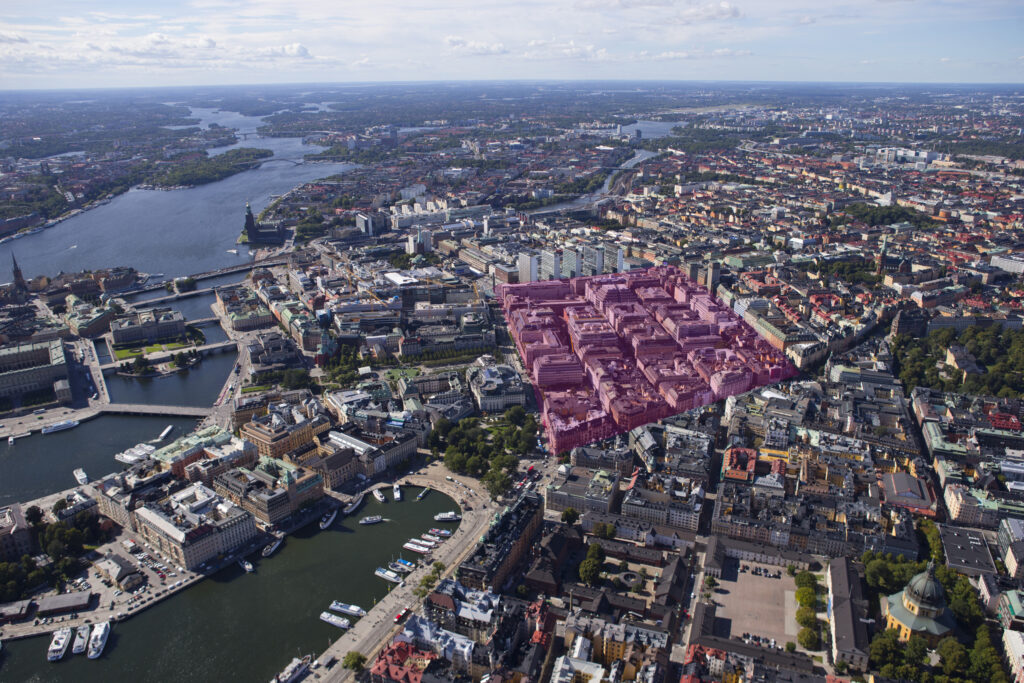
One recurring theme in international reporting in Sky News is Stockholm’s approach to urban development. Rather than expanding endlessly outward, the city emphasizes density balanced with green spaces. Large-scale projects are often framed as experiments in sustainable living.
Districts such as Hammarby Sjöstad and Norra Djurgårdsstaden are frequently cited as examples of eco-friendly urban planning. These neighborhoods integrate energy-efficient buildings, smart waste systems, and access to public transport from the earliest design stages.
Coverage often highlights how urban development in Stockholm is guided by long-term planning rather than short-term political cycles—an approach that contrasts with many global cities struggling with rapid, uncoordinated growth.
Transport Infrastructure as a Storytelling Tool
Public transport plays a central role in how Stockholm is portrayed. Reports regularly point to the city’s metro system, electric buses, congestion pricing, and cycling infrastructure as practical tools for reducing emissions.
For an international audience, these stories offer tangible examples of how urban mobility can be transformed without sacrificing efficiency or accessibility.
Climate Action: From Policy to Practice
Stockholm’s Climate Ambitions
Stockholm has set the goal of becoming climate-positive by 2030, an ambition that frequently appears in international reporting. This objective goes Sky News beyond carbon neutrality, aiming to remove more emissions than the city produces.
News coverage often examines how these goals translate into everyday policies: renewable energy investments, energy-efficient housing, and district heating systems powered largely by clean sources.
Media Focus on Measurable Results
Rather than framing climate action as abstract promises, reports tend to emphasize data and outcomes. Viewers are shown reductions in fossil fuel use, increases in renewable energy adoption, and improvements in air quality.
Environmental agencies such as the City of Stockholm regularly publish open data, allowing journalists to verify claims and present evidence-based stories.
This transparency strengthens the credibility of coverage and reinforces Stockholm’s image as a city where climate policy is actively implemented, not merely discussed.
Another recurring narrative involves Sweden’s social model. Stockholm is often used as a lens through which broader discussions about welfare, equality, and public trust are explored.
Coverage has examined issues such as affordable childcare, parental leave policies, and access to education and healthcare. These elements are frequently contrasted with systems in other countries, positioning Stockholm as an example of a functioning welfare state in a modern economy.
Immigration and Integration
Social change also includes more complex and sensitive topics. Immigration, integration, and segregation have featured in international reports, particularly in discussions about urban inequality.
Stockholm is presented as a city navigating both the opportunities and challenges of diversity. Stories often explore how schools, housing policies, and labor markets influence integration outcomes.
Research from organizations like the OECD provides context for these discussions, highlighting Sweden’s efforts and ongoing debates.
Public Perception and International Influence
How Coverage Shapes Global Views
International media coverage does more than inform—it shapes perception. When Stockholm is presented as a climate leader or social innovator, it influences how policymakers, investors, and potential residents view the city.
Positive portrayals can enhance Stockholm’s soft power, attracting talent and reinforcing its reputation as a forward-thinking capital.
The Balance Between Praise and Scrutiny
While much coverage highlights success, critical perspectives also appear. Rising housing costs, integration challenges, and political debates are part of the narrative.
This balance between praise and scrutiny contributes to a more nuanced portrayal, strengthening trust in the reporting and avoiding overly idealized images.
Urban Development as a Global Case Study
Lessons for Other Cities
One reason Stockholm features in Sky News prominently in international reporting is its transferability. City planners, policymakers, and researchers worldwide look to Stockholm for lessons that can be adapted locally.
Congestion pricing, district heating, and mixed-use zoning are frequently cited as policies that could work beyond Sweden.
The Limits of Replication
At the same time, reports acknowledge that Stockholm’s success is rooted in specific cultural, economic, and political conditions. High levels of public trust and long-term policy continuity are difficult to replicate elsewhere.
This nuanced perspective helps audiences understand that urban transformation requires more than technology—it depends on governance and social consensus.
Climate Communication and Media Responsibility
Telling Climate Stories Through Cities
Cities like Stockholm provide a relatable entry point for discussing global climate challenges. Rather than abstract statistics, audiences see how policies affect daily life.
This storytelling approach aligns with evolving journalistic practices that prioritize solutions-oriented reporting.
The Role of International Broadcasters
When outlets such as Sky News cover Stockholm, they contribute to a broader conversation about what sustainable urban futures might look like.
By focusing on real-world examples, media coverage can inspire debate, imitation, and policy experimentation far beyond Sweden’s borders.
Criticism and Contested Narratives
Housing and Affordability
Despite its strengths, Stockholm faces criticism for housing shortages and rising prices. These issues appear in international reports as potential threats to social equality.
Waiting times for rental apartments and increasing property values are often highlighted as challenges for younger residents and newcomers.
Another contested issue involves residential segregation. Some districts experience higher unemployment and lower educational outcomes, complicating the city’s progressive image.
International coverage increasingly includes these perspectives, presenting a more complete picture of urban life.
Stockholm in the Context of European Cities
Comparisons With Other Capitals
Stockholm is frequently compared with cities like Copenhagen, Amsterdam, and Vienna. These comparisons emphasize shared values such as sustainability, livability, and social welfare.
Such framing places Stockholm within a broader European movement toward greener, more inclusive urban environments.
A Reference Point for the Future
As European cities confront climate targets and demographic change, Stockholm often serves as a reference point rather than a final destination.
The city’s ongoing evolution ensures it remains relevant to international audiences and policymakers alike.
Final Reflections
Viewed through international reporting, Stockholm emerges as a complex, evolving city rather than a static ideal. Coverage highlights ambition, innovation, and measurable progress, while also acknowledging challenges and contradictions.
The portrayal of Stockholm through Sky News reflects a broader shift in global journalism—one that seeks to understand how cities respond to shared challenges such as climate change, urbanization, and social transformation.
Ultimately, Stockholm’s story is not about perfection, but about continuous adaptation. That ongoing journey is precisely what makes it such a compelling subject for international audiences and a valuable case study for cities around the world.