Discovering Stockholm Bar Scene: From Classic Pubs to Trendy Cocktail Lounges
2 months ago · Updated 2 months ago
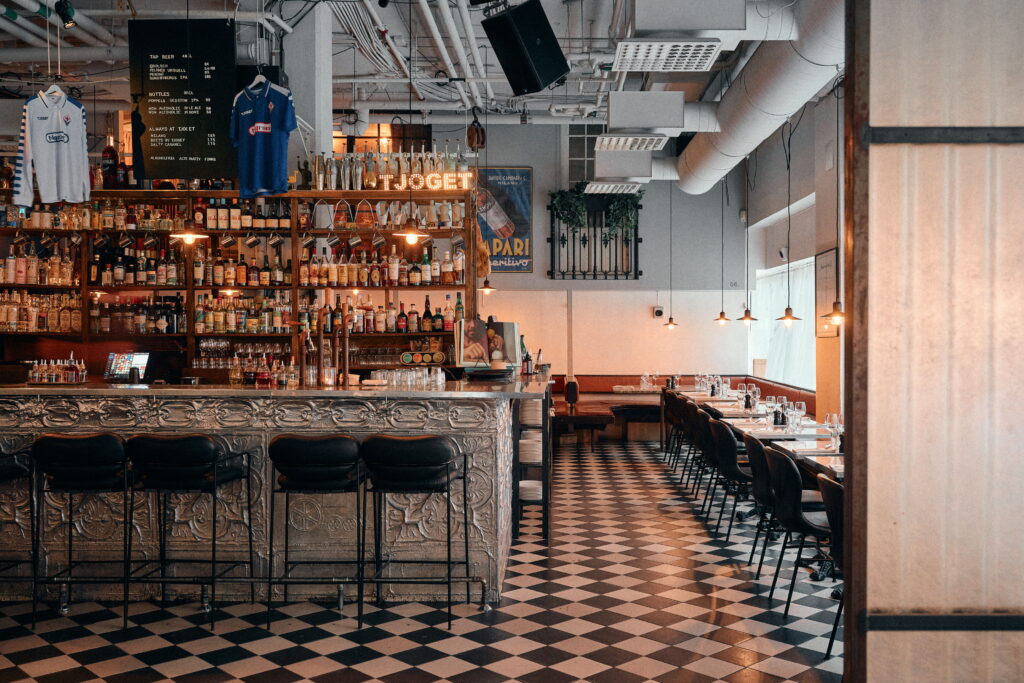
Stockholm is often celebrated for its design, sustainability, and high quality of life—but as the sun sets, the city reveals another side of its identity. The bar scene in Stockholm is a reflection of its culture: understated yet creative, rooted in tradition while constantly evolving.
From cozy neighborhood pubs with decades of history to cutting-edge cocktail lounges experimenting with Nordic flavors, Stockholm offers a nightlife experience that goes far beyond alcohol. Bars here are social spaces, creative laboratories, and cultural meeting points where locals and visitors connect.
This guide explores Stockholm’s bar scene diverse drinking culture, uncovering how history, regulation, innovation, and lifestyle values shape one of Scandinavia’s most intriguing nightlife landscapes.
- Why Stockholm’s Bar Scene Stands Out
- Challenges Facing Stockholm’s Nightlife
- Why Stockholm’s Bar Scene Stands Out
- Seasonality and Nightlife Rhythms
- Challenges Facing Stockholm’s Nightlife
- Why Stockholm’s Bar Scene Stands Out
- The Economics of Going Out in Stockholm
- Seasonality and Nightlife Rhythms
- Challenges Facing Stockholm’s Nightlife
- Why Stockholm’s Bar Scene Stands Out
- Inclusivity and Accessibility
- The Economics of Going Out in Stockholm
- Seasonality and Nightlife Rhythms
- Challenges Facing Stockholm’s Nightlife
- Why Stockholm’s Bar Scene Stands Out
- Social Life, Design, and Atmosphere
- Inclusivity and Accessibility
- The Economics of Going Out in Stockholm
- Seasonality and Nightlife Rhythms
- Challenges Facing Stockholm’s Nightlife
- Why Stockholm’s Bar Scene Stands Out
- Neighborhoods That Define the Bar Scene
- Social Life, Design, and Atmosphere
- Inclusivity and Accessibility
- The Economics of Going Out in Stockholm
- Seasonality and Nightlife Rhythms
- Challenges Facing Stockholm’s Nightlife
- Why Stockholm’s Bar Scene Stands Out
- Trendy Cocktail Lounges and Mixology Innovation
- Neighborhoods That Define the Bar Scene
- Social Life, Design, and Atmosphere
- Inclusivity and Accessibility
- The Economics of Going Out in Stockholm
- Seasonality and Nightlife Rhythms
- Challenges Facing Stockholm’s Nightlife
- Why Stockholm’s Bar Scene Stands Out
- The Rise of Craft Beer Culture
- Trendy Cocktail Lounges and Mixology Innovation
- Neighborhoods That Define the Bar Scene
- Social Life, Design, and Atmosphere
- Inclusivity and Accessibility
- The Economics of Going Out in Stockholm
- Seasonality and Nightlife Rhythms
- Challenges Facing Stockholm’s Nightlife
- Why Stockholm’s Bar Scene Stands Out
- Classic Pubs: The Backbone of Stockholm’s Nightlife
- The Rise of Craft Beer Culture
- Trendy Cocktail Lounges and Mixology Innovation
- Neighborhoods That Define the Bar Scene
- Social Life, Design, and Atmosphere
- Inclusivity and Accessibility
- The Economics of Going Out in Stockholm
- Seasonality and Nightlife Rhythms
- Challenges Facing Stockholm’s Nightlife
- Why Stockholm’s Bar Scene Stands Out
- The Cultural Foundations of Drinking in Sweden
- Classic Pubs: The Backbone of Stockholm’s Nightlife
- The Rise of Craft Beer Culture
- Trendy Cocktail Lounges and Mixology Innovation
- Neighborhoods That Define the Bar Scene
- Social Life, Design, and Atmosphere
- Inclusivity and Accessibility
- The Economics of Going Out in Stockholm
- Seasonality and Nightlife Rhythms
- Challenges Facing Stockholm’s Nightlife
- Why Stockholm’s Bar Scene Stands Out
Why Stockholm’s Bar Scene Stands Out
The strength of Stockholm’s nightlife lies in its balance. Tradition coexists with innovation, regulation encourages creativity, and social values shape inclusive environments.
Rather than competing on excess, Stockholm offers depth—making nights out feel intentional and meaningful.
Discovering Stockholm’s bars is about more than finding a place to drink. It is an exploration of culture, design, and social interaction in one of Europe’s most thoughtful cities.
The bar scene reflects the city itself: calm yet creative, structured yet flexible, local yet globally connected. For anyone seeking nightlife with character and substance, Stockholm offers an experience that lingers long after the last glass is empty.
Challenges Facing Stockholm’s Nightlife
Regulation and Operating Costs
Strict licensing rules and high rents can make it difficult for small, independent bars to survive. This creates constant pressure on venue owners.
Balancing Growth and Authenticity
As Stockholm’s reputation grows, maintaining authenticity becomes a challenge. The most successful venues are those that evolve without losing their local roots.
Why Stockholm’s Bar Scene Stands Out
The strength of Stockholm’s nightlife lies in its balance. Tradition coexists with innovation, regulation encourages creativity, and social values shape inclusive environments.
Rather than competing on excess, Stockholm offers depth—making nights out feel intentional and meaningful.
Discovering Stockholm’s bars is about more than finding a place to drink. It is an exploration of culture, design, and social interaction in one of Europe’s most thoughtful cities.
The bar scene reflects the city itself: calm yet creative, structured yet flexible, local yet globally connected. For anyone seeking nightlife with character and substance, Stockholm offers an experience that lingers long after the last glass is empty.
Seasonality and Nightlife Rhythms
Summer Nights and Outdoor Drinking
During summer, extended daylight transforms the city. Outdoor terraces, waterfront bars, and rooftop venues become social hubs.
Winter Intimacy
In winter, nightlife turns inward. Cozy interiors, candlelight, and warm drinks define the experience, creating a sense of intimacy that many locals cherish.
Challenges Facing Stockholm’s Nightlife
Regulation and Operating Costs
Strict licensing rules and high rents can make it difficult for small, independent bars to survive. This creates constant pressure on venue owners.
Balancing Growth and Authenticity
As Stockholm’s reputation grows, maintaining authenticity becomes a challenge. The most successful venues are those that evolve without losing their local roots.
Why Stockholm’s Bar Scene Stands Out
The strength of Stockholm’s nightlife lies in its balance. Tradition coexists with innovation, regulation encourages creativity, and social values shape inclusive environments.
Rather than competing on excess, Stockholm offers depth—making nights out feel intentional and meaningful.
Discovering Stockholm’s bars is about more than finding a place to drink. It is an exploration of culture, design, and social interaction in one of Europe’s most thoughtful cities.
The bar scene reflects the city itself: calm yet creative, structured yet flexible, local yet globally connected. For anyone seeking nightlife with character and substance, Stockholm offers an experience that lingers long after the last glass is empty.
The Economics of Going Out in Stockholm
Prices and Expectations
Drinks in Stockholm are more expensive than in many European cities. However, the pricing reflects quality, labor standards, and regulatory costs.
Rather than discouraging nightlife, this has shifted expectations toward fewer drinks and higher-quality experiences.
Value Beyond the Glass
Patrons often emphasize atmosphere, service, and creativity as key components of value—factors that contribute to Stockholm’s distinctive nightlife appeal.
Seasonality and Nightlife Rhythms
Summer Nights and Outdoor Drinking
During summer, extended daylight transforms the city. Outdoor terraces, waterfront bars, and rooftop venues become social hubs.
Winter Intimacy
In winter, nightlife turns inward. Cozy interiors, candlelight, and warm drinks define the experience, creating a sense of intimacy that many locals cherish.
Challenges Facing Stockholm’s Nightlife
Regulation and Operating Costs
Strict licensing rules and high rents can make it difficult for small, independent bars to survive. This creates constant pressure on venue owners.
Balancing Growth and Authenticity
As Stockholm’s reputation grows, maintaining authenticity becomes a challenge. The most successful venues are those that evolve without losing their local roots.
Why Stockholm’s Bar Scene Stands Out
The strength of Stockholm’s nightlife lies in its balance. Tradition coexists with innovation, regulation encourages creativity, and social values shape inclusive environments.
Rather than competing on excess, Stockholm offers depth—making nights out feel intentional and meaningful.
Discovering Stockholm’s bars is about more than finding a place to drink. It is an exploration of culture, design, and social interaction in one of Europe’s most thoughtful cities.
The bar scene reflects the city itself: calm yet creative, structured yet flexible, local yet globally connected. For anyone seeking nightlife with character and substance, Stockholm offers an experience that lingers long after the last glass is empty.
Inclusivity and Accessibility
A Welcoming Environment
Stockholm’s nightlife is generally inclusive and safe. Bars tend to attract diverse crowds, and aggressive behavior is uncommon.
English is widely spoken, making it easy for visitors to feel comfortable and engaged.
Gender equality is strongly embedded in Swedish society and reflected in nightlife culture. Women participate freely as patrons, bartenders, and owners, shaping a more balanced social environment.
The Economics of Going Out in Stockholm
Prices and Expectations
Drinks in Stockholm are more expensive than in many European cities. However, the pricing reflects quality, labor standards, and regulatory costs.
Rather than discouraging nightlife, this has shifted expectations toward fewer drinks and higher-quality experiences.
Value Beyond the Glass
Patrons often emphasize atmosphere, service, and creativity as key components of value—factors that contribute to Stockholm’s distinctive nightlife appeal.
Seasonality and Nightlife Rhythms
Summer Nights and Outdoor Drinking
During summer, extended daylight transforms the city. Outdoor terraces, waterfront bars, and rooftop venues become social hubs.
Winter Intimacy
In winter, nightlife turns inward. Cozy interiors, candlelight, and warm drinks define the experience, creating a sense of intimacy that many locals cherish.
Challenges Facing Stockholm’s Nightlife
Regulation and Operating Costs
Strict licensing rules and high rents can make it difficult for small, independent bars to survive. This creates constant pressure on venue owners.
Balancing Growth and Authenticity
As Stockholm’s reputation grows, maintaining authenticity becomes a challenge. The most successful venues are those that evolve without losing their local roots.
Why Stockholm’s Bar Scene Stands Out
The strength of Stockholm’s nightlife lies in its balance. Tradition coexists with innovation, regulation encourages creativity, and social values shape inclusive environments.
Rather than competing on excess, Stockholm offers depth—making nights out feel intentional and meaningful.
Discovering Stockholm’s bars is about more than finding a place to drink. It is an exploration of culture, design, and social interaction in one of Europe’s most thoughtful cities.
The bar scene reflects the city itself: calm yet creative, structured yet flexible, local yet globally connected. For anyone seeking nightlife with character and substance, Stockholm offers an experience that lingers long after the last glass is empty.
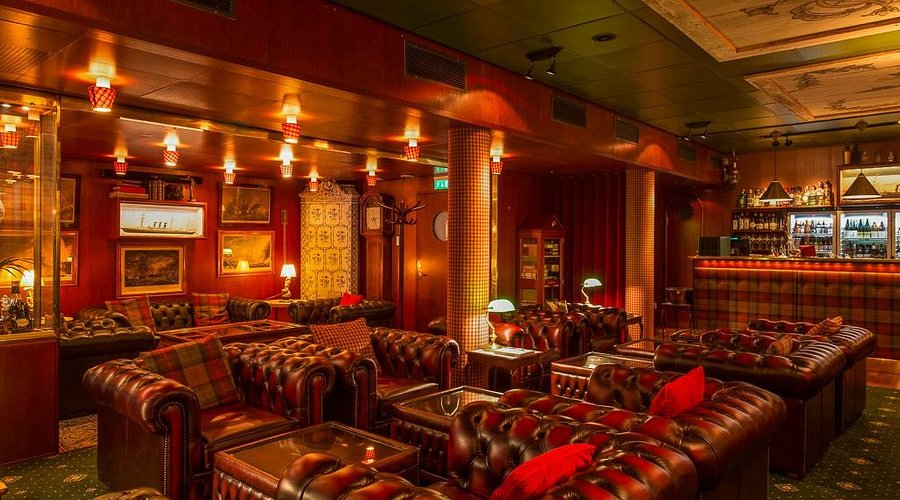
Interior design plays a central role in Stockholm bars. Clean lines, natural materials, and soft lighting dominate, creating calm and welcoming environments.
This design philosophy encourages longer stays and deeper conversations, reinforcing the social role of bars.
Music and Mood
Music is carefully curated rather than overwhelming. Jazz, electronic, indie, and ambient sounds are common, supporting the overall atmosphere without dominating it.
Inclusivity and Accessibility
A Welcoming Environment
Stockholm’s nightlife is generally inclusive and safe. Bars tend to attract diverse crowds, and aggressive behavior is uncommon.
English is widely spoken, making it easy for visitors to feel comfortable and engaged.
Gender equality is strongly embedded in Swedish society and reflected in nightlife culture. Women participate freely as patrons, bartenders, and owners, shaping a more balanced social environment.
The Economics of Going Out in Stockholm
Prices and Expectations
Drinks in Stockholm are more expensive than in many European cities. However, the pricing reflects quality, labor standards, and regulatory costs.
Rather than discouraging nightlife, this has shifted expectations toward fewer drinks and higher-quality experiences.
Value Beyond the Glass
Patrons often emphasize atmosphere, service, and creativity as key components of value—factors that contribute to Stockholm’s distinctive nightlife appeal.
Seasonality and Nightlife Rhythms
Summer Nights and Outdoor Drinking
During summer, extended daylight transforms the city. Outdoor terraces, waterfront bars, and rooftop venues become social hubs.
Winter Intimacy
In winter, nightlife turns inward. Cozy interiors, candlelight, and warm drinks define the experience, creating a sense of intimacy that many locals cherish.
Challenges Facing Stockholm’s Nightlife
Regulation and Operating Costs
Strict licensing rules and high rents can make it difficult for small, independent bars to survive. This creates constant pressure on venue owners.
Balancing Growth and Authenticity
As Stockholm’s reputation grows, maintaining authenticity becomes a challenge. The most successful venues are those that evolve without losing their local roots.
Why Stockholm’s Bar Scene Stands Out
The strength of Stockholm’s nightlife lies in its balance. Tradition coexists with innovation, regulation encourages creativity, and social values shape inclusive environments.
Rather than competing on excess, Stockholm offers depth—making nights out feel intentional and meaningful.
Discovering Stockholm’s bars is about more than finding a place to drink. It is an exploration of culture, design, and social interaction in one of Europe’s most thoughtful cities.
The bar scene reflects the city itself: calm yet creative, structured yet flexible, local yet globally connected. For anyone seeking nightlife with character and substance, Stockholm offers an experience that lingers long after the last glass is empty.
Neighborhoods That Define the Bar Scene
Södermalm: Creative and Experimental
Södermalm is often considered the heart of Stockholm’s nightlife creativity. Known for its artistic vibe, the area hosts experimental bars, craft beer spots, and music-driven venues.
Here, boundaries between bar, café, and cultural space often blur.
Östermalm: Elegant and Refined
In contrast, Östermalm offers a more polished experience. Cocktail lounges and wine bars cater to professionals and an older crowd, emphasizing quality, comfort, and discretion.
Gamla Stan: History Meets Nightlife
The Old Town combines medieval architecture with intimate bars hidden in vaulted cellars. While some venues attract tourists, others retain a distinctly local character.
Interior design plays a central role in Stockholm bars. Clean lines, natural materials, and soft lighting dominate, creating calm and welcoming environments.
This design philosophy encourages longer stays and deeper conversations, reinforcing the social role of bars.
Music and Mood
Music is carefully curated rather than overwhelming. Jazz, electronic, indie, and ambient sounds are common, supporting the overall atmosphere without dominating it.
Inclusivity and Accessibility
A Welcoming Environment
Stockholm’s nightlife is generally inclusive and safe. Bars tend to attract diverse crowds, and aggressive behavior is uncommon.
English is widely spoken, making it easy for visitors to feel comfortable and engaged.
Gender equality is strongly embedded in Swedish society and reflected in nightlife culture. Women participate freely as patrons, bartenders, and owners, shaping a more balanced social environment.
The Economics of Going Out in Stockholm
Prices and Expectations
Drinks in Stockholm are more expensive than in many European cities. However, the pricing reflects quality, labor standards, and regulatory costs.
Rather than discouraging nightlife, this has shifted expectations toward fewer drinks and higher-quality experiences.
Value Beyond the Glass
Patrons often emphasize atmosphere, service, and creativity as key components of value—factors that contribute to Stockholm’s distinctive nightlife appeal.
Seasonality and Nightlife Rhythms
Summer Nights and Outdoor Drinking
During summer, extended daylight transforms the city. Outdoor terraces, waterfront bars, and rooftop venues become social hubs.
Winter Intimacy
In winter, nightlife turns inward. Cozy interiors, candlelight, and warm drinks define the experience, creating a sense of intimacy that many locals cherish.
Challenges Facing Stockholm’s Nightlife
Regulation and Operating Costs
Strict licensing rules and high rents can make it difficult for small, independent bars to survive. This creates constant pressure on venue owners.
Balancing Growth and Authenticity
As Stockholm’s reputation grows, maintaining authenticity becomes a challenge. The most successful venues are those that evolve without losing their local roots.
Why Stockholm’s Bar Scene Stands Out
The strength of Stockholm’s nightlife lies in its balance. Tradition coexists with innovation, regulation encourages creativity, and social values shape inclusive environments.
Rather than competing on excess, Stockholm offers depth—making nights out feel intentional and meaningful.
Discovering Stockholm’s bars is about more than finding a place to drink. It is an exploration of culture, design, and social interaction in one of Europe’s most thoughtful cities.
The bar scene reflects the city itself: calm yet creative, structured yet flexible, local yet globally connected. For anyone seeking nightlife with character and substance, Stockholm offers an experience that lingers long after the last glass is empty.
Trendy Cocktail Lounges and Mixology Innovation
The Cocktail Renaissance
Stockholm’s cocktail culture has undergone a quiet revolution. Inspired by global mixology trends but grounded in local identity, bartenders focus on balance, craftsmanship, and storytelling.
Minimalist interiors, candlelit rooms, and carefully curated playlists create intimate environments where cocktails are treated as culinary experiences.
Local Ingredients, Global Techniques
Many cocktail lounges emphasize seasonal and locally sourced ingredients. Birch sap syrups, wild herbs, and house-made infusions are common features.
This approach aligns with broader Scandinavian culinary values and elevates Stockholm’s nightlife to a form of edible culture.
According to Time Out Stockholm, the city consistently ranks among Europe’s top destinations for innovative cocktail bars.
Neighborhoods That Define the Bar Scene
Södermalm: Creative and Experimental
Södermalm is often considered the heart of Stockholm’s nightlife creativity. Known for its artistic vibe, the area hosts experimental bars, craft beer spots, and music-driven venues.
Here, boundaries between bar, café, and cultural space often blur.
Östermalm: Elegant and Refined
In contrast, Östermalm offers a more polished experience. Cocktail lounges and wine bars cater to professionals and an older crowd, emphasizing quality, comfort, and discretion.
Gamla Stan: History Meets Nightlife
The Old Town combines medieval architecture with intimate bars hidden in vaulted cellars. While some venues attract tourists, others retain a distinctly local character.
Interior design plays a central role in Stockholm bars. Clean lines, natural materials, and soft lighting dominate, creating calm and welcoming environments.
This design philosophy encourages longer stays and deeper conversations, reinforcing the social role of bars.
Music and Mood
Music is carefully curated rather than overwhelming. Jazz, electronic, indie, and ambient sounds are common, supporting the overall atmosphere without dominating it.
Inclusivity and Accessibility
A Welcoming Environment
Stockholm’s nightlife is generally inclusive and safe. Bars tend to attract diverse crowds, and aggressive behavior is uncommon.
English is widely spoken, making it easy for visitors to feel comfortable and engaged.
Gender equality is strongly embedded in Swedish society and reflected in nightlife culture. Women participate freely as patrons, bartenders, and owners, shaping a more balanced social environment.
The Economics of Going Out in Stockholm
Prices and Expectations
Drinks in Stockholm are more expensive than in many European cities. However, the pricing reflects quality, labor standards, and regulatory costs.
Rather than discouraging nightlife, this has shifted expectations toward fewer drinks and higher-quality experiences.
Value Beyond the Glass
Patrons often emphasize atmosphere, service, and creativity as key components of value—factors that contribute to Stockholm’s distinctive nightlife appeal.
Seasonality and Nightlife Rhythms
Summer Nights and Outdoor Drinking
During summer, extended daylight transforms the city. Outdoor terraces, waterfront bars, and rooftop venues become social hubs.
Winter Intimacy
In winter, nightlife turns inward. Cozy interiors, candlelight, and warm drinks define the experience, creating a sense of intimacy that many locals cherish.
Challenges Facing Stockholm’s Nightlife
Regulation and Operating Costs
Strict licensing rules and high rents can make it difficult for small, independent bars to survive. This creates constant pressure on venue owners.
Balancing Growth and Authenticity
As Stockholm’s reputation grows, maintaining authenticity becomes a challenge. The most successful venues are those that evolve without losing their local roots.
Why Stockholm’s Bar Scene Stands Out
The strength of Stockholm’s nightlife lies in its balance. Tradition coexists with innovation, regulation encourages creativity, and social values shape inclusive environments.
Rather than competing on excess, Stockholm offers depth—making nights out feel intentional and meaningful.
Discovering Stockholm’s bars is about more than finding a place to drink. It is an exploration of culture, design, and social interaction in one of Europe’s most thoughtful cities.
The bar scene reflects the city itself: calm yet creative, structured yet flexible, local yet globally connected. For anyone seeking nightlife with character and substance, Stockholm offers an experience that lingers long after the last glass is empty.
The Rise of Craft Beer Culture
Microbreweries and Independent Bars
Over the past decade, Stockholm bar scene has embraced craft beer with enthusiasm. Independent breweries and specialized bars have introduced a new level of diversity to the city’s offerings.
IPAs, stouts, sour beers, and experimental brews infused with local ingredients are now widely available, often rotating weekly.
A Nordic Take on Craft Brewing
What sets Stockholm apart is its Nordic approach. Brewers frequently incorporate ingredients such as lingonberries, spruce tips, and herbs, creating flavors tied to regional traditions.
Trendy Cocktail Lounges and Mixology Innovation
The Cocktail Renaissance
Stockholm’s cocktail culture has undergone a quiet revolution. Inspired by global mixology trends but grounded in local identity, bartenders focus on balance, craftsmanship, and storytelling.
Minimalist interiors, candlelit rooms, and carefully curated playlists create intimate environments where cocktails are treated as culinary experiences.
Local Ingredients, Global Techniques
Many cocktail lounges emphasize seasonal and locally sourced ingredients. Birch sap syrups, wild herbs, and house-made infusions are common features.
This approach aligns with broader Scandinavian culinary values and elevates Stockholm’s nightlife to a form of edible culture.
According to Time Out Stockholm, the city consistently ranks among Europe’s top destinations for innovative cocktail bars.
Neighborhoods That Define the Bar Scene
Södermalm: Creative and Experimental
Södermalm is often considered the heart of Stockholm’s nightlife creativity. Known for its artistic vibe, the area hosts experimental bars, craft beer spots, and music-driven venues.
Here, boundaries between bar, café, and cultural space often blur.
Östermalm: Elegant and Refined
In contrast, Östermalm offers a more polished experience. Cocktail lounges and wine bars cater to professionals and an older crowd, emphasizing quality, comfort, and discretion.
Gamla Stan: History Meets Nightlife
The Old Town combines medieval architecture with intimate bars hidden in vaulted cellars. While some venues attract tourists, others retain a distinctly local character.
Interior design plays a central role in Stockholm bars. Clean lines, natural materials, and soft lighting dominate, creating calm and welcoming environments.
This design philosophy encourages longer stays and deeper conversations, reinforcing the social role of bars.
Music and Mood
Music is carefully curated rather than overwhelming. Jazz, electronic, indie, and ambient sounds are common, supporting the overall atmosphere without dominating it.
Inclusivity and Accessibility
A Welcoming Environment
Stockholm’s nightlife is generally inclusive and safe. Bars tend to attract diverse crowds, and aggressive behavior is uncommon.
English is widely spoken, making it easy for visitors to feel comfortable and engaged.
Gender equality is strongly embedded in Swedish society and reflected in nightlife culture. Women participate freely as patrons, bartenders, and owners, shaping a more balanced social environment.
The Economics of Going Out in Stockholm
Prices and Expectations
Drinks in Stockholm are more expensive than in many European cities. However, the pricing reflects quality, labor standards, and regulatory costs.
Rather than discouraging nightlife, this has shifted expectations toward fewer drinks and higher-quality experiences.
Value Beyond the Glass
Patrons often emphasize atmosphere, service, and creativity as key components of value—factors that contribute to Stockholm’s distinctive nightlife appeal.
Seasonality and Nightlife Rhythms
Summer Nights and Outdoor Drinking
During summer, extended daylight transforms the city. Outdoor terraces, waterfront bars, and rooftop venues become social hubs.
Winter Intimacy
In winter, nightlife turns inward. Cozy interiors, candlelight, and warm drinks define the experience, creating a sense of intimacy that many locals cherish.
Challenges Facing Stockholm’s Nightlife
Regulation and Operating Costs
Strict licensing rules and high rents can make it difficult for small, independent bars to survive. This creates constant pressure on venue owners.
Balancing Growth and Authenticity
As Stockholm’s reputation grows, maintaining authenticity becomes a challenge. The most successful venues are those that evolve without losing their local roots.
Why Stockholm’s Bar Scene Stands Out
The strength of Stockholm’s nightlife lies in its balance. Tradition coexists with innovation, regulation encourages creativity, and social values shape inclusive environments.
Rather than competing on excess, Stockholm offers depth—making nights out feel intentional and meaningful.
Discovering Stockholm’s bars is about more than finding a place to drink. It is an exploration of culture, design, and social interaction in one of Europe’s most thoughtful cities.
The bar scene reflects the city itself: calm yet creative, structured yet flexible, local yet globally connected. For anyone seeking nightlife with character and substance, Stockholm offers an experience that lingers long after the last glass is empty.
Classic Pubs: The Backbone of Stockholm’s Nightlife
Historic Taverns and Local Institutions
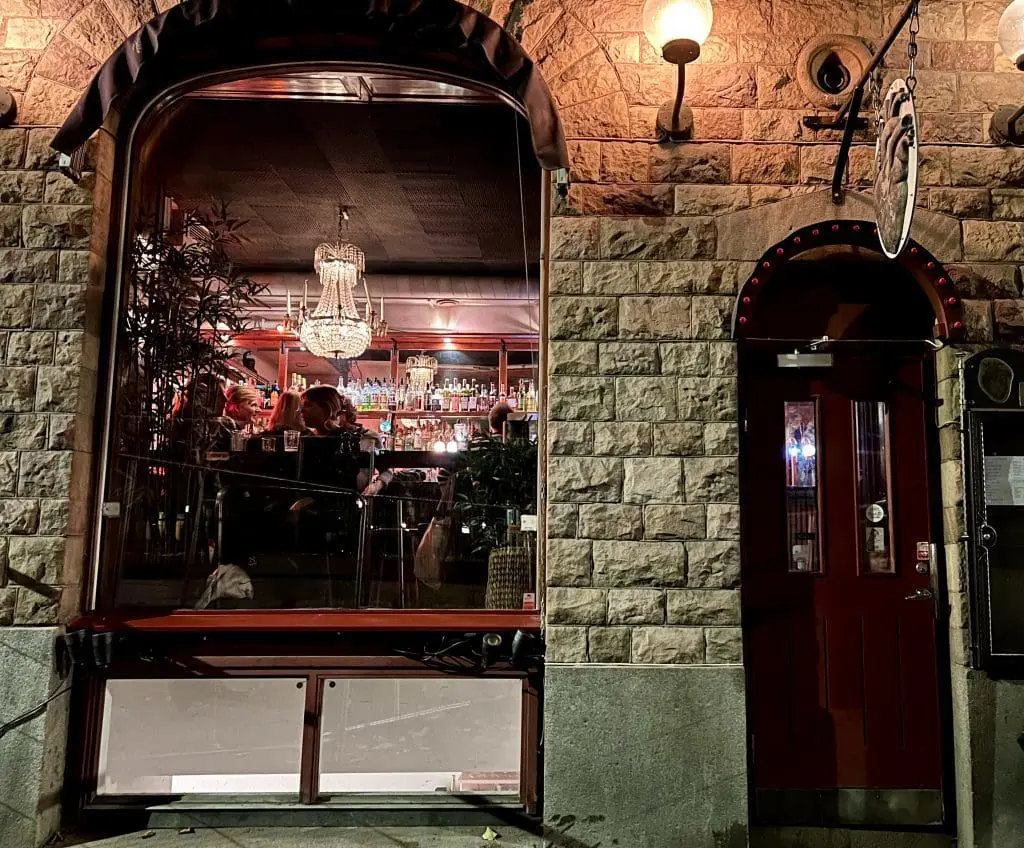
Stockholm’s traditional bar scene are deeply woven into the city’s social fabric. Many have served generations of locals, maintaining familiar interiors, simple menus, and a welcoming atmosphere.
These establishments are often found in older districts such as Södermalm and Gamla Stan, where narrow streets and historic buildings create a sense of continuity with the past.
A Community-Centered Experience
Unlike tourist-focused venues, classic pubs cater primarily to regulars. Bartenders know their customers, conversations stretch across tables, and the pace is unhurried.
Beer selections typically focus on Swedish and Nordic breweries, reflecting a strong local identity.
The Rise of Craft Beer Culture
Microbreweries and Independent Bars
Over the past decade, Stockholm bar scene has embraced craft beer with enthusiasm. Independent breweries and specialized bars have introduced a new level of diversity to the city’s offerings.
IPAs, stouts, sour beers, and experimental brews infused with local ingredients are now widely available, often rotating weekly.
A Nordic Take on Craft Brewing
What sets Stockholm apart is its Nordic approach. Brewers frequently incorporate ingredients such as lingonberries, spruce tips, and herbs, creating flavors tied to regional traditions.
Trendy Cocktail Lounges and Mixology Innovation
The Cocktail Renaissance
Stockholm’s cocktail culture has undergone a quiet revolution. Inspired by global mixology trends but grounded in local identity, bartenders focus on balance, craftsmanship, and storytelling.
Minimalist interiors, candlelit rooms, and carefully curated playlists create intimate environments where cocktails are treated as culinary experiences.
Local Ingredients, Global Techniques
Many cocktail lounges emphasize seasonal and locally sourced ingredients. Birch sap syrups, wild herbs, and house-made infusions are common features.
This approach aligns with broader Scandinavian culinary values and elevates Stockholm’s nightlife to a form of edible culture.
According to Time Out Stockholm, the city consistently ranks among Europe’s top destinations for innovative cocktail bars.
Neighborhoods That Define the Bar Scene
Södermalm: Creative and Experimental
Södermalm is often considered the heart of Stockholm’s nightlife creativity. Known for its artistic vibe, the area hosts experimental bars, craft beer spots, and music-driven venues.
Here, boundaries between bar, café, and cultural space often blur.
Östermalm: Elegant and Refined
In contrast, Östermalm offers a more polished experience. Cocktail lounges and wine bars cater to professionals and an older crowd, emphasizing quality, comfort, and discretion.
Gamla Stan: History Meets Nightlife
The Old Town combines medieval architecture with intimate bars hidden in vaulted cellars. While some venues attract tourists, others retain a distinctly local character.
Interior design plays a central role in Stockholm bars. Clean lines, natural materials, and soft lighting dominate, creating calm and welcoming environments.
This design philosophy encourages longer stays and deeper conversations, reinforcing the social role of bars.
Music and Mood
Music is carefully curated rather than overwhelming. Jazz, electronic, indie, and ambient sounds are common, supporting the overall atmosphere without dominating it.
Inclusivity and Accessibility
A Welcoming Environment
Stockholm’s nightlife is generally inclusive and safe. Bars tend to attract diverse crowds, and aggressive behavior is uncommon.
English is widely spoken, making it easy for visitors to feel comfortable and engaged.
Gender equality is strongly embedded in Swedish society and reflected in nightlife culture. Women participate freely as patrons, bartenders, and owners, shaping a more balanced social environment.
The Economics of Going Out in Stockholm
Prices and Expectations
Drinks in Stockholm are more expensive than in many European cities. However, the pricing reflects quality, labor standards, and regulatory costs.
Rather than discouraging nightlife, this has shifted expectations toward fewer drinks and higher-quality experiences.
Value Beyond the Glass
Patrons often emphasize atmosphere, service, and creativity as key components of value—factors that contribute to Stockholm’s distinctive nightlife appeal.
Seasonality and Nightlife Rhythms
Summer Nights and Outdoor Drinking
During summer, extended daylight transforms the city. Outdoor terraces, waterfront bars, and rooftop venues become social hubs.
Winter Intimacy
In winter, nightlife turns inward. Cozy interiors, candlelight, and warm drinks define the experience, creating a sense of intimacy that many locals cherish.
Challenges Facing Stockholm’s Nightlife
Regulation and Operating Costs
Strict licensing rules and high rents can make it difficult for small, independent bars to survive. This creates constant pressure on venue owners.
Balancing Growth and Authenticity
As Stockholm’s reputation grows, maintaining authenticity becomes a challenge. The most successful venues are those that evolve without losing their local roots.
Why Stockholm’s Bar Scene Stands Out
The strength of Stockholm’s nightlife lies in its balance. Tradition coexists with innovation, regulation encourages creativity, and social values shape inclusive environments.
Rather than competing on excess, Stockholm offers depth—making nights out feel intentional and meaningful.
Discovering Stockholm’s bars is about more than finding a place to drink. It is an exploration of culture, design, and social interaction in one of Europe’s most thoughtful cities.
The bar scene reflects the city itself: calm yet creative, structured yet flexible, local yet globally connected. For anyone seeking nightlife with character and substance, Stockholm offers an experience that lingers long after the last glass is empty.
The Cultural Foundations of Drinking in Sweden
Swedish culture is often described as reserved, but social rituals play a crucial role in bringing people together. Bars serve as neutral, relaxed spaces where conversation flows more freely than in formal settings.
Rather than loud excess, Stockholm nightlife tends to emphasize atmosphere, conversation, and quality. This cultural preference influences everything from interior design to drink menus.
The Influence of Regulation
Alcohol consumption in Sweden is shaped by strict regulations. Government policies aim to promote responsible drinking, which has led to a nightlife culture that prioritizes moderation and experience over volume.
This regulatory environment has indirectly elevated creativity. With higher prices and tighter rules, bars compete by offering unique concepts, carefully crafted drinks, and memorable settings.
Classic Pubs: The Backbone of Stockholm’s Nightlife
Historic Taverns and Local Institutions
Stockholm’s traditional bar scene are deeply woven into the city’s social fabric. Many have served generations of locals, maintaining familiar interiors, simple menus, and a welcoming atmosphere.
These establishments are often found in older districts such as Södermalm and Gamla Stan, where narrow streets and historic buildings create a sense of continuity with the past.
A Community-Centered Experience
Unlike tourist-focused venues, classic pubs cater primarily to regulars. Bartenders know their customers, conversations stretch across tables, and the pace is unhurried.
Beer selections typically focus on Swedish and Nordic breweries, reflecting a strong local identity.
The Rise of Craft Beer Culture
Microbreweries and Independent Bars
Over the past decade, Stockholm bar scene has embraced craft beer with enthusiasm. Independent breweries and specialized bars have introduced a new level of diversity to the city’s offerings.
IPAs, stouts, sour beers, and experimental brews infused with local ingredients are now widely available, often rotating weekly.
A Nordic Take on Craft Brewing
What sets Stockholm apart is its Nordic approach. Brewers frequently incorporate ingredients such as lingonberries, spruce tips, and herbs, creating flavors tied to regional traditions.
Trendy Cocktail Lounges and Mixology Innovation
The Cocktail Renaissance
Stockholm’s cocktail culture has undergone a quiet revolution. Inspired by global mixology trends but grounded in local identity, bartenders focus on balance, craftsmanship, and storytelling.
Minimalist interiors, candlelit rooms, and carefully curated playlists create intimate environments where cocktails are treated as culinary experiences.
Local Ingredients, Global Techniques
Many cocktail lounges emphasize seasonal and locally sourced ingredients. Birch sap syrups, wild herbs, and house-made infusions are common features.
This approach aligns with broader Scandinavian culinary values and elevates Stockholm’s nightlife to a form of edible culture.
According to Time Out Stockholm, the city consistently ranks among Europe’s top destinations for innovative cocktail bars.
Neighborhoods That Define the Bar Scene
Södermalm: Creative and Experimental
Södermalm is often considered the heart of Stockholm’s nightlife creativity. Known for its artistic vibe, the area hosts experimental bars, craft beer spots, and music-driven venues.
Here, boundaries between bar, café, and cultural space often blur.
Östermalm: Elegant and Refined
In contrast, Östermalm offers a more polished experience. Cocktail lounges and wine bars cater to professionals and an older crowd, emphasizing quality, comfort, and discretion.
Gamla Stan: History Meets Nightlife
The Old Town combines medieval architecture with intimate bars hidden in vaulted cellars. While some venues attract tourists, others retain a distinctly local character.
Interior design plays a central role in Stockholm bars. Clean lines, natural materials, and soft lighting dominate, creating calm and welcoming environments.
This design philosophy encourages longer stays and deeper conversations, reinforcing the social role of bars.
Music and Mood
Music is carefully curated rather than overwhelming. Jazz, electronic, indie, and ambient sounds are common, supporting the overall atmosphere without dominating it.
Inclusivity and Accessibility
A Welcoming Environment
Stockholm’s nightlife is generally inclusive and safe. Bars tend to attract diverse crowds, and aggressive behavior is uncommon.
English is widely spoken, making it easy for visitors to feel comfortable and engaged.
Gender equality is strongly embedded in Swedish society and reflected in nightlife culture. Women participate freely as patrons, bartenders, and owners, shaping a more balanced social environment.
The Economics of Going Out in Stockholm
Prices and Expectations
Drinks in Stockholm are more expensive than in many European cities. However, the pricing reflects quality, labor standards, and regulatory costs.
Rather than discouraging nightlife, this has shifted expectations toward fewer drinks and higher-quality experiences.
Value Beyond the Glass
Patrons often emphasize atmosphere, service, and creativity as key components of value—factors that contribute to Stockholm’s distinctive nightlife appeal.
Seasonality and Nightlife Rhythms
Summer Nights and Outdoor Drinking
During summer, extended daylight transforms the city. Outdoor terraces, waterfront bars, and rooftop venues become social hubs.
Winter Intimacy
In winter, nightlife turns inward. Cozy interiors, candlelight, and warm drinks define the experience, creating a sense of intimacy that many locals cherish.
Challenges Facing Stockholm’s Nightlife
Regulation and Operating Costs
Strict licensing rules and high rents can make it difficult for small, independent bars to survive. This creates constant pressure on venue owners.
Balancing Growth and Authenticity
As Stockholm’s reputation grows, maintaining authenticity becomes a challenge. The most successful venues are those that evolve without losing their local roots.
Why Stockholm’s Bar Scene Stands Out
The strength of Stockholm’s nightlife lies in its balance. Tradition coexists with innovation, regulation encourages creativity, and social values shape inclusive environments.
Rather than competing on excess, Stockholm offers depth—making nights out feel intentional and meaningful.
Discovering Stockholm’s bars is about more than finding a place to drink. It is an exploration of culture, design, and social interaction in one of Europe’s most thoughtful cities.
The bar scene reflects the city itself: calm yet creative, structured yet flexible, local yet globally connected. For anyone seeking nightlife with character and substance, Stockholm offers an experience that lingers long after the last glass is empty.
Challenges Facing Stockholm’s Nightlife
Regulation and Operating Costs
Strict licensing rules and high rents can make it difficult for small, independent bars to survive. This creates constant pressure on venue owners.
Balancing Growth and Authenticity
As Stockholm’s reputation grows, maintaining authenticity becomes a challenge. The most successful venues are those that evolve without losing their local roots.
Why Stockholm’s Bar Scene Stands Out
The strength of Stockholm’s nightlife lies in its balance. Tradition coexists with innovation, regulation encourages creativity, and social values shape inclusive environments.
Rather than competing on excess, Stockholm offers depth—making nights out feel intentional and meaningful.
Discovering Stockholm’s bars is about more than finding a place to drink. It is an exploration of culture, design, and social interaction in one of Europe’s most thoughtful cities.
The bar scene reflects the city itself: calm yet creative, structured yet flexible, local yet globally connected. For anyone seeking nightlife with character and substance, Stockholm offers an experience that lingers long after the last glass is empty.
The Cultural Foundations of Drinking in Sweden
Swedish culture is often described as reserved, but social rituals play a crucial role in bringing people together. Bars serve as neutral, relaxed spaces where conversation flows more freely than in formal settings.
Rather than loud excess, Stockholm nightlife tends to emphasize atmosphere, conversation, and quality. This cultural preference influences everything from interior design to drink menus.
The Influence of Regulation
Alcohol consumption in Sweden is shaped by strict regulations. Government policies aim to promote responsible drinking, which has led to a nightlife culture that prioritizes moderation and experience over volume.
This regulatory environment has indirectly elevated creativity. With higher prices and tighter rules, bars compete by offering unique concepts, carefully crafted drinks, and memorable settings.
Classic Pubs: The Backbone of Stockholm’s Nightlife
Historic Taverns and Local Institutions
Stockholm’s traditional bar scene are deeply woven into the city’s social fabric. Many have served generations of locals, maintaining familiar interiors, simple menus, and a welcoming atmosphere.
These establishments are often found in older districts such as Södermalm and Gamla Stan, where narrow streets and historic buildings create a sense of continuity with the past.
A Community-Centered Experience
Unlike tourist-focused venues, classic pubs cater primarily to regulars. Bartenders know their customers, conversations stretch across tables, and the pace is unhurried.
Beer selections typically focus on Swedish and Nordic breweries, reflecting a strong local identity.
The Rise of Craft Beer Culture
Microbreweries and Independent Bars
Over the past decade, Stockholm bar scene has embraced craft beer with enthusiasm. Independent breweries and specialized bars have introduced a new level of diversity to the city’s offerings.
IPAs, stouts, sour beers, and experimental brews infused with local ingredients are now widely available, often rotating weekly.
A Nordic Take on Craft Brewing
What sets Stockholm apart is its Nordic approach. Brewers frequently incorporate ingredients such as lingonberries, spruce tips, and herbs, creating flavors tied to regional traditions.
Trendy Cocktail Lounges and Mixology Innovation
The Cocktail Renaissance
Stockholm’s cocktail culture has undergone a quiet revolution. Inspired by global mixology trends but grounded in local identity, bartenders focus on balance, craftsmanship, and storytelling.
Minimalist interiors, candlelit rooms, and carefully curated playlists create intimate environments where cocktails are treated as culinary experiences.
Local Ingredients, Global Techniques
Many cocktail lounges emphasize seasonal and locally sourced ingredients. Birch sap syrups, wild herbs, and house-made infusions are common features.
This approach aligns with broader Scandinavian culinary values and elevates Stockholm’s nightlife to a form of edible culture.
According to Time Out Stockholm, the city consistently ranks among Europe’s top destinations for innovative cocktail bars.
Neighborhoods That Define the Bar Scene
Södermalm: Creative and Experimental
Södermalm is often considered the heart of Stockholm’s nightlife creativity. Known for its artistic vibe, the area hosts experimental bars, craft beer spots, and music-driven venues.
Here, boundaries between bar, café, and cultural space often blur.
Östermalm: Elegant and Refined
In contrast, Östermalm offers a more polished experience. Cocktail lounges and wine bars cater to professionals and an older crowd, emphasizing quality, comfort, and discretion.
Gamla Stan: History Meets Nightlife
The Old Town combines medieval architecture with intimate bars hidden in vaulted cellars. While some venues attract tourists, others retain a distinctly local character.
Interior design plays a central role in Stockholm bars. Clean lines, natural materials, and soft lighting dominate, creating calm and welcoming environments.
This design philosophy encourages longer stays and deeper conversations, reinforcing the social role of bars.
Music and Mood
Music is carefully curated rather than overwhelming. Jazz, electronic, indie, and ambient sounds are common, supporting the overall atmosphere without dominating it.
Inclusivity and Accessibility
A Welcoming Environment
Stockholm’s nightlife is generally inclusive and safe. Bars tend to attract diverse crowds, and aggressive behavior is uncommon.
English is widely spoken, making it easy for visitors to feel comfortable and engaged.
Gender equality is strongly embedded in Swedish society and reflected in nightlife culture. Women participate freely as patrons, bartenders, and owners, shaping a more balanced social environment.
The Economics of Going Out in Stockholm
Prices and Expectations
Drinks in Stockholm are more expensive than in many European cities. However, the pricing reflects quality, labor standards, and regulatory costs.
Rather than discouraging nightlife, this has shifted expectations toward fewer drinks and higher-quality experiences.
Value Beyond the Glass
Patrons often emphasize atmosphere, service, and creativity as key components of value—factors that contribute to Stockholm’s distinctive nightlife appeal.
Seasonality and Nightlife Rhythms
Summer Nights and Outdoor Drinking
During summer, extended daylight transforms the city. Outdoor terraces, waterfront bars, and rooftop venues become social hubs.
Winter Intimacy
In winter, nightlife turns inward. Cozy interiors, candlelight, and warm drinks define the experience, creating a sense of intimacy that many locals cherish.
Challenges Facing Stockholm’s Nightlife
Regulation and Operating Costs
Strict licensing rules and high rents can make it difficult for small, independent bars to survive. This creates constant pressure on venue owners.
Balancing Growth and Authenticity
As Stockholm’s reputation grows, maintaining authenticity becomes a challenge. The most successful venues are those that evolve without losing their local roots.
Why Stockholm’s Bar Scene Stands Out
The strength of Stockholm’s nightlife lies in its balance. Tradition coexists with innovation, regulation encourages creativity, and social values shape inclusive environments.
Rather than competing on excess, Stockholm offers depth—making nights out feel intentional and meaningful.
Discovering Stockholm’s bars is about more than finding a place to drink. It is an exploration of culture, design, and social interaction in one of Europe’s most thoughtful cities.
The bar scene reflects the city itself: calm yet creative, structured yet flexible, local yet globally connected. For anyone seeking nightlife with character and substance, Stockholm offers an experience that lingers long after the last glass is empty.
Seasonality and Nightlife Rhythms
Summer Nights and Outdoor Drinking
During summer, extended daylight transforms the city. Outdoor terraces, waterfront bars, and rooftop venues become social hubs.
Winter Intimacy
In winter, nightlife turns inward. Cozy interiors, candlelight, and warm drinks define the experience, creating a sense of intimacy that many locals cherish.
Challenges Facing Stockholm’s Nightlife
Regulation and Operating Costs
Strict licensing rules and high rents can make it difficult for small, independent bars to survive. This creates constant pressure on venue owners.
Balancing Growth and Authenticity
As Stockholm’s reputation grows, maintaining authenticity becomes a challenge. The most successful venues are those that evolve without losing their local roots.
Why Stockholm’s Bar Scene Stands Out
The strength of Stockholm’s nightlife lies in its balance. Tradition coexists with innovation, regulation encourages creativity, and social values shape inclusive environments.
Rather than competing on excess, Stockholm offers depth—making nights out feel intentional and meaningful.
Discovering Stockholm’s bars is about more than finding a place to drink. It is an exploration of culture, design, and social interaction in one of Europe’s most thoughtful cities.
The bar scene reflects the city itself: calm yet creative, structured yet flexible, local yet globally connected. For anyone seeking nightlife with character and substance, Stockholm offers an experience that lingers long after the last glass is empty.
The Cultural Foundations of Drinking in Sweden
Swedish culture is often described as reserved, but social rituals play a crucial role in bringing people together. Bars serve as neutral, relaxed spaces where conversation flows more freely than in formal settings.
Rather than loud excess, Stockholm nightlife tends to emphasize atmosphere, conversation, and quality. This cultural preference influences everything from interior design to drink menus.
The Influence of Regulation
Alcohol consumption in Sweden is shaped by strict regulations. Government policies aim to promote responsible drinking, which has led to a nightlife culture that prioritizes moderation and experience over volume.
This regulatory environment has indirectly elevated creativity. With higher prices and tighter rules, bars compete by offering unique concepts, carefully crafted drinks, and memorable settings.
Classic Pubs: The Backbone of Stockholm’s Nightlife
Historic Taverns and Local Institutions
Stockholm’s traditional bar scene are deeply woven into the city’s social fabric. Many have served generations of locals, maintaining familiar interiors, simple menus, and a welcoming atmosphere.
These establishments are often found in older districts such as Södermalm and Gamla Stan, where narrow streets and historic buildings create a sense of continuity with the past.
A Community-Centered Experience
Unlike tourist-focused venues, classic pubs cater primarily to regulars. Bartenders know their customers, conversations stretch across tables, and the pace is unhurried.
Beer selections typically focus on Swedish and Nordic breweries, reflecting a strong local identity.
The Rise of Craft Beer Culture
Microbreweries and Independent Bars
Over the past decade, Stockholm bar scene has embraced craft beer with enthusiasm. Independent breweries and specialized bars have introduced a new level of diversity to the city’s offerings.
IPAs, stouts, sour beers, and experimental brews infused with local ingredients are now widely available, often rotating weekly.
A Nordic Take on Craft Brewing
What sets Stockholm apart is its Nordic approach. Brewers frequently incorporate ingredients such as lingonberries, spruce tips, and herbs, creating flavors tied to regional traditions.
Trendy Cocktail Lounges and Mixology Innovation
The Cocktail Renaissance
Stockholm’s cocktail culture has undergone a quiet revolution. Inspired by global mixology trends but grounded in local identity, bartenders focus on balance, craftsmanship, and storytelling.
Minimalist interiors, candlelit rooms, and carefully curated playlists create intimate environments where cocktails are treated as culinary experiences.
Local Ingredients, Global Techniques
Many cocktail lounges emphasize seasonal and locally sourced ingredients. Birch sap syrups, wild herbs, and house-made infusions are common features.
This approach aligns with broader Scandinavian culinary values and elevates Stockholm’s nightlife to a form of edible culture.
According to Time Out Stockholm, the city consistently ranks among Europe’s top destinations for innovative cocktail bars.
Neighborhoods That Define the Bar Scene
Södermalm: Creative and Experimental
Södermalm is often considered the heart of Stockholm’s nightlife creativity. Known for its artistic vibe, the area hosts experimental bars, craft beer spots, and music-driven venues.
Here, boundaries between bar, café, and cultural space often blur.
Östermalm: Elegant and Refined
In contrast, Östermalm offers a more polished experience. Cocktail lounges and wine bars cater to professionals and an older crowd, emphasizing quality, comfort, and discretion.
Gamla Stan: History Meets Nightlife
The Old Town combines medieval architecture with intimate bars hidden in vaulted cellars. While some venues attract tourists, others retain a distinctly local character.
Interior design plays a central role in Stockholm bars. Clean lines, natural materials, and soft lighting dominate, creating calm and welcoming environments.
This design philosophy encourages longer stays and deeper conversations, reinforcing the social role of bars.
Music and Mood
Music is carefully curated rather than overwhelming. Jazz, electronic, indie, and ambient sounds are common, supporting the overall atmosphere without dominating it.
Inclusivity and Accessibility
A Welcoming Environment
Stockholm’s nightlife is generally inclusive and safe. Bars tend to attract diverse crowds, and aggressive behavior is uncommon.
English is widely spoken, making it easy for visitors to feel comfortable and engaged.
Gender equality is strongly embedded in Swedish society and reflected in nightlife culture. Women participate freely as patrons, bartenders, and owners, shaping a more balanced social environment.
The Economics of Going Out in Stockholm
Prices and Expectations
Drinks in Stockholm are more expensive than in many European cities. However, the pricing reflects quality, labor standards, and regulatory costs.
Rather than discouraging nightlife, this has shifted expectations toward fewer drinks and higher-quality experiences.
Value Beyond the Glass
Patrons often emphasize atmosphere, service, and creativity as key components of value—factors that contribute to Stockholm’s distinctive nightlife appeal.
Seasonality and Nightlife Rhythms
Summer Nights and Outdoor Drinking
During summer, extended daylight transforms the city. Outdoor terraces, waterfront bars, and rooftop venues become social hubs.
Winter Intimacy
In winter, nightlife turns inward. Cozy interiors, candlelight, and warm drinks define the experience, creating a sense of intimacy that many locals cherish.
Challenges Facing Stockholm’s Nightlife
Regulation and Operating Costs
Strict licensing rules and high rents can make it difficult for small, independent bars to survive. This creates constant pressure on venue owners.
Balancing Growth and Authenticity
As Stockholm’s reputation grows, maintaining authenticity becomes a challenge. The most successful venues are those that evolve without losing their local roots.
Why Stockholm’s Bar Scene Stands Out
The strength of Stockholm’s nightlife lies in its balance. Tradition coexists with innovation, regulation encourages creativity, and social values shape inclusive environments.
Rather than competing on excess, Stockholm offers depth—making nights out feel intentional and meaningful.
Discovering Stockholm’s bars is about more than finding a place to drink. It is an exploration of culture, design, and social interaction in one of Europe’s most thoughtful cities.
The bar scene reflects the city itself: calm yet creative, structured yet flexible, local yet globally connected. For anyone seeking nightlife with character and substance, Stockholm offers an experience that lingers long after the last glass is empty.
The Economics of Going Out in Stockholm
Prices and Expectations
Drinks in Stockholm are more expensive than in many European cities. However, the pricing reflects quality, labor standards, and regulatory costs.
Rather than discouraging nightlife, this has shifted expectations toward fewer drinks and higher-quality experiences.
Value Beyond the Glass
Patrons often emphasize atmosphere, service, and creativity as key components of value—factors that contribute to Stockholm’s distinctive nightlife appeal.
Seasonality and Nightlife Rhythms
Summer Nights and Outdoor Drinking
During summer, extended daylight transforms the city. Outdoor terraces, waterfront bars, and rooftop venues become social hubs.
Winter Intimacy
In winter, nightlife turns inward. Cozy interiors, candlelight, and warm drinks define the experience, creating a sense of intimacy that many locals cherish.
Challenges Facing Stockholm’s Nightlife
Regulation and Operating Costs
Strict licensing rules and high rents can make it difficult for small, independent bars to survive. This creates constant pressure on venue owners.
Balancing Growth and Authenticity
As Stockholm’s reputation grows, maintaining authenticity becomes a challenge. The most successful venues are those that evolve without losing their local roots.
Why Stockholm’s Bar Scene Stands Out
The strength of Stockholm’s nightlife lies in its balance. Tradition coexists with innovation, regulation encourages creativity, and social values shape inclusive environments.
Rather than competing on excess, Stockholm offers depth—making nights out feel intentional and meaningful.
Discovering Stockholm’s bars is about more than finding a place to drink. It is an exploration of culture, design, and social interaction in one of Europe’s most thoughtful cities.
The bar scene reflects the city itself: calm yet creative, structured yet flexible, local yet globally connected. For anyone seeking nightlife with character and substance, Stockholm offers an experience that lingers long after the last glass is empty.
The Cultural Foundations of Drinking in Sweden
Swedish culture is often described as reserved, but social rituals play a crucial role in bringing people together. Bars serve as neutral, relaxed spaces where conversation flows more freely than in formal settings.
Rather than loud excess, Stockholm nightlife tends to emphasize atmosphere, conversation, and quality. This cultural preference influences everything from interior design to drink menus.
The Influence of Regulation
Alcohol consumption in Sweden is shaped by strict regulations. Government policies aim to promote responsible drinking, which has led to a nightlife culture that prioritizes moderation and experience over volume.
This regulatory environment has indirectly elevated creativity. With higher prices and tighter rules, bars compete by offering unique concepts, carefully crafted drinks, and memorable settings.
Classic Pubs: The Backbone of Stockholm’s Nightlife
Historic Taverns and Local Institutions
Stockholm’s traditional bar scene are deeply woven into the city’s social fabric. Many have served generations of locals, maintaining familiar interiors, simple menus, and a welcoming atmosphere.
These establishments are often found in older districts such as Södermalm and Gamla Stan, where narrow streets and historic buildings create a sense of continuity with the past.
A Community-Centered Experience
Unlike tourist-focused venues, classic pubs cater primarily to regulars. Bartenders know their customers, conversations stretch across tables, and the pace is unhurried.
Beer selections typically focus on Swedish and Nordic breweries, reflecting a strong local identity.
The Rise of Craft Beer Culture
Microbreweries and Independent Bars
Over the past decade, Stockholm bar scene has embraced craft beer with enthusiasm. Independent breweries and specialized bars have introduced a new level of diversity to the city’s offerings.
IPAs, stouts, sour beers, and experimental brews infused with local ingredients are now widely available, often rotating weekly.
A Nordic Take on Craft Brewing
What sets Stockholm apart is its Nordic approach. Brewers frequently incorporate ingredients such as lingonberries, spruce tips, and herbs, creating flavors tied to regional traditions.
Trendy Cocktail Lounges and Mixology Innovation
The Cocktail Renaissance
Stockholm’s cocktail culture has undergone a quiet revolution. Inspired by global mixology trends but grounded in local identity, bartenders focus on balance, craftsmanship, and storytelling.
Minimalist interiors, candlelit rooms, and carefully curated playlists create intimate environments where cocktails are treated as culinary experiences.
Local Ingredients, Global Techniques
Many cocktail lounges emphasize seasonal and locally sourced ingredients. Birch sap syrups, wild herbs, and house-made infusions are common features.
This approach aligns with broader Scandinavian culinary values and elevates Stockholm’s nightlife to a form of edible culture.
According to Time Out Stockholm, the city consistently ranks among Europe’s top destinations for innovative cocktail bars.
Neighborhoods That Define the Bar Scene
Södermalm: Creative and Experimental
Södermalm is often considered the heart of Stockholm’s nightlife creativity. Known for its artistic vibe, the area hosts experimental bars, craft beer spots, and music-driven venues.
Here, boundaries between bar, café, and cultural space often blur.
Östermalm: Elegant and Refined
In contrast, Östermalm offers a more polished experience. Cocktail lounges and wine bars cater to professionals and an older crowd, emphasizing quality, comfort, and discretion.
Gamla Stan: History Meets Nightlife
The Old Town combines medieval architecture with intimate bars hidden in vaulted cellars. While some venues attract tourists, others retain a distinctly local character.
Interior design plays a central role in Stockholm bars. Clean lines, natural materials, and soft lighting dominate, creating calm and welcoming environments.
This design philosophy encourages longer stays and deeper conversations, reinforcing the social role of bars.
Music and Mood
Music is carefully curated rather than overwhelming. Jazz, electronic, indie, and ambient sounds are common, supporting the overall atmosphere without dominating it.
Inclusivity and Accessibility
A Welcoming Environment
Stockholm’s nightlife is generally inclusive and safe. Bars tend to attract diverse crowds, and aggressive behavior is uncommon.
English is widely spoken, making it easy for visitors to feel comfortable and engaged.
Gender equality is strongly embedded in Swedish society and reflected in nightlife culture. Women participate freely as patrons, bartenders, and owners, shaping a more balanced social environment.
The Economics of Going Out in Stockholm
Prices and Expectations
Drinks in Stockholm are more expensive than in many European cities. However, the pricing reflects quality, labor standards, and regulatory costs.
Rather than discouraging nightlife, this has shifted expectations toward fewer drinks and higher-quality experiences.
Value Beyond the Glass
Patrons often emphasize atmosphere, service, and creativity as key components of value—factors that contribute to Stockholm’s distinctive nightlife appeal.
Seasonality and Nightlife Rhythms
Summer Nights and Outdoor Drinking
During summer, extended daylight transforms the city. Outdoor terraces, waterfront bars, and rooftop venues become social hubs.
Winter Intimacy
In winter, nightlife turns inward. Cozy interiors, candlelight, and warm drinks define the experience, creating a sense of intimacy that many locals cherish.
Challenges Facing Stockholm’s Nightlife
Regulation and Operating Costs
Strict licensing rules and high rents can make it difficult for small, independent bars to survive. This creates constant pressure on venue owners.
Balancing Growth and Authenticity
As Stockholm’s reputation grows, maintaining authenticity becomes a challenge. The most successful venues are those that evolve without losing their local roots.
Why Stockholm’s Bar Scene Stands Out
The strength of Stockholm’s nightlife lies in its balance. Tradition coexists with innovation, regulation encourages creativity, and social values shape inclusive environments.
Rather than competing on excess, Stockholm offers depth—making nights out feel intentional and meaningful.
Discovering Stockholm’s bars is about more than finding a place to drink. It is an exploration of culture, design, and social interaction in one of Europe’s most thoughtful cities.
The bar scene reflects the city itself: calm yet creative, structured yet flexible, local yet globally connected. For anyone seeking nightlife with character and substance, Stockholm offers an experience that lingers long after the last glass is empty.
Inclusivity and Accessibility
A Welcoming Environment
Stockholm’s nightlife is generally inclusive and safe. Bars tend to attract diverse crowds, and aggressive behavior is uncommon.
English is widely spoken, making it easy for visitors to feel comfortable and engaged.
Gender equality is strongly embedded in Swedish society and reflected in nightlife culture. Women participate freely as patrons, bartenders, and owners, shaping a more balanced social environment.
The Economics of Going Out in Stockholm
Prices and Expectations
Drinks in Stockholm are more expensive than in many European cities. However, the pricing reflects quality, labor standards, and regulatory costs.
Rather than discouraging nightlife, this has shifted expectations toward fewer drinks and higher-quality experiences.
Value Beyond the Glass
Patrons often emphasize atmosphere, service, and creativity as key components of value—factors that contribute to Stockholm’s distinctive nightlife appeal.
Seasonality and Nightlife Rhythms
Summer Nights and Outdoor Drinking
During summer, extended daylight transforms the city. Outdoor terraces, waterfront bars, and rooftop venues become social hubs.
Winter Intimacy
In winter, nightlife turns inward. Cozy interiors, candlelight, and warm drinks define the experience, creating a sense of intimacy that many locals cherish.
Challenges Facing Stockholm’s Nightlife
Regulation and Operating Costs
Strict licensing rules and high rents can make it difficult for small, independent bars to survive. This creates constant pressure on venue owners.
Balancing Growth and Authenticity
As Stockholm’s reputation grows, maintaining authenticity becomes a challenge. The most successful venues are those that evolve without losing their local roots.
Why Stockholm’s Bar Scene Stands Out
The strength of Stockholm’s nightlife lies in its balance. Tradition coexists with innovation, regulation encourages creativity, and social values shape inclusive environments.
Rather than competing on excess, Stockholm offers depth—making nights out feel intentional and meaningful.
Discovering Stockholm’s bars is about more than finding a place to drink. It is an exploration of culture, design, and social interaction in one of Europe’s most thoughtful cities.
The bar scene reflects the city itself: calm yet creative, structured yet flexible, local yet globally connected. For anyone seeking nightlife with character and substance, Stockholm offers an experience that lingers long after the last glass is empty.
The Cultural Foundations of Drinking in Sweden
Swedish culture is often described as reserved, but social rituals play a crucial role in bringing people together. Bars serve as neutral, relaxed spaces where conversation flows more freely than in formal settings.
Rather than loud excess, Stockholm nightlife tends to emphasize atmosphere, conversation, and quality. This cultural preference influences everything from interior design to drink menus.
The Influence of Regulation
Alcohol consumption in Sweden is shaped by strict regulations. Government policies aim to promote responsible drinking, which has led to a nightlife culture that prioritizes moderation and experience over volume.
This regulatory environment has indirectly elevated creativity. With higher prices and tighter rules, bars compete by offering unique concepts, carefully crafted drinks, and memorable settings.
Classic Pubs: The Backbone of Stockholm’s Nightlife
Historic Taverns and Local Institutions
Stockholm’s traditional bar scene are deeply woven into the city’s social fabric. Many have served generations of locals, maintaining familiar interiors, simple menus, and a welcoming atmosphere.
These establishments are often found in older districts such as Södermalm and Gamla Stan, where narrow streets and historic buildings create a sense of continuity with the past.
A Community-Centered Experience
Unlike tourist-focused venues, classic pubs cater primarily to regulars. Bartenders know their customers, conversations stretch across tables, and the pace is unhurried.
Beer selections typically focus on Swedish and Nordic breweries, reflecting a strong local identity.
The Rise of Craft Beer Culture
Microbreweries and Independent Bars
Over the past decade, Stockholm bar scene has embraced craft beer with enthusiasm. Independent breweries and specialized bars have introduced a new level of diversity to the city’s offerings.
IPAs, stouts, sour beers, and experimental brews infused with local ingredients are now widely available, often rotating weekly.
A Nordic Take on Craft Brewing
What sets Stockholm apart is its Nordic approach. Brewers frequently incorporate ingredients such as lingonberries, spruce tips, and herbs, creating flavors tied to regional traditions.
Trendy Cocktail Lounges and Mixology Innovation
The Cocktail Renaissance
Stockholm’s cocktail culture has undergone a quiet revolution. Inspired by global mixology trends but grounded in local identity, bartenders focus on balance, craftsmanship, and storytelling.
Minimalist interiors, candlelit rooms, and carefully curated playlists create intimate environments where cocktails are treated as culinary experiences.
Local Ingredients, Global Techniques
Many cocktail lounges emphasize seasonal and locally sourced ingredients. Birch sap syrups, wild herbs, and house-made infusions are common features.
This approach aligns with broader Scandinavian culinary values and elevates Stockholm’s nightlife to a form of edible culture.
According to Time Out Stockholm, the city consistently ranks among Europe’s top destinations for innovative cocktail bars.
Neighborhoods That Define the Bar Scene
Södermalm: Creative and Experimental
Södermalm is often considered the heart of Stockholm’s nightlife creativity. Known for its artistic vibe, the area hosts experimental bars, craft beer spots, and music-driven venues.
Here, boundaries between bar, café, and cultural space often blur.
Östermalm: Elegant and Refined
In contrast, Östermalm offers a more polished experience. Cocktail lounges and wine bars cater to professionals and an older crowd, emphasizing quality, comfort, and discretion.
Gamla Stan: History Meets Nightlife
The Old Town combines medieval architecture with intimate bars hidden in vaulted cellars. While some venues attract tourists, others retain a distinctly local character.
Interior design plays a central role in Stockholm bars. Clean lines, natural materials, and soft lighting dominate, creating calm and welcoming environments.
This design philosophy encourages longer stays and deeper conversations, reinforcing the social role of bars.
Music and Mood
Music is carefully curated rather than overwhelming. Jazz, electronic, indie, and ambient sounds are common, supporting the overall atmosphere without dominating it.
Inclusivity and Accessibility
A Welcoming Environment
Stockholm’s nightlife is generally inclusive and safe. Bars tend to attract diverse crowds, and aggressive behavior is uncommon.
English is widely spoken, making it easy for visitors to feel comfortable and engaged.
Gender equality is strongly embedded in Swedish society and reflected in nightlife culture. Women participate freely as patrons, bartenders, and owners, shaping a more balanced social environment.
The Economics of Going Out in Stockholm
Prices and Expectations
Drinks in Stockholm are more expensive than in many European cities. However, the pricing reflects quality, labor standards, and regulatory costs.
Rather than discouraging nightlife, this has shifted expectations toward fewer drinks and higher-quality experiences.
Value Beyond the Glass
Patrons often emphasize atmosphere, service, and creativity as key components of value—factors that contribute to Stockholm’s distinctive nightlife appeal.
Seasonality and Nightlife Rhythms
Summer Nights and Outdoor Drinking
During summer, extended daylight transforms the city. Outdoor terraces, waterfront bars, and rooftop venues become social hubs.
Winter Intimacy
In winter, nightlife turns inward. Cozy interiors, candlelight, and warm drinks define the experience, creating a sense of intimacy that many locals cherish.
Challenges Facing Stockholm’s Nightlife
Regulation and Operating Costs
Strict licensing rules and high rents can make it difficult for small, independent bars to survive. This creates constant pressure on venue owners.
Balancing Growth and Authenticity
As Stockholm’s reputation grows, maintaining authenticity becomes a challenge. The most successful venues are those that evolve without losing their local roots.
Why Stockholm’s Bar Scene Stands Out
The strength of Stockholm’s nightlife lies in its balance. Tradition coexists with innovation, regulation encourages creativity, and social values shape inclusive environments.
Rather than competing on excess, Stockholm offers depth—making nights out feel intentional and meaningful.
Discovering Stockholm’s bars is about more than finding a place to drink. It is an exploration of culture, design, and social interaction in one of Europe’s most thoughtful cities.
The bar scene reflects the city itself: calm yet creative, structured yet flexible, local yet globally connected. For anyone seeking nightlife with character and substance, Stockholm offers an experience that lingers long after the last glass is empty.
Interior design plays a central role in Stockholm bars. Clean lines, natural materials, and soft lighting dominate, creating calm and welcoming environments.
This design philosophy encourages longer stays and deeper conversations, reinforcing the social role of bars.
Music and Mood
Music is carefully curated rather than overwhelming. Jazz, electronic, indie, and ambient sounds are common, supporting the overall atmosphere without dominating it.
Inclusivity and Accessibility
A Welcoming Environment
Stockholm’s nightlife is generally inclusive and safe. Bars tend to attract diverse crowds, and aggressive behavior is uncommon.
English is widely spoken, making it easy for visitors to feel comfortable and engaged.
Gender equality is strongly embedded in Swedish society and reflected in nightlife culture. Women participate freely as patrons, bartenders, and owners, shaping a more balanced social environment.
The Economics of Going Out in Stockholm
Prices and Expectations
Drinks in Stockholm are more expensive than in many European cities. However, the pricing reflects quality, labor standards, and regulatory costs.
Rather than discouraging nightlife, this has shifted expectations toward fewer drinks and higher-quality experiences.
Value Beyond the Glass
Patrons often emphasize atmosphere, service, and creativity as key components of value—factors that contribute to Stockholm’s distinctive nightlife appeal.
Seasonality and Nightlife Rhythms
Summer Nights and Outdoor Drinking
During summer, extended daylight transforms the city. Outdoor terraces, waterfront bars, and rooftop venues become social hubs.
Winter Intimacy
In winter, nightlife turns inward. Cozy interiors, candlelight, and warm drinks define the experience, creating a sense of intimacy that many locals cherish.
Challenges Facing Stockholm’s Nightlife
Regulation and Operating Costs
Strict licensing rules and high rents can make it difficult for small, independent bars to survive. This creates constant pressure on venue owners.
Balancing Growth and Authenticity
As Stockholm’s reputation grows, maintaining authenticity becomes a challenge. The most successful venues are those that evolve without losing their local roots.
Why Stockholm’s Bar Scene Stands Out
The strength of Stockholm’s nightlife lies in its balance. Tradition coexists with innovation, regulation encourages creativity, and social values shape inclusive environments.
Rather than competing on excess, Stockholm offers depth—making nights out feel intentional and meaningful.
Discovering Stockholm’s bars is about more than finding a place to drink. It is an exploration of culture, design, and social interaction in one of Europe’s most thoughtful cities.
The bar scene reflects the city itself: calm yet creative, structured yet flexible, local yet globally connected. For anyone seeking nightlife with character and substance, Stockholm offers an experience that lingers long after the last glass is empty.
The Cultural Foundations of Drinking in Sweden
Swedish culture is often described as reserved, but social rituals play a crucial role in bringing people together. Bars serve as neutral, relaxed spaces where conversation flows more freely than in formal settings.
Rather than loud excess, Stockholm nightlife tends to emphasize atmosphere, conversation, and quality. This cultural preference influences everything from interior design to drink menus.
The Influence of Regulation
Alcohol consumption in Sweden is shaped by strict regulations. Government policies aim to promote responsible drinking, which has led to a nightlife culture that prioritizes moderation and experience over volume.
This regulatory environment has indirectly elevated creativity. With higher prices and tighter rules, bars compete by offering unique concepts, carefully crafted drinks, and memorable settings.
Classic Pubs: The Backbone of Stockholm’s Nightlife
Historic Taverns and Local Institutions
Stockholm’s traditional bar scene are deeply woven into the city’s social fabric. Many have served generations of locals, maintaining familiar interiors, simple menus, and a welcoming atmosphere.
These establishments are often found in older districts such as Södermalm and Gamla Stan, where narrow streets and historic buildings create a sense of continuity with the past.
A Community-Centered Experience
Unlike tourist-focused venues, classic pubs cater primarily to regulars. Bartenders know their customers, conversations stretch across tables, and the pace is unhurried.
Beer selections typically focus on Swedish and Nordic breweries, reflecting a strong local identity.
The Rise of Craft Beer Culture
Microbreweries and Independent Bars
Over the past decade, Stockholm bar scene has embraced craft beer with enthusiasm. Independent breweries and specialized bars have introduced a new level of diversity to the city’s offerings.
IPAs, stouts, sour beers, and experimental brews infused with local ingredients are now widely available, often rotating weekly.
A Nordic Take on Craft Brewing
What sets Stockholm apart is its Nordic approach. Brewers frequently incorporate ingredients such as lingonberries, spruce tips, and herbs, creating flavors tied to regional traditions.
Trendy Cocktail Lounges and Mixology Innovation
The Cocktail Renaissance
Stockholm’s cocktail culture has undergone a quiet revolution. Inspired by global mixology trends but grounded in local identity, bartenders focus on balance, craftsmanship, and storytelling.
Minimalist interiors, candlelit rooms, and carefully curated playlists create intimate environments where cocktails are treated as culinary experiences.
Local Ingredients, Global Techniques
Many cocktail lounges emphasize seasonal and locally sourced ingredients. Birch sap syrups, wild herbs, and house-made infusions are common features.
This approach aligns with broader Scandinavian culinary values and elevates Stockholm’s nightlife to a form of edible culture.
According to Time Out Stockholm, the city consistently ranks among Europe’s top destinations for innovative cocktail bars.
Neighborhoods That Define the Bar Scene
Södermalm: Creative and Experimental
Södermalm is often considered the heart of Stockholm’s nightlife creativity. Known for its artistic vibe, the area hosts experimental bars, craft beer spots, and music-driven venues.
Here, boundaries between bar, café, and cultural space often blur.
Östermalm: Elegant and Refined
In contrast, Östermalm offers a more polished experience. Cocktail lounges and wine bars cater to professionals and an older crowd, emphasizing quality, comfort, and discretion.
Gamla Stan: History Meets Nightlife
The Old Town combines medieval architecture with intimate bars hidden in vaulted cellars. While some venues attract tourists, others retain a distinctly local character.
Interior design plays a central role in Stockholm bars. Clean lines, natural materials, and soft lighting dominate, creating calm and welcoming environments.
This design philosophy encourages longer stays and deeper conversations, reinforcing the social role of bars.
Music and Mood
Music is carefully curated rather than overwhelming. Jazz, electronic, indie, and ambient sounds are common, supporting the overall atmosphere without dominating it.
Inclusivity and Accessibility
A Welcoming Environment
Stockholm’s nightlife is generally inclusive and safe. Bars tend to attract diverse crowds, and aggressive behavior is uncommon.
English is widely spoken, making it easy for visitors to feel comfortable and engaged.
Gender equality is strongly embedded in Swedish society and reflected in nightlife culture. Women participate freely as patrons, bartenders, and owners, shaping a more balanced social environment.
The Economics of Going Out in Stockholm
Prices and Expectations
Drinks in Stockholm are more expensive than in many European cities. However, the pricing reflects quality, labor standards, and regulatory costs.
Rather than discouraging nightlife, this has shifted expectations toward fewer drinks and higher-quality experiences.
Value Beyond the Glass
Patrons often emphasize atmosphere, service, and creativity as key components of value—factors that contribute to Stockholm’s distinctive nightlife appeal.
Seasonality and Nightlife Rhythms
Summer Nights and Outdoor Drinking
During summer, extended daylight transforms the city. Outdoor terraces, waterfront bars, and rooftop venues become social hubs.
Winter Intimacy
In winter, nightlife turns inward. Cozy interiors, candlelight, and warm drinks define the experience, creating a sense of intimacy that many locals cherish.
Challenges Facing Stockholm’s Nightlife
Regulation and Operating Costs
Strict licensing rules and high rents can make it difficult for small, independent bars to survive. This creates constant pressure on venue owners.
Balancing Growth and Authenticity
As Stockholm’s reputation grows, maintaining authenticity becomes a challenge. The most successful venues are those that evolve without losing their local roots.
Why Stockholm’s Bar Scene Stands Out
The strength of Stockholm’s nightlife lies in its balance. Tradition coexists with innovation, regulation encourages creativity, and social values shape inclusive environments.
Rather than competing on excess, Stockholm offers depth—making nights out feel intentional and meaningful.
Discovering Stockholm’s bars is about more than finding a place to drink. It is an exploration of culture, design, and social interaction in one of Europe’s most thoughtful cities.
The bar scene reflects the city itself: calm yet creative, structured yet flexible, local yet globally connected. For anyone seeking nightlife with character and substance, Stockholm offers an experience that lingers long after the last glass is empty.
Neighborhoods That Define the Bar Scene
Södermalm: Creative and Experimental
Södermalm is often considered the heart of Stockholm’s nightlife creativity. Known for its artistic vibe, the area hosts experimental bars, craft beer spots, and music-driven venues.
Here, boundaries between bar, café, and cultural space often blur.
Östermalm: Elegant and Refined
In contrast, Östermalm offers a more polished experience. Cocktail lounges and wine bars cater to professionals and an older crowd, emphasizing quality, comfort, and discretion.
Gamla Stan: History Meets Nightlife
The Old Town combines medieval architecture with intimate bars hidden in vaulted cellars. While some venues attract tourists, others retain a distinctly local character.
Interior design plays a central role in Stockholm bars. Clean lines, natural materials, and soft lighting dominate, creating calm and welcoming environments.
This design philosophy encourages longer stays and deeper conversations, reinforcing the social role of bars.
Music and Mood
Music is carefully curated rather than overwhelming. Jazz, electronic, indie, and ambient sounds are common, supporting the overall atmosphere without dominating it.
Inclusivity and Accessibility
A Welcoming Environment
Stockholm’s nightlife is generally inclusive and safe. Bars tend to attract diverse crowds, and aggressive behavior is uncommon.
English is widely spoken, making it easy for visitors to feel comfortable and engaged.
Gender equality is strongly embedded in Swedish society and reflected in nightlife culture. Women participate freely as patrons, bartenders, and owners, shaping a more balanced social environment.
The Economics of Going Out in Stockholm
Prices and Expectations
Drinks in Stockholm are more expensive than in many European cities. However, the pricing reflects quality, labor standards, and regulatory costs.
Rather than discouraging nightlife, this has shifted expectations toward fewer drinks and higher-quality experiences.
Value Beyond the Glass
Patrons often emphasize atmosphere, service, and creativity as key components of value—factors that contribute to Stockholm’s distinctive nightlife appeal.
Seasonality and Nightlife Rhythms
Summer Nights and Outdoor Drinking
During summer, extended daylight transforms the city. Outdoor terraces, waterfront bars, and rooftop venues become social hubs.
Winter Intimacy
In winter, nightlife turns inward. Cozy interiors, candlelight, and warm drinks define the experience, creating a sense of intimacy that many locals cherish.
Challenges Facing Stockholm’s Nightlife
Regulation and Operating Costs
Strict licensing rules and high rents can make it difficult for small, independent bars to survive. This creates constant pressure on venue owners.
Balancing Growth and Authenticity
As Stockholm’s reputation grows, maintaining authenticity becomes a challenge. The most successful venues are those that evolve without losing their local roots.
Why Stockholm’s Bar Scene Stands Out
The strength of Stockholm’s nightlife lies in its balance. Tradition coexists with innovation, regulation encourages creativity, and social values shape inclusive environments.
Rather than competing on excess, Stockholm offers depth—making nights out feel intentional and meaningful.
Discovering Stockholm’s bars is about more than finding a place to drink. It is an exploration of culture, design, and social interaction in one of Europe’s most thoughtful cities.
The bar scene reflects the city itself: calm yet creative, structured yet flexible, local yet globally connected. For anyone seeking nightlife with character and substance, Stockholm offers an experience that lingers long after the last glass is empty.
The Cultural Foundations of Drinking in Sweden
Swedish culture is often described as reserved, but social rituals play a crucial role in bringing people together. Bars serve as neutral, relaxed spaces where conversation flows more freely than in formal settings.
Rather than loud excess, Stockholm nightlife tends to emphasize atmosphere, conversation, and quality. This cultural preference influences everything from interior design to drink menus.
The Influence of Regulation
Alcohol consumption in Sweden is shaped by strict regulations. Government policies aim to promote responsible drinking, which has led to a nightlife culture that prioritizes moderation and experience over volume.
This regulatory environment has indirectly elevated creativity. With higher prices and tighter rules, bars compete by offering unique concepts, carefully crafted drinks, and memorable settings.
Classic Pubs: The Backbone of Stockholm’s Nightlife
Historic Taverns and Local Institutions
Stockholm’s traditional bar scene are deeply woven into the city’s social fabric. Many have served generations of locals, maintaining familiar interiors, simple menus, and a welcoming atmosphere.
These establishments are often found in older districts such as Södermalm and Gamla Stan, where narrow streets and historic buildings create a sense of continuity with the past.
A Community-Centered Experience
Unlike tourist-focused venues, classic pubs cater primarily to regulars. Bartenders know their customers, conversations stretch across tables, and the pace is unhurried.
Beer selections typically focus on Swedish and Nordic breweries, reflecting a strong local identity.
The Rise of Craft Beer Culture
Microbreweries and Independent Bars
Over the past decade, Stockholm bar scene has embraced craft beer with enthusiasm. Independent breweries and specialized bars have introduced a new level of diversity to the city’s offerings.
IPAs, stouts, sour beers, and experimental brews infused with local ingredients are now widely available, often rotating weekly.
A Nordic Take on Craft Brewing
What sets Stockholm apart is its Nordic approach. Brewers frequently incorporate ingredients such as lingonberries, spruce tips, and herbs, creating flavors tied to regional traditions.
Trendy Cocktail Lounges and Mixology Innovation
The Cocktail Renaissance
Stockholm’s cocktail culture has undergone a quiet revolution. Inspired by global mixology trends but grounded in local identity, bartenders focus on balance, craftsmanship, and storytelling.
Minimalist interiors, candlelit rooms, and carefully curated playlists create intimate environments where cocktails are treated as culinary experiences.
Local Ingredients, Global Techniques
Many cocktail lounges emphasize seasonal and locally sourced ingredients. Birch sap syrups, wild herbs, and house-made infusions are common features.
This approach aligns with broader Scandinavian culinary values and elevates Stockholm’s nightlife to a form of edible culture.
According to Time Out Stockholm, the city consistently ranks among Europe’s top destinations for innovative cocktail bars.
Neighborhoods That Define the Bar Scene
Södermalm: Creative and Experimental
Södermalm is often considered the heart of Stockholm’s nightlife creativity. Known for its artistic vibe, the area hosts experimental bars, craft beer spots, and music-driven venues.
Here, boundaries between bar, café, and cultural space often blur.
Östermalm: Elegant and Refined
In contrast, Östermalm offers a more polished experience. Cocktail lounges and wine bars cater to professionals and an older crowd, emphasizing quality, comfort, and discretion.
Gamla Stan: History Meets Nightlife
The Old Town combines medieval architecture with intimate bars hidden in vaulted cellars. While some venues attract tourists, others retain a distinctly local character.
Interior design plays a central role in Stockholm bars. Clean lines, natural materials, and soft lighting dominate, creating calm and welcoming environments.
This design philosophy encourages longer stays and deeper conversations, reinforcing the social role of bars.
Music and Mood
Music is carefully curated rather than overwhelming. Jazz, electronic, indie, and ambient sounds are common, supporting the overall atmosphere without dominating it.
Inclusivity and Accessibility
A Welcoming Environment
Stockholm’s nightlife is generally inclusive and safe. Bars tend to attract diverse crowds, and aggressive behavior is uncommon.
English is widely spoken, making it easy for visitors to feel comfortable and engaged.
Gender equality is strongly embedded in Swedish society and reflected in nightlife culture. Women participate freely as patrons, bartenders, and owners, shaping a more balanced social environment.
The Economics of Going Out in Stockholm
Prices and Expectations
Drinks in Stockholm are more expensive than in many European cities. However, the pricing reflects quality, labor standards, and regulatory costs.
Rather than discouraging nightlife, this has shifted expectations toward fewer drinks and higher-quality experiences.
Value Beyond the Glass
Patrons often emphasize atmosphere, service, and creativity as key components of value—factors that contribute to Stockholm’s distinctive nightlife appeal.
Seasonality and Nightlife Rhythms
Summer Nights and Outdoor Drinking
During summer, extended daylight transforms the city. Outdoor terraces, waterfront bars, and rooftop venues become social hubs.
Winter Intimacy
In winter, nightlife turns inward. Cozy interiors, candlelight, and warm drinks define the experience, creating a sense of intimacy that many locals cherish.
Challenges Facing Stockholm’s Nightlife
Regulation and Operating Costs
Strict licensing rules and high rents can make it difficult for small, independent bars to survive. This creates constant pressure on venue owners.
Balancing Growth and Authenticity
As Stockholm’s reputation grows, maintaining authenticity becomes a challenge. The most successful venues are those that evolve without losing their local roots.
Why Stockholm’s Bar Scene Stands Out
The strength of Stockholm’s nightlife lies in its balance. Tradition coexists with innovation, regulation encourages creativity, and social values shape inclusive environments.
Rather than competing on excess, Stockholm offers depth—making nights out feel intentional and meaningful.
Discovering Stockholm’s bars is about more than finding a place to drink. It is an exploration of culture, design, and social interaction in one of Europe’s most thoughtful cities.
The bar scene reflects the city itself: calm yet creative, structured yet flexible, local yet globally connected. For anyone seeking nightlife with character and substance, Stockholm offers an experience that lingers long after the last glass is empty.
Trendy Cocktail Lounges and Mixology Innovation
The Cocktail Renaissance
Stockholm’s cocktail culture has undergone a quiet revolution. Inspired by global mixology trends but grounded in local identity, bartenders focus on balance, craftsmanship, and storytelling.
Minimalist interiors, candlelit rooms, and carefully curated playlists create intimate environments where cocktails are treated as culinary experiences.
Local Ingredients, Global Techniques
Many cocktail lounges emphasize seasonal and locally sourced ingredients. Birch sap syrups, wild herbs, and house-made infusions are common features.
This approach aligns with broader Scandinavian culinary values and elevates Stockholm’s nightlife to a form of edible culture.
According to Time Out Stockholm, the city consistently ranks among Europe’s top destinations for innovative cocktail bars.
Neighborhoods That Define the Bar Scene
Södermalm: Creative and Experimental
Södermalm is often considered the heart of Stockholm’s nightlife creativity. Known for its artistic vibe, the area hosts experimental bars, craft beer spots, and music-driven venues.
Here, boundaries between bar, café, and cultural space often blur.
Östermalm: Elegant and Refined
In contrast, Östermalm offers a more polished experience. Cocktail lounges and wine bars cater to professionals and an older crowd, emphasizing quality, comfort, and discretion.
Gamla Stan: History Meets Nightlife
The Old Town combines medieval architecture with intimate bars hidden in vaulted cellars. While some venues attract tourists, others retain a distinctly local character.
Interior design plays a central role in Stockholm bars. Clean lines, natural materials, and soft lighting dominate, creating calm and welcoming environments.
This design philosophy encourages longer stays and deeper conversations, reinforcing the social role of bars.
Music and Mood
Music is carefully curated rather than overwhelming. Jazz, electronic, indie, and ambient sounds are common, supporting the overall atmosphere without dominating it.
Inclusivity and Accessibility
A Welcoming Environment
Stockholm’s nightlife is generally inclusive and safe. Bars tend to attract diverse crowds, and aggressive behavior is uncommon.
English is widely spoken, making it easy for visitors to feel comfortable and engaged.
Gender equality is strongly embedded in Swedish society and reflected in nightlife culture. Women participate freely as patrons, bartenders, and owners, shaping a more balanced social environment.
The Economics of Going Out in Stockholm
Prices and Expectations
Drinks in Stockholm are more expensive than in many European cities. However, the pricing reflects quality, labor standards, and regulatory costs.
Rather than discouraging nightlife, this has shifted expectations toward fewer drinks and higher-quality experiences.
Value Beyond the Glass
Patrons often emphasize atmosphere, service, and creativity as key components of value—factors that contribute to Stockholm’s distinctive nightlife appeal.
Seasonality and Nightlife Rhythms
Summer Nights and Outdoor Drinking
During summer, extended daylight transforms the city. Outdoor terraces, waterfront bars, and rooftop venues become social hubs.
Winter Intimacy
In winter, nightlife turns inward. Cozy interiors, candlelight, and warm drinks define the experience, creating a sense of intimacy that many locals cherish.
Challenges Facing Stockholm’s Nightlife
Regulation and Operating Costs
Strict licensing rules and high rents can make it difficult for small, independent bars to survive. This creates constant pressure on venue owners.
Balancing Growth and Authenticity
As Stockholm’s reputation grows, maintaining authenticity becomes a challenge. The most successful venues are those that evolve without losing their local roots.
Why Stockholm’s Bar Scene Stands Out
The strength of Stockholm’s nightlife lies in its balance. Tradition coexists with innovation, regulation encourages creativity, and social values shape inclusive environments.
Rather than competing on excess, Stockholm offers depth—making nights out feel intentional and meaningful.
Discovering Stockholm’s bars is about more than finding a place to drink. It is an exploration of culture, design, and social interaction in one of Europe’s most thoughtful cities.
The bar scene reflects the city itself: calm yet creative, structured yet flexible, local yet globally connected. For anyone seeking nightlife with character and substance, Stockholm offers an experience that lingers long after the last glass is empty.
The Cultural Foundations of Drinking in Sweden
Swedish culture is often described as reserved, but social rituals play a crucial role in bringing people together. Bars serve as neutral, relaxed spaces where conversation flows more freely than in formal settings.
Rather than loud excess, Stockholm nightlife tends to emphasize atmosphere, conversation, and quality. This cultural preference influences everything from interior design to drink menus.
The Influence of Regulation
Alcohol consumption in Sweden is shaped by strict regulations. Government policies aim to promote responsible drinking, which has led to a nightlife culture that prioritizes moderation and experience over volume.
This regulatory environment has indirectly elevated creativity. With higher prices and tighter rules, bars compete by offering unique concepts, carefully crafted drinks, and memorable settings.
Classic Pubs: The Backbone of Stockholm’s Nightlife
Historic Taverns and Local Institutions
Stockholm’s traditional bar scene are deeply woven into the city’s social fabric. Many have served generations of locals, maintaining familiar interiors, simple menus, and a welcoming atmosphere.
These establishments are often found in older districts such as Södermalm and Gamla Stan, where narrow streets and historic buildings create a sense of continuity with the past.
A Community-Centered Experience
Unlike tourist-focused venues, classic pubs cater primarily to regulars. Bartenders know their customers, conversations stretch across tables, and the pace is unhurried.
Beer selections typically focus on Swedish and Nordic breweries, reflecting a strong local identity.
The Rise of Craft Beer Culture
Microbreweries and Independent Bars
Over the past decade, Stockholm bar scene has embraced craft beer with enthusiasm. Independent breweries and specialized bars have introduced a new level of diversity to the city’s offerings.
IPAs, stouts, sour beers, and experimental brews infused with local ingredients are now widely available, often rotating weekly.
A Nordic Take on Craft Brewing
What sets Stockholm apart is its Nordic approach. Brewers frequently incorporate ingredients such as lingonberries, spruce tips, and herbs, creating flavors tied to regional traditions.
Trendy Cocktail Lounges and Mixology Innovation
The Cocktail Renaissance
Stockholm’s cocktail culture has undergone a quiet revolution. Inspired by global mixology trends but grounded in local identity, bartenders focus on balance, craftsmanship, and storytelling.
Minimalist interiors, candlelit rooms, and carefully curated playlists create intimate environments where cocktails are treated as culinary experiences.
Local Ingredients, Global Techniques
Many cocktail lounges emphasize seasonal and locally sourced ingredients. Birch sap syrups, wild herbs, and house-made infusions are common features.
This approach aligns with broader Scandinavian culinary values and elevates Stockholm’s nightlife to a form of edible culture.
According to Time Out Stockholm, the city consistently ranks among Europe’s top destinations for innovative cocktail bars.
Neighborhoods That Define the Bar Scene
Södermalm: Creative and Experimental
Södermalm is often considered the heart of Stockholm’s nightlife creativity. Known for its artistic vibe, the area hosts experimental bars, craft beer spots, and music-driven venues.
Here, boundaries between bar, café, and cultural space often blur.
Östermalm: Elegant and Refined
In contrast, Östermalm offers a more polished experience. Cocktail lounges and wine bars cater to professionals and an older crowd, emphasizing quality, comfort, and discretion.
Gamla Stan: History Meets Nightlife
The Old Town combines medieval architecture with intimate bars hidden in vaulted cellars. While some venues attract tourists, others retain a distinctly local character.
Interior design plays a central role in Stockholm bars. Clean lines, natural materials, and soft lighting dominate, creating calm and welcoming environments.
This design philosophy encourages longer stays and deeper conversations, reinforcing the social role of bars.
Music and Mood
Music is carefully curated rather than overwhelming. Jazz, electronic, indie, and ambient sounds are common, supporting the overall atmosphere without dominating it.
Inclusivity and Accessibility
A Welcoming Environment
Stockholm’s nightlife is generally inclusive and safe. Bars tend to attract diverse crowds, and aggressive behavior is uncommon.
English is widely spoken, making it easy for visitors to feel comfortable and engaged.
Gender equality is strongly embedded in Swedish society and reflected in nightlife culture. Women participate freely as patrons, bartenders, and owners, shaping a more balanced social environment.
The Economics of Going Out in Stockholm
Prices and Expectations
Drinks in Stockholm are more expensive than in many European cities. However, the pricing reflects quality, labor standards, and regulatory costs.
Rather than discouraging nightlife, this has shifted expectations toward fewer drinks and higher-quality experiences.
Value Beyond the Glass
Patrons often emphasize atmosphere, service, and creativity as key components of value—factors that contribute to Stockholm’s distinctive nightlife appeal.
Seasonality and Nightlife Rhythms
Summer Nights and Outdoor Drinking
During summer, extended daylight transforms the city. Outdoor terraces, waterfront bars, and rooftop venues become social hubs.
Winter Intimacy
In winter, nightlife turns inward. Cozy interiors, candlelight, and warm drinks define the experience, creating a sense of intimacy that many locals cherish.
Challenges Facing Stockholm’s Nightlife
Regulation and Operating Costs
Strict licensing rules and high rents can make it difficult for small, independent bars to survive. This creates constant pressure on venue owners.
Balancing Growth and Authenticity
As Stockholm’s reputation grows, maintaining authenticity becomes a challenge. The most successful venues are those that evolve without losing their local roots.
Why Stockholm’s Bar Scene Stands Out
The strength of Stockholm’s nightlife lies in its balance. Tradition coexists with innovation, regulation encourages creativity, and social values shape inclusive environments.
Rather than competing on excess, Stockholm offers depth—making nights out feel intentional and meaningful.
Discovering Stockholm’s bars is about more than finding a place to drink. It is an exploration of culture, design, and social interaction in one of Europe’s most thoughtful cities.
The bar scene reflects the city itself: calm yet creative, structured yet flexible, local yet globally connected. For anyone seeking nightlife with character and substance, Stockholm offers an experience that lingers long after the last glass is empty.
The Rise of Craft Beer Culture
Microbreweries and Independent Bars
Over the past decade, Stockholm bar scene has embraced craft beer with enthusiasm. Independent breweries and specialized bars have introduced a new level of diversity to the city’s offerings.
IPAs, stouts, sour beers, and experimental brews infused with local ingredients are now widely available, often rotating weekly.
A Nordic Take on Craft Brewing
What sets Stockholm apart is its Nordic approach. Brewers frequently incorporate ingredients such as lingonberries, spruce tips, and herbs, creating flavors tied to regional traditions.
Trendy Cocktail Lounges and Mixology Innovation
The Cocktail Renaissance
Stockholm’s cocktail culture has undergone a quiet revolution. Inspired by global mixology trends but grounded in local identity, bartenders focus on balance, craftsmanship, and storytelling.
Minimalist interiors, candlelit rooms, and carefully curated playlists create intimate environments where cocktails are treated as culinary experiences.
Local Ingredients, Global Techniques
Many cocktail lounges emphasize seasonal and locally sourced ingredients. Birch sap syrups, wild herbs, and house-made infusions are common features.
This approach aligns with broader Scandinavian culinary values and elevates Stockholm’s nightlife to a form of edible culture.
According to Time Out Stockholm, the city consistently ranks among Europe’s top destinations for innovative cocktail bars.
Neighborhoods That Define the Bar Scene
Södermalm: Creative and Experimental
Södermalm is often considered the heart of Stockholm’s nightlife creativity. Known for its artistic vibe, the area hosts experimental bars, craft beer spots, and music-driven venues.
Here, boundaries between bar, café, and cultural space often blur.
Östermalm: Elegant and Refined
In contrast, Östermalm offers a more polished experience. Cocktail lounges and wine bars cater to professionals and an older crowd, emphasizing quality, comfort, and discretion.
Gamla Stan: History Meets Nightlife
The Old Town combines medieval architecture with intimate bars hidden in vaulted cellars. While some venues attract tourists, others retain a distinctly local character.
Interior design plays a central role in Stockholm bars. Clean lines, natural materials, and soft lighting dominate, creating calm and welcoming environments.
This design philosophy encourages longer stays and deeper conversations, reinforcing the social role of bars.
Music and Mood
Music is carefully curated rather than overwhelming. Jazz, electronic, indie, and ambient sounds are common, supporting the overall atmosphere without dominating it.
Inclusivity and Accessibility
A Welcoming Environment
Stockholm’s nightlife is generally inclusive and safe. Bars tend to attract diverse crowds, and aggressive behavior is uncommon.
English is widely spoken, making it easy for visitors to feel comfortable and engaged.
Gender equality is strongly embedded in Swedish society and reflected in nightlife culture. Women participate freely as patrons, bartenders, and owners, shaping a more balanced social environment.
The Economics of Going Out in Stockholm
Prices and Expectations
Drinks in Stockholm are more expensive than in many European cities. However, the pricing reflects quality, labor standards, and regulatory costs.
Rather than discouraging nightlife, this has shifted expectations toward fewer drinks and higher-quality experiences.
Value Beyond the Glass
Patrons often emphasize atmosphere, service, and creativity as key components of value—factors that contribute to Stockholm’s distinctive nightlife appeal.
Seasonality and Nightlife Rhythms
Summer Nights and Outdoor Drinking
During summer, extended daylight transforms the city. Outdoor terraces, waterfront bars, and rooftop venues become social hubs.
Winter Intimacy
In winter, nightlife turns inward. Cozy interiors, candlelight, and warm drinks define the experience, creating a sense of intimacy that many locals cherish.
Challenges Facing Stockholm’s Nightlife
Regulation and Operating Costs
Strict licensing rules and high rents can make it difficult for small, independent bars to survive. This creates constant pressure on venue owners.
Balancing Growth and Authenticity
As Stockholm’s reputation grows, maintaining authenticity becomes a challenge. The most successful venues are those that evolve without losing their local roots.
Why Stockholm’s Bar Scene Stands Out
The strength of Stockholm’s nightlife lies in its balance. Tradition coexists with innovation, regulation encourages creativity, and social values shape inclusive environments.
Rather than competing on excess, Stockholm offers depth—making nights out feel intentional and meaningful.
Discovering Stockholm’s bars is about more than finding a place to drink. It is an exploration of culture, design, and social interaction in one of Europe’s most thoughtful cities.
The bar scene reflects the city itself: calm yet creative, structured yet flexible, local yet globally connected. For anyone seeking nightlife with character and substance, Stockholm offers an experience that lingers long after the last glass is empty.
The Cultural Foundations of Drinking in Sweden
Swedish culture is often described as reserved, but social rituals play a crucial role in bringing people together. Bars serve as neutral, relaxed spaces where conversation flows more freely than in formal settings.
Rather than loud excess, Stockholm nightlife tends to emphasize atmosphere, conversation, and quality. This cultural preference influences everything from interior design to drink menus.
The Influence of Regulation
Alcohol consumption in Sweden is shaped by strict regulations. Government policies aim to promote responsible drinking, which has led to a nightlife culture that prioritizes moderation and experience over volume.
This regulatory environment has indirectly elevated creativity. With higher prices and tighter rules, bars compete by offering unique concepts, carefully crafted drinks, and memorable settings.
Classic Pubs: The Backbone of Stockholm’s Nightlife
Historic Taverns and Local Institutions
Stockholm’s traditional bar scene are deeply woven into the city’s social fabric. Many have served generations of locals, maintaining familiar interiors, simple menus, and a welcoming atmosphere.
These establishments are often found in older districts such as Södermalm and Gamla Stan, where narrow streets and historic buildings create a sense of continuity with the past.
A Community-Centered Experience
Unlike tourist-focused venues, classic pubs cater primarily to regulars. Bartenders know their customers, conversations stretch across tables, and the pace is unhurried.
Beer selections typically focus on Swedish and Nordic breweries, reflecting a strong local identity.
The Rise of Craft Beer Culture
Microbreweries and Independent Bars
Over the past decade, Stockholm bar scene has embraced craft beer with enthusiasm. Independent breweries and specialized bars have introduced a new level of diversity to the city’s offerings.
IPAs, stouts, sour beers, and experimental brews infused with local ingredients are now widely available, often rotating weekly.
A Nordic Take on Craft Brewing
What sets Stockholm apart is its Nordic approach. Brewers frequently incorporate ingredients such as lingonberries, spruce tips, and herbs, creating flavors tied to regional traditions.
Trendy Cocktail Lounges and Mixology Innovation
The Cocktail Renaissance
Stockholm’s cocktail culture has undergone a quiet revolution. Inspired by global mixology trends but grounded in local identity, bartenders focus on balance, craftsmanship, and storytelling.
Minimalist interiors, candlelit rooms, and carefully curated playlists create intimate environments where cocktails are treated as culinary experiences.
Local Ingredients, Global Techniques
Many cocktail lounges emphasize seasonal and locally sourced ingredients. Birch sap syrups, wild herbs, and house-made infusions are common features.
This approach aligns with broader Scandinavian culinary values and elevates Stockholm’s nightlife to a form of edible culture.
According to Time Out Stockholm, the city consistently ranks among Europe’s top destinations for innovative cocktail bars.
Neighborhoods That Define the Bar Scene
Södermalm: Creative and Experimental
Södermalm is often considered the heart of Stockholm’s nightlife creativity. Known for its artistic vibe, the area hosts experimental bars, craft beer spots, and music-driven venues.
Here, boundaries between bar, café, and cultural space often blur.
Östermalm: Elegant and Refined
In contrast, Östermalm offers a more polished experience. Cocktail lounges and wine bars cater to professionals and an older crowd, emphasizing quality, comfort, and discretion.
Gamla Stan: History Meets Nightlife
The Old Town combines medieval architecture with intimate bars hidden in vaulted cellars. While some venues attract tourists, others retain a distinctly local character.
Interior design plays a central role in Stockholm bars. Clean lines, natural materials, and soft lighting dominate, creating calm and welcoming environments.
This design philosophy encourages longer stays and deeper conversations, reinforcing the social role of bars.
Music and Mood
Music is carefully curated rather than overwhelming. Jazz, electronic, indie, and ambient sounds are common, supporting the overall atmosphere without dominating it.
Inclusivity and Accessibility
A Welcoming Environment
Stockholm’s nightlife is generally inclusive and safe. Bars tend to attract diverse crowds, and aggressive behavior is uncommon.
English is widely spoken, making it easy for visitors to feel comfortable and engaged.
Gender equality is strongly embedded in Swedish society and reflected in nightlife culture. Women participate freely as patrons, bartenders, and owners, shaping a more balanced social environment.
The Economics of Going Out in Stockholm
Prices and Expectations
Drinks in Stockholm are more expensive than in many European cities. However, the pricing reflects quality, labor standards, and regulatory costs.
Rather than discouraging nightlife, this has shifted expectations toward fewer drinks and higher-quality experiences.
Value Beyond the Glass
Patrons often emphasize atmosphere, service, and creativity as key components of value—factors that contribute to Stockholm’s distinctive nightlife appeal.
Seasonality and Nightlife Rhythms
Summer Nights and Outdoor Drinking
During summer, extended daylight transforms the city. Outdoor terraces, waterfront bars, and rooftop venues become social hubs.
Winter Intimacy
In winter, nightlife turns inward. Cozy interiors, candlelight, and warm drinks define the experience, creating a sense of intimacy that many locals cherish.
Challenges Facing Stockholm’s Nightlife
Regulation and Operating Costs
Strict licensing rules and high rents can make it difficult for small, independent bars to survive. This creates constant pressure on venue owners.
Balancing Growth and Authenticity
As Stockholm’s reputation grows, maintaining authenticity becomes a challenge. The most successful venues are those that evolve without losing their local roots.
Why Stockholm’s Bar Scene Stands Out
The strength of Stockholm’s nightlife lies in its balance. Tradition coexists with innovation, regulation encourages creativity, and social values shape inclusive environments.
Rather than competing on excess, Stockholm offers depth—making nights out feel intentional and meaningful.
Discovering Stockholm’s bars is about more than finding a place to drink. It is an exploration of culture, design, and social interaction in one of Europe’s most thoughtful cities.
The bar scene reflects the city itself: calm yet creative, structured yet flexible, local yet globally connected. For anyone seeking nightlife with character and substance, Stockholm offers an experience that lingers long after the last glass is empty.
Classic Pubs: The Backbone of Stockholm’s Nightlife
Historic Taverns and Local Institutions
Stockholm’s traditional bar scene are deeply woven into the city’s social fabric. Many have served generations of locals, maintaining familiar interiors, simple menus, and a welcoming atmosphere.
These establishments are often found in older districts such as Södermalm and Gamla Stan, where narrow streets and historic buildings create a sense of continuity with the past.
A Community-Centered Experience
Unlike tourist-focused venues, classic pubs cater primarily to regulars. Bartenders know their customers, conversations stretch across tables, and the pace is unhurried.
Beer selections typically focus on Swedish and Nordic breweries, reflecting a strong local identity.
The Rise of Craft Beer Culture
Microbreweries and Independent Bars
Over the past decade, Stockholm bar scene has embraced craft beer with enthusiasm. Independent breweries and specialized bars have introduced a new level of diversity to the city’s offerings.
IPAs, stouts, sour beers, and experimental brews infused with local ingredients are now widely available, often rotating weekly.
A Nordic Take on Craft Brewing
What sets Stockholm apart is its Nordic approach. Brewers frequently incorporate ingredients such as lingonberries, spruce tips, and herbs, creating flavors tied to regional traditions.
Trendy Cocktail Lounges and Mixology Innovation
The Cocktail Renaissance
Stockholm’s cocktail culture has undergone a quiet revolution. Inspired by global mixology trends but grounded in local identity, bartenders focus on balance, craftsmanship, and storytelling.
Minimalist interiors, candlelit rooms, and carefully curated playlists create intimate environments where cocktails are treated as culinary experiences.
Local Ingredients, Global Techniques
Many cocktail lounges emphasize seasonal and locally sourced ingredients. Birch sap syrups, wild herbs, and house-made infusions are common features.
This approach aligns with broader Scandinavian culinary values and elevates Stockholm’s nightlife to a form of edible culture.
According to Time Out Stockholm, the city consistently ranks among Europe’s top destinations for innovative cocktail bars.
Neighborhoods That Define the Bar Scene
Södermalm: Creative and Experimental
Södermalm is often considered the heart of Stockholm’s nightlife creativity. Known for its artistic vibe, the area hosts experimental bars, craft beer spots, and music-driven venues.
Here, boundaries between bar, café, and cultural space often blur.
Östermalm: Elegant and Refined
In contrast, Östermalm offers a more polished experience. Cocktail lounges and wine bars cater to professionals and an older crowd, emphasizing quality, comfort, and discretion.
Gamla Stan: History Meets Nightlife
The Old Town combines medieval architecture with intimate bars hidden in vaulted cellars. While some venues attract tourists, others retain a distinctly local character.
Interior design plays a central role in Stockholm bars. Clean lines, natural materials, and soft lighting dominate, creating calm and welcoming environments.
This design philosophy encourages longer stays and deeper conversations, reinforcing the social role of bars.
Music and Mood
Music is carefully curated rather than overwhelming. Jazz, electronic, indie, and ambient sounds are common, supporting the overall atmosphere without dominating it.
Inclusivity and Accessibility
A Welcoming Environment
Stockholm’s nightlife is generally inclusive and safe. Bars tend to attract diverse crowds, and aggressive behavior is uncommon.
English is widely spoken, making it easy for visitors to feel comfortable and engaged.
Gender equality is strongly embedded in Swedish society and reflected in nightlife culture. Women participate freely as patrons, bartenders, and owners, shaping a more balanced social environment.
The Economics of Going Out in Stockholm
Prices and Expectations
Drinks in Stockholm are more expensive than in many European cities. However, the pricing reflects quality, labor standards, and regulatory costs.
Rather than discouraging nightlife, this has shifted expectations toward fewer drinks and higher-quality experiences.
Value Beyond the Glass
Patrons often emphasize atmosphere, service, and creativity as key components of value—factors that contribute to Stockholm’s distinctive nightlife appeal.
Seasonality and Nightlife Rhythms
Summer Nights and Outdoor Drinking
During summer, extended daylight transforms the city. Outdoor terraces, waterfront bars, and rooftop venues become social hubs.
Winter Intimacy
In winter, nightlife turns inward. Cozy interiors, candlelight, and warm drinks define the experience, creating a sense of intimacy that many locals cherish.
Challenges Facing Stockholm’s Nightlife
Regulation and Operating Costs
Strict licensing rules and high rents can make it difficult for small, independent bars to survive. This creates constant pressure on venue owners.
Balancing Growth and Authenticity
As Stockholm’s reputation grows, maintaining authenticity becomes a challenge. The most successful venues are those that evolve without losing their local roots.
Why Stockholm’s Bar Scene Stands Out
The strength of Stockholm’s nightlife lies in its balance. Tradition coexists with innovation, regulation encourages creativity, and social values shape inclusive environments.
Rather than competing on excess, Stockholm offers depth—making nights out feel intentional and meaningful.
Discovering Stockholm’s bars is about more than finding a place to drink. It is an exploration of culture, design, and social interaction in one of Europe’s most thoughtful cities.
The bar scene reflects the city itself: calm yet creative, structured yet flexible, local yet globally connected. For anyone seeking nightlife with character and substance, Stockholm offers an experience that lingers long after the last glass is empty.
The Cultural Foundations of Drinking in Sweden
Swedish culture is often described as reserved, but social rituals play a crucial role in bringing people together. Bars serve as neutral, relaxed spaces where conversation flows more freely than in formal settings.
Rather than loud excess, Stockholm nightlife tends to emphasize atmosphere, conversation, and quality. This cultural preference influences everything from interior design to drink menus.
The Influence of Regulation
Alcohol consumption in Sweden is shaped by strict regulations. Government policies aim to promote responsible drinking, which has led to a nightlife culture that prioritizes moderation and experience over volume.
This regulatory environment has indirectly elevated creativity. With higher prices and tighter rules, bars compete by offering unique concepts, carefully crafted drinks, and memorable settings.
Classic Pubs: The Backbone of Stockholm’s Nightlife
Historic Taverns and Local Institutions
Stockholm’s traditional bar scene are deeply woven into the city’s social fabric. Many have served generations of locals, maintaining familiar interiors, simple menus, and a welcoming atmosphere.
These establishments are often found in older districts such as Södermalm and Gamla Stan, where narrow streets and historic buildings create a sense of continuity with the past.
A Community-Centered Experience
Unlike tourist-focused venues, classic pubs cater primarily to regulars. Bartenders know their customers, conversations stretch across tables, and the pace is unhurried.
Beer selections typically focus on Swedish and Nordic breweries, reflecting a strong local identity.
The Rise of Craft Beer Culture
Microbreweries and Independent Bars
Over the past decade, Stockholm bar scene has embraced craft beer with enthusiasm. Independent breweries and specialized bars have introduced a new level of diversity to the city’s offerings.
IPAs, stouts, sour beers, and experimental brews infused with local ingredients are now widely available, often rotating weekly.
A Nordic Take on Craft Brewing
What sets Stockholm apart is its Nordic approach. Brewers frequently incorporate ingredients such as lingonberries, spruce tips, and herbs, creating flavors tied to regional traditions.
Trendy Cocktail Lounges and Mixology Innovation
The Cocktail Renaissance
Stockholm’s cocktail culture has undergone a quiet revolution. Inspired by global mixology trends but grounded in local identity, bartenders focus on balance, craftsmanship, and storytelling.
Minimalist interiors, candlelit rooms, and carefully curated playlists create intimate environments where cocktails are treated as culinary experiences.
Local Ingredients, Global Techniques
Many cocktail lounges emphasize seasonal and locally sourced ingredients. Birch sap syrups, wild herbs, and house-made infusions are common features.
This approach aligns with broader Scandinavian culinary values and elevates Stockholm’s nightlife to a form of edible culture.
According to Time Out Stockholm, the city consistently ranks among Europe’s top destinations for innovative cocktail bars.
Neighborhoods That Define the Bar Scene
Södermalm: Creative and Experimental
Södermalm is often considered the heart of Stockholm’s nightlife creativity. Known for its artistic vibe, the area hosts experimental bars, craft beer spots, and music-driven venues.
Here, boundaries between bar, café, and cultural space often blur.
Östermalm: Elegant and Refined
In contrast, Östermalm offers a more polished experience. Cocktail lounges and wine bars cater to professionals and an older crowd, emphasizing quality, comfort, and discretion.
Gamla Stan: History Meets Nightlife
The Old Town combines medieval architecture with intimate bars hidden in vaulted cellars. While some venues attract tourists, others retain a distinctly local character.
Interior design plays a central role in Stockholm bars. Clean lines, natural materials, and soft lighting dominate, creating calm and welcoming environments.
This design philosophy encourages longer stays and deeper conversations, reinforcing the social role of bars.
Music and Mood
Music is carefully curated rather than overwhelming. Jazz, electronic, indie, and ambient sounds are common, supporting the overall atmosphere without dominating it.
Inclusivity and Accessibility
A Welcoming Environment
Stockholm’s nightlife is generally inclusive and safe. Bars tend to attract diverse crowds, and aggressive behavior is uncommon.
English is widely spoken, making it easy for visitors to feel comfortable and engaged.
Gender equality is strongly embedded in Swedish society and reflected in nightlife culture. Women participate freely as patrons, bartenders, and owners, shaping a more balanced social environment.
The Economics of Going Out in Stockholm
Prices and Expectations
Drinks in Stockholm are more expensive than in many European cities. However, the pricing reflects quality, labor standards, and regulatory costs.
Rather than discouraging nightlife, this has shifted expectations toward fewer drinks and higher-quality experiences.
Value Beyond the Glass
Patrons often emphasize atmosphere, service, and creativity as key components of value—factors that contribute to Stockholm’s distinctive nightlife appeal.
Seasonality and Nightlife Rhythms
Summer Nights and Outdoor Drinking
During summer, extended daylight transforms the city. Outdoor terraces, waterfront bars, and rooftop venues become social hubs.
Winter Intimacy
In winter, nightlife turns inward. Cozy interiors, candlelight, and warm drinks define the experience, creating a sense of intimacy that many locals cherish.
Challenges Facing Stockholm’s Nightlife
Regulation and Operating Costs
Strict licensing rules and high rents can make it difficult for small, independent bars to survive. This creates constant pressure on venue owners.
Balancing Growth and Authenticity
As Stockholm’s reputation grows, maintaining authenticity becomes a challenge. The most successful venues are those that evolve without losing their local roots.
Why Stockholm’s Bar Scene Stands Out
The strength of Stockholm’s nightlife lies in its balance. Tradition coexists with innovation, regulation encourages creativity, and social values shape inclusive environments.
Rather than competing on excess, Stockholm offers depth—making nights out feel intentional and meaningful.
Discovering Stockholm’s bars is about more than finding a place to drink. It is an exploration of culture, design, and social interaction in one of Europe’s most thoughtful cities.
The bar scene reflects the city itself: calm yet creative, structured yet flexible, local yet globally connected. For anyone seeking nightlife with character and substance, Stockholm offers an experience that lingers long after the last glass is empty.
Challenges Facing Stockholm’s Nightlife
Regulation and Operating Costs
Strict licensing rules and high rents can make it difficult for small, independent bars to survive. This creates constant pressure on venue owners.
Balancing Growth and Authenticity
As Stockholm’s reputation grows, maintaining authenticity becomes a challenge. The most successful venues are those that evolve without losing their local roots.
Why Stockholm’s Bar Scene Stands Out
The strength of Stockholm’s nightlife lies in its balance. Tradition coexists with innovation, regulation encourages creativity, and social values shape inclusive environments.
Rather than competing on excess, Stockholm offers depth—making nights out feel intentional and meaningful.
Discovering Stockholm’s bars is about more than finding a place to drink. It is an exploration of culture, design, and social interaction in one of Europe’s most thoughtful cities.
The bar scene reflects the city itself: calm yet creative, structured yet flexible, local yet globally connected. For anyone seeking nightlife with character and substance, Stockholm offers an experience that lingers long after the last glass is empty.
Classic Pubs: The Backbone of Stockholm’s Nightlife
Historic Taverns and Local Institutions
Stockholm’s traditional bar scene are deeply woven into the city’s social fabric. Many have served generations of locals, maintaining familiar interiors, simple menus, and a welcoming atmosphere.
These establishments are often found in older districts such as Södermalm and Gamla Stan, where narrow streets and historic buildings create a sense of continuity with the past.
A Community-Centered Experience
Unlike tourist-focused venues, classic pubs cater primarily to regulars. Bartenders know their customers, conversations stretch across tables, and the pace is unhurried.
Beer selections typically focus on Swedish and Nordic breweries, reflecting a strong local identity.
The Rise of Craft Beer Culture
Microbreweries and Independent Bars
Over the past decade, Stockholm bar scene has embraced craft beer with enthusiasm. Independent breweries and specialized bars have introduced a new level of diversity to the city’s offerings.
IPAs, stouts, sour beers, and experimental brews infused with local ingredients are now widely available, often rotating weekly.
A Nordic Take on Craft Brewing
What sets Stockholm apart is its Nordic approach. Brewers frequently incorporate ingredients such as lingonberries, spruce tips, and herbs, creating flavors tied to regional traditions.
Trendy Cocktail Lounges and Mixology Innovation
The Cocktail Renaissance
Stockholm’s cocktail culture has undergone a quiet revolution. Inspired by global mixology trends but grounded in local identity, bartenders focus on balance, craftsmanship, and storytelling.
Minimalist interiors, candlelit rooms, and carefully curated playlists create intimate environments where cocktails are treated as culinary experiences.
Local Ingredients, Global Techniques
Many cocktail lounges emphasize seasonal and locally sourced ingredients. Birch sap syrups, wild herbs, and house-made infusions are common features.
This approach aligns with broader Scandinavian culinary values and elevates Stockholm’s nightlife to a form of edible culture.
According to Time Out Stockholm, the city consistently ranks among Europe’s top destinations for innovative cocktail bars.
Neighborhoods That Define the Bar Scene
Södermalm: Creative and Experimental
Södermalm is often considered the heart of Stockholm’s nightlife creativity. Known for its artistic vibe, the area hosts experimental bars, craft beer spots, and music-driven venues.
Here, boundaries between bar, café, and cultural space often blur.
Östermalm: Elegant and Refined
In contrast, Östermalm offers a more polished experience. Cocktail lounges and wine bars cater to professionals and an older crowd, emphasizing quality, comfort, and discretion.
Gamla Stan: History Meets Nightlife
The Old Town combines medieval architecture with intimate bars hidden in vaulted cellars. While some venues attract tourists, others retain a distinctly local character.
Interior design plays a central role in Stockholm bars. Clean lines, natural materials, and soft lighting dominate, creating calm and welcoming environments.
This design philosophy encourages longer stays and deeper conversations, reinforcing the social role of bars.
Music and Mood
Music is carefully curated rather than overwhelming. Jazz, electronic, indie, and ambient sounds are common, supporting the overall atmosphere without dominating it.
Inclusivity and Accessibility
A Welcoming Environment
Stockholm’s nightlife is generally inclusive and safe. Bars tend to attract diverse crowds, and aggressive behavior is uncommon.
English is widely spoken, making it easy for visitors to feel comfortable and engaged.
Gender equality is strongly embedded in Swedish society and reflected in nightlife culture. Women participate freely as patrons, bartenders, and owners, shaping a more balanced social environment.
The Economics of Going Out in Stockholm
Prices and Expectations
Drinks in Stockholm are more expensive than in many European cities. However, the pricing reflects quality, labor standards, and regulatory costs.
Rather than discouraging nightlife, this has shifted expectations toward fewer drinks and higher-quality experiences.
Value Beyond the Glass
Patrons often emphasize atmosphere, service, and creativity as key components of value—factors that contribute to Stockholm’s distinctive nightlife appeal.
Seasonality and Nightlife Rhythms
Summer Nights and Outdoor Drinking
During summer, extended daylight transforms the city. Outdoor terraces, waterfront bars, and rooftop venues become social hubs.
Winter Intimacy
In winter, nightlife turns inward. Cozy interiors, candlelight, and warm drinks define the experience, creating a sense of intimacy that many locals cherish.
Challenges Facing Stockholm’s Nightlife
Regulation and Operating Costs
Strict licensing rules and high rents can make it difficult for small, independent bars to survive. This creates constant pressure on venue owners.
Balancing Growth and Authenticity
As Stockholm’s reputation grows, maintaining authenticity becomes a challenge. The most successful venues are those that evolve without losing their local roots.
Why Stockholm’s Bar Scene Stands Out
The strength of Stockholm’s nightlife lies in its balance. Tradition coexists with innovation, regulation encourages creativity, and social values shape inclusive environments.
Rather than competing on excess, Stockholm offers depth—making nights out feel intentional and meaningful.
Discovering Stockholm’s bars is about more than finding a place to drink. It is an exploration of culture, design, and social interaction in one of Europe’s most thoughtful cities.
The bar scene reflects the city itself: calm yet creative, structured yet flexible, local yet globally connected. For anyone seeking nightlife with character and substance, Stockholm offers an experience that lingers long after the last glass is empty.
The Cultural Foundations of Drinking in Sweden
Swedish culture is often described as reserved, but social rituals play a crucial role in bringing people together. Bars serve as neutral, relaxed spaces where conversation flows more freely than in formal settings.
Rather than loud excess, Stockholm nightlife tends to emphasize atmosphere, conversation, and quality. This cultural preference influences everything from interior design to drink menus.
The Influence of Regulation
Alcohol consumption in Sweden is shaped by strict regulations. Government policies aim to promote responsible drinking, which has led to a nightlife culture that prioritizes moderation and experience over volume.
This regulatory environment has indirectly elevated creativity. With higher prices and tighter rules, bars compete by offering unique concepts, carefully crafted drinks, and memorable settings.
Classic Pubs: The Backbone of Stockholm’s Nightlife
Historic Taverns and Local Institutions
Stockholm’s traditional bar scene are deeply woven into the city’s social fabric. Many have served generations of locals, maintaining familiar interiors, simple menus, and a welcoming atmosphere.
These establishments are often found in older districts such as Södermalm and Gamla Stan, where narrow streets and historic buildings create a sense of continuity with the past.
A Community-Centered Experience
Unlike tourist-focused venues, classic pubs cater primarily to regulars. Bartenders know their customers, conversations stretch across tables, and the pace is unhurried.
Beer selections typically focus on Swedish and Nordic breweries, reflecting a strong local identity.
The Rise of Craft Beer Culture
Microbreweries and Independent Bars
Over the past decade, Stockholm bar scene has embraced craft beer with enthusiasm. Independent breweries and specialized bars have introduced a new level of diversity to the city’s offerings.
IPAs, stouts, sour beers, and experimental brews infused with local ingredients are now widely available, often rotating weekly.
A Nordic Take on Craft Brewing
What sets Stockholm apart is its Nordic approach. Brewers frequently incorporate ingredients such as lingonberries, spruce tips, and herbs, creating flavors tied to regional traditions.
Trendy Cocktail Lounges and Mixology Innovation
The Cocktail Renaissance
Stockholm’s cocktail culture has undergone a quiet revolution. Inspired by global mixology trends but grounded in local identity, bartenders focus on balance, craftsmanship, and storytelling.
Minimalist interiors, candlelit rooms, and carefully curated playlists create intimate environments where cocktails are treated as culinary experiences.
Local Ingredients, Global Techniques
Many cocktail lounges emphasize seasonal and locally sourced ingredients. Birch sap syrups, wild herbs, and house-made infusions are common features.
This approach aligns with broader Scandinavian culinary values and elevates Stockholm’s nightlife to a form of edible culture.
According to Time Out Stockholm, the city consistently ranks among Europe’s top destinations for innovative cocktail bars.
Neighborhoods That Define the Bar Scene
Södermalm: Creative and Experimental
Södermalm is often considered the heart of Stockholm’s nightlife creativity. Known for its artistic vibe, the area hosts experimental bars, craft beer spots, and music-driven venues.
Here, boundaries between bar, café, and cultural space often blur.
Östermalm: Elegant and Refined
In contrast, Östermalm offers a more polished experience. Cocktail lounges and wine bars cater to professionals and an older crowd, emphasizing quality, comfort, and discretion.
Gamla Stan: History Meets Nightlife
The Old Town combines medieval architecture with intimate bars hidden in vaulted cellars. While some venues attract tourists, others retain a distinctly local character.
Interior design plays a central role in Stockholm bars. Clean lines, natural materials, and soft lighting dominate, creating calm and welcoming environments.
This design philosophy encourages longer stays and deeper conversations, reinforcing the social role of bars.
Music and Mood
Music is carefully curated rather than overwhelming. Jazz, electronic, indie, and ambient sounds are common, supporting the overall atmosphere without dominating it.
Inclusivity and Accessibility
A Welcoming Environment
Stockholm’s nightlife is generally inclusive and safe. Bars tend to attract diverse crowds, and aggressive behavior is uncommon.
English is widely spoken, making it easy for visitors to feel comfortable and engaged.
Gender equality is strongly embedded in Swedish society and reflected in nightlife culture. Women participate freely as patrons, bartenders, and owners, shaping a more balanced social environment.
The Economics of Going Out in Stockholm
Prices and Expectations
Drinks in Stockholm are more expensive than in many European cities. However, the pricing reflects quality, labor standards, and regulatory costs.
Rather than discouraging nightlife, this has shifted expectations toward fewer drinks and higher-quality experiences.
Value Beyond the Glass
Patrons often emphasize atmosphere, service, and creativity as key components of value—factors that contribute to Stockholm’s distinctive nightlife appeal.
Seasonality and Nightlife Rhythms
Summer Nights and Outdoor Drinking
During summer, extended daylight transforms the city. Outdoor terraces, waterfront bars, and rooftop venues become social hubs.
Winter Intimacy
In winter, nightlife turns inward. Cozy interiors, candlelight, and warm drinks define the experience, creating a sense of intimacy that many locals cherish.
Challenges Facing Stockholm’s Nightlife
Regulation and Operating Costs
Strict licensing rules and high rents can make it difficult for small, independent bars to survive. This creates constant pressure on venue owners.
Balancing Growth and Authenticity
As Stockholm’s reputation grows, maintaining authenticity becomes a challenge. The most successful venues are those that evolve without losing their local roots.
Why Stockholm’s Bar Scene Stands Out
The strength of Stockholm’s nightlife lies in its balance. Tradition coexists with innovation, regulation encourages creativity, and social values shape inclusive environments.
Rather than competing on excess, Stockholm offers depth—making nights out feel intentional and meaningful.
Discovering Stockholm’s bars is about more than finding a place to drink. It is an exploration of culture, design, and social interaction in one of Europe’s most thoughtful cities.
The bar scene reflects the city itself: calm yet creative, structured yet flexible, local yet globally connected. For anyone seeking nightlife with character and substance, Stockholm offers an experience that lingers long after the last glass is empty.
Seasonality and Nightlife Rhythms
Summer Nights and Outdoor Drinking
During summer, extended daylight transforms the city. Outdoor terraces, waterfront bars, and rooftop venues become social hubs.
Winter Intimacy
In winter, nightlife turns inward. Cozy interiors, candlelight, and warm drinks define the experience, creating a sense of intimacy that many locals cherish.
Challenges Facing Stockholm’s Nightlife
Regulation and Operating Costs
Strict licensing rules and high rents can make it difficult for small, independent bars to survive. This creates constant pressure on venue owners.
Balancing Growth and Authenticity
As Stockholm’s reputation grows, maintaining authenticity becomes a challenge. The most successful venues are those that evolve without losing their local roots.
Why Stockholm’s Bar Scene Stands Out
The strength of Stockholm’s nightlife lies in its balance. Tradition coexists with innovation, regulation encourages creativity, and social values shape inclusive environments.
Rather than competing on excess, Stockholm offers depth—making nights out feel intentional and meaningful.
Discovering Stockholm’s bars is about more than finding a place to drink. It is an exploration of culture, design, and social interaction in one of Europe’s most thoughtful cities.
The bar scene reflects the city itself: calm yet creative, structured yet flexible, local yet globally connected. For anyone seeking nightlife with character and substance, Stockholm offers an experience that lingers long after the last glass is empty.
Classic Pubs: The Backbone of Stockholm’s Nightlife
Historic Taverns and Local Institutions
Stockholm’s traditional bar scene are deeply woven into the city’s social fabric. Many have served generations of locals, maintaining familiar interiors, simple menus, and a welcoming atmosphere.
These establishments are often found in older districts such as Södermalm and Gamla Stan, where narrow streets and historic buildings create a sense of continuity with the past.
A Community-Centered Experience
Unlike tourist-focused venues, classic pubs cater primarily to regulars. Bartenders know their customers, conversations stretch across tables, and the pace is unhurried.
Beer selections typically focus on Swedish and Nordic breweries, reflecting a strong local identity.
The Rise of Craft Beer Culture
Microbreweries and Independent Bars
Over the past decade, Stockholm bar scene has embraced craft beer with enthusiasm. Independent breweries and specialized bars have introduced a new level of diversity to the city’s offerings.
IPAs, stouts, sour beers, and experimental brews infused with local ingredients are now widely available, often rotating weekly.
A Nordic Take on Craft Brewing
What sets Stockholm apart is its Nordic approach. Brewers frequently incorporate ingredients such as lingonberries, spruce tips, and herbs, creating flavors tied to regional traditions.
Trendy Cocktail Lounges and Mixology Innovation
The Cocktail Renaissance
Stockholm’s cocktail culture has undergone a quiet revolution. Inspired by global mixology trends but grounded in local identity, bartenders focus on balance, craftsmanship, and storytelling.
Minimalist interiors, candlelit rooms, and carefully curated playlists create intimate environments where cocktails are treated as culinary experiences.
Local Ingredients, Global Techniques
Many cocktail lounges emphasize seasonal and locally sourced ingredients. Birch sap syrups, wild herbs, and house-made infusions are common features.
This approach aligns with broader Scandinavian culinary values and elevates Stockholm’s nightlife to a form of edible culture.
According to Time Out Stockholm, the city consistently ranks among Europe’s top destinations for innovative cocktail bars.
Neighborhoods That Define the Bar Scene
Södermalm: Creative and Experimental
Södermalm is often considered the heart of Stockholm’s nightlife creativity. Known for its artistic vibe, the area hosts experimental bars, craft beer spots, and music-driven venues.
Here, boundaries between bar, café, and cultural space often blur.
Östermalm: Elegant and Refined
In contrast, Östermalm offers a more polished experience. Cocktail lounges and wine bars cater to professionals and an older crowd, emphasizing quality, comfort, and discretion.
Gamla Stan: History Meets Nightlife
The Old Town combines medieval architecture with intimate bars hidden in vaulted cellars. While some venues attract tourists, others retain a distinctly local character.
Interior design plays a central role in Stockholm bars. Clean lines, natural materials, and soft lighting dominate, creating calm and welcoming environments.
This design philosophy encourages longer stays and deeper conversations, reinforcing the social role of bars.
Music and Mood
Music is carefully curated rather than overwhelming. Jazz, electronic, indie, and ambient sounds are common, supporting the overall atmosphere without dominating it.
Inclusivity and Accessibility
A Welcoming Environment
Stockholm’s nightlife is generally inclusive and safe. Bars tend to attract diverse crowds, and aggressive behavior is uncommon.
English is widely spoken, making it easy for visitors to feel comfortable and engaged.
Gender equality is strongly embedded in Swedish society and reflected in nightlife culture. Women participate freely as patrons, bartenders, and owners, shaping a more balanced social environment.
The Economics of Going Out in Stockholm
Prices and Expectations
Drinks in Stockholm are more expensive than in many European cities. However, the pricing reflects quality, labor standards, and regulatory costs.
Rather than discouraging nightlife, this has shifted expectations toward fewer drinks and higher-quality experiences.
Value Beyond the Glass
Patrons often emphasize atmosphere, service, and creativity as key components of value—factors that contribute to Stockholm’s distinctive nightlife appeal.
Seasonality and Nightlife Rhythms
Summer Nights and Outdoor Drinking
During summer, extended daylight transforms the city. Outdoor terraces, waterfront bars, and rooftop venues become social hubs.
Winter Intimacy
In winter, nightlife turns inward. Cozy interiors, candlelight, and warm drinks define the experience, creating a sense of intimacy that many locals cherish.
Challenges Facing Stockholm’s Nightlife
Regulation and Operating Costs
Strict licensing rules and high rents can make it difficult for small, independent bars to survive. This creates constant pressure on venue owners.
Balancing Growth and Authenticity
As Stockholm’s reputation grows, maintaining authenticity becomes a challenge. The most successful venues are those that evolve without losing their local roots.
Why Stockholm’s Bar Scene Stands Out
The strength of Stockholm’s nightlife lies in its balance. Tradition coexists with innovation, regulation encourages creativity, and social values shape inclusive environments.
Rather than competing on excess, Stockholm offers depth—making nights out feel intentional and meaningful.
Discovering Stockholm’s bars is about more than finding a place to drink. It is an exploration of culture, design, and social interaction in one of Europe’s most thoughtful cities.
The bar scene reflects the city itself: calm yet creative, structured yet flexible, local yet globally connected. For anyone seeking nightlife with character and substance, Stockholm offers an experience that lingers long after the last glass is empty.
The Cultural Foundations of Drinking in Sweden
Swedish culture is often described as reserved, but social rituals play a crucial role in bringing people together. Bars serve as neutral, relaxed spaces where conversation flows more freely than in formal settings.
Rather than loud excess, Stockholm nightlife tends to emphasize atmosphere, conversation, and quality. This cultural preference influences everything from interior design to drink menus.
The Influence of Regulation
Alcohol consumption in Sweden is shaped by strict regulations. Government policies aim to promote responsible drinking, which has led to a nightlife culture that prioritizes moderation and experience over volume.
This regulatory environment has indirectly elevated creativity. With higher prices and tighter rules, bars compete by offering unique concepts, carefully crafted drinks, and memorable settings.
Classic Pubs: The Backbone of Stockholm’s Nightlife
Historic Taverns and Local Institutions
Stockholm’s traditional bar scene are deeply woven into the city’s social fabric. Many have served generations of locals, maintaining familiar interiors, simple menus, and a welcoming atmosphere.
These establishments are often found in older districts such as Södermalm and Gamla Stan, where narrow streets and historic buildings create a sense of continuity with the past.
A Community-Centered Experience
Unlike tourist-focused venues, classic pubs cater primarily to regulars. Bartenders know their customers, conversations stretch across tables, and the pace is unhurried.
Beer selections typically focus on Swedish and Nordic breweries, reflecting a strong local identity.
The Rise of Craft Beer Culture
Microbreweries and Independent Bars
Over the past decade, Stockholm bar scene has embraced craft beer with enthusiasm. Independent breweries and specialized bars have introduced a new level of diversity to the city’s offerings.
IPAs, stouts, sour beers, and experimental brews infused with local ingredients are now widely available, often rotating weekly.
A Nordic Take on Craft Brewing
What sets Stockholm apart is its Nordic approach. Brewers frequently incorporate ingredients such as lingonberries, spruce tips, and herbs, creating flavors tied to regional traditions.
Trendy Cocktail Lounges and Mixology Innovation
The Cocktail Renaissance
Stockholm’s cocktail culture has undergone a quiet revolution. Inspired by global mixology trends but grounded in local identity, bartenders focus on balance, craftsmanship, and storytelling.
Minimalist interiors, candlelit rooms, and carefully curated playlists create intimate environments where cocktails are treated as culinary experiences.
Local Ingredients, Global Techniques
Many cocktail lounges emphasize seasonal and locally sourced ingredients. Birch sap syrups, wild herbs, and house-made infusions are common features.
This approach aligns with broader Scandinavian culinary values and elevates Stockholm’s nightlife to a form of edible culture.
According to Time Out Stockholm, the city consistently ranks among Europe’s top destinations for innovative cocktail bars.
Neighborhoods That Define the Bar Scene
Södermalm: Creative and Experimental
Södermalm is often considered the heart of Stockholm’s nightlife creativity. Known for its artistic vibe, the area hosts experimental bars, craft beer spots, and music-driven venues.
Here, boundaries between bar, café, and cultural space often blur.
Östermalm: Elegant and Refined
In contrast, Östermalm offers a more polished experience. Cocktail lounges and wine bars cater to professionals and an older crowd, emphasizing quality, comfort, and discretion.
Gamla Stan: History Meets Nightlife
The Old Town combines medieval architecture with intimate bars hidden in vaulted cellars. While some venues attract tourists, others retain a distinctly local character.
Interior design plays a central role in Stockholm bars. Clean lines, natural materials, and soft lighting dominate, creating calm and welcoming environments.
This design philosophy encourages longer stays and deeper conversations, reinforcing the social role of bars.
Music and Mood
Music is carefully curated rather than overwhelming. Jazz, electronic, indie, and ambient sounds are common, supporting the overall atmosphere without dominating it.
Inclusivity and Accessibility
A Welcoming Environment
Stockholm’s nightlife is generally inclusive and safe. Bars tend to attract diverse crowds, and aggressive behavior is uncommon.
English is widely spoken, making it easy for visitors to feel comfortable and engaged.
Gender equality is strongly embedded in Swedish society and reflected in nightlife culture. Women participate freely as patrons, bartenders, and owners, shaping a more balanced social environment.
The Economics of Going Out in Stockholm
Prices and Expectations
Drinks in Stockholm are more expensive than in many European cities. However, the pricing reflects quality, labor standards, and regulatory costs.
Rather than discouraging nightlife, this has shifted expectations toward fewer drinks and higher-quality experiences.
Value Beyond the Glass
Patrons often emphasize atmosphere, service, and creativity as key components of value—factors that contribute to Stockholm’s distinctive nightlife appeal.
Seasonality and Nightlife Rhythms
Summer Nights and Outdoor Drinking
During summer, extended daylight transforms the city. Outdoor terraces, waterfront bars, and rooftop venues become social hubs.
Winter Intimacy
In winter, nightlife turns inward. Cozy interiors, candlelight, and warm drinks define the experience, creating a sense of intimacy that many locals cherish.
Challenges Facing Stockholm’s Nightlife
Regulation and Operating Costs
Strict licensing rules and high rents can make it difficult for small, independent bars to survive. This creates constant pressure on venue owners.
Balancing Growth and Authenticity
As Stockholm’s reputation grows, maintaining authenticity becomes a challenge. The most successful venues are those that evolve without losing their local roots.
Why Stockholm’s Bar Scene Stands Out
The strength of Stockholm’s nightlife lies in its balance. Tradition coexists with innovation, regulation encourages creativity, and social values shape inclusive environments.
Rather than competing on excess, Stockholm offers depth—making nights out feel intentional and meaningful.
Discovering Stockholm’s bars is about more than finding a place to drink. It is an exploration of culture, design, and social interaction in one of Europe’s most thoughtful cities.
The bar scene reflects the city itself: calm yet creative, structured yet flexible, local yet globally connected. For anyone seeking nightlife with character and substance, Stockholm offers an experience that lingers long after the last glass is empty.
The Economics of Going Out in Stockholm
Prices and Expectations
Drinks in Stockholm are more expensive than in many European cities. However, the pricing reflects quality, labor standards, and regulatory costs.
Rather than discouraging nightlife, this has shifted expectations toward fewer drinks and higher-quality experiences.
Value Beyond the Glass
Patrons often emphasize atmosphere, service, and creativity as key components of value—factors that contribute to Stockholm’s distinctive nightlife appeal.
Seasonality and Nightlife Rhythms
Summer Nights and Outdoor Drinking
During summer, extended daylight transforms the city. Outdoor terraces, waterfront bars, and rooftop venues become social hubs.
Winter Intimacy
In winter, nightlife turns inward. Cozy interiors, candlelight, and warm drinks define the experience, creating a sense of intimacy that many locals cherish.
Challenges Facing Stockholm’s Nightlife
Regulation and Operating Costs
Strict licensing rules and high rents can make it difficult for small, independent bars to survive. This creates constant pressure on venue owners.
Balancing Growth and Authenticity
As Stockholm’s reputation grows, maintaining authenticity becomes a challenge. The most successful venues are those that evolve without losing their local roots.
Why Stockholm’s Bar Scene Stands Out
The strength of Stockholm’s nightlife lies in its balance. Tradition coexists with innovation, regulation encourages creativity, and social values shape inclusive environments.
Rather than competing on excess, Stockholm offers depth—making nights out feel intentional and meaningful.
Discovering Stockholm’s bars is about more than finding a place to drink. It is an exploration of culture, design, and social interaction in one of Europe’s most thoughtful cities.
The bar scene reflects the city itself: calm yet creative, structured yet flexible, local yet globally connected. For anyone seeking nightlife with character and substance, Stockholm offers an experience that lingers long after the last glass is empty.
Classic Pubs: The Backbone of Stockholm’s Nightlife
Historic Taverns and Local Institutions
Stockholm’s traditional bar scene are deeply woven into the city’s social fabric. Many have served generations of locals, maintaining familiar interiors, simple menus, and a welcoming atmosphere.
These establishments are often found in older districts such as Södermalm and Gamla Stan, where narrow streets and historic buildings create a sense of continuity with the past.
A Community-Centered Experience
Unlike tourist-focused venues, classic pubs cater primarily to regulars. Bartenders know their customers, conversations stretch across tables, and the pace is unhurried.
Beer selections typically focus on Swedish and Nordic breweries, reflecting a strong local identity.
The Rise of Craft Beer Culture
Microbreweries and Independent Bars
Over the past decade, Stockholm bar scene has embraced craft beer with enthusiasm. Independent breweries and specialized bars have introduced a new level of diversity to the city’s offerings.
IPAs, stouts, sour beers, and experimental brews infused with local ingredients are now widely available, often rotating weekly.
A Nordic Take on Craft Brewing
What sets Stockholm apart is its Nordic approach. Brewers frequently incorporate ingredients such as lingonberries, spruce tips, and herbs, creating flavors tied to regional traditions.
Trendy Cocktail Lounges and Mixology Innovation
The Cocktail Renaissance
Stockholm’s cocktail culture has undergone a quiet revolution. Inspired by global mixology trends but grounded in local identity, bartenders focus on balance, craftsmanship, and storytelling.
Minimalist interiors, candlelit rooms, and carefully curated playlists create intimate environments where cocktails are treated as culinary experiences.
Local Ingredients, Global Techniques
Many cocktail lounges emphasize seasonal and locally sourced ingredients. Birch sap syrups, wild herbs, and house-made infusions are common features.
This approach aligns with broader Scandinavian culinary values and elevates Stockholm’s nightlife to a form of edible culture.
According to Time Out Stockholm, the city consistently ranks among Europe’s top destinations for innovative cocktail bars.
Neighborhoods That Define the Bar Scene
Södermalm: Creative and Experimental
Södermalm is often considered the heart of Stockholm’s nightlife creativity. Known for its artistic vibe, the area hosts experimental bars, craft beer spots, and music-driven venues.
Here, boundaries between bar, café, and cultural space often blur.
Östermalm: Elegant and Refined
In contrast, Östermalm offers a more polished experience. Cocktail lounges and wine bars cater to professionals and an older crowd, emphasizing quality, comfort, and discretion.
Gamla Stan: History Meets Nightlife
The Old Town combines medieval architecture with intimate bars hidden in vaulted cellars. While some venues attract tourists, others retain a distinctly local character.
Interior design plays a central role in Stockholm bars. Clean lines, natural materials, and soft lighting dominate, creating calm and welcoming environments.
This design philosophy encourages longer stays and deeper conversations, reinforcing the social role of bars.
Music and Mood
Music is carefully curated rather than overwhelming. Jazz, electronic, indie, and ambient sounds are common, supporting the overall atmosphere without dominating it.
Inclusivity and Accessibility
A Welcoming Environment
Stockholm’s nightlife is generally inclusive and safe. Bars tend to attract diverse crowds, and aggressive behavior is uncommon.
English is widely spoken, making it easy for visitors to feel comfortable and engaged.
Gender equality is strongly embedded in Swedish society and reflected in nightlife culture. Women participate freely as patrons, bartenders, and owners, shaping a more balanced social environment.
The Economics of Going Out in Stockholm
Prices and Expectations
Drinks in Stockholm are more expensive than in many European cities. However, the pricing reflects quality, labor standards, and regulatory costs.
Rather than discouraging nightlife, this has shifted expectations toward fewer drinks and higher-quality experiences.
Value Beyond the Glass
Patrons often emphasize atmosphere, service, and creativity as key components of value—factors that contribute to Stockholm’s distinctive nightlife appeal.
Seasonality and Nightlife Rhythms
Summer Nights and Outdoor Drinking
During summer, extended daylight transforms the city. Outdoor terraces, waterfront bars, and rooftop venues become social hubs.
Winter Intimacy
In winter, nightlife turns inward. Cozy interiors, candlelight, and warm drinks define the experience, creating a sense of intimacy that many locals cherish.
Challenges Facing Stockholm’s Nightlife
Regulation and Operating Costs
Strict licensing rules and high rents can make it difficult for small, independent bars to survive. This creates constant pressure on venue owners.
Balancing Growth and Authenticity
As Stockholm’s reputation grows, maintaining authenticity becomes a challenge. The most successful venues are those that evolve without losing their local roots.
Why Stockholm’s Bar Scene Stands Out
The strength of Stockholm’s nightlife lies in its balance. Tradition coexists with innovation, regulation encourages creativity, and social values shape inclusive environments.
Rather than competing on excess, Stockholm offers depth—making nights out feel intentional and meaningful.
Discovering Stockholm’s bars is about more than finding a place to drink. It is an exploration of culture, design, and social interaction in one of Europe’s most thoughtful cities.
The bar scene reflects the city itself: calm yet creative, structured yet flexible, local yet globally connected. For anyone seeking nightlife with character and substance, Stockholm offers an experience that lingers long after the last glass is empty.
The Cultural Foundations of Drinking in Sweden
Swedish culture is often described as reserved, but social rituals play a crucial role in bringing people together. Bars serve as neutral, relaxed spaces where conversation flows more freely than in formal settings.
Rather than loud excess, Stockholm nightlife tends to emphasize atmosphere, conversation, and quality. This cultural preference influences everything from interior design to drink menus.
The Influence of Regulation
Alcohol consumption in Sweden is shaped by strict regulations. Government policies aim to promote responsible drinking, which has led to a nightlife culture that prioritizes moderation and experience over volume.
This regulatory environment has indirectly elevated creativity. With higher prices and tighter rules, bars compete by offering unique concepts, carefully crafted drinks, and memorable settings.
Classic Pubs: The Backbone of Stockholm’s Nightlife
Historic Taverns and Local Institutions
Stockholm’s traditional bar scene are deeply woven into the city’s social fabric. Many have served generations of locals, maintaining familiar interiors, simple menus, and a welcoming atmosphere.
These establishments are often found in older districts such as Södermalm and Gamla Stan, where narrow streets and historic buildings create a sense of continuity with the past.
A Community-Centered Experience
Unlike tourist-focused venues, classic pubs cater primarily to regulars. Bartenders know their customers, conversations stretch across tables, and the pace is unhurried.
Beer selections typically focus on Swedish and Nordic breweries, reflecting a strong local identity.
The Rise of Craft Beer Culture
Microbreweries and Independent Bars
Over the past decade, Stockholm bar scene has embraced craft beer with enthusiasm. Independent breweries and specialized bars have introduced a new level of diversity to the city’s offerings.
IPAs, stouts, sour beers, and experimental brews infused with local ingredients are now widely available, often rotating weekly.
A Nordic Take on Craft Brewing
What sets Stockholm apart is its Nordic approach. Brewers frequently incorporate ingredients such as lingonberries, spruce tips, and herbs, creating flavors tied to regional traditions.
Trendy Cocktail Lounges and Mixology Innovation
The Cocktail Renaissance
Stockholm’s cocktail culture has undergone a quiet revolution. Inspired by global mixology trends but grounded in local identity, bartenders focus on balance, craftsmanship, and storytelling.
Minimalist interiors, candlelit rooms, and carefully curated playlists create intimate environments where cocktails are treated as culinary experiences.
Local Ingredients, Global Techniques
Many cocktail lounges emphasize seasonal and locally sourced ingredients. Birch sap syrups, wild herbs, and house-made infusions are common features.
This approach aligns with broader Scandinavian culinary values and elevates Stockholm’s nightlife to a form of edible culture.
According to Time Out Stockholm, the city consistently ranks among Europe’s top destinations for innovative cocktail bars.
Neighborhoods That Define the Bar Scene
Södermalm: Creative and Experimental
Södermalm is often considered the heart of Stockholm’s nightlife creativity. Known for its artistic vibe, the area hosts experimental bars, craft beer spots, and music-driven venues.
Here, boundaries between bar, café, and cultural space often blur.
Östermalm: Elegant and Refined
In contrast, Östermalm offers a more polished experience. Cocktail lounges and wine bars cater to professionals and an older crowd, emphasizing quality, comfort, and discretion.
Gamla Stan: History Meets Nightlife
The Old Town combines medieval architecture with intimate bars hidden in vaulted cellars. While some venues attract tourists, others retain a distinctly local character.
Interior design plays a central role in Stockholm bars. Clean lines, natural materials, and soft lighting dominate, creating calm and welcoming environments.
This design philosophy encourages longer stays and deeper conversations, reinforcing the social role of bars.
Music and Mood
Music is carefully curated rather than overwhelming. Jazz, electronic, indie, and ambient sounds are common, supporting the overall atmosphere without dominating it.
Inclusivity and Accessibility
A Welcoming Environment
Stockholm’s nightlife is generally inclusive and safe. Bars tend to attract diverse crowds, and aggressive behavior is uncommon.
English is widely spoken, making it easy for visitors to feel comfortable and engaged.
Gender equality is strongly embedded in Swedish society and reflected in nightlife culture. Women participate freely as patrons, bartenders, and owners, shaping a more balanced social environment.
The Economics of Going Out in Stockholm
Prices and Expectations
Drinks in Stockholm are more expensive than in many European cities. However, the pricing reflects quality, labor standards, and regulatory costs.
Rather than discouraging nightlife, this has shifted expectations toward fewer drinks and higher-quality experiences.
Value Beyond the Glass
Patrons often emphasize atmosphere, service, and creativity as key components of value—factors that contribute to Stockholm’s distinctive nightlife appeal.
Seasonality and Nightlife Rhythms
Summer Nights and Outdoor Drinking
During summer, extended daylight transforms the city. Outdoor terraces, waterfront bars, and rooftop venues become social hubs.
Winter Intimacy
In winter, nightlife turns inward. Cozy interiors, candlelight, and warm drinks define the experience, creating a sense of intimacy that many locals cherish.
Challenges Facing Stockholm’s Nightlife
Regulation and Operating Costs
Strict licensing rules and high rents can make it difficult for small, independent bars to survive. This creates constant pressure on venue owners.
Balancing Growth and Authenticity
As Stockholm’s reputation grows, maintaining authenticity becomes a challenge. The most successful venues are those that evolve without losing their local roots.
Why Stockholm’s Bar Scene Stands Out
The strength of Stockholm’s nightlife lies in its balance. Tradition coexists with innovation, regulation encourages creativity, and social values shape inclusive environments.
Rather than competing on excess, Stockholm offers depth—making nights out feel intentional and meaningful.
Discovering Stockholm’s bars is about more than finding a place to drink. It is an exploration of culture, design, and social interaction in one of Europe’s most thoughtful cities.
The bar scene reflects the city itself: calm yet creative, structured yet flexible, local yet globally connected. For anyone seeking nightlife with character and substance, Stockholm offers an experience that lingers long after the last glass is empty.
Inclusivity and Accessibility
A Welcoming Environment
Stockholm’s nightlife is generally inclusive and safe. Bars tend to attract diverse crowds, and aggressive behavior is uncommon.
English is widely spoken, making it easy for visitors to feel comfortable and engaged.
Gender equality is strongly embedded in Swedish society and reflected in nightlife culture. Women participate freely as patrons, bartenders, and owners, shaping a more balanced social environment.
The Economics of Going Out in Stockholm
Prices and Expectations
Drinks in Stockholm are more expensive than in many European cities. However, the pricing reflects quality, labor standards, and regulatory costs.
Rather than discouraging nightlife, this has shifted expectations toward fewer drinks and higher-quality experiences.
Value Beyond the Glass
Patrons often emphasize atmosphere, service, and creativity as key components of value—factors that contribute to Stockholm’s distinctive nightlife appeal.
Seasonality and Nightlife Rhythms
Summer Nights and Outdoor Drinking
During summer, extended daylight transforms the city. Outdoor terraces, waterfront bars, and rooftop venues become social hubs.
Winter Intimacy
In winter, nightlife turns inward. Cozy interiors, candlelight, and warm drinks define the experience, creating a sense of intimacy that many locals cherish.
Challenges Facing Stockholm’s Nightlife
Regulation and Operating Costs
Strict licensing rules and high rents can make it difficult for small, independent bars to survive. This creates constant pressure on venue owners.
Balancing Growth and Authenticity
As Stockholm’s reputation grows, maintaining authenticity becomes a challenge. The most successful venues are those that evolve without losing their local roots.
Why Stockholm’s Bar Scene Stands Out
The strength of Stockholm’s nightlife lies in its balance. Tradition coexists with innovation, regulation encourages creativity, and social values shape inclusive environments.
Rather than competing on excess, Stockholm offers depth—making nights out feel intentional and meaningful.
Discovering Stockholm’s bars is about more than finding a place to drink. It is an exploration of culture, design, and social interaction in one of Europe’s most thoughtful cities.
The bar scene reflects the city itself: calm yet creative, structured yet flexible, local yet globally connected. For anyone seeking nightlife with character and substance, Stockholm offers an experience that lingers long after the last glass is empty.
Classic Pubs: The Backbone of Stockholm’s Nightlife
Historic Taverns and Local Institutions
Stockholm’s traditional bar scene are deeply woven into the city’s social fabric. Many have served generations of locals, maintaining familiar interiors, simple menus, and a welcoming atmosphere.
These establishments are often found in older districts such as Södermalm and Gamla Stan, where narrow streets and historic buildings create a sense of continuity with the past.
A Community-Centered Experience
Unlike tourist-focused venues, classic pubs cater primarily to regulars. Bartenders know their customers, conversations stretch across tables, and the pace is unhurried.
Beer selections typically focus on Swedish and Nordic breweries, reflecting a strong local identity.
The Rise of Craft Beer Culture
Microbreweries and Independent Bars
Over the past decade, Stockholm bar scene has embraced craft beer with enthusiasm. Independent breweries and specialized bars have introduced a new level of diversity to the city’s offerings.
IPAs, stouts, sour beers, and experimental brews infused with local ingredients are now widely available, often rotating weekly.
A Nordic Take on Craft Brewing
What sets Stockholm apart is its Nordic approach. Brewers frequently incorporate ingredients such as lingonberries, spruce tips, and herbs, creating flavors tied to regional traditions.
Trendy Cocktail Lounges and Mixology Innovation
The Cocktail Renaissance
Stockholm’s cocktail culture has undergone a quiet revolution. Inspired by global mixology trends but grounded in local identity, bartenders focus on balance, craftsmanship, and storytelling.
Minimalist interiors, candlelit rooms, and carefully curated playlists create intimate environments where cocktails are treated as culinary experiences.
Local Ingredients, Global Techniques
Many cocktail lounges emphasize seasonal and locally sourced ingredients. Birch sap syrups, wild herbs, and house-made infusions are common features.
This approach aligns with broader Scandinavian culinary values and elevates Stockholm’s nightlife to a form of edible culture.
According to Time Out Stockholm, the city consistently ranks among Europe’s top destinations for innovative cocktail bars.
Neighborhoods That Define the Bar Scene
Södermalm: Creative and Experimental
Södermalm is often considered the heart of Stockholm’s nightlife creativity. Known for its artistic vibe, the area hosts experimental bars, craft beer spots, and music-driven venues.
Here, boundaries between bar, café, and cultural space often blur.
Östermalm: Elegant and Refined
In contrast, Östermalm offers a more polished experience. Cocktail lounges and wine bars cater to professionals and an older crowd, emphasizing quality, comfort, and discretion.
Gamla Stan: History Meets Nightlife
The Old Town combines medieval architecture with intimate bars hidden in vaulted cellars. While some venues attract tourists, others retain a distinctly local character.
Interior design plays a central role in Stockholm bars. Clean lines, natural materials, and soft lighting dominate, creating calm and welcoming environments.
This design philosophy encourages longer stays and deeper conversations, reinforcing the social role of bars.
Music and Mood
Music is carefully curated rather than overwhelming. Jazz, electronic, indie, and ambient sounds are common, supporting the overall atmosphere without dominating it.
Inclusivity and Accessibility
A Welcoming Environment
Stockholm’s nightlife is generally inclusive and safe. Bars tend to attract diverse crowds, and aggressive behavior is uncommon.
English is widely spoken, making it easy for visitors to feel comfortable and engaged.
Gender equality is strongly embedded in Swedish society and reflected in nightlife culture. Women participate freely as patrons, bartenders, and owners, shaping a more balanced social environment.
The Economics of Going Out in Stockholm
Prices and Expectations
Drinks in Stockholm are more expensive than in many European cities. However, the pricing reflects quality, labor standards, and regulatory costs.
Rather than discouraging nightlife, this has shifted expectations toward fewer drinks and higher-quality experiences.
Value Beyond the Glass
Patrons often emphasize atmosphere, service, and creativity as key components of value—factors that contribute to Stockholm’s distinctive nightlife appeal.
Seasonality and Nightlife Rhythms
Summer Nights and Outdoor Drinking
During summer, extended daylight transforms the city. Outdoor terraces, waterfront bars, and rooftop venues become social hubs.
Winter Intimacy
In winter, nightlife turns inward. Cozy interiors, candlelight, and warm drinks define the experience, creating a sense of intimacy that many locals cherish.
Challenges Facing Stockholm’s Nightlife
Regulation and Operating Costs
Strict licensing rules and high rents can make it difficult for small, independent bars to survive. This creates constant pressure on venue owners.
Balancing Growth and Authenticity
As Stockholm’s reputation grows, maintaining authenticity becomes a challenge. The most successful venues are those that evolve without losing their local roots.
Why Stockholm’s Bar Scene Stands Out
The strength of Stockholm’s nightlife lies in its balance. Tradition coexists with innovation, regulation encourages creativity, and social values shape inclusive environments.
Rather than competing on excess, Stockholm offers depth—making nights out feel intentional and meaningful.
Discovering Stockholm’s bars is about more than finding a place to drink. It is an exploration of culture, design, and social interaction in one of Europe’s most thoughtful cities.
The bar scene reflects the city itself: calm yet creative, structured yet flexible, local yet globally connected. For anyone seeking nightlife with character and substance, Stockholm offers an experience that lingers long after the last glass is empty.
The Cultural Foundations of Drinking in Sweden
Swedish culture is often described as reserved, but social rituals play a crucial role in bringing people together. Bars serve as neutral, relaxed spaces where conversation flows more freely than in formal settings.
Rather than loud excess, Stockholm nightlife tends to emphasize atmosphere, conversation, and quality. This cultural preference influences everything from interior design to drink menus.
The Influence of Regulation
Alcohol consumption in Sweden is shaped by strict regulations. Government policies aim to promote responsible drinking, which has led to a nightlife culture that prioritizes moderation and experience over volume.
This regulatory environment has indirectly elevated creativity. With higher prices and tighter rules, bars compete by offering unique concepts, carefully crafted drinks, and memorable settings.
Classic Pubs: The Backbone of Stockholm’s Nightlife
Historic Taverns and Local Institutions
Stockholm’s traditional bar scene are deeply woven into the city’s social fabric. Many have served generations of locals, maintaining familiar interiors, simple menus, and a welcoming atmosphere.
These establishments are often found in older districts such as Södermalm and Gamla Stan, where narrow streets and historic buildings create a sense of continuity with the past.
A Community-Centered Experience
Unlike tourist-focused venues, classic pubs cater primarily to regulars. Bartenders know their customers, conversations stretch across tables, and the pace is unhurried.
Beer selections typically focus on Swedish and Nordic breweries, reflecting a strong local identity.
The Rise of Craft Beer Culture
Microbreweries and Independent Bars
Over the past decade, Stockholm bar scene has embraced craft beer with enthusiasm. Independent breweries and specialized bars have introduced a new level of diversity to the city’s offerings.
IPAs, stouts, sour beers, and experimental brews infused with local ingredients are now widely available, often rotating weekly.
A Nordic Take on Craft Brewing
What sets Stockholm apart is its Nordic approach. Brewers frequently incorporate ingredients such as lingonberries, spruce tips, and herbs, creating flavors tied to regional traditions.
Trendy Cocktail Lounges and Mixology Innovation
The Cocktail Renaissance
Stockholm’s cocktail culture has undergone a quiet revolution. Inspired by global mixology trends but grounded in local identity, bartenders focus on balance, craftsmanship, and storytelling.
Minimalist interiors, candlelit rooms, and carefully curated playlists create intimate environments where cocktails are treated as culinary experiences.
Local Ingredients, Global Techniques
Many cocktail lounges emphasize seasonal and locally sourced ingredients. Birch sap syrups, wild herbs, and house-made infusions are common features.
This approach aligns with broader Scandinavian culinary values and elevates Stockholm’s nightlife to a form of edible culture.
According to Time Out Stockholm, the city consistently ranks among Europe’s top destinations for innovative cocktail bars.
Neighborhoods That Define the Bar Scene
Södermalm: Creative and Experimental
Södermalm is often considered the heart of Stockholm’s nightlife creativity. Known for its artistic vibe, the area hosts experimental bars, craft beer spots, and music-driven venues.
Here, boundaries between bar, café, and cultural space often blur.
Östermalm: Elegant and Refined
In contrast, Östermalm offers a more polished experience. Cocktail lounges and wine bars cater to professionals and an older crowd, emphasizing quality, comfort, and discretion.
Gamla Stan: History Meets Nightlife
The Old Town combines medieval architecture with intimate bars hidden in vaulted cellars. While some venues attract tourists, others retain a distinctly local character.
Interior design plays a central role in Stockholm bars. Clean lines, natural materials, and soft lighting dominate, creating calm and welcoming environments.
This design philosophy encourages longer stays and deeper conversations, reinforcing the social role of bars.
Music and Mood
Music is carefully curated rather than overwhelming. Jazz, electronic, indie, and ambient sounds are common, supporting the overall atmosphere without dominating it.
Inclusivity and Accessibility
A Welcoming Environment
Stockholm’s nightlife is generally inclusive and safe. Bars tend to attract diverse crowds, and aggressive behavior is uncommon.
English is widely spoken, making it easy for visitors to feel comfortable and engaged.
Gender equality is strongly embedded in Swedish society and reflected in nightlife culture. Women participate freely as patrons, bartenders, and owners, shaping a more balanced social environment.
The Economics of Going Out in Stockholm
Prices and Expectations
Drinks in Stockholm are more expensive than in many European cities. However, the pricing reflects quality, labor standards, and regulatory costs.
Rather than discouraging nightlife, this has shifted expectations toward fewer drinks and higher-quality experiences.
Value Beyond the Glass
Patrons often emphasize atmosphere, service, and creativity as key components of value—factors that contribute to Stockholm’s distinctive nightlife appeal.
Seasonality and Nightlife Rhythms
Summer Nights and Outdoor Drinking
During summer, extended daylight transforms the city. Outdoor terraces, waterfront bars, and rooftop venues become social hubs.
Winter Intimacy
In winter, nightlife turns inward. Cozy interiors, candlelight, and warm drinks define the experience, creating a sense of intimacy that many locals cherish.
Challenges Facing Stockholm’s Nightlife
Regulation and Operating Costs
Strict licensing rules and high rents can make it difficult for small, independent bars to survive. This creates constant pressure on venue owners.
Balancing Growth and Authenticity
As Stockholm’s reputation grows, maintaining authenticity becomes a challenge. The most successful venues are those that evolve without losing their local roots.
Why Stockholm’s Bar Scene Stands Out
The strength of Stockholm’s nightlife lies in its balance. Tradition coexists with innovation, regulation encourages creativity, and social values shape inclusive environments.
Rather than competing on excess, Stockholm offers depth—making nights out feel intentional and meaningful.
Discovering Stockholm’s bars is about more than finding a place to drink. It is an exploration of culture, design, and social interaction in one of Europe’s most thoughtful cities.
The bar scene reflects the city itself: calm yet creative, structured yet flexible, local yet globally connected. For anyone seeking nightlife with character and substance, Stockholm offers an experience that lingers long after the last glass is empty.
Interior design plays a central role in Stockholm bars. Clean lines, natural materials, and soft lighting dominate, creating calm and welcoming environments.
This design philosophy encourages longer stays and deeper conversations, reinforcing the social role of bars.
Music and Mood
Music is carefully curated rather than overwhelming. Jazz, electronic, indie, and ambient sounds are common, supporting the overall atmosphere without dominating it.
Inclusivity and Accessibility
A Welcoming Environment
Stockholm’s nightlife is generally inclusive and safe. Bars tend to attract diverse crowds, and aggressive behavior is uncommon.
English is widely spoken, making it easy for visitors to feel comfortable and engaged.
Gender equality is strongly embedded in Swedish society and reflected in nightlife culture. Women participate freely as patrons, bartenders, and owners, shaping a more balanced social environment.
The Economics of Going Out in Stockholm
Prices and Expectations
Drinks in Stockholm are more expensive than in many European cities. However, the pricing reflects quality, labor standards, and regulatory costs.
Rather than discouraging nightlife, this has shifted expectations toward fewer drinks and higher-quality experiences.
Value Beyond the Glass
Patrons often emphasize atmosphere, service, and creativity as key components of value—factors that contribute to Stockholm’s distinctive nightlife appeal.
Seasonality and Nightlife Rhythms
Summer Nights and Outdoor Drinking
During summer, extended daylight transforms the city. Outdoor terraces, waterfront bars, and rooftop venues become social hubs.
Winter Intimacy
In winter, nightlife turns inward. Cozy interiors, candlelight, and warm drinks define the experience, creating a sense of intimacy that many locals cherish.
Challenges Facing Stockholm’s Nightlife
Regulation and Operating Costs
Strict licensing rules and high rents can make it difficult for small, independent bars to survive. This creates constant pressure on venue owners.
Balancing Growth and Authenticity
As Stockholm’s reputation grows, maintaining authenticity becomes a challenge. The most successful venues are those that evolve without losing their local roots.
Why Stockholm’s Bar Scene Stands Out
The strength of Stockholm’s nightlife lies in its balance. Tradition coexists with innovation, regulation encourages creativity, and social values shape inclusive environments.
Rather than competing on excess, Stockholm offers depth—making nights out feel intentional and meaningful.
Discovering Stockholm’s bars is about more than finding a place to drink. It is an exploration of culture, design, and social interaction in one of Europe’s most thoughtful cities.
The bar scene reflects the city itself: calm yet creative, structured yet flexible, local yet globally connected. For anyone seeking nightlife with character and substance, Stockholm offers an experience that lingers long after the last glass is empty.
Classic Pubs: The Backbone of Stockholm’s Nightlife
Historic Taverns and Local Institutions
Stockholm’s traditional bar scene are deeply woven into the city’s social fabric. Many have served generations of locals, maintaining familiar interiors, simple menus, and a welcoming atmosphere.
These establishments are often found in older districts such as Södermalm and Gamla Stan, where narrow streets and historic buildings create a sense of continuity with the past.
A Community-Centered Experience
Unlike tourist-focused venues, classic pubs cater primarily to regulars. Bartenders know their customers, conversations stretch across tables, and the pace is unhurried.
Beer selections typically focus on Swedish and Nordic breweries, reflecting a strong local identity.
The Rise of Craft Beer Culture
Microbreweries and Independent Bars
Over the past decade, Stockholm bar scene has embraced craft beer with enthusiasm. Independent breweries and specialized bars have introduced a new level of diversity to the city’s offerings.
IPAs, stouts, sour beers, and experimental brews infused with local ingredients are now widely available, often rotating weekly.
A Nordic Take on Craft Brewing
What sets Stockholm apart is its Nordic approach. Brewers frequently incorporate ingredients such as lingonberries, spruce tips, and herbs, creating flavors tied to regional traditions.
Trendy Cocktail Lounges and Mixology Innovation
The Cocktail Renaissance
Stockholm’s cocktail culture has undergone a quiet revolution. Inspired by global mixology trends but grounded in local identity, bartenders focus on balance, craftsmanship, and storytelling.
Minimalist interiors, candlelit rooms, and carefully curated playlists create intimate environments where cocktails are treated as culinary experiences.
Local Ingredients, Global Techniques
Many cocktail lounges emphasize seasonal and locally sourced ingredients. Birch sap syrups, wild herbs, and house-made infusions are common features.
This approach aligns with broader Scandinavian culinary values and elevates Stockholm’s nightlife to a form of edible culture.
According to Time Out Stockholm, the city consistently ranks among Europe’s top destinations for innovative cocktail bars.
Neighborhoods That Define the Bar Scene
Södermalm: Creative and Experimental
Södermalm is often considered the heart of Stockholm’s nightlife creativity. Known for its artistic vibe, the area hosts experimental bars, craft beer spots, and music-driven venues.
Here, boundaries between bar, café, and cultural space often blur.
Östermalm: Elegant and Refined
In contrast, Östermalm offers a more polished experience. Cocktail lounges and wine bars cater to professionals and an older crowd, emphasizing quality, comfort, and discretion.
Gamla Stan: History Meets Nightlife
The Old Town combines medieval architecture with intimate bars hidden in vaulted cellars. While some venues attract tourists, others retain a distinctly local character.
Interior design plays a central role in Stockholm bars. Clean lines, natural materials, and soft lighting dominate, creating calm and welcoming environments.
This design philosophy encourages longer stays and deeper conversations, reinforcing the social role of bars.
Music and Mood
Music is carefully curated rather than overwhelming. Jazz, electronic, indie, and ambient sounds are common, supporting the overall atmosphere without dominating it.
Inclusivity and Accessibility
A Welcoming Environment
Stockholm’s nightlife is generally inclusive and safe. Bars tend to attract diverse crowds, and aggressive behavior is uncommon.
English is widely spoken, making it easy for visitors to feel comfortable and engaged.
Gender equality is strongly embedded in Swedish society and reflected in nightlife culture. Women participate freely as patrons, bartenders, and owners, shaping a more balanced social environment.
The Economics of Going Out in Stockholm
Prices and Expectations
Drinks in Stockholm are more expensive than in many European cities. However, the pricing reflects quality, labor standards, and regulatory costs.
Rather than discouraging nightlife, this has shifted expectations toward fewer drinks and higher-quality experiences.
Value Beyond the Glass
Patrons often emphasize atmosphere, service, and creativity as key components of value—factors that contribute to Stockholm’s distinctive nightlife appeal.
Seasonality and Nightlife Rhythms
Summer Nights and Outdoor Drinking
During summer, extended daylight transforms the city. Outdoor terraces, waterfront bars, and rooftop venues become social hubs.
Winter Intimacy
In winter, nightlife turns inward. Cozy interiors, candlelight, and warm drinks define the experience, creating a sense of intimacy that many locals cherish.
Challenges Facing Stockholm’s Nightlife
Regulation and Operating Costs
Strict licensing rules and high rents can make it difficult for small, independent bars to survive. This creates constant pressure on venue owners.
Balancing Growth and Authenticity
As Stockholm’s reputation grows, maintaining authenticity becomes a challenge. The most successful venues are those that evolve without losing their local roots.
Why Stockholm’s Bar Scene Stands Out
The strength of Stockholm’s nightlife lies in its balance. Tradition coexists with innovation, regulation encourages creativity, and social values shape inclusive environments.
Rather than competing on excess, Stockholm offers depth—making nights out feel intentional and meaningful.
Discovering Stockholm’s bars is about more than finding a place to drink. It is an exploration of culture, design, and social interaction in one of Europe’s most thoughtful cities.
The bar scene reflects the city itself: calm yet creative, structured yet flexible, local yet globally connected. For anyone seeking nightlife with character and substance, Stockholm offers an experience that lingers long after the last glass is empty.
The Cultural Foundations of Drinking in Sweden
Swedish culture is often described as reserved, but social rituals play a crucial role in bringing people together. Bars serve as neutral, relaxed spaces where conversation flows more freely than in formal settings.
Rather than loud excess, Stockholm nightlife tends to emphasize atmosphere, conversation, and quality. This cultural preference influences everything from interior design to drink menus.
The Influence of Regulation
Alcohol consumption in Sweden is shaped by strict regulations. Government policies aim to promote responsible drinking, which has led to a nightlife culture that prioritizes moderation and experience over volume.
This regulatory environment has indirectly elevated creativity. With higher prices and tighter rules, bars compete by offering unique concepts, carefully crafted drinks, and memorable settings.
Classic Pubs: The Backbone of Stockholm’s Nightlife
Historic Taverns and Local Institutions
Stockholm’s traditional bar scene are deeply woven into the city’s social fabric. Many have served generations of locals, maintaining familiar interiors, simple menus, and a welcoming atmosphere.
These establishments are often found in older districts such as Södermalm and Gamla Stan, where narrow streets and historic buildings create a sense of continuity with the past.
A Community-Centered Experience
Unlike tourist-focused venues, classic pubs cater primarily to regulars. Bartenders know their customers, conversations stretch across tables, and the pace is unhurried.
Beer selections typically focus on Swedish and Nordic breweries, reflecting a strong local identity.
The Rise of Craft Beer Culture
Microbreweries and Independent Bars
Over the past decade, Stockholm bar scene has embraced craft beer with enthusiasm. Independent breweries and specialized bars have introduced a new level of diversity to the city’s offerings.
IPAs, stouts, sour beers, and experimental brews infused with local ingredients are now widely available, often rotating weekly.
A Nordic Take on Craft Brewing
What sets Stockholm apart is its Nordic approach. Brewers frequently incorporate ingredients such as lingonberries, spruce tips, and herbs, creating flavors tied to regional traditions.
Trendy Cocktail Lounges and Mixology Innovation
The Cocktail Renaissance
Stockholm’s cocktail culture has undergone a quiet revolution. Inspired by global mixology trends but grounded in local identity, bartenders focus on balance, craftsmanship, and storytelling.
Minimalist interiors, candlelit rooms, and carefully curated playlists create intimate environments where cocktails are treated as culinary experiences.
Local Ingredients, Global Techniques
Many cocktail lounges emphasize seasonal and locally sourced ingredients. Birch sap syrups, wild herbs, and house-made infusions are common features.
This approach aligns with broader Scandinavian culinary values and elevates Stockholm’s nightlife to a form of edible culture.
According to Time Out Stockholm, the city consistently ranks among Europe’s top destinations for innovative cocktail bars.
Neighborhoods That Define the Bar Scene
Södermalm: Creative and Experimental
Södermalm is often considered the heart of Stockholm’s nightlife creativity. Known for its artistic vibe, the area hosts experimental bars, craft beer spots, and music-driven venues.
Here, boundaries between bar, café, and cultural space often blur.
Östermalm: Elegant and Refined
In contrast, Östermalm offers a more polished experience. Cocktail lounges and wine bars cater to professionals and an older crowd, emphasizing quality, comfort, and discretion.
Gamla Stan: History Meets Nightlife
The Old Town combines medieval architecture with intimate bars hidden in vaulted cellars. While some venues attract tourists, others retain a distinctly local character.
Interior design plays a central role in Stockholm bars. Clean lines, natural materials, and soft lighting dominate, creating calm and welcoming environments.
This design philosophy encourages longer stays and deeper conversations, reinforcing the social role of bars.
Music and Mood
Music is carefully curated rather than overwhelming. Jazz, electronic, indie, and ambient sounds are common, supporting the overall atmosphere without dominating it.
Inclusivity and Accessibility
A Welcoming Environment
Stockholm’s nightlife is generally inclusive and safe. Bars tend to attract diverse crowds, and aggressive behavior is uncommon.
English is widely spoken, making it easy for visitors to feel comfortable and engaged.
Gender equality is strongly embedded in Swedish society and reflected in nightlife culture. Women participate freely as patrons, bartenders, and owners, shaping a more balanced social environment.
The Economics of Going Out in Stockholm
Prices and Expectations
Drinks in Stockholm are more expensive than in many European cities. However, the pricing reflects quality, labor standards, and regulatory costs.
Rather than discouraging nightlife, this has shifted expectations toward fewer drinks and higher-quality experiences.
Value Beyond the Glass
Patrons often emphasize atmosphere, service, and creativity as key components of value—factors that contribute to Stockholm’s distinctive nightlife appeal.
Seasonality and Nightlife Rhythms
Summer Nights and Outdoor Drinking
During summer, extended daylight transforms the city. Outdoor terraces, waterfront bars, and rooftop venues become social hubs.
Winter Intimacy
In winter, nightlife turns inward. Cozy interiors, candlelight, and warm drinks define the experience, creating a sense of intimacy that many locals cherish.
Challenges Facing Stockholm’s Nightlife
Regulation and Operating Costs
Strict licensing rules and high rents can make it difficult for small, independent bars to survive. This creates constant pressure on venue owners.
Balancing Growth and Authenticity
As Stockholm’s reputation grows, maintaining authenticity becomes a challenge. The most successful venues are those that evolve without losing their local roots.
Why Stockholm’s Bar Scene Stands Out
The strength of Stockholm’s nightlife lies in its balance. Tradition coexists with innovation, regulation encourages creativity, and social values shape inclusive environments.
Rather than competing on excess, Stockholm offers depth—making nights out feel intentional and meaningful.
Discovering Stockholm’s bars is about more than finding a place to drink. It is an exploration of culture, design, and social interaction in one of Europe’s most thoughtful cities.
The bar scene reflects the city itself: calm yet creative, structured yet flexible, local yet globally connected. For anyone seeking nightlife with character and substance, Stockholm offers an experience that lingers long after the last glass is empty.
Neighborhoods That Define the Bar Scene
Södermalm: Creative and Experimental
Södermalm is often considered the heart of Stockholm’s nightlife creativity. Known for its artistic vibe, the area hosts experimental bars, craft beer spots, and music-driven venues.
Here, boundaries between bar, café, and cultural space often blur.
Östermalm: Elegant and Refined
In contrast, Östermalm offers a more polished experience. Cocktail lounges and wine bars cater to professionals and an older crowd, emphasizing quality, comfort, and discretion.
Gamla Stan: History Meets Nightlife
The Old Town combines medieval architecture with intimate bars hidden in vaulted cellars. While some venues attract tourists, others retain a distinctly local character.
Interior design plays a central role in Stockholm bars. Clean lines, natural materials, and soft lighting dominate, creating calm and welcoming environments.
This design philosophy encourages longer stays and deeper conversations, reinforcing the social role of bars.
Music and Mood
Music is carefully curated rather than overwhelming. Jazz, electronic, indie, and ambient sounds are common, supporting the overall atmosphere without dominating it.
Inclusivity and Accessibility
A Welcoming Environment
Stockholm’s nightlife is generally inclusive and safe. Bars tend to attract diverse crowds, and aggressive behavior is uncommon.
English is widely spoken, making it easy for visitors to feel comfortable and engaged.
Gender equality is strongly embedded in Swedish society and reflected in nightlife culture. Women participate freely as patrons, bartenders, and owners, shaping a more balanced social environment.
The Economics of Going Out in Stockholm
Prices and Expectations
Drinks in Stockholm are more expensive than in many European cities. However, the pricing reflects quality, labor standards, and regulatory costs.
Rather than discouraging nightlife, this has shifted expectations toward fewer drinks and higher-quality experiences.
Value Beyond the Glass
Patrons often emphasize atmosphere, service, and creativity as key components of value—factors that contribute to Stockholm’s distinctive nightlife appeal.
Seasonality and Nightlife Rhythms
Summer Nights and Outdoor Drinking
During summer, extended daylight transforms the city. Outdoor terraces, waterfront bars, and rooftop venues become social hubs.
Winter Intimacy
In winter, nightlife turns inward. Cozy interiors, candlelight, and warm drinks define the experience, creating a sense of intimacy that many locals cherish.
Challenges Facing Stockholm’s Nightlife
Regulation and Operating Costs
Strict licensing rules and high rents can make it difficult for small, independent bars to survive. This creates constant pressure on venue owners.
Balancing Growth and Authenticity
As Stockholm’s reputation grows, maintaining authenticity becomes a challenge. The most successful venues are those that evolve without losing their local roots.
Why Stockholm’s Bar Scene Stands Out
The strength of Stockholm’s nightlife lies in its balance. Tradition coexists with innovation, regulation encourages creativity, and social values shape inclusive environments.
Rather than competing on excess, Stockholm offers depth—making nights out feel intentional and meaningful.
Discovering Stockholm’s bars is about more than finding a place to drink. It is an exploration of culture, design, and social interaction in one of Europe’s most thoughtful cities.
The bar scene reflects the city itself: calm yet creative, structured yet flexible, local yet globally connected. For anyone seeking nightlife with character and substance, Stockholm offers an experience that lingers long after the last glass is empty.
Classic Pubs: The Backbone of Stockholm’s Nightlife
Historic Taverns and Local Institutions
Stockholm’s traditional bar scene are deeply woven into the city’s social fabric. Many have served generations of locals, maintaining familiar interiors, simple menus, and a welcoming atmosphere.
These establishments are often found in older districts such as Södermalm and Gamla Stan, where narrow streets and historic buildings create a sense of continuity with the past.
A Community-Centered Experience
Unlike tourist-focused venues, classic pubs cater primarily to regulars. Bartenders know their customers, conversations stretch across tables, and the pace is unhurried.
Beer selections typically focus on Swedish and Nordic breweries, reflecting a strong local identity.
The Rise of Craft Beer Culture
Microbreweries and Independent Bars
Over the past decade, Stockholm bar scene has embraced craft beer with enthusiasm. Independent breweries and specialized bars have introduced a new level of diversity to the city’s offerings.
IPAs, stouts, sour beers, and experimental brews infused with local ingredients are now widely available, often rotating weekly.
A Nordic Take on Craft Brewing
What sets Stockholm apart is its Nordic approach. Brewers frequently incorporate ingredients such as lingonberries, spruce tips, and herbs, creating flavors tied to regional traditions.
Trendy Cocktail Lounges and Mixology Innovation
The Cocktail Renaissance
Stockholm’s cocktail culture has undergone a quiet revolution. Inspired by global mixology trends but grounded in local identity, bartenders focus on balance, craftsmanship, and storytelling.
Minimalist interiors, candlelit rooms, and carefully curated playlists create intimate environments where cocktails are treated as culinary experiences.
Local Ingredients, Global Techniques
Many cocktail lounges emphasize seasonal and locally sourced ingredients. Birch sap syrups, wild herbs, and house-made infusions are common features.
This approach aligns with broader Scandinavian culinary values and elevates Stockholm’s nightlife to a form of edible culture.
According to Time Out Stockholm, the city consistently ranks among Europe’s top destinations for innovative cocktail bars.
Neighborhoods That Define the Bar Scene
Södermalm: Creative and Experimental
Södermalm is often considered the heart of Stockholm’s nightlife creativity. Known for its artistic vibe, the area hosts experimental bars, craft beer spots, and music-driven venues.
Here, boundaries between bar, café, and cultural space often blur.
Östermalm: Elegant and Refined
In contrast, Östermalm offers a more polished experience. Cocktail lounges and wine bars cater to professionals and an older crowd, emphasizing quality, comfort, and discretion.
Gamla Stan: History Meets Nightlife
The Old Town combines medieval architecture with intimate bars hidden in vaulted cellars. While some venues attract tourists, others retain a distinctly local character.
Interior design plays a central role in Stockholm bars. Clean lines, natural materials, and soft lighting dominate, creating calm and welcoming environments.
This design philosophy encourages longer stays and deeper conversations, reinforcing the social role of bars.
Music and Mood
Music is carefully curated rather than overwhelming. Jazz, electronic, indie, and ambient sounds are common, supporting the overall atmosphere without dominating it.
Inclusivity and Accessibility
A Welcoming Environment
Stockholm’s nightlife is generally inclusive and safe. Bars tend to attract diverse crowds, and aggressive behavior is uncommon.
English is widely spoken, making it easy for visitors to feel comfortable and engaged.
Gender equality is strongly embedded in Swedish society and reflected in nightlife culture. Women participate freely as patrons, bartenders, and owners, shaping a more balanced social environment.
The Economics of Going Out in Stockholm
Prices and Expectations
Drinks in Stockholm are more expensive than in many European cities. However, the pricing reflects quality, labor standards, and regulatory costs.
Rather than discouraging nightlife, this has shifted expectations toward fewer drinks and higher-quality experiences.
Value Beyond the Glass
Patrons often emphasize atmosphere, service, and creativity as key components of value—factors that contribute to Stockholm’s distinctive nightlife appeal.
Seasonality and Nightlife Rhythms
Summer Nights and Outdoor Drinking
During summer, extended daylight transforms the city. Outdoor terraces, waterfront bars, and rooftop venues become social hubs.
Winter Intimacy
In winter, nightlife turns inward. Cozy interiors, candlelight, and warm drinks define the experience, creating a sense of intimacy that many locals cherish.
Challenges Facing Stockholm’s Nightlife
Regulation and Operating Costs
Strict licensing rules and high rents can make it difficult for small, independent bars to survive. This creates constant pressure on venue owners.
Balancing Growth and Authenticity
As Stockholm’s reputation grows, maintaining authenticity becomes a challenge. The most successful venues are those that evolve without losing their local roots.
Why Stockholm’s Bar Scene Stands Out
The strength of Stockholm’s nightlife lies in its balance. Tradition coexists with innovation, regulation encourages creativity, and social values shape inclusive environments.
Rather than competing on excess, Stockholm offers depth—making nights out feel intentional and meaningful.
Discovering Stockholm’s bars is about more than finding a place to drink. It is an exploration of culture, design, and social interaction in one of Europe’s most thoughtful cities.
The bar scene reflects the city itself: calm yet creative, structured yet flexible, local yet globally connected. For anyone seeking nightlife with character and substance, Stockholm offers an experience that lingers long after the last glass is empty.
The Cultural Foundations of Drinking in Sweden
Swedish culture is often described as reserved, but social rituals play a crucial role in bringing people together. Bars serve as neutral, relaxed spaces where conversation flows more freely than in formal settings.
Rather than loud excess, Stockholm nightlife tends to emphasize atmosphere, conversation, and quality. This cultural preference influences everything from interior design to drink menus.
The Influence of Regulation
Alcohol consumption in Sweden is shaped by strict regulations. Government policies aim to promote responsible drinking, which has led to a nightlife culture that prioritizes moderation and experience over volume.
This regulatory environment has indirectly elevated creativity. With higher prices and tighter rules, bars compete by offering unique concepts, carefully crafted drinks, and memorable settings.
Classic Pubs: The Backbone of Stockholm’s Nightlife
Historic Taverns and Local Institutions
Stockholm’s traditional bar scene are deeply woven into the city’s social fabric. Many have served generations of locals, maintaining familiar interiors, simple menus, and a welcoming atmosphere.
These establishments are often found in older districts such as Södermalm and Gamla Stan, where narrow streets and historic buildings create a sense of continuity with the past.
A Community-Centered Experience
Unlike tourist-focused venues, classic pubs cater primarily to regulars. Bartenders know their customers, conversations stretch across tables, and the pace is unhurried.
Beer selections typically focus on Swedish and Nordic breweries, reflecting a strong local identity.
The Rise of Craft Beer Culture
Microbreweries and Independent Bars
Over the past decade, Stockholm bar scene has embraced craft beer with enthusiasm. Independent breweries and specialized bars have introduced a new level of diversity to the city’s offerings.
IPAs, stouts, sour beers, and experimental brews infused with local ingredients are now widely available, often rotating weekly.
A Nordic Take on Craft Brewing
What sets Stockholm apart is its Nordic approach. Brewers frequently incorporate ingredients such as lingonberries, spruce tips, and herbs, creating flavors tied to regional traditions.
Trendy Cocktail Lounges and Mixology Innovation
The Cocktail Renaissance
Stockholm’s cocktail culture has undergone a quiet revolution. Inspired by global mixology trends but grounded in local identity, bartenders focus on balance, craftsmanship, and storytelling.
Minimalist interiors, candlelit rooms, and carefully curated playlists create intimate environments where cocktails are treated as culinary experiences.
Local Ingredients, Global Techniques
Many cocktail lounges emphasize seasonal and locally sourced ingredients. Birch sap syrups, wild herbs, and house-made infusions are common features.
This approach aligns with broader Scandinavian culinary values and elevates Stockholm’s nightlife to a form of edible culture.
According to Time Out Stockholm, the city consistently ranks among Europe’s top destinations for innovative cocktail bars.
Neighborhoods That Define the Bar Scene
Södermalm: Creative and Experimental
Södermalm is often considered the heart of Stockholm’s nightlife creativity. Known for its artistic vibe, the area hosts experimental bars, craft beer spots, and music-driven venues.
Here, boundaries between bar, café, and cultural space often blur.
Östermalm: Elegant and Refined
In contrast, Östermalm offers a more polished experience. Cocktail lounges and wine bars cater to professionals and an older crowd, emphasizing quality, comfort, and discretion.
Gamla Stan: History Meets Nightlife
The Old Town combines medieval architecture with intimate bars hidden in vaulted cellars. While some venues attract tourists, others retain a distinctly local character.
Interior design plays a central role in Stockholm bars. Clean lines, natural materials, and soft lighting dominate, creating calm and welcoming environments.
This design philosophy encourages longer stays and deeper conversations, reinforcing the social role of bars.
Music and Mood
Music is carefully curated rather than overwhelming. Jazz, electronic, indie, and ambient sounds are common, supporting the overall atmosphere without dominating it.
Inclusivity and Accessibility
A Welcoming Environment
Stockholm’s nightlife is generally inclusive and safe. Bars tend to attract diverse crowds, and aggressive behavior is uncommon.
English is widely spoken, making it easy for visitors to feel comfortable and engaged.
Gender equality is strongly embedded in Swedish society and reflected in nightlife culture. Women participate freely as patrons, bartenders, and owners, shaping a more balanced social environment.
The Economics of Going Out in Stockholm
Prices and Expectations
Drinks in Stockholm are more expensive than in many European cities. However, the pricing reflects quality, labor standards, and regulatory costs.
Rather than discouraging nightlife, this has shifted expectations toward fewer drinks and higher-quality experiences.
Value Beyond the Glass
Patrons often emphasize atmosphere, service, and creativity as key components of value—factors that contribute to Stockholm’s distinctive nightlife appeal.
Seasonality and Nightlife Rhythms
Summer Nights and Outdoor Drinking
During summer, extended daylight transforms the city. Outdoor terraces, waterfront bars, and rooftop venues become social hubs.
Winter Intimacy
In winter, nightlife turns inward. Cozy interiors, candlelight, and warm drinks define the experience, creating a sense of intimacy that many locals cherish.
Challenges Facing Stockholm’s Nightlife
Regulation and Operating Costs
Strict licensing rules and high rents can make it difficult for small, independent bars to survive. This creates constant pressure on venue owners.
Balancing Growth and Authenticity
As Stockholm’s reputation grows, maintaining authenticity becomes a challenge. The most successful venues are those that evolve without losing their local roots.
Why Stockholm’s Bar Scene Stands Out
The strength of Stockholm’s nightlife lies in its balance. Tradition coexists with innovation, regulation encourages creativity, and social values shape inclusive environments.
Rather than competing on excess, Stockholm offers depth—making nights out feel intentional and meaningful.
Discovering Stockholm’s bars is about more than finding a place to drink. It is an exploration of culture, design, and social interaction in one of Europe’s most thoughtful cities.
The bar scene reflects the city itself: calm yet creative, structured yet flexible, local yet globally connected. For anyone seeking nightlife with character and substance, Stockholm offers an experience that lingers long after the last glass is empty.
Trendy Cocktail Lounges and Mixology Innovation
The Cocktail Renaissance
Stockholm’s cocktail culture has undergone a quiet revolution. Inspired by global mixology trends but grounded in local identity, bartenders focus on balance, craftsmanship, and storytelling.
Minimalist interiors, candlelit rooms, and carefully curated playlists create intimate environments where cocktails are treated as culinary experiences.
Local Ingredients, Global Techniques
Many cocktail lounges emphasize seasonal and locally sourced ingredients. Birch sap syrups, wild herbs, and house-made infusions are common features.
This approach aligns with broader Scandinavian culinary values and elevates Stockholm’s nightlife to a form of edible culture.
According to Time Out Stockholm, the city consistently ranks among Europe’s top destinations for innovative cocktail bars.
Neighborhoods That Define the Bar Scene
Södermalm: Creative and Experimental
Södermalm is often considered the heart of Stockholm’s nightlife creativity. Known for its artistic vibe, the area hosts experimental bars, craft beer spots, and music-driven venues.
Here, boundaries between bar, café, and cultural space often blur.
Östermalm: Elegant and Refined
In contrast, Östermalm offers a more polished experience. Cocktail lounges and wine bars cater to professionals and an older crowd, emphasizing quality, comfort, and discretion.
Gamla Stan: History Meets Nightlife
The Old Town combines medieval architecture with intimate bars hidden in vaulted cellars. While some venues attract tourists, others retain a distinctly local character.
Interior design plays a central role in Stockholm bars. Clean lines, natural materials, and soft lighting dominate, creating calm and welcoming environments.
This design philosophy encourages longer stays and deeper conversations, reinforcing the social role of bars.
Music and Mood
Music is carefully curated rather than overwhelming. Jazz, electronic, indie, and ambient sounds are common, supporting the overall atmosphere without dominating it.
Inclusivity and Accessibility
A Welcoming Environment
Stockholm’s nightlife is generally inclusive and safe. Bars tend to attract diverse crowds, and aggressive behavior is uncommon.
English is widely spoken, making it easy for visitors to feel comfortable and engaged.
Gender equality is strongly embedded in Swedish society and reflected in nightlife culture. Women participate freely as patrons, bartenders, and owners, shaping a more balanced social environment.
The Economics of Going Out in Stockholm
Prices and Expectations
Drinks in Stockholm are more expensive than in many European cities. However, the pricing reflects quality, labor standards, and regulatory costs.
Rather than discouraging nightlife, this has shifted expectations toward fewer drinks and higher-quality experiences.
Value Beyond the Glass
Patrons often emphasize atmosphere, service, and creativity as key components of value—factors that contribute to Stockholm’s distinctive nightlife appeal.
Seasonality and Nightlife Rhythms
Summer Nights and Outdoor Drinking
During summer, extended daylight transforms the city. Outdoor terraces, waterfront bars, and rooftop venues become social hubs.
Winter Intimacy
In winter, nightlife turns inward. Cozy interiors, candlelight, and warm drinks define the experience, creating a sense of intimacy that many locals cherish.
Challenges Facing Stockholm’s Nightlife
Regulation and Operating Costs
Strict licensing rules and high rents can make it difficult for small, independent bars to survive. This creates constant pressure on venue owners.
Balancing Growth and Authenticity
As Stockholm’s reputation grows, maintaining authenticity becomes a challenge. The most successful venues are those that evolve without losing their local roots.
Why Stockholm’s Bar Scene Stands Out
The strength of Stockholm’s nightlife lies in its balance. Tradition coexists with innovation, regulation encourages creativity, and social values shape inclusive environments.
Rather than competing on excess, Stockholm offers depth—making nights out feel intentional and meaningful.
Discovering Stockholm’s bars is about more than finding a place to drink. It is an exploration of culture, design, and social interaction in one of Europe’s most thoughtful cities.
The bar scene reflects the city itself: calm yet creative, structured yet flexible, local yet globally connected. For anyone seeking nightlife with character and substance, Stockholm offers an experience that lingers long after the last glass is empty.
Classic Pubs: The Backbone of Stockholm’s Nightlife
Historic Taverns and Local Institutions
Stockholm’s traditional bar scene are deeply woven into the city’s social fabric. Many have served generations of locals, maintaining familiar interiors, simple menus, and a welcoming atmosphere.
These establishments are often found in older districts such as Södermalm and Gamla Stan, where narrow streets and historic buildings create a sense of continuity with the past.
A Community-Centered Experience
Unlike tourist-focused venues, classic pubs cater primarily to regulars. Bartenders know their customers, conversations stretch across tables, and the pace is unhurried.
Beer selections typically focus on Swedish and Nordic breweries, reflecting a strong local identity.
The Rise of Craft Beer Culture
Microbreweries and Independent Bars
Over the past decade, Stockholm bar scene has embraced craft beer with enthusiasm. Independent breweries and specialized bars have introduced a new level of diversity to the city’s offerings.
IPAs, stouts, sour beers, and experimental brews infused with local ingredients are now widely available, often rotating weekly.
A Nordic Take on Craft Brewing
What sets Stockholm apart is its Nordic approach. Brewers frequently incorporate ingredients such as lingonberries, spruce tips, and herbs, creating flavors tied to regional traditions.
Trendy Cocktail Lounges and Mixology Innovation
The Cocktail Renaissance
Stockholm’s cocktail culture has undergone a quiet revolution. Inspired by global mixology trends but grounded in local identity, bartenders focus on balance, craftsmanship, and storytelling.
Minimalist interiors, candlelit rooms, and carefully curated playlists create intimate environments where cocktails are treated as culinary experiences.
Local Ingredients, Global Techniques
Many cocktail lounges emphasize seasonal and locally sourced ingredients. Birch sap syrups, wild herbs, and house-made infusions are common features.
This approach aligns with broader Scandinavian culinary values and elevates Stockholm’s nightlife to a form of edible culture.
According to Time Out Stockholm, the city consistently ranks among Europe’s top destinations for innovative cocktail bars.
Neighborhoods That Define the Bar Scene
Södermalm: Creative and Experimental
Södermalm is often considered the heart of Stockholm’s nightlife creativity. Known for its artistic vibe, the area hosts experimental bars, craft beer spots, and music-driven venues.
Here, boundaries between bar, café, and cultural space often blur.
Östermalm: Elegant and Refined
In contrast, Östermalm offers a more polished experience. Cocktail lounges and wine bars cater to professionals and an older crowd, emphasizing quality, comfort, and discretion.
Gamla Stan: History Meets Nightlife
The Old Town combines medieval architecture with intimate bars hidden in vaulted cellars. While some venues attract tourists, others retain a distinctly local character.
Interior design plays a central role in Stockholm bars. Clean lines, natural materials, and soft lighting dominate, creating calm and welcoming environments.
This design philosophy encourages longer stays and deeper conversations, reinforcing the social role of bars.
Music and Mood
Music is carefully curated rather than overwhelming. Jazz, electronic, indie, and ambient sounds are common, supporting the overall atmosphere without dominating it.
Inclusivity and Accessibility
A Welcoming Environment
Stockholm’s nightlife is generally inclusive and safe. Bars tend to attract diverse crowds, and aggressive behavior is uncommon.
English is widely spoken, making it easy for visitors to feel comfortable and engaged.
Gender equality is strongly embedded in Swedish society and reflected in nightlife culture. Women participate freely as patrons, bartenders, and owners, shaping a more balanced social environment.
The Economics of Going Out in Stockholm
Prices and Expectations
Drinks in Stockholm are more expensive than in many European cities. However, the pricing reflects quality, labor standards, and regulatory costs.
Rather than discouraging nightlife, this has shifted expectations toward fewer drinks and higher-quality experiences.
Value Beyond the Glass
Patrons often emphasize atmosphere, service, and creativity as key components of value—factors that contribute to Stockholm’s distinctive nightlife appeal.
Seasonality and Nightlife Rhythms
Summer Nights and Outdoor Drinking
During summer, extended daylight transforms the city. Outdoor terraces, waterfront bars, and rooftop venues become social hubs.
Winter Intimacy
In winter, nightlife turns inward. Cozy interiors, candlelight, and warm drinks define the experience, creating a sense of intimacy that many locals cherish.
Challenges Facing Stockholm’s Nightlife
Regulation and Operating Costs
Strict licensing rules and high rents can make it difficult for small, independent bars to survive. This creates constant pressure on venue owners.
Balancing Growth and Authenticity
As Stockholm’s reputation grows, maintaining authenticity becomes a challenge. The most successful venues are those that evolve without losing their local roots.
Why Stockholm’s Bar Scene Stands Out
The strength of Stockholm’s nightlife lies in its balance. Tradition coexists with innovation, regulation encourages creativity, and social values shape inclusive environments.
Rather than competing on excess, Stockholm offers depth—making nights out feel intentional and meaningful.
Discovering Stockholm’s bars is about more than finding a place to drink. It is an exploration of culture, design, and social interaction in one of Europe’s most thoughtful cities.
The bar scene reflects the city itself: calm yet creative, structured yet flexible, local yet globally connected. For anyone seeking nightlife with character and substance, Stockholm offers an experience that lingers long after the last glass is empty.
The Cultural Foundations of Drinking in Sweden
Swedish culture is often described as reserved, but social rituals play a crucial role in bringing people together. Bars serve as neutral, relaxed spaces where conversation flows more freely than in formal settings.
Rather than loud excess, Stockholm nightlife tends to emphasize atmosphere, conversation, and quality. This cultural preference influences everything from interior design to drink menus.
The Influence of Regulation
Alcohol consumption in Sweden is shaped by strict regulations. Government policies aim to promote responsible drinking, which has led to a nightlife culture that prioritizes moderation and experience over volume.
This regulatory environment has indirectly elevated creativity. With higher prices and tighter rules, bars compete by offering unique concepts, carefully crafted drinks, and memorable settings.
Classic Pubs: The Backbone of Stockholm’s Nightlife
Historic Taverns and Local Institutions
Stockholm’s traditional bar scene are deeply woven into the city’s social fabric. Many have served generations of locals, maintaining familiar interiors, simple menus, and a welcoming atmosphere.
These establishments are often found in older districts such as Södermalm and Gamla Stan, where narrow streets and historic buildings create a sense of continuity with the past.
A Community-Centered Experience
Unlike tourist-focused venues, classic pubs cater primarily to regulars. Bartenders know their customers, conversations stretch across tables, and the pace is unhurried.
Beer selections typically focus on Swedish and Nordic breweries, reflecting a strong local identity.
The Rise of Craft Beer Culture
Microbreweries and Independent Bars
Over the past decade, Stockholm bar scene has embraced craft beer with enthusiasm. Independent breweries and specialized bars have introduced a new level of diversity to the city’s offerings.
IPAs, stouts, sour beers, and experimental brews infused with local ingredients are now widely available, often rotating weekly.
A Nordic Take on Craft Brewing
What sets Stockholm apart is its Nordic approach. Brewers frequently incorporate ingredients such as lingonberries, spruce tips, and herbs, creating flavors tied to regional traditions.
Trendy Cocktail Lounges and Mixology Innovation
The Cocktail Renaissance
Stockholm’s cocktail culture has undergone a quiet revolution. Inspired by global mixology trends but grounded in local identity, bartenders focus on balance, craftsmanship, and storytelling.
Minimalist interiors, candlelit rooms, and carefully curated playlists create intimate environments where cocktails are treated as culinary experiences.
Local Ingredients, Global Techniques
Many cocktail lounges emphasize seasonal and locally sourced ingredients. Birch sap syrups, wild herbs, and house-made infusions are common features.
This approach aligns with broader Scandinavian culinary values and elevates Stockholm’s nightlife to a form of edible culture.
According to Time Out Stockholm, the city consistently ranks among Europe’s top destinations for innovative cocktail bars.
Neighborhoods That Define the Bar Scene
Södermalm: Creative and Experimental
Södermalm is often considered the heart of Stockholm’s nightlife creativity. Known for its artistic vibe, the area hosts experimental bars, craft beer spots, and music-driven venues.
Here, boundaries between bar, café, and cultural space often blur.
Östermalm: Elegant and Refined
In contrast, Östermalm offers a more polished experience. Cocktail lounges and wine bars cater to professionals and an older crowd, emphasizing quality, comfort, and discretion.
Gamla Stan: History Meets Nightlife
The Old Town combines medieval architecture with intimate bars hidden in vaulted cellars. While some venues attract tourists, others retain a distinctly local character.
Interior design plays a central role in Stockholm bars. Clean lines, natural materials, and soft lighting dominate, creating calm and welcoming environments.
This design philosophy encourages longer stays and deeper conversations, reinforcing the social role of bars.
Music and Mood
Music is carefully curated rather than overwhelming. Jazz, electronic, indie, and ambient sounds are common, supporting the overall atmosphere without dominating it.
Inclusivity and Accessibility
A Welcoming Environment
Stockholm’s nightlife is generally inclusive and safe. Bars tend to attract diverse crowds, and aggressive behavior is uncommon.
English is widely spoken, making it easy for visitors to feel comfortable and engaged.
Gender equality is strongly embedded in Swedish society and reflected in nightlife culture. Women participate freely as patrons, bartenders, and owners, shaping a more balanced social environment.
The Economics of Going Out in Stockholm
Prices and Expectations
Drinks in Stockholm are more expensive than in many European cities. However, the pricing reflects quality, labor standards, and regulatory costs.
Rather than discouraging nightlife, this has shifted expectations toward fewer drinks and higher-quality experiences.
Value Beyond the Glass
Patrons often emphasize atmosphere, service, and creativity as key components of value—factors that contribute to Stockholm’s distinctive nightlife appeal.
Seasonality and Nightlife Rhythms
Summer Nights and Outdoor Drinking
During summer, extended daylight transforms the city. Outdoor terraces, waterfront bars, and rooftop venues become social hubs.
Winter Intimacy
In winter, nightlife turns inward. Cozy interiors, candlelight, and warm drinks define the experience, creating a sense of intimacy that many locals cherish.
Challenges Facing Stockholm’s Nightlife
Regulation and Operating Costs
Strict licensing rules and high rents can make it difficult for small, independent bars to survive. This creates constant pressure on venue owners.
Balancing Growth and Authenticity
As Stockholm’s reputation grows, maintaining authenticity becomes a challenge. The most successful venues are those that evolve without losing their local roots.
Why Stockholm’s Bar Scene Stands Out
The strength of Stockholm’s nightlife lies in its balance. Tradition coexists with innovation, regulation encourages creativity, and social values shape inclusive environments.
Rather than competing on excess, Stockholm offers depth—making nights out feel intentional and meaningful.
Discovering Stockholm’s bars is about more than finding a place to drink. It is an exploration of culture, design, and social interaction in one of Europe’s most thoughtful cities.
The bar scene reflects the city itself: calm yet creative, structured yet flexible, local yet globally connected. For anyone seeking nightlife with character and substance, Stockholm offers an experience that lingers long after the last glass is empty.
The Rise of Craft Beer Culture
Microbreweries and Independent Bars
Over the past decade, Stockholm bar scene has embraced craft beer with enthusiasm. Independent breweries and specialized bars have introduced a new level of diversity to the city’s offerings.
IPAs, stouts, sour beers, and experimental brews infused with local ingredients are now widely available, often rotating weekly.
A Nordic Take on Craft Brewing
What sets Stockholm apart is its Nordic approach. Brewers frequently incorporate ingredients such as lingonberries, spruce tips, and herbs, creating flavors tied to regional traditions.
Trendy Cocktail Lounges and Mixology Innovation
The Cocktail Renaissance
Stockholm’s cocktail culture has undergone a quiet revolution. Inspired by global mixology trends but grounded in local identity, bartenders focus on balance, craftsmanship, and storytelling.
Minimalist interiors, candlelit rooms, and carefully curated playlists create intimate environments where cocktails are treated as culinary experiences.
Local Ingredients, Global Techniques
Many cocktail lounges emphasize seasonal and locally sourced ingredients. Birch sap syrups, wild herbs, and house-made infusions are common features.
This approach aligns with broader Scandinavian culinary values and elevates Stockholm’s nightlife to a form of edible culture.
According to Time Out Stockholm, the city consistently ranks among Europe’s top destinations for innovative cocktail bars.
Neighborhoods That Define the Bar Scene
Södermalm: Creative and Experimental
Södermalm is often considered the heart of Stockholm’s nightlife creativity. Known for its artistic vibe, the area hosts experimental bars, craft beer spots, and music-driven venues.
Here, boundaries between bar, café, and cultural space often blur.
Östermalm: Elegant and Refined
In contrast, Östermalm offers a more polished experience. Cocktail lounges and wine bars cater to professionals and an older crowd, emphasizing quality, comfort, and discretion.
Gamla Stan: History Meets Nightlife
The Old Town combines medieval architecture with intimate bars hidden in vaulted cellars. While some venues attract tourists, others retain a distinctly local character.
Interior design plays a central role in Stockholm bars. Clean lines, natural materials, and soft lighting dominate, creating calm and welcoming environments.
This design philosophy encourages longer stays and deeper conversations, reinforcing the social role of bars.
Music and Mood
Music is carefully curated rather than overwhelming. Jazz, electronic, indie, and ambient sounds are common, supporting the overall atmosphere without dominating it.
Inclusivity and Accessibility
A Welcoming Environment
Stockholm’s nightlife is generally inclusive and safe. Bars tend to attract diverse crowds, and aggressive behavior is uncommon.
English is widely spoken, making it easy for visitors to feel comfortable and engaged.
Gender equality is strongly embedded in Swedish society and reflected in nightlife culture. Women participate freely as patrons, bartenders, and owners, shaping a more balanced social environment.
The Economics of Going Out in Stockholm
Prices and Expectations
Drinks in Stockholm are more expensive than in many European cities. However, the pricing reflects quality, labor standards, and regulatory costs.
Rather than discouraging nightlife, this has shifted expectations toward fewer drinks and higher-quality experiences.
Value Beyond the Glass
Patrons often emphasize atmosphere, service, and creativity as key components of value—factors that contribute to Stockholm’s distinctive nightlife appeal.
Seasonality and Nightlife Rhythms
Summer Nights and Outdoor Drinking
During summer, extended daylight transforms the city. Outdoor terraces, waterfront bars, and rooftop venues become social hubs.
Winter Intimacy
In winter, nightlife turns inward. Cozy interiors, candlelight, and warm drinks define the experience, creating a sense of intimacy that many locals cherish.
Challenges Facing Stockholm’s Nightlife
Regulation and Operating Costs
Strict licensing rules and high rents can make it difficult for small, independent bars to survive. This creates constant pressure on venue owners.
Balancing Growth and Authenticity
As Stockholm’s reputation grows, maintaining authenticity becomes a challenge. The most successful venues are those that evolve without losing their local roots.
Why Stockholm’s Bar Scene Stands Out
The strength of Stockholm’s nightlife lies in its balance. Tradition coexists with innovation, regulation encourages creativity, and social values shape inclusive environments.
Rather than competing on excess, Stockholm offers depth—making nights out feel intentional and meaningful.
Discovering Stockholm’s bars is about more than finding a place to drink. It is an exploration of culture, design, and social interaction in one of Europe’s most thoughtful cities.
The bar scene reflects the city itself: calm yet creative, structured yet flexible, local yet globally connected. For anyone seeking nightlife with character and substance, Stockholm offers an experience that lingers long after the last glass is empty.
Classic Pubs: The Backbone of Stockholm’s Nightlife
Historic Taverns and Local Institutions
Stockholm’s traditional bar scene are deeply woven into the city’s social fabric. Many have served generations of locals, maintaining familiar interiors, simple menus, and a welcoming atmosphere.
These establishments are often found in older districts such as Södermalm and Gamla Stan, where narrow streets and historic buildings create a sense of continuity with the past.
A Community-Centered Experience
Unlike tourist-focused venues, classic pubs cater primarily to regulars. Bartenders know their customers, conversations stretch across tables, and the pace is unhurried.
Beer selections typically focus on Swedish and Nordic breweries, reflecting a strong local identity.
The Rise of Craft Beer Culture
Microbreweries and Independent Bars
Over the past decade, Stockholm bar scene has embraced craft beer with enthusiasm. Independent breweries and specialized bars have introduced a new level of diversity to the city’s offerings.
IPAs, stouts, sour beers, and experimental brews infused with local ingredients are now widely available, often rotating weekly.
A Nordic Take on Craft Brewing
What sets Stockholm apart is its Nordic approach. Brewers frequently incorporate ingredients such as lingonberries, spruce tips, and herbs, creating flavors tied to regional traditions.
Trendy Cocktail Lounges and Mixology Innovation
The Cocktail Renaissance
Stockholm’s cocktail culture has undergone a quiet revolution. Inspired by global mixology trends but grounded in local identity, bartenders focus on balance, craftsmanship, and storytelling.
Minimalist interiors, candlelit rooms, and carefully curated playlists create intimate environments where cocktails are treated as culinary experiences.
Local Ingredients, Global Techniques
Many cocktail lounges emphasize seasonal and locally sourced ingredients. Birch sap syrups, wild herbs, and house-made infusions are common features.
This approach aligns with broader Scandinavian culinary values and elevates Stockholm’s nightlife to a form of edible culture.
According to Time Out Stockholm, the city consistently ranks among Europe’s top destinations for innovative cocktail bars.
Neighborhoods That Define the Bar Scene
Södermalm: Creative and Experimental
Södermalm is often considered the heart of Stockholm’s nightlife creativity. Known for its artistic vibe, the area hosts experimental bars, craft beer spots, and music-driven venues.
Here, boundaries between bar, café, and cultural space often blur.
Östermalm: Elegant and Refined
In contrast, Östermalm offers a more polished experience. Cocktail lounges and wine bars cater to professionals and an older crowd, emphasizing quality, comfort, and discretion.
Gamla Stan: History Meets Nightlife
The Old Town combines medieval architecture with intimate bars hidden in vaulted cellars. While some venues attract tourists, others retain a distinctly local character.
Interior design plays a central role in Stockholm bars. Clean lines, natural materials, and soft lighting dominate, creating calm and welcoming environments.
This design philosophy encourages longer stays and deeper conversations, reinforcing the social role of bars.
Music and Mood
Music is carefully curated rather than overwhelming. Jazz, electronic, indie, and ambient sounds are common, supporting the overall atmosphere without dominating it.
Inclusivity and Accessibility
A Welcoming Environment
Stockholm’s nightlife is generally inclusive and safe. Bars tend to attract diverse crowds, and aggressive behavior is uncommon.
English is widely spoken, making it easy for visitors to feel comfortable and engaged.
Gender equality is strongly embedded in Swedish society and reflected in nightlife culture. Women participate freely as patrons, bartenders, and owners, shaping a more balanced social environment.
The Economics of Going Out in Stockholm
Prices and Expectations
Drinks in Stockholm are more expensive than in many European cities. However, the pricing reflects quality, labor standards, and regulatory costs.
Rather than discouraging nightlife, this has shifted expectations toward fewer drinks and higher-quality experiences.
Value Beyond the Glass
Patrons often emphasize atmosphere, service, and creativity as key components of value—factors that contribute to Stockholm’s distinctive nightlife appeal.
Seasonality and Nightlife Rhythms
Summer Nights and Outdoor Drinking
During summer, extended daylight transforms the city. Outdoor terraces, waterfront bars, and rooftop venues become social hubs.
Winter Intimacy
In winter, nightlife turns inward. Cozy interiors, candlelight, and warm drinks define the experience, creating a sense of intimacy that many locals cherish.
Challenges Facing Stockholm’s Nightlife
Regulation and Operating Costs
Strict licensing rules and high rents can make it difficult for small, independent bars to survive. This creates constant pressure on venue owners.
Balancing Growth and Authenticity
As Stockholm’s reputation grows, maintaining authenticity becomes a challenge. The most successful venues are those that evolve without losing their local roots.
Why Stockholm’s Bar Scene Stands Out
The strength of Stockholm’s nightlife lies in its balance. Tradition coexists with innovation, regulation encourages creativity, and social values shape inclusive environments.
Rather than competing on excess, Stockholm offers depth—making nights out feel intentional and meaningful.
Discovering Stockholm’s bars is about more than finding a place to drink. It is an exploration of culture, design, and social interaction in one of Europe’s most thoughtful cities.
The bar scene reflects the city itself: calm yet creative, structured yet flexible, local yet globally connected. For anyone seeking nightlife with character and substance, Stockholm offers an experience that lingers long after the last glass is empty.
The Cultural Foundations of Drinking in Sweden
Swedish culture is often described as reserved, but social rituals play a crucial role in bringing people together. Bars serve as neutral, relaxed spaces where conversation flows more freely than in formal settings.
Rather than loud excess, Stockholm nightlife tends to emphasize atmosphere, conversation, and quality. This cultural preference influences everything from interior design to drink menus.
The Influence of Regulation
Alcohol consumption in Sweden is shaped by strict regulations. Government policies aim to promote responsible drinking, which has led to a nightlife culture that prioritizes moderation and experience over volume.
This regulatory environment has indirectly elevated creativity. With higher prices and tighter rules, bars compete by offering unique concepts, carefully crafted drinks, and memorable settings.
Classic Pubs: The Backbone of Stockholm’s Nightlife
Historic Taverns and Local Institutions
Stockholm’s traditional bar scene are deeply woven into the city’s social fabric. Many have served generations of locals, maintaining familiar interiors, simple menus, and a welcoming atmosphere.
These establishments are often found in older districts such as Södermalm and Gamla Stan, where narrow streets and historic buildings create a sense of continuity with the past.
A Community-Centered Experience
Unlike tourist-focused venues, classic pubs cater primarily to regulars. Bartenders know their customers, conversations stretch across tables, and the pace is unhurried.
Beer selections typically focus on Swedish and Nordic breweries, reflecting a strong local identity.
The Rise of Craft Beer Culture
Microbreweries and Independent Bars
Over the past decade, Stockholm bar scene has embraced craft beer with enthusiasm. Independent breweries and specialized bars have introduced a new level of diversity to the city’s offerings.
IPAs, stouts, sour beers, and experimental brews infused with local ingredients are now widely available, often rotating weekly.
A Nordic Take on Craft Brewing
What sets Stockholm apart is its Nordic approach. Brewers frequently incorporate ingredients such as lingonberries, spruce tips, and herbs, creating flavors tied to regional traditions.
Trendy Cocktail Lounges and Mixology Innovation
The Cocktail Renaissance
Stockholm’s cocktail culture has undergone a quiet revolution. Inspired by global mixology trends but grounded in local identity, bartenders focus on balance, craftsmanship, and storytelling.
Minimalist interiors, candlelit rooms, and carefully curated playlists create intimate environments where cocktails are treated as culinary experiences.
Local Ingredients, Global Techniques
Many cocktail lounges emphasize seasonal and locally sourced ingredients. Birch sap syrups, wild herbs, and house-made infusions are common features.
This approach aligns with broader Scandinavian culinary values and elevates Stockholm’s nightlife to a form of edible culture.
According to Time Out Stockholm, the city consistently ranks among Europe’s top destinations for innovative cocktail bars.
Neighborhoods That Define the Bar Scene
Södermalm: Creative and Experimental
Södermalm is often considered the heart of Stockholm’s nightlife creativity. Known for its artistic vibe, the area hosts experimental bars, craft beer spots, and music-driven venues.
Here, boundaries between bar, café, and cultural space often blur.
Östermalm: Elegant and Refined
In contrast, Östermalm offers a more polished experience. Cocktail lounges and wine bars cater to professionals and an older crowd, emphasizing quality, comfort, and discretion.
Gamla Stan: History Meets Nightlife
The Old Town combines medieval architecture with intimate bars hidden in vaulted cellars. While some venues attract tourists, others retain a distinctly local character.
Interior design plays a central role in Stockholm bars. Clean lines, natural materials, and soft lighting dominate, creating calm and welcoming environments.
This design philosophy encourages longer stays and deeper conversations, reinforcing the social role of bars.
Music and Mood
Music is carefully curated rather than overwhelming. Jazz, electronic, indie, and ambient sounds are common, supporting the overall atmosphere without dominating it.
Inclusivity and Accessibility
A Welcoming Environment
Stockholm’s nightlife is generally inclusive and safe. Bars tend to attract diverse crowds, and aggressive behavior is uncommon.
English is widely spoken, making it easy for visitors to feel comfortable and engaged.
Gender equality is strongly embedded in Swedish society and reflected in nightlife culture. Women participate freely as patrons, bartenders, and owners, shaping a more balanced social environment.
The Economics of Going Out in Stockholm
Prices and Expectations
Drinks in Stockholm are more expensive than in many European cities. However, the pricing reflects quality, labor standards, and regulatory costs.
Rather than discouraging nightlife, this has shifted expectations toward fewer drinks and higher-quality experiences.
Value Beyond the Glass
Patrons often emphasize atmosphere, service, and creativity as key components of value—factors that contribute to Stockholm’s distinctive nightlife appeal.
Seasonality and Nightlife Rhythms
Summer Nights and Outdoor Drinking
During summer, extended daylight transforms the city. Outdoor terraces, waterfront bars, and rooftop venues become social hubs.
Winter Intimacy
In winter, nightlife turns inward. Cozy interiors, candlelight, and warm drinks define the experience, creating a sense of intimacy that many locals cherish.
Challenges Facing Stockholm’s Nightlife
Regulation and Operating Costs
Strict licensing rules and high rents can make it difficult for small, independent bars to survive. This creates constant pressure on venue owners.
Balancing Growth and Authenticity
As Stockholm’s reputation grows, maintaining authenticity becomes a challenge. The most successful venues are those that evolve without losing their local roots.
Why Stockholm’s Bar Scene Stands Out
The strength of Stockholm’s nightlife lies in its balance. Tradition coexists with innovation, regulation encourages creativity, and social values shape inclusive environments.
Rather than competing on excess, Stockholm offers depth—making nights out feel intentional and meaningful.
Discovering Stockholm’s bars is about more than finding a place to drink. It is an exploration of culture, design, and social interaction in one of Europe’s most thoughtful cities.
The bar scene reflects the city itself: calm yet creative, structured yet flexible, local yet globally connected. For anyone seeking nightlife with character and substance, Stockholm offers an experience that lingers long after the last glass is empty.
Challenges Facing Stockholm’s Nightlife
Regulation and Operating Costs
Strict licensing rules and high rents can make it difficult for small, independent bars to survive. This creates constant pressure on venue owners.
Balancing Growth and Authenticity
As Stockholm’s reputation grows, maintaining authenticity becomes a challenge. The most successful venues are those that evolve without losing their local roots.
Why Stockholm’s Bar Scene Stands Out
The strength of Stockholm’s nightlife lies in its balance. Tradition coexists with innovation, regulation encourages creativity, and social values shape inclusive environments.
Rather than competing on excess, Stockholm offers depth—making nights out feel intentional and meaningful.
Discovering Stockholm’s bars is about more than finding a place to drink. It is an exploration of culture, design, and social interaction in one of Europe’s most thoughtful cities.
The bar scene reflects the city itself: calm yet creative, structured yet flexible, local yet globally connected. For anyone seeking nightlife with character and substance, Stockholm offers an experience that lingers long after the last glass is empty.
The Rise of Craft Beer Culture
Microbreweries and Independent Bars
Over the past decade, Stockholm bar scene has embraced craft beer with enthusiasm. Independent breweries and specialized bars have introduced a new level of diversity to the city’s offerings.
IPAs, stouts, sour beers, and experimental brews infused with local ingredients are now widely available, often rotating weekly.
A Nordic Take on Craft Brewing
What sets Stockholm apart is its Nordic approach. Brewers frequently incorporate ingredients such as lingonberries, spruce tips, and herbs, creating flavors tied to regional traditions.
Trendy Cocktail Lounges and Mixology Innovation
The Cocktail Renaissance
Stockholm’s cocktail culture has undergone a quiet revolution. Inspired by global mixology trends but grounded in local identity, bartenders focus on balance, craftsmanship, and storytelling.
Minimalist interiors, candlelit rooms, and carefully curated playlists create intimate environments where cocktails are treated as culinary experiences.
Local Ingredients, Global Techniques
Many cocktail lounges emphasize seasonal and locally sourced ingredients. Birch sap syrups, wild herbs, and house-made infusions are common features.
This approach aligns with broader Scandinavian culinary values and elevates Stockholm’s nightlife to a form of edible culture.
According to Time Out Stockholm, the city consistently ranks among Europe’s top destinations for innovative cocktail bars.
Neighborhoods That Define the Bar Scene
Södermalm: Creative and Experimental
Södermalm is often considered the heart of Stockholm’s nightlife creativity. Known for its artistic vibe, the area hosts experimental bars, craft beer spots, and music-driven venues.
Here, boundaries between bar, café, and cultural space often blur.
Östermalm: Elegant and Refined
In contrast, Östermalm offers a more polished experience. Cocktail lounges and wine bars cater to professionals and an older crowd, emphasizing quality, comfort, and discretion.
Gamla Stan: History Meets Nightlife
The Old Town combines medieval architecture with intimate bars hidden in vaulted cellars. While some venues attract tourists, others retain a distinctly local character.
Interior design plays a central role in Stockholm bars. Clean lines, natural materials, and soft lighting dominate, creating calm and welcoming environments.
This design philosophy encourages longer stays and deeper conversations, reinforcing the social role of bars.
Music and Mood
Music is carefully curated rather than overwhelming. Jazz, electronic, indie, and ambient sounds are common, supporting the overall atmosphere without dominating it.
Inclusivity and Accessibility
A Welcoming Environment
Stockholm’s nightlife is generally inclusive and safe. Bars tend to attract diverse crowds, and aggressive behavior is uncommon.
English is widely spoken, making it easy for visitors to feel comfortable and engaged.
Gender equality is strongly embedded in Swedish society and reflected in nightlife culture. Women participate freely as patrons, bartenders, and owners, shaping a more balanced social environment.
The Economics of Going Out in Stockholm
Prices and Expectations
Drinks in Stockholm are more expensive than in many European cities. However, the pricing reflects quality, labor standards, and regulatory costs.
Rather than discouraging nightlife, this has shifted expectations toward fewer drinks and higher-quality experiences.
Value Beyond the Glass
Patrons often emphasize atmosphere, service, and creativity as key components of value—factors that contribute to Stockholm’s distinctive nightlife appeal.
Seasonality and Nightlife Rhythms
Summer Nights and Outdoor Drinking
During summer, extended daylight transforms the city. Outdoor terraces, waterfront bars, and rooftop venues become social hubs.
Winter Intimacy
In winter, nightlife turns inward. Cozy interiors, candlelight, and warm drinks define the experience, creating a sense of intimacy that many locals cherish.
Challenges Facing Stockholm’s Nightlife
Regulation and Operating Costs
Strict licensing rules and high rents can make it difficult for small, independent bars to survive. This creates constant pressure on venue owners.
Balancing Growth and Authenticity
As Stockholm’s reputation grows, maintaining authenticity becomes a challenge. The most successful venues are those that evolve without losing their local roots.
Why Stockholm’s Bar Scene Stands Out
The strength of Stockholm’s nightlife lies in its balance. Tradition coexists with innovation, regulation encourages creativity, and social values shape inclusive environments.
Rather than competing on excess, Stockholm offers depth—making nights out feel intentional and meaningful.
Discovering Stockholm’s bars is about more than finding a place to drink. It is an exploration of culture, design, and social interaction in one of Europe’s most thoughtful cities.
The bar scene reflects the city itself: calm yet creative, structured yet flexible, local yet globally connected. For anyone seeking nightlife with character and substance, Stockholm offers an experience that lingers long after the last glass is empty.
Classic Pubs: The Backbone of Stockholm’s Nightlife
Historic Taverns and Local Institutions
Stockholm’s traditional bar scene are deeply woven into the city’s social fabric. Many have served generations of locals, maintaining familiar interiors, simple menus, and a welcoming atmosphere.
These establishments are often found in older districts such as Södermalm and Gamla Stan, where narrow streets and historic buildings create a sense of continuity with the past.
A Community-Centered Experience
Unlike tourist-focused venues, classic pubs cater primarily to regulars. Bartenders know their customers, conversations stretch across tables, and the pace is unhurried.
Beer selections typically focus on Swedish and Nordic breweries, reflecting a strong local identity.
The Rise of Craft Beer Culture
Microbreweries and Independent Bars
Over the past decade, Stockholm bar scene has embraced craft beer with enthusiasm. Independent breweries and specialized bars have introduced a new level of diversity to the city’s offerings.
IPAs, stouts, sour beers, and experimental brews infused with local ingredients are now widely available, often rotating weekly.
A Nordic Take on Craft Brewing
What sets Stockholm apart is its Nordic approach. Brewers frequently incorporate ingredients such as lingonberries, spruce tips, and herbs, creating flavors tied to regional traditions.
Trendy Cocktail Lounges and Mixology Innovation
The Cocktail Renaissance
Stockholm’s cocktail culture has undergone a quiet revolution. Inspired by global mixology trends but grounded in local identity, bartenders focus on balance, craftsmanship, and storytelling.
Minimalist interiors, candlelit rooms, and carefully curated playlists create intimate environments where cocktails are treated as culinary experiences.
Local Ingredients, Global Techniques
Many cocktail lounges emphasize seasonal and locally sourced ingredients. Birch sap syrups, wild herbs, and house-made infusions are common features.
This approach aligns with broader Scandinavian culinary values and elevates Stockholm’s nightlife to a form of edible culture.
According to Time Out Stockholm, the city consistently ranks among Europe’s top destinations for innovative cocktail bars.
Neighborhoods That Define the Bar Scene
Södermalm: Creative and Experimental
Södermalm is often considered the heart of Stockholm’s nightlife creativity. Known for its artistic vibe, the area hosts experimental bars, craft beer spots, and music-driven venues.
Here, boundaries between bar, café, and cultural space often blur.
Östermalm: Elegant and Refined
In contrast, Östermalm offers a more polished experience. Cocktail lounges and wine bars cater to professionals and an older crowd, emphasizing quality, comfort, and discretion.
Gamla Stan: History Meets Nightlife
The Old Town combines medieval architecture with intimate bars hidden in vaulted cellars. While some venues attract tourists, others retain a distinctly local character.
Interior design plays a central role in Stockholm bars. Clean lines, natural materials, and soft lighting dominate, creating calm and welcoming environments.
This design philosophy encourages longer stays and deeper conversations, reinforcing the social role of bars.
Music and Mood
Music is carefully curated rather than overwhelming. Jazz, electronic, indie, and ambient sounds are common, supporting the overall atmosphere without dominating it.
Inclusivity and Accessibility
A Welcoming Environment
Stockholm’s nightlife is generally inclusive and safe. Bars tend to attract diverse crowds, and aggressive behavior is uncommon.
English is widely spoken, making it easy for visitors to feel comfortable and engaged.
Gender equality is strongly embedded in Swedish society and reflected in nightlife culture. Women participate freely as patrons, bartenders, and owners, shaping a more balanced social environment.
The Economics of Going Out in Stockholm
Prices and Expectations
Drinks in Stockholm are more expensive than in many European cities. However, the pricing reflects quality, labor standards, and regulatory costs.
Rather than discouraging nightlife, this has shifted expectations toward fewer drinks and higher-quality experiences.
Value Beyond the Glass
Patrons often emphasize atmosphere, service, and creativity as key components of value—factors that contribute to Stockholm’s distinctive nightlife appeal.
Seasonality and Nightlife Rhythms
Summer Nights and Outdoor Drinking
During summer, extended daylight transforms the city. Outdoor terraces, waterfront bars, and rooftop venues become social hubs.
Winter Intimacy
In winter, nightlife turns inward. Cozy interiors, candlelight, and warm drinks define the experience, creating a sense of intimacy that many locals cherish.
Challenges Facing Stockholm’s Nightlife
Regulation and Operating Costs
Strict licensing rules and high rents can make it difficult for small, independent bars to survive. This creates constant pressure on venue owners.
Balancing Growth and Authenticity
As Stockholm’s reputation grows, maintaining authenticity becomes a challenge. The most successful venues are those that evolve without losing their local roots.
Why Stockholm’s Bar Scene Stands Out
The strength of Stockholm’s nightlife lies in its balance. Tradition coexists with innovation, regulation encourages creativity, and social values shape inclusive environments.
Rather than competing on excess, Stockholm offers depth—making nights out feel intentional and meaningful.
Discovering Stockholm’s bars is about more than finding a place to drink. It is an exploration of culture, design, and social interaction in one of Europe’s most thoughtful cities.
The bar scene reflects the city itself: calm yet creative, structured yet flexible, local yet globally connected. For anyone seeking nightlife with character and substance, Stockholm offers an experience that lingers long after the last glass is empty.
The Cultural Foundations of Drinking in Sweden
Swedish culture is often described as reserved, but social rituals play a crucial role in bringing people together. Bars serve as neutral, relaxed spaces where conversation flows more freely than in formal settings.
Rather than loud excess, Stockholm nightlife tends to emphasize atmosphere, conversation, and quality. This cultural preference influences everything from interior design to drink menus.
The Influence of Regulation
Alcohol consumption in Sweden is shaped by strict regulations. Government policies aim to promote responsible drinking, which has led to a nightlife culture that prioritizes moderation and experience over volume.
This regulatory environment has indirectly elevated creativity. With higher prices and tighter rules, bars compete by offering unique concepts, carefully crafted drinks, and memorable settings.
Classic Pubs: The Backbone of Stockholm’s Nightlife
Historic Taverns and Local Institutions
Stockholm’s traditional bar scene are deeply woven into the city’s social fabric. Many have served generations of locals, maintaining familiar interiors, simple menus, and a welcoming atmosphere.
These establishments are often found in older districts such as Södermalm and Gamla Stan, where narrow streets and historic buildings create a sense of continuity with the past.
A Community-Centered Experience
Unlike tourist-focused venues, classic pubs cater primarily to regulars. Bartenders know their customers, conversations stretch across tables, and the pace is unhurried.
Beer selections typically focus on Swedish and Nordic breweries, reflecting a strong local identity.
The Rise of Craft Beer Culture
Microbreweries and Independent Bars
Over the past decade, Stockholm bar scene has embraced craft beer with enthusiasm. Independent breweries and specialized bars have introduced a new level of diversity to the city’s offerings.
IPAs, stouts, sour beers, and experimental brews infused with local ingredients are now widely available, often rotating weekly.
A Nordic Take on Craft Brewing
What sets Stockholm apart is its Nordic approach. Brewers frequently incorporate ingredients such as lingonberries, spruce tips, and herbs, creating flavors tied to regional traditions.
Trendy Cocktail Lounges and Mixology Innovation
The Cocktail Renaissance
Stockholm’s cocktail culture has undergone a quiet revolution. Inspired by global mixology trends but grounded in local identity, bartenders focus on balance, craftsmanship, and storytelling.
Minimalist interiors, candlelit rooms, and carefully curated playlists create intimate environments where cocktails are treated as culinary experiences.
Local Ingredients, Global Techniques
Many cocktail lounges emphasize seasonal and locally sourced ingredients. Birch sap syrups, wild herbs, and house-made infusions are common features.
This approach aligns with broader Scandinavian culinary values and elevates Stockholm’s nightlife to a form of edible culture.
According to Time Out Stockholm, the city consistently ranks among Europe’s top destinations for innovative cocktail bars.
Neighborhoods That Define the Bar Scene
Södermalm: Creative and Experimental
Södermalm is often considered the heart of Stockholm’s nightlife creativity. Known for its artistic vibe, the area hosts experimental bars, craft beer spots, and music-driven venues.
Here, boundaries between bar, café, and cultural space often blur.
Östermalm: Elegant and Refined
In contrast, Östermalm offers a more polished experience. Cocktail lounges and wine bars cater to professionals and an older crowd, emphasizing quality, comfort, and discretion.
Gamla Stan: History Meets Nightlife
The Old Town combines medieval architecture with intimate bars hidden in vaulted cellars. While some venues attract tourists, others retain a distinctly local character.
Interior design plays a central role in Stockholm bars. Clean lines, natural materials, and soft lighting dominate, creating calm and welcoming environments.
This design philosophy encourages longer stays and deeper conversations, reinforcing the social role of bars.
Music and Mood
Music is carefully curated rather than overwhelming. Jazz, electronic, indie, and ambient sounds are common, supporting the overall atmosphere without dominating it.
Inclusivity and Accessibility
A Welcoming Environment
Stockholm’s nightlife is generally inclusive and safe. Bars tend to attract diverse crowds, and aggressive behavior is uncommon.
English is widely spoken, making it easy for visitors to feel comfortable and engaged.
Gender equality is strongly embedded in Swedish society and reflected in nightlife culture. Women participate freely as patrons, bartenders, and owners, shaping a more balanced social environment.
The Economics of Going Out in Stockholm
Prices and Expectations
Drinks in Stockholm are more expensive than in many European cities. However, the pricing reflects quality, labor standards, and regulatory costs.
Rather than discouraging nightlife, this has shifted expectations toward fewer drinks and higher-quality experiences.
Value Beyond the Glass
Patrons often emphasize atmosphere, service, and creativity as key components of value—factors that contribute to Stockholm’s distinctive nightlife appeal.
Seasonality and Nightlife Rhythms
Summer Nights and Outdoor Drinking
During summer, extended daylight transforms the city. Outdoor terraces, waterfront bars, and rooftop venues become social hubs.
Winter Intimacy
In winter, nightlife turns inward. Cozy interiors, candlelight, and warm drinks define the experience, creating a sense of intimacy that many locals cherish.
Challenges Facing Stockholm’s Nightlife
Regulation and Operating Costs
Strict licensing rules and high rents can make it difficult for small, independent bars to survive. This creates constant pressure on venue owners.
Balancing Growth and Authenticity
As Stockholm’s reputation grows, maintaining authenticity becomes a challenge. The most successful venues are those that evolve without losing their local roots.
Why Stockholm’s Bar Scene Stands Out
The strength of Stockholm’s nightlife lies in its balance. Tradition coexists with innovation, regulation encourages creativity, and social values shape inclusive environments.
Rather than competing on excess, Stockholm offers depth—making nights out feel intentional and meaningful.
Discovering Stockholm’s bars is about more than finding a place to drink. It is an exploration of culture, design, and social interaction in one of Europe’s most thoughtful cities.
The bar scene reflects the city itself: calm yet creative, structured yet flexible, local yet globally connected. For anyone seeking nightlife with character and substance, Stockholm offers an experience that lingers long after the last glass is empty.
Seasonality and Nightlife Rhythms
Summer Nights and Outdoor Drinking
During summer, extended daylight transforms the city. Outdoor terraces, waterfront bars, and rooftop venues become social hubs.
Winter Intimacy
In winter, nightlife turns inward. Cozy interiors, candlelight, and warm drinks define the experience, creating a sense of intimacy that many locals cherish.
Challenges Facing Stockholm’s Nightlife
Regulation and Operating Costs
Strict licensing rules and high rents can make it difficult for small, independent bars to survive. This creates constant pressure on venue owners.
Balancing Growth and Authenticity
As Stockholm’s reputation grows, maintaining authenticity becomes a challenge. The most successful venues are those that evolve without losing their local roots.
Why Stockholm’s Bar Scene Stands Out
The strength of Stockholm’s nightlife lies in its balance. Tradition coexists with innovation, regulation encourages creativity, and social values shape inclusive environments.
Rather than competing on excess, Stockholm offers depth—making nights out feel intentional and meaningful.
Discovering Stockholm’s bars is about more than finding a place to drink. It is an exploration of culture, design, and social interaction in one of Europe’s most thoughtful cities.
The bar scene reflects the city itself: calm yet creative, structured yet flexible, local yet globally connected. For anyone seeking nightlife with character and substance, Stockholm offers an experience that lingers long after the last glass is empty.
The Rise of Craft Beer Culture
Microbreweries and Independent Bars
Over the past decade, Stockholm bar scene has embraced craft beer with enthusiasm. Independent breweries and specialized bars have introduced a new level of diversity to the city’s offerings.
IPAs, stouts, sour beers, and experimental brews infused with local ingredients are now widely available, often rotating weekly.
A Nordic Take on Craft Brewing
What sets Stockholm apart is its Nordic approach. Brewers frequently incorporate ingredients such as lingonberries, spruce tips, and herbs, creating flavors tied to regional traditions.
Trendy Cocktail Lounges and Mixology Innovation
The Cocktail Renaissance
Stockholm’s cocktail culture has undergone a quiet revolution. Inspired by global mixology trends but grounded in local identity, bartenders focus on balance, craftsmanship, and storytelling.
Minimalist interiors, candlelit rooms, and carefully curated playlists create intimate environments where cocktails are treated as culinary experiences.
Local Ingredients, Global Techniques
Many cocktail lounges emphasize seasonal and locally sourced ingredients. Birch sap syrups, wild herbs, and house-made infusions are common features.
This approach aligns with broader Scandinavian culinary values and elevates Stockholm’s nightlife to a form of edible culture.
According to Time Out Stockholm, the city consistently ranks among Europe’s top destinations for innovative cocktail bars.
Neighborhoods That Define the Bar Scene
Södermalm: Creative and Experimental
Södermalm is often considered the heart of Stockholm’s nightlife creativity. Known for its artistic vibe, the area hosts experimental bars, craft beer spots, and music-driven venues.
Here, boundaries between bar, café, and cultural space often blur.
Östermalm: Elegant and Refined
In contrast, Östermalm offers a more polished experience. Cocktail lounges and wine bars cater to professionals and an older crowd, emphasizing quality, comfort, and discretion.
Gamla Stan: History Meets Nightlife
The Old Town combines medieval architecture with intimate bars hidden in vaulted cellars. While some venues attract tourists, others retain a distinctly local character.
Interior design plays a central role in Stockholm bars. Clean lines, natural materials, and soft lighting dominate, creating calm and welcoming environments.
This design philosophy encourages longer stays and deeper conversations, reinforcing the social role of bars.
Music and Mood
Music is carefully curated rather than overwhelming. Jazz, electronic, indie, and ambient sounds are common, supporting the overall atmosphere without dominating it.
Inclusivity and Accessibility
A Welcoming Environment
Stockholm’s nightlife is generally inclusive and safe. Bars tend to attract diverse crowds, and aggressive behavior is uncommon.
English is widely spoken, making it easy for visitors to feel comfortable and engaged.
Gender equality is strongly embedded in Swedish society and reflected in nightlife culture. Women participate freely as patrons, bartenders, and owners, shaping a more balanced social environment.
The Economics of Going Out in Stockholm
Prices and Expectations
Drinks in Stockholm are more expensive than in many European cities. However, the pricing reflects quality, labor standards, and regulatory costs.
Rather than discouraging nightlife, this has shifted expectations toward fewer drinks and higher-quality experiences.
Value Beyond the Glass
Patrons often emphasize atmosphere, service, and creativity as key components of value—factors that contribute to Stockholm’s distinctive nightlife appeal.
Seasonality and Nightlife Rhythms
Summer Nights and Outdoor Drinking
During summer, extended daylight transforms the city. Outdoor terraces, waterfront bars, and rooftop venues become social hubs.
Winter Intimacy
In winter, nightlife turns inward. Cozy interiors, candlelight, and warm drinks define the experience, creating a sense of intimacy that many locals cherish.
Challenges Facing Stockholm’s Nightlife
Regulation and Operating Costs
Strict licensing rules and high rents can make it difficult for small, independent bars to survive. This creates constant pressure on venue owners.
Balancing Growth and Authenticity
As Stockholm’s reputation grows, maintaining authenticity becomes a challenge. The most successful venues are those that evolve without losing their local roots.
Why Stockholm’s Bar Scene Stands Out
The strength of Stockholm’s nightlife lies in its balance. Tradition coexists with innovation, regulation encourages creativity, and social values shape inclusive environments.
Rather than competing on excess, Stockholm offers depth—making nights out feel intentional and meaningful.
Discovering Stockholm’s bars is about more than finding a place to drink. It is an exploration of culture, design, and social interaction in one of Europe’s most thoughtful cities.
The bar scene reflects the city itself: calm yet creative, structured yet flexible, local yet globally connected. For anyone seeking nightlife with character and substance, Stockholm offers an experience that lingers long after the last glass is empty.
Classic Pubs: The Backbone of Stockholm’s Nightlife
Historic Taverns and Local Institutions
Stockholm’s traditional bar scene are deeply woven into the city’s social fabric. Many have served generations of locals, maintaining familiar interiors, simple menus, and a welcoming atmosphere.
These establishments are often found in older districts such as Södermalm and Gamla Stan, where narrow streets and historic buildings create a sense of continuity with the past.
A Community-Centered Experience
Unlike tourist-focused venues, classic pubs cater primarily to regulars. Bartenders know their customers, conversations stretch across tables, and the pace is unhurried.
Beer selections typically focus on Swedish and Nordic breweries, reflecting a strong local identity.
The Rise of Craft Beer Culture
Microbreweries and Independent Bars
Over the past decade, Stockholm bar scene has embraced craft beer with enthusiasm. Independent breweries and specialized bars have introduced a new level of diversity to the city’s offerings.
IPAs, stouts, sour beers, and experimental brews infused with local ingredients are now widely available, often rotating weekly.
A Nordic Take on Craft Brewing
What sets Stockholm apart is its Nordic approach. Brewers frequently incorporate ingredients such as lingonberries, spruce tips, and herbs, creating flavors tied to regional traditions.
Trendy Cocktail Lounges and Mixology Innovation
The Cocktail Renaissance
Stockholm’s cocktail culture has undergone a quiet revolution. Inspired by global mixology trends but grounded in local identity, bartenders focus on balance, craftsmanship, and storytelling.
Minimalist interiors, candlelit rooms, and carefully curated playlists create intimate environments where cocktails are treated as culinary experiences.
Local Ingredients, Global Techniques
Many cocktail lounges emphasize seasonal and locally sourced ingredients. Birch sap syrups, wild herbs, and house-made infusions are common features.
This approach aligns with broader Scandinavian culinary values and elevates Stockholm’s nightlife to a form of edible culture.
According to Time Out Stockholm, the city consistently ranks among Europe’s top destinations for innovative cocktail bars.
Neighborhoods That Define the Bar Scene
Södermalm: Creative and Experimental
Södermalm is often considered the heart of Stockholm’s nightlife creativity. Known for its artistic vibe, the area hosts experimental bars, craft beer spots, and music-driven venues.
Here, boundaries between bar, café, and cultural space often blur.
Östermalm: Elegant and Refined
In contrast, Östermalm offers a more polished experience. Cocktail lounges and wine bars cater to professionals and an older crowd, emphasizing quality, comfort, and discretion.
Gamla Stan: History Meets Nightlife
The Old Town combines medieval architecture with intimate bars hidden in vaulted cellars. While some venues attract tourists, others retain a distinctly local character.
Interior design plays a central role in Stockholm bars. Clean lines, natural materials, and soft lighting dominate, creating calm and welcoming environments.
This design philosophy encourages longer stays and deeper conversations, reinforcing the social role of bars.
Music and Mood
Music is carefully curated rather than overwhelming. Jazz, electronic, indie, and ambient sounds are common, supporting the overall atmosphere without dominating it.
Inclusivity and Accessibility
A Welcoming Environment
Stockholm’s nightlife is generally inclusive and safe. Bars tend to attract diverse crowds, and aggressive behavior is uncommon.
English is widely spoken, making it easy for visitors to feel comfortable and engaged.
Gender equality is strongly embedded in Swedish society and reflected in nightlife culture. Women participate freely as patrons, bartenders, and owners, shaping a more balanced social environment.
The Economics of Going Out in Stockholm
Prices and Expectations
Drinks in Stockholm are more expensive than in many European cities. However, the pricing reflects quality, labor standards, and regulatory costs.
Rather than discouraging nightlife, this has shifted expectations toward fewer drinks and higher-quality experiences.
Value Beyond the Glass
Patrons often emphasize atmosphere, service, and creativity as key components of value—factors that contribute to Stockholm’s distinctive nightlife appeal.
Seasonality and Nightlife Rhythms
Summer Nights and Outdoor Drinking
During summer, extended daylight transforms the city. Outdoor terraces, waterfront bars, and rooftop venues become social hubs.
Winter Intimacy
In winter, nightlife turns inward. Cozy interiors, candlelight, and warm drinks define the experience, creating a sense of intimacy that many locals cherish.
Challenges Facing Stockholm’s Nightlife
Regulation and Operating Costs
Strict licensing rules and high rents can make it difficult for small, independent bars to survive. This creates constant pressure on venue owners.
Balancing Growth and Authenticity
As Stockholm’s reputation grows, maintaining authenticity becomes a challenge. The most successful venues are those that evolve without losing their local roots.
Why Stockholm’s Bar Scene Stands Out
The strength of Stockholm’s nightlife lies in its balance. Tradition coexists with innovation, regulation encourages creativity, and social values shape inclusive environments.
Rather than competing on excess, Stockholm offers depth—making nights out feel intentional and meaningful.
Discovering Stockholm’s bars is about more than finding a place to drink. It is an exploration of culture, design, and social interaction in one of Europe’s most thoughtful cities.
The bar scene reflects the city itself: calm yet creative, structured yet flexible, local yet globally connected. For anyone seeking nightlife with character and substance, Stockholm offers an experience that lingers long after the last glass is empty.
The Cultural Foundations of Drinking in Sweden
Swedish culture is often described as reserved, but social rituals play a crucial role in bringing people together. Bars serve as neutral, relaxed spaces where conversation flows more freely than in formal settings.
Rather than loud excess, Stockholm nightlife tends to emphasize atmosphere, conversation, and quality. This cultural preference influences everything from interior design to drink menus.
The Influence of Regulation
Alcohol consumption in Sweden is shaped by strict regulations. Government policies aim to promote responsible drinking, which has led to a nightlife culture that prioritizes moderation and experience over volume.
This regulatory environment has indirectly elevated creativity. With higher prices and tighter rules, bars compete by offering unique concepts, carefully crafted drinks, and memorable settings.
Classic Pubs: The Backbone of Stockholm’s Nightlife
Historic Taverns and Local Institutions
Stockholm’s traditional bar scene are deeply woven into the city’s social fabric. Many have served generations of locals, maintaining familiar interiors, simple menus, and a welcoming atmosphere.
These establishments are often found in older districts such as Södermalm and Gamla Stan, where narrow streets and historic buildings create a sense of continuity with the past.
A Community-Centered Experience
Unlike tourist-focused venues, classic pubs cater primarily to regulars. Bartenders know their customers, conversations stretch across tables, and the pace is unhurried.
Beer selections typically focus on Swedish and Nordic breweries, reflecting a strong local identity.
The Rise of Craft Beer Culture
Microbreweries and Independent Bars
Over the past decade, Stockholm bar scene has embraced craft beer with enthusiasm. Independent breweries and specialized bars have introduced a new level of diversity to the city’s offerings.
IPAs, stouts, sour beers, and experimental brews infused with local ingredients are now widely available, often rotating weekly.
A Nordic Take on Craft Brewing
What sets Stockholm apart is its Nordic approach. Brewers frequently incorporate ingredients such as lingonberries, spruce tips, and herbs, creating flavors tied to regional traditions.
Trendy Cocktail Lounges and Mixology Innovation
The Cocktail Renaissance
Stockholm’s cocktail culture has undergone a quiet revolution. Inspired by global mixology trends but grounded in local identity, bartenders focus on balance, craftsmanship, and storytelling.
Minimalist interiors, candlelit rooms, and carefully curated playlists create intimate environments where cocktails are treated as culinary experiences.
Local Ingredients, Global Techniques
Many cocktail lounges emphasize seasonal and locally sourced ingredients. Birch sap syrups, wild herbs, and house-made infusions are common features.
This approach aligns with broader Scandinavian culinary values and elevates Stockholm’s nightlife to a form of edible culture.
According to Time Out Stockholm, the city consistently ranks among Europe’s top destinations for innovative cocktail bars.
Neighborhoods That Define the Bar Scene
Södermalm: Creative and Experimental
Södermalm is often considered the heart of Stockholm’s nightlife creativity. Known for its artistic vibe, the area hosts experimental bars, craft beer spots, and music-driven venues.
Here, boundaries between bar, café, and cultural space often blur.
Östermalm: Elegant and Refined
In contrast, Östermalm offers a more polished experience. Cocktail lounges and wine bars cater to professionals and an older crowd, emphasizing quality, comfort, and discretion.
Gamla Stan: History Meets Nightlife
The Old Town combines medieval architecture with intimate bars hidden in vaulted cellars. While some venues attract tourists, others retain a distinctly local character.
Interior design plays a central role in Stockholm bars. Clean lines, natural materials, and soft lighting dominate, creating calm and welcoming environments.
This design philosophy encourages longer stays and deeper conversations, reinforcing the social role of bars.
Music and Mood
Music is carefully curated rather than overwhelming. Jazz, electronic, indie, and ambient sounds are common, supporting the overall atmosphere without dominating it.
Inclusivity and Accessibility
A Welcoming Environment
Stockholm’s nightlife is generally inclusive and safe. Bars tend to attract diverse crowds, and aggressive behavior is uncommon.
English is widely spoken, making it easy for visitors to feel comfortable and engaged.
Gender equality is strongly embedded in Swedish society and reflected in nightlife culture. Women participate freely as patrons, bartenders, and owners, shaping a more balanced social environment.
The Economics of Going Out in Stockholm
Prices and Expectations
Drinks in Stockholm are more expensive than in many European cities. However, the pricing reflects quality, labor standards, and regulatory costs.
Rather than discouraging nightlife, this has shifted expectations toward fewer drinks and higher-quality experiences.
Value Beyond the Glass
Patrons often emphasize atmosphere, service, and creativity as key components of value—factors that contribute to Stockholm’s distinctive nightlife appeal.
Seasonality and Nightlife Rhythms
Summer Nights and Outdoor Drinking
During summer, extended daylight transforms the city. Outdoor terraces, waterfront bars, and rooftop venues become social hubs.
Winter Intimacy
In winter, nightlife turns inward. Cozy interiors, candlelight, and warm drinks define the experience, creating a sense of intimacy that many locals cherish.
Challenges Facing Stockholm’s Nightlife
Regulation and Operating Costs
Strict licensing rules and high rents can make it difficult for small, independent bars to survive. This creates constant pressure on venue owners.
Balancing Growth and Authenticity
As Stockholm’s reputation grows, maintaining authenticity becomes a challenge. The most successful venues are those that evolve without losing their local roots.
Why Stockholm’s Bar Scene Stands Out
The strength of Stockholm’s nightlife lies in its balance. Tradition coexists with innovation, regulation encourages creativity, and social values shape inclusive environments.
Rather than competing on excess, Stockholm offers depth—making nights out feel intentional and meaningful.
Discovering Stockholm’s bars is about more than finding a place to drink. It is an exploration of culture, design, and social interaction in one of Europe’s most thoughtful cities.
The bar scene reflects the city itself: calm yet creative, structured yet flexible, local yet globally connected. For anyone seeking nightlife with character and substance, Stockholm offers an experience that lingers long after the last glass is empty.
The Economics of Going Out in Stockholm
Prices and Expectations
Drinks in Stockholm are more expensive than in many European cities. However, the pricing reflects quality, labor standards, and regulatory costs.
Rather than discouraging nightlife, this has shifted expectations toward fewer drinks and higher-quality experiences.
Value Beyond the Glass
Patrons often emphasize atmosphere, service, and creativity as key components of value—factors that contribute to Stockholm’s distinctive nightlife appeal.
Seasonality and Nightlife Rhythms
Summer Nights and Outdoor Drinking
During summer, extended daylight transforms the city. Outdoor terraces, waterfront bars, and rooftop venues become social hubs.
Winter Intimacy
In winter, nightlife turns inward. Cozy interiors, candlelight, and warm drinks define the experience, creating a sense of intimacy that many locals cherish.
Challenges Facing Stockholm’s Nightlife
Regulation and Operating Costs
Strict licensing rules and high rents can make it difficult for small, independent bars to survive. This creates constant pressure on venue owners.
Balancing Growth and Authenticity
As Stockholm’s reputation grows, maintaining authenticity becomes a challenge. The most successful venues are those that evolve without losing their local roots.
Why Stockholm’s Bar Scene Stands Out
The strength of Stockholm’s nightlife lies in its balance. Tradition coexists with innovation, regulation encourages creativity, and social values shape inclusive environments.
Rather than competing on excess, Stockholm offers depth—making nights out feel intentional and meaningful.
Discovering Stockholm’s bars is about more than finding a place to drink. It is an exploration of culture, design, and social interaction in one of Europe’s most thoughtful cities.
The bar scene reflects the city itself: calm yet creative, structured yet flexible, local yet globally connected. For anyone seeking nightlife with character and substance, Stockholm offers an experience that lingers long after the last glass is empty.
The Rise of Craft Beer Culture
Microbreweries and Independent Bars
Over the past decade, Stockholm bar scene has embraced craft beer with enthusiasm. Independent breweries and specialized bars have introduced a new level of diversity to the city’s offerings.
IPAs, stouts, sour beers, and experimental brews infused with local ingredients are now widely available, often rotating weekly.
A Nordic Take on Craft Brewing
What sets Stockholm apart is its Nordic approach. Brewers frequently incorporate ingredients such as lingonberries, spruce tips, and herbs, creating flavors tied to regional traditions.
Trendy Cocktail Lounges and Mixology Innovation
The Cocktail Renaissance
Stockholm’s cocktail culture has undergone a quiet revolution. Inspired by global mixology trends but grounded in local identity, bartenders focus on balance, craftsmanship, and storytelling.
Minimalist interiors, candlelit rooms, and carefully curated playlists create intimate environments where cocktails are treated as culinary experiences.
Local Ingredients, Global Techniques
Many cocktail lounges emphasize seasonal and locally sourced ingredients. Birch sap syrups, wild herbs, and house-made infusions are common features.
This approach aligns with broader Scandinavian culinary values and elevates Stockholm’s nightlife to a form of edible culture.
According to Time Out Stockholm, the city consistently ranks among Europe’s top destinations for innovative cocktail bars.
Neighborhoods That Define the Bar Scene
Södermalm: Creative and Experimental
Södermalm is often considered the heart of Stockholm’s nightlife creativity. Known for its artistic vibe, the area hosts experimental bars, craft beer spots, and music-driven venues.
Here, boundaries between bar, café, and cultural space often blur.
Östermalm: Elegant and Refined
In contrast, Östermalm offers a more polished experience. Cocktail lounges and wine bars cater to professionals and an older crowd, emphasizing quality, comfort, and discretion.
Gamla Stan: History Meets Nightlife
The Old Town combines medieval architecture with intimate bars hidden in vaulted cellars. While some venues attract tourists, others retain a distinctly local character.
Interior design plays a central role in Stockholm bars. Clean lines, natural materials, and soft lighting dominate, creating calm and welcoming environments.
This design philosophy encourages longer stays and deeper conversations, reinforcing the social role of bars.
Music and Mood
Music is carefully curated rather than overwhelming. Jazz, electronic, indie, and ambient sounds are common, supporting the overall atmosphere without dominating it.
Inclusivity and Accessibility
A Welcoming Environment
Stockholm’s nightlife is generally inclusive and safe. Bars tend to attract diverse crowds, and aggressive behavior is uncommon.
English is widely spoken, making it easy for visitors to feel comfortable and engaged.
Gender equality is strongly embedded in Swedish society and reflected in nightlife culture. Women participate freely as patrons, bartenders, and owners, shaping a more balanced social environment.
The Economics of Going Out in Stockholm
Prices and Expectations
Drinks in Stockholm are more expensive than in many European cities. However, the pricing reflects quality, labor standards, and regulatory costs.
Rather than discouraging nightlife, this has shifted expectations toward fewer drinks and higher-quality experiences.
Value Beyond the Glass
Patrons often emphasize atmosphere, service, and creativity as key components of value—factors that contribute to Stockholm’s distinctive nightlife appeal.
Seasonality and Nightlife Rhythms
Summer Nights and Outdoor Drinking
During summer, extended daylight transforms the city. Outdoor terraces, waterfront bars, and rooftop venues become social hubs.
Winter Intimacy
In winter, nightlife turns inward. Cozy interiors, candlelight, and warm drinks define the experience, creating a sense of intimacy that many locals cherish.
Challenges Facing Stockholm’s Nightlife
Regulation and Operating Costs
Strict licensing rules and high rents can make it difficult for small, independent bars to survive. This creates constant pressure on venue owners.
Balancing Growth and Authenticity
As Stockholm’s reputation grows, maintaining authenticity becomes a challenge. The most successful venues are those that evolve without losing their local roots.
Why Stockholm’s Bar Scene Stands Out
The strength of Stockholm’s nightlife lies in its balance. Tradition coexists with innovation, regulation encourages creativity, and social values shape inclusive environments.
Rather than competing on excess, Stockholm offers depth—making nights out feel intentional and meaningful.
Discovering Stockholm’s bars is about more than finding a place to drink. It is an exploration of culture, design, and social interaction in one of Europe’s most thoughtful cities.
The bar scene reflects the city itself: calm yet creative, structured yet flexible, local yet globally connected. For anyone seeking nightlife with character and substance, Stockholm offers an experience that lingers long after the last glass is empty.
Classic Pubs: The Backbone of Stockholm’s Nightlife
Historic Taverns and Local Institutions
Stockholm’s traditional bar scene are deeply woven into the city’s social fabric. Many have served generations of locals, maintaining familiar interiors, simple menus, and a welcoming atmosphere.
These establishments are often found in older districts such as Södermalm and Gamla Stan, where narrow streets and historic buildings create a sense of continuity with the past.
A Community-Centered Experience
Unlike tourist-focused venues, classic pubs cater primarily to regulars. Bartenders know their customers, conversations stretch across tables, and the pace is unhurried.
Beer selections typically focus on Swedish and Nordic breweries, reflecting a strong local identity.
The Rise of Craft Beer Culture
Microbreweries and Independent Bars
Over the past decade, Stockholm bar scene has embraced craft beer with enthusiasm. Independent breweries and specialized bars have introduced a new level of diversity to the city’s offerings.
IPAs, stouts, sour beers, and experimental brews infused with local ingredients are now widely available, often rotating weekly.
A Nordic Take on Craft Brewing
What sets Stockholm apart is its Nordic approach. Brewers frequently incorporate ingredients such as lingonberries, spruce tips, and herbs, creating flavors tied to regional traditions.
Trendy Cocktail Lounges and Mixology Innovation
The Cocktail Renaissance
Stockholm’s cocktail culture has undergone a quiet revolution. Inspired by global mixology trends but grounded in local identity, bartenders focus on balance, craftsmanship, and storytelling.
Minimalist interiors, candlelit rooms, and carefully curated playlists create intimate environments where cocktails are treated as culinary experiences.
Local Ingredients, Global Techniques
Many cocktail lounges emphasize seasonal and locally sourced ingredients. Birch sap syrups, wild herbs, and house-made infusions are common features.
This approach aligns with broader Scandinavian culinary values and elevates Stockholm’s nightlife to a form of edible culture.
According to Time Out Stockholm, the city consistently ranks among Europe’s top destinations for innovative cocktail bars.
Neighborhoods That Define the Bar Scene
Södermalm: Creative and Experimental
Södermalm is often considered the heart of Stockholm’s nightlife creativity. Known for its artistic vibe, the area hosts experimental bars, craft beer spots, and music-driven venues.
Here, boundaries between bar, café, and cultural space often blur.
Östermalm: Elegant and Refined
In contrast, Östermalm offers a more polished experience. Cocktail lounges and wine bars cater to professionals and an older crowd, emphasizing quality, comfort, and discretion.
Gamla Stan: History Meets Nightlife
The Old Town combines medieval architecture with intimate bars hidden in vaulted cellars. While some venues attract tourists, others retain a distinctly local character.
Interior design plays a central role in Stockholm bars. Clean lines, natural materials, and soft lighting dominate, creating calm and welcoming environments.
This design philosophy encourages longer stays and deeper conversations, reinforcing the social role of bars.
Music and Mood
Music is carefully curated rather than overwhelming. Jazz, electronic, indie, and ambient sounds are common, supporting the overall atmosphere without dominating it.
Inclusivity and Accessibility
A Welcoming Environment
Stockholm’s nightlife is generally inclusive and safe. Bars tend to attract diverse crowds, and aggressive behavior is uncommon.
English is widely spoken, making it easy for visitors to feel comfortable and engaged.
Gender equality is strongly embedded in Swedish society and reflected in nightlife culture. Women participate freely as patrons, bartenders, and owners, shaping a more balanced social environment.
The Economics of Going Out in Stockholm
Prices and Expectations
Drinks in Stockholm are more expensive than in many European cities. However, the pricing reflects quality, labor standards, and regulatory costs.
Rather than discouraging nightlife, this has shifted expectations toward fewer drinks and higher-quality experiences.
Value Beyond the Glass
Patrons often emphasize atmosphere, service, and creativity as key components of value—factors that contribute to Stockholm’s distinctive nightlife appeal.
Seasonality and Nightlife Rhythms
Summer Nights and Outdoor Drinking
During summer, extended daylight transforms the city. Outdoor terraces, waterfront bars, and rooftop venues become social hubs.
Winter Intimacy
In winter, nightlife turns inward. Cozy interiors, candlelight, and warm drinks define the experience, creating a sense of intimacy that many locals cherish.
Challenges Facing Stockholm’s Nightlife
Regulation and Operating Costs
Strict licensing rules and high rents can make it difficult for small, independent bars to survive. This creates constant pressure on venue owners.
Balancing Growth and Authenticity
As Stockholm’s reputation grows, maintaining authenticity becomes a challenge. The most successful venues are those that evolve without losing their local roots.
Why Stockholm’s Bar Scene Stands Out
The strength of Stockholm’s nightlife lies in its balance. Tradition coexists with innovation, regulation encourages creativity, and social values shape inclusive environments.
Rather than competing on excess, Stockholm offers depth—making nights out feel intentional and meaningful.
Discovering Stockholm’s bars is about more than finding a place to drink. It is an exploration of culture, design, and social interaction in one of Europe’s most thoughtful cities.
The bar scene reflects the city itself: calm yet creative, structured yet flexible, local yet globally connected. For anyone seeking nightlife with character and substance, Stockholm offers an experience that lingers long after the last glass is empty.
The Cultural Foundations of Drinking in Sweden
Swedish culture is often described as reserved, but social rituals play a crucial role in bringing people together. Bars serve as neutral, relaxed spaces where conversation flows more freely than in formal settings.
Rather than loud excess, Stockholm nightlife tends to emphasize atmosphere, conversation, and quality. This cultural preference influences everything from interior design to drink menus.
The Influence of Regulation
Alcohol consumption in Sweden is shaped by strict regulations. Government policies aim to promote responsible drinking, which has led to a nightlife culture that prioritizes moderation and experience over volume.
This regulatory environment has indirectly elevated creativity. With higher prices and tighter rules, bars compete by offering unique concepts, carefully crafted drinks, and memorable settings.
Classic Pubs: The Backbone of Stockholm’s Nightlife
Historic Taverns and Local Institutions
Stockholm’s traditional bar scene are deeply woven into the city’s social fabric. Many have served generations of locals, maintaining familiar interiors, simple menus, and a welcoming atmosphere.
These establishments are often found in older districts such as Södermalm and Gamla Stan, where narrow streets and historic buildings create a sense of continuity with the past.
A Community-Centered Experience
Unlike tourist-focused venues, classic pubs cater primarily to regulars. Bartenders know their customers, conversations stretch across tables, and the pace is unhurried.
Beer selections typically focus on Swedish and Nordic breweries, reflecting a strong local identity.
The Rise of Craft Beer Culture
Microbreweries and Independent Bars
Over the past decade, Stockholm bar scene has embraced craft beer with enthusiasm. Independent breweries and specialized bars have introduced a new level of diversity to the city’s offerings.
IPAs, stouts, sour beers, and experimental brews infused with local ingredients are now widely available, often rotating weekly.
A Nordic Take on Craft Brewing
What sets Stockholm apart is its Nordic approach. Brewers frequently incorporate ingredients such as lingonberries, spruce tips, and herbs, creating flavors tied to regional traditions.
Trendy Cocktail Lounges and Mixology Innovation
The Cocktail Renaissance
Stockholm’s cocktail culture has undergone a quiet revolution. Inspired by global mixology trends but grounded in local identity, bartenders focus on balance, craftsmanship, and storytelling.
Minimalist interiors, candlelit rooms, and carefully curated playlists create intimate environments where cocktails are treated as culinary experiences.
Local Ingredients, Global Techniques
Many cocktail lounges emphasize seasonal and locally sourced ingredients. Birch sap syrups, wild herbs, and house-made infusions are common features.
This approach aligns with broader Scandinavian culinary values and elevates Stockholm’s nightlife to a form of edible culture.
According to Time Out Stockholm, the city consistently ranks among Europe’s top destinations for innovative cocktail bars.
Neighborhoods That Define the Bar Scene
Södermalm: Creative and Experimental
Södermalm is often considered the heart of Stockholm’s nightlife creativity. Known for its artistic vibe, the area hosts experimental bars, craft beer spots, and music-driven venues.
Here, boundaries between bar, café, and cultural space often blur.
Östermalm: Elegant and Refined
In contrast, Östermalm offers a more polished experience. Cocktail lounges and wine bars cater to professionals and an older crowd, emphasizing quality, comfort, and discretion.
Gamla Stan: History Meets Nightlife
The Old Town combines medieval architecture with intimate bars hidden in vaulted cellars. While some venues attract tourists, others retain a distinctly local character.
Interior design plays a central role in Stockholm bars. Clean lines, natural materials, and soft lighting dominate, creating calm and welcoming environments.
This design philosophy encourages longer stays and deeper conversations, reinforcing the social role of bars.
Music and Mood
Music is carefully curated rather than overwhelming. Jazz, electronic, indie, and ambient sounds are common, supporting the overall atmosphere without dominating it.
Inclusivity and Accessibility
A Welcoming Environment
Stockholm’s nightlife is generally inclusive and safe. Bars tend to attract diverse crowds, and aggressive behavior is uncommon.
English is widely spoken, making it easy for visitors to feel comfortable and engaged.
Gender equality is strongly embedded in Swedish society and reflected in nightlife culture. Women participate freely as patrons, bartenders, and owners, shaping a more balanced social environment.
The Economics of Going Out in Stockholm
Prices and Expectations
Drinks in Stockholm are more expensive than in many European cities. However, the pricing reflects quality, labor standards, and regulatory costs.
Rather than discouraging nightlife, this has shifted expectations toward fewer drinks and higher-quality experiences.
Value Beyond the Glass
Patrons often emphasize atmosphere, service, and creativity as key components of value—factors that contribute to Stockholm’s distinctive nightlife appeal.
Seasonality and Nightlife Rhythms
Summer Nights and Outdoor Drinking
During summer, extended daylight transforms the city. Outdoor terraces, waterfront bars, and rooftop venues become social hubs.
Winter Intimacy
In winter, nightlife turns inward. Cozy interiors, candlelight, and warm drinks define the experience, creating a sense of intimacy that many locals cherish.
Challenges Facing Stockholm’s Nightlife
Regulation and Operating Costs
Strict licensing rules and high rents can make it difficult for small, independent bars to survive. This creates constant pressure on venue owners.
Balancing Growth and Authenticity
As Stockholm’s reputation grows, maintaining authenticity becomes a challenge. The most successful venues are those that evolve without losing their local roots.
Why Stockholm’s Bar Scene Stands Out
The strength of Stockholm’s nightlife lies in its balance. Tradition coexists with innovation, regulation encourages creativity, and social values shape inclusive environments.
Rather than competing on excess, Stockholm offers depth—making nights out feel intentional and meaningful.
Discovering Stockholm’s bars is about more than finding a place to drink. It is an exploration of culture, design, and social interaction in one of Europe’s most thoughtful cities.
The bar scene reflects the city itself: calm yet creative, structured yet flexible, local yet globally connected. For anyone seeking nightlife with character and substance, Stockholm offers an experience that lingers long after the last glass is empty.
Inclusivity and Accessibility
A Welcoming Environment
Stockholm’s nightlife is generally inclusive and safe. Bars tend to attract diverse crowds, and aggressive behavior is uncommon.
English is widely spoken, making it easy for visitors to feel comfortable and engaged.
Gender equality is strongly embedded in Swedish society and reflected in nightlife culture. Women participate freely as patrons, bartenders, and owners, shaping a more balanced social environment.
The Economics of Going Out in Stockholm
Prices and Expectations
Drinks in Stockholm are more expensive than in many European cities. However, the pricing reflects quality, labor standards, and regulatory costs.
Rather than discouraging nightlife, this has shifted expectations toward fewer drinks and higher-quality experiences.
Value Beyond the Glass
Patrons often emphasize atmosphere, service, and creativity as key components of value—factors that contribute to Stockholm’s distinctive nightlife appeal.
Seasonality and Nightlife Rhythms
Summer Nights and Outdoor Drinking
During summer, extended daylight transforms the city. Outdoor terraces, waterfront bars, and rooftop venues become social hubs.
Winter Intimacy
In winter, nightlife turns inward. Cozy interiors, candlelight, and warm drinks define the experience, creating a sense of intimacy that many locals cherish.
Challenges Facing Stockholm’s Nightlife
Regulation and Operating Costs
Strict licensing rules and high rents can make it difficult for small, independent bars to survive. This creates constant pressure on venue owners.
Balancing Growth and Authenticity
As Stockholm’s reputation grows, maintaining authenticity becomes a challenge. The most successful venues are those that evolve without losing their local roots.
Why Stockholm’s Bar Scene Stands Out
The strength of Stockholm’s nightlife lies in its balance. Tradition coexists with innovation, regulation encourages creativity, and social values shape inclusive environments.
Rather than competing on excess, Stockholm offers depth—making nights out feel intentional and meaningful.
Discovering Stockholm’s bars is about more than finding a place to drink. It is an exploration of culture, design, and social interaction in one of Europe’s most thoughtful cities.
The bar scene reflects the city itself: calm yet creative, structured yet flexible, local yet globally connected. For anyone seeking nightlife with character and substance, Stockholm offers an experience that lingers long after the last glass is empty.
The Rise of Craft Beer Culture
Microbreweries and Independent Bars
Over the past decade, Stockholm bar scene has embraced craft beer with enthusiasm. Independent breweries and specialized bars have introduced a new level of diversity to the city’s offerings.
IPAs, stouts, sour beers, and experimental brews infused with local ingredients are now widely available, often rotating weekly.
A Nordic Take on Craft Brewing
What sets Stockholm apart is its Nordic approach. Brewers frequently incorporate ingredients such as lingonberries, spruce tips, and herbs, creating flavors tied to regional traditions.
Trendy Cocktail Lounges and Mixology Innovation
The Cocktail Renaissance
Stockholm’s cocktail culture has undergone a quiet revolution. Inspired by global mixology trends but grounded in local identity, bartenders focus on balance, craftsmanship, and storytelling.
Minimalist interiors, candlelit rooms, and carefully curated playlists create intimate environments where cocktails are treated as culinary experiences.
Local Ingredients, Global Techniques
Many cocktail lounges emphasize seasonal and locally sourced ingredients. Birch sap syrups, wild herbs, and house-made infusions are common features.
This approach aligns with broader Scandinavian culinary values and elevates Stockholm’s nightlife to a form of edible culture.
According to Time Out Stockholm, the city consistently ranks among Europe’s top destinations for innovative cocktail bars.
Neighborhoods That Define the Bar Scene
Södermalm: Creative and Experimental
Södermalm is often considered the heart of Stockholm’s nightlife creativity. Known for its artistic vibe, the area hosts experimental bars, craft beer spots, and music-driven venues.
Here, boundaries between bar, café, and cultural space often blur.
Östermalm: Elegant and Refined
In contrast, Östermalm offers a more polished experience. Cocktail lounges and wine bars cater to professionals and an older crowd, emphasizing quality, comfort, and discretion.
Gamla Stan: History Meets Nightlife
The Old Town combines medieval architecture with intimate bars hidden in vaulted cellars. While some venues attract tourists, others retain a distinctly local character.
Interior design plays a central role in Stockholm bars. Clean lines, natural materials, and soft lighting dominate, creating calm and welcoming environments.
This design philosophy encourages longer stays and deeper conversations, reinforcing the social role of bars.
Music and Mood
Music is carefully curated rather than overwhelming. Jazz, electronic, indie, and ambient sounds are common, supporting the overall atmosphere without dominating it.
Inclusivity and Accessibility
A Welcoming Environment
Stockholm’s nightlife is generally inclusive and safe. Bars tend to attract diverse crowds, and aggressive behavior is uncommon.
English is widely spoken, making it easy for visitors to feel comfortable and engaged.
Gender equality is strongly embedded in Swedish society and reflected in nightlife culture. Women participate freely as patrons, bartenders, and owners, shaping a more balanced social environment.
The Economics of Going Out in Stockholm
Prices and Expectations
Drinks in Stockholm are more expensive than in many European cities. However, the pricing reflects quality, labor standards, and regulatory costs.
Rather than discouraging nightlife, this has shifted expectations toward fewer drinks and higher-quality experiences.
Value Beyond the Glass
Patrons often emphasize atmosphere, service, and creativity as key components of value—factors that contribute to Stockholm’s distinctive nightlife appeal.
Seasonality and Nightlife Rhythms
Summer Nights and Outdoor Drinking
During summer, extended daylight transforms the city. Outdoor terraces, waterfront bars, and rooftop venues become social hubs.
Winter Intimacy
In winter, nightlife turns inward. Cozy interiors, candlelight, and warm drinks define the experience, creating a sense of intimacy that many locals cherish.
Challenges Facing Stockholm’s Nightlife
Regulation and Operating Costs
Strict licensing rules and high rents can make it difficult for small, independent bars to survive. This creates constant pressure on venue owners.
Balancing Growth and Authenticity
As Stockholm’s reputation grows, maintaining authenticity becomes a challenge. The most successful venues are those that evolve without losing their local roots.
Why Stockholm’s Bar Scene Stands Out
The strength of Stockholm’s nightlife lies in its balance. Tradition coexists with innovation, regulation encourages creativity, and social values shape inclusive environments.
Rather than competing on excess, Stockholm offers depth—making nights out feel intentional and meaningful.
Discovering Stockholm’s bars is about more than finding a place to drink. It is an exploration of culture, design, and social interaction in one of Europe’s most thoughtful cities.
The bar scene reflects the city itself: calm yet creative, structured yet flexible, local yet globally connected. For anyone seeking nightlife with character and substance, Stockholm offers an experience that lingers long after the last glass is empty.
Classic Pubs: The Backbone of Stockholm’s Nightlife
Historic Taverns and Local Institutions
Stockholm’s traditional bar scene are deeply woven into the city’s social fabric. Many have served generations of locals, maintaining familiar interiors, simple menus, and a welcoming atmosphere.
These establishments are often found in older districts such as Södermalm and Gamla Stan, where narrow streets and historic buildings create a sense of continuity with the past.
A Community-Centered Experience
Unlike tourist-focused venues, classic pubs cater primarily to regulars. Bartenders know their customers, conversations stretch across tables, and the pace is unhurried.
Beer selections typically focus on Swedish and Nordic breweries, reflecting a strong local identity.
The Rise of Craft Beer Culture
Microbreweries and Independent Bars
Over the past decade, Stockholm bar scene has embraced craft beer with enthusiasm. Independent breweries and specialized bars have introduced a new level of diversity to the city’s offerings.
IPAs, stouts, sour beers, and experimental brews infused with local ingredients are now widely available, often rotating weekly.
A Nordic Take on Craft Brewing
What sets Stockholm apart is its Nordic approach. Brewers frequently incorporate ingredients such as lingonberries, spruce tips, and herbs, creating flavors tied to regional traditions.
Trendy Cocktail Lounges and Mixology Innovation
The Cocktail Renaissance
Stockholm’s cocktail culture has undergone a quiet revolution. Inspired by global mixology trends but grounded in local identity, bartenders focus on balance, craftsmanship, and storytelling.
Minimalist interiors, candlelit rooms, and carefully curated playlists create intimate environments where cocktails are treated as culinary experiences.
Local Ingredients, Global Techniques
Many cocktail lounges emphasize seasonal and locally sourced ingredients. Birch sap syrups, wild herbs, and house-made infusions are common features.
This approach aligns with broader Scandinavian culinary values and elevates Stockholm’s nightlife to a form of edible culture.
According to Time Out Stockholm, the city consistently ranks among Europe’s top destinations for innovative cocktail bars.
Neighborhoods That Define the Bar Scene
Södermalm: Creative and Experimental
Södermalm is often considered the heart of Stockholm’s nightlife creativity. Known for its artistic vibe, the area hosts experimental bars, craft beer spots, and music-driven venues.
Here, boundaries between bar, café, and cultural space often blur.
Östermalm: Elegant and Refined
In contrast, Östermalm offers a more polished experience. Cocktail lounges and wine bars cater to professionals and an older crowd, emphasizing quality, comfort, and discretion.
Gamla Stan: History Meets Nightlife
The Old Town combines medieval architecture with intimate bars hidden in vaulted cellars. While some venues attract tourists, others retain a distinctly local character.
Interior design plays a central role in Stockholm bars. Clean lines, natural materials, and soft lighting dominate, creating calm and welcoming environments.
This design philosophy encourages longer stays and deeper conversations, reinforcing the social role of bars.
Music and Mood
Music is carefully curated rather than overwhelming. Jazz, electronic, indie, and ambient sounds are common, supporting the overall atmosphere without dominating it.
Inclusivity and Accessibility
A Welcoming Environment
Stockholm’s nightlife is generally inclusive and safe. Bars tend to attract diverse crowds, and aggressive behavior is uncommon.
English is widely spoken, making it easy for visitors to feel comfortable and engaged.
Gender equality is strongly embedded in Swedish society and reflected in nightlife culture. Women participate freely as patrons, bartenders, and owners, shaping a more balanced social environment.
The Economics of Going Out in Stockholm
Prices and Expectations
Drinks in Stockholm are more expensive than in many European cities. However, the pricing reflects quality, labor standards, and regulatory costs.
Rather than discouraging nightlife, this has shifted expectations toward fewer drinks and higher-quality experiences.
Value Beyond the Glass
Patrons often emphasize atmosphere, service, and creativity as key components of value—factors that contribute to Stockholm’s distinctive nightlife appeal.
Seasonality and Nightlife Rhythms
Summer Nights and Outdoor Drinking
During summer, extended daylight transforms the city. Outdoor terraces, waterfront bars, and rooftop venues become social hubs.
Winter Intimacy
In winter, nightlife turns inward. Cozy interiors, candlelight, and warm drinks define the experience, creating a sense of intimacy that many locals cherish.
Challenges Facing Stockholm’s Nightlife
Regulation and Operating Costs
Strict licensing rules and high rents can make it difficult for small, independent bars to survive. This creates constant pressure on venue owners.
Balancing Growth and Authenticity
As Stockholm’s reputation grows, maintaining authenticity becomes a challenge. The most successful venues are those that evolve without losing their local roots.
Why Stockholm’s Bar Scene Stands Out
The strength of Stockholm’s nightlife lies in its balance. Tradition coexists with innovation, regulation encourages creativity, and social values shape inclusive environments.
Rather than competing on excess, Stockholm offers depth—making nights out feel intentional and meaningful.
Discovering Stockholm’s bars is about more than finding a place to drink. It is an exploration of culture, design, and social interaction in one of Europe’s most thoughtful cities.
The bar scene reflects the city itself: calm yet creative, structured yet flexible, local yet globally connected. For anyone seeking nightlife with character and substance, Stockholm offers an experience that lingers long after the last glass is empty.
The Cultural Foundations of Drinking in Sweden
Swedish culture is often described as reserved, but social rituals play a crucial role in bringing people together. Bars serve as neutral, relaxed spaces where conversation flows more freely than in formal settings.
Rather than loud excess, Stockholm nightlife tends to emphasize atmosphere, conversation, and quality. This cultural preference influences everything from interior design to drink menus.
The Influence of Regulation
Alcohol consumption in Sweden is shaped by strict regulations. Government policies aim to promote responsible drinking, which has led to a nightlife culture that prioritizes moderation and experience over volume.
This regulatory environment has indirectly elevated creativity. With higher prices and tighter rules, bars compete by offering unique concepts, carefully crafted drinks, and memorable settings.
Classic Pubs: The Backbone of Stockholm’s Nightlife
Historic Taverns and Local Institutions
Stockholm’s traditional bar scene are deeply woven into the city’s social fabric. Many have served generations of locals, maintaining familiar interiors, simple menus, and a welcoming atmosphere.
These establishments are often found in older districts such as Södermalm and Gamla Stan, where narrow streets and historic buildings create a sense of continuity with the past.
A Community-Centered Experience
Unlike tourist-focused venues, classic pubs cater primarily to regulars. Bartenders know their customers, conversations stretch across tables, and the pace is unhurried.
Beer selections typically focus on Swedish and Nordic breweries, reflecting a strong local identity.
The Rise of Craft Beer Culture
Microbreweries and Independent Bars
Over the past decade, Stockholm bar scene has embraced craft beer with enthusiasm. Independent breweries and specialized bars have introduced a new level of diversity to the city’s offerings.
IPAs, stouts, sour beers, and experimental brews infused with local ingredients are now widely available, often rotating weekly.
A Nordic Take on Craft Brewing
What sets Stockholm apart is its Nordic approach. Brewers frequently incorporate ingredients such as lingonberries, spruce tips, and herbs, creating flavors tied to regional traditions.
Trendy Cocktail Lounges and Mixology Innovation
The Cocktail Renaissance
Stockholm’s cocktail culture has undergone a quiet revolution. Inspired by global mixology trends but grounded in local identity, bartenders focus on balance, craftsmanship, and storytelling.
Minimalist interiors, candlelit rooms, and carefully curated playlists create intimate environments where cocktails are treated as culinary experiences.
Local Ingredients, Global Techniques
Many cocktail lounges emphasize seasonal and locally sourced ingredients. Birch sap syrups, wild herbs, and house-made infusions are common features.
This approach aligns with broader Scandinavian culinary values and elevates Stockholm’s nightlife to a form of edible culture.
According to Time Out Stockholm, the city consistently ranks among Europe’s top destinations for innovative cocktail bars.
Neighborhoods That Define the Bar Scene
Södermalm: Creative and Experimental
Södermalm is often considered the heart of Stockholm’s nightlife creativity. Known for its artistic vibe, the area hosts experimental bars, craft beer spots, and music-driven venues.
Here, boundaries between bar, café, and cultural space often blur.
Östermalm: Elegant and Refined
In contrast, Östermalm offers a more polished experience. Cocktail lounges and wine bars cater to professionals and an older crowd, emphasizing quality, comfort, and discretion.
Gamla Stan: History Meets Nightlife
The Old Town combines medieval architecture with intimate bars hidden in vaulted cellars. While some venues attract tourists, others retain a distinctly local character.
Interior design plays a central role in Stockholm bars. Clean lines, natural materials, and soft lighting dominate, creating calm and welcoming environments.
This design philosophy encourages longer stays and deeper conversations, reinforcing the social role of bars.
Music and Mood
Music is carefully curated rather than overwhelming. Jazz, electronic, indie, and ambient sounds are common, supporting the overall atmosphere without dominating it.
Inclusivity and Accessibility
A Welcoming Environment
Stockholm’s nightlife is generally inclusive and safe. Bars tend to attract diverse crowds, and aggressive behavior is uncommon.
English is widely spoken, making it easy for visitors to feel comfortable and engaged.
Gender equality is strongly embedded in Swedish society and reflected in nightlife culture. Women participate freely as patrons, bartenders, and owners, shaping a more balanced social environment.
The Economics of Going Out in Stockholm
Prices and Expectations
Drinks in Stockholm are more expensive than in many European cities. However, the pricing reflects quality, labor standards, and regulatory costs.
Rather than discouraging nightlife, this has shifted expectations toward fewer drinks and higher-quality experiences.
Value Beyond the Glass
Patrons often emphasize atmosphere, service, and creativity as key components of value—factors that contribute to Stockholm’s distinctive nightlife appeal.
Seasonality and Nightlife Rhythms
Summer Nights and Outdoor Drinking
During summer, extended daylight transforms the city. Outdoor terraces, waterfront bars, and rooftop venues become social hubs.
Winter Intimacy
In winter, nightlife turns inward. Cozy interiors, candlelight, and warm drinks define the experience, creating a sense of intimacy that many locals cherish.
Challenges Facing Stockholm’s Nightlife
Regulation and Operating Costs
Strict licensing rules and high rents can make it difficult for small, independent bars to survive. This creates constant pressure on venue owners.
Balancing Growth and Authenticity
As Stockholm’s reputation grows, maintaining authenticity becomes a challenge. The most successful venues are those that evolve without losing their local roots.
Why Stockholm’s Bar Scene Stands Out
The strength of Stockholm’s nightlife lies in its balance. Tradition coexists with innovation, regulation encourages creativity, and social values shape inclusive environments.
Rather than competing on excess, Stockholm offers depth—making nights out feel intentional and meaningful.
Discovering Stockholm’s bars is about more than finding a place to drink. It is an exploration of culture, design, and social interaction in one of Europe’s most thoughtful cities.
The bar scene reflects the city itself: calm yet creative, structured yet flexible, local yet globally connected. For anyone seeking nightlife with character and substance, Stockholm offers an experience that lingers long after the last glass is empty.
Interior design plays a central role in Stockholm bars. Clean lines, natural materials, and soft lighting dominate, creating calm and welcoming environments.
This design philosophy encourages longer stays and deeper conversations, reinforcing the social role of bars.
Music and Mood
Music is carefully curated rather than overwhelming. Jazz, electronic, indie, and ambient sounds are common, supporting the overall atmosphere without dominating it.
Inclusivity and Accessibility
A Welcoming Environment
Stockholm’s nightlife is generally inclusive and safe. Bars tend to attract diverse crowds, and aggressive behavior is uncommon.
English is widely spoken, making it easy for visitors to feel comfortable and engaged.
Gender equality is strongly embedded in Swedish society and reflected in nightlife culture. Women participate freely as patrons, bartenders, and owners, shaping a more balanced social environment.
The Economics of Going Out in Stockholm
Prices and Expectations
Drinks in Stockholm are more expensive than in many European cities. However, the pricing reflects quality, labor standards, and regulatory costs.
Rather than discouraging nightlife, this has shifted expectations toward fewer drinks and higher-quality experiences.
Value Beyond the Glass
Patrons often emphasize atmosphere, service, and creativity as key components of value—factors that contribute to Stockholm’s distinctive nightlife appeal.
Seasonality and Nightlife Rhythms
Summer Nights and Outdoor Drinking
During summer, extended daylight transforms the city. Outdoor terraces, waterfront bars, and rooftop venues become social hubs.
Winter Intimacy
In winter, nightlife turns inward. Cozy interiors, candlelight, and warm drinks define the experience, creating a sense of intimacy that many locals cherish.
Challenges Facing Stockholm’s Nightlife
Regulation and Operating Costs
Strict licensing rules and high rents can make it difficult for small, independent bars to survive. This creates constant pressure on venue owners.
Balancing Growth and Authenticity
As Stockholm’s reputation grows, maintaining authenticity becomes a challenge. The most successful venues are those that evolve without losing their local roots.
Why Stockholm’s Bar Scene Stands Out
The strength of Stockholm’s nightlife lies in its balance. Tradition coexists with innovation, regulation encourages creativity, and social values shape inclusive environments.
Rather than competing on excess, Stockholm offers depth—making nights out feel intentional and meaningful.
Discovering Stockholm’s bars is about more than finding a place to drink. It is an exploration of culture, design, and social interaction in one of Europe’s most thoughtful cities.
The bar scene reflects the city itself: calm yet creative, structured yet flexible, local yet globally connected. For anyone seeking nightlife with character and substance, Stockholm offers an experience that lingers long after the last glass is empty.
The Rise of Craft Beer Culture
Microbreweries and Independent Bars
Over the past decade, Stockholm bar scene has embraced craft beer with enthusiasm. Independent breweries and specialized bars have introduced a new level of diversity to the city’s offerings.
IPAs, stouts, sour beers, and experimental brews infused with local ingredients are now widely available, often rotating weekly.
A Nordic Take on Craft Brewing
What sets Stockholm apart is its Nordic approach. Brewers frequently incorporate ingredients such as lingonberries, spruce tips, and herbs, creating flavors tied to regional traditions.
Trendy Cocktail Lounges and Mixology Innovation
The Cocktail Renaissance
Stockholm’s cocktail culture has undergone a quiet revolution. Inspired by global mixology trends but grounded in local identity, bartenders focus on balance, craftsmanship, and storytelling.
Minimalist interiors, candlelit rooms, and carefully curated playlists create intimate environments where cocktails are treated as culinary experiences.
Local Ingredients, Global Techniques
Many cocktail lounges emphasize seasonal and locally sourced ingredients. Birch sap syrups, wild herbs, and house-made infusions are common features.
This approach aligns with broader Scandinavian culinary values and elevates Stockholm’s nightlife to a form of edible culture.
According to Time Out Stockholm, the city consistently ranks among Europe’s top destinations for innovative cocktail bars.
Neighborhoods That Define the Bar Scene
Södermalm: Creative and Experimental
Södermalm is often considered the heart of Stockholm’s nightlife creativity. Known for its artistic vibe, the area hosts experimental bars, craft beer spots, and music-driven venues.
Here, boundaries between bar, café, and cultural space often blur.
Östermalm: Elegant and Refined
In contrast, Östermalm offers a more polished experience. Cocktail lounges and wine bars cater to professionals and an older crowd, emphasizing quality, comfort, and discretion.
Gamla Stan: History Meets Nightlife
The Old Town combines medieval architecture with intimate bars hidden in vaulted cellars. While some venues attract tourists, others retain a distinctly local character.
Interior design plays a central role in Stockholm bars. Clean lines, natural materials, and soft lighting dominate, creating calm and welcoming environments.
This design philosophy encourages longer stays and deeper conversations, reinforcing the social role of bars.
Music and Mood
Music is carefully curated rather than overwhelming. Jazz, electronic, indie, and ambient sounds are common, supporting the overall atmosphere without dominating it.
Inclusivity and Accessibility
A Welcoming Environment
Stockholm’s nightlife is generally inclusive and safe. Bars tend to attract diverse crowds, and aggressive behavior is uncommon.
English is widely spoken, making it easy for visitors to feel comfortable and engaged.
Gender equality is strongly embedded in Swedish society and reflected in nightlife culture. Women participate freely as patrons, bartenders, and owners, shaping a more balanced social environment.
The Economics of Going Out in Stockholm
Prices and Expectations
Drinks in Stockholm are more expensive than in many European cities. However, the pricing reflects quality, labor standards, and regulatory costs.
Rather than discouraging nightlife, this has shifted expectations toward fewer drinks and higher-quality experiences.
Value Beyond the Glass
Patrons often emphasize atmosphere, service, and creativity as key components of value—factors that contribute to Stockholm’s distinctive nightlife appeal.
Seasonality and Nightlife Rhythms
Summer Nights and Outdoor Drinking
During summer, extended daylight transforms the city. Outdoor terraces, waterfront bars, and rooftop venues become social hubs.
Winter Intimacy
In winter, nightlife turns inward. Cozy interiors, candlelight, and warm drinks define the experience, creating a sense of intimacy that many locals cherish.
Challenges Facing Stockholm’s Nightlife
Regulation and Operating Costs
Strict licensing rules and high rents can make it difficult for small, independent bars to survive. This creates constant pressure on venue owners.
Balancing Growth and Authenticity
As Stockholm’s reputation grows, maintaining authenticity becomes a challenge. The most successful venues are those that evolve without losing their local roots.
Why Stockholm’s Bar Scene Stands Out
The strength of Stockholm’s nightlife lies in its balance. Tradition coexists with innovation, regulation encourages creativity, and social values shape inclusive environments.
Rather than competing on excess, Stockholm offers depth—making nights out feel intentional and meaningful.
Discovering Stockholm’s bars is about more than finding a place to drink. It is an exploration of culture, design, and social interaction in one of Europe’s most thoughtful cities.
The bar scene reflects the city itself: calm yet creative, structured yet flexible, local yet globally connected. For anyone seeking nightlife with character and substance, Stockholm offers an experience that lingers long after the last glass is empty.
Classic Pubs: The Backbone of Stockholm’s Nightlife
Historic Taverns and Local Institutions
Stockholm’s traditional bar scene are deeply woven into the city’s social fabric. Many have served generations of locals, maintaining familiar interiors, simple menus, and a welcoming atmosphere.
These establishments are often found in older districts such as Södermalm and Gamla Stan, where narrow streets and historic buildings create a sense of continuity with the past.
A Community-Centered Experience
Unlike tourist-focused venues, classic pubs cater primarily to regulars. Bartenders know their customers, conversations stretch across tables, and the pace is unhurried.
Beer selections typically focus on Swedish and Nordic breweries, reflecting a strong local identity.
The Rise of Craft Beer Culture
Microbreweries and Independent Bars
Over the past decade, Stockholm bar scene has embraced craft beer with enthusiasm. Independent breweries and specialized bars have introduced a new level of diversity to the city’s offerings.
IPAs, stouts, sour beers, and experimental brews infused with local ingredients are now widely available, often rotating weekly.
A Nordic Take on Craft Brewing
What sets Stockholm apart is its Nordic approach. Brewers frequently incorporate ingredients such as lingonberries, spruce tips, and herbs, creating flavors tied to regional traditions.
Trendy Cocktail Lounges and Mixology Innovation
The Cocktail Renaissance
Stockholm’s cocktail culture has undergone a quiet revolution. Inspired by global mixology trends but grounded in local identity, bartenders focus on balance, craftsmanship, and storytelling.
Minimalist interiors, candlelit rooms, and carefully curated playlists create intimate environments where cocktails are treated as culinary experiences.
Local Ingredients, Global Techniques
Many cocktail lounges emphasize seasonal and locally sourced ingredients. Birch sap syrups, wild herbs, and house-made infusions are common features.
This approach aligns with broader Scandinavian culinary values and elevates Stockholm’s nightlife to a form of edible culture.
According to Time Out Stockholm, the city consistently ranks among Europe’s top destinations for innovative cocktail bars.
Neighborhoods That Define the Bar Scene
Södermalm: Creative and Experimental
Södermalm is often considered the heart of Stockholm’s nightlife creativity. Known for its artistic vibe, the area hosts experimental bars, craft beer spots, and music-driven venues.
Here, boundaries between bar, café, and cultural space often blur.
Östermalm: Elegant and Refined
In contrast, Östermalm offers a more polished experience. Cocktail lounges and wine bars cater to professionals and an older crowd, emphasizing quality, comfort, and discretion.
Gamla Stan: History Meets Nightlife
The Old Town combines medieval architecture with intimate bars hidden in vaulted cellars. While some venues attract tourists, others retain a distinctly local character.
Interior design plays a central role in Stockholm bars. Clean lines, natural materials, and soft lighting dominate, creating calm and welcoming environments.
This design philosophy encourages longer stays and deeper conversations, reinforcing the social role of bars.
Music and Mood
Music is carefully curated rather than overwhelming. Jazz, electronic, indie, and ambient sounds are common, supporting the overall atmosphere without dominating it.
Inclusivity and Accessibility
A Welcoming Environment
Stockholm’s nightlife is generally inclusive and safe. Bars tend to attract diverse crowds, and aggressive behavior is uncommon.
English is widely spoken, making it easy for visitors to feel comfortable and engaged.
Gender equality is strongly embedded in Swedish society and reflected in nightlife culture. Women participate freely as patrons, bartenders, and owners, shaping a more balanced social environment.
The Economics of Going Out in Stockholm
Prices and Expectations
Drinks in Stockholm are more expensive than in many European cities. However, the pricing reflects quality, labor standards, and regulatory costs.
Rather than discouraging nightlife, this has shifted expectations toward fewer drinks and higher-quality experiences.
Value Beyond the Glass
Patrons often emphasize atmosphere, service, and creativity as key components of value—factors that contribute to Stockholm’s distinctive nightlife appeal.
Seasonality and Nightlife Rhythms
Summer Nights and Outdoor Drinking
During summer, extended daylight transforms the city. Outdoor terraces, waterfront bars, and rooftop venues become social hubs.
Winter Intimacy
In winter, nightlife turns inward. Cozy interiors, candlelight, and warm drinks define the experience, creating a sense of intimacy that many locals cherish.
Challenges Facing Stockholm’s Nightlife
Regulation and Operating Costs
Strict licensing rules and high rents can make it difficult for small, independent bars to survive. This creates constant pressure on venue owners.
Balancing Growth and Authenticity
As Stockholm’s reputation grows, maintaining authenticity becomes a challenge. The most successful venues are those that evolve without losing their local roots.
Why Stockholm’s Bar Scene Stands Out
The strength of Stockholm’s nightlife lies in its balance. Tradition coexists with innovation, regulation encourages creativity, and social values shape inclusive environments.
Rather than competing on excess, Stockholm offers depth—making nights out feel intentional and meaningful.
Discovering Stockholm’s bars is about more than finding a place to drink. It is an exploration of culture, design, and social interaction in one of Europe’s most thoughtful cities.
The bar scene reflects the city itself: calm yet creative, structured yet flexible, local yet globally connected. For anyone seeking nightlife with character and substance, Stockholm offers an experience that lingers long after the last glass is empty.
The Cultural Foundations of Drinking in Sweden
Swedish culture is often described as reserved, but social rituals play a crucial role in bringing people together. Bars serve as neutral, relaxed spaces where conversation flows more freely than in formal settings.
Rather than loud excess, Stockholm nightlife tends to emphasize atmosphere, conversation, and quality. This cultural preference influences everything from interior design to drink menus.
The Influence of Regulation
Alcohol consumption in Sweden is shaped by strict regulations. Government policies aim to promote responsible drinking, which has led to a nightlife culture that prioritizes moderation and experience over volume.
This regulatory environment has indirectly elevated creativity. With higher prices and tighter rules, bars compete by offering unique concepts, carefully crafted drinks, and memorable settings.
Classic Pubs: The Backbone of Stockholm’s Nightlife
Historic Taverns and Local Institutions
Stockholm’s traditional bar scene are deeply woven into the city’s social fabric. Many have served generations of locals, maintaining familiar interiors, simple menus, and a welcoming atmosphere.
These establishments are often found in older districts such as Södermalm and Gamla Stan, where narrow streets and historic buildings create a sense of continuity with the past.
A Community-Centered Experience
Unlike tourist-focused venues, classic pubs cater primarily to regulars. Bartenders know their customers, conversations stretch across tables, and the pace is unhurried.
Beer selections typically focus on Swedish and Nordic breweries, reflecting a strong local identity.
The Rise of Craft Beer Culture
Microbreweries and Independent Bars
Over the past decade, Stockholm bar scene has embraced craft beer with enthusiasm. Independent breweries and specialized bars have introduced a new level of diversity to the city’s offerings.
IPAs, stouts, sour beers, and experimental brews infused with local ingredients are now widely available, often rotating weekly.
A Nordic Take on Craft Brewing
What sets Stockholm apart is its Nordic approach. Brewers frequently incorporate ingredients such as lingonberries, spruce tips, and herbs, creating flavors tied to regional traditions.
Trendy Cocktail Lounges and Mixology Innovation
The Cocktail Renaissance
Stockholm’s cocktail culture has undergone a quiet revolution. Inspired by global mixology trends but grounded in local identity, bartenders focus on balance, craftsmanship, and storytelling.
Minimalist interiors, candlelit rooms, and carefully curated playlists create intimate environments where cocktails are treated as culinary experiences.
Local Ingredients, Global Techniques
Many cocktail lounges emphasize seasonal and locally sourced ingredients. Birch sap syrups, wild herbs, and house-made infusions are common features.
This approach aligns with broader Scandinavian culinary values and elevates Stockholm’s nightlife to a form of edible culture.
According to Time Out Stockholm, the city consistently ranks among Europe’s top destinations for innovative cocktail bars.
Neighborhoods That Define the Bar Scene
Södermalm: Creative and Experimental
Södermalm is often considered the heart of Stockholm’s nightlife creativity. Known for its artistic vibe, the area hosts experimental bars, craft beer spots, and music-driven venues.
Here, boundaries between bar, café, and cultural space often blur.
Östermalm: Elegant and Refined
In contrast, Östermalm offers a more polished experience. Cocktail lounges and wine bars cater to professionals and an older crowd, emphasizing quality, comfort, and discretion.
Gamla Stan: History Meets Nightlife
The Old Town combines medieval architecture with intimate bars hidden in vaulted cellars. While some venues attract tourists, others retain a distinctly local character.
Interior design plays a central role in Stockholm bars. Clean lines, natural materials, and soft lighting dominate, creating calm and welcoming environments.
This design philosophy encourages longer stays and deeper conversations, reinforcing the social role of bars.
Music and Mood
Music is carefully curated rather than overwhelming. Jazz, electronic, indie, and ambient sounds are common, supporting the overall atmosphere without dominating it.
Inclusivity and Accessibility
A Welcoming Environment
Stockholm’s nightlife is generally inclusive and safe. Bars tend to attract diverse crowds, and aggressive behavior is uncommon.
English is widely spoken, making it easy for visitors to feel comfortable and engaged.
Gender equality is strongly embedded in Swedish society and reflected in nightlife culture. Women participate freely as patrons, bartenders, and owners, shaping a more balanced social environment.
The Economics of Going Out in Stockholm
Prices and Expectations
Drinks in Stockholm are more expensive than in many European cities. However, the pricing reflects quality, labor standards, and regulatory costs.
Rather than discouraging nightlife, this has shifted expectations toward fewer drinks and higher-quality experiences.
Value Beyond the Glass
Patrons often emphasize atmosphere, service, and creativity as key components of value—factors that contribute to Stockholm’s distinctive nightlife appeal.
Seasonality and Nightlife Rhythms
Summer Nights and Outdoor Drinking
During summer, extended daylight transforms the city. Outdoor terraces, waterfront bars, and rooftop venues become social hubs.
Winter Intimacy
In winter, nightlife turns inward. Cozy interiors, candlelight, and warm drinks define the experience, creating a sense of intimacy that many locals cherish.
Challenges Facing Stockholm’s Nightlife
Regulation and Operating Costs
Strict licensing rules and high rents can make it difficult for small, independent bars to survive. This creates constant pressure on venue owners.
Balancing Growth and Authenticity
As Stockholm’s reputation grows, maintaining authenticity becomes a challenge. The most successful venues are those that evolve without losing their local roots.
Why Stockholm’s Bar Scene Stands Out
The strength of Stockholm’s nightlife lies in its balance. Tradition coexists with innovation, regulation encourages creativity, and social values shape inclusive environments.
Rather than competing on excess, Stockholm offers depth—making nights out feel intentional and meaningful.
Discovering Stockholm’s bars is about more than finding a place to drink. It is an exploration of culture, design, and social interaction in one of Europe’s most thoughtful cities.
The bar scene reflects the city itself: calm yet creative, structured yet flexible, local yet globally connected. For anyone seeking nightlife with character and substance, Stockholm offers an experience that lingers long after the last glass is empty.
Neighborhoods That Define the Bar Scene
Södermalm: Creative and Experimental
Södermalm is often considered the heart of Stockholm’s nightlife creativity. Known for its artistic vibe, the area hosts experimental bars, craft beer spots, and music-driven venues.
Here, boundaries between bar, café, and cultural space often blur.
Östermalm: Elegant and Refined
In contrast, Östermalm offers a more polished experience. Cocktail lounges and wine bars cater to professionals and an older crowd, emphasizing quality, comfort, and discretion.
Gamla Stan: History Meets Nightlife
The Old Town combines medieval architecture with intimate bars hidden in vaulted cellars. While some venues attract tourists, others retain a distinctly local character.
Interior design plays a central role in Stockholm bars. Clean lines, natural materials, and soft lighting dominate, creating calm and welcoming environments.
This design philosophy encourages longer stays and deeper conversations, reinforcing the social role of bars.
Music and Mood
Music is carefully curated rather than overwhelming. Jazz, electronic, indie, and ambient sounds are common, supporting the overall atmosphere without dominating it.
Inclusivity and Accessibility
A Welcoming Environment
Stockholm’s nightlife is generally inclusive and safe. Bars tend to attract diverse crowds, and aggressive behavior is uncommon.
English is widely spoken, making it easy for visitors to feel comfortable and engaged.
Gender equality is strongly embedded in Swedish society and reflected in nightlife culture. Women participate freely as patrons, bartenders, and owners, shaping a more balanced social environment.
The Economics of Going Out in Stockholm
Prices and Expectations
Drinks in Stockholm are more expensive than in many European cities. However, the pricing reflects quality, labor standards, and regulatory costs.
Rather than discouraging nightlife, this has shifted expectations toward fewer drinks and higher-quality experiences.
Value Beyond the Glass
Patrons often emphasize atmosphere, service, and creativity as key components of value—factors that contribute to Stockholm’s distinctive nightlife appeal.
Seasonality and Nightlife Rhythms
Summer Nights and Outdoor Drinking
During summer, extended daylight transforms the city. Outdoor terraces, waterfront bars, and rooftop venues become social hubs.
Winter Intimacy
In winter, nightlife turns inward. Cozy interiors, candlelight, and warm drinks define the experience, creating a sense of intimacy that many locals cherish.
Challenges Facing Stockholm’s Nightlife
Regulation and Operating Costs
Strict licensing rules and high rents can make it difficult for small, independent bars to survive. This creates constant pressure on venue owners.
Balancing Growth and Authenticity
As Stockholm’s reputation grows, maintaining authenticity becomes a challenge. The most successful venues are those that evolve without losing their local roots.
Why Stockholm’s Bar Scene Stands Out
The strength of Stockholm’s nightlife lies in its balance. Tradition coexists with innovation, regulation encourages creativity, and social values shape inclusive environments.
Rather than competing on excess, Stockholm offers depth—making nights out feel intentional and meaningful.
Discovering Stockholm’s bars is about more than finding a place to drink. It is an exploration of culture, design, and social interaction in one of Europe’s most thoughtful cities.
The bar scene reflects the city itself: calm yet creative, structured yet flexible, local yet globally connected. For anyone seeking nightlife with character and substance, Stockholm offers an experience that lingers long after the last glass is empty.
The Rise of Craft Beer Culture
Microbreweries and Independent Bars
Over the past decade, Stockholm bar scene has embraced craft beer with enthusiasm. Independent breweries and specialized bars have introduced a new level of diversity to the city’s offerings.
IPAs, stouts, sour beers, and experimental brews infused with local ingredients are now widely available, often rotating weekly.
A Nordic Take on Craft Brewing
What sets Stockholm apart is its Nordic approach. Brewers frequently incorporate ingredients such as lingonberries, spruce tips, and herbs, creating flavors tied to regional traditions.
Trendy Cocktail Lounges and Mixology Innovation
The Cocktail Renaissance
Stockholm’s cocktail culture has undergone a quiet revolution. Inspired by global mixology trends but grounded in local identity, bartenders focus on balance, craftsmanship, and storytelling.
Minimalist interiors, candlelit rooms, and carefully curated playlists create intimate environments where cocktails are treated as culinary experiences.
Local Ingredients, Global Techniques
Many cocktail lounges emphasize seasonal and locally sourced ingredients. Birch sap syrups, wild herbs, and house-made infusions are common features.
This approach aligns with broader Scandinavian culinary values and elevates Stockholm’s nightlife to a form of edible culture.
According to Time Out Stockholm, the city consistently ranks among Europe’s top destinations for innovative cocktail bars.
Neighborhoods That Define the Bar Scene
Södermalm: Creative and Experimental
Södermalm is often considered the heart of Stockholm’s nightlife creativity. Known for its artistic vibe, the area hosts experimental bars, craft beer spots, and music-driven venues.
Here, boundaries between bar, café, and cultural space often blur.
Östermalm: Elegant and Refined
In contrast, Östermalm offers a more polished experience. Cocktail lounges and wine bars cater to professionals and an older crowd, emphasizing quality, comfort, and discretion.
Gamla Stan: History Meets Nightlife
The Old Town combines medieval architecture with intimate bars hidden in vaulted cellars. While some venues attract tourists, others retain a distinctly local character.
Interior design plays a central role in Stockholm bars. Clean lines, natural materials, and soft lighting dominate, creating calm and welcoming environments.
This design philosophy encourages longer stays and deeper conversations, reinforcing the social role of bars.
Music and Mood
Music is carefully curated rather than overwhelming. Jazz, electronic, indie, and ambient sounds are common, supporting the overall atmosphere without dominating it.
Inclusivity and Accessibility
A Welcoming Environment
Stockholm’s nightlife is generally inclusive and safe. Bars tend to attract diverse crowds, and aggressive behavior is uncommon.
English is widely spoken, making it easy for visitors to feel comfortable and engaged.
Gender equality is strongly embedded in Swedish society and reflected in nightlife culture. Women participate freely as patrons, bartenders, and owners, shaping a more balanced social environment.
The Economics of Going Out in Stockholm
Prices and Expectations
Drinks in Stockholm are more expensive than in many European cities. However, the pricing reflects quality, labor standards, and regulatory costs.
Rather than discouraging nightlife, this has shifted expectations toward fewer drinks and higher-quality experiences.
Value Beyond the Glass
Patrons often emphasize atmosphere, service, and creativity as key components of value—factors that contribute to Stockholm’s distinctive nightlife appeal.
Seasonality and Nightlife Rhythms
Summer Nights and Outdoor Drinking
During summer, extended daylight transforms the city. Outdoor terraces, waterfront bars, and rooftop venues become social hubs.
Winter Intimacy
In winter, nightlife turns inward. Cozy interiors, candlelight, and warm drinks define the experience, creating a sense of intimacy that many locals cherish.
Challenges Facing Stockholm’s Nightlife
Regulation and Operating Costs
Strict licensing rules and high rents can make it difficult for small, independent bars to survive. This creates constant pressure on venue owners.
Balancing Growth and Authenticity
As Stockholm’s reputation grows, maintaining authenticity becomes a challenge. The most successful venues are those that evolve without losing their local roots.
Why Stockholm’s Bar Scene Stands Out
The strength of Stockholm’s nightlife lies in its balance. Tradition coexists with innovation, regulation encourages creativity, and social values shape inclusive environments.
Rather than competing on excess, Stockholm offers depth—making nights out feel intentional and meaningful.
Discovering Stockholm’s bars is about more than finding a place to drink. It is an exploration of culture, design, and social interaction in one of Europe’s most thoughtful cities.
The bar scene reflects the city itself: calm yet creative, structured yet flexible, local yet globally connected. For anyone seeking nightlife with character and substance, Stockholm offers an experience that lingers long after the last glass is empty.
Classic Pubs: The Backbone of Stockholm’s Nightlife
Historic Taverns and Local Institutions
Stockholm’s traditional bar scene are deeply woven into the city’s social fabric. Many have served generations of locals, maintaining familiar interiors, simple menus, and a welcoming atmosphere.
These establishments are often found in older districts such as Södermalm and Gamla Stan, where narrow streets and historic buildings create a sense of continuity with the past.
A Community-Centered Experience
Unlike tourist-focused venues, classic pubs cater primarily to regulars. Bartenders know their customers, conversations stretch across tables, and the pace is unhurried.
Beer selections typically focus on Swedish and Nordic breweries, reflecting a strong local identity.
The Rise of Craft Beer Culture
Microbreweries and Independent Bars
Over the past decade, Stockholm bar scene has embraced craft beer with enthusiasm. Independent breweries and specialized bars have introduced a new level of diversity to the city’s offerings.
IPAs, stouts, sour beers, and experimental brews infused with local ingredients are now widely available, often rotating weekly.
A Nordic Take on Craft Brewing
What sets Stockholm apart is its Nordic approach. Brewers frequently incorporate ingredients such as lingonberries, spruce tips, and herbs, creating flavors tied to regional traditions.
Trendy Cocktail Lounges and Mixology Innovation
The Cocktail Renaissance
Stockholm’s cocktail culture has undergone a quiet revolution. Inspired by global mixology trends but grounded in local identity, bartenders focus on balance, craftsmanship, and storytelling.
Minimalist interiors, candlelit rooms, and carefully curated playlists create intimate environments where cocktails are treated as culinary experiences.
Local Ingredients, Global Techniques
Many cocktail lounges emphasize seasonal and locally sourced ingredients. Birch sap syrups, wild herbs, and house-made infusions are common features.
This approach aligns with broader Scandinavian culinary values and elevates Stockholm’s nightlife to a form of edible culture.
According to Time Out Stockholm, the city consistently ranks among Europe’s top destinations for innovative cocktail bars.
Neighborhoods That Define the Bar Scene
Södermalm: Creative and Experimental
Södermalm is often considered the heart of Stockholm’s nightlife creativity. Known for its artistic vibe, the area hosts experimental bars, craft beer spots, and music-driven venues.
Here, boundaries between bar, café, and cultural space often blur.
Östermalm: Elegant and Refined
In contrast, Östermalm offers a more polished experience. Cocktail lounges and wine bars cater to professionals and an older crowd, emphasizing quality, comfort, and discretion.
Gamla Stan: History Meets Nightlife
The Old Town combines medieval architecture with intimate bars hidden in vaulted cellars. While some venues attract tourists, others retain a distinctly local character.
Interior design plays a central role in Stockholm bars. Clean lines, natural materials, and soft lighting dominate, creating calm and welcoming environments.
This design philosophy encourages longer stays and deeper conversations, reinforcing the social role of bars.
Music and Mood
Music is carefully curated rather than overwhelming. Jazz, electronic, indie, and ambient sounds are common, supporting the overall atmosphere without dominating it.
Inclusivity and Accessibility
A Welcoming Environment
Stockholm’s nightlife is generally inclusive and safe. Bars tend to attract diverse crowds, and aggressive behavior is uncommon.
English is widely spoken, making it easy for visitors to feel comfortable and engaged.
Gender equality is strongly embedded in Swedish society and reflected in nightlife culture. Women participate freely as patrons, bartenders, and owners, shaping a more balanced social environment.
The Economics of Going Out in Stockholm
Prices and Expectations
Drinks in Stockholm are more expensive than in many European cities. However, the pricing reflects quality, labor standards, and regulatory costs.
Rather than discouraging nightlife, this has shifted expectations toward fewer drinks and higher-quality experiences.
Value Beyond the Glass
Patrons often emphasize atmosphere, service, and creativity as key components of value—factors that contribute to Stockholm’s distinctive nightlife appeal.
Seasonality and Nightlife Rhythms
Summer Nights and Outdoor Drinking
During summer, extended daylight transforms the city. Outdoor terraces, waterfront bars, and rooftop venues become social hubs.
Winter Intimacy
In winter, nightlife turns inward. Cozy interiors, candlelight, and warm drinks define the experience, creating a sense of intimacy that many locals cherish.
Challenges Facing Stockholm’s Nightlife
Regulation and Operating Costs
Strict licensing rules and high rents can make it difficult for small, independent bars to survive. This creates constant pressure on venue owners.
Balancing Growth and Authenticity
As Stockholm’s reputation grows, maintaining authenticity becomes a challenge. The most successful venues are those that evolve without losing their local roots.
Why Stockholm’s Bar Scene Stands Out
The strength of Stockholm’s nightlife lies in its balance. Tradition coexists with innovation, regulation encourages creativity, and social values shape inclusive environments.
Rather than competing on excess, Stockholm offers depth—making nights out feel intentional and meaningful.
Discovering Stockholm’s bars is about more than finding a place to drink. It is an exploration of culture, design, and social interaction in one of Europe’s most thoughtful cities.
The bar scene reflects the city itself: calm yet creative, structured yet flexible, local yet globally connected. For anyone seeking nightlife with character and substance, Stockholm offers an experience that lingers long after the last glass is empty.
The Cultural Foundations of Drinking in Sweden
Swedish culture is often described as reserved, but social rituals play a crucial role in bringing people together. Bars serve as neutral, relaxed spaces where conversation flows more freely than in formal settings.
Rather than loud excess, Stockholm nightlife tends to emphasize atmosphere, conversation, and quality. This cultural preference influences everything from interior design to drink menus.
The Influence of Regulation
Alcohol consumption in Sweden is shaped by strict regulations. Government policies aim to promote responsible drinking, which has led to a nightlife culture that prioritizes moderation and experience over volume.
This regulatory environment has indirectly elevated creativity. With higher prices and tighter rules, bars compete by offering unique concepts, carefully crafted drinks, and memorable settings.
Classic Pubs: The Backbone of Stockholm’s Nightlife
Historic Taverns and Local Institutions
Stockholm’s traditional bar scene are deeply woven into the city’s social fabric. Many have served generations of locals, maintaining familiar interiors, simple menus, and a welcoming atmosphere.
These establishments are often found in older districts such as Södermalm and Gamla Stan, where narrow streets and historic buildings create a sense of continuity with the past.
A Community-Centered Experience
Unlike tourist-focused venues, classic pubs cater primarily to regulars. Bartenders know their customers, conversations stretch across tables, and the pace is unhurried.
Beer selections typically focus on Swedish and Nordic breweries, reflecting a strong local identity.
The Rise of Craft Beer Culture
Microbreweries and Independent Bars
Over the past decade, Stockholm bar scene has embraced craft beer with enthusiasm. Independent breweries and specialized bars have introduced a new level of diversity to the city’s offerings.
IPAs, stouts, sour beers, and experimental brews infused with local ingredients are now widely available, often rotating weekly.
A Nordic Take on Craft Brewing
What sets Stockholm apart is its Nordic approach. Brewers frequently incorporate ingredients such as lingonberries, spruce tips, and herbs, creating flavors tied to regional traditions.
Trendy Cocktail Lounges and Mixology Innovation
The Cocktail Renaissance
Stockholm’s cocktail culture has undergone a quiet revolution. Inspired by global mixology trends but grounded in local identity, bartenders focus on balance, craftsmanship, and storytelling.
Minimalist interiors, candlelit rooms, and carefully curated playlists create intimate environments where cocktails are treated as culinary experiences.
Local Ingredients, Global Techniques
Many cocktail lounges emphasize seasonal and locally sourced ingredients. Birch sap syrups, wild herbs, and house-made infusions are common features.
This approach aligns with broader Scandinavian culinary values and elevates Stockholm’s nightlife to a form of edible culture.
According to Time Out Stockholm, the city consistently ranks among Europe’s top destinations for innovative cocktail bars.
Neighborhoods That Define the Bar Scene
Södermalm: Creative and Experimental
Södermalm is often considered the heart of Stockholm’s nightlife creativity. Known for its artistic vibe, the area hosts experimental bars, craft beer spots, and music-driven venues.
Here, boundaries between bar, café, and cultural space often blur.
Östermalm: Elegant and Refined
In contrast, Östermalm offers a more polished experience. Cocktail lounges and wine bars cater to professionals and an older crowd, emphasizing quality, comfort, and discretion.
Gamla Stan: History Meets Nightlife
The Old Town combines medieval architecture with intimate bars hidden in vaulted cellars. While some venues attract tourists, others retain a distinctly local character.
Interior design plays a central role in Stockholm bars. Clean lines, natural materials, and soft lighting dominate, creating calm and welcoming environments.
This design philosophy encourages longer stays and deeper conversations, reinforcing the social role of bars.
Music and Mood
Music is carefully curated rather than overwhelming. Jazz, electronic, indie, and ambient sounds are common, supporting the overall atmosphere without dominating it.
Inclusivity and Accessibility
A Welcoming Environment
Stockholm’s nightlife is generally inclusive and safe. Bars tend to attract diverse crowds, and aggressive behavior is uncommon.
English is widely spoken, making it easy for visitors to feel comfortable and engaged.
Gender equality is strongly embedded in Swedish society and reflected in nightlife culture. Women participate freely as patrons, bartenders, and owners, shaping a more balanced social environment.
The Economics of Going Out in Stockholm
Prices and Expectations
Drinks in Stockholm are more expensive than in many European cities. However, the pricing reflects quality, labor standards, and regulatory costs.
Rather than discouraging nightlife, this has shifted expectations toward fewer drinks and higher-quality experiences.
Value Beyond the Glass
Patrons often emphasize atmosphere, service, and creativity as key components of value—factors that contribute to Stockholm’s distinctive nightlife appeal.
Seasonality and Nightlife Rhythms
Summer Nights and Outdoor Drinking
During summer, extended daylight transforms the city. Outdoor terraces, waterfront bars, and rooftop venues become social hubs.
Winter Intimacy
In winter, nightlife turns inward. Cozy interiors, candlelight, and warm drinks define the experience, creating a sense of intimacy that many locals cherish.
Challenges Facing Stockholm’s Nightlife
Regulation and Operating Costs
Strict licensing rules and high rents can make it difficult for small, independent bars to survive. This creates constant pressure on venue owners.
Balancing Growth and Authenticity
As Stockholm’s reputation grows, maintaining authenticity becomes a challenge. The most successful venues are those that evolve without losing their local roots.
Why Stockholm’s Bar Scene Stands Out
The strength of Stockholm’s nightlife lies in its balance. Tradition coexists with innovation, regulation encourages creativity, and social values shape inclusive environments.
Rather than competing on excess, Stockholm offers depth—making nights out feel intentional and meaningful.
Discovering Stockholm’s bars is about more than finding a place to drink. It is an exploration of culture, design, and social interaction in one of Europe’s most thoughtful cities.
The bar scene reflects the city itself: calm yet creative, structured yet flexible, local yet globally connected. For anyone seeking nightlife with character and substance, Stockholm offers an experience that lingers long after the last glass is empty.
Trendy Cocktail Lounges and Mixology Innovation
The Cocktail Renaissance
Stockholm’s cocktail culture has undergone a quiet revolution. Inspired by global mixology trends but grounded in local identity, bartenders focus on balance, craftsmanship, and storytelling.
Minimalist interiors, candlelit rooms, and carefully curated playlists create intimate environments where cocktails are treated as culinary experiences.
Local Ingredients, Global Techniques
Many cocktail lounges emphasize seasonal and locally sourced ingredients. Birch sap syrups, wild herbs, and house-made infusions are common features.
This approach aligns with broader Scandinavian culinary values and elevates Stockholm’s nightlife to a form of edible culture.
According to Time Out Stockholm, the city consistently ranks among Europe’s top destinations for innovative cocktail bars.
Neighborhoods That Define the Bar Scene
Södermalm: Creative and Experimental
Södermalm is often considered the heart of Stockholm’s nightlife creativity. Known for its artistic vibe, the area hosts experimental bars, craft beer spots, and music-driven venues.
Here, boundaries between bar, café, and cultural space often blur.
Östermalm: Elegant and Refined
In contrast, Östermalm offers a more polished experience. Cocktail lounges and wine bars cater to professionals and an older crowd, emphasizing quality, comfort, and discretion.
Gamla Stan: History Meets Nightlife
The Old Town combines medieval architecture with intimate bars hidden in vaulted cellars. While some venues attract tourists, others retain a distinctly local character.
Interior design plays a central role in Stockholm bars. Clean lines, natural materials, and soft lighting dominate, creating calm and welcoming environments.
This design philosophy encourages longer stays and deeper conversations, reinforcing the social role of bars.
Music and Mood
Music is carefully curated rather than overwhelming. Jazz, electronic, indie, and ambient sounds are common, supporting the overall atmosphere without dominating it.
Inclusivity and Accessibility
A Welcoming Environment
Stockholm’s nightlife is generally inclusive and safe. Bars tend to attract diverse crowds, and aggressive behavior is uncommon.
English is widely spoken, making it easy for visitors to feel comfortable and engaged.
Gender equality is strongly embedded in Swedish society and reflected in nightlife culture. Women participate freely as patrons, bartenders, and owners, shaping a more balanced social environment.
The Economics of Going Out in Stockholm
Prices and Expectations
Drinks in Stockholm are more expensive than in many European cities. However, the pricing reflects quality, labor standards, and regulatory costs.
Rather than discouraging nightlife, this has shifted expectations toward fewer drinks and higher-quality experiences.
Value Beyond the Glass
Patrons often emphasize atmosphere, service, and creativity as key components of value—factors that contribute to Stockholm’s distinctive nightlife appeal.
Seasonality and Nightlife Rhythms
Summer Nights and Outdoor Drinking
During summer, extended daylight transforms the city. Outdoor terraces, waterfront bars, and rooftop venues become social hubs.
Winter Intimacy
In winter, nightlife turns inward. Cozy interiors, candlelight, and warm drinks define the experience, creating a sense of intimacy that many locals cherish.
Challenges Facing Stockholm’s Nightlife
Regulation and Operating Costs
Strict licensing rules and high rents can make it difficult for small, independent bars to survive. This creates constant pressure on venue owners.
Balancing Growth and Authenticity
As Stockholm’s reputation grows, maintaining authenticity becomes a challenge. The most successful venues are those that evolve without losing their local roots.
Why Stockholm’s Bar Scene Stands Out
The strength of Stockholm’s nightlife lies in its balance. Tradition coexists with innovation, regulation encourages creativity, and social values shape inclusive environments.
Rather than competing on excess, Stockholm offers depth—making nights out feel intentional and meaningful.
Discovering Stockholm’s bars is about more than finding a place to drink. It is an exploration of culture, design, and social interaction in one of Europe’s most thoughtful cities.
The bar scene reflects the city itself: calm yet creative, structured yet flexible, local yet globally connected. For anyone seeking nightlife with character and substance, Stockholm offers an experience that lingers long after the last glass is empty.
The Rise of Craft Beer Culture
Microbreweries and Independent Bars
Over the past decade, Stockholm bar scene has embraced craft beer with enthusiasm. Independent breweries and specialized bars have introduced a new level of diversity to the city’s offerings.
IPAs, stouts, sour beers, and experimental brews infused with local ingredients are now widely available, often rotating weekly.
A Nordic Take on Craft Brewing
What sets Stockholm apart is its Nordic approach. Brewers frequently incorporate ingredients such as lingonberries, spruce tips, and herbs, creating flavors tied to regional traditions.
Trendy Cocktail Lounges and Mixology Innovation
The Cocktail Renaissance
Stockholm’s cocktail culture has undergone a quiet revolution. Inspired by global mixology trends but grounded in local identity, bartenders focus on balance, craftsmanship, and storytelling.
Minimalist interiors, candlelit rooms, and carefully curated playlists create intimate environments where cocktails are treated as culinary experiences.
Local Ingredients, Global Techniques
Many cocktail lounges emphasize seasonal and locally sourced ingredients. Birch sap syrups, wild herbs, and house-made infusions are common features.
This approach aligns with broader Scandinavian culinary values and elevates Stockholm’s nightlife to a form of edible culture.
According to Time Out Stockholm, the city consistently ranks among Europe’s top destinations for innovative cocktail bars.
Neighborhoods That Define the Bar Scene
Södermalm: Creative and Experimental
Södermalm is often considered the heart of Stockholm’s nightlife creativity. Known for its artistic vibe, the area hosts experimental bars, craft beer spots, and music-driven venues.
Here, boundaries between bar, café, and cultural space often blur.
Östermalm: Elegant and Refined
In contrast, Östermalm offers a more polished experience. Cocktail lounges and wine bars cater to professionals and an older crowd, emphasizing quality, comfort, and discretion.
Gamla Stan: History Meets Nightlife
The Old Town combines medieval architecture with intimate bars hidden in vaulted cellars. While some venues attract tourists, others retain a distinctly local character.
Interior design plays a central role in Stockholm bars. Clean lines, natural materials, and soft lighting dominate, creating calm and welcoming environments.
This design philosophy encourages longer stays and deeper conversations, reinforcing the social role of bars.
Music and Mood
Music is carefully curated rather than overwhelming. Jazz, electronic, indie, and ambient sounds are common, supporting the overall atmosphere without dominating it.
Inclusivity and Accessibility
A Welcoming Environment
Stockholm’s nightlife is generally inclusive and safe. Bars tend to attract diverse crowds, and aggressive behavior is uncommon.
English is widely spoken, making it easy for visitors to feel comfortable and engaged.
Gender equality is strongly embedded in Swedish society and reflected in nightlife culture. Women participate freely as patrons, bartenders, and owners, shaping a more balanced social environment.
The Economics of Going Out in Stockholm
Prices and Expectations
Drinks in Stockholm are more expensive than in many European cities. However, the pricing reflects quality, labor standards, and regulatory costs.
Rather than discouraging nightlife, this has shifted expectations toward fewer drinks and higher-quality experiences.
Value Beyond the Glass
Patrons often emphasize atmosphere, service, and creativity as key components of value—factors that contribute to Stockholm’s distinctive nightlife appeal.
Seasonality and Nightlife Rhythms
Summer Nights and Outdoor Drinking
During summer, extended daylight transforms the city. Outdoor terraces, waterfront bars, and rooftop venues become social hubs.
Winter Intimacy
In winter, nightlife turns inward. Cozy interiors, candlelight, and warm drinks define the experience, creating a sense of intimacy that many locals cherish.
Challenges Facing Stockholm’s Nightlife
Regulation and Operating Costs
Strict licensing rules and high rents can make it difficult for small, independent bars to survive. This creates constant pressure on venue owners.
Balancing Growth and Authenticity
As Stockholm’s reputation grows, maintaining authenticity becomes a challenge. The most successful venues are those that evolve without losing their local roots.
Why Stockholm’s Bar Scene Stands Out
The strength of Stockholm’s nightlife lies in its balance. Tradition coexists with innovation, regulation encourages creativity, and social values shape inclusive environments.
Rather than competing on excess, Stockholm offers depth—making nights out feel intentional and meaningful.
Discovering Stockholm’s bars is about more than finding a place to drink. It is an exploration of culture, design, and social interaction in one of Europe’s most thoughtful cities.
The bar scene reflects the city itself: calm yet creative, structured yet flexible, local yet globally connected. For anyone seeking nightlife with character and substance, Stockholm offers an experience that lingers long after the last glass is empty.
Classic Pubs: The Backbone of Stockholm’s Nightlife
Historic Taverns and Local Institutions
Stockholm’s traditional bar scene are deeply woven into the city’s social fabric. Many have served generations of locals, maintaining familiar interiors, simple menus, and a welcoming atmosphere.
These establishments are often found in older districts such as Södermalm and Gamla Stan, where narrow streets and historic buildings create a sense of continuity with the past.
A Community-Centered Experience
Unlike tourist-focused venues, classic pubs cater primarily to regulars. Bartenders know their customers, conversations stretch across tables, and the pace is unhurried.
Beer selections typically focus on Swedish and Nordic breweries, reflecting a strong local identity.
The Rise of Craft Beer Culture
Microbreweries and Independent Bars
Over the past decade, Stockholm bar scene has embraced craft beer with enthusiasm. Independent breweries and specialized bars have introduced a new level of diversity to the city’s offerings.
IPAs, stouts, sour beers, and experimental brews infused with local ingredients are now widely available, often rotating weekly.
A Nordic Take on Craft Brewing
What sets Stockholm apart is its Nordic approach. Brewers frequently incorporate ingredients such as lingonberries, spruce tips, and herbs, creating flavors tied to regional traditions.
Trendy Cocktail Lounges and Mixology Innovation
The Cocktail Renaissance
Stockholm’s cocktail culture has undergone a quiet revolution. Inspired by global mixology trends but grounded in local identity, bartenders focus on balance, craftsmanship, and storytelling.
Minimalist interiors, candlelit rooms, and carefully curated playlists create intimate environments where cocktails are treated as culinary experiences.
Local Ingredients, Global Techniques
Many cocktail lounges emphasize seasonal and locally sourced ingredients. Birch sap syrups, wild herbs, and house-made infusions are common features.
This approach aligns with broader Scandinavian culinary values and elevates Stockholm’s nightlife to a form of edible culture.
According to Time Out Stockholm, the city consistently ranks among Europe’s top destinations for innovative cocktail bars.
Neighborhoods That Define the Bar Scene
Södermalm: Creative and Experimental
Södermalm is often considered the heart of Stockholm’s nightlife creativity. Known for its artistic vibe, the area hosts experimental bars, craft beer spots, and music-driven venues.
Here, boundaries between bar, café, and cultural space often blur.
Östermalm: Elegant and Refined
In contrast, Östermalm offers a more polished experience. Cocktail lounges and wine bars cater to professionals and an older crowd, emphasizing quality, comfort, and discretion.
Gamla Stan: History Meets Nightlife
The Old Town combines medieval architecture with intimate bars hidden in vaulted cellars. While some venues attract tourists, others retain a distinctly local character.
Interior design plays a central role in Stockholm bars. Clean lines, natural materials, and soft lighting dominate, creating calm and welcoming environments.
This design philosophy encourages longer stays and deeper conversations, reinforcing the social role of bars.
Music and Mood
Music is carefully curated rather than overwhelming. Jazz, electronic, indie, and ambient sounds are common, supporting the overall atmosphere without dominating it.
Inclusivity and Accessibility
A Welcoming Environment
Stockholm’s nightlife is generally inclusive and safe. Bars tend to attract diverse crowds, and aggressive behavior is uncommon.
English is widely spoken, making it easy for visitors to feel comfortable and engaged.
Gender equality is strongly embedded in Swedish society and reflected in nightlife culture. Women participate freely as patrons, bartenders, and owners, shaping a more balanced social environment.
The Economics of Going Out in Stockholm
Prices and Expectations
Drinks in Stockholm are more expensive than in many European cities. However, the pricing reflects quality, labor standards, and regulatory costs.
Rather than discouraging nightlife, this has shifted expectations toward fewer drinks and higher-quality experiences.
Value Beyond the Glass
Patrons often emphasize atmosphere, service, and creativity as key components of value—factors that contribute to Stockholm’s distinctive nightlife appeal.
Seasonality and Nightlife Rhythms
Summer Nights and Outdoor Drinking
During summer, extended daylight transforms the city. Outdoor terraces, waterfront bars, and rooftop venues become social hubs.
Winter Intimacy
In winter, nightlife turns inward. Cozy interiors, candlelight, and warm drinks define the experience, creating a sense of intimacy that many locals cherish.
Challenges Facing Stockholm’s Nightlife
Regulation and Operating Costs
Strict licensing rules and high rents can make it difficult for small, independent bars to survive. This creates constant pressure on venue owners.
Balancing Growth and Authenticity
As Stockholm’s reputation grows, maintaining authenticity becomes a challenge. The most successful venues are those that evolve without losing their local roots.
Why Stockholm’s Bar Scene Stands Out
The strength of Stockholm’s nightlife lies in its balance. Tradition coexists with innovation, regulation encourages creativity, and social values shape inclusive environments.
Rather than competing on excess, Stockholm offers depth—making nights out feel intentional and meaningful.
Discovering Stockholm’s bars is about more than finding a place to drink. It is an exploration of culture, design, and social interaction in one of Europe’s most thoughtful cities.
The bar scene reflects the city itself: calm yet creative, structured yet flexible, local yet globally connected. For anyone seeking nightlife with character and substance, Stockholm offers an experience that lingers long after the last glass is empty.
The Cultural Foundations of Drinking in Sweden
Swedish culture is often described as reserved, but social rituals play a crucial role in bringing people together. Bars serve as neutral, relaxed spaces where conversation flows more freely than in formal settings.
Rather than loud excess, Stockholm nightlife tends to emphasize atmosphere, conversation, and quality. This cultural preference influences everything from interior design to drink menus.
The Influence of Regulation
Alcohol consumption in Sweden is shaped by strict regulations. Government policies aim to promote responsible drinking, which has led to a nightlife culture that prioritizes moderation and experience over volume.
This regulatory environment has indirectly elevated creativity. With higher prices and tighter rules, bars compete by offering unique concepts, carefully crafted drinks, and memorable settings.
Classic Pubs: The Backbone of Stockholm’s Nightlife
Historic Taverns and Local Institutions
Stockholm’s traditional bar scene are deeply woven into the city’s social fabric. Many have served generations of locals, maintaining familiar interiors, simple menus, and a welcoming atmosphere.
These establishments are often found in older districts such as Södermalm and Gamla Stan, where narrow streets and historic buildings create a sense of continuity with the past.
A Community-Centered Experience
Unlike tourist-focused venues, classic pubs cater primarily to regulars. Bartenders know their customers, conversations stretch across tables, and the pace is unhurried.
Beer selections typically focus on Swedish and Nordic breweries, reflecting a strong local identity.
The Rise of Craft Beer Culture
Microbreweries and Independent Bars
Over the past decade, Stockholm bar scene has embraced craft beer with enthusiasm. Independent breweries and specialized bars have introduced a new level of diversity to the city’s offerings.
IPAs, stouts, sour beers, and experimental brews infused with local ingredients are now widely available, often rotating weekly.
A Nordic Take on Craft Brewing
What sets Stockholm apart is its Nordic approach. Brewers frequently incorporate ingredients such as lingonberries, spruce tips, and herbs, creating flavors tied to regional traditions.
Trendy Cocktail Lounges and Mixology Innovation
The Cocktail Renaissance
Stockholm’s cocktail culture has undergone a quiet revolution. Inspired by global mixology trends but grounded in local identity, bartenders focus on balance, craftsmanship, and storytelling.
Minimalist interiors, candlelit rooms, and carefully curated playlists create intimate environments where cocktails are treated as culinary experiences.
Local Ingredients, Global Techniques
Many cocktail lounges emphasize seasonal and locally sourced ingredients. Birch sap syrups, wild herbs, and house-made infusions are common features.
This approach aligns with broader Scandinavian culinary values and elevates Stockholm’s nightlife to a form of edible culture.
According to Time Out Stockholm, the city consistently ranks among Europe’s top destinations for innovative cocktail bars.
Neighborhoods That Define the Bar Scene
Södermalm: Creative and Experimental
Södermalm is often considered the heart of Stockholm’s nightlife creativity. Known for its artistic vibe, the area hosts experimental bars, craft beer spots, and music-driven venues.
Here, boundaries between bar, café, and cultural space often blur.
Östermalm: Elegant and Refined
In contrast, Östermalm offers a more polished experience. Cocktail lounges and wine bars cater to professionals and an older crowd, emphasizing quality, comfort, and discretion.
Gamla Stan: History Meets Nightlife
The Old Town combines medieval architecture with intimate bars hidden in vaulted cellars. While some venues attract tourists, others retain a distinctly local character.
Interior design plays a central role in Stockholm bars. Clean lines, natural materials, and soft lighting dominate, creating calm and welcoming environments.
This design philosophy encourages longer stays and deeper conversations, reinforcing the social role of bars.
Music and Mood
Music is carefully curated rather than overwhelming. Jazz, electronic, indie, and ambient sounds are common, supporting the overall atmosphere without dominating it.
Inclusivity and Accessibility
A Welcoming Environment
Stockholm’s nightlife is generally inclusive and safe. Bars tend to attract diverse crowds, and aggressive behavior is uncommon.
English is widely spoken, making it easy for visitors to feel comfortable and engaged.
Gender equality is strongly embedded in Swedish society and reflected in nightlife culture. Women participate freely as patrons, bartenders, and owners, shaping a more balanced social environment.
The Economics of Going Out in Stockholm
Prices and Expectations
Drinks in Stockholm are more expensive than in many European cities. However, the pricing reflects quality, labor standards, and regulatory costs.
Rather than discouraging nightlife, this has shifted expectations toward fewer drinks and higher-quality experiences.
Value Beyond the Glass
Patrons often emphasize atmosphere, service, and creativity as key components of value—factors that contribute to Stockholm’s distinctive nightlife appeal.
Seasonality and Nightlife Rhythms
Summer Nights and Outdoor Drinking
During summer, extended daylight transforms the city. Outdoor terraces, waterfront bars, and rooftop venues become social hubs.
Winter Intimacy
In winter, nightlife turns inward. Cozy interiors, candlelight, and warm drinks define the experience, creating a sense of intimacy that many locals cherish.
Challenges Facing Stockholm’s Nightlife
Regulation and Operating Costs
Strict licensing rules and high rents can make it difficult for small, independent bars to survive. This creates constant pressure on venue owners.
Balancing Growth and Authenticity
As Stockholm’s reputation grows, maintaining authenticity becomes a challenge. The most successful venues are those that evolve without losing their local roots.
Why Stockholm’s Bar Scene Stands Out
The strength of Stockholm’s nightlife lies in its balance. Tradition coexists with innovation, regulation encourages creativity, and social values shape inclusive environments.
Rather than competing on excess, Stockholm offers depth—making nights out feel intentional and meaningful.
Discovering Stockholm’s bars is about more than finding a place to drink. It is an exploration of culture, design, and social interaction in one of Europe’s most thoughtful cities.
The bar scene reflects the city itself: calm yet creative, structured yet flexible, local yet globally connected. For anyone seeking nightlife with character and substance, Stockholm offers an experience that lingers long after the last glass is empty.
Challenges Facing Stockholm’s Nightlife
Regulation and Operating Costs
Strict licensing rules and high rents can make it difficult for small, independent bars to survive. This creates constant pressure on venue owners.
Balancing Growth and Authenticity
As Stockholm’s reputation grows, maintaining authenticity becomes a challenge. The most successful venues are those that evolve without losing their local roots.
Why Stockholm’s Bar Scene Stands Out
The strength of Stockholm’s nightlife lies in its balance. Tradition coexists with innovation, regulation encourages creativity, and social values shape inclusive environments.
Rather than competing on excess, Stockholm offers depth—making nights out feel intentional and meaningful.
Discovering Stockholm’s bars is about more than finding a place to drink. It is an exploration of culture, design, and social interaction in one of Europe’s most thoughtful cities.
The bar scene reflects the city itself: calm yet creative, structured yet flexible, local yet globally connected. For anyone seeking nightlife with character and substance, Stockholm offers an experience that lingers long after the last glass is empty.
Trendy Cocktail Lounges and Mixology Innovation
The Cocktail Renaissance
Stockholm’s cocktail culture has undergone a quiet revolution. Inspired by global mixology trends but grounded in local identity, bartenders focus on balance, craftsmanship, and storytelling.
Minimalist interiors, candlelit rooms, and carefully curated playlists create intimate environments where cocktails are treated as culinary experiences.
Local Ingredients, Global Techniques
Many cocktail lounges emphasize seasonal and locally sourced ingredients. Birch sap syrups, wild herbs, and house-made infusions are common features.
This approach aligns with broader Scandinavian culinary values and elevates Stockholm’s nightlife to a form of edible culture.
According to Time Out Stockholm, the city consistently ranks among Europe’s top destinations for innovative cocktail bars.
Neighborhoods That Define the Bar Scene
Södermalm: Creative and Experimental
Södermalm is often considered the heart of Stockholm’s nightlife creativity. Known for its artistic vibe, the area hosts experimental bars, craft beer spots, and music-driven venues.
Here, boundaries between bar, café, and cultural space often blur.
Östermalm: Elegant and Refined
In contrast, Östermalm offers a more polished experience. Cocktail lounges and wine bars cater to professionals and an older crowd, emphasizing quality, comfort, and discretion.
Gamla Stan: History Meets Nightlife
The Old Town combines medieval architecture with intimate bars hidden in vaulted cellars. While some venues attract tourists, others retain a distinctly local character.
Interior design plays a central role in Stockholm bars. Clean lines, natural materials, and soft lighting dominate, creating calm and welcoming environments.
This design philosophy encourages longer stays and deeper conversations, reinforcing the social role of bars.
Music and Mood
Music is carefully curated rather than overwhelming. Jazz, electronic, indie, and ambient sounds are common, supporting the overall atmosphere without dominating it.
Inclusivity and Accessibility
A Welcoming Environment
Stockholm’s nightlife is generally inclusive and safe. Bars tend to attract diverse crowds, and aggressive behavior is uncommon.
English is widely spoken, making it easy for visitors to feel comfortable and engaged.
Gender equality is strongly embedded in Swedish society and reflected in nightlife culture. Women participate freely as patrons, bartenders, and owners, shaping a more balanced social environment.
The Economics of Going Out in Stockholm
Prices and Expectations
Drinks in Stockholm are more expensive than in many European cities. However, the pricing reflects quality, labor standards, and regulatory costs.
Rather than discouraging nightlife, this has shifted expectations toward fewer drinks and higher-quality experiences.
Value Beyond the Glass
Patrons often emphasize atmosphere, service, and creativity as key components of value—factors that contribute to Stockholm’s distinctive nightlife appeal.
Seasonality and Nightlife Rhythms
Summer Nights and Outdoor Drinking
During summer, extended daylight transforms the city. Outdoor terraces, waterfront bars, and rooftop venues become social hubs.
Winter Intimacy
In winter, nightlife turns inward. Cozy interiors, candlelight, and warm drinks define the experience, creating a sense of intimacy that many locals cherish.
Challenges Facing Stockholm’s Nightlife
Regulation and Operating Costs
Strict licensing rules and high rents can make it difficult for small, independent bars to survive. This creates constant pressure on venue owners.
Balancing Growth and Authenticity
As Stockholm’s reputation grows, maintaining authenticity becomes a challenge. The most successful venues are those that evolve without losing their local roots.
Why Stockholm’s Bar Scene Stands Out
The strength of Stockholm’s nightlife lies in its balance. Tradition coexists with innovation, regulation encourages creativity, and social values shape inclusive environments.
Rather than competing on excess, Stockholm offers depth—making nights out feel intentional and meaningful.
Discovering Stockholm’s bars is about more than finding a place to drink. It is an exploration of culture, design, and social interaction in one of Europe’s most thoughtful cities.
The bar scene reflects the city itself: calm yet creative, structured yet flexible, local yet globally connected. For anyone seeking nightlife with character and substance, Stockholm offers an experience that lingers long after the last glass is empty.
The Rise of Craft Beer Culture
Microbreweries and Independent Bars
Over the past decade, Stockholm bar scene has embraced craft beer with enthusiasm. Independent breweries and specialized bars have introduced a new level of diversity to the city’s offerings.
IPAs, stouts, sour beers, and experimental brews infused with local ingredients are now widely available, often rotating weekly.
A Nordic Take on Craft Brewing
What sets Stockholm apart is its Nordic approach. Brewers frequently incorporate ingredients such as lingonberries, spruce tips, and herbs, creating flavors tied to regional traditions.
Trendy Cocktail Lounges and Mixology Innovation
The Cocktail Renaissance
Stockholm’s cocktail culture has undergone a quiet revolution. Inspired by global mixology trends but grounded in local identity, bartenders focus on balance, craftsmanship, and storytelling.
Minimalist interiors, candlelit rooms, and carefully curated playlists create intimate environments where cocktails are treated as culinary experiences.
Local Ingredients, Global Techniques
Many cocktail lounges emphasize seasonal and locally sourced ingredients. Birch sap syrups, wild herbs, and house-made infusions are common features.
This approach aligns with broader Scandinavian culinary values and elevates Stockholm’s nightlife to a form of edible culture.
According to Time Out Stockholm, the city consistently ranks among Europe’s top destinations for innovative cocktail bars.
Neighborhoods That Define the Bar Scene
Södermalm: Creative and Experimental
Södermalm is often considered the heart of Stockholm’s nightlife creativity. Known for its artistic vibe, the area hosts experimental bars, craft beer spots, and music-driven venues.
Here, boundaries between bar, café, and cultural space often blur.
Östermalm: Elegant and Refined
In contrast, Östermalm offers a more polished experience. Cocktail lounges and wine bars cater to professionals and an older crowd, emphasizing quality, comfort, and discretion.
Gamla Stan: History Meets Nightlife
The Old Town combines medieval architecture with intimate bars hidden in vaulted cellars. While some venues attract tourists, others retain a distinctly local character.
Interior design plays a central role in Stockholm bars. Clean lines, natural materials, and soft lighting dominate, creating calm and welcoming environments.
This design philosophy encourages longer stays and deeper conversations, reinforcing the social role of bars.
Music and Mood
Music is carefully curated rather than overwhelming. Jazz, electronic, indie, and ambient sounds are common, supporting the overall atmosphere without dominating it.
Inclusivity and Accessibility
A Welcoming Environment
Stockholm’s nightlife is generally inclusive and safe. Bars tend to attract diverse crowds, and aggressive behavior is uncommon.
English is widely spoken, making it easy for visitors to feel comfortable and engaged.
Gender equality is strongly embedded in Swedish society and reflected in nightlife culture. Women participate freely as patrons, bartenders, and owners, shaping a more balanced social environment.
The Economics of Going Out in Stockholm
Prices and Expectations
Drinks in Stockholm are more expensive than in many European cities. However, the pricing reflects quality, labor standards, and regulatory costs.
Rather than discouraging nightlife, this has shifted expectations toward fewer drinks and higher-quality experiences.
Value Beyond the Glass
Patrons often emphasize atmosphere, service, and creativity as key components of value—factors that contribute to Stockholm’s distinctive nightlife appeal.
Seasonality and Nightlife Rhythms
Summer Nights and Outdoor Drinking
During summer, extended daylight transforms the city. Outdoor terraces, waterfront bars, and rooftop venues become social hubs.
Winter Intimacy
In winter, nightlife turns inward. Cozy interiors, candlelight, and warm drinks define the experience, creating a sense of intimacy that many locals cherish.
Challenges Facing Stockholm’s Nightlife
Regulation and Operating Costs
Strict licensing rules and high rents can make it difficult for small, independent bars to survive. This creates constant pressure on venue owners.
Balancing Growth and Authenticity
As Stockholm’s reputation grows, maintaining authenticity becomes a challenge. The most successful venues are those that evolve without losing their local roots.
Why Stockholm’s Bar Scene Stands Out
The strength of Stockholm’s nightlife lies in its balance. Tradition coexists with innovation, regulation encourages creativity, and social values shape inclusive environments.
Rather than competing on excess, Stockholm offers depth—making nights out feel intentional and meaningful.
Discovering Stockholm’s bars is about more than finding a place to drink. It is an exploration of culture, design, and social interaction in one of Europe’s most thoughtful cities.
The bar scene reflects the city itself: calm yet creative, structured yet flexible, local yet globally connected. For anyone seeking nightlife with character and substance, Stockholm offers an experience that lingers long after the last glass is empty.
Classic Pubs: The Backbone of Stockholm’s Nightlife
Historic Taverns and Local Institutions
Stockholm’s traditional bar scene are deeply woven into the city’s social fabric. Many have served generations of locals, maintaining familiar interiors, simple menus, and a welcoming atmosphere.
These establishments are often found in older districts such as Södermalm and Gamla Stan, where narrow streets and historic buildings create a sense of continuity with the past.
A Community-Centered Experience
Unlike tourist-focused venues, classic pubs cater primarily to regulars. Bartenders know their customers, conversations stretch across tables, and the pace is unhurried.
Beer selections typically focus on Swedish and Nordic breweries, reflecting a strong local identity.
The Rise of Craft Beer Culture
Microbreweries and Independent Bars
Over the past decade, Stockholm bar scene has embraced craft beer with enthusiasm. Independent breweries and specialized bars have introduced a new level of diversity to the city’s offerings.
IPAs, stouts, sour beers, and experimental brews infused with local ingredients are now widely available, often rotating weekly.
A Nordic Take on Craft Brewing
What sets Stockholm apart is its Nordic approach. Brewers frequently incorporate ingredients such as lingonberries, spruce tips, and herbs, creating flavors tied to regional traditions.
Trendy Cocktail Lounges and Mixology Innovation
The Cocktail Renaissance
Stockholm’s cocktail culture has undergone a quiet revolution. Inspired by global mixology trends but grounded in local identity, bartenders focus on balance, craftsmanship, and storytelling.
Minimalist interiors, candlelit rooms, and carefully curated playlists create intimate environments where cocktails are treated as culinary experiences.
Local Ingredients, Global Techniques
Many cocktail lounges emphasize seasonal and locally sourced ingredients. Birch sap syrups, wild herbs, and house-made infusions are common features.
This approach aligns with broader Scandinavian culinary values and elevates Stockholm’s nightlife to a form of edible culture.
According to Time Out Stockholm, the city consistently ranks among Europe’s top destinations for innovative cocktail bars.
Neighborhoods That Define the Bar Scene
Södermalm: Creative and Experimental
Södermalm is often considered the heart of Stockholm’s nightlife creativity. Known for its artistic vibe, the area hosts experimental bars, craft beer spots, and music-driven venues.
Here, boundaries between bar, café, and cultural space often blur.
Östermalm: Elegant and Refined
In contrast, Östermalm offers a more polished experience. Cocktail lounges and wine bars cater to professionals and an older crowd, emphasizing quality, comfort, and discretion.
Gamla Stan: History Meets Nightlife
The Old Town combines medieval architecture with intimate bars hidden in vaulted cellars. While some venues attract tourists, others retain a distinctly local character.
Interior design plays a central role in Stockholm bars. Clean lines, natural materials, and soft lighting dominate, creating calm and welcoming environments.
This design philosophy encourages longer stays and deeper conversations, reinforcing the social role of bars.
Music and Mood
Music is carefully curated rather than overwhelming. Jazz, electronic, indie, and ambient sounds are common, supporting the overall atmosphere without dominating it.
Inclusivity and Accessibility
A Welcoming Environment
Stockholm’s nightlife is generally inclusive and safe. Bars tend to attract diverse crowds, and aggressive behavior is uncommon.
English is widely spoken, making it easy for visitors to feel comfortable and engaged.
Gender equality is strongly embedded in Swedish society and reflected in nightlife culture. Women participate freely as patrons, bartenders, and owners, shaping a more balanced social environment.
The Economics of Going Out in Stockholm
Prices and Expectations
Drinks in Stockholm are more expensive than in many European cities. However, the pricing reflects quality, labor standards, and regulatory costs.
Rather than discouraging nightlife, this has shifted expectations toward fewer drinks and higher-quality experiences.
Value Beyond the Glass
Patrons often emphasize atmosphere, service, and creativity as key components of value—factors that contribute to Stockholm’s distinctive nightlife appeal.
Seasonality and Nightlife Rhythms
Summer Nights and Outdoor Drinking
During summer, extended daylight transforms the city. Outdoor terraces, waterfront bars, and rooftop venues become social hubs.
Winter Intimacy
In winter, nightlife turns inward. Cozy interiors, candlelight, and warm drinks define the experience, creating a sense of intimacy that many locals cherish.
Challenges Facing Stockholm’s Nightlife
Regulation and Operating Costs
Strict licensing rules and high rents can make it difficult for small, independent bars to survive. This creates constant pressure on venue owners.
Balancing Growth and Authenticity
As Stockholm’s reputation grows, maintaining authenticity becomes a challenge. The most successful venues are those that evolve without losing their local roots.
Why Stockholm’s Bar Scene Stands Out
The strength of Stockholm’s nightlife lies in its balance. Tradition coexists with innovation, regulation encourages creativity, and social values shape inclusive environments.
Rather than competing on excess, Stockholm offers depth—making nights out feel intentional and meaningful.
Discovering Stockholm’s bars is about more than finding a place to drink. It is an exploration of culture, design, and social interaction in one of Europe’s most thoughtful cities.
The bar scene reflects the city itself: calm yet creative, structured yet flexible, local yet globally connected. For anyone seeking nightlife with character and substance, Stockholm offers an experience that lingers long after the last glass is empty.
The Cultural Foundations of Drinking in Sweden
Swedish culture is often described as reserved, but social rituals play a crucial role in bringing people together. Bars serve as neutral, relaxed spaces where conversation flows more freely than in formal settings.
Rather than loud excess, Stockholm nightlife tends to emphasize atmosphere, conversation, and quality. This cultural preference influences everything from interior design to drink menus.
The Influence of Regulation
Alcohol consumption in Sweden is shaped by strict regulations. Government policies aim to promote responsible drinking, which has led to a nightlife culture that prioritizes moderation and experience over volume.
This regulatory environment has indirectly elevated creativity. With higher prices and tighter rules, bars compete by offering unique concepts, carefully crafted drinks, and memorable settings.
Classic Pubs: The Backbone of Stockholm’s Nightlife
Historic Taverns and Local Institutions
Stockholm’s traditional bar scene are deeply woven into the city’s social fabric. Many have served generations of locals, maintaining familiar interiors, simple menus, and a welcoming atmosphere.
These establishments are often found in older districts such as Södermalm and Gamla Stan, where narrow streets and historic buildings create a sense of continuity with the past.
A Community-Centered Experience
Unlike tourist-focused venues, classic pubs cater primarily to regulars. Bartenders know their customers, conversations stretch across tables, and the pace is unhurried.
Beer selections typically focus on Swedish and Nordic breweries, reflecting a strong local identity.
The Rise of Craft Beer Culture
Microbreweries and Independent Bars
Over the past decade, Stockholm bar scene has embraced craft beer with enthusiasm. Independent breweries and specialized bars have introduced a new level of diversity to the city’s offerings.
IPAs, stouts, sour beers, and experimental brews infused with local ingredients are now widely available, often rotating weekly.
A Nordic Take on Craft Brewing
What sets Stockholm apart is its Nordic approach. Brewers frequently incorporate ingredients such as lingonberries, spruce tips, and herbs, creating flavors tied to regional traditions.
Trendy Cocktail Lounges and Mixology Innovation
The Cocktail Renaissance
Stockholm’s cocktail culture has undergone a quiet revolution. Inspired by global mixology trends but grounded in local identity, bartenders focus on balance, craftsmanship, and storytelling.
Minimalist interiors, candlelit rooms, and carefully curated playlists create intimate environments where cocktails are treated as culinary experiences.
Local Ingredients, Global Techniques
Many cocktail lounges emphasize seasonal and locally sourced ingredients. Birch sap syrups, wild herbs, and house-made infusions are common features.
This approach aligns with broader Scandinavian culinary values and elevates Stockholm’s nightlife to a form of edible culture.
According to Time Out Stockholm, the city consistently ranks among Europe’s top destinations for innovative cocktail bars.
Neighborhoods That Define the Bar Scene
Södermalm: Creative and Experimental
Södermalm is often considered the heart of Stockholm’s nightlife creativity. Known for its artistic vibe, the area hosts experimental bars, craft beer spots, and music-driven venues.
Here, boundaries between bar, café, and cultural space often blur.
Östermalm: Elegant and Refined
In contrast, Östermalm offers a more polished experience. Cocktail lounges and wine bars cater to professionals and an older crowd, emphasizing quality, comfort, and discretion.
Gamla Stan: History Meets Nightlife
The Old Town combines medieval architecture with intimate bars hidden in vaulted cellars. While some venues attract tourists, others retain a distinctly local character.
Interior design plays a central role in Stockholm bars. Clean lines, natural materials, and soft lighting dominate, creating calm and welcoming environments.
This design philosophy encourages longer stays and deeper conversations, reinforcing the social role of bars.
Music and Mood
Music is carefully curated rather than overwhelming. Jazz, electronic, indie, and ambient sounds are common, supporting the overall atmosphere without dominating it.
Inclusivity and Accessibility
A Welcoming Environment
Stockholm’s nightlife is generally inclusive and safe. Bars tend to attract diverse crowds, and aggressive behavior is uncommon.
English is widely spoken, making it easy for visitors to feel comfortable and engaged.
Gender equality is strongly embedded in Swedish society and reflected in nightlife culture. Women participate freely as patrons, bartenders, and owners, shaping a more balanced social environment.
The Economics of Going Out in Stockholm
Prices and Expectations
Drinks in Stockholm are more expensive than in many European cities. However, the pricing reflects quality, labor standards, and regulatory costs.
Rather than discouraging nightlife, this has shifted expectations toward fewer drinks and higher-quality experiences.
Value Beyond the Glass
Patrons often emphasize atmosphere, service, and creativity as key components of value—factors that contribute to Stockholm’s distinctive nightlife appeal.
Seasonality and Nightlife Rhythms
Summer Nights and Outdoor Drinking
During summer, extended daylight transforms the city. Outdoor terraces, waterfront bars, and rooftop venues become social hubs.
Winter Intimacy
In winter, nightlife turns inward. Cozy interiors, candlelight, and warm drinks define the experience, creating a sense of intimacy that many locals cherish.
Challenges Facing Stockholm’s Nightlife
Regulation and Operating Costs
Strict licensing rules and high rents can make it difficult for small, independent bars to survive. This creates constant pressure on venue owners.
Balancing Growth and Authenticity
As Stockholm’s reputation grows, maintaining authenticity becomes a challenge. The most successful venues are those that evolve without losing their local roots.
Why Stockholm’s Bar Scene Stands Out
The strength of Stockholm’s nightlife lies in its balance. Tradition coexists with innovation, regulation encourages creativity, and social values shape inclusive environments.
Rather than competing on excess, Stockholm offers depth—making nights out feel intentional and meaningful.
Discovering Stockholm’s bars is about more than finding a place to drink. It is an exploration of culture, design, and social interaction in one of Europe’s most thoughtful cities.
The bar scene reflects the city itself: calm yet creative, structured yet flexible, local yet globally connected. For anyone seeking nightlife with character and substance, Stockholm offers an experience that lingers long after the last glass is empty.
Seasonality and Nightlife Rhythms
Summer Nights and Outdoor Drinking
During summer, extended daylight transforms the city. Outdoor terraces, waterfront bars, and rooftop venues become social hubs.
Winter Intimacy
In winter, nightlife turns inward. Cozy interiors, candlelight, and warm drinks define the experience, creating a sense of intimacy that many locals cherish.
Challenges Facing Stockholm’s Nightlife
Regulation and Operating Costs
Strict licensing rules and high rents can make it difficult for small, independent bars to survive. This creates constant pressure on venue owners.
Balancing Growth and Authenticity
As Stockholm’s reputation grows, maintaining authenticity becomes a challenge. The most successful venues are those that evolve without losing their local roots.
Why Stockholm’s Bar Scene Stands Out
The strength of Stockholm’s nightlife lies in its balance. Tradition coexists with innovation, regulation encourages creativity, and social values shape inclusive environments.
Rather than competing on excess, Stockholm offers depth—making nights out feel intentional and meaningful.
Discovering Stockholm’s bars is about more than finding a place to drink. It is an exploration of culture, design, and social interaction in one of Europe’s most thoughtful cities.
The bar scene reflects the city itself: calm yet creative, structured yet flexible, local yet globally connected. For anyone seeking nightlife with character and substance, Stockholm offers an experience that lingers long after the last glass is empty.
Trendy Cocktail Lounges and Mixology Innovation
The Cocktail Renaissance
Stockholm’s cocktail culture has undergone a quiet revolution. Inspired by global mixology trends but grounded in local identity, bartenders focus on balance, craftsmanship, and storytelling.
Minimalist interiors, candlelit rooms, and carefully curated playlists create intimate environments where cocktails are treated as culinary experiences.
Local Ingredients, Global Techniques
Many cocktail lounges emphasize seasonal and locally sourced ingredients. Birch sap syrups, wild herbs, and house-made infusions are common features.
This approach aligns with broader Scandinavian culinary values and elevates Stockholm’s nightlife to a form of edible culture.
According to Time Out Stockholm, the city consistently ranks among Europe’s top destinations for innovative cocktail bars.
Neighborhoods That Define the Bar Scene
Södermalm: Creative and Experimental
Södermalm is often considered the heart of Stockholm’s nightlife creativity. Known for its artistic vibe, the area hosts experimental bars, craft beer spots, and music-driven venues.
Here, boundaries between bar, café, and cultural space often blur.
Östermalm: Elegant and Refined
In contrast, Östermalm offers a more polished experience. Cocktail lounges and wine bars cater to professionals and an older crowd, emphasizing quality, comfort, and discretion.
Gamla Stan: History Meets Nightlife
The Old Town combines medieval architecture with intimate bars hidden in vaulted cellars. While some venues attract tourists, others retain a distinctly local character.
Interior design plays a central role in Stockholm bars. Clean lines, natural materials, and soft lighting dominate, creating calm and welcoming environments.
This design philosophy encourages longer stays and deeper conversations, reinforcing the social role of bars.
Music and Mood
Music is carefully curated rather than overwhelming. Jazz, electronic, indie, and ambient sounds are common, supporting the overall atmosphere without dominating it.
Inclusivity and Accessibility
A Welcoming Environment
Stockholm’s nightlife is generally inclusive and safe. Bars tend to attract diverse crowds, and aggressive behavior is uncommon.
English is widely spoken, making it easy for visitors to feel comfortable and engaged.
Gender equality is strongly embedded in Swedish society and reflected in nightlife culture. Women participate freely as patrons, bartenders, and owners, shaping a more balanced social environment.
The Economics of Going Out in Stockholm
Prices and Expectations
Drinks in Stockholm are more expensive than in many European cities. However, the pricing reflects quality, labor standards, and regulatory costs.
Rather than discouraging nightlife, this has shifted expectations toward fewer drinks and higher-quality experiences.
Value Beyond the Glass
Patrons often emphasize atmosphere, service, and creativity as key components of value—factors that contribute to Stockholm’s distinctive nightlife appeal.
Seasonality and Nightlife Rhythms
Summer Nights and Outdoor Drinking
During summer, extended daylight transforms the city. Outdoor terraces, waterfront bars, and rooftop venues become social hubs.
Winter Intimacy
In winter, nightlife turns inward. Cozy interiors, candlelight, and warm drinks define the experience, creating a sense of intimacy that many locals cherish.
Challenges Facing Stockholm’s Nightlife
Regulation and Operating Costs
Strict licensing rules and high rents can make it difficult for small, independent bars to survive. This creates constant pressure on venue owners.
Balancing Growth and Authenticity
As Stockholm’s reputation grows, maintaining authenticity becomes a challenge. The most successful venues are those that evolve without losing their local roots.
Why Stockholm’s Bar Scene Stands Out
The strength of Stockholm’s nightlife lies in its balance. Tradition coexists with innovation, regulation encourages creativity, and social values shape inclusive environments.
Rather than competing on excess, Stockholm offers depth—making nights out feel intentional and meaningful.
Discovering Stockholm’s bars is about more than finding a place to drink. It is an exploration of culture, design, and social interaction in one of Europe’s most thoughtful cities.
The bar scene reflects the city itself: calm yet creative, structured yet flexible, local yet globally connected. For anyone seeking nightlife with character and substance, Stockholm offers an experience that lingers long after the last glass is empty.
The Rise of Craft Beer Culture
Microbreweries and Independent Bars
Over the past decade, Stockholm bar scene has embraced craft beer with enthusiasm. Independent breweries and specialized bars have introduced a new level of diversity to the city’s offerings.
IPAs, stouts, sour beers, and experimental brews infused with local ingredients are now widely available, often rotating weekly.
A Nordic Take on Craft Brewing
What sets Stockholm apart is its Nordic approach. Brewers frequently incorporate ingredients such as lingonberries, spruce tips, and herbs, creating flavors tied to regional traditions.
Trendy Cocktail Lounges and Mixology Innovation
The Cocktail Renaissance
Stockholm’s cocktail culture has undergone a quiet revolution. Inspired by global mixology trends but grounded in local identity, bartenders focus on balance, craftsmanship, and storytelling.
Minimalist interiors, candlelit rooms, and carefully curated playlists create intimate environments where cocktails are treated as culinary experiences.
Local Ingredients, Global Techniques
Many cocktail lounges emphasize seasonal and locally sourced ingredients. Birch sap syrups, wild herbs, and house-made infusions are common features.
This approach aligns with broader Scandinavian culinary values and elevates Stockholm’s nightlife to a form of edible culture.
According to Time Out Stockholm, the city consistently ranks among Europe’s top destinations for innovative cocktail bars.
Neighborhoods That Define the Bar Scene
Södermalm: Creative and Experimental
Södermalm is often considered the heart of Stockholm’s nightlife creativity. Known for its artistic vibe, the area hosts experimental bars, craft beer spots, and music-driven venues.
Here, boundaries between bar, café, and cultural space often blur.
Östermalm: Elegant and Refined
In contrast, Östermalm offers a more polished experience. Cocktail lounges and wine bars cater to professionals and an older crowd, emphasizing quality, comfort, and discretion.
Gamla Stan: History Meets Nightlife
The Old Town combines medieval architecture with intimate bars hidden in vaulted cellars. While some venues attract tourists, others retain a distinctly local character.
Interior design plays a central role in Stockholm bars. Clean lines, natural materials, and soft lighting dominate, creating calm and welcoming environments.
This design philosophy encourages longer stays and deeper conversations, reinforcing the social role of bars.
Music and Mood
Music is carefully curated rather than overwhelming. Jazz, electronic, indie, and ambient sounds are common, supporting the overall atmosphere without dominating it.
Inclusivity and Accessibility
A Welcoming Environment
Stockholm’s nightlife is generally inclusive and safe. Bars tend to attract diverse crowds, and aggressive behavior is uncommon.
English is widely spoken, making it easy for visitors to feel comfortable and engaged.
Gender equality is strongly embedded in Swedish society and reflected in nightlife culture. Women participate freely as patrons, bartenders, and owners, shaping a more balanced social environment.
The Economics of Going Out in Stockholm
Prices and Expectations
Drinks in Stockholm are more expensive than in many European cities. However, the pricing reflects quality, labor standards, and regulatory costs.
Rather than discouraging nightlife, this has shifted expectations toward fewer drinks and higher-quality experiences.
Value Beyond the Glass
Patrons often emphasize atmosphere, service, and creativity as key components of value—factors that contribute to Stockholm’s distinctive nightlife appeal.
Seasonality and Nightlife Rhythms
Summer Nights and Outdoor Drinking
During summer, extended daylight transforms the city. Outdoor terraces, waterfront bars, and rooftop venues become social hubs.
Winter Intimacy
In winter, nightlife turns inward. Cozy interiors, candlelight, and warm drinks define the experience, creating a sense of intimacy that many locals cherish.
Challenges Facing Stockholm’s Nightlife
Regulation and Operating Costs
Strict licensing rules and high rents can make it difficult for small, independent bars to survive. This creates constant pressure on venue owners.
Balancing Growth and Authenticity
As Stockholm’s reputation grows, maintaining authenticity becomes a challenge. The most successful venues are those that evolve without losing their local roots.
Why Stockholm’s Bar Scene Stands Out
The strength of Stockholm’s nightlife lies in its balance. Tradition coexists with innovation, regulation encourages creativity, and social values shape inclusive environments.
Rather than competing on excess, Stockholm offers depth—making nights out feel intentional and meaningful.
Discovering Stockholm’s bars is about more than finding a place to drink. It is an exploration of culture, design, and social interaction in one of Europe’s most thoughtful cities.
The bar scene reflects the city itself: calm yet creative, structured yet flexible, local yet globally connected. For anyone seeking nightlife with character and substance, Stockholm offers an experience that lingers long after the last glass is empty.
Classic Pubs: The Backbone of Stockholm’s Nightlife
Historic Taverns and Local Institutions
Stockholm’s traditional bar scene are deeply woven into the city’s social fabric. Many have served generations of locals, maintaining familiar interiors, simple menus, and a welcoming atmosphere.
These establishments are often found in older districts such as Södermalm and Gamla Stan, where narrow streets and historic buildings create a sense of continuity with the past.
A Community-Centered Experience
Unlike tourist-focused venues, classic pubs cater primarily to regulars. Bartenders know their customers, conversations stretch across tables, and the pace is unhurried.
Beer selections typically focus on Swedish and Nordic breweries, reflecting a strong local identity.
The Rise of Craft Beer Culture
Microbreweries and Independent Bars
Over the past decade, Stockholm bar scene has embraced craft beer with enthusiasm. Independent breweries and specialized bars have introduced a new level of diversity to the city’s offerings.
IPAs, stouts, sour beers, and experimental brews infused with local ingredients are now widely available, often rotating weekly.
A Nordic Take on Craft Brewing
What sets Stockholm apart is its Nordic approach. Brewers frequently incorporate ingredients such as lingonberries, spruce tips, and herbs, creating flavors tied to regional traditions.
Trendy Cocktail Lounges and Mixology Innovation
The Cocktail Renaissance
Stockholm’s cocktail culture has undergone a quiet revolution. Inspired by global mixology trends but grounded in local identity, bartenders focus on balance, craftsmanship, and storytelling.
Minimalist interiors, candlelit rooms, and carefully curated playlists create intimate environments where cocktails are treated as culinary experiences.
Local Ingredients, Global Techniques
Many cocktail lounges emphasize seasonal and locally sourced ingredients. Birch sap syrups, wild herbs, and house-made infusions are common features.
This approach aligns with broader Scandinavian culinary values and elevates Stockholm’s nightlife to a form of edible culture.
According to Time Out Stockholm, the city consistently ranks among Europe’s top destinations for innovative cocktail bars.
Neighborhoods That Define the Bar Scene
Södermalm: Creative and Experimental
Södermalm is often considered the heart of Stockholm’s nightlife creativity. Known for its artistic vibe, the area hosts experimental bars, craft beer spots, and music-driven venues.
Here, boundaries between bar, café, and cultural space often blur.
Östermalm: Elegant and Refined
In contrast, Östermalm offers a more polished experience. Cocktail lounges and wine bars cater to professionals and an older crowd, emphasizing quality, comfort, and discretion.
Gamla Stan: History Meets Nightlife
The Old Town combines medieval architecture with intimate bars hidden in vaulted cellars. While some venues attract tourists, others retain a distinctly local character.
Interior design plays a central role in Stockholm bars. Clean lines, natural materials, and soft lighting dominate, creating calm and welcoming environments.
This design philosophy encourages longer stays and deeper conversations, reinforcing the social role of bars.
Music and Mood
Music is carefully curated rather than overwhelming. Jazz, electronic, indie, and ambient sounds are common, supporting the overall atmosphere without dominating it.
Inclusivity and Accessibility
A Welcoming Environment
Stockholm’s nightlife is generally inclusive and safe. Bars tend to attract diverse crowds, and aggressive behavior is uncommon.
English is widely spoken, making it easy for visitors to feel comfortable and engaged.
Gender equality is strongly embedded in Swedish society and reflected in nightlife culture. Women participate freely as patrons, bartenders, and owners, shaping a more balanced social environment.
The Economics of Going Out in Stockholm
Prices and Expectations
Drinks in Stockholm are more expensive than in many European cities. However, the pricing reflects quality, labor standards, and regulatory costs.
Rather than discouraging nightlife, this has shifted expectations toward fewer drinks and higher-quality experiences.
Value Beyond the Glass
Patrons often emphasize atmosphere, service, and creativity as key components of value—factors that contribute to Stockholm’s distinctive nightlife appeal.
Seasonality and Nightlife Rhythms
Summer Nights and Outdoor Drinking
During summer, extended daylight transforms the city. Outdoor terraces, waterfront bars, and rooftop venues become social hubs.
Winter Intimacy
In winter, nightlife turns inward. Cozy interiors, candlelight, and warm drinks define the experience, creating a sense of intimacy that many locals cherish.
Challenges Facing Stockholm’s Nightlife
Regulation and Operating Costs
Strict licensing rules and high rents can make it difficult for small, independent bars to survive. This creates constant pressure on venue owners.
Balancing Growth and Authenticity
As Stockholm’s reputation grows, maintaining authenticity becomes a challenge. The most successful venues are those that evolve without losing their local roots.
Why Stockholm’s Bar Scene Stands Out
The strength of Stockholm’s nightlife lies in its balance. Tradition coexists with innovation, regulation encourages creativity, and social values shape inclusive environments.
Rather than competing on excess, Stockholm offers depth—making nights out feel intentional and meaningful.
Discovering Stockholm’s bars is about more than finding a place to drink. It is an exploration of culture, design, and social interaction in one of Europe’s most thoughtful cities.
The bar scene reflects the city itself: calm yet creative, structured yet flexible, local yet globally connected. For anyone seeking nightlife with character and substance, Stockholm offers an experience that lingers long after the last glass is empty.
The Cultural Foundations of Drinking in Sweden
Swedish culture is often described as reserved, but social rituals play a crucial role in bringing people together. Bars serve as neutral, relaxed spaces where conversation flows more freely than in formal settings.
Rather than loud excess, Stockholm nightlife tends to emphasize atmosphere, conversation, and quality. This cultural preference influences everything from interior design to drink menus.
The Influence of Regulation
Alcohol consumption in Sweden is shaped by strict regulations. Government policies aim to promote responsible drinking, which has led to a nightlife culture that prioritizes moderation and experience over volume.
This regulatory environment has indirectly elevated creativity. With higher prices and tighter rules, bars compete by offering unique concepts, carefully crafted drinks, and memorable settings.
Classic Pubs: The Backbone of Stockholm’s Nightlife
Historic Taverns and Local Institutions
Stockholm’s traditional bar scene are deeply woven into the city’s social fabric. Many have served generations of locals, maintaining familiar interiors, simple menus, and a welcoming atmosphere.
These establishments are often found in older districts such as Södermalm and Gamla Stan, where narrow streets and historic buildings create a sense of continuity with the past.
A Community-Centered Experience
Unlike tourist-focused venues, classic pubs cater primarily to regulars. Bartenders know their customers, conversations stretch across tables, and the pace is unhurried.
Beer selections typically focus on Swedish and Nordic breweries, reflecting a strong local identity.
The Rise of Craft Beer Culture
Microbreweries and Independent Bars
Over the past decade, Stockholm bar scene has embraced craft beer with enthusiasm. Independent breweries and specialized bars have introduced a new level of diversity to the city’s offerings.
IPAs, stouts, sour beers, and experimental brews infused with local ingredients are now widely available, often rotating weekly.
A Nordic Take on Craft Brewing
What sets Stockholm apart is its Nordic approach. Brewers frequently incorporate ingredients such as lingonberries, spruce tips, and herbs, creating flavors tied to regional traditions.
Trendy Cocktail Lounges and Mixology Innovation
The Cocktail Renaissance
Stockholm’s cocktail culture has undergone a quiet revolution. Inspired by global mixology trends but grounded in local identity, bartenders focus on balance, craftsmanship, and storytelling.
Minimalist interiors, candlelit rooms, and carefully curated playlists create intimate environments where cocktails are treated as culinary experiences.
Local Ingredients, Global Techniques
Many cocktail lounges emphasize seasonal and locally sourced ingredients. Birch sap syrups, wild herbs, and house-made infusions are common features.
This approach aligns with broader Scandinavian culinary values and elevates Stockholm’s nightlife to a form of edible culture.
According to Time Out Stockholm, the city consistently ranks among Europe’s top destinations for innovative cocktail bars.
Neighborhoods That Define the Bar Scene
Södermalm: Creative and Experimental
Södermalm is often considered the heart of Stockholm’s nightlife creativity. Known for its artistic vibe, the area hosts experimental bars, craft beer spots, and music-driven venues.
Here, boundaries between bar, café, and cultural space often blur.
Östermalm: Elegant and Refined
In contrast, Östermalm offers a more polished experience. Cocktail lounges and wine bars cater to professionals and an older crowd, emphasizing quality, comfort, and discretion.
Gamla Stan: History Meets Nightlife
The Old Town combines medieval architecture with intimate bars hidden in vaulted cellars. While some venues attract tourists, others retain a distinctly local character.
Interior design plays a central role in Stockholm bars. Clean lines, natural materials, and soft lighting dominate, creating calm and welcoming environments.
This design philosophy encourages longer stays and deeper conversations, reinforcing the social role of bars.
Music and Mood
Music is carefully curated rather than overwhelming. Jazz, electronic, indie, and ambient sounds are common, supporting the overall atmosphere without dominating it.
Inclusivity and Accessibility
A Welcoming Environment
Stockholm’s nightlife is generally inclusive and safe. Bars tend to attract diverse crowds, and aggressive behavior is uncommon.
English is widely spoken, making it easy for visitors to feel comfortable and engaged.
Gender equality is strongly embedded in Swedish society and reflected in nightlife culture. Women participate freely as patrons, bartenders, and owners, shaping a more balanced social environment.
The Economics of Going Out in Stockholm
Prices and Expectations
Drinks in Stockholm are more expensive than in many European cities. However, the pricing reflects quality, labor standards, and regulatory costs.
Rather than discouraging nightlife, this has shifted expectations toward fewer drinks and higher-quality experiences.
Value Beyond the Glass
Patrons often emphasize atmosphere, service, and creativity as key components of value—factors that contribute to Stockholm’s distinctive nightlife appeal.
Seasonality and Nightlife Rhythms
Summer Nights and Outdoor Drinking
During summer, extended daylight transforms the city. Outdoor terraces, waterfront bars, and rooftop venues become social hubs.
Winter Intimacy
In winter, nightlife turns inward. Cozy interiors, candlelight, and warm drinks define the experience, creating a sense of intimacy that many locals cherish.
Challenges Facing Stockholm’s Nightlife
Regulation and Operating Costs
Strict licensing rules and high rents can make it difficult for small, independent bars to survive. This creates constant pressure on venue owners.
Balancing Growth and Authenticity
As Stockholm’s reputation grows, maintaining authenticity becomes a challenge. The most successful venues are those that evolve without losing their local roots.
Why Stockholm’s Bar Scene Stands Out
The strength of Stockholm’s nightlife lies in its balance. Tradition coexists with innovation, regulation encourages creativity, and social values shape inclusive environments.
Rather than competing on excess, Stockholm offers depth—making nights out feel intentional and meaningful.
Discovering Stockholm’s bars is about more than finding a place to drink. It is an exploration of culture, design, and social interaction in one of Europe’s most thoughtful cities.
The bar scene reflects the city itself: calm yet creative, structured yet flexible, local yet globally connected. For anyone seeking nightlife with character and substance, Stockholm offers an experience that lingers long after the last glass is empty.
The Economics of Going Out in Stockholm
Prices and Expectations
Drinks in Stockholm are more expensive than in many European cities. However, the pricing reflects quality, labor standards, and regulatory costs.
Rather than discouraging nightlife, this has shifted expectations toward fewer drinks and higher-quality experiences.
Value Beyond the Glass
Patrons often emphasize atmosphere, service, and creativity as key components of value—factors that contribute to Stockholm’s distinctive nightlife appeal.
Seasonality and Nightlife Rhythms
Summer Nights and Outdoor Drinking
During summer, extended daylight transforms the city. Outdoor terraces, waterfront bars, and rooftop venues become social hubs.
Winter Intimacy
In winter, nightlife turns inward. Cozy interiors, candlelight, and warm drinks define the experience, creating a sense of intimacy that many locals cherish.
Challenges Facing Stockholm’s Nightlife
Regulation and Operating Costs
Strict licensing rules and high rents can make it difficult for small, independent bars to survive. This creates constant pressure on venue owners.
Balancing Growth and Authenticity
As Stockholm’s reputation grows, maintaining authenticity becomes a challenge. The most successful venues are those that evolve without losing their local roots.
Why Stockholm’s Bar Scene Stands Out
The strength of Stockholm’s nightlife lies in its balance. Tradition coexists with innovation, regulation encourages creativity, and social values shape inclusive environments.
Rather than competing on excess, Stockholm offers depth—making nights out feel intentional and meaningful.
Discovering Stockholm’s bars is about more than finding a place to drink. It is an exploration of culture, design, and social interaction in one of Europe’s most thoughtful cities.
The bar scene reflects the city itself: calm yet creative, structured yet flexible, local yet globally connected. For anyone seeking nightlife with character and substance, Stockholm offers an experience that lingers long after the last glass is empty.
Trendy Cocktail Lounges and Mixology Innovation
The Cocktail Renaissance
Stockholm’s cocktail culture has undergone a quiet revolution. Inspired by global mixology trends but grounded in local identity, bartenders focus on balance, craftsmanship, and storytelling.
Minimalist interiors, candlelit rooms, and carefully curated playlists create intimate environments where cocktails are treated as culinary experiences.
Local Ingredients, Global Techniques
Many cocktail lounges emphasize seasonal and locally sourced ingredients. Birch sap syrups, wild herbs, and house-made infusions are common features.
This approach aligns with broader Scandinavian culinary values and elevates Stockholm’s nightlife to a form of edible culture.
According to Time Out Stockholm, the city consistently ranks among Europe’s top destinations for innovative cocktail bars.
Neighborhoods That Define the Bar Scene
Södermalm: Creative and Experimental
Södermalm is often considered the heart of Stockholm’s nightlife creativity. Known for its artistic vibe, the area hosts experimental bars, craft beer spots, and music-driven venues.
Here, boundaries between bar, café, and cultural space often blur.
Östermalm: Elegant and Refined
In contrast, Östermalm offers a more polished experience. Cocktail lounges and wine bars cater to professionals and an older crowd, emphasizing quality, comfort, and discretion.
Gamla Stan: History Meets Nightlife
The Old Town combines medieval architecture with intimate bars hidden in vaulted cellars. While some venues attract tourists, others retain a distinctly local character.
Interior design plays a central role in Stockholm bars. Clean lines, natural materials, and soft lighting dominate, creating calm and welcoming environments.
This design philosophy encourages longer stays and deeper conversations, reinforcing the social role of bars.
Music and Mood
Music is carefully curated rather than overwhelming. Jazz, electronic, indie, and ambient sounds are common, supporting the overall atmosphere without dominating it.
Inclusivity and Accessibility
A Welcoming Environment
Stockholm’s nightlife is generally inclusive and safe. Bars tend to attract diverse crowds, and aggressive behavior is uncommon.
English is widely spoken, making it easy for visitors to feel comfortable and engaged.
Gender equality is strongly embedded in Swedish society and reflected in nightlife culture. Women participate freely as patrons, bartenders, and owners, shaping a more balanced social environment.
The Economics of Going Out in Stockholm
Prices and Expectations
Drinks in Stockholm are more expensive than in many European cities. However, the pricing reflects quality, labor standards, and regulatory costs.
Rather than discouraging nightlife, this has shifted expectations toward fewer drinks and higher-quality experiences.
Value Beyond the Glass
Patrons often emphasize atmosphere, service, and creativity as key components of value—factors that contribute to Stockholm’s distinctive nightlife appeal.
Seasonality and Nightlife Rhythms
Summer Nights and Outdoor Drinking
During summer, extended daylight transforms the city. Outdoor terraces, waterfront bars, and rooftop venues become social hubs.
Winter Intimacy
In winter, nightlife turns inward. Cozy interiors, candlelight, and warm drinks define the experience, creating a sense of intimacy that many locals cherish.
Challenges Facing Stockholm’s Nightlife
Regulation and Operating Costs
Strict licensing rules and high rents can make it difficult for small, independent bars to survive. This creates constant pressure on venue owners.
Balancing Growth and Authenticity
As Stockholm’s reputation grows, maintaining authenticity becomes a challenge. The most successful venues are those that evolve without losing their local roots.
Why Stockholm’s Bar Scene Stands Out
The strength of Stockholm’s nightlife lies in its balance. Tradition coexists with innovation, regulation encourages creativity, and social values shape inclusive environments.
Rather than competing on excess, Stockholm offers depth—making nights out feel intentional and meaningful.
Discovering Stockholm’s bars is about more than finding a place to drink. It is an exploration of culture, design, and social interaction in one of Europe’s most thoughtful cities.
The bar scene reflects the city itself: calm yet creative, structured yet flexible, local yet globally connected. For anyone seeking nightlife with character and substance, Stockholm offers an experience that lingers long after the last glass is empty.
The Rise of Craft Beer Culture
Microbreweries and Independent Bars
Over the past decade, Stockholm bar scene has embraced craft beer with enthusiasm. Independent breweries and specialized bars have introduced a new level of diversity to the city’s offerings.
IPAs, stouts, sour beers, and experimental brews infused with local ingredients are now widely available, often rotating weekly.
A Nordic Take on Craft Brewing
What sets Stockholm apart is its Nordic approach. Brewers frequently incorporate ingredients such as lingonberries, spruce tips, and herbs, creating flavors tied to regional traditions.
Trendy Cocktail Lounges and Mixology Innovation
The Cocktail Renaissance
Stockholm’s cocktail culture has undergone a quiet revolution. Inspired by global mixology trends but grounded in local identity, bartenders focus on balance, craftsmanship, and storytelling.
Minimalist interiors, candlelit rooms, and carefully curated playlists create intimate environments where cocktails are treated as culinary experiences.
Local Ingredients, Global Techniques
Many cocktail lounges emphasize seasonal and locally sourced ingredients. Birch sap syrups, wild herbs, and house-made infusions are common features.
This approach aligns with broader Scandinavian culinary values and elevates Stockholm’s nightlife to a form of edible culture.
According to Time Out Stockholm, the city consistently ranks among Europe’s top destinations for innovative cocktail bars.
Neighborhoods That Define the Bar Scene
Södermalm: Creative and Experimental
Södermalm is often considered the heart of Stockholm’s nightlife creativity. Known for its artistic vibe, the area hosts experimental bars, craft beer spots, and music-driven venues.
Here, boundaries between bar, café, and cultural space often blur.
Östermalm: Elegant and Refined
In contrast, Östermalm offers a more polished experience. Cocktail lounges and wine bars cater to professionals and an older crowd, emphasizing quality, comfort, and discretion.
Gamla Stan: History Meets Nightlife
The Old Town combines medieval architecture with intimate bars hidden in vaulted cellars. While some venues attract tourists, others retain a distinctly local character.
Interior design plays a central role in Stockholm bars. Clean lines, natural materials, and soft lighting dominate, creating calm and welcoming environments.
This design philosophy encourages longer stays and deeper conversations, reinforcing the social role of bars.
Music and Mood
Music is carefully curated rather than overwhelming. Jazz, electronic, indie, and ambient sounds are common, supporting the overall atmosphere without dominating it.
Inclusivity and Accessibility
A Welcoming Environment
Stockholm’s nightlife is generally inclusive and safe. Bars tend to attract diverse crowds, and aggressive behavior is uncommon.
English is widely spoken, making it easy for visitors to feel comfortable and engaged.
Gender equality is strongly embedded in Swedish society and reflected in nightlife culture. Women participate freely as patrons, bartenders, and owners, shaping a more balanced social environment.
The Economics of Going Out in Stockholm
Prices and Expectations
Drinks in Stockholm are more expensive than in many European cities. However, the pricing reflects quality, labor standards, and regulatory costs.
Rather than discouraging nightlife, this has shifted expectations toward fewer drinks and higher-quality experiences.
Value Beyond the Glass
Patrons often emphasize atmosphere, service, and creativity as key components of value—factors that contribute to Stockholm’s distinctive nightlife appeal.
Seasonality and Nightlife Rhythms
Summer Nights and Outdoor Drinking
During summer, extended daylight transforms the city. Outdoor terraces, waterfront bars, and rooftop venues become social hubs.
Winter Intimacy
In winter, nightlife turns inward. Cozy interiors, candlelight, and warm drinks define the experience, creating a sense of intimacy that many locals cherish.
Challenges Facing Stockholm’s Nightlife
Regulation and Operating Costs
Strict licensing rules and high rents can make it difficult for small, independent bars to survive. This creates constant pressure on venue owners.
Balancing Growth and Authenticity
As Stockholm’s reputation grows, maintaining authenticity becomes a challenge. The most successful venues are those that evolve without losing their local roots.
Why Stockholm’s Bar Scene Stands Out
The strength of Stockholm’s nightlife lies in its balance. Tradition coexists with innovation, regulation encourages creativity, and social values shape inclusive environments.
Rather than competing on excess, Stockholm offers depth—making nights out feel intentional and meaningful.
Discovering Stockholm’s bars is about more than finding a place to drink. It is an exploration of culture, design, and social interaction in one of Europe’s most thoughtful cities.
The bar scene reflects the city itself: calm yet creative, structured yet flexible, local yet globally connected. For anyone seeking nightlife with character and substance, Stockholm offers an experience that lingers long after the last glass is empty.
Classic Pubs: The Backbone of Stockholm’s Nightlife
Historic Taverns and Local Institutions
Stockholm’s traditional bar scene are deeply woven into the city’s social fabric. Many have served generations of locals, maintaining familiar interiors, simple menus, and a welcoming atmosphere.
These establishments are often found in older districts such as Södermalm and Gamla Stan, where narrow streets and historic buildings create a sense of continuity with the past.
A Community-Centered Experience
Unlike tourist-focused venues, classic pubs cater primarily to regulars. Bartenders know their customers, conversations stretch across tables, and the pace is unhurried.
Beer selections typically focus on Swedish and Nordic breweries, reflecting a strong local identity.
The Rise of Craft Beer Culture
Microbreweries and Independent Bars
Over the past decade, Stockholm bar scene has embraced craft beer with enthusiasm. Independent breweries and specialized bars have introduced a new level of diversity to the city’s offerings.
IPAs, stouts, sour beers, and experimental brews infused with local ingredients are now widely available, often rotating weekly.
A Nordic Take on Craft Brewing
What sets Stockholm apart is its Nordic approach. Brewers frequently incorporate ingredients such as lingonberries, spruce tips, and herbs, creating flavors tied to regional traditions.
Trendy Cocktail Lounges and Mixology Innovation
The Cocktail Renaissance
Stockholm’s cocktail culture has undergone a quiet revolution. Inspired by global mixology trends but grounded in local identity, bartenders focus on balance, craftsmanship, and storytelling.
Minimalist interiors, candlelit rooms, and carefully curated playlists create intimate environments where cocktails are treated as culinary experiences.
Local Ingredients, Global Techniques
Many cocktail lounges emphasize seasonal and locally sourced ingredients. Birch sap syrups, wild herbs, and house-made infusions are common features.
This approach aligns with broader Scandinavian culinary values and elevates Stockholm’s nightlife to a form of edible culture.
According to Time Out Stockholm, the city consistently ranks among Europe’s top destinations for innovative cocktail bars.
Neighborhoods That Define the Bar Scene
Södermalm: Creative and Experimental
Södermalm is often considered the heart of Stockholm’s nightlife creativity. Known for its artistic vibe, the area hosts experimental bars, craft beer spots, and music-driven venues.
Here, boundaries between bar, café, and cultural space often blur.
Östermalm: Elegant and Refined
In contrast, Östermalm offers a more polished experience. Cocktail lounges and wine bars cater to professionals and an older crowd, emphasizing quality, comfort, and discretion.
Gamla Stan: History Meets Nightlife
The Old Town combines medieval architecture with intimate bars hidden in vaulted cellars. While some venues attract tourists, others retain a distinctly local character.
Interior design plays a central role in Stockholm bars. Clean lines, natural materials, and soft lighting dominate, creating calm and welcoming environments.
This design philosophy encourages longer stays and deeper conversations, reinforcing the social role of bars.
Music and Mood
Music is carefully curated rather than overwhelming. Jazz, electronic, indie, and ambient sounds are common, supporting the overall atmosphere without dominating it.
Inclusivity and Accessibility
A Welcoming Environment
Stockholm’s nightlife is generally inclusive and safe. Bars tend to attract diverse crowds, and aggressive behavior is uncommon.
English is widely spoken, making it easy for visitors to feel comfortable and engaged.
Gender equality is strongly embedded in Swedish society and reflected in nightlife culture. Women participate freely as patrons, bartenders, and owners, shaping a more balanced social environment.
The Economics of Going Out in Stockholm
Prices and Expectations
Drinks in Stockholm are more expensive than in many European cities. However, the pricing reflects quality, labor standards, and regulatory costs.
Rather than discouraging nightlife, this has shifted expectations toward fewer drinks and higher-quality experiences.
Value Beyond the Glass
Patrons often emphasize atmosphere, service, and creativity as key components of value—factors that contribute to Stockholm’s distinctive nightlife appeal.
Seasonality and Nightlife Rhythms
Summer Nights and Outdoor Drinking
During summer, extended daylight transforms the city. Outdoor terraces, waterfront bars, and rooftop venues become social hubs.
Winter Intimacy
In winter, nightlife turns inward. Cozy interiors, candlelight, and warm drinks define the experience, creating a sense of intimacy that many locals cherish.
Challenges Facing Stockholm’s Nightlife
Regulation and Operating Costs
Strict licensing rules and high rents can make it difficult for small, independent bars to survive. This creates constant pressure on venue owners.
Balancing Growth and Authenticity
As Stockholm’s reputation grows, maintaining authenticity becomes a challenge. The most successful venues are those that evolve without losing their local roots.
Why Stockholm’s Bar Scene Stands Out
The strength of Stockholm’s nightlife lies in its balance. Tradition coexists with innovation, regulation encourages creativity, and social values shape inclusive environments.
Rather than competing on excess, Stockholm offers depth—making nights out feel intentional and meaningful.
Discovering Stockholm’s bars is about more than finding a place to drink. It is an exploration of culture, design, and social interaction in one of Europe’s most thoughtful cities.
The bar scene reflects the city itself: calm yet creative, structured yet flexible, local yet globally connected. For anyone seeking nightlife with character and substance, Stockholm offers an experience that lingers long after the last glass is empty.
The Cultural Foundations of Drinking in Sweden
Swedish culture is often described as reserved, but social rituals play a crucial role in bringing people together. Bars serve as neutral, relaxed spaces where conversation flows more freely than in formal settings.
Rather than loud excess, Stockholm nightlife tends to emphasize atmosphere, conversation, and quality. This cultural preference influences everything from interior design to drink menus.
The Influence of Regulation
Alcohol consumption in Sweden is shaped by strict regulations. Government policies aim to promote responsible drinking, which has led to a nightlife culture that prioritizes moderation and experience over volume.
This regulatory environment has indirectly elevated creativity. With higher prices and tighter rules, bars compete by offering unique concepts, carefully crafted drinks, and memorable settings.
Classic Pubs: The Backbone of Stockholm’s Nightlife
Historic Taverns and Local Institutions
Stockholm’s traditional bar scene are deeply woven into the city’s social fabric. Many have served generations of locals, maintaining familiar interiors, simple menus, and a welcoming atmosphere.
These establishments are often found in older districts such as Södermalm and Gamla Stan, where narrow streets and historic buildings create a sense of continuity with the past.
A Community-Centered Experience
Unlike tourist-focused venues, classic pubs cater primarily to regulars. Bartenders know their customers, conversations stretch across tables, and the pace is unhurried.
Beer selections typically focus on Swedish and Nordic breweries, reflecting a strong local identity.
The Rise of Craft Beer Culture
Microbreweries and Independent Bars
Over the past decade, Stockholm bar scene has embraced craft beer with enthusiasm. Independent breweries and specialized bars have introduced a new level of diversity to the city’s offerings.
IPAs, stouts, sour beers, and experimental brews infused with local ingredients are now widely available, often rotating weekly.
A Nordic Take on Craft Brewing
What sets Stockholm apart is its Nordic approach. Brewers frequently incorporate ingredients such as lingonberries, spruce tips, and herbs, creating flavors tied to regional traditions.
Trendy Cocktail Lounges and Mixology Innovation
The Cocktail Renaissance
Stockholm’s cocktail culture has undergone a quiet revolution. Inspired by global mixology trends but grounded in local identity, bartenders focus on balance, craftsmanship, and storytelling.
Minimalist interiors, candlelit rooms, and carefully curated playlists create intimate environments where cocktails are treated as culinary experiences.
Local Ingredients, Global Techniques
Many cocktail lounges emphasize seasonal and locally sourced ingredients. Birch sap syrups, wild herbs, and house-made infusions are common features.
This approach aligns with broader Scandinavian culinary values and elevates Stockholm’s nightlife to a form of edible culture.
According to Time Out Stockholm, the city consistently ranks among Europe’s top destinations for innovative cocktail bars.
Neighborhoods That Define the Bar Scene
Södermalm: Creative and Experimental
Södermalm is often considered the heart of Stockholm’s nightlife creativity. Known for its artistic vibe, the area hosts experimental bars, craft beer spots, and music-driven venues.
Here, boundaries between bar, café, and cultural space often blur.
Östermalm: Elegant and Refined
In contrast, Östermalm offers a more polished experience. Cocktail lounges and wine bars cater to professionals and an older crowd, emphasizing quality, comfort, and discretion.
Gamla Stan: History Meets Nightlife
The Old Town combines medieval architecture with intimate bars hidden in vaulted cellars. While some venues attract tourists, others retain a distinctly local character.
Interior design plays a central role in Stockholm bars. Clean lines, natural materials, and soft lighting dominate, creating calm and welcoming environments.
This design philosophy encourages longer stays and deeper conversations, reinforcing the social role of bars.
Music and Mood
Music is carefully curated rather than overwhelming. Jazz, electronic, indie, and ambient sounds are common, supporting the overall atmosphere without dominating it.
Inclusivity and Accessibility
A Welcoming Environment
Stockholm’s nightlife is generally inclusive and safe. Bars tend to attract diverse crowds, and aggressive behavior is uncommon.
English is widely spoken, making it easy for visitors to feel comfortable and engaged.
Gender equality is strongly embedded in Swedish society and reflected in nightlife culture. Women participate freely as patrons, bartenders, and owners, shaping a more balanced social environment.
The Economics of Going Out in Stockholm
Prices and Expectations
Drinks in Stockholm are more expensive than in many European cities. However, the pricing reflects quality, labor standards, and regulatory costs.
Rather than discouraging nightlife, this has shifted expectations toward fewer drinks and higher-quality experiences.
Value Beyond the Glass
Patrons often emphasize atmosphere, service, and creativity as key components of value—factors that contribute to Stockholm’s distinctive nightlife appeal.
Seasonality and Nightlife Rhythms
Summer Nights and Outdoor Drinking
During summer, extended daylight transforms the city. Outdoor terraces, waterfront bars, and rooftop venues become social hubs.
Winter Intimacy
In winter, nightlife turns inward. Cozy interiors, candlelight, and warm drinks define the experience, creating a sense of intimacy that many locals cherish.
Challenges Facing Stockholm’s Nightlife
Regulation and Operating Costs
Strict licensing rules and high rents can make it difficult for small, independent bars to survive. This creates constant pressure on venue owners.
Balancing Growth and Authenticity
As Stockholm’s reputation grows, maintaining authenticity becomes a challenge. The most successful venues are those that evolve without losing their local roots.
Why Stockholm’s Bar Scene Stands Out
The strength of Stockholm’s nightlife lies in its balance. Tradition coexists with innovation, regulation encourages creativity, and social values shape inclusive environments.
Rather than competing on excess, Stockholm offers depth—making nights out feel intentional and meaningful.
Discovering Stockholm’s bars is about more than finding a place to drink. It is an exploration of culture, design, and social interaction in one of Europe’s most thoughtful cities.
The bar scene reflects the city itself: calm yet creative, structured yet flexible, local yet globally connected. For anyone seeking nightlife with character and substance, Stockholm offers an experience that lingers long after the last glass is empty.
Inclusivity and Accessibility
A Welcoming Environment
Stockholm’s nightlife is generally inclusive and safe. Bars tend to attract diverse crowds, and aggressive behavior is uncommon.
English is widely spoken, making it easy for visitors to feel comfortable and engaged.
Gender equality is strongly embedded in Swedish society and reflected in nightlife culture. Women participate freely as patrons, bartenders, and owners, shaping a more balanced social environment.
The Economics of Going Out in Stockholm
Prices and Expectations
Drinks in Stockholm are more expensive than in many European cities. However, the pricing reflects quality, labor standards, and regulatory costs.
Rather than discouraging nightlife, this has shifted expectations toward fewer drinks and higher-quality experiences.
Value Beyond the Glass
Patrons often emphasize atmosphere, service, and creativity as key components of value—factors that contribute to Stockholm’s distinctive nightlife appeal.
Seasonality and Nightlife Rhythms
Summer Nights and Outdoor Drinking
During summer, extended daylight transforms the city. Outdoor terraces, waterfront bars, and rooftop venues become social hubs.
Winter Intimacy
In winter, nightlife turns inward. Cozy interiors, candlelight, and warm drinks define the experience, creating a sense of intimacy that many locals cherish.
Challenges Facing Stockholm’s Nightlife
Regulation and Operating Costs
Strict licensing rules and high rents can make it difficult for small, independent bars to survive. This creates constant pressure on venue owners.
Balancing Growth and Authenticity
As Stockholm’s reputation grows, maintaining authenticity becomes a challenge. The most successful venues are those that evolve without losing their local roots.
Why Stockholm’s Bar Scene Stands Out
The strength of Stockholm’s nightlife lies in its balance. Tradition coexists with innovation, regulation encourages creativity, and social values shape inclusive environments.
Rather than competing on excess, Stockholm offers depth—making nights out feel intentional and meaningful.
Discovering Stockholm’s bars is about more than finding a place to drink. It is an exploration of culture, design, and social interaction in one of Europe’s most thoughtful cities.
The bar scene reflects the city itself: calm yet creative, structured yet flexible, local yet globally connected. For anyone seeking nightlife with character and substance, Stockholm offers an experience that lingers long after the last glass is empty.
Trendy Cocktail Lounges and Mixology Innovation
The Cocktail Renaissance
Stockholm’s cocktail culture has undergone a quiet revolution. Inspired by global mixology trends but grounded in local identity, bartenders focus on balance, craftsmanship, and storytelling.
Minimalist interiors, candlelit rooms, and carefully curated playlists create intimate environments where cocktails are treated as culinary experiences.
Local Ingredients, Global Techniques
Many cocktail lounges emphasize seasonal and locally sourced ingredients. Birch sap syrups, wild herbs, and house-made infusions are common features.
This approach aligns with broader Scandinavian culinary values and elevates Stockholm’s nightlife to a form of edible culture.
According to Time Out Stockholm, the city consistently ranks among Europe’s top destinations for innovative cocktail bars.
Neighborhoods That Define the Bar Scene
Södermalm: Creative and Experimental
Södermalm is often considered the heart of Stockholm’s nightlife creativity. Known for its artistic vibe, the area hosts experimental bars, craft beer spots, and music-driven venues.
Here, boundaries between bar, café, and cultural space often blur.
Östermalm: Elegant and Refined
In contrast, Östermalm offers a more polished experience. Cocktail lounges and wine bars cater to professionals and an older crowd, emphasizing quality, comfort, and discretion.
Gamla Stan: History Meets Nightlife
The Old Town combines medieval architecture with intimate bars hidden in vaulted cellars. While some venues attract tourists, others retain a distinctly local character.
Interior design plays a central role in Stockholm bars. Clean lines, natural materials, and soft lighting dominate, creating calm and welcoming environments.
This design philosophy encourages longer stays and deeper conversations, reinforcing the social role of bars.
Music and Mood
Music is carefully curated rather than overwhelming. Jazz, electronic, indie, and ambient sounds are common, supporting the overall atmosphere without dominating it.
Inclusivity and Accessibility
A Welcoming Environment
Stockholm’s nightlife is generally inclusive and safe. Bars tend to attract diverse crowds, and aggressive behavior is uncommon.
English is widely spoken, making it easy for visitors to feel comfortable and engaged.
Gender equality is strongly embedded in Swedish society and reflected in nightlife culture. Women participate freely as patrons, bartenders, and owners, shaping a more balanced social environment.
The Economics of Going Out in Stockholm
Prices and Expectations
Drinks in Stockholm are more expensive than in many European cities. However, the pricing reflects quality, labor standards, and regulatory costs.
Rather than discouraging nightlife, this has shifted expectations toward fewer drinks and higher-quality experiences.
Value Beyond the Glass
Patrons often emphasize atmosphere, service, and creativity as key components of value—factors that contribute to Stockholm’s distinctive nightlife appeal.
Seasonality and Nightlife Rhythms
Summer Nights and Outdoor Drinking
During summer, extended daylight transforms the city. Outdoor terraces, waterfront bars, and rooftop venues become social hubs.
Winter Intimacy
In winter, nightlife turns inward. Cozy interiors, candlelight, and warm drinks define the experience, creating a sense of intimacy that many locals cherish.
Challenges Facing Stockholm’s Nightlife
Regulation and Operating Costs
Strict licensing rules and high rents can make it difficult for small, independent bars to survive. This creates constant pressure on venue owners.
Balancing Growth and Authenticity
As Stockholm’s reputation grows, maintaining authenticity becomes a challenge. The most successful venues are those that evolve without losing their local roots.
Why Stockholm’s Bar Scene Stands Out
The strength of Stockholm’s nightlife lies in its balance. Tradition coexists with innovation, regulation encourages creativity, and social values shape inclusive environments.
Rather than competing on excess, Stockholm offers depth—making nights out feel intentional and meaningful.
Discovering Stockholm’s bars is about more than finding a place to drink. It is an exploration of culture, design, and social interaction in one of Europe’s most thoughtful cities.
The bar scene reflects the city itself: calm yet creative, structured yet flexible, local yet globally connected. For anyone seeking nightlife with character and substance, Stockholm offers an experience that lingers long after the last glass is empty.
The Rise of Craft Beer Culture
Microbreweries and Independent Bars
Over the past decade, Stockholm bar scene has embraced craft beer with enthusiasm. Independent breweries and specialized bars have introduced a new level of diversity to the city’s offerings.
IPAs, stouts, sour beers, and experimental brews infused with local ingredients are now widely available, often rotating weekly.
A Nordic Take on Craft Brewing
What sets Stockholm apart is its Nordic approach. Brewers frequently incorporate ingredients such as lingonberries, spruce tips, and herbs, creating flavors tied to regional traditions.
Trendy Cocktail Lounges and Mixology Innovation
The Cocktail Renaissance
Stockholm’s cocktail culture has undergone a quiet revolution. Inspired by global mixology trends but grounded in local identity, bartenders focus on balance, craftsmanship, and storytelling.
Minimalist interiors, candlelit rooms, and carefully curated playlists create intimate environments where cocktails are treated as culinary experiences.
Local Ingredients, Global Techniques
Many cocktail lounges emphasize seasonal and locally sourced ingredients. Birch sap syrups, wild herbs, and house-made infusions are common features.
This approach aligns with broader Scandinavian culinary values and elevates Stockholm’s nightlife to a form of edible culture.
According to Time Out Stockholm, the city consistently ranks among Europe’s top destinations for innovative cocktail bars.
Neighborhoods That Define the Bar Scene
Södermalm: Creative and Experimental
Södermalm is often considered the heart of Stockholm’s nightlife creativity. Known for its artistic vibe, the area hosts experimental bars, craft beer spots, and music-driven venues.
Here, boundaries between bar, café, and cultural space often blur.
Östermalm: Elegant and Refined
In contrast, Östermalm offers a more polished experience. Cocktail lounges and wine bars cater to professionals and an older crowd, emphasizing quality, comfort, and discretion.
Gamla Stan: History Meets Nightlife
The Old Town combines medieval architecture with intimate bars hidden in vaulted cellars. While some venues attract tourists, others retain a distinctly local character.
Interior design plays a central role in Stockholm bars. Clean lines, natural materials, and soft lighting dominate, creating calm and welcoming environments.
This design philosophy encourages longer stays and deeper conversations, reinforcing the social role of bars.
Music and Mood
Music is carefully curated rather than overwhelming. Jazz, electronic, indie, and ambient sounds are common, supporting the overall atmosphere without dominating it.
Inclusivity and Accessibility
A Welcoming Environment
Stockholm’s nightlife is generally inclusive and safe. Bars tend to attract diverse crowds, and aggressive behavior is uncommon.
English is widely spoken, making it easy for visitors to feel comfortable and engaged.
Gender equality is strongly embedded in Swedish society and reflected in nightlife culture. Women participate freely as patrons, bartenders, and owners, shaping a more balanced social environment.
The Economics of Going Out in Stockholm
Prices and Expectations
Drinks in Stockholm are more expensive than in many European cities. However, the pricing reflects quality, labor standards, and regulatory costs.
Rather than discouraging nightlife, this has shifted expectations toward fewer drinks and higher-quality experiences.
Value Beyond the Glass
Patrons often emphasize atmosphere, service, and creativity as key components of value—factors that contribute to Stockholm’s distinctive nightlife appeal.
Seasonality and Nightlife Rhythms
Summer Nights and Outdoor Drinking
During summer, extended daylight transforms the city. Outdoor terraces, waterfront bars, and rooftop venues become social hubs.
Winter Intimacy
In winter, nightlife turns inward. Cozy interiors, candlelight, and warm drinks define the experience, creating a sense of intimacy that many locals cherish.
Challenges Facing Stockholm’s Nightlife
Regulation and Operating Costs
Strict licensing rules and high rents can make it difficult for small, independent bars to survive. This creates constant pressure on venue owners.
Balancing Growth and Authenticity
As Stockholm’s reputation grows, maintaining authenticity becomes a challenge. The most successful venues are those that evolve without losing their local roots.
Why Stockholm’s Bar Scene Stands Out
The strength of Stockholm’s nightlife lies in its balance. Tradition coexists with innovation, regulation encourages creativity, and social values shape inclusive environments.
Rather than competing on excess, Stockholm offers depth—making nights out feel intentional and meaningful.
Discovering Stockholm’s bars is about more than finding a place to drink. It is an exploration of culture, design, and social interaction in one of Europe’s most thoughtful cities.
The bar scene reflects the city itself: calm yet creative, structured yet flexible, local yet globally connected. For anyone seeking nightlife with character and substance, Stockholm offers an experience that lingers long after the last glass is empty.
Classic Pubs: The Backbone of Stockholm’s Nightlife
Historic Taverns and Local Institutions
Stockholm’s traditional bar scene are deeply woven into the city’s social fabric. Many have served generations of locals, maintaining familiar interiors, simple menus, and a welcoming atmosphere.
These establishments are often found in older districts such as Södermalm and Gamla Stan, where narrow streets and historic buildings create a sense of continuity with the past.
A Community-Centered Experience
Unlike tourist-focused venues, classic pubs cater primarily to regulars. Bartenders know their customers, conversations stretch across tables, and the pace is unhurried.
Beer selections typically focus on Swedish and Nordic breweries, reflecting a strong local identity.
The Rise of Craft Beer Culture
Microbreweries and Independent Bars
Over the past decade, Stockholm bar scene has embraced craft beer with enthusiasm. Independent breweries and specialized bars have introduced a new level of diversity to the city’s offerings.
IPAs, stouts, sour beers, and experimental brews infused with local ingredients are now widely available, often rotating weekly.
A Nordic Take on Craft Brewing
What sets Stockholm apart is its Nordic approach. Brewers frequently incorporate ingredients such as lingonberries, spruce tips, and herbs, creating flavors tied to regional traditions.
Trendy Cocktail Lounges and Mixology Innovation
The Cocktail Renaissance
Stockholm’s cocktail culture has undergone a quiet revolution. Inspired by global mixology trends but grounded in local identity, bartenders focus on balance, craftsmanship, and storytelling.
Minimalist interiors, candlelit rooms, and carefully curated playlists create intimate environments where cocktails are treated as culinary experiences.
Local Ingredients, Global Techniques
Many cocktail lounges emphasize seasonal and locally sourced ingredients. Birch sap syrups, wild herbs, and house-made infusions are common features.
This approach aligns with broader Scandinavian culinary values and elevates Stockholm’s nightlife to a form of edible culture.
According to Time Out Stockholm, the city consistently ranks among Europe’s top destinations for innovative cocktail bars.
Neighborhoods That Define the Bar Scene
Södermalm: Creative and Experimental
Södermalm is often considered the heart of Stockholm’s nightlife creativity. Known for its artistic vibe, the area hosts experimental bars, craft beer spots, and music-driven venues.
Here, boundaries between bar, café, and cultural space often blur.
Östermalm: Elegant and Refined
In contrast, Östermalm offers a more polished experience. Cocktail lounges and wine bars cater to professionals and an older crowd, emphasizing quality, comfort, and discretion.
Gamla Stan: History Meets Nightlife
The Old Town combines medieval architecture with intimate bars hidden in vaulted cellars. While some venues attract tourists, others retain a distinctly local character.
Interior design plays a central role in Stockholm bars. Clean lines, natural materials, and soft lighting dominate, creating calm and welcoming environments.
This design philosophy encourages longer stays and deeper conversations, reinforcing the social role of bars.
Music and Mood
Music is carefully curated rather than overwhelming. Jazz, electronic, indie, and ambient sounds are common, supporting the overall atmosphere without dominating it.
Inclusivity and Accessibility
A Welcoming Environment
Stockholm’s nightlife is generally inclusive and safe. Bars tend to attract diverse crowds, and aggressive behavior is uncommon.
English is widely spoken, making it easy for visitors to feel comfortable and engaged.
Gender equality is strongly embedded in Swedish society and reflected in nightlife culture. Women participate freely as patrons, bartenders, and owners, shaping a more balanced social environment.
The Economics of Going Out in Stockholm
Prices and Expectations
Drinks in Stockholm are more expensive than in many European cities. However, the pricing reflects quality, labor standards, and regulatory costs.
Rather than discouraging nightlife, this has shifted expectations toward fewer drinks and higher-quality experiences.
Value Beyond the Glass
Patrons often emphasize atmosphere, service, and creativity as key components of value—factors that contribute to Stockholm’s distinctive nightlife appeal.
Seasonality and Nightlife Rhythms
Summer Nights and Outdoor Drinking
During summer, extended daylight transforms the city. Outdoor terraces, waterfront bars, and rooftop venues become social hubs.
Winter Intimacy
In winter, nightlife turns inward. Cozy interiors, candlelight, and warm drinks define the experience, creating a sense of intimacy that many locals cherish.
Challenges Facing Stockholm’s Nightlife
Regulation and Operating Costs
Strict licensing rules and high rents can make it difficult for small, independent bars to survive. This creates constant pressure on venue owners.
Balancing Growth and Authenticity
As Stockholm’s reputation grows, maintaining authenticity becomes a challenge. The most successful venues are those that evolve without losing their local roots.
Why Stockholm’s Bar Scene Stands Out
The strength of Stockholm’s nightlife lies in its balance. Tradition coexists with innovation, regulation encourages creativity, and social values shape inclusive environments.
Rather than competing on excess, Stockholm offers depth—making nights out feel intentional and meaningful.
Discovering Stockholm’s bars is about more than finding a place to drink. It is an exploration of culture, design, and social interaction in one of Europe’s most thoughtful cities.
The bar scene reflects the city itself: calm yet creative, structured yet flexible, local yet globally connected. For anyone seeking nightlife with character and substance, Stockholm offers an experience that lingers long after the last glass is empty.
The Cultural Foundations of Drinking in Sweden
Swedish culture is often described as reserved, but social rituals play a crucial role in bringing people together. Bars serve as neutral, relaxed spaces where conversation flows more freely than in formal settings.
Rather than loud excess, Stockholm nightlife tends to emphasize atmosphere, conversation, and quality. This cultural preference influences everything from interior design to drink menus.
The Influence of Regulation
Alcohol consumption in Sweden is shaped by strict regulations. Government policies aim to promote responsible drinking, which has led to a nightlife culture that prioritizes moderation and experience over volume.
This regulatory environment has indirectly elevated creativity. With higher prices and tighter rules, bars compete by offering unique concepts, carefully crafted drinks, and memorable settings.
Classic Pubs: The Backbone of Stockholm’s Nightlife
Historic Taverns and Local Institutions
Stockholm’s traditional bar scene are deeply woven into the city’s social fabric. Many have served generations of locals, maintaining familiar interiors, simple menus, and a welcoming atmosphere.
These establishments are often found in older districts such as Södermalm and Gamla Stan, where narrow streets and historic buildings create a sense of continuity with the past.
A Community-Centered Experience
Unlike tourist-focused venues, classic pubs cater primarily to regulars. Bartenders know their customers, conversations stretch across tables, and the pace is unhurried.
Beer selections typically focus on Swedish and Nordic breweries, reflecting a strong local identity.
The Rise of Craft Beer Culture
Microbreweries and Independent Bars
Over the past decade, Stockholm bar scene has embraced craft beer with enthusiasm. Independent breweries and specialized bars have introduced a new level of diversity to the city’s offerings.
IPAs, stouts, sour beers, and experimental brews infused with local ingredients are now widely available, often rotating weekly.
A Nordic Take on Craft Brewing
What sets Stockholm apart is its Nordic approach. Brewers frequently incorporate ingredients such as lingonberries, spruce tips, and herbs, creating flavors tied to regional traditions.
Trendy Cocktail Lounges and Mixology Innovation
The Cocktail Renaissance
Stockholm’s cocktail culture has undergone a quiet revolution. Inspired by global mixology trends but grounded in local identity, bartenders focus on balance, craftsmanship, and storytelling.
Minimalist interiors, candlelit rooms, and carefully curated playlists create intimate environments where cocktails are treated as culinary experiences.
Local Ingredients, Global Techniques
Many cocktail lounges emphasize seasonal and locally sourced ingredients. Birch sap syrups, wild herbs, and house-made infusions are common features.
This approach aligns with broader Scandinavian culinary values and elevates Stockholm’s nightlife to a form of edible culture.
According to Time Out Stockholm, the city consistently ranks among Europe’s top destinations for innovative cocktail bars.
Neighborhoods That Define the Bar Scene
Södermalm: Creative and Experimental
Södermalm is often considered the heart of Stockholm’s nightlife creativity. Known for its artistic vibe, the area hosts experimental bars, craft beer spots, and music-driven venues.
Here, boundaries between bar, café, and cultural space often blur.
Östermalm: Elegant and Refined
In contrast, Östermalm offers a more polished experience. Cocktail lounges and wine bars cater to professionals and an older crowd, emphasizing quality, comfort, and discretion.
Gamla Stan: History Meets Nightlife
The Old Town combines medieval architecture with intimate bars hidden in vaulted cellars. While some venues attract tourists, others retain a distinctly local character.
Interior design plays a central role in Stockholm bars. Clean lines, natural materials, and soft lighting dominate, creating calm and welcoming environments.
This design philosophy encourages longer stays and deeper conversations, reinforcing the social role of bars.
Music and Mood
Music is carefully curated rather than overwhelming. Jazz, electronic, indie, and ambient sounds are common, supporting the overall atmosphere without dominating it.
Inclusivity and Accessibility
A Welcoming Environment
Stockholm’s nightlife is generally inclusive and safe. Bars tend to attract diverse crowds, and aggressive behavior is uncommon.
English is widely spoken, making it easy for visitors to feel comfortable and engaged.
Gender equality is strongly embedded in Swedish society and reflected in nightlife culture. Women participate freely as patrons, bartenders, and owners, shaping a more balanced social environment.
The Economics of Going Out in Stockholm
Prices and Expectations
Drinks in Stockholm are more expensive than in many European cities. However, the pricing reflects quality, labor standards, and regulatory costs.
Rather than discouraging nightlife, this has shifted expectations toward fewer drinks and higher-quality experiences.
Value Beyond the Glass
Patrons often emphasize atmosphere, service, and creativity as key components of value—factors that contribute to Stockholm’s distinctive nightlife appeal.
Seasonality and Nightlife Rhythms
Summer Nights and Outdoor Drinking
During summer, extended daylight transforms the city. Outdoor terraces, waterfront bars, and rooftop venues become social hubs.
Winter Intimacy
In winter, nightlife turns inward. Cozy interiors, candlelight, and warm drinks define the experience, creating a sense of intimacy that many locals cherish.
Challenges Facing Stockholm’s Nightlife
Regulation and Operating Costs
Strict licensing rules and high rents can make it difficult for small, independent bars to survive. This creates constant pressure on venue owners.
Balancing Growth and Authenticity
As Stockholm’s reputation grows, maintaining authenticity becomes a challenge. The most successful venues are those that evolve without losing their local roots.
Why Stockholm’s Bar Scene Stands Out
The strength of Stockholm’s nightlife lies in its balance. Tradition coexists with innovation, regulation encourages creativity, and social values shape inclusive environments.
Rather than competing on excess, Stockholm offers depth—making nights out feel intentional and meaningful.
Discovering Stockholm’s bars is about more than finding a place to drink. It is an exploration of culture, design, and social interaction in one of Europe’s most thoughtful cities.
The bar scene reflects the city itself: calm yet creative, structured yet flexible, local yet globally connected. For anyone seeking nightlife with character and substance, Stockholm offers an experience that lingers long after the last glass is empty.
Interior design plays a central role in Stockholm bars. Clean lines, natural materials, and soft lighting dominate, creating calm and welcoming environments.
This design philosophy encourages longer stays and deeper conversations, reinforcing the social role of bars.
Music and Mood
Music is carefully curated rather than overwhelming. Jazz, electronic, indie, and ambient sounds are common, supporting the overall atmosphere without dominating it.
Inclusivity and Accessibility
A Welcoming Environment
Stockholm’s nightlife is generally inclusive and safe. Bars tend to attract diverse crowds, and aggressive behavior is uncommon.
English is widely spoken, making it easy for visitors to feel comfortable and engaged.
Gender equality is strongly embedded in Swedish society and reflected in nightlife culture. Women participate freely as patrons, bartenders, and owners, shaping a more balanced social environment.
The Economics of Going Out in Stockholm
Prices and Expectations
Drinks in Stockholm are more expensive than in many European cities. However, the pricing reflects quality, labor standards, and regulatory costs.
Rather than discouraging nightlife, this has shifted expectations toward fewer drinks and higher-quality experiences.
Value Beyond the Glass
Patrons often emphasize atmosphere, service, and creativity as key components of value—factors that contribute to Stockholm’s distinctive nightlife appeal.
Seasonality and Nightlife Rhythms
Summer Nights and Outdoor Drinking
During summer, extended daylight transforms the city. Outdoor terraces, waterfront bars, and rooftop venues become social hubs.
Winter Intimacy
In winter, nightlife turns inward. Cozy interiors, candlelight, and warm drinks define the experience, creating a sense of intimacy that many locals cherish.
Challenges Facing Stockholm’s Nightlife
Regulation and Operating Costs
Strict licensing rules and high rents can make it difficult for small, independent bars to survive. This creates constant pressure on venue owners.
Balancing Growth and Authenticity
As Stockholm’s reputation grows, maintaining authenticity becomes a challenge. The most successful venues are those that evolve without losing their local roots.
Why Stockholm’s Bar Scene Stands Out
The strength of Stockholm’s nightlife lies in its balance. Tradition coexists with innovation, regulation encourages creativity, and social values shape inclusive environments.
Rather than competing on excess, Stockholm offers depth—making nights out feel intentional and meaningful.
Discovering Stockholm’s bars is about more than finding a place to drink. It is an exploration of culture, design, and social interaction in one of Europe’s most thoughtful cities.
The bar scene reflects the city itself: calm yet creative, structured yet flexible, local yet globally connected. For anyone seeking nightlife with character and substance, Stockholm offers an experience that lingers long after the last glass is empty.
Trendy Cocktail Lounges and Mixology Innovation
The Cocktail Renaissance
Stockholm’s cocktail culture has undergone a quiet revolution. Inspired by global mixology trends but grounded in local identity, bartenders focus on balance, craftsmanship, and storytelling.
Minimalist interiors, candlelit rooms, and carefully curated playlists create intimate environments where cocktails are treated as culinary experiences.
Local Ingredients, Global Techniques
Many cocktail lounges emphasize seasonal and locally sourced ingredients. Birch sap syrups, wild herbs, and house-made infusions are common features.
This approach aligns with broader Scandinavian culinary values and elevates Stockholm’s nightlife to a form of edible culture.
According to Time Out Stockholm, the city consistently ranks among Europe’s top destinations for innovative cocktail bars.
Neighborhoods That Define the Bar Scene
Södermalm: Creative and Experimental
Södermalm is often considered the heart of Stockholm’s nightlife creativity. Known for its artistic vibe, the area hosts experimental bars, craft beer spots, and music-driven venues.
Here, boundaries between bar, café, and cultural space often blur.
Östermalm: Elegant and Refined
In contrast, Östermalm offers a more polished experience. Cocktail lounges and wine bars cater to professionals and an older crowd, emphasizing quality, comfort, and discretion.
Gamla Stan: History Meets Nightlife
The Old Town combines medieval architecture with intimate bars hidden in vaulted cellars. While some venues attract tourists, others retain a distinctly local character.
Interior design plays a central role in Stockholm bars. Clean lines, natural materials, and soft lighting dominate, creating calm and welcoming environments.
This design philosophy encourages longer stays and deeper conversations, reinforcing the social role of bars.
Music and Mood
Music is carefully curated rather than overwhelming. Jazz, electronic, indie, and ambient sounds are common, supporting the overall atmosphere without dominating it.
Inclusivity and Accessibility
A Welcoming Environment
Stockholm’s nightlife is generally inclusive and safe. Bars tend to attract diverse crowds, and aggressive behavior is uncommon.
English is widely spoken, making it easy for visitors to feel comfortable and engaged.
Gender equality is strongly embedded in Swedish society and reflected in nightlife culture. Women participate freely as patrons, bartenders, and owners, shaping a more balanced social environment.
The Economics of Going Out in Stockholm
Prices and Expectations
Drinks in Stockholm are more expensive than in many European cities. However, the pricing reflects quality, labor standards, and regulatory costs.
Rather than discouraging nightlife, this has shifted expectations toward fewer drinks and higher-quality experiences.
Value Beyond the Glass
Patrons often emphasize atmosphere, service, and creativity as key components of value—factors that contribute to Stockholm’s distinctive nightlife appeal.
Seasonality and Nightlife Rhythms
Summer Nights and Outdoor Drinking
During summer, extended daylight transforms the city. Outdoor terraces, waterfront bars, and rooftop venues become social hubs.
Winter Intimacy
In winter, nightlife turns inward. Cozy interiors, candlelight, and warm drinks define the experience, creating a sense of intimacy that many locals cherish.
Challenges Facing Stockholm’s Nightlife
Regulation and Operating Costs
Strict licensing rules and high rents can make it difficult for small, independent bars to survive. This creates constant pressure on venue owners.
Balancing Growth and Authenticity
As Stockholm’s reputation grows, maintaining authenticity becomes a challenge. The most successful venues are those that evolve without losing their local roots.
Why Stockholm’s Bar Scene Stands Out
The strength of Stockholm’s nightlife lies in its balance. Tradition coexists with innovation, regulation encourages creativity, and social values shape inclusive environments.
Rather than competing on excess, Stockholm offers depth—making nights out feel intentional and meaningful.
Discovering Stockholm’s bars is about more than finding a place to drink. It is an exploration of culture, design, and social interaction in one of Europe’s most thoughtful cities.
The bar scene reflects the city itself: calm yet creative, structured yet flexible, local yet globally connected. For anyone seeking nightlife with character and substance, Stockholm offers an experience that lingers long after the last glass is empty.
The Rise of Craft Beer Culture
Microbreweries and Independent Bars
Over the past decade, Stockholm bar scene has embraced craft beer with enthusiasm. Independent breweries and specialized bars have introduced a new level of diversity to the city’s offerings.
IPAs, stouts, sour beers, and experimental brews infused with local ingredients are now widely available, often rotating weekly.
A Nordic Take on Craft Brewing
What sets Stockholm apart is its Nordic approach. Brewers frequently incorporate ingredients such as lingonberries, spruce tips, and herbs, creating flavors tied to regional traditions.
Trendy Cocktail Lounges and Mixology Innovation
The Cocktail Renaissance
Stockholm’s cocktail culture has undergone a quiet revolution. Inspired by global mixology trends but grounded in local identity, bartenders focus on balance, craftsmanship, and storytelling.
Minimalist interiors, candlelit rooms, and carefully curated playlists create intimate environments where cocktails are treated as culinary experiences.
Local Ingredients, Global Techniques
Many cocktail lounges emphasize seasonal and locally sourced ingredients. Birch sap syrups, wild herbs, and house-made infusions are common features.
This approach aligns with broader Scandinavian culinary values and elevates Stockholm’s nightlife to a form of edible culture.
According to Time Out Stockholm, the city consistently ranks among Europe’s top destinations for innovative cocktail bars.
Neighborhoods That Define the Bar Scene
Södermalm: Creative and Experimental
Södermalm is often considered the heart of Stockholm’s nightlife creativity. Known for its artistic vibe, the area hosts experimental bars, craft beer spots, and music-driven venues.
Here, boundaries between bar, café, and cultural space often blur.
Östermalm: Elegant and Refined
In contrast, Östermalm offers a more polished experience. Cocktail lounges and wine bars cater to professionals and an older crowd, emphasizing quality, comfort, and discretion.
Gamla Stan: History Meets Nightlife
The Old Town combines medieval architecture with intimate bars hidden in vaulted cellars. While some venues attract tourists, others retain a distinctly local character.
Interior design plays a central role in Stockholm bars. Clean lines, natural materials, and soft lighting dominate, creating calm and welcoming environments.
This design philosophy encourages longer stays and deeper conversations, reinforcing the social role of bars.
Music and Mood
Music is carefully curated rather than overwhelming. Jazz, electronic, indie, and ambient sounds are common, supporting the overall atmosphere without dominating it.
Inclusivity and Accessibility
A Welcoming Environment
Stockholm’s nightlife is generally inclusive and safe. Bars tend to attract diverse crowds, and aggressive behavior is uncommon.
English is widely spoken, making it easy for visitors to feel comfortable and engaged.
Gender equality is strongly embedded in Swedish society and reflected in nightlife culture. Women participate freely as patrons, bartenders, and owners, shaping a more balanced social environment.
The Economics of Going Out in Stockholm
Prices and Expectations
Drinks in Stockholm are more expensive than in many European cities. However, the pricing reflects quality, labor standards, and regulatory costs.
Rather than discouraging nightlife, this has shifted expectations toward fewer drinks and higher-quality experiences.
Value Beyond the Glass
Patrons often emphasize atmosphere, service, and creativity as key components of value—factors that contribute to Stockholm’s distinctive nightlife appeal.
Seasonality and Nightlife Rhythms
Summer Nights and Outdoor Drinking
During summer, extended daylight transforms the city. Outdoor terraces, waterfront bars, and rooftop venues become social hubs.
Winter Intimacy
In winter, nightlife turns inward. Cozy interiors, candlelight, and warm drinks define the experience, creating a sense of intimacy that many locals cherish.
Challenges Facing Stockholm’s Nightlife
Regulation and Operating Costs
Strict licensing rules and high rents can make it difficult for small, independent bars to survive. This creates constant pressure on venue owners.
Balancing Growth and Authenticity
As Stockholm’s reputation grows, maintaining authenticity becomes a challenge. The most successful venues are those that evolve without losing their local roots.
Why Stockholm’s Bar Scene Stands Out
The strength of Stockholm’s nightlife lies in its balance. Tradition coexists with innovation, regulation encourages creativity, and social values shape inclusive environments.
Rather than competing on excess, Stockholm offers depth—making nights out feel intentional and meaningful.
Discovering Stockholm’s bars is about more than finding a place to drink. It is an exploration of culture, design, and social interaction in one of Europe’s most thoughtful cities.
The bar scene reflects the city itself: calm yet creative, structured yet flexible, local yet globally connected. For anyone seeking nightlife with character and substance, Stockholm offers an experience that lingers long after the last glass is empty.
Classic Pubs: The Backbone of Stockholm’s Nightlife
Historic Taverns and Local Institutions
Stockholm’s traditional bar scene are deeply woven into the city’s social fabric. Many have served generations of locals, maintaining familiar interiors, simple menus, and a welcoming atmosphere.
These establishments are often found in older districts such as Södermalm and Gamla Stan, where narrow streets and historic buildings create a sense of continuity with the past.
A Community-Centered Experience
Unlike tourist-focused venues, classic pubs cater primarily to regulars. Bartenders know their customers, conversations stretch across tables, and the pace is unhurried.
Beer selections typically focus on Swedish and Nordic breweries, reflecting a strong local identity.
The Rise of Craft Beer Culture
Microbreweries and Independent Bars
Over the past decade, Stockholm bar scene has embraced craft beer with enthusiasm. Independent breweries and specialized bars have introduced a new level of diversity to the city’s offerings.
IPAs, stouts, sour beers, and experimental brews infused with local ingredients are now widely available, often rotating weekly.
A Nordic Take on Craft Brewing
What sets Stockholm apart is its Nordic approach. Brewers frequently incorporate ingredients such as lingonberries, spruce tips, and herbs, creating flavors tied to regional traditions.
Trendy Cocktail Lounges and Mixology Innovation
The Cocktail Renaissance
Stockholm’s cocktail culture has undergone a quiet revolution. Inspired by global mixology trends but grounded in local identity, bartenders focus on balance, craftsmanship, and storytelling.
Minimalist interiors, candlelit rooms, and carefully curated playlists create intimate environments where cocktails are treated as culinary experiences.
Local Ingredients, Global Techniques
Many cocktail lounges emphasize seasonal and locally sourced ingredients. Birch sap syrups, wild herbs, and house-made infusions are common features.
This approach aligns with broader Scandinavian culinary values and elevates Stockholm’s nightlife to a form of edible culture.
According to Time Out Stockholm, the city consistently ranks among Europe’s top destinations for innovative cocktail bars.
Neighborhoods That Define the Bar Scene
Södermalm: Creative and Experimental
Södermalm is often considered the heart of Stockholm’s nightlife creativity. Known for its artistic vibe, the area hosts experimental bars, craft beer spots, and music-driven venues.
Here, boundaries between bar, café, and cultural space often blur.
Östermalm: Elegant and Refined
In contrast, Östermalm offers a more polished experience. Cocktail lounges and wine bars cater to professionals and an older crowd, emphasizing quality, comfort, and discretion.
Gamla Stan: History Meets Nightlife
The Old Town combines medieval architecture with intimate bars hidden in vaulted cellars. While some venues attract tourists, others retain a distinctly local character.
Interior design plays a central role in Stockholm bars. Clean lines, natural materials, and soft lighting dominate, creating calm and welcoming environments.
This design philosophy encourages longer stays and deeper conversations, reinforcing the social role of bars.
Music and Mood
Music is carefully curated rather than overwhelming. Jazz, electronic, indie, and ambient sounds are common, supporting the overall atmosphere without dominating it.
Inclusivity and Accessibility
A Welcoming Environment
Stockholm’s nightlife is generally inclusive and safe. Bars tend to attract diverse crowds, and aggressive behavior is uncommon.
English is widely spoken, making it easy for visitors to feel comfortable and engaged.
Gender equality is strongly embedded in Swedish society and reflected in nightlife culture. Women participate freely as patrons, bartenders, and owners, shaping a more balanced social environment.
The Economics of Going Out in Stockholm
Prices and Expectations
Drinks in Stockholm are more expensive than in many European cities. However, the pricing reflects quality, labor standards, and regulatory costs.
Rather than discouraging nightlife, this has shifted expectations toward fewer drinks and higher-quality experiences.
Value Beyond the Glass
Patrons often emphasize atmosphere, service, and creativity as key components of value—factors that contribute to Stockholm’s distinctive nightlife appeal.
Seasonality and Nightlife Rhythms
Summer Nights and Outdoor Drinking
During summer, extended daylight transforms the city. Outdoor terraces, waterfront bars, and rooftop venues become social hubs.
Winter Intimacy
In winter, nightlife turns inward. Cozy interiors, candlelight, and warm drinks define the experience, creating a sense of intimacy that many locals cherish.
Challenges Facing Stockholm’s Nightlife
Regulation and Operating Costs
Strict licensing rules and high rents can make it difficult for small, independent bars to survive. This creates constant pressure on venue owners.
Balancing Growth and Authenticity
As Stockholm’s reputation grows, maintaining authenticity becomes a challenge. The most successful venues are those that evolve without losing their local roots.
Why Stockholm’s Bar Scene Stands Out
The strength of Stockholm’s nightlife lies in its balance. Tradition coexists with innovation, regulation encourages creativity, and social values shape inclusive environments.
Rather than competing on excess, Stockholm offers depth—making nights out feel intentional and meaningful.
Discovering Stockholm’s bars is about more than finding a place to drink. It is an exploration of culture, design, and social interaction in one of Europe’s most thoughtful cities.
The bar scene reflects the city itself: calm yet creative, structured yet flexible, local yet globally connected. For anyone seeking nightlife with character and substance, Stockholm offers an experience that lingers long after the last glass is empty.
The Cultural Foundations of Drinking in Sweden
Swedish culture is often described as reserved, but social rituals play a crucial role in bringing people together. Bars serve as neutral, relaxed spaces where conversation flows more freely than in formal settings.
Rather than loud excess, Stockholm nightlife tends to emphasize atmosphere, conversation, and quality. This cultural preference influences everything from interior design to drink menus.
The Influence of Regulation
Alcohol consumption in Sweden is shaped by strict regulations. Government policies aim to promote responsible drinking, which has led to a nightlife culture that prioritizes moderation and experience over volume.
This regulatory environment has indirectly elevated creativity. With higher prices and tighter rules, bars compete by offering unique concepts, carefully crafted drinks, and memorable settings.
Classic Pubs: The Backbone of Stockholm’s Nightlife
Historic Taverns and Local Institutions
Stockholm’s traditional bar scene are deeply woven into the city’s social fabric. Many have served generations of locals, maintaining familiar interiors, simple menus, and a welcoming atmosphere.
These establishments are often found in older districts such as Södermalm and Gamla Stan, where narrow streets and historic buildings create a sense of continuity with the past.
A Community-Centered Experience
Unlike tourist-focused venues, classic pubs cater primarily to regulars. Bartenders know their customers, conversations stretch across tables, and the pace is unhurried.
Beer selections typically focus on Swedish and Nordic breweries, reflecting a strong local identity.
The Rise of Craft Beer Culture
Microbreweries and Independent Bars
Over the past decade, Stockholm bar scene has embraced craft beer with enthusiasm. Independent breweries and specialized bars have introduced a new level of diversity to the city’s offerings.
IPAs, stouts, sour beers, and experimental brews infused with local ingredients are now widely available, often rotating weekly.
A Nordic Take on Craft Brewing
What sets Stockholm apart is its Nordic approach. Brewers frequently incorporate ingredients such as lingonberries, spruce tips, and herbs, creating flavors tied to regional traditions.
Trendy Cocktail Lounges and Mixology Innovation
The Cocktail Renaissance
Stockholm’s cocktail culture has undergone a quiet revolution. Inspired by global mixology trends but grounded in local identity, bartenders focus on balance, craftsmanship, and storytelling.
Minimalist interiors, candlelit rooms, and carefully curated playlists create intimate environments where cocktails are treated as culinary experiences.
Local Ingredients, Global Techniques
Many cocktail lounges emphasize seasonal and locally sourced ingredients. Birch sap syrups, wild herbs, and house-made infusions are common features.
This approach aligns with broader Scandinavian culinary values and elevates Stockholm’s nightlife to a form of edible culture.
According to Time Out Stockholm, the city consistently ranks among Europe’s top destinations for innovative cocktail bars.
Neighborhoods That Define the Bar Scene
Södermalm: Creative and Experimental
Södermalm is often considered the heart of Stockholm’s nightlife creativity. Known for its artistic vibe, the area hosts experimental bars, craft beer spots, and music-driven venues.
Here, boundaries between bar, café, and cultural space often blur.
Östermalm: Elegant and Refined
In contrast, Östermalm offers a more polished experience. Cocktail lounges and wine bars cater to professionals and an older crowd, emphasizing quality, comfort, and discretion.
Gamla Stan: History Meets Nightlife
The Old Town combines medieval architecture with intimate bars hidden in vaulted cellars. While some venues attract tourists, others retain a distinctly local character.
Interior design plays a central role in Stockholm bars. Clean lines, natural materials, and soft lighting dominate, creating calm and welcoming environments.
This design philosophy encourages longer stays and deeper conversations, reinforcing the social role of bars.
Music and Mood
Music is carefully curated rather than overwhelming. Jazz, electronic, indie, and ambient sounds are common, supporting the overall atmosphere without dominating it.
Inclusivity and Accessibility
A Welcoming Environment
Stockholm’s nightlife is generally inclusive and safe. Bars tend to attract diverse crowds, and aggressive behavior is uncommon.
English is widely spoken, making it easy for visitors to feel comfortable and engaged.
Gender equality is strongly embedded in Swedish society and reflected in nightlife culture. Women participate freely as patrons, bartenders, and owners, shaping a more balanced social environment.
The Economics of Going Out in Stockholm
Prices and Expectations
Drinks in Stockholm are more expensive than in many European cities. However, the pricing reflects quality, labor standards, and regulatory costs.
Rather than discouraging nightlife, this has shifted expectations toward fewer drinks and higher-quality experiences.
Value Beyond the Glass
Patrons often emphasize atmosphere, service, and creativity as key components of value—factors that contribute to Stockholm’s distinctive nightlife appeal.
Seasonality and Nightlife Rhythms
Summer Nights and Outdoor Drinking
During summer, extended daylight transforms the city. Outdoor terraces, waterfront bars, and rooftop venues become social hubs.
Winter Intimacy
In winter, nightlife turns inward. Cozy interiors, candlelight, and warm drinks define the experience, creating a sense of intimacy that many locals cherish.
Challenges Facing Stockholm’s Nightlife
Regulation and Operating Costs
Strict licensing rules and high rents can make it difficult for small, independent bars to survive. This creates constant pressure on venue owners.
Balancing Growth and Authenticity
As Stockholm’s reputation grows, maintaining authenticity becomes a challenge. The most successful venues are those that evolve without losing their local roots.
Why Stockholm’s Bar Scene Stands Out
The strength of Stockholm’s nightlife lies in its balance. Tradition coexists with innovation, regulation encourages creativity, and social values shape inclusive environments.
Rather than competing on excess, Stockholm offers depth—making nights out feel intentional and meaningful.
Discovering Stockholm’s bars is about more than finding a place to drink. It is an exploration of culture, design, and social interaction in one of Europe’s most thoughtful cities.
The bar scene reflects the city itself: calm yet creative, structured yet flexible, local yet globally connected. For anyone seeking nightlife with character and substance, Stockholm offers an experience that lingers long after the last glass is empty.
Neighborhoods That Define the Bar Scene
Södermalm: Creative and Experimental
Södermalm is often considered the heart of Stockholm’s nightlife creativity. Known for its artistic vibe, the area hosts experimental bars, craft beer spots, and music-driven venues.
Here, boundaries between bar, café, and cultural space often blur.
Östermalm: Elegant and Refined
In contrast, Östermalm offers a more polished experience. Cocktail lounges and wine bars cater to professionals and an older crowd, emphasizing quality, comfort, and discretion.
Gamla Stan: History Meets Nightlife
The Old Town combines medieval architecture with intimate bars hidden in vaulted cellars. While some venues attract tourists, others retain a distinctly local character.
Interior design plays a central role in Stockholm bars. Clean lines, natural materials, and soft lighting dominate, creating calm and welcoming environments.
This design philosophy encourages longer stays and deeper conversations, reinforcing the social role of bars.
Music and Mood
Music is carefully curated rather than overwhelming. Jazz, electronic, indie, and ambient sounds are common, supporting the overall atmosphere without dominating it.
Inclusivity and Accessibility
A Welcoming Environment
Stockholm’s nightlife is generally inclusive and safe. Bars tend to attract diverse crowds, and aggressive behavior is uncommon.
English is widely spoken, making it easy for visitors to feel comfortable and engaged.
Gender equality is strongly embedded in Swedish society and reflected in nightlife culture. Women participate freely as patrons, bartenders, and owners, shaping a more balanced social environment.
The Economics of Going Out in Stockholm
Prices and Expectations
Drinks in Stockholm are more expensive than in many European cities. However, the pricing reflects quality, labor standards, and regulatory costs.
Rather than discouraging nightlife, this has shifted expectations toward fewer drinks and higher-quality experiences.
Value Beyond the Glass
Patrons often emphasize atmosphere, service, and creativity as key components of value—factors that contribute to Stockholm’s distinctive nightlife appeal.
Seasonality and Nightlife Rhythms
Summer Nights and Outdoor Drinking
During summer, extended daylight transforms the city. Outdoor terraces, waterfront bars, and rooftop venues become social hubs.
Winter Intimacy
In winter, nightlife turns inward. Cozy interiors, candlelight, and warm drinks define the experience, creating a sense of intimacy that many locals cherish.
Challenges Facing Stockholm’s Nightlife
Regulation and Operating Costs
Strict licensing rules and high rents can make it difficult for small, independent bars to survive. This creates constant pressure on venue owners.
Balancing Growth and Authenticity
As Stockholm’s reputation grows, maintaining authenticity becomes a challenge. The most successful venues are those that evolve without losing their local roots.
Why Stockholm’s Bar Scene Stands Out
The strength of Stockholm’s nightlife lies in its balance. Tradition coexists with innovation, regulation encourages creativity, and social values shape inclusive environments.
Rather than competing on excess, Stockholm offers depth—making nights out feel intentional and meaningful.
Discovering Stockholm’s bars is about more than finding a place to drink. It is an exploration of culture, design, and social interaction in one of Europe’s most thoughtful cities.
The bar scene reflects the city itself: calm yet creative, structured yet flexible, local yet globally connected. For anyone seeking nightlife with character and substance, Stockholm offers an experience that lingers long after the last glass is empty.
Trendy Cocktail Lounges and Mixology Innovation
The Cocktail Renaissance
Stockholm’s cocktail culture has undergone a quiet revolution. Inspired by global mixology trends but grounded in local identity, bartenders focus on balance, craftsmanship, and storytelling.
Minimalist interiors, candlelit rooms, and carefully curated playlists create intimate environments where cocktails are treated as culinary experiences.
Local Ingredients, Global Techniques
Many cocktail lounges emphasize seasonal and locally sourced ingredients. Birch sap syrups, wild herbs, and house-made infusions are common features.
This approach aligns with broader Scandinavian culinary values and elevates Stockholm’s nightlife to a form of edible culture.
According to Time Out Stockholm, the city consistently ranks among Europe’s top destinations for innovative cocktail bars.
Neighborhoods That Define the Bar Scene
Södermalm: Creative and Experimental
Södermalm is often considered the heart of Stockholm’s nightlife creativity. Known for its artistic vibe, the area hosts experimental bars, craft beer spots, and music-driven venues.
Here, boundaries between bar, café, and cultural space often blur.
Östermalm: Elegant and Refined
In contrast, Östermalm offers a more polished experience. Cocktail lounges and wine bars cater to professionals and an older crowd, emphasizing quality, comfort, and discretion.
Gamla Stan: History Meets Nightlife
The Old Town combines medieval architecture with intimate bars hidden in vaulted cellars. While some venues attract tourists, others retain a distinctly local character.
Interior design plays a central role in Stockholm bars. Clean lines, natural materials, and soft lighting dominate, creating calm and welcoming environments.
This design philosophy encourages longer stays and deeper conversations, reinforcing the social role of bars.
Music and Mood
Music is carefully curated rather than overwhelming. Jazz, electronic, indie, and ambient sounds are common, supporting the overall atmosphere without dominating it.
Inclusivity and Accessibility
A Welcoming Environment
Stockholm’s nightlife is generally inclusive and safe. Bars tend to attract diverse crowds, and aggressive behavior is uncommon.
English is widely spoken, making it easy for visitors to feel comfortable and engaged.
Gender equality is strongly embedded in Swedish society and reflected in nightlife culture. Women participate freely as patrons, bartenders, and owners, shaping a more balanced social environment.
The Economics of Going Out in Stockholm
Prices and Expectations
Drinks in Stockholm are more expensive than in many European cities. However, the pricing reflects quality, labor standards, and regulatory costs.
Rather than discouraging nightlife, this has shifted expectations toward fewer drinks and higher-quality experiences.
Value Beyond the Glass
Patrons often emphasize atmosphere, service, and creativity as key components of value—factors that contribute to Stockholm’s distinctive nightlife appeal.
Seasonality and Nightlife Rhythms
Summer Nights and Outdoor Drinking
During summer, extended daylight transforms the city. Outdoor terraces, waterfront bars, and rooftop venues become social hubs.
Winter Intimacy
In winter, nightlife turns inward. Cozy interiors, candlelight, and warm drinks define the experience, creating a sense of intimacy that many locals cherish.
Challenges Facing Stockholm’s Nightlife
Regulation and Operating Costs
Strict licensing rules and high rents can make it difficult for small, independent bars to survive. This creates constant pressure on venue owners.
Balancing Growth and Authenticity
As Stockholm’s reputation grows, maintaining authenticity becomes a challenge. The most successful venues are those that evolve without losing their local roots.
Why Stockholm’s Bar Scene Stands Out
The strength of Stockholm’s nightlife lies in its balance. Tradition coexists with innovation, regulation encourages creativity, and social values shape inclusive environments.
Rather than competing on excess, Stockholm offers depth—making nights out feel intentional and meaningful.
Discovering Stockholm’s bars is about more than finding a place to drink. It is an exploration of culture, design, and social interaction in one of Europe’s most thoughtful cities.
The bar scene reflects the city itself: calm yet creative, structured yet flexible, local yet globally connected. For anyone seeking nightlife with character and substance, Stockholm offers an experience that lingers long after the last glass is empty.
The Rise of Craft Beer Culture
Microbreweries and Independent Bars
Over the past decade, Stockholm bar scene has embraced craft beer with enthusiasm. Independent breweries and specialized bars have introduced a new level of diversity to the city’s offerings.
IPAs, stouts, sour beers, and experimental brews infused with local ingredients are now widely available, often rotating weekly.
A Nordic Take on Craft Brewing
What sets Stockholm apart is its Nordic approach. Brewers frequently incorporate ingredients such as lingonberries, spruce tips, and herbs, creating flavors tied to regional traditions.
Trendy Cocktail Lounges and Mixology Innovation
The Cocktail Renaissance
Stockholm’s cocktail culture has undergone a quiet revolution. Inspired by global mixology trends but grounded in local identity, bartenders focus on balance, craftsmanship, and storytelling.
Minimalist interiors, candlelit rooms, and carefully curated playlists create intimate environments where cocktails are treated as culinary experiences.
Local Ingredients, Global Techniques
Many cocktail lounges emphasize seasonal and locally sourced ingredients. Birch sap syrups, wild herbs, and house-made infusions are common features.
This approach aligns with broader Scandinavian culinary values and elevates Stockholm’s nightlife to a form of edible culture.
According to Time Out Stockholm, the city consistently ranks among Europe’s top destinations for innovative cocktail bars.
Neighborhoods That Define the Bar Scene
Södermalm: Creative and Experimental
Södermalm is often considered the heart of Stockholm’s nightlife creativity. Known for its artistic vibe, the area hosts experimental bars, craft beer spots, and music-driven venues.
Here, boundaries between bar, café, and cultural space often blur.
Östermalm: Elegant and Refined
In contrast, Östermalm offers a more polished experience. Cocktail lounges and wine bars cater to professionals and an older crowd, emphasizing quality, comfort, and discretion.
Gamla Stan: History Meets Nightlife
The Old Town combines medieval architecture with intimate bars hidden in vaulted cellars. While some venues attract tourists, others retain a distinctly local character.
Interior design plays a central role in Stockholm bars. Clean lines, natural materials, and soft lighting dominate, creating calm and welcoming environments.
This design philosophy encourages longer stays and deeper conversations, reinforcing the social role of bars.
Music and Mood
Music is carefully curated rather than overwhelming. Jazz, electronic, indie, and ambient sounds are common, supporting the overall atmosphere without dominating it.
Inclusivity and Accessibility
A Welcoming Environment
Stockholm’s nightlife is generally inclusive and safe. Bars tend to attract diverse crowds, and aggressive behavior is uncommon.
English is widely spoken, making it easy for visitors to feel comfortable and engaged.
Gender equality is strongly embedded in Swedish society and reflected in nightlife culture. Women participate freely as patrons, bartenders, and owners, shaping a more balanced social environment.
The Economics of Going Out in Stockholm
Prices and Expectations
Drinks in Stockholm are more expensive than in many European cities. However, the pricing reflects quality, labor standards, and regulatory costs.
Rather than discouraging nightlife, this has shifted expectations toward fewer drinks and higher-quality experiences.
Value Beyond the Glass
Patrons often emphasize atmosphere, service, and creativity as key components of value—factors that contribute to Stockholm’s distinctive nightlife appeal.
Seasonality and Nightlife Rhythms
Summer Nights and Outdoor Drinking
During summer, extended daylight transforms the city. Outdoor terraces, waterfront bars, and rooftop venues become social hubs.
Winter Intimacy
In winter, nightlife turns inward. Cozy interiors, candlelight, and warm drinks define the experience, creating a sense of intimacy that many locals cherish.
Challenges Facing Stockholm’s Nightlife
Regulation and Operating Costs
Strict licensing rules and high rents can make it difficult for small, independent bars to survive. This creates constant pressure on venue owners.
Balancing Growth and Authenticity
As Stockholm’s reputation grows, maintaining authenticity becomes a challenge. The most successful venues are those that evolve without losing their local roots.
Why Stockholm’s Bar Scene Stands Out
The strength of Stockholm’s nightlife lies in its balance. Tradition coexists with innovation, regulation encourages creativity, and social values shape inclusive environments.
Rather than competing on excess, Stockholm offers depth—making nights out feel intentional and meaningful.
Discovering Stockholm’s bars is about more than finding a place to drink. It is an exploration of culture, design, and social interaction in one of Europe’s most thoughtful cities.
The bar scene reflects the city itself: calm yet creative, structured yet flexible, local yet globally connected. For anyone seeking nightlife with character and substance, Stockholm offers an experience that lingers long after the last glass is empty.
Classic Pubs: The Backbone of Stockholm’s Nightlife
Historic Taverns and Local Institutions
Stockholm’s traditional bar scene are deeply woven into the city’s social fabric. Many have served generations of locals, maintaining familiar interiors, simple menus, and a welcoming atmosphere.
These establishments are often found in older districts such as Södermalm and Gamla Stan, where narrow streets and historic buildings create a sense of continuity with the past.
A Community-Centered Experience
Unlike tourist-focused venues, classic pubs cater primarily to regulars. Bartenders know their customers, conversations stretch across tables, and the pace is unhurried.
Beer selections typically focus on Swedish and Nordic breweries, reflecting a strong local identity.
The Rise of Craft Beer Culture
Microbreweries and Independent Bars
Over the past decade, Stockholm bar scene has embraced craft beer with enthusiasm. Independent breweries and specialized bars have introduced a new level of diversity to the city’s offerings.
IPAs, stouts, sour beers, and experimental brews infused with local ingredients are now widely available, often rotating weekly.
A Nordic Take on Craft Brewing
What sets Stockholm apart is its Nordic approach. Brewers frequently incorporate ingredients such as lingonberries, spruce tips, and herbs, creating flavors tied to regional traditions.
Trendy Cocktail Lounges and Mixology Innovation
The Cocktail Renaissance
Stockholm’s cocktail culture has undergone a quiet revolution. Inspired by global mixology trends but grounded in local identity, bartenders focus on balance, craftsmanship, and storytelling.
Minimalist interiors, candlelit rooms, and carefully curated playlists create intimate environments where cocktails are treated as culinary experiences.
Local Ingredients, Global Techniques
Many cocktail lounges emphasize seasonal and locally sourced ingredients. Birch sap syrups, wild herbs, and house-made infusions are common features.
This approach aligns with broader Scandinavian culinary values and elevates Stockholm’s nightlife to a form of edible culture.
According to Time Out Stockholm, the city consistently ranks among Europe’s top destinations for innovative cocktail bars.
Neighborhoods That Define the Bar Scene
Södermalm: Creative and Experimental
Södermalm is often considered the heart of Stockholm’s nightlife creativity. Known for its artistic vibe, the area hosts experimental bars, craft beer spots, and music-driven venues.
Here, boundaries between bar, café, and cultural space often blur.
Östermalm: Elegant and Refined
In contrast, Östermalm offers a more polished experience. Cocktail lounges and wine bars cater to professionals and an older crowd, emphasizing quality, comfort, and discretion.
Gamla Stan: History Meets Nightlife
The Old Town combines medieval architecture with intimate bars hidden in vaulted cellars. While some venues attract tourists, others retain a distinctly local character.
Interior design plays a central role in Stockholm bars. Clean lines, natural materials, and soft lighting dominate, creating calm and welcoming environments.
This design philosophy encourages longer stays and deeper conversations, reinforcing the social role of bars.
Music and Mood
Music is carefully curated rather than overwhelming. Jazz, electronic, indie, and ambient sounds are common, supporting the overall atmosphere without dominating it.
Inclusivity and Accessibility
A Welcoming Environment
Stockholm’s nightlife is generally inclusive and safe. Bars tend to attract diverse crowds, and aggressive behavior is uncommon.
English is widely spoken, making it easy for visitors to feel comfortable and engaged.
Gender equality is strongly embedded in Swedish society and reflected in nightlife culture. Women participate freely as patrons, bartenders, and owners, shaping a more balanced social environment.
The Economics of Going Out in Stockholm
Prices and Expectations
Drinks in Stockholm are more expensive than in many European cities. However, the pricing reflects quality, labor standards, and regulatory costs.
Rather than discouraging nightlife, this has shifted expectations toward fewer drinks and higher-quality experiences.
Value Beyond the Glass
Patrons often emphasize atmosphere, service, and creativity as key components of value—factors that contribute to Stockholm’s distinctive nightlife appeal.
Seasonality and Nightlife Rhythms
Summer Nights and Outdoor Drinking
During summer, extended daylight transforms the city. Outdoor terraces, waterfront bars, and rooftop venues become social hubs.
Winter Intimacy
In winter, nightlife turns inward. Cozy interiors, candlelight, and warm drinks define the experience, creating a sense of intimacy that many locals cherish.
Challenges Facing Stockholm’s Nightlife
Regulation and Operating Costs
Strict licensing rules and high rents can make it difficult for small, independent bars to survive. This creates constant pressure on venue owners.
Balancing Growth and Authenticity
As Stockholm’s reputation grows, maintaining authenticity becomes a challenge. The most successful venues are those that evolve without losing their local roots.
Why Stockholm’s Bar Scene Stands Out
The strength of Stockholm’s nightlife lies in its balance. Tradition coexists with innovation, regulation encourages creativity, and social values shape inclusive environments.
Rather than competing on excess, Stockholm offers depth—making nights out feel intentional and meaningful.
Discovering Stockholm’s bars is about more than finding a place to drink. It is an exploration of culture, design, and social interaction in one of Europe’s most thoughtful cities.
The bar scene reflects the city itself: calm yet creative, structured yet flexible, local yet globally connected. For anyone seeking nightlife with character and substance, Stockholm offers an experience that lingers long after the last glass is empty.
The Cultural Foundations of Drinking in Sweden
Swedish culture is often described as reserved, but social rituals play a crucial role in bringing people together. Bars serve as neutral, relaxed spaces where conversation flows more freely than in formal settings.
Rather than loud excess, Stockholm nightlife tends to emphasize atmosphere, conversation, and quality. This cultural preference influences everything from interior design to drink menus.
The Influence of Regulation
Alcohol consumption in Sweden is shaped by strict regulations. Government policies aim to promote responsible drinking, which has led to a nightlife culture that prioritizes moderation and experience over volume.
This regulatory environment has indirectly elevated creativity. With higher prices and tighter rules, bars compete by offering unique concepts, carefully crafted drinks, and memorable settings.
Classic Pubs: The Backbone of Stockholm’s Nightlife
Historic Taverns and Local Institutions
Stockholm’s traditional bar scene are deeply woven into the city’s social fabric. Many have served generations of locals, maintaining familiar interiors, simple menus, and a welcoming atmosphere.
These establishments are often found in older districts such as Södermalm and Gamla Stan, where narrow streets and historic buildings create a sense of continuity with the past.
A Community-Centered Experience
Unlike tourist-focused venues, classic pubs cater primarily to regulars. Bartenders know their customers, conversations stretch across tables, and the pace is unhurried.
Beer selections typically focus on Swedish and Nordic breweries, reflecting a strong local identity.
The Rise of Craft Beer Culture
Microbreweries and Independent Bars
Over the past decade, Stockholm bar scene has embraced craft beer with enthusiasm. Independent breweries and specialized bars have introduced a new level of diversity to the city’s offerings.
IPAs, stouts, sour beers, and experimental brews infused with local ingredients are now widely available, often rotating weekly.
A Nordic Take on Craft Brewing
What sets Stockholm apart is its Nordic approach. Brewers frequently incorporate ingredients such as lingonberries, spruce tips, and herbs, creating flavors tied to regional traditions.
Trendy Cocktail Lounges and Mixology Innovation
The Cocktail Renaissance
Stockholm’s cocktail culture has undergone a quiet revolution. Inspired by global mixology trends but grounded in local identity, bartenders focus on balance, craftsmanship, and storytelling.
Minimalist interiors, candlelit rooms, and carefully curated playlists create intimate environments where cocktails are treated as culinary experiences.
Local Ingredients, Global Techniques
Many cocktail lounges emphasize seasonal and locally sourced ingredients. Birch sap syrups, wild herbs, and house-made infusions are common features.
This approach aligns with broader Scandinavian culinary values and elevates Stockholm’s nightlife to a form of edible culture.
According to Time Out Stockholm, the city consistently ranks among Europe’s top destinations for innovative cocktail bars.
Neighborhoods That Define the Bar Scene
Södermalm: Creative and Experimental
Södermalm is often considered the heart of Stockholm’s nightlife creativity. Known for its artistic vibe, the area hosts experimental bars, craft beer spots, and music-driven venues.
Here, boundaries between bar, café, and cultural space often blur.
Östermalm: Elegant and Refined
In contrast, Östermalm offers a more polished experience. Cocktail lounges and wine bars cater to professionals and an older crowd, emphasizing quality, comfort, and discretion.
Gamla Stan: History Meets Nightlife
The Old Town combines medieval architecture with intimate bars hidden in vaulted cellars. While some venues attract tourists, others retain a distinctly local character.
Interior design plays a central role in Stockholm bars. Clean lines, natural materials, and soft lighting dominate, creating calm and welcoming environments.
This design philosophy encourages longer stays and deeper conversations, reinforcing the social role of bars.
Music and Mood
Music is carefully curated rather than overwhelming. Jazz, electronic, indie, and ambient sounds are common, supporting the overall atmosphere without dominating it.
Inclusivity and Accessibility
A Welcoming Environment
Stockholm’s nightlife is generally inclusive and safe. Bars tend to attract diverse crowds, and aggressive behavior is uncommon.
English is widely spoken, making it easy for visitors to feel comfortable and engaged.
Gender equality is strongly embedded in Swedish society and reflected in nightlife culture. Women participate freely as patrons, bartenders, and owners, shaping a more balanced social environment.
The Economics of Going Out in Stockholm
Prices and Expectations
Drinks in Stockholm are more expensive than in many European cities. However, the pricing reflects quality, labor standards, and regulatory costs.
Rather than discouraging nightlife, this has shifted expectations toward fewer drinks and higher-quality experiences.
Value Beyond the Glass
Patrons often emphasize atmosphere, service, and creativity as key components of value—factors that contribute to Stockholm’s distinctive nightlife appeal.
Seasonality and Nightlife Rhythms
Summer Nights and Outdoor Drinking
During summer, extended daylight transforms the city. Outdoor terraces, waterfront bars, and rooftop venues become social hubs.
Winter Intimacy
In winter, nightlife turns inward. Cozy interiors, candlelight, and warm drinks define the experience, creating a sense of intimacy that many locals cherish.
Challenges Facing Stockholm’s Nightlife
Regulation and Operating Costs
Strict licensing rules and high rents can make it difficult for small, independent bars to survive. This creates constant pressure on venue owners.
Balancing Growth and Authenticity
As Stockholm’s reputation grows, maintaining authenticity becomes a challenge. The most successful venues are those that evolve without losing their local roots.
Why Stockholm’s Bar Scene Stands Out
The strength of Stockholm’s nightlife lies in its balance. Tradition coexists with innovation, regulation encourages creativity, and social values shape inclusive environments.
Rather than competing on excess, Stockholm offers depth—making nights out feel intentional and meaningful.
Discovering Stockholm’s bars is about more than finding a place to drink. It is an exploration of culture, design, and social interaction in one of Europe’s most thoughtful cities.
The bar scene reflects the city itself: calm yet creative, structured yet flexible, local yet globally connected. For anyone seeking nightlife with character and substance, Stockholm offers an experience that lingers long after the last glass is empty.
Challenges Facing Stockholm’s Nightlife
Regulation and Operating Costs
Strict licensing rules and high rents can make it difficult for small, independent bars to survive. This creates constant pressure on venue owners.
Balancing Growth and Authenticity
As Stockholm’s reputation grows, maintaining authenticity becomes a challenge. The most successful venues are those that evolve without losing their local roots.
Why Stockholm’s Bar Scene Stands Out
The strength of Stockholm’s nightlife lies in its balance. Tradition coexists with innovation, regulation encourages creativity, and social values shape inclusive environments.
Rather than competing on excess, Stockholm offers depth—making nights out feel intentional and meaningful.
Discovering Stockholm’s bars is about more than finding a place to drink. It is an exploration of culture, design, and social interaction in one of Europe’s most thoughtful cities.
The bar scene reflects the city itself: calm yet creative, structured yet flexible, local yet globally connected. For anyone seeking nightlife with character and substance, Stockholm offers an experience that lingers long after the last glass is empty.
Neighborhoods That Define the Bar Scene
Södermalm: Creative and Experimental
Södermalm is often considered the heart of Stockholm’s nightlife creativity. Known for its artistic vibe, the area hosts experimental bars, craft beer spots, and music-driven venues.
Here, boundaries between bar, café, and cultural space often blur.
Östermalm: Elegant and Refined
In contrast, Östermalm offers a more polished experience. Cocktail lounges and wine bars cater to professionals and an older crowd, emphasizing quality, comfort, and discretion.
Gamla Stan: History Meets Nightlife
The Old Town combines medieval architecture with intimate bars hidden in vaulted cellars. While some venues attract tourists, others retain a distinctly local character.
Interior design plays a central role in Stockholm bars. Clean lines, natural materials, and soft lighting dominate, creating calm and welcoming environments.
This design philosophy encourages longer stays and deeper conversations, reinforcing the social role of bars.
Music and Mood
Music is carefully curated rather than overwhelming. Jazz, electronic, indie, and ambient sounds are common, supporting the overall atmosphere without dominating it.
Inclusivity and Accessibility
A Welcoming Environment
Stockholm’s nightlife is generally inclusive and safe. Bars tend to attract diverse crowds, and aggressive behavior is uncommon.
English is widely spoken, making it easy for visitors to feel comfortable and engaged.
Gender equality is strongly embedded in Swedish society and reflected in nightlife culture. Women participate freely as patrons, bartenders, and owners, shaping a more balanced social environment.
The Economics of Going Out in Stockholm
Prices and Expectations
Drinks in Stockholm are more expensive than in many European cities. However, the pricing reflects quality, labor standards, and regulatory costs.
Rather than discouraging nightlife, this has shifted expectations toward fewer drinks and higher-quality experiences.
Value Beyond the Glass
Patrons often emphasize atmosphere, service, and creativity as key components of value—factors that contribute to Stockholm’s distinctive nightlife appeal.
Seasonality and Nightlife Rhythms
Summer Nights and Outdoor Drinking
During summer, extended daylight transforms the city. Outdoor terraces, waterfront bars, and rooftop venues become social hubs.
Winter Intimacy
In winter, nightlife turns inward. Cozy interiors, candlelight, and warm drinks define the experience, creating a sense of intimacy that many locals cherish.
Challenges Facing Stockholm’s Nightlife
Regulation and Operating Costs
Strict licensing rules and high rents can make it difficult for small, independent bars to survive. This creates constant pressure on venue owners.
Balancing Growth and Authenticity
As Stockholm’s reputation grows, maintaining authenticity becomes a challenge. The most successful venues are those that evolve without losing their local roots.
Why Stockholm’s Bar Scene Stands Out
The strength of Stockholm’s nightlife lies in its balance. Tradition coexists with innovation, regulation encourages creativity, and social values shape inclusive environments.
Rather than competing on excess, Stockholm offers depth—making nights out feel intentional and meaningful.
Discovering Stockholm’s bars is about more than finding a place to drink. It is an exploration of culture, design, and social interaction in one of Europe’s most thoughtful cities.
The bar scene reflects the city itself: calm yet creative, structured yet flexible, local yet globally connected. For anyone seeking nightlife with character and substance, Stockholm offers an experience that lingers long after the last glass is empty.
Trendy Cocktail Lounges and Mixology Innovation
The Cocktail Renaissance
Stockholm’s cocktail culture has undergone a quiet revolution. Inspired by global mixology trends but grounded in local identity, bartenders focus on balance, craftsmanship, and storytelling.
Minimalist interiors, candlelit rooms, and carefully curated playlists create intimate environments where cocktails are treated as culinary experiences.
Local Ingredients, Global Techniques
Many cocktail lounges emphasize seasonal and locally sourced ingredients. Birch sap syrups, wild herbs, and house-made infusions are common features.
This approach aligns with broader Scandinavian culinary values and elevates Stockholm’s nightlife to a form of edible culture.
According to Time Out Stockholm, the city consistently ranks among Europe’s top destinations for innovative cocktail bars.
Neighborhoods That Define the Bar Scene
Södermalm: Creative and Experimental
Södermalm is often considered the heart of Stockholm’s nightlife creativity. Known for its artistic vibe, the area hosts experimental bars, craft beer spots, and music-driven venues.
Here, boundaries between bar, café, and cultural space often blur.
Östermalm: Elegant and Refined
In contrast, Östermalm offers a more polished experience. Cocktail lounges and wine bars cater to professionals and an older crowd, emphasizing quality, comfort, and discretion.
Gamla Stan: History Meets Nightlife
The Old Town combines medieval architecture with intimate bars hidden in vaulted cellars. While some venues attract tourists, others retain a distinctly local character.
Interior design plays a central role in Stockholm bars. Clean lines, natural materials, and soft lighting dominate, creating calm and welcoming environments.
This design philosophy encourages longer stays and deeper conversations, reinforcing the social role of bars.
Music and Mood
Music is carefully curated rather than overwhelming. Jazz, electronic, indie, and ambient sounds are common, supporting the overall atmosphere without dominating it.
Inclusivity and Accessibility
A Welcoming Environment
Stockholm’s nightlife is generally inclusive and safe. Bars tend to attract diverse crowds, and aggressive behavior is uncommon.
English is widely spoken, making it easy for visitors to feel comfortable and engaged.
Gender equality is strongly embedded in Swedish society and reflected in nightlife culture. Women participate freely as patrons, bartenders, and owners, shaping a more balanced social environment.
The Economics of Going Out in Stockholm
Prices and Expectations
Drinks in Stockholm are more expensive than in many European cities. However, the pricing reflects quality, labor standards, and regulatory costs.
Rather than discouraging nightlife, this has shifted expectations toward fewer drinks and higher-quality experiences.
Value Beyond the Glass
Patrons often emphasize atmosphere, service, and creativity as key components of value—factors that contribute to Stockholm’s distinctive nightlife appeal.
Seasonality and Nightlife Rhythms
Summer Nights and Outdoor Drinking
During summer, extended daylight transforms the city. Outdoor terraces, waterfront bars, and rooftop venues become social hubs.
Winter Intimacy
In winter, nightlife turns inward. Cozy interiors, candlelight, and warm drinks define the experience, creating a sense of intimacy that many locals cherish.
Challenges Facing Stockholm’s Nightlife
Regulation and Operating Costs
Strict licensing rules and high rents can make it difficult for small, independent bars to survive. This creates constant pressure on venue owners.
Balancing Growth and Authenticity
As Stockholm’s reputation grows, maintaining authenticity becomes a challenge. The most successful venues are those that evolve without losing their local roots.
Why Stockholm’s Bar Scene Stands Out
The strength of Stockholm’s nightlife lies in its balance. Tradition coexists with innovation, regulation encourages creativity, and social values shape inclusive environments.
Rather than competing on excess, Stockholm offers depth—making nights out feel intentional and meaningful.
Discovering Stockholm’s bars is about more than finding a place to drink. It is an exploration of culture, design, and social interaction in one of Europe’s most thoughtful cities.
The bar scene reflects the city itself: calm yet creative, structured yet flexible, local yet globally connected. For anyone seeking nightlife with character and substance, Stockholm offers an experience that lingers long after the last glass is empty.
The Rise of Craft Beer Culture
Microbreweries and Independent Bars
Over the past decade, Stockholm bar scene has embraced craft beer with enthusiasm. Independent breweries and specialized bars have introduced a new level of diversity to the city’s offerings.
IPAs, stouts, sour beers, and experimental brews infused with local ingredients are now widely available, often rotating weekly.
A Nordic Take on Craft Brewing
What sets Stockholm apart is its Nordic approach. Brewers frequently incorporate ingredients such as lingonberries, spruce tips, and herbs, creating flavors tied to regional traditions.
Trendy Cocktail Lounges and Mixology Innovation
The Cocktail Renaissance
Stockholm’s cocktail culture has undergone a quiet revolution. Inspired by global mixology trends but grounded in local identity, bartenders focus on balance, craftsmanship, and storytelling.
Minimalist interiors, candlelit rooms, and carefully curated playlists create intimate environments where cocktails are treated as culinary experiences.
Local Ingredients, Global Techniques
Many cocktail lounges emphasize seasonal and locally sourced ingredients. Birch sap syrups, wild herbs, and house-made infusions are common features.
This approach aligns with broader Scandinavian culinary values and elevates Stockholm’s nightlife to a form of edible culture.
According to Time Out Stockholm, the city consistently ranks among Europe’s top destinations for innovative cocktail bars.
Neighborhoods That Define the Bar Scene
Södermalm: Creative and Experimental
Södermalm is often considered the heart of Stockholm’s nightlife creativity. Known for its artistic vibe, the area hosts experimental bars, craft beer spots, and music-driven venues.
Here, boundaries between bar, café, and cultural space often blur.
Östermalm: Elegant and Refined
In contrast, Östermalm offers a more polished experience. Cocktail lounges and wine bars cater to professionals and an older crowd, emphasizing quality, comfort, and discretion.
Gamla Stan: History Meets Nightlife
The Old Town combines medieval architecture with intimate bars hidden in vaulted cellars. While some venues attract tourists, others retain a distinctly local character.
Interior design plays a central role in Stockholm bars. Clean lines, natural materials, and soft lighting dominate, creating calm and welcoming environments.
This design philosophy encourages longer stays and deeper conversations, reinforcing the social role of bars.
Music and Mood
Music is carefully curated rather than overwhelming. Jazz, electronic, indie, and ambient sounds are common, supporting the overall atmosphere without dominating it.
Inclusivity and Accessibility
A Welcoming Environment
Stockholm’s nightlife is generally inclusive and safe. Bars tend to attract diverse crowds, and aggressive behavior is uncommon.
English is widely spoken, making it easy for visitors to feel comfortable and engaged.
Gender equality is strongly embedded in Swedish society and reflected in nightlife culture. Women participate freely as patrons, bartenders, and owners, shaping a more balanced social environment.
The Economics of Going Out in Stockholm
Prices and Expectations
Drinks in Stockholm are more expensive than in many European cities. However, the pricing reflects quality, labor standards, and regulatory costs.
Rather than discouraging nightlife, this has shifted expectations toward fewer drinks and higher-quality experiences.
Value Beyond the Glass
Patrons often emphasize atmosphere, service, and creativity as key components of value—factors that contribute to Stockholm’s distinctive nightlife appeal.
Seasonality and Nightlife Rhythms
Summer Nights and Outdoor Drinking
During summer, extended daylight transforms the city. Outdoor terraces, waterfront bars, and rooftop venues become social hubs.
Winter Intimacy
In winter, nightlife turns inward. Cozy interiors, candlelight, and warm drinks define the experience, creating a sense of intimacy that many locals cherish.
Challenges Facing Stockholm’s Nightlife
Regulation and Operating Costs
Strict licensing rules and high rents can make it difficult for small, independent bars to survive. This creates constant pressure on venue owners.
Balancing Growth and Authenticity
As Stockholm’s reputation grows, maintaining authenticity becomes a challenge. The most successful venues are those that evolve without losing their local roots.
Why Stockholm’s Bar Scene Stands Out
The strength of Stockholm’s nightlife lies in its balance. Tradition coexists with innovation, regulation encourages creativity, and social values shape inclusive environments.
Rather than competing on excess, Stockholm offers depth—making nights out feel intentional and meaningful.
Discovering Stockholm’s bars is about more than finding a place to drink. It is an exploration of culture, design, and social interaction in one of Europe’s most thoughtful cities.
The bar scene reflects the city itself: calm yet creative, structured yet flexible, local yet globally connected. For anyone seeking nightlife with character and substance, Stockholm offers an experience that lingers long after the last glass is empty.
Classic Pubs: The Backbone of Stockholm’s Nightlife
Historic Taverns and Local Institutions
Stockholm’s traditional bar scene are deeply woven into the city’s social fabric. Many have served generations of locals, maintaining familiar interiors, simple menus, and a welcoming atmosphere.
These establishments are often found in older districts such as Södermalm and Gamla Stan, where narrow streets and historic buildings create a sense of continuity with the past.
A Community-Centered Experience
Unlike tourist-focused venues, classic pubs cater primarily to regulars. Bartenders know their customers, conversations stretch across tables, and the pace is unhurried.
Beer selections typically focus on Swedish and Nordic breweries, reflecting a strong local identity.
The Rise of Craft Beer Culture
Microbreweries and Independent Bars
Over the past decade, Stockholm bar scene has embraced craft beer with enthusiasm. Independent breweries and specialized bars have introduced a new level of diversity to the city’s offerings.
IPAs, stouts, sour beers, and experimental brews infused with local ingredients are now widely available, often rotating weekly.
A Nordic Take on Craft Brewing
What sets Stockholm apart is its Nordic approach. Brewers frequently incorporate ingredients such as lingonberries, spruce tips, and herbs, creating flavors tied to regional traditions.
Trendy Cocktail Lounges and Mixology Innovation
The Cocktail Renaissance
Stockholm’s cocktail culture has undergone a quiet revolution. Inspired by global mixology trends but grounded in local identity, bartenders focus on balance, craftsmanship, and storytelling.
Minimalist interiors, candlelit rooms, and carefully curated playlists create intimate environments where cocktails are treated as culinary experiences.
Local Ingredients, Global Techniques
Many cocktail lounges emphasize seasonal and locally sourced ingredients. Birch sap syrups, wild herbs, and house-made infusions are common features.
This approach aligns with broader Scandinavian culinary values and elevates Stockholm’s nightlife to a form of edible culture.
According to Time Out Stockholm, the city consistently ranks among Europe’s top destinations for innovative cocktail bars.
Neighborhoods That Define the Bar Scene
Södermalm: Creative and Experimental
Södermalm is often considered the heart of Stockholm’s nightlife creativity. Known for its artistic vibe, the area hosts experimental bars, craft beer spots, and music-driven venues.
Here, boundaries between bar, café, and cultural space often blur.
Östermalm: Elegant and Refined
In contrast, Östermalm offers a more polished experience. Cocktail lounges and wine bars cater to professionals and an older crowd, emphasizing quality, comfort, and discretion.
Gamla Stan: History Meets Nightlife
The Old Town combines medieval architecture with intimate bars hidden in vaulted cellars. While some venues attract tourists, others retain a distinctly local character.
Interior design plays a central role in Stockholm bars. Clean lines, natural materials, and soft lighting dominate, creating calm and welcoming environments.
This design philosophy encourages longer stays and deeper conversations, reinforcing the social role of bars.
Music and Mood
Music is carefully curated rather than overwhelming. Jazz, electronic, indie, and ambient sounds are common, supporting the overall atmosphere without dominating it.
Inclusivity and Accessibility
A Welcoming Environment
Stockholm’s nightlife is generally inclusive and safe. Bars tend to attract diverse crowds, and aggressive behavior is uncommon.
English is widely spoken, making it easy for visitors to feel comfortable and engaged.
Gender equality is strongly embedded in Swedish society and reflected in nightlife culture. Women participate freely as patrons, bartenders, and owners, shaping a more balanced social environment.
The Economics of Going Out in Stockholm
Prices and Expectations
Drinks in Stockholm are more expensive than in many European cities. However, the pricing reflects quality, labor standards, and regulatory costs.
Rather than discouraging nightlife, this has shifted expectations toward fewer drinks and higher-quality experiences.
Value Beyond the Glass
Patrons often emphasize atmosphere, service, and creativity as key components of value—factors that contribute to Stockholm’s distinctive nightlife appeal.
Seasonality and Nightlife Rhythms
Summer Nights and Outdoor Drinking
During summer, extended daylight transforms the city. Outdoor terraces, waterfront bars, and rooftop venues become social hubs.
Winter Intimacy
In winter, nightlife turns inward. Cozy interiors, candlelight, and warm drinks define the experience, creating a sense of intimacy that many locals cherish.
Challenges Facing Stockholm’s Nightlife
Regulation and Operating Costs
Strict licensing rules and high rents can make it difficult for small, independent bars to survive. This creates constant pressure on venue owners.
Balancing Growth and Authenticity
As Stockholm’s reputation grows, maintaining authenticity becomes a challenge. The most successful venues are those that evolve without losing their local roots.
Why Stockholm’s Bar Scene Stands Out
The strength of Stockholm’s nightlife lies in its balance. Tradition coexists with innovation, regulation encourages creativity, and social values shape inclusive environments.
Rather than competing on excess, Stockholm offers depth—making nights out feel intentional and meaningful.
Discovering Stockholm’s bars is about more than finding a place to drink. It is an exploration of culture, design, and social interaction in one of Europe’s most thoughtful cities.
The bar scene reflects the city itself: calm yet creative, structured yet flexible, local yet globally connected. For anyone seeking nightlife with character and substance, Stockholm offers an experience that lingers long after the last glass is empty.
The Cultural Foundations of Drinking in Sweden
Swedish culture is often described as reserved, but social rituals play a crucial role in bringing people together. Bars serve as neutral, relaxed spaces where conversation flows more freely than in formal settings.
Rather than loud excess, Stockholm nightlife tends to emphasize atmosphere, conversation, and quality. This cultural preference influences everything from interior design to drink menus.
The Influence of Regulation
Alcohol consumption in Sweden is shaped by strict regulations. Government policies aim to promote responsible drinking, which has led to a nightlife culture that prioritizes moderation and experience over volume.
This regulatory environment has indirectly elevated creativity. With higher prices and tighter rules, bars compete by offering unique concepts, carefully crafted drinks, and memorable settings.
Classic Pubs: The Backbone of Stockholm’s Nightlife
Historic Taverns and Local Institutions
Stockholm’s traditional bar scene are deeply woven into the city’s social fabric. Many have served generations of locals, maintaining familiar interiors, simple menus, and a welcoming atmosphere.
These establishments are often found in older districts such as Södermalm and Gamla Stan, where narrow streets and historic buildings create a sense of continuity with the past.
A Community-Centered Experience
Unlike tourist-focused venues, classic pubs cater primarily to regulars. Bartenders know their customers, conversations stretch across tables, and the pace is unhurried.
Beer selections typically focus on Swedish and Nordic breweries, reflecting a strong local identity.
The Rise of Craft Beer Culture
Microbreweries and Independent Bars
Over the past decade, Stockholm bar scene has embraced craft beer with enthusiasm. Independent breweries and specialized bars have introduced a new level of diversity to the city’s offerings.
IPAs, stouts, sour beers, and experimental brews infused with local ingredients are now widely available, often rotating weekly.
A Nordic Take on Craft Brewing
What sets Stockholm apart is its Nordic approach. Brewers frequently incorporate ingredients such as lingonberries, spruce tips, and herbs, creating flavors tied to regional traditions.
Trendy Cocktail Lounges and Mixology Innovation
The Cocktail Renaissance
Stockholm’s cocktail culture has undergone a quiet revolution. Inspired by global mixology trends but grounded in local identity, bartenders focus on balance, craftsmanship, and storytelling.
Minimalist interiors, candlelit rooms, and carefully curated playlists create intimate environments where cocktails are treated as culinary experiences.
Local Ingredients, Global Techniques
Many cocktail lounges emphasize seasonal and locally sourced ingredients. Birch sap syrups, wild herbs, and house-made infusions are common features.
This approach aligns with broader Scandinavian culinary values and elevates Stockholm’s nightlife to a form of edible culture.
According to Time Out Stockholm, the city consistently ranks among Europe’s top destinations for innovative cocktail bars.
Neighborhoods That Define the Bar Scene
Södermalm: Creative and Experimental
Södermalm is often considered the heart of Stockholm’s nightlife creativity. Known for its artistic vibe, the area hosts experimental bars, craft beer spots, and music-driven venues.
Here, boundaries between bar, café, and cultural space often blur.
Östermalm: Elegant and Refined
In contrast, Östermalm offers a more polished experience. Cocktail lounges and wine bars cater to professionals and an older crowd, emphasizing quality, comfort, and discretion.
Gamla Stan: History Meets Nightlife
The Old Town combines medieval architecture with intimate bars hidden in vaulted cellars. While some venues attract tourists, others retain a distinctly local character.
Interior design plays a central role in Stockholm bars. Clean lines, natural materials, and soft lighting dominate, creating calm and welcoming environments.
This design philosophy encourages longer stays and deeper conversations, reinforcing the social role of bars.
Music and Mood
Music is carefully curated rather than overwhelming. Jazz, electronic, indie, and ambient sounds are common, supporting the overall atmosphere without dominating it.
Inclusivity and Accessibility
A Welcoming Environment
Stockholm’s nightlife is generally inclusive and safe. Bars tend to attract diverse crowds, and aggressive behavior is uncommon.
English is widely spoken, making it easy for visitors to feel comfortable and engaged.
Gender equality is strongly embedded in Swedish society and reflected in nightlife culture. Women participate freely as patrons, bartenders, and owners, shaping a more balanced social environment.
The Economics of Going Out in Stockholm
Prices and Expectations
Drinks in Stockholm are more expensive than in many European cities. However, the pricing reflects quality, labor standards, and regulatory costs.
Rather than discouraging nightlife, this has shifted expectations toward fewer drinks and higher-quality experiences.
Value Beyond the Glass
Patrons often emphasize atmosphere, service, and creativity as key components of value—factors that contribute to Stockholm’s distinctive nightlife appeal.
Seasonality and Nightlife Rhythms
Summer Nights and Outdoor Drinking
During summer, extended daylight transforms the city. Outdoor terraces, waterfront bars, and rooftop venues become social hubs.
Winter Intimacy
In winter, nightlife turns inward. Cozy interiors, candlelight, and warm drinks define the experience, creating a sense of intimacy that many locals cherish.
Challenges Facing Stockholm’s Nightlife
Regulation and Operating Costs
Strict licensing rules and high rents can make it difficult for small, independent bars to survive. This creates constant pressure on venue owners.
Balancing Growth and Authenticity
As Stockholm’s reputation grows, maintaining authenticity becomes a challenge. The most successful venues are those that evolve without losing their local roots.
Why Stockholm’s Bar Scene Stands Out
The strength of Stockholm’s nightlife lies in its balance. Tradition coexists with innovation, regulation encourages creativity, and social values shape inclusive environments.
Rather than competing on excess, Stockholm offers depth—making nights out feel intentional and meaningful.
Discovering Stockholm’s bars is about more than finding a place to drink. It is an exploration of culture, design, and social interaction in one of Europe’s most thoughtful cities.
The bar scene reflects the city itself: calm yet creative, structured yet flexible, local yet globally connected. For anyone seeking nightlife with character and substance, Stockholm offers an experience that lingers long after the last glass is empty.
Seasonality and Nightlife Rhythms
Summer Nights and Outdoor Drinking
During summer, extended daylight transforms the city. Outdoor terraces, waterfront bars, and rooftop venues become social hubs.
Winter Intimacy
In winter, nightlife turns inward. Cozy interiors, candlelight, and warm drinks define the experience, creating a sense of intimacy that many locals cherish.
Challenges Facing Stockholm’s Nightlife
Regulation and Operating Costs
Strict licensing rules and high rents can make it difficult for small, independent bars to survive. This creates constant pressure on venue owners.
Balancing Growth and Authenticity
As Stockholm’s reputation grows, maintaining authenticity becomes a challenge. The most successful venues are those that evolve without losing their local roots.
Why Stockholm’s Bar Scene Stands Out
The strength of Stockholm’s nightlife lies in its balance. Tradition coexists with innovation, regulation encourages creativity, and social values shape inclusive environments.
Rather than competing on excess, Stockholm offers depth—making nights out feel intentional and meaningful.
Discovering Stockholm’s bars is about more than finding a place to drink. It is an exploration of culture, design, and social interaction in one of Europe’s most thoughtful cities.
The bar scene reflects the city itself: calm yet creative, structured yet flexible, local yet globally connected. For anyone seeking nightlife with character and substance, Stockholm offers an experience that lingers long after the last glass is empty.
Neighborhoods That Define the Bar Scene
Södermalm: Creative and Experimental
Södermalm is often considered the heart of Stockholm’s nightlife creativity. Known for its artistic vibe, the area hosts experimental bars, craft beer spots, and music-driven venues.
Here, boundaries between bar, café, and cultural space often blur.
Östermalm: Elegant and Refined
In contrast, Östermalm offers a more polished experience. Cocktail lounges and wine bars cater to professionals and an older crowd, emphasizing quality, comfort, and discretion.
Gamla Stan: History Meets Nightlife
The Old Town combines medieval architecture with intimate bars hidden in vaulted cellars. While some venues attract tourists, others retain a distinctly local character.
Interior design plays a central role in Stockholm bars. Clean lines, natural materials, and soft lighting dominate, creating calm and welcoming environments.
This design philosophy encourages longer stays and deeper conversations, reinforcing the social role of bars.
Music and Mood
Music is carefully curated rather than overwhelming. Jazz, electronic, indie, and ambient sounds are common, supporting the overall atmosphere without dominating it.
Inclusivity and Accessibility
A Welcoming Environment
Stockholm’s nightlife is generally inclusive and safe. Bars tend to attract diverse crowds, and aggressive behavior is uncommon.
English is widely spoken, making it easy for visitors to feel comfortable and engaged.
Gender equality is strongly embedded in Swedish society and reflected in nightlife culture. Women participate freely as patrons, bartenders, and owners, shaping a more balanced social environment.
The Economics of Going Out in Stockholm
Prices and Expectations
Drinks in Stockholm are more expensive than in many European cities. However, the pricing reflects quality, labor standards, and regulatory costs.
Rather than discouraging nightlife, this has shifted expectations toward fewer drinks and higher-quality experiences.
Value Beyond the Glass
Patrons often emphasize atmosphere, service, and creativity as key components of value—factors that contribute to Stockholm’s distinctive nightlife appeal.
Seasonality and Nightlife Rhythms
Summer Nights and Outdoor Drinking
During summer, extended daylight transforms the city. Outdoor terraces, waterfront bars, and rooftop venues become social hubs.
Winter Intimacy
In winter, nightlife turns inward. Cozy interiors, candlelight, and warm drinks define the experience, creating a sense of intimacy that many locals cherish.
Challenges Facing Stockholm’s Nightlife
Regulation and Operating Costs
Strict licensing rules and high rents can make it difficult for small, independent bars to survive. This creates constant pressure on venue owners.
Balancing Growth and Authenticity
As Stockholm’s reputation grows, maintaining authenticity becomes a challenge. The most successful venues are those that evolve without losing their local roots.
Why Stockholm’s Bar Scene Stands Out
The strength of Stockholm’s nightlife lies in its balance. Tradition coexists with innovation, regulation encourages creativity, and social values shape inclusive environments.
Rather than competing on excess, Stockholm offers depth—making nights out feel intentional and meaningful.
Discovering Stockholm’s bars is about more than finding a place to drink. It is an exploration of culture, design, and social interaction in one of Europe’s most thoughtful cities.
The bar scene reflects the city itself: calm yet creative, structured yet flexible, local yet globally connected. For anyone seeking nightlife with character and substance, Stockholm offers an experience that lingers long after the last glass is empty.
Trendy Cocktail Lounges and Mixology Innovation
The Cocktail Renaissance
Stockholm’s cocktail culture has undergone a quiet revolution. Inspired by global mixology trends but grounded in local identity, bartenders focus on balance, craftsmanship, and storytelling.
Minimalist interiors, candlelit rooms, and carefully curated playlists create intimate environments where cocktails are treated as culinary experiences.
Local Ingredients, Global Techniques
Many cocktail lounges emphasize seasonal and locally sourced ingredients. Birch sap syrups, wild herbs, and house-made infusions are common features.
This approach aligns with broader Scandinavian culinary values and elevates Stockholm’s nightlife to a form of edible culture.
According to Time Out Stockholm, the city consistently ranks among Europe’s top destinations for innovative cocktail bars.
Neighborhoods That Define the Bar Scene
Södermalm: Creative and Experimental
Södermalm is often considered the heart of Stockholm’s nightlife creativity. Known for its artistic vibe, the area hosts experimental bars, craft beer spots, and music-driven venues.
Here, boundaries between bar, café, and cultural space often blur.
Östermalm: Elegant and Refined
In contrast, Östermalm offers a more polished experience. Cocktail lounges and wine bars cater to professionals and an older crowd, emphasizing quality, comfort, and discretion.
Gamla Stan: History Meets Nightlife
The Old Town combines medieval architecture with intimate bars hidden in vaulted cellars. While some venues attract tourists, others retain a distinctly local character.
Interior design plays a central role in Stockholm bars. Clean lines, natural materials, and soft lighting dominate, creating calm and welcoming environments.
This design philosophy encourages longer stays and deeper conversations, reinforcing the social role of bars.
Music and Mood
Music is carefully curated rather than overwhelming. Jazz, electronic, indie, and ambient sounds are common, supporting the overall atmosphere without dominating it.
Inclusivity and Accessibility
A Welcoming Environment
Stockholm’s nightlife is generally inclusive and safe. Bars tend to attract diverse crowds, and aggressive behavior is uncommon.
English is widely spoken, making it easy for visitors to feel comfortable and engaged.
Gender equality is strongly embedded in Swedish society and reflected in nightlife culture. Women participate freely as patrons, bartenders, and owners, shaping a more balanced social environment.
The Economics of Going Out in Stockholm
Prices and Expectations
Drinks in Stockholm are more expensive than in many European cities. However, the pricing reflects quality, labor standards, and regulatory costs.
Rather than discouraging nightlife, this has shifted expectations toward fewer drinks and higher-quality experiences.
Value Beyond the Glass
Patrons often emphasize atmosphere, service, and creativity as key components of value—factors that contribute to Stockholm’s distinctive nightlife appeal.
Seasonality and Nightlife Rhythms
Summer Nights and Outdoor Drinking
During summer, extended daylight transforms the city. Outdoor terraces, waterfront bars, and rooftop venues become social hubs.
Winter Intimacy
In winter, nightlife turns inward. Cozy interiors, candlelight, and warm drinks define the experience, creating a sense of intimacy that many locals cherish.
Challenges Facing Stockholm’s Nightlife
Regulation and Operating Costs
Strict licensing rules and high rents can make it difficult for small, independent bars to survive. This creates constant pressure on venue owners.
Balancing Growth and Authenticity
As Stockholm’s reputation grows, maintaining authenticity becomes a challenge. The most successful venues are those that evolve without losing their local roots.
Why Stockholm’s Bar Scene Stands Out
The strength of Stockholm’s nightlife lies in its balance. Tradition coexists with innovation, regulation encourages creativity, and social values shape inclusive environments.
Rather than competing on excess, Stockholm offers depth—making nights out feel intentional and meaningful.
Discovering Stockholm’s bars is about more than finding a place to drink. It is an exploration of culture, design, and social interaction in one of Europe’s most thoughtful cities.
The bar scene reflects the city itself: calm yet creative, structured yet flexible, local yet globally connected. For anyone seeking nightlife with character and substance, Stockholm offers an experience that lingers long after the last glass is empty.
The Rise of Craft Beer Culture
Microbreweries and Independent Bars
Over the past decade, Stockholm bar scene has embraced craft beer with enthusiasm. Independent breweries and specialized bars have introduced a new level of diversity to the city’s offerings.
IPAs, stouts, sour beers, and experimental brews infused with local ingredients are now widely available, often rotating weekly.
A Nordic Take on Craft Brewing
What sets Stockholm apart is its Nordic approach. Brewers frequently incorporate ingredients such as lingonberries, spruce tips, and herbs, creating flavors tied to regional traditions.
Trendy Cocktail Lounges and Mixology Innovation
The Cocktail Renaissance
Stockholm’s cocktail culture has undergone a quiet revolution. Inspired by global mixology trends but grounded in local identity, bartenders focus on balance, craftsmanship, and storytelling.
Minimalist interiors, candlelit rooms, and carefully curated playlists create intimate environments where cocktails are treated as culinary experiences.
Local Ingredients, Global Techniques
Many cocktail lounges emphasize seasonal and locally sourced ingredients. Birch sap syrups, wild herbs, and house-made infusions are common features.
This approach aligns with broader Scandinavian culinary values and elevates Stockholm’s nightlife to a form of edible culture.
According to Time Out Stockholm, the city consistently ranks among Europe’s top destinations for innovative cocktail bars.
Neighborhoods That Define the Bar Scene
Södermalm: Creative and Experimental
Södermalm is often considered the heart of Stockholm’s nightlife creativity. Known for its artistic vibe, the area hosts experimental bars, craft beer spots, and music-driven venues.
Here, boundaries between bar, café, and cultural space often blur.
Östermalm: Elegant and Refined
In contrast, Östermalm offers a more polished experience. Cocktail lounges and wine bars cater to professionals and an older crowd, emphasizing quality, comfort, and discretion.
Gamla Stan: History Meets Nightlife
The Old Town combines medieval architecture with intimate bars hidden in vaulted cellars. While some venues attract tourists, others retain a distinctly local character.
Interior design plays a central role in Stockholm bars. Clean lines, natural materials, and soft lighting dominate, creating calm and welcoming environments.
This design philosophy encourages longer stays and deeper conversations, reinforcing the social role of bars.
Music and Mood
Music is carefully curated rather than overwhelming. Jazz, electronic, indie, and ambient sounds are common, supporting the overall atmosphere without dominating it.
Inclusivity and Accessibility
A Welcoming Environment
Stockholm’s nightlife is generally inclusive and safe. Bars tend to attract diverse crowds, and aggressive behavior is uncommon.
English is widely spoken, making it easy for visitors to feel comfortable and engaged.
Gender equality is strongly embedded in Swedish society and reflected in nightlife culture. Women participate freely as patrons, bartenders, and owners, shaping a more balanced social environment.
The Economics of Going Out in Stockholm
Prices and Expectations
Drinks in Stockholm are more expensive than in many European cities. However, the pricing reflects quality, labor standards, and regulatory costs.
Rather than discouraging nightlife, this has shifted expectations toward fewer drinks and higher-quality experiences.
Value Beyond the Glass
Patrons often emphasize atmosphere, service, and creativity as key components of value—factors that contribute to Stockholm’s distinctive nightlife appeal.
Seasonality and Nightlife Rhythms
Summer Nights and Outdoor Drinking
During summer, extended daylight transforms the city. Outdoor terraces, waterfront bars, and rooftop venues become social hubs.
Winter Intimacy
In winter, nightlife turns inward. Cozy interiors, candlelight, and warm drinks define the experience, creating a sense of intimacy that many locals cherish.
Challenges Facing Stockholm’s Nightlife
Regulation and Operating Costs
Strict licensing rules and high rents can make it difficult for small, independent bars to survive. This creates constant pressure on venue owners.
Balancing Growth and Authenticity
As Stockholm’s reputation grows, maintaining authenticity becomes a challenge. The most successful venues are those that evolve without losing their local roots.
Why Stockholm’s Bar Scene Stands Out
The strength of Stockholm’s nightlife lies in its balance. Tradition coexists with innovation, regulation encourages creativity, and social values shape inclusive environments.
Rather than competing on excess, Stockholm offers depth—making nights out feel intentional and meaningful.
Discovering Stockholm’s bars is about more than finding a place to drink. It is an exploration of culture, design, and social interaction in one of Europe’s most thoughtful cities.
The bar scene reflects the city itself: calm yet creative, structured yet flexible, local yet globally connected. For anyone seeking nightlife with character and substance, Stockholm offers an experience that lingers long after the last glass is empty.
Classic Pubs: The Backbone of Stockholm’s Nightlife
Historic Taverns and Local Institutions
Stockholm’s traditional bar scene are deeply woven into the city’s social fabric. Many have served generations of locals, maintaining familiar interiors, simple menus, and a welcoming atmosphere.
These establishments are often found in older districts such as Södermalm and Gamla Stan, where narrow streets and historic buildings create a sense of continuity with the past.
A Community-Centered Experience
Unlike tourist-focused venues, classic pubs cater primarily to regulars. Bartenders know their customers, conversations stretch across tables, and the pace is unhurried.
Beer selections typically focus on Swedish and Nordic breweries, reflecting a strong local identity.
The Rise of Craft Beer Culture
Microbreweries and Independent Bars
Over the past decade, Stockholm bar scene has embraced craft beer with enthusiasm. Independent breweries and specialized bars have introduced a new level of diversity to the city’s offerings.
IPAs, stouts, sour beers, and experimental brews infused with local ingredients are now widely available, often rotating weekly.
A Nordic Take on Craft Brewing
What sets Stockholm apart is its Nordic approach. Brewers frequently incorporate ingredients such as lingonberries, spruce tips, and herbs, creating flavors tied to regional traditions.
Trendy Cocktail Lounges and Mixology Innovation
The Cocktail Renaissance
Stockholm’s cocktail culture has undergone a quiet revolution. Inspired by global mixology trends but grounded in local identity, bartenders focus on balance, craftsmanship, and storytelling.
Minimalist interiors, candlelit rooms, and carefully curated playlists create intimate environments where cocktails are treated as culinary experiences.
Local Ingredients, Global Techniques
Many cocktail lounges emphasize seasonal and locally sourced ingredients. Birch sap syrups, wild herbs, and house-made infusions are common features.
This approach aligns with broader Scandinavian culinary values and elevates Stockholm’s nightlife to a form of edible culture.
According to Time Out Stockholm, the city consistently ranks among Europe’s top destinations for innovative cocktail bars.
Neighborhoods That Define the Bar Scene
Södermalm: Creative and Experimental
Södermalm is often considered the heart of Stockholm’s nightlife creativity. Known for its artistic vibe, the area hosts experimental bars, craft beer spots, and music-driven venues.
Here, boundaries between bar, café, and cultural space often blur.
Östermalm: Elegant and Refined
In contrast, Östermalm offers a more polished experience. Cocktail lounges and wine bars cater to professionals and an older crowd, emphasizing quality, comfort, and discretion.
Gamla Stan: History Meets Nightlife
The Old Town combines medieval architecture with intimate bars hidden in vaulted cellars. While some venues attract tourists, others retain a distinctly local character.
Interior design plays a central role in Stockholm bars. Clean lines, natural materials, and soft lighting dominate, creating calm and welcoming environments.
This design philosophy encourages longer stays and deeper conversations, reinforcing the social role of bars.
Music and Mood
Music is carefully curated rather than overwhelming. Jazz, electronic, indie, and ambient sounds are common, supporting the overall atmosphere without dominating it.
Inclusivity and Accessibility
A Welcoming Environment
Stockholm’s nightlife is generally inclusive and safe. Bars tend to attract diverse crowds, and aggressive behavior is uncommon.
English is widely spoken, making it easy for visitors to feel comfortable and engaged.
Gender equality is strongly embedded in Swedish society and reflected in nightlife culture. Women participate freely as patrons, bartenders, and owners, shaping a more balanced social environment.
The Economics of Going Out in Stockholm
Prices and Expectations
Drinks in Stockholm are more expensive than in many European cities. However, the pricing reflects quality, labor standards, and regulatory costs.
Rather than discouraging nightlife, this has shifted expectations toward fewer drinks and higher-quality experiences.
Value Beyond the Glass
Patrons often emphasize atmosphere, service, and creativity as key components of value—factors that contribute to Stockholm’s distinctive nightlife appeal.
Seasonality and Nightlife Rhythms
Summer Nights and Outdoor Drinking
During summer, extended daylight transforms the city. Outdoor terraces, waterfront bars, and rooftop venues become social hubs.
Winter Intimacy
In winter, nightlife turns inward. Cozy interiors, candlelight, and warm drinks define the experience, creating a sense of intimacy that many locals cherish.
Challenges Facing Stockholm’s Nightlife
Regulation and Operating Costs
Strict licensing rules and high rents can make it difficult for small, independent bars to survive. This creates constant pressure on venue owners.
Balancing Growth and Authenticity
As Stockholm’s reputation grows, maintaining authenticity becomes a challenge. The most successful venues are those that evolve without losing their local roots.
Why Stockholm’s Bar Scene Stands Out
The strength of Stockholm’s nightlife lies in its balance. Tradition coexists with innovation, regulation encourages creativity, and social values shape inclusive environments.
Rather than competing on excess, Stockholm offers depth—making nights out feel intentional and meaningful.
Discovering Stockholm’s bars is about more than finding a place to drink. It is an exploration of culture, design, and social interaction in one of Europe’s most thoughtful cities.
The bar scene reflects the city itself: calm yet creative, structured yet flexible, local yet globally connected. For anyone seeking nightlife with character and substance, Stockholm offers an experience that lingers long after the last glass is empty.
The Cultural Foundations of Drinking in Sweden
Swedish culture is often described as reserved, but social rituals play a crucial role in bringing people together. Bars serve as neutral, relaxed spaces where conversation flows more freely than in formal settings.
Rather than loud excess, Stockholm nightlife tends to emphasize atmosphere, conversation, and quality. This cultural preference influences everything from interior design to drink menus.
The Influence of Regulation
Alcohol consumption in Sweden is shaped by strict regulations. Government policies aim to promote responsible drinking, which has led to a nightlife culture that prioritizes moderation and experience over volume.
This regulatory environment has indirectly elevated creativity. With higher prices and tighter rules, bars compete by offering unique concepts, carefully crafted drinks, and memorable settings.
Classic Pubs: The Backbone of Stockholm’s Nightlife
Historic Taverns and Local Institutions
Stockholm’s traditional bar scene are deeply woven into the city’s social fabric. Many have served generations of locals, maintaining familiar interiors, simple menus, and a welcoming atmosphere.
These establishments are often found in older districts such as Södermalm and Gamla Stan, where narrow streets and historic buildings create a sense of continuity with the past.
A Community-Centered Experience
Unlike tourist-focused venues, classic pubs cater primarily to regulars. Bartenders know their customers, conversations stretch across tables, and the pace is unhurried.
Beer selections typically focus on Swedish and Nordic breweries, reflecting a strong local identity.
The Rise of Craft Beer Culture
Microbreweries and Independent Bars
Over the past decade, Stockholm bar scene has embraced craft beer with enthusiasm. Independent breweries and specialized bars have introduced a new level of diversity to the city’s offerings.
IPAs, stouts, sour beers, and experimental brews infused with local ingredients are now widely available, often rotating weekly.
A Nordic Take on Craft Brewing
What sets Stockholm apart is its Nordic approach. Brewers frequently incorporate ingredients such as lingonberries, spruce tips, and herbs, creating flavors tied to regional traditions.
Trendy Cocktail Lounges and Mixology Innovation
The Cocktail Renaissance
Stockholm’s cocktail culture has undergone a quiet revolution. Inspired by global mixology trends but grounded in local identity, bartenders focus on balance, craftsmanship, and storytelling.
Minimalist interiors, candlelit rooms, and carefully curated playlists create intimate environments where cocktails are treated as culinary experiences.
Local Ingredients, Global Techniques
Many cocktail lounges emphasize seasonal and locally sourced ingredients. Birch sap syrups, wild herbs, and house-made infusions are common features.
This approach aligns with broader Scandinavian culinary values and elevates Stockholm’s nightlife to a form of edible culture.
According to Time Out Stockholm, the city consistently ranks among Europe’s top destinations for innovative cocktail bars.
Neighborhoods That Define the Bar Scene
Södermalm: Creative and Experimental
Södermalm is often considered the heart of Stockholm’s nightlife creativity. Known for its artistic vibe, the area hosts experimental bars, craft beer spots, and music-driven venues.
Here, boundaries between bar, café, and cultural space often blur.
Östermalm: Elegant and Refined
In contrast, Östermalm offers a more polished experience. Cocktail lounges and wine bars cater to professionals and an older crowd, emphasizing quality, comfort, and discretion.
Gamla Stan: History Meets Nightlife
The Old Town combines medieval architecture with intimate bars hidden in vaulted cellars. While some venues attract tourists, others retain a distinctly local character.
Interior design plays a central role in Stockholm bars. Clean lines, natural materials, and soft lighting dominate, creating calm and welcoming environments.
This design philosophy encourages longer stays and deeper conversations, reinforcing the social role of bars.
Music and Mood
Music is carefully curated rather than overwhelming. Jazz, electronic, indie, and ambient sounds are common, supporting the overall atmosphere without dominating it.
Inclusivity and Accessibility
A Welcoming Environment
Stockholm’s nightlife is generally inclusive and safe. Bars tend to attract diverse crowds, and aggressive behavior is uncommon.
English is widely spoken, making it easy for visitors to feel comfortable and engaged.
Gender equality is strongly embedded in Swedish society and reflected in nightlife culture. Women participate freely as patrons, bartenders, and owners, shaping a more balanced social environment.
The Economics of Going Out in Stockholm
Prices and Expectations
Drinks in Stockholm are more expensive than in many European cities. However, the pricing reflects quality, labor standards, and regulatory costs.
Rather than discouraging nightlife, this has shifted expectations toward fewer drinks and higher-quality experiences.
Value Beyond the Glass
Patrons often emphasize atmosphere, service, and creativity as key components of value—factors that contribute to Stockholm’s distinctive nightlife appeal.
Seasonality and Nightlife Rhythms
Summer Nights and Outdoor Drinking
During summer, extended daylight transforms the city. Outdoor terraces, waterfront bars, and rooftop venues become social hubs.
Winter Intimacy
In winter, nightlife turns inward. Cozy interiors, candlelight, and warm drinks define the experience, creating a sense of intimacy that many locals cherish.
Challenges Facing Stockholm’s Nightlife
Regulation and Operating Costs
Strict licensing rules and high rents can make it difficult for small, independent bars to survive. This creates constant pressure on venue owners.
Balancing Growth and Authenticity
As Stockholm’s reputation grows, maintaining authenticity becomes a challenge. The most successful venues are those that evolve without losing their local roots.
Why Stockholm’s Bar Scene Stands Out
The strength of Stockholm’s nightlife lies in its balance. Tradition coexists with innovation, regulation encourages creativity, and social values shape inclusive environments.
Rather than competing on excess, Stockholm offers depth—making nights out feel intentional and meaningful.
Discovering Stockholm’s bars is about more than finding a place to drink. It is an exploration of culture, design, and social interaction in one of Europe’s most thoughtful cities.
The bar scene reflects the city itself: calm yet creative, structured yet flexible, local yet globally connected. For anyone seeking nightlife with character and substance, Stockholm offers an experience that lingers long after the last glass is empty.
The Economics of Going Out in Stockholm
Prices and Expectations
Drinks in Stockholm are more expensive than in many European cities. However, the pricing reflects quality, labor standards, and regulatory costs.
Rather than discouraging nightlife, this has shifted expectations toward fewer drinks and higher-quality experiences.
Value Beyond the Glass
Patrons often emphasize atmosphere, service, and creativity as key components of value—factors that contribute to Stockholm’s distinctive nightlife appeal.
Seasonality and Nightlife Rhythms
Summer Nights and Outdoor Drinking
During summer, extended daylight transforms the city. Outdoor terraces, waterfront bars, and rooftop venues become social hubs.
Winter Intimacy
In winter, nightlife turns inward. Cozy interiors, candlelight, and warm drinks define the experience, creating a sense of intimacy that many locals cherish.
Challenges Facing Stockholm’s Nightlife
Regulation and Operating Costs
Strict licensing rules and high rents can make it difficult for small, independent bars to survive. This creates constant pressure on venue owners.
Balancing Growth and Authenticity
As Stockholm’s reputation grows, maintaining authenticity becomes a challenge. The most successful venues are those that evolve without losing their local roots.
Why Stockholm’s Bar Scene Stands Out
The strength of Stockholm’s nightlife lies in its balance. Tradition coexists with innovation, regulation encourages creativity, and social values shape inclusive environments.
Rather than competing on excess, Stockholm offers depth—making nights out feel intentional and meaningful.
Discovering Stockholm’s bars is about more than finding a place to drink. It is an exploration of culture, design, and social interaction in one of Europe’s most thoughtful cities.
The bar scene reflects the city itself: calm yet creative, structured yet flexible, local yet globally connected. For anyone seeking nightlife with character and substance, Stockholm offers an experience that lingers long after the last glass is empty.
Neighborhoods That Define the Bar Scene
Södermalm: Creative and Experimental
Södermalm is often considered the heart of Stockholm’s nightlife creativity. Known for its artistic vibe, the area hosts experimental bars, craft beer spots, and music-driven venues.
Here, boundaries between bar, café, and cultural space often blur.
Östermalm: Elegant and Refined
In contrast, Östermalm offers a more polished experience. Cocktail lounges and wine bars cater to professionals and an older crowd, emphasizing quality, comfort, and discretion.
Gamla Stan: History Meets Nightlife
The Old Town combines medieval architecture with intimate bars hidden in vaulted cellars. While some venues attract tourists, others retain a distinctly local character.
Interior design plays a central role in Stockholm bars. Clean lines, natural materials, and soft lighting dominate, creating calm and welcoming environments.
This design philosophy encourages longer stays and deeper conversations, reinforcing the social role of bars.
Music and Mood
Music is carefully curated rather than overwhelming. Jazz, electronic, indie, and ambient sounds are common, supporting the overall atmosphere without dominating it.
Inclusivity and Accessibility
A Welcoming Environment
Stockholm’s nightlife is generally inclusive and safe. Bars tend to attract diverse crowds, and aggressive behavior is uncommon.
English is widely spoken, making it easy for visitors to feel comfortable and engaged.
Gender equality is strongly embedded in Swedish society and reflected in nightlife culture. Women participate freely as patrons, bartenders, and owners, shaping a more balanced social environment.
The Economics of Going Out in Stockholm
Prices and Expectations
Drinks in Stockholm are more expensive than in many European cities. However, the pricing reflects quality, labor standards, and regulatory costs.
Rather than discouraging nightlife, this has shifted expectations toward fewer drinks and higher-quality experiences.
Value Beyond the Glass
Patrons often emphasize atmosphere, service, and creativity as key components of value—factors that contribute to Stockholm’s distinctive nightlife appeal.
Seasonality and Nightlife Rhythms
Summer Nights and Outdoor Drinking
During summer, extended daylight transforms the city. Outdoor terraces, waterfront bars, and rooftop venues become social hubs.
Winter Intimacy
In winter, nightlife turns inward. Cozy interiors, candlelight, and warm drinks define the experience, creating a sense of intimacy that many locals cherish.
Challenges Facing Stockholm’s Nightlife
Regulation and Operating Costs
Strict licensing rules and high rents can make it difficult for small, independent bars to survive. This creates constant pressure on venue owners.
Balancing Growth and Authenticity
As Stockholm’s reputation grows, maintaining authenticity becomes a challenge. The most successful venues are those that evolve without losing their local roots.
Why Stockholm’s Bar Scene Stands Out
The strength of Stockholm’s nightlife lies in its balance. Tradition coexists with innovation, regulation encourages creativity, and social values shape inclusive environments.
Rather than competing on excess, Stockholm offers depth—making nights out feel intentional and meaningful.
Discovering Stockholm’s bars is about more than finding a place to drink. It is an exploration of culture, design, and social interaction in one of Europe’s most thoughtful cities.
The bar scene reflects the city itself: calm yet creative, structured yet flexible, local yet globally connected. For anyone seeking nightlife with character and substance, Stockholm offers an experience that lingers long after the last glass is empty.
Trendy Cocktail Lounges and Mixology Innovation
The Cocktail Renaissance
Stockholm’s cocktail culture has undergone a quiet revolution. Inspired by global mixology trends but grounded in local identity, bartenders focus on balance, craftsmanship, and storytelling.
Minimalist interiors, candlelit rooms, and carefully curated playlists create intimate environments where cocktails are treated as culinary experiences.
Local Ingredients, Global Techniques
Many cocktail lounges emphasize seasonal and locally sourced ingredients. Birch sap syrups, wild herbs, and house-made infusions are common features.
This approach aligns with broader Scandinavian culinary values and elevates Stockholm’s nightlife to a form of edible culture.
According to Time Out Stockholm, the city consistently ranks among Europe’s top destinations for innovative cocktail bars.
Neighborhoods That Define the Bar Scene
Södermalm: Creative and Experimental
Södermalm is often considered the heart of Stockholm’s nightlife creativity. Known for its artistic vibe, the area hosts experimental bars, craft beer spots, and music-driven venues.
Here, boundaries between bar, café, and cultural space often blur.
Östermalm: Elegant and Refined
In contrast, Östermalm offers a more polished experience. Cocktail lounges and wine bars cater to professionals and an older crowd, emphasizing quality, comfort, and discretion.
Gamla Stan: History Meets Nightlife
The Old Town combines medieval architecture with intimate bars hidden in vaulted cellars. While some venues attract tourists, others retain a distinctly local character.
Interior design plays a central role in Stockholm bars. Clean lines, natural materials, and soft lighting dominate, creating calm and welcoming environments.
This design philosophy encourages longer stays and deeper conversations, reinforcing the social role of bars.
Music and Mood
Music is carefully curated rather than overwhelming. Jazz, electronic, indie, and ambient sounds are common, supporting the overall atmosphere without dominating it.
Inclusivity and Accessibility
A Welcoming Environment
Stockholm’s nightlife is generally inclusive and safe. Bars tend to attract diverse crowds, and aggressive behavior is uncommon.
English is widely spoken, making it easy for visitors to feel comfortable and engaged.
Gender equality is strongly embedded in Swedish society and reflected in nightlife culture. Women participate freely as patrons, bartenders, and owners, shaping a more balanced social environment.
The Economics of Going Out in Stockholm
Prices and Expectations
Drinks in Stockholm are more expensive than in many European cities. However, the pricing reflects quality, labor standards, and regulatory costs.
Rather than discouraging nightlife, this has shifted expectations toward fewer drinks and higher-quality experiences.
Value Beyond the Glass
Patrons often emphasize atmosphere, service, and creativity as key components of value—factors that contribute to Stockholm’s distinctive nightlife appeal.
Seasonality and Nightlife Rhythms
Summer Nights and Outdoor Drinking
During summer, extended daylight transforms the city. Outdoor terraces, waterfront bars, and rooftop venues become social hubs.
Winter Intimacy
In winter, nightlife turns inward. Cozy interiors, candlelight, and warm drinks define the experience, creating a sense of intimacy that many locals cherish.
Challenges Facing Stockholm’s Nightlife
Regulation and Operating Costs
Strict licensing rules and high rents can make it difficult for small, independent bars to survive. This creates constant pressure on venue owners.
Balancing Growth and Authenticity
As Stockholm’s reputation grows, maintaining authenticity becomes a challenge. The most successful venues are those that evolve without losing their local roots.
Why Stockholm’s Bar Scene Stands Out
The strength of Stockholm’s nightlife lies in its balance. Tradition coexists with innovation, regulation encourages creativity, and social values shape inclusive environments.
Rather than competing on excess, Stockholm offers depth—making nights out feel intentional and meaningful.
Discovering Stockholm’s bars is about more than finding a place to drink. It is an exploration of culture, design, and social interaction in one of Europe’s most thoughtful cities.
The bar scene reflects the city itself: calm yet creative, structured yet flexible, local yet globally connected. For anyone seeking nightlife with character and substance, Stockholm offers an experience that lingers long after the last glass is empty.
The Rise of Craft Beer Culture
Microbreweries and Independent Bars
Over the past decade, Stockholm bar scene has embraced craft beer with enthusiasm. Independent breweries and specialized bars have introduced a new level of diversity to the city’s offerings.
IPAs, stouts, sour beers, and experimental brews infused with local ingredients are now widely available, often rotating weekly.
A Nordic Take on Craft Brewing
What sets Stockholm apart is its Nordic approach. Brewers frequently incorporate ingredients such as lingonberries, spruce tips, and herbs, creating flavors tied to regional traditions.
Trendy Cocktail Lounges and Mixology Innovation
The Cocktail Renaissance
Stockholm’s cocktail culture has undergone a quiet revolution. Inspired by global mixology trends but grounded in local identity, bartenders focus on balance, craftsmanship, and storytelling.
Minimalist interiors, candlelit rooms, and carefully curated playlists create intimate environments where cocktails are treated as culinary experiences.
Local Ingredients, Global Techniques
Many cocktail lounges emphasize seasonal and locally sourced ingredients. Birch sap syrups, wild herbs, and house-made infusions are common features.
This approach aligns with broader Scandinavian culinary values and elevates Stockholm’s nightlife to a form of edible culture.
According to Time Out Stockholm, the city consistently ranks among Europe’s top destinations for innovative cocktail bars.
Neighborhoods That Define the Bar Scene
Södermalm: Creative and Experimental
Södermalm is often considered the heart of Stockholm’s nightlife creativity. Known for its artistic vibe, the area hosts experimental bars, craft beer spots, and music-driven venues.
Here, boundaries between bar, café, and cultural space often blur.
Östermalm: Elegant and Refined
In contrast, Östermalm offers a more polished experience. Cocktail lounges and wine bars cater to professionals and an older crowd, emphasizing quality, comfort, and discretion.
Gamla Stan: History Meets Nightlife
The Old Town combines medieval architecture with intimate bars hidden in vaulted cellars. While some venues attract tourists, others retain a distinctly local character.
Interior design plays a central role in Stockholm bars. Clean lines, natural materials, and soft lighting dominate, creating calm and welcoming environments.
This design philosophy encourages longer stays and deeper conversations, reinforcing the social role of bars.
Music and Mood
Music is carefully curated rather than overwhelming. Jazz, electronic, indie, and ambient sounds are common, supporting the overall atmosphere without dominating it.
Inclusivity and Accessibility
A Welcoming Environment
Stockholm’s nightlife is generally inclusive and safe. Bars tend to attract diverse crowds, and aggressive behavior is uncommon.
English is widely spoken, making it easy for visitors to feel comfortable and engaged.
Gender equality is strongly embedded in Swedish society and reflected in nightlife culture. Women participate freely as patrons, bartenders, and owners, shaping a more balanced social environment.
The Economics of Going Out in Stockholm
Prices and Expectations
Drinks in Stockholm are more expensive than in many European cities. However, the pricing reflects quality, labor standards, and regulatory costs.
Rather than discouraging nightlife, this has shifted expectations toward fewer drinks and higher-quality experiences.
Value Beyond the Glass
Patrons often emphasize atmosphere, service, and creativity as key components of value—factors that contribute to Stockholm’s distinctive nightlife appeal.
Seasonality and Nightlife Rhythms
Summer Nights and Outdoor Drinking
During summer, extended daylight transforms the city. Outdoor terraces, waterfront bars, and rooftop venues become social hubs.
Winter Intimacy
In winter, nightlife turns inward. Cozy interiors, candlelight, and warm drinks define the experience, creating a sense of intimacy that many locals cherish.
Challenges Facing Stockholm’s Nightlife
Regulation and Operating Costs
Strict licensing rules and high rents can make it difficult for small, independent bars to survive. This creates constant pressure on venue owners.
Balancing Growth and Authenticity
As Stockholm’s reputation grows, maintaining authenticity becomes a challenge. The most successful venues are those that evolve without losing their local roots.
Why Stockholm’s Bar Scene Stands Out
The strength of Stockholm’s nightlife lies in its balance. Tradition coexists with innovation, regulation encourages creativity, and social values shape inclusive environments.
Rather than competing on excess, Stockholm offers depth—making nights out feel intentional and meaningful.
Discovering Stockholm’s bars is about more than finding a place to drink. It is an exploration of culture, design, and social interaction in one of Europe’s most thoughtful cities.
The bar scene reflects the city itself: calm yet creative, structured yet flexible, local yet globally connected. For anyone seeking nightlife with character and substance, Stockholm offers an experience that lingers long after the last glass is empty.
Classic Pubs: The Backbone of Stockholm’s Nightlife
Historic Taverns and Local Institutions
Stockholm’s traditional bar scene are deeply woven into the city’s social fabric. Many have served generations of locals, maintaining familiar interiors, simple menus, and a welcoming atmosphere.
These establishments are often found in older districts such as Södermalm and Gamla Stan, where narrow streets and historic buildings create a sense of continuity with the past.
A Community-Centered Experience
Unlike tourist-focused venues, classic pubs cater primarily to regulars. Bartenders know their customers, conversations stretch across tables, and the pace is unhurried.
Beer selections typically focus on Swedish and Nordic breweries, reflecting a strong local identity.
The Rise of Craft Beer Culture
Microbreweries and Independent Bars
Over the past decade, Stockholm bar scene has embraced craft beer with enthusiasm. Independent breweries and specialized bars have introduced a new level of diversity to the city’s offerings.
IPAs, stouts, sour beers, and experimental brews infused with local ingredients are now widely available, often rotating weekly.
A Nordic Take on Craft Brewing
What sets Stockholm apart is its Nordic approach. Brewers frequently incorporate ingredients such as lingonberries, spruce tips, and herbs, creating flavors tied to regional traditions.
Trendy Cocktail Lounges and Mixology Innovation
The Cocktail Renaissance
Stockholm’s cocktail culture has undergone a quiet revolution. Inspired by global mixology trends but grounded in local identity, bartenders focus on balance, craftsmanship, and storytelling.
Minimalist interiors, candlelit rooms, and carefully curated playlists create intimate environments where cocktails are treated as culinary experiences.
Local Ingredients, Global Techniques
Many cocktail lounges emphasize seasonal and locally sourced ingredients. Birch sap syrups, wild herbs, and house-made infusions are common features.
This approach aligns with broader Scandinavian culinary values and elevates Stockholm’s nightlife to a form of edible culture.
According to Time Out Stockholm, the city consistently ranks among Europe’s top destinations for innovative cocktail bars.
Neighborhoods That Define the Bar Scene
Södermalm: Creative and Experimental
Södermalm is often considered the heart of Stockholm’s nightlife creativity. Known for its artistic vibe, the area hosts experimental bars, craft beer spots, and music-driven venues.
Here, boundaries between bar, café, and cultural space often blur.
Östermalm: Elegant and Refined
In contrast, Östermalm offers a more polished experience. Cocktail lounges and wine bars cater to professionals and an older crowd, emphasizing quality, comfort, and discretion.
Gamla Stan: History Meets Nightlife
The Old Town combines medieval architecture with intimate bars hidden in vaulted cellars. While some venues attract tourists, others retain a distinctly local character.
Interior design plays a central role in Stockholm bars. Clean lines, natural materials, and soft lighting dominate, creating calm and welcoming environments.
This design philosophy encourages longer stays and deeper conversations, reinforcing the social role of bars.
Music and Mood
Music is carefully curated rather than overwhelming. Jazz, electronic, indie, and ambient sounds are common, supporting the overall atmosphere without dominating it.
Inclusivity and Accessibility
A Welcoming Environment
Stockholm’s nightlife is generally inclusive and safe. Bars tend to attract diverse crowds, and aggressive behavior is uncommon.
English is widely spoken, making it easy for visitors to feel comfortable and engaged.
Gender equality is strongly embedded in Swedish society and reflected in nightlife culture. Women participate freely as patrons, bartenders, and owners, shaping a more balanced social environment.
The Economics of Going Out in Stockholm
Prices and Expectations
Drinks in Stockholm are more expensive than in many European cities. However, the pricing reflects quality, labor standards, and regulatory costs.
Rather than discouraging nightlife, this has shifted expectations toward fewer drinks and higher-quality experiences.
Value Beyond the Glass
Patrons often emphasize atmosphere, service, and creativity as key components of value—factors that contribute to Stockholm’s distinctive nightlife appeal.
Seasonality and Nightlife Rhythms
Summer Nights and Outdoor Drinking
During summer, extended daylight transforms the city. Outdoor terraces, waterfront bars, and rooftop venues become social hubs.
Winter Intimacy
In winter, nightlife turns inward. Cozy interiors, candlelight, and warm drinks define the experience, creating a sense of intimacy that many locals cherish.
Challenges Facing Stockholm’s Nightlife
Regulation and Operating Costs
Strict licensing rules and high rents can make it difficult for small, independent bars to survive. This creates constant pressure on venue owners.
Balancing Growth and Authenticity
As Stockholm’s reputation grows, maintaining authenticity becomes a challenge. The most successful venues are those that evolve without losing their local roots.
Why Stockholm’s Bar Scene Stands Out
The strength of Stockholm’s nightlife lies in its balance. Tradition coexists with innovation, regulation encourages creativity, and social values shape inclusive environments.
Rather than competing on excess, Stockholm offers depth—making nights out feel intentional and meaningful.
Discovering Stockholm’s bars is about more than finding a place to drink. It is an exploration of culture, design, and social interaction in one of Europe’s most thoughtful cities.
The bar scene reflects the city itself: calm yet creative, structured yet flexible, local yet globally connected. For anyone seeking nightlife with character and substance, Stockholm offers an experience that lingers long after the last glass is empty.
The Cultural Foundations of Drinking in Sweden
Swedish culture is often described as reserved, but social rituals play a crucial role in bringing people together. Bars serve as neutral, relaxed spaces where conversation flows more freely than in formal settings.
Rather than loud excess, Stockholm nightlife tends to emphasize atmosphere, conversation, and quality. This cultural preference influences everything from interior design to drink menus.
The Influence of Regulation
Alcohol consumption in Sweden is shaped by strict regulations. Government policies aim to promote responsible drinking, which has led to a nightlife culture that prioritizes moderation and experience over volume.
This regulatory environment has indirectly elevated creativity. With higher prices and tighter rules, bars compete by offering unique concepts, carefully crafted drinks, and memorable settings.
Classic Pubs: The Backbone of Stockholm’s Nightlife
Historic Taverns and Local Institutions
Stockholm’s traditional bar scene are deeply woven into the city’s social fabric. Many have served generations of locals, maintaining familiar interiors, simple menus, and a welcoming atmosphere.
These establishments are often found in older districts such as Södermalm and Gamla Stan, where narrow streets and historic buildings create a sense of continuity with the past.
A Community-Centered Experience
Unlike tourist-focused venues, classic pubs cater primarily to regulars. Bartenders know their customers, conversations stretch across tables, and the pace is unhurried.
Beer selections typically focus on Swedish and Nordic breweries, reflecting a strong local identity.
The Rise of Craft Beer Culture
Microbreweries and Independent Bars
Over the past decade, Stockholm bar scene has embraced craft beer with enthusiasm. Independent breweries and specialized bars have introduced a new level of diversity to the city’s offerings.
IPAs, stouts, sour beers, and experimental brews infused with local ingredients are now widely available, often rotating weekly.
A Nordic Take on Craft Brewing
What sets Stockholm apart is its Nordic approach. Brewers frequently incorporate ingredients such as lingonberries, spruce tips, and herbs, creating flavors tied to regional traditions.
Trendy Cocktail Lounges and Mixology Innovation
The Cocktail Renaissance
Stockholm’s cocktail culture has undergone a quiet revolution. Inspired by global mixology trends but grounded in local identity, bartenders focus on balance, craftsmanship, and storytelling.
Minimalist interiors, candlelit rooms, and carefully curated playlists create intimate environments where cocktails are treated as culinary experiences.
Local Ingredients, Global Techniques
Many cocktail lounges emphasize seasonal and locally sourced ingredients. Birch sap syrups, wild herbs, and house-made infusions are common features.
This approach aligns with broader Scandinavian culinary values and elevates Stockholm’s nightlife to a form of edible culture.
According to Time Out Stockholm, the city consistently ranks among Europe’s top destinations for innovative cocktail bars.
Neighborhoods That Define the Bar Scene
Södermalm: Creative and Experimental
Södermalm is often considered the heart of Stockholm’s nightlife creativity. Known for its artistic vibe, the area hosts experimental bars, craft beer spots, and music-driven venues.
Here, boundaries between bar, café, and cultural space often blur.
Östermalm: Elegant and Refined
In contrast, Östermalm offers a more polished experience. Cocktail lounges and wine bars cater to professionals and an older crowd, emphasizing quality, comfort, and discretion.
Gamla Stan: History Meets Nightlife
The Old Town combines medieval architecture with intimate bars hidden in vaulted cellars. While some venues attract tourists, others retain a distinctly local character.
Interior design plays a central role in Stockholm bars. Clean lines, natural materials, and soft lighting dominate, creating calm and welcoming environments.
This design philosophy encourages longer stays and deeper conversations, reinforcing the social role of bars.
Music and Mood
Music is carefully curated rather than overwhelming. Jazz, electronic, indie, and ambient sounds are common, supporting the overall atmosphere without dominating it.
Inclusivity and Accessibility
A Welcoming Environment
Stockholm’s nightlife is generally inclusive and safe. Bars tend to attract diverse crowds, and aggressive behavior is uncommon.
English is widely spoken, making it easy for visitors to feel comfortable and engaged.
Gender equality is strongly embedded in Swedish society and reflected in nightlife culture. Women participate freely as patrons, bartenders, and owners, shaping a more balanced social environment.
The Economics of Going Out in Stockholm
Prices and Expectations
Drinks in Stockholm are more expensive than in many European cities. However, the pricing reflects quality, labor standards, and regulatory costs.
Rather than discouraging nightlife, this has shifted expectations toward fewer drinks and higher-quality experiences.
Value Beyond the Glass
Patrons often emphasize atmosphere, service, and creativity as key components of value—factors that contribute to Stockholm’s distinctive nightlife appeal.
Seasonality and Nightlife Rhythms
Summer Nights and Outdoor Drinking
During summer, extended daylight transforms the city. Outdoor terraces, waterfront bars, and rooftop venues become social hubs.
Winter Intimacy
In winter, nightlife turns inward. Cozy interiors, candlelight, and warm drinks define the experience, creating a sense of intimacy that many locals cherish.
Challenges Facing Stockholm’s Nightlife
Regulation and Operating Costs
Strict licensing rules and high rents can make it difficult for small, independent bars to survive. This creates constant pressure on venue owners.
Balancing Growth and Authenticity
As Stockholm’s reputation grows, maintaining authenticity becomes a challenge. The most successful venues are those that evolve without losing their local roots.
Why Stockholm’s Bar Scene Stands Out
The strength of Stockholm’s nightlife lies in its balance. Tradition coexists with innovation, regulation encourages creativity, and social values shape inclusive environments.
Rather than competing on excess, Stockholm offers depth—making nights out feel intentional and meaningful.
Discovering Stockholm’s bars is about more than finding a place to drink. It is an exploration of culture, design, and social interaction in one of Europe’s most thoughtful cities.
The bar scene reflects the city itself: calm yet creative, structured yet flexible, local yet globally connected. For anyone seeking nightlife with character and substance, Stockholm offers an experience that lingers long after the last glass is empty.
Inclusivity and Accessibility
A Welcoming Environment
Stockholm’s nightlife is generally inclusive and safe. Bars tend to attract diverse crowds, and aggressive behavior is uncommon.
English is widely spoken, making it easy for visitors to feel comfortable and engaged.
Gender equality is strongly embedded in Swedish society and reflected in nightlife culture. Women participate freely as patrons, bartenders, and owners, shaping a more balanced social environment.
The Economics of Going Out in Stockholm
Prices and Expectations
Drinks in Stockholm are more expensive than in many European cities. However, the pricing reflects quality, labor standards, and regulatory costs.
Rather than discouraging nightlife, this has shifted expectations toward fewer drinks and higher-quality experiences.
Value Beyond the Glass
Patrons often emphasize atmosphere, service, and creativity as key components of value—factors that contribute to Stockholm’s distinctive nightlife appeal.
Seasonality and Nightlife Rhythms
Summer Nights and Outdoor Drinking
During summer, extended daylight transforms the city. Outdoor terraces, waterfront bars, and rooftop venues become social hubs.
Winter Intimacy
In winter, nightlife turns inward. Cozy interiors, candlelight, and warm drinks define the experience, creating a sense of intimacy that many locals cherish.
Challenges Facing Stockholm’s Nightlife
Regulation and Operating Costs
Strict licensing rules and high rents can make it difficult for small, independent bars to survive. This creates constant pressure on venue owners.
Balancing Growth and Authenticity
As Stockholm’s reputation grows, maintaining authenticity becomes a challenge. The most successful venues are those that evolve without losing their local roots.
Why Stockholm’s Bar Scene Stands Out
The strength of Stockholm’s nightlife lies in its balance. Tradition coexists with innovation, regulation encourages creativity, and social values shape inclusive environments.
Rather than competing on excess, Stockholm offers depth—making nights out feel intentional and meaningful.
Discovering Stockholm’s bars is about more than finding a place to drink. It is an exploration of culture, design, and social interaction in one of Europe’s most thoughtful cities.
The bar scene reflects the city itself: calm yet creative, structured yet flexible, local yet globally connected. For anyone seeking nightlife with character and substance, Stockholm offers an experience that lingers long after the last glass is empty.
Neighborhoods That Define the Bar Scene
Södermalm: Creative and Experimental
Södermalm is often considered the heart of Stockholm’s nightlife creativity. Known for its artistic vibe, the area hosts experimental bars, craft beer spots, and music-driven venues.
Here, boundaries between bar, café, and cultural space often blur.
Östermalm: Elegant and Refined
In contrast, Östermalm offers a more polished experience. Cocktail lounges and wine bars cater to professionals and an older crowd, emphasizing quality, comfort, and discretion.
Gamla Stan: History Meets Nightlife
The Old Town combines medieval architecture with intimate bars hidden in vaulted cellars. While some venues attract tourists, others retain a distinctly local character.
Interior design plays a central role in Stockholm bars. Clean lines, natural materials, and soft lighting dominate, creating calm and welcoming environments.
This design philosophy encourages longer stays and deeper conversations, reinforcing the social role of bars.
Music and Mood
Music is carefully curated rather than overwhelming. Jazz, electronic, indie, and ambient sounds are common, supporting the overall atmosphere without dominating it.
Inclusivity and Accessibility
A Welcoming Environment
Stockholm’s nightlife is generally inclusive and safe. Bars tend to attract diverse crowds, and aggressive behavior is uncommon.
English is widely spoken, making it easy for visitors to feel comfortable and engaged.
Gender equality is strongly embedded in Swedish society and reflected in nightlife culture. Women participate freely as patrons, bartenders, and owners, shaping a more balanced social environment.
The Economics of Going Out in Stockholm
Prices and Expectations
Drinks in Stockholm are more expensive than in many European cities. However, the pricing reflects quality, labor standards, and regulatory costs.
Rather than discouraging nightlife, this has shifted expectations toward fewer drinks and higher-quality experiences.
Value Beyond the Glass
Patrons often emphasize atmosphere, service, and creativity as key components of value—factors that contribute to Stockholm’s distinctive nightlife appeal.
Seasonality and Nightlife Rhythms
Summer Nights and Outdoor Drinking
During summer, extended daylight transforms the city. Outdoor terraces, waterfront bars, and rooftop venues become social hubs.
Winter Intimacy
In winter, nightlife turns inward. Cozy interiors, candlelight, and warm drinks define the experience, creating a sense of intimacy that many locals cherish.
Challenges Facing Stockholm’s Nightlife
Regulation and Operating Costs
Strict licensing rules and high rents can make it difficult for small, independent bars to survive. This creates constant pressure on venue owners.
Balancing Growth and Authenticity
As Stockholm’s reputation grows, maintaining authenticity becomes a challenge. The most successful venues are those that evolve without losing their local roots.
Why Stockholm’s Bar Scene Stands Out
The strength of Stockholm’s nightlife lies in its balance. Tradition coexists with innovation, regulation encourages creativity, and social values shape inclusive environments.
Rather than competing on excess, Stockholm offers depth—making nights out feel intentional and meaningful.
Discovering Stockholm’s bars is about more than finding a place to drink. It is an exploration of culture, design, and social interaction in one of Europe’s most thoughtful cities.
The bar scene reflects the city itself: calm yet creative, structured yet flexible, local yet globally connected. For anyone seeking nightlife with character and substance, Stockholm offers an experience that lingers long after the last glass is empty.
Trendy Cocktail Lounges and Mixology Innovation
The Cocktail Renaissance
Stockholm’s cocktail culture has undergone a quiet revolution. Inspired by global mixology trends but grounded in local identity, bartenders focus on balance, craftsmanship, and storytelling.
Minimalist interiors, candlelit rooms, and carefully curated playlists create intimate environments where cocktails are treated as culinary experiences.
Local Ingredients, Global Techniques
Many cocktail lounges emphasize seasonal and locally sourced ingredients. Birch sap syrups, wild herbs, and house-made infusions are common features.
This approach aligns with broader Scandinavian culinary values and elevates Stockholm’s nightlife to a form of edible culture.
According to Time Out Stockholm, the city consistently ranks among Europe’s top destinations for innovative cocktail bars.
Neighborhoods That Define the Bar Scene
Södermalm: Creative and Experimental
Södermalm is often considered the heart of Stockholm’s nightlife creativity. Known for its artistic vibe, the area hosts experimental bars, craft beer spots, and music-driven venues.
Here, boundaries between bar, café, and cultural space often blur.
Östermalm: Elegant and Refined
In contrast, Östermalm offers a more polished experience. Cocktail lounges and wine bars cater to professionals and an older crowd, emphasizing quality, comfort, and discretion.
Gamla Stan: History Meets Nightlife
The Old Town combines medieval architecture with intimate bars hidden in vaulted cellars. While some venues attract tourists, others retain a distinctly local character.
Interior design plays a central role in Stockholm bars. Clean lines, natural materials, and soft lighting dominate, creating calm and welcoming environments.
This design philosophy encourages longer stays and deeper conversations, reinforcing the social role of bars.
Music and Mood
Music is carefully curated rather than overwhelming. Jazz, electronic, indie, and ambient sounds are common, supporting the overall atmosphere without dominating it.
Inclusivity and Accessibility
A Welcoming Environment
Stockholm’s nightlife is generally inclusive and safe. Bars tend to attract diverse crowds, and aggressive behavior is uncommon.
English is widely spoken, making it easy for visitors to feel comfortable and engaged.
Gender equality is strongly embedded in Swedish society and reflected in nightlife culture. Women participate freely as patrons, bartenders, and owners, shaping a more balanced social environment.
The Economics of Going Out in Stockholm
Prices and Expectations
Drinks in Stockholm are more expensive than in many European cities. However, the pricing reflects quality, labor standards, and regulatory costs.
Rather than discouraging nightlife, this has shifted expectations toward fewer drinks and higher-quality experiences.
Value Beyond the Glass
Patrons often emphasize atmosphere, service, and creativity as key components of value—factors that contribute to Stockholm’s distinctive nightlife appeal.
Seasonality and Nightlife Rhythms
Summer Nights and Outdoor Drinking
During summer, extended daylight transforms the city. Outdoor terraces, waterfront bars, and rooftop venues become social hubs.
Winter Intimacy
In winter, nightlife turns inward. Cozy interiors, candlelight, and warm drinks define the experience, creating a sense of intimacy that many locals cherish.
Challenges Facing Stockholm’s Nightlife
Regulation and Operating Costs
Strict licensing rules and high rents can make it difficult for small, independent bars to survive. This creates constant pressure on venue owners.
Balancing Growth and Authenticity
As Stockholm’s reputation grows, maintaining authenticity becomes a challenge. The most successful venues are those that evolve without losing their local roots.
Why Stockholm’s Bar Scene Stands Out
The strength of Stockholm’s nightlife lies in its balance. Tradition coexists with innovation, regulation encourages creativity, and social values shape inclusive environments.
Rather than competing on excess, Stockholm offers depth—making nights out feel intentional and meaningful.
Discovering Stockholm’s bars is about more than finding a place to drink. It is an exploration of culture, design, and social interaction in one of Europe’s most thoughtful cities.
The bar scene reflects the city itself: calm yet creative, structured yet flexible, local yet globally connected. For anyone seeking nightlife with character and substance, Stockholm offers an experience that lingers long after the last glass is empty.
The Rise of Craft Beer Culture
Microbreweries and Independent Bars
Over the past decade, Stockholm bar scene has embraced craft beer with enthusiasm. Independent breweries and specialized bars have introduced a new level of diversity to the city’s offerings.
IPAs, stouts, sour beers, and experimental brews infused with local ingredients are now widely available, often rotating weekly.
A Nordic Take on Craft Brewing
What sets Stockholm apart is its Nordic approach. Brewers frequently incorporate ingredients such as lingonberries, spruce tips, and herbs, creating flavors tied to regional traditions.
Trendy Cocktail Lounges and Mixology Innovation
The Cocktail Renaissance
Stockholm’s cocktail culture has undergone a quiet revolution. Inspired by global mixology trends but grounded in local identity, bartenders focus on balance, craftsmanship, and storytelling.
Minimalist interiors, candlelit rooms, and carefully curated playlists create intimate environments where cocktails are treated as culinary experiences.
Local Ingredients, Global Techniques
Many cocktail lounges emphasize seasonal and locally sourced ingredients. Birch sap syrups, wild herbs, and house-made infusions are common features.
This approach aligns with broader Scandinavian culinary values and elevates Stockholm’s nightlife to a form of edible culture.
According to Time Out Stockholm, the city consistently ranks among Europe’s top destinations for innovative cocktail bars.
Neighborhoods That Define the Bar Scene
Södermalm: Creative and Experimental
Södermalm is often considered the heart of Stockholm’s nightlife creativity. Known for its artistic vibe, the area hosts experimental bars, craft beer spots, and music-driven venues.
Here, boundaries between bar, café, and cultural space often blur.
Östermalm: Elegant and Refined
In contrast, Östermalm offers a more polished experience. Cocktail lounges and wine bars cater to professionals and an older crowd, emphasizing quality, comfort, and discretion.
Gamla Stan: History Meets Nightlife
The Old Town combines medieval architecture with intimate bars hidden in vaulted cellars. While some venues attract tourists, others retain a distinctly local character.
Interior design plays a central role in Stockholm bars. Clean lines, natural materials, and soft lighting dominate, creating calm and welcoming environments.
This design philosophy encourages longer stays and deeper conversations, reinforcing the social role of bars.
Music and Mood
Music is carefully curated rather than overwhelming. Jazz, electronic, indie, and ambient sounds are common, supporting the overall atmosphere without dominating it.
Inclusivity and Accessibility
A Welcoming Environment
Stockholm’s nightlife is generally inclusive and safe. Bars tend to attract diverse crowds, and aggressive behavior is uncommon.
English is widely spoken, making it easy for visitors to feel comfortable and engaged.
Gender equality is strongly embedded in Swedish society and reflected in nightlife culture. Women participate freely as patrons, bartenders, and owners, shaping a more balanced social environment.
The Economics of Going Out in Stockholm
Prices and Expectations
Drinks in Stockholm are more expensive than in many European cities. However, the pricing reflects quality, labor standards, and regulatory costs.
Rather than discouraging nightlife, this has shifted expectations toward fewer drinks and higher-quality experiences.
Value Beyond the Glass
Patrons often emphasize atmosphere, service, and creativity as key components of value—factors that contribute to Stockholm’s distinctive nightlife appeal.
Seasonality and Nightlife Rhythms
Summer Nights and Outdoor Drinking
During summer, extended daylight transforms the city. Outdoor terraces, waterfront bars, and rooftop venues become social hubs.
Winter Intimacy
In winter, nightlife turns inward. Cozy interiors, candlelight, and warm drinks define the experience, creating a sense of intimacy that many locals cherish.
Challenges Facing Stockholm’s Nightlife
Regulation and Operating Costs
Strict licensing rules and high rents can make it difficult for small, independent bars to survive. This creates constant pressure on venue owners.
Balancing Growth and Authenticity
As Stockholm’s reputation grows, maintaining authenticity becomes a challenge. The most successful venues are those that evolve without losing their local roots.
Why Stockholm’s Bar Scene Stands Out
The strength of Stockholm’s nightlife lies in its balance. Tradition coexists with innovation, regulation encourages creativity, and social values shape inclusive environments.
Rather than competing on excess, Stockholm offers depth—making nights out feel intentional and meaningful.
Discovering Stockholm’s bars is about more than finding a place to drink. It is an exploration of culture, design, and social interaction in one of Europe’s most thoughtful cities.
The bar scene reflects the city itself: calm yet creative, structured yet flexible, local yet globally connected. For anyone seeking nightlife with character and substance, Stockholm offers an experience that lingers long after the last glass is empty.
Classic Pubs: The Backbone of Stockholm’s Nightlife
Historic Taverns and Local Institutions
Stockholm’s traditional bar scene are deeply woven into the city’s social fabric. Many have served generations of locals, maintaining familiar interiors, simple menus, and a welcoming atmosphere.
These establishments are often found in older districts such as Södermalm and Gamla Stan, where narrow streets and historic buildings create a sense of continuity with the past.
A Community-Centered Experience
Unlike tourist-focused venues, classic pubs cater primarily to regulars. Bartenders know their customers, conversations stretch across tables, and the pace is unhurried.
Beer selections typically focus on Swedish and Nordic breweries, reflecting a strong local identity.
The Rise of Craft Beer Culture
Microbreweries and Independent Bars
Over the past decade, Stockholm bar scene has embraced craft beer with enthusiasm. Independent breweries and specialized bars have introduced a new level of diversity to the city’s offerings.
IPAs, stouts, sour beers, and experimental brews infused with local ingredients are now widely available, often rotating weekly.
A Nordic Take on Craft Brewing
What sets Stockholm apart is its Nordic approach. Brewers frequently incorporate ingredients such as lingonberries, spruce tips, and herbs, creating flavors tied to regional traditions.
Trendy Cocktail Lounges and Mixology Innovation
The Cocktail Renaissance
Stockholm’s cocktail culture has undergone a quiet revolution. Inspired by global mixology trends but grounded in local identity, bartenders focus on balance, craftsmanship, and storytelling.
Minimalist interiors, candlelit rooms, and carefully curated playlists create intimate environments where cocktails are treated as culinary experiences.
Local Ingredients, Global Techniques
Many cocktail lounges emphasize seasonal and locally sourced ingredients. Birch sap syrups, wild herbs, and house-made infusions are common features.
This approach aligns with broader Scandinavian culinary values and elevates Stockholm’s nightlife to a form of edible culture.
According to Time Out Stockholm, the city consistently ranks among Europe’s top destinations for innovative cocktail bars.
Neighborhoods That Define the Bar Scene
Södermalm: Creative and Experimental
Södermalm is often considered the heart of Stockholm’s nightlife creativity. Known for its artistic vibe, the area hosts experimental bars, craft beer spots, and music-driven venues.
Here, boundaries between bar, café, and cultural space often blur.
Östermalm: Elegant and Refined
In contrast, Östermalm offers a more polished experience. Cocktail lounges and wine bars cater to professionals and an older crowd, emphasizing quality, comfort, and discretion.
Gamla Stan: History Meets Nightlife
The Old Town combines medieval architecture with intimate bars hidden in vaulted cellars. While some venues attract tourists, others retain a distinctly local character.
Interior design plays a central role in Stockholm bars. Clean lines, natural materials, and soft lighting dominate, creating calm and welcoming environments.
This design philosophy encourages longer stays and deeper conversations, reinforcing the social role of bars.
Music and Mood
Music is carefully curated rather than overwhelming. Jazz, electronic, indie, and ambient sounds are common, supporting the overall atmosphere without dominating it.
Inclusivity and Accessibility
A Welcoming Environment
Stockholm’s nightlife is generally inclusive and safe. Bars tend to attract diverse crowds, and aggressive behavior is uncommon.
English is widely spoken, making it easy for visitors to feel comfortable and engaged.
Gender equality is strongly embedded in Swedish society and reflected in nightlife culture. Women participate freely as patrons, bartenders, and owners, shaping a more balanced social environment.
The Economics of Going Out in Stockholm
Prices and Expectations
Drinks in Stockholm are more expensive than in many European cities. However, the pricing reflects quality, labor standards, and regulatory costs.
Rather than discouraging nightlife, this has shifted expectations toward fewer drinks and higher-quality experiences.
Value Beyond the Glass
Patrons often emphasize atmosphere, service, and creativity as key components of value—factors that contribute to Stockholm’s distinctive nightlife appeal.
Seasonality and Nightlife Rhythms
Summer Nights and Outdoor Drinking
During summer, extended daylight transforms the city. Outdoor terraces, waterfront bars, and rooftop venues become social hubs.
Winter Intimacy
In winter, nightlife turns inward. Cozy interiors, candlelight, and warm drinks define the experience, creating a sense of intimacy that many locals cherish.
Challenges Facing Stockholm’s Nightlife
Regulation and Operating Costs
Strict licensing rules and high rents can make it difficult for small, independent bars to survive. This creates constant pressure on venue owners.
Balancing Growth and Authenticity
As Stockholm’s reputation grows, maintaining authenticity becomes a challenge. The most successful venues are those that evolve without losing their local roots.
Why Stockholm’s Bar Scene Stands Out
The strength of Stockholm’s nightlife lies in its balance. Tradition coexists with innovation, regulation encourages creativity, and social values shape inclusive environments.
Rather than competing on excess, Stockholm offers depth—making nights out feel intentional and meaningful.
Discovering Stockholm’s bars is about more than finding a place to drink. It is an exploration of culture, design, and social interaction in one of Europe’s most thoughtful cities.
The bar scene reflects the city itself: calm yet creative, structured yet flexible, local yet globally connected. For anyone seeking nightlife with character and substance, Stockholm offers an experience that lingers long after the last glass is empty.
The Cultural Foundations of Drinking in Sweden
Swedish culture is often described as reserved, but social rituals play a crucial role in bringing people together. Bars serve as neutral, relaxed spaces where conversation flows more freely than in formal settings.
Rather than loud excess, Stockholm nightlife tends to emphasize atmosphere, conversation, and quality. This cultural preference influences everything from interior design to drink menus.
The Influence of Regulation
Alcohol consumption in Sweden is shaped by strict regulations. Government policies aim to promote responsible drinking, which has led to a nightlife culture that prioritizes moderation and experience over volume.
This regulatory environment has indirectly elevated creativity. With higher prices and tighter rules, bars compete by offering unique concepts, carefully crafted drinks, and memorable settings.
Classic Pubs: The Backbone of Stockholm’s Nightlife
Historic Taverns and Local Institutions
Stockholm’s traditional bar scene are deeply woven into the city’s social fabric. Many have served generations of locals, maintaining familiar interiors, simple menus, and a welcoming atmosphere.
These establishments are often found in older districts such as Södermalm and Gamla Stan, where narrow streets and historic buildings create a sense of continuity with the past.
A Community-Centered Experience
Unlike tourist-focused venues, classic pubs cater primarily to regulars. Bartenders know their customers, conversations stretch across tables, and the pace is unhurried.
Beer selections typically focus on Swedish and Nordic breweries, reflecting a strong local identity.
The Rise of Craft Beer Culture
Microbreweries and Independent Bars
Over the past decade, Stockholm bar scene has embraced craft beer with enthusiasm. Independent breweries and specialized bars have introduced a new level of diversity to the city’s offerings.
IPAs, stouts, sour beers, and experimental brews infused with local ingredients are now widely available, often rotating weekly.
A Nordic Take on Craft Brewing
What sets Stockholm apart is its Nordic approach. Brewers frequently incorporate ingredients such as lingonberries, spruce tips, and herbs, creating flavors tied to regional traditions.
Trendy Cocktail Lounges and Mixology Innovation
The Cocktail Renaissance
Stockholm’s cocktail culture has undergone a quiet revolution. Inspired by global mixology trends but grounded in local identity, bartenders focus on balance, craftsmanship, and storytelling.
Minimalist interiors, candlelit rooms, and carefully curated playlists create intimate environments where cocktails are treated as culinary experiences.
Local Ingredients, Global Techniques
Many cocktail lounges emphasize seasonal and locally sourced ingredients. Birch sap syrups, wild herbs, and house-made infusions are common features.
This approach aligns with broader Scandinavian culinary values and elevates Stockholm’s nightlife to a form of edible culture.
According to Time Out Stockholm, the city consistently ranks among Europe’s top destinations for innovative cocktail bars.
Neighborhoods That Define the Bar Scene
Södermalm: Creative and Experimental
Södermalm is often considered the heart of Stockholm’s nightlife creativity. Known for its artistic vibe, the area hosts experimental bars, craft beer spots, and music-driven venues.
Here, boundaries between bar, café, and cultural space often blur.
Östermalm: Elegant and Refined
In contrast, Östermalm offers a more polished experience. Cocktail lounges and wine bars cater to professionals and an older crowd, emphasizing quality, comfort, and discretion.
Gamla Stan: History Meets Nightlife
The Old Town combines medieval architecture with intimate bars hidden in vaulted cellars. While some venues attract tourists, others retain a distinctly local character.
Interior design plays a central role in Stockholm bars. Clean lines, natural materials, and soft lighting dominate, creating calm and welcoming environments.
This design philosophy encourages longer stays and deeper conversations, reinforcing the social role of bars.
Music and Mood
Music is carefully curated rather than overwhelming. Jazz, electronic, indie, and ambient sounds are common, supporting the overall atmosphere without dominating it.
Inclusivity and Accessibility
A Welcoming Environment
Stockholm’s nightlife is generally inclusive and safe. Bars tend to attract diverse crowds, and aggressive behavior is uncommon.
English is widely spoken, making it easy for visitors to feel comfortable and engaged.
Gender equality is strongly embedded in Swedish society and reflected in nightlife culture. Women participate freely as patrons, bartenders, and owners, shaping a more balanced social environment.
The Economics of Going Out in Stockholm
Prices and Expectations
Drinks in Stockholm are more expensive than in many European cities. However, the pricing reflects quality, labor standards, and regulatory costs.
Rather than discouraging nightlife, this has shifted expectations toward fewer drinks and higher-quality experiences.
Value Beyond the Glass
Patrons often emphasize atmosphere, service, and creativity as key components of value—factors that contribute to Stockholm’s distinctive nightlife appeal.
Seasonality and Nightlife Rhythms
Summer Nights and Outdoor Drinking
During summer, extended daylight transforms the city. Outdoor terraces, waterfront bars, and rooftop venues become social hubs.
Winter Intimacy
In winter, nightlife turns inward. Cozy interiors, candlelight, and warm drinks define the experience, creating a sense of intimacy that many locals cherish.
Challenges Facing Stockholm’s Nightlife
Regulation and Operating Costs
Strict licensing rules and high rents can make it difficult for small, independent bars to survive. This creates constant pressure on venue owners.
Balancing Growth and Authenticity
As Stockholm’s reputation grows, maintaining authenticity becomes a challenge. The most successful venues are those that evolve without losing their local roots.
Why Stockholm’s Bar Scene Stands Out
The strength of Stockholm’s nightlife lies in its balance. Tradition coexists with innovation, regulation encourages creativity, and social values shape inclusive environments.
Rather than competing on excess, Stockholm offers depth—making nights out feel intentional and meaningful.
Discovering Stockholm’s bars is about more than finding a place to drink. It is an exploration of culture, design, and social interaction in one of Europe’s most thoughtful cities.
The bar scene reflects the city itself: calm yet creative, structured yet flexible, local yet globally connected. For anyone seeking nightlife with character and substance, Stockholm offers an experience that lingers long after the last glass is empty.
Interior design plays a central role in Stockholm bars. Clean lines, natural materials, and soft lighting dominate, creating calm and welcoming environments.
This design philosophy encourages longer stays and deeper conversations, reinforcing the social role of bars.
Music and Mood
Music is carefully curated rather than overwhelming. Jazz, electronic, indie, and ambient sounds are common, supporting the overall atmosphere without dominating it.
Inclusivity and Accessibility
A Welcoming Environment
Stockholm’s nightlife is generally inclusive and safe. Bars tend to attract diverse crowds, and aggressive behavior is uncommon.
English is widely spoken, making it easy for visitors to feel comfortable and engaged.
Gender equality is strongly embedded in Swedish society and reflected in nightlife culture. Women participate freely as patrons, bartenders, and owners, shaping a more balanced social environment.
The Economics of Going Out in Stockholm
Prices and Expectations
Drinks in Stockholm are more expensive than in many European cities. However, the pricing reflects quality, labor standards, and regulatory costs.
Rather than discouraging nightlife, this has shifted expectations toward fewer drinks and higher-quality experiences.
Value Beyond the Glass
Patrons often emphasize atmosphere, service, and creativity as key components of value—factors that contribute to Stockholm’s distinctive nightlife appeal.
Seasonality and Nightlife Rhythms
Summer Nights and Outdoor Drinking
During summer, extended daylight transforms the city. Outdoor terraces, waterfront bars, and rooftop venues become social hubs.
Winter Intimacy
In winter, nightlife turns inward. Cozy interiors, candlelight, and warm drinks define the experience, creating a sense of intimacy that many locals cherish.
Challenges Facing Stockholm’s Nightlife
Regulation and Operating Costs
Strict licensing rules and high rents can make it difficult for small, independent bars to survive. This creates constant pressure on venue owners.
Balancing Growth and Authenticity
As Stockholm’s reputation grows, maintaining authenticity becomes a challenge. The most successful venues are those that evolve without losing their local roots.
Why Stockholm’s Bar Scene Stands Out
The strength of Stockholm’s nightlife lies in its balance. Tradition coexists with innovation, regulation encourages creativity, and social values shape inclusive environments.
Rather than competing on excess, Stockholm offers depth—making nights out feel intentional and meaningful.
Discovering Stockholm’s bars is about more than finding a place to drink. It is an exploration of culture, design, and social interaction in one of Europe’s most thoughtful cities.
The bar scene reflects the city itself: calm yet creative, structured yet flexible, local yet globally connected. For anyone seeking nightlife with character and substance, Stockholm offers an experience that lingers long after the last glass is empty.
Neighborhoods That Define the Bar Scene
Södermalm: Creative and Experimental
Södermalm is often considered the heart of Stockholm’s nightlife creativity. Known for its artistic vibe, the area hosts experimental bars, craft beer spots, and music-driven venues.
Here, boundaries between bar, café, and cultural space often blur.
Östermalm: Elegant and Refined
In contrast, Östermalm offers a more polished experience. Cocktail lounges and wine bars cater to professionals and an older crowd, emphasizing quality, comfort, and discretion.
Gamla Stan: History Meets Nightlife
The Old Town combines medieval architecture with intimate bars hidden in vaulted cellars. While some venues attract tourists, others retain a distinctly local character.
Interior design plays a central role in Stockholm bars. Clean lines, natural materials, and soft lighting dominate, creating calm and welcoming environments.
This design philosophy encourages longer stays and deeper conversations, reinforcing the social role of bars.
Music and Mood
Music is carefully curated rather than overwhelming. Jazz, electronic, indie, and ambient sounds are common, supporting the overall atmosphere without dominating it.
Inclusivity and Accessibility
A Welcoming Environment
Stockholm’s nightlife is generally inclusive and safe. Bars tend to attract diverse crowds, and aggressive behavior is uncommon.
English is widely spoken, making it easy for visitors to feel comfortable and engaged.
Gender equality is strongly embedded in Swedish society and reflected in nightlife culture. Women participate freely as patrons, bartenders, and owners, shaping a more balanced social environment.
The Economics of Going Out in Stockholm
Prices and Expectations
Drinks in Stockholm are more expensive than in many European cities. However, the pricing reflects quality, labor standards, and regulatory costs.
Rather than discouraging nightlife, this has shifted expectations toward fewer drinks and higher-quality experiences.
Value Beyond the Glass
Patrons often emphasize atmosphere, service, and creativity as key components of value—factors that contribute to Stockholm’s distinctive nightlife appeal.
Seasonality and Nightlife Rhythms
Summer Nights and Outdoor Drinking
During summer, extended daylight transforms the city. Outdoor terraces, waterfront bars, and rooftop venues become social hubs.
Winter Intimacy
In winter, nightlife turns inward. Cozy interiors, candlelight, and warm drinks define the experience, creating a sense of intimacy that many locals cherish.
Challenges Facing Stockholm’s Nightlife
Regulation and Operating Costs
Strict licensing rules and high rents can make it difficult for small, independent bars to survive. This creates constant pressure on venue owners.
Balancing Growth and Authenticity
As Stockholm’s reputation grows, maintaining authenticity becomes a challenge. The most successful venues are those that evolve without losing their local roots.
Why Stockholm’s Bar Scene Stands Out
The strength of Stockholm’s nightlife lies in its balance. Tradition coexists with innovation, regulation encourages creativity, and social values shape inclusive environments.
Rather than competing on excess, Stockholm offers depth—making nights out feel intentional and meaningful.
Discovering Stockholm’s bars is about more than finding a place to drink. It is an exploration of culture, design, and social interaction in one of Europe’s most thoughtful cities.
The bar scene reflects the city itself: calm yet creative, structured yet flexible, local yet globally connected. For anyone seeking nightlife with character and substance, Stockholm offers an experience that lingers long after the last glass is empty.
Trendy Cocktail Lounges and Mixology Innovation
The Cocktail Renaissance
Stockholm’s cocktail culture has undergone a quiet revolution. Inspired by global mixology trends but grounded in local identity, bartenders focus on balance, craftsmanship, and storytelling.
Minimalist interiors, candlelit rooms, and carefully curated playlists create intimate environments where cocktails are treated as culinary experiences.
Local Ingredients, Global Techniques
Many cocktail lounges emphasize seasonal and locally sourced ingredients. Birch sap syrups, wild herbs, and house-made infusions are common features.
This approach aligns with broader Scandinavian culinary values and elevates Stockholm’s nightlife to a form of edible culture.
According to Time Out Stockholm, the city consistently ranks among Europe’s top destinations for innovative cocktail bars.
Neighborhoods That Define the Bar Scene
Södermalm: Creative and Experimental
Södermalm is often considered the heart of Stockholm’s nightlife creativity. Known for its artistic vibe, the area hosts experimental bars, craft beer spots, and music-driven venues.
Here, boundaries between bar, café, and cultural space often blur.
Östermalm: Elegant and Refined
In contrast, Östermalm offers a more polished experience. Cocktail lounges and wine bars cater to professionals and an older crowd, emphasizing quality, comfort, and discretion.
Gamla Stan: History Meets Nightlife
The Old Town combines medieval architecture with intimate bars hidden in vaulted cellars. While some venues attract tourists, others retain a distinctly local character.
Interior design plays a central role in Stockholm bars. Clean lines, natural materials, and soft lighting dominate, creating calm and welcoming environments.
This design philosophy encourages longer stays and deeper conversations, reinforcing the social role of bars.
Music and Mood
Music is carefully curated rather than overwhelming. Jazz, electronic, indie, and ambient sounds are common, supporting the overall atmosphere without dominating it.
Inclusivity and Accessibility
A Welcoming Environment
Stockholm’s nightlife is generally inclusive and safe. Bars tend to attract diverse crowds, and aggressive behavior is uncommon.
English is widely spoken, making it easy for visitors to feel comfortable and engaged.
Gender equality is strongly embedded in Swedish society and reflected in nightlife culture. Women participate freely as patrons, bartenders, and owners, shaping a more balanced social environment.
The Economics of Going Out in Stockholm
Prices and Expectations
Drinks in Stockholm are more expensive than in many European cities. However, the pricing reflects quality, labor standards, and regulatory costs.
Rather than discouraging nightlife, this has shifted expectations toward fewer drinks and higher-quality experiences.
Value Beyond the Glass
Patrons often emphasize atmosphere, service, and creativity as key components of value—factors that contribute to Stockholm’s distinctive nightlife appeal.
Seasonality and Nightlife Rhythms
Summer Nights and Outdoor Drinking
During summer, extended daylight transforms the city. Outdoor terraces, waterfront bars, and rooftop venues become social hubs.
Winter Intimacy
In winter, nightlife turns inward. Cozy interiors, candlelight, and warm drinks define the experience, creating a sense of intimacy that many locals cherish.
Challenges Facing Stockholm’s Nightlife
Regulation and Operating Costs
Strict licensing rules and high rents can make it difficult for small, independent bars to survive. This creates constant pressure on venue owners.
Balancing Growth and Authenticity
As Stockholm’s reputation grows, maintaining authenticity becomes a challenge. The most successful venues are those that evolve without losing their local roots.
Why Stockholm’s Bar Scene Stands Out
The strength of Stockholm’s nightlife lies in its balance. Tradition coexists with innovation, regulation encourages creativity, and social values shape inclusive environments.
Rather than competing on excess, Stockholm offers depth—making nights out feel intentional and meaningful.
Discovering Stockholm’s bars is about more than finding a place to drink. It is an exploration of culture, design, and social interaction in one of Europe’s most thoughtful cities.
The bar scene reflects the city itself: calm yet creative, structured yet flexible, local yet globally connected. For anyone seeking nightlife with character and substance, Stockholm offers an experience that lingers long after the last glass is empty.
The Rise of Craft Beer Culture
Microbreweries and Independent Bars
Over the past decade, Stockholm bar scene has embraced craft beer with enthusiasm. Independent breweries and specialized bars have introduced a new level of diversity to the city’s offerings.
IPAs, stouts, sour beers, and experimental brews infused with local ingredients are now widely available, often rotating weekly.
A Nordic Take on Craft Brewing
What sets Stockholm apart is its Nordic approach. Brewers frequently incorporate ingredients such as lingonberries, spruce tips, and herbs, creating flavors tied to regional traditions.
Trendy Cocktail Lounges and Mixology Innovation
The Cocktail Renaissance
Stockholm’s cocktail culture has undergone a quiet revolution. Inspired by global mixology trends but grounded in local identity, bartenders focus on balance, craftsmanship, and storytelling.
Minimalist interiors, candlelit rooms, and carefully curated playlists create intimate environments where cocktails are treated as culinary experiences.
Local Ingredients, Global Techniques
Many cocktail lounges emphasize seasonal and locally sourced ingredients. Birch sap syrups, wild herbs, and house-made infusions are common features.
This approach aligns with broader Scandinavian culinary values and elevates Stockholm’s nightlife to a form of edible culture.
According to Time Out Stockholm, the city consistently ranks among Europe’s top destinations for innovative cocktail bars.
Neighborhoods That Define the Bar Scene
Södermalm: Creative and Experimental
Södermalm is often considered the heart of Stockholm’s nightlife creativity. Known for its artistic vibe, the area hosts experimental bars, craft beer spots, and music-driven venues.
Here, boundaries between bar, café, and cultural space often blur.
Östermalm: Elegant and Refined
In contrast, Östermalm offers a more polished experience. Cocktail lounges and wine bars cater to professionals and an older crowd, emphasizing quality, comfort, and discretion.
Gamla Stan: History Meets Nightlife
The Old Town combines medieval architecture with intimate bars hidden in vaulted cellars. While some venues attract tourists, others retain a distinctly local character.
Interior design plays a central role in Stockholm bars. Clean lines, natural materials, and soft lighting dominate, creating calm and welcoming environments.
This design philosophy encourages longer stays and deeper conversations, reinforcing the social role of bars.
Music and Mood
Music is carefully curated rather than overwhelming. Jazz, electronic, indie, and ambient sounds are common, supporting the overall atmosphere without dominating it.
Inclusivity and Accessibility
A Welcoming Environment
Stockholm’s nightlife is generally inclusive and safe. Bars tend to attract diverse crowds, and aggressive behavior is uncommon.
English is widely spoken, making it easy for visitors to feel comfortable and engaged.
Gender equality is strongly embedded in Swedish society and reflected in nightlife culture. Women participate freely as patrons, bartenders, and owners, shaping a more balanced social environment.
The Economics of Going Out in Stockholm
Prices and Expectations
Drinks in Stockholm are more expensive than in many European cities. However, the pricing reflects quality, labor standards, and regulatory costs.
Rather than discouraging nightlife, this has shifted expectations toward fewer drinks and higher-quality experiences.
Value Beyond the Glass
Patrons often emphasize atmosphere, service, and creativity as key components of value—factors that contribute to Stockholm’s distinctive nightlife appeal.
Seasonality and Nightlife Rhythms
Summer Nights and Outdoor Drinking
During summer, extended daylight transforms the city. Outdoor terraces, waterfront bars, and rooftop venues become social hubs.
Winter Intimacy
In winter, nightlife turns inward. Cozy interiors, candlelight, and warm drinks define the experience, creating a sense of intimacy that many locals cherish.
Challenges Facing Stockholm’s Nightlife
Regulation and Operating Costs
Strict licensing rules and high rents can make it difficult for small, independent bars to survive. This creates constant pressure on venue owners.
Balancing Growth and Authenticity
As Stockholm’s reputation grows, maintaining authenticity becomes a challenge. The most successful venues are those that evolve without losing their local roots.
Why Stockholm’s Bar Scene Stands Out
The strength of Stockholm’s nightlife lies in its balance. Tradition coexists with innovation, regulation encourages creativity, and social values shape inclusive environments.
Rather than competing on excess, Stockholm offers depth—making nights out feel intentional and meaningful.
Discovering Stockholm’s bars is about more than finding a place to drink. It is an exploration of culture, design, and social interaction in one of Europe’s most thoughtful cities.
The bar scene reflects the city itself: calm yet creative, structured yet flexible, local yet globally connected. For anyone seeking nightlife with character and substance, Stockholm offers an experience that lingers long after the last glass is empty.
Classic Pubs: The Backbone of Stockholm’s Nightlife
Historic Taverns and Local Institutions
Stockholm’s traditional bar scene are deeply woven into the city’s social fabric. Many have served generations of locals, maintaining familiar interiors, simple menus, and a welcoming atmosphere.
These establishments are often found in older districts such as Södermalm and Gamla Stan, where narrow streets and historic buildings create a sense of continuity with the past.
A Community-Centered Experience
Unlike tourist-focused venues, classic pubs cater primarily to regulars. Bartenders know their customers, conversations stretch across tables, and the pace is unhurried.
Beer selections typically focus on Swedish and Nordic breweries, reflecting a strong local identity.
The Rise of Craft Beer Culture
Microbreweries and Independent Bars
Over the past decade, Stockholm bar scene has embraced craft beer with enthusiasm. Independent breweries and specialized bars have introduced a new level of diversity to the city’s offerings.
IPAs, stouts, sour beers, and experimental brews infused with local ingredients are now widely available, often rotating weekly.
A Nordic Take on Craft Brewing
What sets Stockholm apart is its Nordic approach. Brewers frequently incorporate ingredients such as lingonberries, spruce tips, and herbs, creating flavors tied to regional traditions.
Trendy Cocktail Lounges and Mixology Innovation
The Cocktail Renaissance
Stockholm’s cocktail culture has undergone a quiet revolution. Inspired by global mixology trends but grounded in local identity, bartenders focus on balance, craftsmanship, and storytelling.
Minimalist interiors, candlelit rooms, and carefully curated playlists create intimate environments where cocktails are treated as culinary experiences.
Local Ingredients, Global Techniques
Many cocktail lounges emphasize seasonal and locally sourced ingredients. Birch sap syrups, wild herbs, and house-made infusions are common features.
This approach aligns with broader Scandinavian culinary values and elevates Stockholm’s nightlife to a form of edible culture.
According to Time Out Stockholm, the city consistently ranks among Europe’s top destinations for innovative cocktail bars.
Neighborhoods That Define the Bar Scene
Södermalm: Creative and Experimental
Södermalm is often considered the heart of Stockholm’s nightlife creativity. Known for its artistic vibe, the area hosts experimental bars, craft beer spots, and music-driven venues.
Here, boundaries between bar, café, and cultural space often blur.
Östermalm: Elegant and Refined
In contrast, Östermalm offers a more polished experience. Cocktail lounges and wine bars cater to professionals and an older crowd, emphasizing quality, comfort, and discretion.
Gamla Stan: History Meets Nightlife
The Old Town combines medieval architecture with intimate bars hidden in vaulted cellars. While some venues attract tourists, others retain a distinctly local character.
Interior design plays a central role in Stockholm bars. Clean lines, natural materials, and soft lighting dominate, creating calm and welcoming environments.
This design philosophy encourages longer stays and deeper conversations, reinforcing the social role of bars.
Music and Mood
Music is carefully curated rather than overwhelming. Jazz, electronic, indie, and ambient sounds are common, supporting the overall atmosphere without dominating it.
Inclusivity and Accessibility
A Welcoming Environment
Stockholm’s nightlife is generally inclusive and safe. Bars tend to attract diverse crowds, and aggressive behavior is uncommon.
English is widely spoken, making it easy for visitors to feel comfortable and engaged.
Gender equality is strongly embedded in Swedish society and reflected in nightlife culture. Women participate freely as patrons, bartenders, and owners, shaping a more balanced social environment.
The Economics of Going Out in Stockholm
Prices and Expectations
Drinks in Stockholm are more expensive than in many European cities. However, the pricing reflects quality, labor standards, and regulatory costs.
Rather than discouraging nightlife, this has shifted expectations toward fewer drinks and higher-quality experiences.
Value Beyond the Glass
Patrons often emphasize atmosphere, service, and creativity as key components of value—factors that contribute to Stockholm’s distinctive nightlife appeal.
Seasonality and Nightlife Rhythms
Summer Nights and Outdoor Drinking
During summer, extended daylight transforms the city. Outdoor terraces, waterfront bars, and rooftop venues become social hubs.
Winter Intimacy
In winter, nightlife turns inward. Cozy interiors, candlelight, and warm drinks define the experience, creating a sense of intimacy that many locals cherish.
Challenges Facing Stockholm’s Nightlife
Regulation and Operating Costs
Strict licensing rules and high rents can make it difficult for small, independent bars to survive. This creates constant pressure on venue owners.
Balancing Growth and Authenticity
As Stockholm’s reputation grows, maintaining authenticity becomes a challenge. The most successful venues are those that evolve without losing their local roots.
Why Stockholm’s Bar Scene Stands Out
The strength of Stockholm’s nightlife lies in its balance. Tradition coexists with innovation, regulation encourages creativity, and social values shape inclusive environments.
Rather than competing on excess, Stockholm offers depth—making nights out feel intentional and meaningful.
Discovering Stockholm’s bars is about more than finding a place to drink. It is an exploration of culture, design, and social interaction in one of Europe’s most thoughtful cities.
The bar scene reflects the city itself: calm yet creative, structured yet flexible, local yet globally connected. For anyone seeking nightlife with character and substance, Stockholm offers an experience that lingers long after the last glass is empty.
The Cultural Foundations of Drinking in Sweden
Swedish culture is often described as reserved, but social rituals play a crucial role in bringing people together. Bars serve as neutral, relaxed spaces where conversation flows more freely than in formal settings.
Rather than loud excess, Stockholm nightlife tends to emphasize atmosphere, conversation, and quality. This cultural preference influences everything from interior design to drink menus.
The Influence of Regulation
Alcohol consumption in Sweden is shaped by strict regulations. Government policies aim to promote responsible drinking, which has led to a nightlife culture that prioritizes moderation and experience over volume.
This regulatory environment has indirectly elevated creativity. With higher prices and tighter rules, bars compete by offering unique concepts, carefully crafted drinks, and memorable settings.
Classic Pubs: The Backbone of Stockholm’s Nightlife
Historic Taverns and Local Institutions
Stockholm’s traditional bar scene are deeply woven into the city’s social fabric. Many have served generations of locals, maintaining familiar interiors, simple menus, and a welcoming atmosphere.
These establishments are often found in older districts such as Södermalm and Gamla Stan, where narrow streets and historic buildings create a sense of continuity with the past.
A Community-Centered Experience
Unlike tourist-focused venues, classic pubs cater primarily to regulars. Bartenders know their customers, conversations stretch across tables, and the pace is unhurried.
Beer selections typically focus on Swedish and Nordic breweries, reflecting a strong local identity.
The Rise of Craft Beer Culture
Microbreweries and Independent Bars
Over the past decade, Stockholm bar scene has embraced craft beer with enthusiasm. Independent breweries and specialized bars have introduced a new level of diversity to the city’s offerings.
IPAs, stouts, sour beers, and experimental brews infused with local ingredients are now widely available, often rotating weekly.
A Nordic Take on Craft Brewing
What sets Stockholm apart is its Nordic approach. Brewers frequently incorporate ingredients such as lingonberries, spruce tips, and herbs, creating flavors tied to regional traditions.
Trendy Cocktail Lounges and Mixology Innovation
The Cocktail Renaissance
Stockholm’s cocktail culture has undergone a quiet revolution. Inspired by global mixology trends but grounded in local identity, bartenders focus on balance, craftsmanship, and storytelling.
Minimalist interiors, candlelit rooms, and carefully curated playlists create intimate environments where cocktails are treated as culinary experiences.
Local Ingredients, Global Techniques
Many cocktail lounges emphasize seasonal and locally sourced ingredients. Birch sap syrups, wild herbs, and house-made infusions are common features.
This approach aligns with broader Scandinavian culinary values and elevates Stockholm’s nightlife to a form of edible culture.
According to Time Out Stockholm, the city consistently ranks among Europe’s top destinations for innovative cocktail bars.
Neighborhoods That Define the Bar Scene
Södermalm: Creative and Experimental
Södermalm is often considered the heart of Stockholm’s nightlife creativity. Known for its artistic vibe, the area hosts experimental bars, craft beer spots, and music-driven venues.
Here, boundaries between bar, café, and cultural space often blur.
Östermalm: Elegant and Refined
In contrast, Östermalm offers a more polished experience. Cocktail lounges and wine bars cater to professionals and an older crowd, emphasizing quality, comfort, and discretion.
Gamla Stan: History Meets Nightlife
The Old Town combines medieval architecture with intimate bars hidden in vaulted cellars. While some venues attract tourists, others retain a distinctly local character.
Interior design plays a central role in Stockholm bars. Clean lines, natural materials, and soft lighting dominate, creating calm and welcoming environments.
This design philosophy encourages longer stays and deeper conversations, reinforcing the social role of bars.
Music and Mood
Music is carefully curated rather than overwhelming. Jazz, electronic, indie, and ambient sounds are common, supporting the overall atmosphere without dominating it.
Inclusivity and Accessibility
A Welcoming Environment
Stockholm’s nightlife is generally inclusive and safe. Bars tend to attract diverse crowds, and aggressive behavior is uncommon.
English is widely spoken, making it easy for visitors to feel comfortable and engaged.
Gender equality is strongly embedded in Swedish society and reflected in nightlife culture. Women participate freely as patrons, bartenders, and owners, shaping a more balanced social environment.
The Economics of Going Out in Stockholm
Prices and Expectations
Drinks in Stockholm are more expensive than in many European cities. However, the pricing reflects quality, labor standards, and regulatory costs.
Rather than discouraging nightlife, this has shifted expectations toward fewer drinks and higher-quality experiences.
Value Beyond the Glass
Patrons often emphasize atmosphere, service, and creativity as key components of value—factors that contribute to Stockholm’s distinctive nightlife appeal.
Seasonality and Nightlife Rhythms
Summer Nights and Outdoor Drinking
During summer, extended daylight transforms the city. Outdoor terraces, waterfront bars, and rooftop venues become social hubs.
Winter Intimacy
In winter, nightlife turns inward. Cozy interiors, candlelight, and warm drinks define the experience, creating a sense of intimacy that many locals cherish.
Challenges Facing Stockholm’s Nightlife
Regulation and Operating Costs
Strict licensing rules and high rents can make it difficult for small, independent bars to survive. This creates constant pressure on venue owners.
Balancing Growth and Authenticity
As Stockholm’s reputation grows, maintaining authenticity becomes a challenge. The most successful venues are those that evolve without losing their local roots.
Why Stockholm’s Bar Scene Stands Out
The strength of Stockholm’s nightlife lies in its balance. Tradition coexists with innovation, regulation encourages creativity, and social values shape inclusive environments.
Rather than competing on excess, Stockholm offers depth—making nights out feel intentional and meaningful.
Discovering Stockholm’s bars is about more than finding a place to drink. It is an exploration of culture, design, and social interaction in one of Europe’s most thoughtful cities.
The bar scene reflects the city itself: calm yet creative, structured yet flexible, local yet globally connected. For anyone seeking nightlife with character and substance, Stockholm offers an experience that lingers long after the last glass is empty.
Challenges Facing Stockholm’s Nightlife
Regulation and Operating Costs
Strict licensing rules and high rents can make it difficult for small, independent bars to survive. This creates constant pressure on venue owners.
Balancing Growth and Authenticity
As Stockholm’s reputation grows, maintaining authenticity becomes a challenge. The most successful venues are those that evolve without losing their local roots.
Why Stockholm’s Bar Scene Stands Out
The strength of Stockholm’s nightlife lies in its balance. Tradition coexists with innovation, regulation encourages creativity, and social values shape inclusive environments.
Rather than competing on excess, Stockholm offers depth—making nights out feel intentional and meaningful.
Discovering Stockholm’s bars is about more than finding a place to drink. It is an exploration of culture, design, and social interaction in one of Europe’s most thoughtful cities.
The bar scene reflects the city itself: calm yet creative, structured yet flexible, local yet globally connected. For anyone seeking nightlife with character and substance, Stockholm offers an experience that lingers long after the last glass is empty.
Interior design plays a central role in Stockholm bars. Clean lines, natural materials, and soft lighting dominate, creating calm and welcoming environments.
This design philosophy encourages longer stays and deeper conversations, reinforcing the social role of bars.
Music and Mood
Music is carefully curated rather than overwhelming. Jazz, electronic, indie, and ambient sounds are common, supporting the overall atmosphere without dominating it.
Inclusivity and Accessibility
A Welcoming Environment
Stockholm’s nightlife is generally inclusive and safe. Bars tend to attract diverse crowds, and aggressive behavior is uncommon.
English is widely spoken, making it easy for visitors to feel comfortable and engaged.
Gender equality is strongly embedded in Swedish society and reflected in nightlife culture. Women participate freely as patrons, bartenders, and owners, shaping a more balanced social environment.
The Economics of Going Out in Stockholm
Prices and Expectations
Drinks in Stockholm are more expensive than in many European cities. However, the pricing reflects quality, labor standards, and regulatory costs.
Rather than discouraging nightlife, this has shifted expectations toward fewer drinks and higher-quality experiences.
Value Beyond the Glass
Patrons often emphasize atmosphere, service, and creativity as key components of value—factors that contribute to Stockholm’s distinctive nightlife appeal.
Seasonality and Nightlife Rhythms
Summer Nights and Outdoor Drinking
During summer, extended daylight transforms the city. Outdoor terraces, waterfront bars, and rooftop venues become social hubs.
Winter Intimacy
In winter, nightlife turns inward. Cozy interiors, candlelight, and warm drinks define the experience, creating a sense of intimacy that many locals cherish.
Challenges Facing Stockholm’s Nightlife
Regulation and Operating Costs
Strict licensing rules and high rents can make it difficult for small, independent bars to survive. This creates constant pressure on venue owners.
Balancing Growth and Authenticity
As Stockholm’s reputation grows, maintaining authenticity becomes a challenge. The most successful venues are those that evolve without losing their local roots.
Why Stockholm’s Bar Scene Stands Out
The strength of Stockholm’s nightlife lies in its balance. Tradition coexists with innovation, regulation encourages creativity, and social values shape inclusive environments.
Rather than competing on excess, Stockholm offers depth—making nights out feel intentional and meaningful.
Discovering Stockholm’s bars is about more than finding a place to drink. It is an exploration of culture, design, and social interaction in one of Europe’s most thoughtful cities.
The bar scene reflects the city itself: calm yet creative, structured yet flexible, local yet globally connected. For anyone seeking nightlife with character and substance, Stockholm offers an experience that lingers long after the last glass is empty.
Neighborhoods That Define the Bar Scene
Södermalm: Creative and Experimental
Södermalm is often considered the heart of Stockholm’s nightlife creativity. Known for its artistic vibe, the area hosts experimental bars, craft beer spots, and music-driven venues.
Here, boundaries between bar, café, and cultural space often blur.
Östermalm: Elegant and Refined
In contrast, Östermalm offers a more polished experience. Cocktail lounges and wine bars cater to professionals and an older crowd, emphasizing quality, comfort, and discretion.
Gamla Stan: History Meets Nightlife
The Old Town combines medieval architecture with intimate bars hidden in vaulted cellars. While some venues attract tourists, others retain a distinctly local character.
Interior design plays a central role in Stockholm bars. Clean lines, natural materials, and soft lighting dominate, creating calm and welcoming environments.
This design philosophy encourages longer stays and deeper conversations, reinforcing the social role of bars.
Music and Mood
Music is carefully curated rather than overwhelming. Jazz, electronic, indie, and ambient sounds are common, supporting the overall atmosphere without dominating it.
Inclusivity and Accessibility
A Welcoming Environment
Stockholm’s nightlife is generally inclusive and safe. Bars tend to attract diverse crowds, and aggressive behavior is uncommon.
English is widely spoken, making it easy for visitors to feel comfortable and engaged.
Gender equality is strongly embedded in Swedish society and reflected in nightlife culture. Women participate freely as patrons, bartenders, and owners, shaping a more balanced social environment.
The Economics of Going Out in Stockholm
Prices and Expectations
Drinks in Stockholm are more expensive than in many European cities. However, the pricing reflects quality, labor standards, and regulatory costs.
Rather than discouraging nightlife, this has shifted expectations toward fewer drinks and higher-quality experiences.
Value Beyond the Glass
Patrons often emphasize atmosphere, service, and creativity as key components of value—factors that contribute to Stockholm’s distinctive nightlife appeal.
Seasonality and Nightlife Rhythms
Summer Nights and Outdoor Drinking
During summer, extended daylight transforms the city. Outdoor terraces, waterfront bars, and rooftop venues become social hubs.
Winter Intimacy
In winter, nightlife turns inward. Cozy interiors, candlelight, and warm drinks define the experience, creating a sense of intimacy that many locals cherish.
Challenges Facing Stockholm’s Nightlife
Regulation and Operating Costs
Strict licensing rules and high rents can make it difficult for small, independent bars to survive. This creates constant pressure on venue owners.
Balancing Growth and Authenticity
As Stockholm’s reputation grows, maintaining authenticity becomes a challenge. The most successful venues are those that evolve without losing their local roots.
Why Stockholm’s Bar Scene Stands Out
The strength of Stockholm’s nightlife lies in its balance. Tradition coexists with innovation, regulation encourages creativity, and social values shape inclusive environments.
Rather than competing on excess, Stockholm offers depth—making nights out feel intentional and meaningful.
Discovering Stockholm’s bars is about more than finding a place to drink. It is an exploration of culture, design, and social interaction in one of Europe’s most thoughtful cities.
The bar scene reflects the city itself: calm yet creative, structured yet flexible, local yet globally connected. For anyone seeking nightlife with character and substance, Stockholm offers an experience that lingers long after the last glass is empty.
Trendy Cocktail Lounges and Mixology Innovation
The Cocktail Renaissance
Stockholm’s cocktail culture has undergone a quiet revolution. Inspired by global mixology trends but grounded in local identity, bartenders focus on balance, craftsmanship, and storytelling.
Minimalist interiors, candlelit rooms, and carefully curated playlists create intimate environments where cocktails are treated as culinary experiences.
Local Ingredients, Global Techniques
Many cocktail lounges emphasize seasonal and locally sourced ingredients. Birch sap syrups, wild herbs, and house-made infusions are common features.
This approach aligns with broader Scandinavian culinary values and elevates Stockholm’s nightlife to a form of edible culture.
According to Time Out Stockholm, the city consistently ranks among Europe’s top destinations for innovative cocktail bars.
Neighborhoods That Define the Bar Scene
Södermalm: Creative and Experimental
Södermalm is often considered the heart of Stockholm’s nightlife creativity. Known for its artistic vibe, the area hosts experimental bars, craft beer spots, and music-driven venues.
Here, boundaries between bar, café, and cultural space often blur.
Östermalm: Elegant and Refined
In contrast, Östermalm offers a more polished experience. Cocktail lounges and wine bars cater to professionals and an older crowd, emphasizing quality, comfort, and discretion.
Gamla Stan: History Meets Nightlife
The Old Town combines medieval architecture with intimate bars hidden in vaulted cellars. While some venues attract tourists, others retain a distinctly local character.
Interior design plays a central role in Stockholm bars. Clean lines, natural materials, and soft lighting dominate, creating calm and welcoming environments.
This design philosophy encourages longer stays and deeper conversations, reinforcing the social role of bars.
Music and Mood
Music is carefully curated rather than overwhelming. Jazz, electronic, indie, and ambient sounds are common, supporting the overall atmosphere without dominating it.
Inclusivity and Accessibility
A Welcoming Environment
Stockholm’s nightlife is generally inclusive and safe. Bars tend to attract diverse crowds, and aggressive behavior is uncommon.
English is widely spoken, making it easy for visitors to feel comfortable and engaged.
Gender equality is strongly embedded in Swedish society and reflected in nightlife culture. Women participate freely as patrons, bartenders, and owners, shaping a more balanced social environment.
The Economics of Going Out in Stockholm
Prices and Expectations
Drinks in Stockholm are more expensive than in many European cities. However, the pricing reflects quality, labor standards, and regulatory costs.
Rather than discouraging nightlife, this has shifted expectations toward fewer drinks and higher-quality experiences.
Value Beyond the Glass
Patrons often emphasize atmosphere, service, and creativity as key components of value—factors that contribute to Stockholm’s distinctive nightlife appeal.
Seasonality and Nightlife Rhythms
Summer Nights and Outdoor Drinking
During summer, extended daylight transforms the city. Outdoor terraces, waterfront bars, and rooftop venues become social hubs.
Winter Intimacy
In winter, nightlife turns inward. Cozy interiors, candlelight, and warm drinks define the experience, creating a sense of intimacy that many locals cherish.
Challenges Facing Stockholm’s Nightlife
Regulation and Operating Costs
Strict licensing rules and high rents can make it difficult for small, independent bars to survive. This creates constant pressure on venue owners.
Balancing Growth and Authenticity
As Stockholm’s reputation grows, maintaining authenticity becomes a challenge. The most successful venues are those that evolve without losing their local roots.
Why Stockholm’s Bar Scene Stands Out
The strength of Stockholm’s nightlife lies in its balance. Tradition coexists with innovation, regulation encourages creativity, and social values shape inclusive environments.
Rather than competing on excess, Stockholm offers depth—making nights out feel intentional and meaningful.
Discovering Stockholm’s bars is about more than finding a place to drink. It is an exploration of culture, design, and social interaction in one of Europe’s most thoughtful cities.
The bar scene reflects the city itself: calm yet creative, structured yet flexible, local yet globally connected. For anyone seeking nightlife with character and substance, Stockholm offers an experience that lingers long after the last glass is empty.
The Rise of Craft Beer Culture
Microbreweries and Independent Bars
Over the past decade, Stockholm bar scene has embraced craft beer with enthusiasm. Independent breweries and specialized bars have introduced a new level of diversity to the city’s offerings.
IPAs, stouts, sour beers, and experimental brews infused with local ingredients are now widely available, often rotating weekly.
A Nordic Take on Craft Brewing
What sets Stockholm apart is its Nordic approach. Brewers frequently incorporate ingredients such as lingonberries, spruce tips, and herbs, creating flavors tied to regional traditions.
Trendy Cocktail Lounges and Mixology Innovation
The Cocktail Renaissance
Stockholm’s cocktail culture has undergone a quiet revolution. Inspired by global mixology trends but grounded in local identity, bartenders focus on balance, craftsmanship, and storytelling.
Minimalist interiors, candlelit rooms, and carefully curated playlists create intimate environments where cocktails are treated as culinary experiences.
Local Ingredients, Global Techniques
Many cocktail lounges emphasize seasonal and locally sourced ingredients. Birch sap syrups, wild herbs, and house-made infusions are common features.
This approach aligns with broader Scandinavian culinary values and elevates Stockholm’s nightlife to a form of edible culture.
According to Time Out Stockholm, the city consistently ranks among Europe’s top destinations for innovative cocktail bars.
Neighborhoods That Define the Bar Scene
Södermalm: Creative and Experimental
Södermalm is often considered the heart of Stockholm’s nightlife creativity. Known for its artistic vibe, the area hosts experimental bars, craft beer spots, and music-driven venues.
Here, boundaries between bar, café, and cultural space often blur.
Östermalm: Elegant and Refined
In contrast, Östermalm offers a more polished experience. Cocktail lounges and wine bars cater to professionals and an older crowd, emphasizing quality, comfort, and discretion.
Gamla Stan: History Meets Nightlife
The Old Town combines medieval architecture with intimate bars hidden in vaulted cellars. While some venues attract tourists, others retain a distinctly local character.
Interior design plays a central role in Stockholm bars. Clean lines, natural materials, and soft lighting dominate, creating calm and welcoming environments.
This design philosophy encourages longer stays and deeper conversations, reinforcing the social role of bars.
Music and Mood
Music is carefully curated rather than overwhelming. Jazz, electronic, indie, and ambient sounds are common, supporting the overall atmosphere without dominating it.
Inclusivity and Accessibility
A Welcoming Environment
Stockholm’s nightlife is generally inclusive and safe. Bars tend to attract diverse crowds, and aggressive behavior is uncommon.
English is widely spoken, making it easy for visitors to feel comfortable and engaged.
Gender equality is strongly embedded in Swedish society and reflected in nightlife culture. Women participate freely as patrons, bartenders, and owners, shaping a more balanced social environment.
The Economics of Going Out in Stockholm
Prices and Expectations
Drinks in Stockholm are more expensive than in many European cities. However, the pricing reflects quality, labor standards, and regulatory costs.
Rather than discouraging nightlife, this has shifted expectations toward fewer drinks and higher-quality experiences.
Value Beyond the Glass
Patrons often emphasize atmosphere, service, and creativity as key components of value—factors that contribute to Stockholm’s distinctive nightlife appeal.
Seasonality and Nightlife Rhythms
Summer Nights and Outdoor Drinking
During summer, extended daylight transforms the city. Outdoor terraces, waterfront bars, and rooftop venues become social hubs.
Winter Intimacy
In winter, nightlife turns inward. Cozy interiors, candlelight, and warm drinks define the experience, creating a sense of intimacy that many locals cherish.
Challenges Facing Stockholm’s Nightlife
Regulation and Operating Costs
Strict licensing rules and high rents can make it difficult for small, independent bars to survive. This creates constant pressure on venue owners.
Balancing Growth and Authenticity
As Stockholm’s reputation grows, maintaining authenticity becomes a challenge. The most successful venues are those that evolve without losing their local roots.
Why Stockholm’s Bar Scene Stands Out
The strength of Stockholm’s nightlife lies in its balance. Tradition coexists with innovation, regulation encourages creativity, and social values shape inclusive environments.
Rather than competing on excess, Stockholm offers depth—making nights out feel intentional and meaningful.
Discovering Stockholm’s bars is about more than finding a place to drink. It is an exploration of culture, design, and social interaction in one of Europe’s most thoughtful cities.
The bar scene reflects the city itself: calm yet creative, structured yet flexible, local yet globally connected. For anyone seeking nightlife with character and substance, Stockholm offers an experience that lingers long after the last glass is empty.
Classic Pubs: The Backbone of Stockholm’s Nightlife
Historic Taverns and Local Institutions
Stockholm’s traditional bar scene are deeply woven into the city’s social fabric. Many have served generations of locals, maintaining familiar interiors, simple menus, and a welcoming atmosphere.
These establishments are often found in older districts such as Södermalm and Gamla Stan, where narrow streets and historic buildings create a sense of continuity with the past.
A Community-Centered Experience
Unlike tourist-focused venues, classic pubs cater primarily to regulars. Bartenders know their customers, conversations stretch across tables, and the pace is unhurried.
Beer selections typically focus on Swedish and Nordic breweries, reflecting a strong local identity.
The Rise of Craft Beer Culture
Microbreweries and Independent Bars
Over the past decade, Stockholm bar scene has embraced craft beer with enthusiasm. Independent breweries and specialized bars have introduced a new level of diversity to the city’s offerings.
IPAs, stouts, sour beers, and experimental brews infused with local ingredients are now widely available, often rotating weekly.
A Nordic Take on Craft Brewing
What sets Stockholm apart is its Nordic approach. Brewers frequently incorporate ingredients such as lingonberries, spruce tips, and herbs, creating flavors tied to regional traditions.
Trendy Cocktail Lounges and Mixology Innovation
The Cocktail Renaissance
Stockholm’s cocktail culture has undergone a quiet revolution. Inspired by global mixology trends but grounded in local identity, bartenders focus on balance, craftsmanship, and storytelling.
Minimalist interiors, candlelit rooms, and carefully curated playlists create intimate environments where cocktails are treated as culinary experiences.
Local Ingredients, Global Techniques
Many cocktail lounges emphasize seasonal and locally sourced ingredients. Birch sap syrups, wild herbs, and house-made infusions are common features.
This approach aligns with broader Scandinavian culinary values and elevates Stockholm’s nightlife to a form of edible culture.
According to Time Out Stockholm, the city consistently ranks among Europe’s top destinations for innovative cocktail bars.
Neighborhoods That Define the Bar Scene
Södermalm: Creative and Experimental
Södermalm is often considered the heart of Stockholm’s nightlife creativity. Known for its artistic vibe, the area hosts experimental bars, craft beer spots, and music-driven venues.
Here, boundaries between bar, café, and cultural space often blur.
Östermalm: Elegant and Refined
In contrast, Östermalm offers a more polished experience. Cocktail lounges and wine bars cater to professionals and an older crowd, emphasizing quality, comfort, and discretion.
Gamla Stan: History Meets Nightlife
The Old Town combines medieval architecture with intimate bars hidden in vaulted cellars. While some venues attract tourists, others retain a distinctly local character.
Interior design plays a central role in Stockholm bars. Clean lines, natural materials, and soft lighting dominate, creating calm and welcoming environments.
This design philosophy encourages longer stays and deeper conversations, reinforcing the social role of bars.
Music and Mood
Music is carefully curated rather than overwhelming. Jazz, electronic, indie, and ambient sounds are common, supporting the overall atmosphere without dominating it.
Inclusivity and Accessibility
A Welcoming Environment
Stockholm’s nightlife is generally inclusive and safe. Bars tend to attract diverse crowds, and aggressive behavior is uncommon.
English is widely spoken, making it easy for visitors to feel comfortable and engaged.
Gender equality is strongly embedded in Swedish society and reflected in nightlife culture. Women participate freely as patrons, bartenders, and owners, shaping a more balanced social environment.
The Economics of Going Out in Stockholm
Prices and Expectations
Drinks in Stockholm are more expensive than in many European cities. However, the pricing reflects quality, labor standards, and regulatory costs.
Rather than discouraging nightlife, this has shifted expectations toward fewer drinks and higher-quality experiences.
Value Beyond the Glass
Patrons often emphasize atmosphere, service, and creativity as key components of value—factors that contribute to Stockholm’s distinctive nightlife appeal.
Seasonality and Nightlife Rhythms
Summer Nights and Outdoor Drinking
During summer, extended daylight transforms the city. Outdoor terraces, waterfront bars, and rooftop venues become social hubs.
Winter Intimacy
In winter, nightlife turns inward. Cozy interiors, candlelight, and warm drinks define the experience, creating a sense of intimacy that many locals cherish.
Challenges Facing Stockholm’s Nightlife
Regulation and Operating Costs
Strict licensing rules and high rents can make it difficult for small, independent bars to survive. This creates constant pressure on venue owners.
Balancing Growth and Authenticity
As Stockholm’s reputation grows, maintaining authenticity becomes a challenge. The most successful venues are those that evolve without losing their local roots.
Why Stockholm’s Bar Scene Stands Out
The strength of Stockholm’s nightlife lies in its balance. Tradition coexists with innovation, regulation encourages creativity, and social values shape inclusive environments.
Rather than competing on excess, Stockholm offers depth—making nights out feel intentional and meaningful.
Discovering Stockholm’s bars is about more than finding a place to drink. It is an exploration of culture, design, and social interaction in one of Europe’s most thoughtful cities.
The bar scene reflects the city itself: calm yet creative, structured yet flexible, local yet globally connected. For anyone seeking nightlife with character and substance, Stockholm offers an experience that lingers long after the last glass is empty.
The Cultural Foundations of Drinking in Sweden
Swedish culture is often described as reserved, but social rituals play a crucial role in bringing people together. Bars serve as neutral, relaxed spaces where conversation flows more freely than in formal settings.
Rather than loud excess, Stockholm nightlife tends to emphasize atmosphere, conversation, and quality. This cultural preference influences everything from interior design to drink menus.
The Influence of Regulation
Alcohol consumption in Sweden is shaped by strict regulations. Government policies aim to promote responsible drinking, which has led to a nightlife culture that prioritizes moderation and experience over volume.
This regulatory environment has indirectly elevated creativity. With higher prices and tighter rules, bars compete by offering unique concepts, carefully crafted drinks, and memorable settings.
Classic Pubs: The Backbone of Stockholm’s Nightlife
Historic Taverns and Local Institutions
Stockholm’s traditional bar scene are deeply woven into the city’s social fabric. Many have served generations of locals, maintaining familiar interiors, simple menus, and a welcoming atmosphere.
These establishments are often found in older districts such as Södermalm and Gamla Stan, where narrow streets and historic buildings create a sense of continuity with the past.
A Community-Centered Experience
Unlike tourist-focused venues, classic pubs cater primarily to regulars. Bartenders know their customers, conversations stretch across tables, and the pace is unhurried.
Beer selections typically focus on Swedish and Nordic breweries, reflecting a strong local identity.
The Rise of Craft Beer Culture
Microbreweries and Independent Bars
Over the past decade, Stockholm bar scene has embraced craft beer with enthusiasm. Independent breweries and specialized bars have introduced a new level of diversity to the city’s offerings.
IPAs, stouts, sour beers, and experimental brews infused with local ingredients are now widely available, often rotating weekly.
A Nordic Take on Craft Brewing
What sets Stockholm apart is its Nordic approach. Brewers frequently incorporate ingredients such as lingonberries, spruce tips, and herbs, creating flavors tied to regional traditions.
Trendy Cocktail Lounges and Mixology Innovation
The Cocktail Renaissance
Stockholm’s cocktail culture has undergone a quiet revolution. Inspired by global mixology trends but grounded in local identity, bartenders focus on balance, craftsmanship, and storytelling.
Minimalist interiors, candlelit rooms, and carefully curated playlists create intimate environments where cocktails are treated as culinary experiences.
Local Ingredients, Global Techniques
Many cocktail lounges emphasize seasonal and locally sourced ingredients. Birch sap syrups, wild herbs, and house-made infusions are common features.
This approach aligns with broader Scandinavian culinary values and elevates Stockholm’s nightlife to a form of edible culture.
According to Time Out Stockholm, the city consistently ranks among Europe’s top destinations for innovative cocktail bars.
Neighborhoods That Define the Bar Scene
Södermalm: Creative and Experimental
Södermalm is often considered the heart of Stockholm’s nightlife creativity. Known for its artistic vibe, the area hosts experimental bars, craft beer spots, and music-driven venues.
Here, boundaries between bar, café, and cultural space often blur.
Östermalm: Elegant and Refined
In contrast, Östermalm offers a more polished experience. Cocktail lounges and wine bars cater to professionals and an older crowd, emphasizing quality, comfort, and discretion.
Gamla Stan: History Meets Nightlife
The Old Town combines medieval architecture with intimate bars hidden in vaulted cellars. While some venues attract tourists, others retain a distinctly local character.
Interior design plays a central role in Stockholm bars. Clean lines, natural materials, and soft lighting dominate, creating calm and welcoming environments.
This design philosophy encourages longer stays and deeper conversations, reinforcing the social role of bars.
Music and Mood
Music is carefully curated rather than overwhelming. Jazz, electronic, indie, and ambient sounds are common, supporting the overall atmosphere without dominating it.
Inclusivity and Accessibility
A Welcoming Environment
Stockholm’s nightlife is generally inclusive and safe. Bars tend to attract diverse crowds, and aggressive behavior is uncommon.
English is widely spoken, making it easy for visitors to feel comfortable and engaged.
Gender equality is strongly embedded in Swedish society and reflected in nightlife culture. Women participate freely as patrons, bartenders, and owners, shaping a more balanced social environment.
The Economics of Going Out in Stockholm
Prices and Expectations
Drinks in Stockholm are more expensive than in many European cities. However, the pricing reflects quality, labor standards, and regulatory costs.
Rather than discouraging nightlife, this has shifted expectations toward fewer drinks and higher-quality experiences.
Value Beyond the Glass
Patrons often emphasize atmosphere, service, and creativity as key components of value—factors that contribute to Stockholm’s distinctive nightlife appeal.
Seasonality and Nightlife Rhythms
Summer Nights and Outdoor Drinking
During summer, extended daylight transforms the city. Outdoor terraces, waterfront bars, and rooftop venues become social hubs.
Winter Intimacy
In winter, nightlife turns inward. Cozy interiors, candlelight, and warm drinks define the experience, creating a sense of intimacy that many locals cherish.
Challenges Facing Stockholm’s Nightlife
Regulation and Operating Costs
Strict licensing rules and high rents can make it difficult for small, independent bars to survive. This creates constant pressure on venue owners.
Balancing Growth and Authenticity
As Stockholm’s reputation grows, maintaining authenticity becomes a challenge. The most successful venues are those that evolve without losing their local roots.
Why Stockholm’s Bar Scene Stands Out
The strength of Stockholm’s nightlife lies in its balance. Tradition coexists with innovation, regulation encourages creativity, and social values shape inclusive environments.
Rather than competing on excess, Stockholm offers depth—making nights out feel intentional and meaningful.
Discovering Stockholm’s bars is about more than finding a place to drink. It is an exploration of culture, design, and social interaction in one of Europe’s most thoughtful cities.
The bar scene reflects the city itself: calm yet creative, structured yet flexible, local yet globally connected. For anyone seeking nightlife with character and substance, Stockholm offers an experience that lingers long after the last glass is empty.
Seasonality and Nightlife Rhythms
Summer Nights and Outdoor Drinking
During summer, extended daylight transforms the city. Outdoor terraces, waterfront bars, and rooftop venues become social hubs.
Winter Intimacy
In winter, nightlife turns inward. Cozy interiors, candlelight, and warm drinks define the experience, creating a sense of intimacy that many locals cherish.
Challenges Facing Stockholm’s Nightlife
Regulation and Operating Costs
Strict licensing rules and high rents can make it difficult for small, independent bars to survive. This creates constant pressure on venue owners.
Balancing Growth and Authenticity
As Stockholm’s reputation grows, maintaining authenticity becomes a challenge. The most successful venues are those that evolve without losing their local roots.
Why Stockholm’s Bar Scene Stands Out
The strength of Stockholm’s nightlife lies in its balance. Tradition coexists with innovation, regulation encourages creativity, and social values shape inclusive environments.
Rather than competing on excess, Stockholm offers depth—making nights out feel intentional and meaningful.
Discovering Stockholm’s bars is about more than finding a place to drink. It is an exploration of culture, design, and social interaction in one of Europe’s most thoughtful cities.
The bar scene reflects the city itself: calm yet creative, structured yet flexible, local yet globally connected. For anyone seeking nightlife with character and substance, Stockholm offers an experience that lingers long after the last glass is empty.
Interior design plays a central role in Stockholm bars. Clean lines, natural materials, and soft lighting dominate, creating calm and welcoming environments.
This design philosophy encourages longer stays and deeper conversations, reinforcing the social role of bars.
Music and Mood
Music is carefully curated rather than overwhelming. Jazz, electronic, indie, and ambient sounds are common, supporting the overall atmosphere without dominating it.
Inclusivity and Accessibility
A Welcoming Environment
Stockholm’s nightlife is generally inclusive and safe. Bars tend to attract diverse crowds, and aggressive behavior is uncommon.
English is widely spoken, making it easy for visitors to feel comfortable and engaged.
Gender equality is strongly embedded in Swedish society and reflected in nightlife culture. Women participate freely as patrons, bartenders, and owners, shaping a more balanced social environment.
The Economics of Going Out in Stockholm
Prices and Expectations
Drinks in Stockholm are more expensive than in many European cities. However, the pricing reflects quality, labor standards, and regulatory costs.
Rather than discouraging nightlife, this has shifted expectations toward fewer drinks and higher-quality experiences.
Value Beyond the Glass
Patrons often emphasize atmosphere, service, and creativity as key components of value—factors that contribute to Stockholm’s distinctive nightlife appeal.
Seasonality and Nightlife Rhythms
Summer Nights and Outdoor Drinking
During summer, extended daylight transforms the city. Outdoor terraces, waterfront bars, and rooftop venues become social hubs.
Winter Intimacy
In winter, nightlife turns inward. Cozy interiors, candlelight, and warm drinks define the experience, creating a sense of intimacy that many locals cherish.
Challenges Facing Stockholm’s Nightlife
Regulation and Operating Costs
Strict licensing rules and high rents can make it difficult for small, independent bars to survive. This creates constant pressure on venue owners.
Balancing Growth and Authenticity
As Stockholm’s reputation grows, maintaining authenticity becomes a challenge. The most successful venues are those that evolve without losing their local roots.
Why Stockholm’s Bar Scene Stands Out
The strength of Stockholm’s nightlife lies in its balance. Tradition coexists with innovation, regulation encourages creativity, and social values shape inclusive environments.
Rather than competing on excess, Stockholm offers depth—making nights out feel intentional and meaningful.
Discovering Stockholm’s bars is about more than finding a place to drink. It is an exploration of culture, design, and social interaction in one of Europe’s most thoughtful cities.
The bar scene reflects the city itself: calm yet creative, structured yet flexible, local yet globally connected. For anyone seeking nightlife with character and substance, Stockholm offers an experience that lingers long after the last glass is empty.
Neighborhoods That Define the Bar Scene
Södermalm: Creative and Experimental
Södermalm is often considered the heart of Stockholm’s nightlife creativity. Known for its artistic vibe, the area hosts experimental bars, craft beer spots, and music-driven venues.
Here, boundaries between bar, café, and cultural space often blur.
Östermalm: Elegant and Refined
In contrast, Östermalm offers a more polished experience. Cocktail lounges and wine bars cater to professionals and an older crowd, emphasizing quality, comfort, and discretion.
Gamla Stan: History Meets Nightlife
The Old Town combines medieval architecture with intimate bars hidden in vaulted cellars. While some venues attract tourists, others retain a distinctly local character.
Interior design plays a central role in Stockholm bars. Clean lines, natural materials, and soft lighting dominate, creating calm and welcoming environments.
This design philosophy encourages longer stays and deeper conversations, reinforcing the social role of bars.
Music and Mood
Music is carefully curated rather than overwhelming. Jazz, electronic, indie, and ambient sounds are common, supporting the overall atmosphere without dominating it.
Inclusivity and Accessibility
A Welcoming Environment
Stockholm’s nightlife is generally inclusive and safe. Bars tend to attract diverse crowds, and aggressive behavior is uncommon.
English is widely spoken, making it easy for visitors to feel comfortable and engaged.
Gender equality is strongly embedded in Swedish society and reflected in nightlife culture. Women participate freely as patrons, bartenders, and owners, shaping a more balanced social environment.
The Economics of Going Out in Stockholm
Prices and Expectations
Drinks in Stockholm are more expensive than in many European cities. However, the pricing reflects quality, labor standards, and regulatory costs.
Rather than discouraging nightlife, this has shifted expectations toward fewer drinks and higher-quality experiences.
Value Beyond the Glass
Patrons often emphasize atmosphere, service, and creativity as key components of value—factors that contribute to Stockholm’s distinctive nightlife appeal.
Seasonality and Nightlife Rhythms
Summer Nights and Outdoor Drinking
During summer, extended daylight transforms the city. Outdoor terraces, waterfront bars, and rooftop venues become social hubs.
Winter Intimacy
In winter, nightlife turns inward. Cozy interiors, candlelight, and warm drinks define the experience, creating a sense of intimacy that many locals cherish.
Challenges Facing Stockholm’s Nightlife
Regulation and Operating Costs
Strict licensing rules and high rents can make it difficult for small, independent bars to survive. This creates constant pressure on venue owners.
Balancing Growth and Authenticity
As Stockholm’s reputation grows, maintaining authenticity becomes a challenge. The most successful venues are those that evolve without losing their local roots.
Why Stockholm’s Bar Scene Stands Out
The strength of Stockholm’s nightlife lies in its balance. Tradition coexists with innovation, regulation encourages creativity, and social values shape inclusive environments.
Rather than competing on excess, Stockholm offers depth—making nights out feel intentional and meaningful.
Discovering Stockholm’s bars is about more than finding a place to drink. It is an exploration of culture, design, and social interaction in one of Europe’s most thoughtful cities.
The bar scene reflects the city itself: calm yet creative, structured yet flexible, local yet globally connected. For anyone seeking nightlife with character and substance, Stockholm offers an experience that lingers long after the last glass is empty.
Trendy Cocktail Lounges and Mixology Innovation
The Cocktail Renaissance
Stockholm’s cocktail culture has undergone a quiet revolution. Inspired by global mixology trends but grounded in local identity, bartenders focus on balance, craftsmanship, and storytelling.
Minimalist interiors, candlelit rooms, and carefully curated playlists create intimate environments where cocktails are treated as culinary experiences.
Local Ingredients, Global Techniques
Many cocktail lounges emphasize seasonal and locally sourced ingredients. Birch sap syrups, wild herbs, and house-made infusions are common features.
This approach aligns with broader Scandinavian culinary values and elevates Stockholm’s nightlife to a form of edible culture.
According to Time Out Stockholm, the city consistently ranks among Europe’s top destinations for innovative cocktail bars.
Neighborhoods That Define the Bar Scene
Södermalm: Creative and Experimental
Södermalm is often considered the heart of Stockholm’s nightlife creativity. Known for its artistic vibe, the area hosts experimental bars, craft beer spots, and music-driven venues.
Here, boundaries between bar, café, and cultural space often blur.
Östermalm: Elegant and Refined
In contrast, Östermalm offers a more polished experience. Cocktail lounges and wine bars cater to professionals and an older crowd, emphasizing quality, comfort, and discretion.
Gamla Stan: History Meets Nightlife
The Old Town combines medieval architecture with intimate bars hidden in vaulted cellars. While some venues attract tourists, others retain a distinctly local character.
Interior design plays a central role in Stockholm bars. Clean lines, natural materials, and soft lighting dominate, creating calm and welcoming environments.
This design philosophy encourages longer stays and deeper conversations, reinforcing the social role of bars.
Music and Mood
Music is carefully curated rather than overwhelming. Jazz, electronic, indie, and ambient sounds are common, supporting the overall atmosphere without dominating it.
Inclusivity and Accessibility
A Welcoming Environment
Stockholm’s nightlife is generally inclusive and safe. Bars tend to attract diverse crowds, and aggressive behavior is uncommon.
English is widely spoken, making it easy for visitors to feel comfortable and engaged.
Gender equality is strongly embedded in Swedish society and reflected in nightlife culture. Women participate freely as patrons, bartenders, and owners, shaping a more balanced social environment.
The Economics of Going Out in Stockholm
Prices and Expectations
Drinks in Stockholm are more expensive than in many European cities. However, the pricing reflects quality, labor standards, and regulatory costs.
Rather than discouraging nightlife, this has shifted expectations toward fewer drinks and higher-quality experiences.
Value Beyond the Glass
Patrons often emphasize atmosphere, service, and creativity as key components of value—factors that contribute to Stockholm’s distinctive nightlife appeal.
Seasonality and Nightlife Rhythms
Summer Nights and Outdoor Drinking
During summer, extended daylight transforms the city. Outdoor terraces, waterfront bars, and rooftop venues become social hubs.
Winter Intimacy
In winter, nightlife turns inward. Cozy interiors, candlelight, and warm drinks define the experience, creating a sense of intimacy that many locals cherish.
Challenges Facing Stockholm’s Nightlife
Regulation and Operating Costs
Strict licensing rules and high rents can make it difficult for small, independent bars to survive. This creates constant pressure on venue owners.
Balancing Growth and Authenticity
As Stockholm’s reputation grows, maintaining authenticity becomes a challenge. The most successful venues are those that evolve without losing their local roots.
Why Stockholm’s Bar Scene Stands Out
The strength of Stockholm’s nightlife lies in its balance. Tradition coexists with innovation, regulation encourages creativity, and social values shape inclusive environments.
Rather than competing on excess, Stockholm offers depth—making nights out feel intentional and meaningful.
Discovering Stockholm’s bars is about more than finding a place to drink. It is an exploration of culture, design, and social interaction in one of Europe’s most thoughtful cities.
The bar scene reflects the city itself: calm yet creative, structured yet flexible, local yet globally connected. For anyone seeking nightlife with character and substance, Stockholm offers an experience that lingers long after the last glass is empty.
The Rise of Craft Beer Culture
Microbreweries and Independent Bars
Over the past decade, Stockholm bar scene has embraced craft beer with enthusiasm. Independent breweries and specialized bars have introduced a new level of diversity to the city’s offerings.
IPAs, stouts, sour beers, and experimental brews infused with local ingredients are now widely available, often rotating weekly.
A Nordic Take on Craft Brewing
What sets Stockholm apart is its Nordic approach. Brewers frequently incorporate ingredients such as lingonberries, spruce tips, and herbs, creating flavors tied to regional traditions.
Trendy Cocktail Lounges and Mixology Innovation
The Cocktail Renaissance
Stockholm’s cocktail culture has undergone a quiet revolution. Inspired by global mixology trends but grounded in local identity, bartenders focus on balance, craftsmanship, and storytelling.
Minimalist interiors, candlelit rooms, and carefully curated playlists create intimate environments where cocktails are treated as culinary experiences.
Local Ingredients, Global Techniques
Many cocktail lounges emphasize seasonal and locally sourced ingredients. Birch sap syrups, wild herbs, and house-made infusions are common features.
This approach aligns with broader Scandinavian culinary values and elevates Stockholm’s nightlife to a form of edible culture.
According to Time Out Stockholm, the city consistently ranks among Europe’s top destinations for innovative cocktail bars.
Neighborhoods That Define the Bar Scene
Södermalm: Creative and Experimental
Södermalm is often considered the heart of Stockholm’s nightlife creativity. Known for its artistic vibe, the area hosts experimental bars, craft beer spots, and music-driven venues.
Here, boundaries between bar, café, and cultural space often blur.
Östermalm: Elegant and Refined
In contrast, Östermalm offers a more polished experience. Cocktail lounges and wine bars cater to professionals and an older crowd, emphasizing quality, comfort, and discretion.
Gamla Stan: History Meets Nightlife
The Old Town combines medieval architecture with intimate bars hidden in vaulted cellars. While some venues attract tourists, others retain a distinctly local character.
Interior design plays a central role in Stockholm bars. Clean lines, natural materials, and soft lighting dominate, creating calm and welcoming environments.
This design philosophy encourages longer stays and deeper conversations, reinforcing the social role of bars.
Music and Mood
Music is carefully curated rather than overwhelming. Jazz, electronic, indie, and ambient sounds are common, supporting the overall atmosphere without dominating it.
Inclusivity and Accessibility
A Welcoming Environment
Stockholm’s nightlife is generally inclusive and safe. Bars tend to attract diverse crowds, and aggressive behavior is uncommon.
English is widely spoken, making it easy for visitors to feel comfortable and engaged.
Gender equality is strongly embedded in Swedish society and reflected in nightlife culture. Women participate freely as patrons, bartenders, and owners, shaping a more balanced social environment.
The Economics of Going Out in Stockholm
Prices and Expectations
Drinks in Stockholm are more expensive than in many European cities. However, the pricing reflects quality, labor standards, and regulatory costs.
Rather than discouraging nightlife, this has shifted expectations toward fewer drinks and higher-quality experiences.
Value Beyond the Glass
Patrons often emphasize atmosphere, service, and creativity as key components of value—factors that contribute to Stockholm’s distinctive nightlife appeal.
Seasonality and Nightlife Rhythms
Summer Nights and Outdoor Drinking
During summer, extended daylight transforms the city. Outdoor terraces, waterfront bars, and rooftop venues become social hubs.
Winter Intimacy
In winter, nightlife turns inward. Cozy interiors, candlelight, and warm drinks define the experience, creating a sense of intimacy that many locals cherish.
Challenges Facing Stockholm’s Nightlife
Regulation and Operating Costs
Strict licensing rules and high rents can make it difficult for small, independent bars to survive. This creates constant pressure on venue owners.
Balancing Growth and Authenticity
As Stockholm’s reputation grows, maintaining authenticity becomes a challenge. The most successful venues are those that evolve without losing their local roots.
Why Stockholm’s Bar Scene Stands Out
The strength of Stockholm’s nightlife lies in its balance. Tradition coexists with innovation, regulation encourages creativity, and social values shape inclusive environments.
Rather than competing on excess, Stockholm offers depth—making nights out feel intentional and meaningful.
Discovering Stockholm’s bars is about more than finding a place to drink. It is an exploration of culture, design, and social interaction in one of Europe’s most thoughtful cities.
The bar scene reflects the city itself: calm yet creative, structured yet flexible, local yet globally connected. For anyone seeking nightlife with character and substance, Stockholm offers an experience that lingers long after the last glass is empty.
Classic Pubs: The Backbone of Stockholm’s Nightlife
Historic Taverns and Local Institutions
Stockholm’s traditional bar scene are deeply woven into the city’s social fabric. Many have served generations of locals, maintaining familiar interiors, simple menus, and a welcoming atmosphere.
These establishments are often found in older districts such as Södermalm and Gamla Stan, where narrow streets and historic buildings create a sense of continuity with the past.
A Community-Centered Experience
Unlike tourist-focused venues, classic pubs cater primarily to regulars. Bartenders know their customers, conversations stretch across tables, and the pace is unhurried.
Beer selections typically focus on Swedish and Nordic breweries, reflecting a strong local identity.
The Rise of Craft Beer Culture
Microbreweries and Independent Bars
Over the past decade, Stockholm bar scene has embraced craft beer with enthusiasm. Independent breweries and specialized bars have introduced a new level of diversity to the city’s offerings.
IPAs, stouts, sour beers, and experimental brews infused with local ingredients are now widely available, often rotating weekly.
A Nordic Take on Craft Brewing
What sets Stockholm apart is its Nordic approach. Brewers frequently incorporate ingredients such as lingonberries, spruce tips, and herbs, creating flavors tied to regional traditions.
Trendy Cocktail Lounges and Mixology Innovation
The Cocktail Renaissance
Stockholm’s cocktail culture has undergone a quiet revolution. Inspired by global mixology trends but grounded in local identity, bartenders focus on balance, craftsmanship, and storytelling.
Minimalist interiors, candlelit rooms, and carefully curated playlists create intimate environments where cocktails are treated as culinary experiences.
Local Ingredients, Global Techniques
Many cocktail lounges emphasize seasonal and locally sourced ingredients. Birch sap syrups, wild herbs, and house-made infusions are common features.
This approach aligns with broader Scandinavian culinary values and elevates Stockholm’s nightlife to a form of edible culture.
According to Time Out Stockholm, the city consistently ranks among Europe’s top destinations for innovative cocktail bars.
Neighborhoods That Define the Bar Scene
Södermalm: Creative and Experimental
Södermalm is often considered the heart of Stockholm’s nightlife creativity. Known for its artistic vibe, the area hosts experimental bars, craft beer spots, and music-driven venues.
Here, boundaries between bar, café, and cultural space often blur.
Östermalm: Elegant and Refined
In contrast, Östermalm offers a more polished experience. Cocktail lounges and wine bars cater to professionals and an older crowd, emphasizing quality, comfort, and discretion.
Gamla Stan: History Meets Nightlife
The Old Town combines medieval architecture with intimate bars hidden in vaulted cellars. While some venues attract tourists, others retain a distinctly local character.
Interior design plays a central role in Stockholm bars. Clean lines, natural materials, and soft lighting dominate, creating calm and welcoming environments.
This design philosophy encourages longer stays and deeper conversations, reinforcing the social role of bars.
Music and Mood
Music is carefully curated rather than overwhelming. Jazz, electronic, indie, and ambient sounds are common, supporting the overall atmosphere without dominating it.
Inclusivity and Accessibility
A Welcoming Environment
Stockholm’s nightlife is generally inclusive and safe. Bars tend to attract diverse crowds, and aggressive behavior is uncommon.
English is widely spoken, making it easy for visitors to feel comfortable and engaged.
Gender equality is strongly embedded in Swedish society and reflected in nightlife culture. Women participate freely as patrons, bartenders, and owners, shaping a more balanced social environment.
The Economics of Going Out in Stockholm
Prices and Expectations
Drinks in Stockholm are more expensive than in many European cities. However, the pricing reflects quality, labor standards, and regulatory costs.
Rather than discouraging nightlife, this has shifted expectations toward fewer drinks and higher-quality experiences.
Value Beyond the Glass
Patrons often emphasize atmosphere, service, and creativity as key components of value—factors that contribute to Stockholm’s distinctive nightlife appeal.
Seasonality and Nightlife Rhythms
Summer Nights and Outdoor Drinking
During summer, extended daylight transforms the city. Outdoor terraces, waterfront bars, and rooftop venues become social hubs.
Winter Intimacy
In winter, nightlife turns inward. Cozy interiors, candlelight, and warm drinks define the experience, creating a sense of intimacy that many locals cherish.
Challenges Facing Stockholm’s Nightlife
Regulation and Operating Costs
Strict licensing rules and high rents can make it difficult for small, independent bars to survive. This creates constant pressure on venue owners.
Balancing Growth and Authenticity
As Stockholm’s reputation grows, maintaining authenticity becomes a challenge. The most successful venues are those that evolve without losing their local roots.
Why Stockholm’s Bar Scene Stands Out
The strength of Stockholm’s nightlife lies in its balance. Tradition coexists with innovation, regulation encourages creativity, and social values shape inclusive environments.
Rather than competing on excess, Stockholm offers depth—making nights out feel intentional and meaningful.
Discovering Stockholm’s bars is about more than finding a place to drink. It is an exploration of culture, design, and social interaction in one of Europe’s most thoughtful cities.
The bar scene reflects the city itself: calm yet creative, structured yet flexible, local yet globally connected. For anyone seeking nightlife with character and substance, Stockholm offers an experience that lingers long after the last glass is empty.
The Cultural Foundations of Drinking in Sweden
Swedish culture is often described as reserved, but social rituals play a crucial role in bringing people together. Bars serve as neutral, relaxed spaces where conversation flows more freely than in formal settings.
Rather than loud excess, Stockholm nightlife tends to emphasize atmosphere, conversation, and quality. This cultural preference influences everything from interior design to drink menus.
The Influence of Regulation
Alcohol consumption in Sweden is shaped by strict regulations. Government policies aim to promote responsible drinking, which has led to a nightlife culture that prioritizes moderation and experience over volume.
This regulatory environment has indirectly elevated creativity. With higher prices and tighter rules, bars compete by offering unique concepts, carefully crafted drinks, and memorable settings.
Classic Pubs: The Backbone of Stockholm’s Nightlife
Historic Taverns and Local Institutions
Stockholm’s traditional bar scene are deeply woven into the city’s social fabric. Many have served generations of locals, maintaining familiar interiors, simple menus, and a welcoming atmosphere.
These establishments are often found in older districts such as Södermalm and Gamla Stan, where narrow streets and historic buildings create a sense of continuity with the past.
A Community-Centered Experience
Unlike tourist-focused venues, classic pubs cater primarily to regulars. Bartenders know their customers, conversations stretch across tables, and the pace is unhurried.
Beer selections typically focus on Swedish and Nordic breweries, reflecting a strong local identity.
The Rise of Craft Beer Culture
Microbreweries and Independent Bars
Over the past decade, Stockholm bar scene has embraced craft beer with enthusiasm. Independent breweries and specialized bars have introduced a new level of diversity to the city’s offerings.
IPAs, stouts, sour beers, and experimental brews infused with local ingredients are now widely available, often rotating weekly.
A Nordic Take on Craft Brewing
What sets Stockholm apart is its Nordic approach. Brewers frequently incorporate ingredients such as lingonberries, spruce tips, and herbs, creating flavors tied to regional traditions.
Trendy Cocktail Lounges and Mixology Innovation
The Cocktail Renaissance
Stockholm’s cocktail culture has undergone a quiet revolution. Inspired by global mixology trends but grounded in local identity, bartenders focus on balance, craftsmanship, and storytelling.
Minimalist interiors, candlelit rooms, and carefully curated playlists create intimate environments where cocktails are treated as culinary experiences.
Local Ingredients, Global Techniques
Many cocktail lounges emphasize seasonal and locally sourced ingredients. Birch sap syrups, wild herbs, and house-made infusions are common features.
This approach aligns with broader Scandinavian culinary values and elevates Stockholm’s nightlife to a form of edible culture.
According to Time Out Stockholm, the city consistently ranks among Europe’s top destinations for innovative cocktail bars.
Neighborhoods That Define the Bar Scene
Södermalm: Creative and Experimental
Södermalm is often considered the heart of Stockholm’s nightlife creativity. Known for its artistic vibe, the area hosts experimental bars, craft beer spots, and music-driven venues.
Here, boundaries between bar, café, and cultural space often blur.
Östermalm: Elegant and Refined
In contrast, Östermalm offers a more polished experience. Cocktail lounges and wine bars cater to professionals and an older crowd, emphasizing quality, comfort, and discretion.
Gamla Stan: History Meets Nightlife
The Old Town combines medieval architecture with intimate bars hidden in vaulted cellars. While some venues attract tourists, others retain a distinctly local character.
Interior design plays a central role in Stockholm bars. Clean lines, natural materials, and soft lighting dominate, creating calm and welcoming environments.
This design philosophy encourages longer stays and deeper conversations, reinforcing the social role of bars.
Music and Mood
Music is carefully curated rather than overwhelming. Jazz, electronic, indie, and ambient sounds are common, supporting the overall atmosphere without dominating it.
Inclusivity and Accessibility
A Welcoming Environment
Stockholm’s nightlife is generally inclusive and safe. Bars tend to attract diverse crowds, and aggressive behavior is uncommon.
English is widely spoken, making it easy for visitors to feel comfortable and engaged.
Gender equality is strongly embedded in Swedish society and reflected in nightlife culture. Women participate freely as patrons, bartenders, and owners, shaping a more balanced social environment.
The Economics of Going Out in Stockholm
Prices and Expectations
Drinks in Stockholm are more expensive than in many European cities. However, the pricing reflects quality, labor standards, and regulatory costs.
Rather than discouraging nightlife, this has shifted expectations toward fewer drinks and higher-quality experiences.
Value Beyond the Glass
Patrons often emphasize atmosphere, service, and creativity as key components of value—factors that contribute to Stockholm’s distinctive nightlife appeal.
Seasonality and Nightlife Rhythms
Summer Nights and Outdoor Drinking
During summer, extended daylight transforms the city. Outdoor terraces, waterfront bars, and rooftop venues become social hubs.
Winter Intimacy
In winter, nightlife turns inward. Cozy interiors, candlelight, and warm drinks define the experience, creating a sense of intimacy that many locals cherish.
Challenges Facing Stockholm’s Nightlife
Regulation and Operating Costs
Strict licensing rules and high rents can make it difficult for small, independent bars to survive. This creates constant pressure on venue owners.
Balancing Growth and Authenticity
As Stockholm’s reputation grows, maintaining authenticity becomes a challenge. The most successful venues are those that evolve without losing their local roots.
Why Stockholm’s Bar Scene Stands Out
The strength of Stockholm’s nightlife lies in its balance. Tradition coexists with innovation, regulation encourages creativity, and social values shape inclusive environments.
Rather than competing on excess, Stockholm offers depth—making nights out feel intentional and meaningful.
Discovering Stockholm’s bars is about more than finding a place to drink. It is an exploration of culture, design, and social interaction in one of Europe’s most thoughtful cities.
The bar scene reflects the city itself: calm yet creative, structured yet flexible, local yet globally connected. For anyone seeking nightlife with character and substance, Stockholm offers an experience that lingers long after the last glass is empty.
The Economics of Going Out in Stockholm
Prices and Expectations
Drinks in Stockholm are more expensive than in many European cities. However, the pricing reflects quality, labor standards, and regulatory costs.
Rather than discouraging nightlife, this has shifted expectations toward fewer drinks and higher-quality experiences.
Value Beyond the Glass
Patrons often emphasize atmosphere, service, and creativity as key components of value—factors that contribute to Stockholm’s distinctive nightlife appeal.
Seasonality and Nightlife Rhythms
Summer Nights and Outdoor Drinking
During summer, extended daylight transforms the city. Outdoor terraces, waterfront bars, and rooftop venues become social hubs.
Winter Intimacy
In winter, nightlife turns inward. Cozy interiors, candlelight, and warm drinks define the experience, creating a sense of intimacy that many locals cherish.
Challenges Facing Stockholm’s Nightlife
Regulation and Operating Costs
Strict licensing rules and high rents can make it difficult for small, independent bars to survive. This creates constant pressure on venue owners.
Balancing Growth and Authenticity
As Stockholm’s reputation grows, maintaining authenticity becomes a challenge. The most successful venues are those that evolve without losing their local roots.
Why Stockholm’s Bar Scene Stands Out
The strength of Stockholm’s nightlife lies in its balance. Tradition coexists with innovation, regulation encourages creativity, and social values shape inclusive environments.
Rather than competing on excess, Stockholm offers depth—making nights out feel intentional and meaningful.
Discovering Stockholm’s bars is about more than finding a place to drink. It is an exploration of culture, design, and social interaction in one of Europe’s most thoughtful cities.
The bar scene reflects the city itself: calm yet creative, structured yet flexible, local yet globally connected. For anyone seeking nightlife with character and substance, Stockholm offers an experience that lingers long after the last glass is empty.
Interior design plays a central role in Stockholm bars. Clean lines, natural materials, and soft lighting dominate, creating calm and welcoming environments.
This design philosophy encourages longer stays and deeper conversations, reinforcing the social role of bars.
Music and Mood
Music is carefully curated rather than overwhelming. Jazz, electronic, indie, and ambient sounds are common, supporting the overall atmosphere without dominating it.
Inclusivity and Accessibility
A Welcoming Environment
Stockholm’s nightlife is generally inclusive and safe. Bars tend to attract diverse crowds, and aggressive behavior is uncommon.
English is widely spoken, making it easy for visitors to feel comfortable and engaged.
Gender equality is strongly embedded in Swedish society and reflected in nightlife culture. Women participate freely as patrons, bartenders, and owners, shaping a more balanced social environment.
The Economics of Going Out in Stockholm
Prices and Expectations
Drinks in Stockholm are more expensive than in many European cities. However, the pricing reflects quality, labor standards, and regulatory costs.
Rather than discouraging nightlife, this has shifted expectations toward fewer drinks and higher-quality experiences.
Value Beyond the Glass
Patrons often emphasize atmosphere, service, and creativity as key components of value—factors that contribute to Stockholm’s distinctive nightlife appeal.
Seasonality and Nightlife Rhythms
Summer Nights and Outdoor Drinking
During summer, extended daylight transforms the city. Outdoor terraces, waterfront bars, and rooftop venues become social hubs.
Winter Intimacy
In winter, nightlife turns inward. Cozy interiors, candlelight, and warm drinks define the experience, creating a sense of intimacy that many locals cherish.
Challenges Facing Stockholm’s Nightlife
Regulation and Operating Costs
Strict licensing rules and high rents can make it difficult for small, independent bars to survive. This creates constant pressure on venue owners.
Balancing Growth and Authenticity
As Stockholm’s reputation grows, maintaining authenticity becomes a challenge. The most successful venues are those that evolve without losing their local roots.
Why Stockholm’s Bar Scene Stands Out
The strength of Stockholm’s nightlife lies in its balance. Tradition coexists with innovation, regulation encourages creativity, and social values shape inclusive environments.
Rather than competing on excess, Stockholm offers depth—making nights out feel intentional and meaningful.
Discovering Stockholm’s bars is about more than finding a place to drink. It is an exploration of culture, design, and social interaction in one of Europe’s most thoughtful cities.
The bar scene reflects the city itself: calm yet creative, structured yet flexible, local yet globally connected. For anyone seeking nightlife with character and substance, Stockholm offers an experience that lingers long after the last glass is empty.
Neighborhoods That Define the Bar Scene
Södermalm: Creative and Experimental
Södermalm is often considered the heart of Stockholm’s nightlife creativity. Known for its artistic vibe, the area hosts experimental bars, craft beer spots, and music-driven venues.
Here, boundaries between bar, café, and cultural space often blur.
Östermalm: Elegant and Refined
In contrast, Östermalm offers a more polished experience. Cocktail lounges and wine bars cater to professionals and an older crowd, emphasizing quality, comfort, and discretion.
Gamla Stan: History Meets Nightlife
The Old Town combines medieval architecture with intimate bars hidden in vaulted cellars. While some venues attract tourists, others retain a distinctly local character.
Interior design plays a central role in Stockholm bars. Clean lines, natural materials, and soft lighting dominate, creating calm and welcoming environments.
This design philosophy encourages longer stays and deeper conversations, reinforcing the social role of bars.
Music and Mood
Music is carefully curated rather than overwhelming. Jazz, electronic, indie, and ambient sounds are common, supporting the overall atmosphere without dominating it.
Inclusivity and Accessibility
A Welcoming Environment
Stockholm’s nightlife is generally inclusive and safe. Bars tend to attract diverse crowds, and aggressive behavior is uncommon.
English is widely spoken, making it easy for visitors to feel comfortable and engaged.
Gender equality is strongly embedded in Swedish society and reflected in nightlife culture. Women participate freely as patrons, bartenders, and owners, shaping a more balanced social environment.
The Economics of Going Out in Stockholm
Prices and Expectations
Drinks in Stockholm are more expensive than in many European cities. However, the pricing reflects quality, labor standards, and regulatory costs.
Rather than discouraging nightlife, this has shifted expectations toward fewer drinks and higher-quality experiences.
Value Beyond the Glass
Patrons often emphasize atmosphere, service, and creativity as key components of value—factors that contribute to Stockholm’s distinctive nightlife appeal.
Seasonality and Nightlife Rhythms
Summer Nights and Outdoor Drinking
During summer, extended daylight transforms the city. Outdoor terraces, waterfront bars, and rooftop venues become social hubs.
Winter Intimacy
In winter, nightlife turns inward. Cozy interiors, candlelight, and warm drinks define the experience, creating a sense of intimacy that many locals cherish.
Challenges Facing Stockholm’s Nightlife
Regulation and Operating Costs
Strict licensing rules and high rents can make it difficult for small, independent bars to survive. This creates constant pressure on venue owners.
Balancing Growth and Authenticity
As Stockholm’s reputation grows, maintaining authenticity becomes a challenge. The most successful venues are those that evolve without losing their local roots.
Why Stockholm’s Bar Scene Stands Out
The strength of Stockholm’s nightlife lies in its balance. Tradition coexists with innovation, regulation encourages creativity, and social values shape inclusive environments.
Rather than competing on excess, Stockholm offers depth—making nights out feel intentional and meaningful.
Discovering Stockholm’s bars is about more than finding a place to drink. It is an exploration of culture, design, and social interaction in one of Europe’s most thoughtful cities.
The bar scene reflects the city itself: calm yet creative, structured yet flexible, local yet globally connected. For anyone seeking nightlife with character and substance, Stockholm offers an experience that lingers long after the last glass is empty.
Trendy Cocktail Lounges and Mixology Innovation
The Cocktail Renaissance
Stockholm’s cocktail culture has undergone a quiet revolution. Inspired by global mixology trends but grounded in local identity, bartenders focus on balance, craftsmanship, and storytelling.
Minimalist interiors, candlelit rooms, and carefully curated playlists create intimate environments where cocktails are treated as culinary experiences.
Local Ingredients, Global Techniques
Many cocktail lounges emphasize seasonal and locally sourced ingredients. Birch sap syrups, wild herbs, and house-made infusions are common features.
This approach aligns with broader Scandinavian culinary values and elevates Stockholm’s nightlife to a form of edible culture.
According to Time Out Stockholm, the city consistently ranks among Europe’s top destinations for innovative cocktail bars.
Neighborhoods That Define the Bar Scene
Södermalm: Creative and Experimental
Södermalm is often considered the heart of Stockholm’s nightlife creativity. Known for its artistic vibe, the area hosts experimental bars, craft beer spots, and music-driven venues.
Here, boundaries between bar, café, and cultural space often blur.
Östermalm: Elegant and Refined
In contrast, Östermalm offers a more polished experience. Cocktail lounges and wine bars cater to professionals and an older crowd, emphasizing quality, comfort, and discretion.
Gamla Stan: History Meets Nightlife
The Old Town combines medieval architecture with intimate bars hidden in vaulted cellars. While some venues attract tourists, others retain a distinctly local character.
Interior design plays a central role in Stockholm bars. Clean lines, natural materials, and soft lighting dominate, creating calm and welcoming environments.
This design philosophy encourages longer stays and deeper conversations, reinforcing the social role of bars.
Music and Mood
Music is carefully curated rather than overwhelming. Jazz, electronic, indie, and ambient sounds are common, supporting the overall atmosphere without dominating it.
Inclusivity and Accessibility
A Welcoming Environment
Stockholm’s nightlife is generally inclusive and safe. Bars tend to attract diverse crowds, and aggressive behavior is uncommon.
English is widely spoken, making it easy for visitors to feel comfortable and engaged.
Gender equality is strongly embedded in Swedish society and reflected in nightlife culture. Women participate freely as patrons, bartenders, and owners, shaping a more balanced social environment.
The Economics of Going Out in Stockholm
Prices and Expectations
Drinks in Stockholm are more expensive than in many European cities. However, the pricing reflects quality, labor standards, and regulatory costs.
Rather than discouraging nightlife, this has shifted expectations toward fewer drinks and higher-quality experiences.
Value Beyond the Glass
Patrons often emphasize atmosphere, service, and creativity as key components of value—factors that contribute to Stockholm’s distinctive nightlife appeal.
Seasonality and Nightlife Rhythms
Summer Nights and Outdoor Drinking
During summer, extended daylight transforms the city. Outdoor terraces, waterfront bars, and rooftop venues become social hubs.
Winter Intimacy
In winter, nightlife turns inward. Cozy interiors, candlelight, and warm drinks define the experience, creating a sense of intimacy that many locals cherish.
Challenges Facing Stockholm’s Nightlife
Regulation and Operating Costs
Strict licensing rules and high rents can make it difficult for small, independent bars to survive. This creates constant pressure on venue owners.
Balancing Growth and Authenticity
As Stockholm’s reputation grows, maintaining authenticity becomes a challenge. The most successful venues are those that evolve without losing their local roots.
Why Stockholm’s Bar Scene Stands Out
The strength of Stockholm’s nightlife lies in its balance. Tradition coexists with innovation, regulation encourages creativity, and social values shape inclusive environments.
Rather than competing on excess, Stockholm offers depth—making nights out feel intentional and meaningful.
Discovering Stockholm’s bars is about more than finding a place to drink. It is an exploration of culture, design, and social interaction in one of Europe’s most thoughtful cities.
The bar scene reflects the city itself: calm yet creative, structured yet flexible, local yet globally connected. For anyone seeking nightlife with character and substance, Stockholm offers an experience that lingers long after the last glass is empty.
The Rise of Craft Beer Culture
Microbreweries and Independent Bars
Over the past decade, Stockholm bar scene has embraced craft beer with enthusiasm. Independent breweries and specialized bars have introduced a new level of diversity to the city’s offerings.
IPAs, stouts, sour beers, and experimental brews infused with local ingredients are now widely available, often rotating weekly.
A Nordic Take on Craft Brewing
What sets Stockholm apart is its Nordic approach. Brewers frequently incorporate ingredients such as lingonberries, spruce tips, and herbs, creating flavors tied to regional traditions.
Trendy Cocktail Lounges and Mixology Innovation
The Cocktail Renaissance
Stockholm’s cocktail culture has undergone a quiet revolution. Inspired by global mixology trends but grounded in local identity, bartenders focus on balance, craftsmanship, and storytelling.
Minimalist interiors, candlelit rooms, and carefully curated playlists create intimate environments where cocktails are treated as culinary experiences.
Local Ingredients, Global Techniques
Many cocktail lounges emphasize seasonal and locally sourced ingredients. Birch sap syrups, wild herbs, and house-made infusions are common features.
This approach aligns with broader Scandinavian culinary values and elevates Stockholm’s nightlife to a form of edible culture.
According to Time Out Stockholm, the city consistently ranks among Europe’s top destinations for innovative cocktail bars.
Neighborhoods That Define the Bar Scene
Södermalm: Creative and Experimental
Södermalm is often considered the heart of Stockholm’s nightlife creativity. Known for its artistic vibe, the area hosts experimental bars, craft beer spots, and music-driven venues.
Here, boundaries between bar, café, and cultural space often blur.
Östermalm: Elegant and Refined
In contrast, Östermalm offers a more polished experience. Cocktail lounges and wine bars cater to professionals and an older crowd, emphasizing quality, comfort, and discretion.
Gamla Stan: History Meets Nightlife
The Old Town combines medieval architecture with intimate bars hidden in vaulted cellars. While some venues attract tourists, others retain a distinctly local character.
Interior design plays a central role in Stockholm bars. Clean lines, natural materials, and soft lighting dominate, creating calm and welcoming environments.
This design philosophy encourages longer stays and deeper conversations, reinforcing the social role of bars.
Music and Mood
Music is carefully curated rather than overwhelming. Jazz, electronic, indie, and ambient sounds are common, supporting the overall atmosphere without dominating it.
Inclusivity and Accessibility
A Welcoming Environment
Stockholm’s nightlife is generally inclusive and safe. Bars tend to attract diverse crowds, and aggressive behavior is uncommon.
English is widely spoken, making it easy for visitors to feel comfortable and engaged.
Gender equality is strongly embedded in Swedish society and reflected in nightlife culture. Women participate freely as patrons, bartenders, and owners, shaping a more balanced social environment.
The Economics of Going Out in Stockholm
Prices and Expectations
Drinks in Stockholm are more expensive than in many European cities. However, the pricing reflects quality, labor standards, and regulatory costs.
Rather than discouraging nightlife, this has shifted expectations toward fewer drinks and higher-quality experiences.
Value Beyond the Glass
Patrons often emphasize atmosphere, service, and creativity as key components of value—factors that contribute to Stockholm’s distinctive nightlife appeal.
Seasonality and Nightlife Rhythms
Summer Nights and Outdoor Drinking
During summer, extended daylight transforms the city. Outdoor terraces, waterfront bars, and rooftop venues become social hubs.
Winter Intimacy
In winter, nightlife turns inward. Cozy interiors, candlelight, and warm drinks define the experience, creating a sense of intimacy that many locals cherish.
Challenges Facing Stockholm’s Nightlife
Regulation and Operating Costs
Strict licensing rules and high rents can make it difficult for small, independent bars to survive. This creates constant pressure on venue owners.
Balancing Growth and Authenticity
As Stockholm’s reputation grows, maintaining authenticity becomes a challenge. The most successful venues are those that evolve without losing their local roots.
Why Stockholm’s Bar Scene Stands Out
The strength of Stockholm’s nightlife lies in its balance. Tradition coexists with innovation, regulation encourages creativity, and social values shape inclusive environments.
Rather than competing on excess, Stockholm offers depth—making nights out feel intentional and meaningful.
Discovering Stockholm’s bars is about more than finding a place to drink. It is an exploration of culture, design, and social interaction in one of Europe’s most thoughtful cities.
The bar scene reflects the city itself: calm yet creative, structured yet flexible, local yet globally connected. For anyone seeking nightlife with character and substance, Stockholm offers an experience that lingers long after the last glass is empty.
Classic Pubs: The Backbone of Stockholm’s Nightlife
Historic Taverns and Local Institutions
Stockholm’s traditional bar scene are deeply woven into the city’s social fabric. Many have served generations of locals, maintaining familiar interiors, simple menus, and a welcoming atmosphere.
These establishments are often found in older districts such as Södermalm and Gamla Stan, where narrow streets and historic buildings create a sense of continuity with the past.
A Community-Centered Experience
Unlike tourist-focused venues, classic pubs cater primarily to regulars. Bartenders know their customers, conversations stretch across tables, and the pace is unhurried.
Beer selections typically focus on Swedish and Nordic breweries, reflecting a strong local identity.
The Rise of Craft Beer Culture
Microbreweries and Independent Bars
Over the past decade, Stockholm bar scene has embraced craft beer with enthusiasm. Independent breweries and specialized bars have introduced a new level of diversity to the city’s offerings.
IPAs, stouts, sour beers, and experimental brews infused with local ingredients are now widely available, often rotating weekly.
A Nordic Take on Craft Brewing
What sets Stockholm apart is its Nordic approach. Brewers frequently incorporate ingredients such as lingonberries, spruce tips, and herbs, creating flavors tied to regional traditions.
Trendy Cocktail Lounges and Mixology Innovation
The Cocktail Renaissance
Stockholm’s cocktail culture has undergone a quiet revolution. Inspired by global mixology trends but grounded in local identity, bartenders focus on balance, craftsmanship, and storytelling.
Minimalist interiors, candlelit rooms, and carefully curated playlists create intimate environments where cocktails are treated as culinary experiences.
Local Ingredients, Global Techniques
Many cocktail lounges emphasize seasonal and locally sourced ingredients. Birch sap syrups, wild herbs, and house-made infusions are common features.
This approach aligns with broader Scandinavian culinary values and elevates Stockholm’s nightlife to a form of edible culture.
According to Time Out Stockholm, the city consistently ranks among Europe’s top destinations for innovative cocktail bars.
Neighborhoods That Define the Bar Scene
Södermalm: Creative and Experimental
Södermalm is often considered the heart of Stockholm’s nightlife creativity. Known for its artistic vibe, the area hosts experimental bars, craft beer spots, and music-driven venues.
Here, boundaries between bar, café, and cultural space often blur.
Östermalm: Elegant and Refined
In contrast, Östermalm offers a more polished experience. Cocktail lounges and wine bars cater to professionals and an older crowd, emphasizing quality, comfort, and discretion.
Gamla Stan: History Meets Nightlife
The Old Town combines medieval architecture with intimate bars hidden in vaulted cellars. While some venues attract tourists, others retain a distinctly local character.
Interior design plays a central role in Stockholm bars. Clean lines, natural materials, and soft lighting dominate, creating calm and welcoming environments.
This design philosophy encourages longer stays and deeper conversations, reinforcing the social role of bars.
Music and Mood
Music is carefully curated rather than overwhelming. Jazz, electronic, indie, and ambient sounds are common, supporting the overall atmosphere without dominating it.
Inclusivity and Accessibility
A Welcoming Environment
Stockholm’s nightlife is generally inclusive and safe. Bars tend to attract diverse crowds, and aggressive behavior is uncommon.
English is widely spoken, making it easy for visitors to feel comfortable and engaged.
Gender equality is strongly embedded in Swedish society and reflected in nightlife culture. Women participate freely as patrons, bartenders, and owners, shaping a more balanced social environment.
The Economics of Going Out in Stockholm
Prices and Expectations
Drinks in Stockholm are more expensive than in many European cities. However, the pricing reflects quality, labor standards, and regulatory costs.
Rather than discouraging nightlife, this has shifted expectations toward fewer drinks and higher-quality experiences.
Value Beyond the Glass
Patrons often emphasize atmosphere, service, and creativity as key components of value—factors that contribute to Stockholm’s distinctive nightlife appeal.
Seasonality and Nightlife Rhythms
Summer Nights and Outdoor Drinking
During summer, extended daylight transforms the city. Outdoor terraces, waterfront bars, and rooftop venues become social hubs.
Winter Intimacy
In winter, nightlife turns inward. Cozy interiors, candlelight, and warm drinks define the experience, creating a sense of intimacy that many locals cherish.
Challenges Facing Stockholm’s Nightlife
Regulation and Operating Costs
Strict licensing rules and high rents can make it difficult for small, independent bars to survive. This creates constant pressure on venue owners.
Balancing Growth and Authenticity
As Stockholm’s reputation grows, maintaining authenticity becomes a challenge. The most successful venues are those that evolve without losing their local roots.
Why Stockholm’s Bar Scene Stands Out
The strength of Stockholm’s nightlife lies in its balance. Tradition coexists with innovation, regulation encourages creativity, and social values shape inclusive environments.
Rather than competing on excess, Stockholm offers depth—making nights out feel intentional and meaningful.
Discovering Stockholm’s bars is about more than finding a place to drink. It is an exploration of culture, design, and social interaction in one of Europe’s most thoughtful cities.
The bar scene reflects the city itself: calm yet creative, structured yet flexible, local yet globally connected. For anyone seeking nightlife with character and substance, Stockholm offers an experience that lingers long after the last glass is empty.
The Cultural Foundations of Drinking in Sweden
Swedish culture is often described as reserved, but social rituals play a crucial role in bringing people together. Bars serve as neutral, relaxed spaces where conversation flows more freely than in formal settings.
Rather than loud excess, Stockholm nightlife tends to emphasize atmosphere, conversation, and quality. This cultural preference influences everything from interior design to drink menus.
The Influence of Regulation
Alcohol consumption in Sweden is shaped by strict regulations. Government policies aim to promote responsible drinking, which has led to a nightlife culture that prioritizes moderation and experience over volume.
This regulatory environment has indirectly elevated creativity. With higher prices and tighter rules, bars compete by offering unique concepts, carefully crafted drinks, and memorable settings.
Classic Pubs: The Backbone of Stockholm’s Nightlife
Historic Taverns and Local Institutions
Stockholm’s traditional bar scene are deeply woven into the city’s social fabric. Many have served generations of locals, maintaining familiar interiors, simple menus, and a welcoming atmosphere.
These establishments are often found in older districts such as Södermalm and Gamla Stan, where narrow streets and historic buildings create a sense of continuity with the past.
A Community-Centered Experience
Unlike tourist-focused venues, classic pubs cater primarily to regulars. Bartenders know their customers, conversations stretch across tables, and the pace is unhurried.
Beer selections typically focus on Swedish and Nordic breweries, reflecting a strong local identity.
The Rise of Craft Beer Culture
Microbreweries and Independent Bars
Over the past decade, Stockholm bar scene has embraced craft beer with enthusiasm. Independent breweries and specialized bars have introduced a new level of diversity to the city’s offerings.
IPAs, stouts, sour beers, and experimental brews infused with local ingredients are now widely available, often rotating weekly.
A Nordic Take on Craft Brewing
What sets Stockholm apart is its Nordic approach. Brewers frequently incorporate ingredients such as lingonberries, spruce tips, and herbs, creating flavors tied to regional traditions.
Trendy Cocktail Lounges and Mixology Innovation
The Cocktail Renaissance
Stockholm’s cocktail culture has undergone a quiet revolution. Inspired by global mixology trends but grounded in local identity, bartenders focus on balance, craftsmanship, and storytelling.
Minimalist interiors, candlelit rooms, and carefully curated playlists create intimate environments where cocktails are treated as culinary experiences.
Local Ingredients, Global Techniques
Many cocktail lounges emphasize seasonal and locally sourced ingredients. Birch sap syrups, wild herbs, and house-made infusions are common features.
This approach aligns with broader Scandinavian culinary values and elevates Stockholm’s nightlife to a form of edible culture.
According to Time Out Stockholm, the city consistently ranks among Europe’s top destinations for innovative cocktail bars.
Neighborhoods That Define the Bar Scene
Södermalm: Creative and Experimental
Södermalm is often considered the heart of Stockholm’s nightlife creativity. Known for its artistic vibe, the area hosts experimental bars, craft beer spots, and music-driven venues.
Here, boundaries between bar, café, and cultural space often blur.
Östermalm: Elegant and Refined
In contrast, Östermalm offers a more polished experience. Cocktail lounges and wine bars cater to professionals and an older crowd, emphasizing quality, comfort, and discretion.
Gamla Stan: History Meets Nightlife
The Old Town combines medieval architecture with intimate bars hidden in vaulted cellars. While some venues attract tourists, others retain a distinctly local character.
Interior design plays a central role in Stockholm bars. Clean lines, natural materials, and soft lighting dominate, creating calm and welcoming environments.
This design philosophy encourages longer stays and deeper conversations, reinforcing the social role of bars.
Music and Mood
Music is carefully curated rather than overwhelming. Jazz, electronic, indie, and ambient sounds are common, supporting the overall atmosphere without dominating it.
Inclusivity and Accessibility
A Welcoming Environment
Stockholm’s nightlife is generally inclusive and safe. Bars tend to attract diverse crowds, and aggressive behavior is uncommon.
English is widely spoken, making it easy for visitors to feel comfortable and engaged.
Gender equality is strongly embedded in Swedish society and reflected in nightlife culture. Women participate freely as patrons, bartenders, and owners, shaping a more balanced social environment.
The Economics of Going Out in Stockholm
Prices and Expectations
Drinks in Stockholm are more expensive than in many European cities. However, the pricing reflects quality, labor standards, and regulatory costs.
Rather than discouraging nightlife, this has shifted expectations toward fewer drinks and higher-quality experiences.
Value Beyond the Glass
Patrons often emphasize atmosphere, service, and creativity as key components of value—factors that contribute to Stockholm’s distinctive nightlife appeal.
Seasonality and Nightlife Rhythms
Summer Nights and Outdoor Drinking
During summer, extended daylight transforms the city. Outdoor terraces, waterfront bars, and rooftop venues become social hubs.
Winter Intimacy
In winter, nightlife turns inward. Cozy interiors, candlelight, and warm drinks define the experience, creating a sense of intimacy that many locals cherish.
Challenges Facing Stockholm’s Nightlife
Regulation and Operating Costs
Strict licensing rules and high rents can make it difficult for small, independent bars to survive. This creates constant pressure on venue owners.
Balancing Growth and Authenticity
As Stockholm’s reputation grows, maintaining authenticity becomes a challenge. The most successful venues are those that evolve without losing their local roots.
Why Stockholm’s Bar Scene Stands Out
The strength of Stockholm’s nightlife lies in its balance. Tradition coexists with innovation, regulation encourages creativity, and social values shape inclusive environments.
Rather than competing on excess, Stockholm offers depth—making nights out feel intentional and meaningful.
Discovering Stockholm’s bars is about more than finding a place to drink. It is an exploration of culture, design, and social interaction in one of Europe’s most thoughtful cities.
The bar scene reflects the city itself: calm yet creative, structured yet flexible, local yet globally connected. For anyone seeking nightlife with character and substance, Stockholm offers an experience that lingers long after the last glass is empty.
Inclusivity and Accessibility
A Welcoming Environment
Stockholm’s nightlife is generally inclusive and safe. Bars tend to attract diverse crowds, and aggressive behavior is uncommon.
English is widely spoken, making it easy for visitors to feel comfortable and engaged.
Gender equality is strongly embedded in Swedish society and reflected in nightlife culture. Women participate freely as patrons, bartenders, and owners, shaping a more balanced social environment.
The Economics of Going Out in Stockholm
Prices and Expectations
Drinks in Stockholm are more expensive than in many European cities. However, the pricing reflects quality, labor standards, and regulatory costs.
Rather than discouraging nightlife, this has shifted expectations toward fewer drinks and higher-quality experiences.
Value Beyond the Glass
Patrons often emphasize atmosphere, service, and creativity as key components of value—factors that contribute to Stockholm’s distinctive nightlife appeal.
Seasonality and Nightlife Rhythms
Summer Nights and Outdoor Drinking
During summer, extended daylight transforms the city. Outdoor terraces, waterfront bars, and rooftop venues become social hubs.
Winter Intimacy
In winter, nightlife turns inward. Cozy interiors, candlelight, and warm drinks define the experience, creating a sense of intimacy that many locals cherish.
Challenges Facing Stockholm’s Nightlife
Regulation and Operating Costs
Strict licensing rules and high rents can make it difficult for small, independent bars to survive. This creates constant pressure on venue owners.
Balancing Growth and Authenticity
As Stockholm’s reputation grows, maintaining authenticity becomes a challenge. The most successful venues are those that evolve without losing their local roots.
Why Stockholm’s Bar Scene Stands Out
The strength of Stockholm’s nightlife lies in its balance. Tradition coexists with innovation, regulation encourages creativity, and social values shape inclusive environments.
Rather than competing on excess, Stockholm offers depth—making nights out feel intentional and meaningful.
Discovering Stockholm’s bars is about more than finding a place to drink. It is an exploration of culture, design, and social interaction in one of Europe’s most thoughtful cities.
The bar scene reflects the city itself: calm yet creative, structured yet flexible, local yet globally connected. For anyone seeking nightlife with character and substance, Stockholm offers an experience that lingers long after the last glass is empty.
Interior design plays a central role in Stockholm bars. Clean lines, natural materials, and soft lighting dominate, creating calm and welcoming environments.
This design philosophy encourages longer stays and deeper conversations, reinforcing the social role of bars.
Music and Mood
Music is carefully curated rather than overwhelming. Jazz, electronic, indie, and ambient sounds are common, supporting the overall atmosphere without dominating it.
Inclusivity and Accessibility
A Welcoming Environment
Stockholm’s nightlife is generally inclusive and safe. Bars tend to attract diverse crowds, and aggressive behavior is uncommon.
English is widely spoken, making it easy for visitors to feel comfortable and engaged.
Gender equality is strongly embedded in Swedish society and reflected in nightlife culture. Women participate freely as patrons, bartenders, and owners, shaping a more balanced social environment.
The Economics of Going Out in Stockholm
Prices and Expectations
Drinks in Stockholm are more expensive than in many European cities. However, the pricing reflects quality, labor standards, and regulatory costs.
Rather than discouraging nightlife, this has shifted expectations toward fewer drinks and higher-quality experiences.
Value Beyond the Glass
Patrons often emphasize atmosphere, service, and creativity as key components of value—factors that contribute to Stockholm’s distinctive nightlife appeal.
Seasonality and Nightlife Rhythms
Summer Nights and Outdoor Drinking
During summer, extended daylight transforms the city. Outdoor terraces, waterfront bars, and rooftop venues become social hubs.
Winter Intimacy
In winter, nightlife turns inward. Cozy interiors, candlelight, and warm drinks define the experience, creating a sense of intimacy that many locals cherish.
Challenges Facing Stockholm’s Nightlife
Regulation and Operating Costs
Strict licensing rules and high rents can make it difficult for small, independent bars to survive. This creates constant pressure on venue owners.
Balancing Growth and Authenticity
As Stockholm’s reputation grows, maintaining authenticity becomes a challenge. The most successful venues are those that evolve without losing their local roots.
Why Stockholm’s Bar Scene Stands Out
The strength of Stockholm’s nightlife lies in its balance. Tradition coexists with innovation, regulation encourages creativity, and social values shape inclusive environments.
Rather than competing on excess, Stockholm offers depth—making nights out feel intentional and meaningful.
Discovering Stockholm’s bars is about more than finding a place to drink. It is an exploration of culture, design, and social interaction in one of Europe’s most thoughtful cities.
The bar scene reflects the city itself: calm yet creative, structured yet flexible, local yet globally connected. For anyone seeking nightlife with character and substance, Stockholm offers an experience that lingers long after the last glass is empty.
Neighborhoods That Define the Bar Scene
Södermalm: Creative and Experimental
Södermalm is often considered the heart of Stockholm’s nightlife creativity. Known for its artistic vibe, the area hosts experimental bars, craft beer spots, and music-driven venues.
Here, boundaries between bar, café, and cultural space often blur.
Östermalm: Elegant and Refined
In contrast, Östermalm offers a more polished experience. Cocktail lounges and wine bars cater to professionals and an older crowd, emphasizing quality, comfort, and discretion.
Gamla Stan: History Meets Nightlife
The Old Town combines medieval architecture with intimate bars hidden in vaulted cellars. While some venues attract tourists, others retain a distinctly local character.
Interior design plays a central role in Stockholm bars. Clean lines, natural materials, and soft lighting dominate, creating calm and welcoming environments.
This design philosophy encourages longer stays and deeper conversations, reinforcing the social role of bars.
Music and Mood
Music is carefully curated rather than overwhelming. Jazz, electronic, indie, and ambient sounds are common, supporting the overall atmosphere without dominating it.
Inclusivity and Accessibility
A Welcoming Environment
Stockholm’s nightlife is generally inclusive and safe. Bars tend to attract diverse crowds, and aggressive behavior is uncommon.
English is widely spoken, making it easy for visitors to feel comfortable and engaged.
Gender equality is strongly embedded in Swedish society and reflected in nightlife culture. Women participate freely as patrons, bartenders, and owners, shaping a more balanced social environment.
The Economics of Going Out in Stockholm
Prices and Expectations
Drinks in Stockholm are more expensive than in many European cities. However, the pricing reflects quality, labor standards, and regulatory costs.
Rather than discouraging nightlife, this has shifted expectations toward fewer drinks and higher-quality experiences.
Value Beyond the Glass
Patrons often emphasize atmosphere, service, and creativity as key components of value—factors that contribute to Stockholm’s distinctive nightlife appeal.
Seasonality and Nightlife Rhythms
Summer Nights and Outdoor Drinking
During summer, extended daylight transforms the city. Outdoor terraces, waterfront bars, and rooftop venues become social hubs.
Winter Intimacy
In winter, nightlife turns inward. Cozy interiors, candlelight, and warm drinks define the experience, creating a sense of intimacy that many locals cherish.
Challenges Facing Stockholm’s Nightlife
Regulation and Operating Costs
Strict licensing rules and high rents can make it difficult for small, independent bars to survive. This creates constant pressure on venue owners.
Balancing Growth and Authenticity
As Stockholm’s reputation grows, maintaining authenticity becomes a challenge. The most successful venues are those that evolve without losing their local roots.
Why Stockholm’s Bar Scene Stands Out
The strength of Stockholm’s nightlife lies in its balance. Tradition coexists with innovation, regulation encourages creativity, and social values shape inclusive environments.
Rather than competing on excess, Stockholm offers depth—making nights out feel intentional and meaningful.
Discovering Stockholm’s bars is about more than finding a place to drink. It is an exploration of culture, design, and social interaction in one of Europe’s most thoughtful cities.
The bar scene reflects the city itself: calm yet creative, structured yet flexible, local yet globally connected. For anyone seeking nightlife with character and substance, Stockholm offers an experience that lingers long after the last glass is empty.
Trendy Cocktail Lounges and Mixology Innovation
The Cocktail Renaissance
Stockholm’s cocktail culture has undergone a quiet revolution. Inspired by global mixology trends but grounded in local identity, bartenders focus on balance, craftsmanship, and storytelling.
Minimalist interiors, candlelit rooms, and carefully curated playlists create intimate environments where cocktails are treated as culinary experiences.
Local Ingredients, Global Techniques
Many cocktail lounges emphasize seasonal and locally sourced ingredients. Birch sap syrups, wild herbs, and house-made infusions are common features.
This approach aligns with broader Scandinavian culinary values and elevates Stockholm’s nightlife to a form of edible culture.
According to Time Out Stockholm, the city consistently ranks among Europe’s top destinations for innovative cocktail bars.
Neighborhoods That Define the Bar Scene
Södermalm: Creative and Experimental
Södermalm is often considered the heart of Stockholm’s nightlife creativity. Known for its artistic vibe, the area hosts experimental bars, craft beer spots, and music-driven venues.
Here, boundaries between bar, café, and cultural space often blur.
Östermalm: Elegant and Refined
In contrast, Östermalm offers a more polished experience. Cocktail lounges and wine bars cater to professionals and an older crowd, emphasizing quality, comfort, and discretion.
Gamla Stan: History Meets Nightlife
The Old Town combines medieval architecture with intimate bars hidden in vaulted cellars. While some venues attract tourists, others retain a distinctly local character.
Interior design plays a central role in Stockholm bars. Clean lines, natural materials, and soft lighting dominate, creating calm and welcoming environments.
This design philosophy encourages longer stays and deeper conversations, reinforcing the social role of bars.
Music and Mood
Music is carefully curated rather than overwhelming. Jazz, electronic, indie, and ambient sounds are common, supporting the overall atmosphere without dominating it.
Inclusivity and Accessibility
A Welcoming Environment
Stockholm’s nightlife is generally inclusive and safe. Bars tend to attract diverse crowds, and aggressive behavior is uncommon.
English is widely spoken, making it easy for visitors to feel comfortable and engaged.
Gender equality is strongly embedded in Swedish society and reflected in nightlife culture. Women participate freely as patrons, bartenders, and owners, shaping a more balanced social environment.
The Economics of Going Out in Stockholm
Prices and Expectations
Drinks in Stockholm are more expensive than in many European cities. However, the pricing reflects quality, labor standards, and regulatory costs.
Rather than discouraging nightlife, this has shifted expectations toward fewer drinks and higher-quality experiences.
Value Beyond the Glass
Patrons often emphasize atmosphere, service, and creativity as key components of value—factors that contribute to Stockholm’s distinctive nightlife appeal.
Seasonality and Nightlife Rhythms
Summer Nights and Outdoor Drinking
During summer, extended daylight transforms the city. Outdoor terraces, waterfront bars, and rooftop venues become social hubs.
Winter Intimacy
In winter, nightlife turns inward. Cozy interiors, candlelight, and warm drinks define the experience, creating a sense of intimacy that many locals cherish.
Challenges Facing Stockholm’s Nightlife
Regulation and Operating Costs
Strict licensing rules and high rents can make it difficult for small, independent bars to survive. This creates constant pressure on venue owners.
Balancing Growth and Authenticity
As Stockholm’s reputation grows, maintaining authenticity becomes a challenge. The most successful venues are those that evolve without losing their local roots.
Why Stockholm’s Bar Scene Stands Out
The strength of Stockholm’s nightlife lies in its balance. Tradition coexists with innovation, regulation encourages creativity, and social values shape inclusive environments.
Rather than competing on excess, Stockholm offers depth—making nights out feel intentional and meaningful.
Discovering Stockholm’s bars is about more than finding a place to drink. It is an exploration of culture, design, and social interaction in one of Europe’s most thoughtful cities.
The bar scene reflects the city itself: calm yet creative, structured yet flexible, local yet globally connected. For anyone seeking nightlife with character and substance, Stockholm offers an experience that lingers long after the last glass is empty.
The Rise of Craft Beer Culture
Microbreweries and Independent Bars
Over the past decade, Stockholm bar scene has embraced craft beer with enthusiasm. Independent breweries and specialized bars have introduced a new level of diversity to the city’s offerings.
IPAs, stouts, sour beers, and experimental brews infused with local ingredients are now widely available, often rotating weekly.
A Nordic Take on Craft Brewing
What sets Stockholm apart is its Nordic approach. Brewers frequently incorporate ingredients such as lingonberries, spruce tips, and herbs, creating flavors tied to regional traditions.
Trendy Cocktail Lounges and Mixology Innovation
The Cocktail Renaissance
Stockholm’s cocktail culture has undergone a quiet revolution. Inspired by global mixology trends but grounded in local identity, bartenders focus on balance, craftsmanship, and storytelling.
Minimalist interiors, candlelit rooms, and carefully curated playlists create intimate environments where cocktails are treated as culinary experiences.
Local Ingredients, Global Techniques
Many cocktail lounges emphasize seasonal and locally sourced ingredients. Birch sap syrups, wild herbs, and house-made infusions are common features.
This approach aligns with broader Scandinavian culinary values and elevates Stockholm’s nightlife to a form of edible culture.
According to Time Out Stockholm, the city consistently ranks among Europe’s top destinations for innovative cocktail bars.
Neighborhoods That Define the Bar Scene
Södermalm: Creative and Experimental
Södermalm is often considered the heart of Stockholm’s nightlife creativity. Known for its artistic vibe, the area hosts experimental bars, craft beer spots, and music-driven venues.
Here, boundaries between bar, café, and cultural space often blur.
Östermalm: Elegant and Refined
In contrast, Östermalm offers a more polished experience. Cocktail lounges and wine bars cater to professionals and an older crowd, emphasizing quality, comfort, and discretion.
Gamla Stan: History Meets Nightlife
The Old Town combines medieval architecture with intimate bars hidden in vaulted cellars. While some venues attract tourists, others retain a distinctly local character.
Interior design plays a central role in Stockholm bars. Clean lines, natural materials, and soft lighting dominate, creating calm and welcoming environments.
This design philosophy encourages longer stays and deeper conversations, reinforcing the social role of bars.
Music and Mood
Music is carefully curated rather than overwhelming. Jazz, electronic, indie, and ambient sounds are common, supporting the overall atmosphere without dominating it.
Inclusivity and Accessibility
A Welcoming Environment
Stockholm’s nightlife is generally inclusive and safe. Bars tend to attract diverse crowds, and aggressive behavior is uncommon.
English is widely spoken, making it easy for visitors to feel comfortable and engaged.
Gender equality is strongly embedded in Swedish society and reflected in nightlife culture. Women participate freely as patrons, bartenders, and owners, shaping a more balanced social environment.
The Economics of Going Out in Stockholm
Prices and Expectations
Drinks in Stockholm are more expensive than in many European cities. However, the pricing reflects quality, labor standards, and regulatory costs.
Rather than discouraging nightlife, this has shifted expectations toward fewer drinks and higher-quality experiences.
Value Beyond the Glass
Patrons often emphasize atmosphere, service, and creativity as key components of value—factors that contribute to Stockholm’s distinctive nightlife appeal.
Seasonality and Nightlife Rhythms
Summer Nights and Outdoor Drinking
During summer, extended daylight transforms the city. Outdoor terraces, waterfront bars, and rooftop venues become social hubs.
Winter Intimacy
In winter, nightlife turns inward. Cozy interiors, candlelight, and warm drinks define the experience, creating a sense of intimacy that many locals cherish.
Challenges Facing Stockholm’s Nightlife
Regulation and Operating Costs
Strict licensing rules and high rents can make it difficult for small, independent bars to survive. This creates constant pressure on venue owners.
Balancing Growth and Authenticity
As Stockholm’s reputation grows, maintaining authenticity becomes a challenge. The most successful venues are those that evolve without losing their local roots.
Why Stockholm’s Bar Scene Stands Out
The strength of Stockholm’s nightlife lies in its balance. Tradition coexists with innovation, regulation encourages creativity, and social values shape inclusive environments.
Rather than competing on excess, Stockholm offers depth—making nights out feel intentional and meaningful.
Discovering Stockholm’s bars is about more than finding a place to drink. It is an exploration of culture, design, and social interaction in one of Europe’s most thoughtful cities.
The bar scene reflects the city itself: calm yet creative, structured yet flexible, local yet globally connected. For anyone seeking nightlife with character and substance, Stockholm offers an experience that lingers long after the last glass is empty.
Classic Pubs: The Backbone of Stockholm’s Nightlife
Historic Taverns and Local Institutions
Stockholm’s traditional bar scene are deeply woven into the city’s social fabric. Many have served generations of locals, maintaining familiar interiors, simple menus, and a welcoming atmosphere.
These establishments are often found in older districts such as Södermalm and Gamla Stan, where narrow streets and historic buildings create a sense of continuity with the past.
A Community-Centered Experience
Unlike tourist-focused venues, classic pubs cater primarily to regulars. Bartenders know their customers, conversations stretch across tables, and the pace is unhurried.
Beer selections typically focus on Swedish and Nordic breweries, reflecting a strong local identity.
The Rise of Craft Beer Culture
Microbreweries and Independent Bars
Over the past decade, Stockholm bar scene has embraced craft beer with enthusiasm. Independent breweries and specialized bars have introduced a new level of diversity to the city’s offerings.
IPAs, stouts, sour beers, and experimental brews infused with local ingredients are now widely available, often rotating weekly.
A Nordic Take on Craft Brewing
What sets Stockholm apart is its Nordic approach. Brewers frequently incorporate ingredients such as lingonberries, spruce tips, and herbs, creating flavors tied to regional traditions.
Trendy Cocktail Lounges and Mixology Innovation
The Cocktail Renaissance
Stockholm’s cocktail culture has undergone a quiet revolution. Inspired by global mixology trends but grounded in local identity, bartenders focus on balance, craftsmanship, and storytelling.
Minimalist interiors, candlelit rooms, and carefully curated playlists create intimate environments where cocktails are treated as culinary experiences.
Local Ingredients, Global Techniques
Many cocktail lounges emphasize seasonal and locally sourced ingredients. Birch sap syrups, wild herbs, and house-made infusions are common features.
This approach aligns with broader Scandinavian culinary values and elevates Stockholm’s nightlife to a form of edible culture.
According to Time Out Stockholm, the city consistently ranks among Europe’s top destinations for innovative cocktail bars.
Neighborhoods That Define the Bar Scene
Södermalm: Creative and Experimental
Södermalm is often considered the heart of Stockholm’s nightlife creativity. Known for its artistic vibe, the area hosts experimental bars, craft beer spots, and music-driven venues.
Here, boundaries between bar, café, and cultural space often blur.
Östermalm: Elegant and Refined
In contrast, Östermalm offers a more polished experience. Cocktail lounges and wine bars cater to professionals and an older crowd, emphasizing quality, comfort, and discretion.
Gamla Stan: History Meets Nightlife
The Old Town combines medieval architecture with intimate bars hidden in vaulted cellars. While some venues attract tourists, others retain a distinctly local character.
Interior design plays a central role in Stockholm bars. Clean lines, natural materials, and soft lighting dominate, creating calm and welcoming environments.
This design philosophy encourages longer stays and deeper conversations, reinforcing the social role of bars.
Music and Mood
Music is carefully curated rather than overwhelming. Jazz, electronic, indie, and ambient sounds are common, supporting the overall atmosphere without dominating it.
Inclusivity and Accessibility
A Welcoming Environment
Stockholm’s nightlife is generally inclusive and safe. Bars tend to attract diverse crowds, and aggressive behavior is uncommon.
English is widely spoken, making it easy for visitors to feel comfortable and engaged.
Gender equality is strongly embedded in Swedish society and reflected in nightlife culture. Women participate freely as patrons, bartenders, and owners, shaping a more balanced social environment.
The Economics of Going Out in Stockholm
Prices and Expectations
Drinks in Stockholm are more expensive than in many European cities. However, the pricing reflects quality, labor standards, and regulatory costs.
Rather than discouraging nightlife, this has shifted expectations toward fewer drinks and higher-quality experiences.
Value Beyond the Glass
Patrons often emphasize atmosphere, service, and creativity as key components of value—factors that contribute to Stockholm’s distinctive nightlife appeal.
Seasonality and Nightlife Rhythms
Summer Nights and Outdoor Drinking
During summer, extended daylight transforms the city. Outdoor terraces, waterfront bars, and rooftop venues become social hubs.
Winter Intimacy
In winter, nightlife turns inward. Cozy interiors, candlelight, and warm drinks define the experience, creating a sense of intimacy that many locals cherish.
Challenges Facing Stockholm’s Nightlife
Regulation and Operating Costs
Strict licensing rules and high rents can make it difficult for small, independent bars to survive. This creates constant pressure on venue owners.
Balancing Growth and Authenticity
As Stockholm’s reputation grows, maintaining authenticity becomes a challenge. The most successful venues are those that evolve without losing their local roots.
Why Stockholm’s Bar Scene Stands Out
The strength of Stockholm’s nightlife lies in its balance. Tradition coexists with innovation, regulation encourages creativity, and social values shape inclusive environments.
Rather than competing on excess, Stockholm offers depth—making nights out feel intentional and meaningful.
Discovering Stockholm’s bars is about more than finding a place to drink. It is an exploration of culture, design, and social interaction in one of Europe’s most thoughtful cities.
The bar scene reflects the city itself: calm yet creative, structured yet flexible, local yet globally connected. For anyone seeking nightlife with character and substance, Stockholm offers an experience that lingers long after the last glass is empty.
The Cultural Foundations of Drinking in Sweden
Swedish culture is often described as reserved, but social rituals play a crucial role in bringing people together. Bars serve as neutral, relaxed spaces where conversation flows more freely than in formal settings.
Rather than loud excess, Stockholm nightlife tends to emphasize atmosphere, conversation, and quality. This cultural preference influences everything from interior design to drink menus.
The Influence of Regulation
Alcohol consumption in Sweden is shaped by strict regulations. Government policies aim to promote responsible drinking, which has led to a nightlife culture that prioritizes moderation and experience over volume.
This regulatory environment has indirectly elevated creativity. With higher prices and tighter rules, bars compete by offering unique concepts, carefully crafted drinks, and memorable settings.
Classic Pubs: The Backbone of Stockholm’s Nightlife
Historic Taverns and Local Institutions
Stockholm’s traditional bar scene are deeply woven into the city’s social fabric. Many have served generations of locals, maintaining familiar interiors, simple menus, and a welcoming atmosphere.
These establishments are often found in older districts such as Södermalm and Gamla Stan, where narrow streets and historic buildings create a sense of continuity with the past.
A Community-Centered Experience
Unlike tourist-focused venues, classic pubs cater primarily to regulars. Bartenders know their customers, conversations stretch across tables, and the pace is unhurried.
Beer selections typically focus on Swedish and Nordic breweries, reflecting a strong local identity.
The Rise of Craft Beer Culture
Microbreweries and Independent Bars
Over the past decade, Stockholm bar scene has embraced craft beer with enthusiasm. Independent breweries and specialized bars have introduced a new level of diversity to the city’s offerings.
IPAs, stouts, sour beers, and experimental brews infused with local ingredients are now widely available, often rotating weekly.
A Nordic Take on Craft Brewing
What sets Stockholm apart is its Nordic approach. Brewers frequently incorporate ingredients such as lingonberries, spruce tips, and herbs, creating flavors tied to regional traditions.
Trendy Cocktail Lounges and Mixology Innovation
The Cocktail Renaissance
Stockholm’s cocktail culture has undergone a quiet revolution. Inspired by global mixology trends but grounded in local identity, bartenders focus on balance, craftsmanship, and storytelling.
Minimalist interiors, candlelit rooms, and carefully curated playlists create intimate environments where cocktails are treated as culinary experiences.
Local Ingredients, Global Techniques
Many cocktail lounges emphasize seasonal and locally sourced ingredients. Birch sap syrups, wild herbs, and house-made infusions are common features.
This approach aligns with broader Scandinavian culinary values and elevates Stockholm’s nightlife to a form of edible culture.
According to Time Out Stockholm, the city consistently ranks among Europe’s top destinations for innovative cocktail bars.
Neighborhoods That Define the Bar Scene
Södermalm: Creative and Experimental
Södermalm is often considered the heart of Stockholm’s nightlife creativity. Known for its artistic vibe, the area hosts experimental bars, craft beer spots, and music-driven venues.
Here, boundaries between bar, café, and cultural space often blur.
Östermalm: Elegant and Refined
In contrast, Östermalm offers a more polished experience. Cocktail lounges and wine bars cater to professionals and an older crowd, emphasizing quality, comfort, and discretion.
Gamla Stan: History Meets Nightlife
The Old Town combines medieval architecture with intimate bars hidden in vaulted cellars. While some venues attract tourists, others retain a distinctly local character.
Interior design plays a central role in Stockholm bars. Clean lines, natural materials, and soft lighting dominate, creating calm and welcoming environments.
This design philosophy encourages longer stays and deeper conversations, reinforcing the social role of bars.
Music and Mood
Music is carefully curated rather than overwhelming. Jazz, electronic, indie, and ambient sounds are common, supporting the overall atmosphere without dominating it.
Inclusivity and Accessibility
A Welcoming Environment
Stockholm’s nightlife is generally inclusive and safe. Bars tend to attract diverse crowds, and aggressive behavior is uncommon.
English is widely spoken, making it easy for visitors to feel comfortable and engaged.
Gender equality is strongly embedded in Swedish society and reflected in nightlife culture. Women participate freely as patrons, bartenders, and owners, shaping a more balanced social environment.
The Economics of Going Out in Stockholm
Prices and Expectations
Drinks in Stockholm are more expensive than in many European cities. However, the pricing reflects quality, labor standards, and regulatory costs.
Rather than discouraging nightlife, this has shifted expectations toward fewer drinks and higher-quality experiences.
Value Beyond the Glass
Patrons often emphasize atmosphere, service, and creativity as key components of value—factors that contribute to Stockholm’s distinctive nightlife appeal.
Seasonality and Nightlife Rhythms
Summer Nights and Outdoor Drinking
During summer, extended daylight transforms the city. Outdoor terraces, waterfront bars, and rooftop venues become social hubs.
Winter Intimacy
In winter, nightlife turns inward. Cozy interiors, candlelight, and warm drinks define the experience, creating a sense of intimacy that many locals cherish.
Challenges Facing Stockholm’s Nightlife
Regulation and Operating Costs
Strict licensing rules and high rents can make it difficult for small, independent bars to survive. This creates constant pressure on venue owners.
Balancing Growth and Authenticity
As Stockholm’s reputation grows, maintaining authenticity becomes a challenge. The most successful venues are those that evolve without losing their local roots.
Why Stockholm’s Bar Scene Stands Out
The strength of Stockholm’s nightlife lies in its balance. Tradition coexists with innovation, regulation encourages creativity, and social values shape inclusive environments.
Rather than competing on excess, Stockholm offers depth—making nights out feel intentional and meaningful.
Discovering Stockholm’s bars is about more than finding a place to drink. It is an exploration of culture, design, and social interaction in one of Europe’s most thoughtful cities.
The bar scene reflects the city itself: calm yet creative, structured yet flexible, local yet globally connected. For anyone seeking nightlife with character and substance, Stockholm offers an experience that lingers long after the last glass is empty.
Challenges Facing Stockholm’s Nightlife
Regulation and Operating Costs
Strict licensing rules and high rents can make it difficult for small, independent bars to survive. This creates constant pressure on venue owners.
Balancing Growth and Authenticity
As Stockholm’s reputation grows, maintaining authenticity becomes a challenge. The most successful venues are those that evolve without losing their local roots.
Why Stockholm’s Bar Scene Stands Out
The strength of Stockholm’s nightlife lies in its balance. Tradition coexists with innovation, regulation encourages creativity, and social values shape inclusive environments.
Rather than competing on excess, Stockholm offers depth—making nights out feel intentional and meaningful.
Discovering Stockholm’s bars is about more than finding a place to drink. It is an exploration of culture, design, and social interaction in one of Europe’s most thoughtful cities.
The bar scene reflects the city itself: calm yet creative, structured yet flexible, local yet globally connected. For anyone seeking nightlife with character and substance, Stockholm offers an experience that lingers long after the last glass is empty.
Inclusivity and Accessibility
A Welcoming Environment
Stockholm’s nightlife is generally inclusive and safe. Bars tend to attract diverse crowds, and aggressive behavior is uncommon.
English is widely spoken, making it easy for visitors to feel comfortable and engaged.
Gender equality is strongly embedded in Swedish society and reflected in nightlife culture. Women participate freely as patrons, bartenders, and owners, shaping a more balanced social environment.
The Economics of Going Out in Stockholm
Prices and Expectations
Drinks in Stockholm are more expensive than in many European cities. However, the pricing reflects quality, labor standards, and regulatory costs.
Rather than discouraging nightlife, this has shifted expectations toward fewer drinks and higher-quality experiences.
Value Beyond the Glass
Patrons often emphasize atmosphere, service, and creativity as key components of value—factors that contribute to Stockholm’s distinctive nightlife appeal.
Seasonality and Nightlife Rhythms
Summer Nights and Outdoor Drinking
During summer, extended daylight transforms the city. Outdoor terraces, waterfront bars, and rooftop venues become social hubs.
Winter Intimacy
In winter, nightlife turns inward. Cozy interiors, candlelight, and warm drinks define the experience, creating a sense of intimacy that many locals cherish.
Challenges Facing Stockholm’s Nightlife
Regulation and Operating Costs
Strict licensing rules and high rents can make it difficult for small, independent bars to survive. This creates constant pressure on venue owners.
Balancing Growth and Authenticity
As Stockholm’s reputation grows, maintaining authenticity becomes a challenge. The most successful venues are those that evolve without losing their local roots.
Why Stockholm’s Bar Scene Stands Out
The strength of Stockholm’s nightlife lies in its balance. Tradition coexists with innovation, regulation encourages creativity, and social values shape inclusive environments.
Rather than competing on excess, Stockholm offers depth—making nights out feel intentional and meaningful.
Discovering Stockholm’s bars is about more than finding a place to drink. It is an exploration of culture, design, and social interaction in one of Europe’s most thoughtful cities.
The bar scene reflects the city itself: calm yet creative, structured yet flexible, local yet globally connected. For anyone seeking nightlife with character and substance, Stockholm offers an experience that lingers long after the last glass is empty.
Interior design plays a central role in Stockholm bars. Clean lines, natural materials, and soft lighting dominate, creating calm and welcoming environments.
This design philosophy encourages longer stays and deeper conversations, reinforcing the social role of bars.
Music and Mood
Music is carefully curated rather than overwhelming. Jazz, electronic, indie, and ambient sounds are common, supporting the overall atmosphere without dominating it.
Inclusivity and Accessibility
A Welcoming Environment
Stockholm’s nightlife is generally inclusive and safe. Bars tend to attract diverse crowds, and aggressive behavior is uncommon.
English is widely spoken, making it easy for visitors to feel comfortable and engaged.
Gender equality is strongly embedded in Swedish society and reflected in nightlife culture. Women participate freely as patrons, bartenders, and owners, shaping a more balanced social environment.
The Economics of Going Out in Stockholm
Prices and Expectations
Drinks in Stockholm are more expensive than in many European cities. However, the pricing reflects quality, labor standards, and regulatory costs.
Rather than discouraging nightlife, this has shifted expectations toward fewer drinks and higher-quality experiences.
Value Beyond the Glass
Patrons often emphasize atmosphere, service, and creativity as key components of value—factors that contribute to Stockholm’s distinctive nightlife appeal.
Seasonality and Nightlife Rhythms
Summer Nights and Outdoor Drinking
During summer, extended daylight transforms the city. Outdoor terraces, waterfront bars, and rooftop venues become social hubs.
Winter Intimacy
In winter, nightlife turns inward. Cozy interiors, candlelight, and warm drinks define the experience, creating a sense of intimacy that many locals cherish.
Challenges Facing Stockholm’s Nightlife
Regulation and Operating Costs
Strict licensing rules and high rents can make it difficult for small, independent bars to survive. This creates constant pressure on venue owners.
Balancing Growth and Authenticity
As Stockholm’s reputation grows, maintaining authenticity becomes a challenge. The most successful venues are those that evolve without losing their local roots.
Why Stockholm’s Bar Scene Stands Out
The strength of Stockholm’s nightlife lies in its balance. Tradition coexists with innovation, regulation encourages creativity, and social values shape inclusive environments.
Rather than competing on excess, Stockholm offers depth—making nights out feel intentional and meaningful.
Discovering Stockholm’s bars is about more than finding a place to drink. It is an exploration of culture, design, and social interaction in one of Europe’s most thoughtful cities.
The bar scene reflects the city itself: calm yet creative, structured yet flexible, local yet globally connected. For anyone seeking nightlife with character and substance, Stockholm offers an experience that lingers long after the last glass is empty.
Neighborhoods That Define the Bar Scene
Södermalm: Creative and Experimental
Södermalm is often considered the heart of Stockholm’s nightlife creativity. Known for its artistic vibe, the area hosts experimental bars, craft beer spots, and music-driven venues.
Here, boundaries between bar, café, and cultural space often blur.
Östermalm: Elegant and Refined
In contrast, Östermalm offers a more polished experience. Cocktail lounges and wine bars cater to professionals and an older crowd, emphasizing quality, comfort, and discretion.
Gamla Stan: History Meets Nightlife
The Old Town combines medieval architecture with intimate bars hidden in vaulted cellars. While some venues attract tourists, others retain a distinctly local character.
Interior design plays a central role in Stockholm bars. Clean lines, natural materials, and soft lighting dominate, creating calm and welcoming environments.
This design philosophy encourages longer stays and deeper conversations, reinforcing the social role of bars.
Music and Mood
Music is carefully curated rather than overwhelming. Jazz, electronic, indie, and ambient sounds are common, supporting the overall atmosphere without dominating it.
Inclusivity and Accessibility
A Welcoming Environment
Stockholm’s nightlife is generally inclusive and safe. Bars tend to attract diverse crowds, and aggressive behavior is uncommon.
English is widely spoken, making it easy for visitors to feel comfortable and engaged.
Gender equality is strongly embedded in Swedish society and reflected in nightlife culture. Women participate freely as patrons, bartenders, and owners, shaping a more balanced social environment.
The Economics of Going Out in Stockholm
Prices and Expectations
Drinks in Stockholm are more expensive than in many European cities. However, the pricing reflects quality, labor standards, and regulatory costs.
Rather than discouraging nightlife, this has shifted expectations toward fewer drinks and higher-quality experiences.
Value Beyond the Glass
Patrons often emphasize atmosphere, service, and creativity as key components of value—factors that contribute to Stockholm’s distinctive nightlife appeal.
Seasonality and Nightlife Rhythms
Summer Nights and Outdoor Drinking
During summer, extended daylight transforms the city. Outdoor terraces, waterfront bars, and rooftop venues become social hubs.
Winter Intimacy
In winter, nightlife turns inward. Cozy interiors, candlelight, and warm drinks define the experience, creating a sense of intimacy that many locals cherish.
Challenges Facing Stockholm’s Nightlife
Regulation and Operating Costs
Strict licensing rules and high rents can make it difficult for small, independent bars to survive. This creates constant pressure on venue owners.
Balancing Growth and Authenticity
As Stockholm’s reputation grows, maintaining authenticity becomes a challenge. The most successful venues are those that evolve without losing their local roots.
Why Stockholm’s Bar Scene Stands Out
The strength of Stockholm’s nightlife lies in its balance. Tradition coexists with innovation, regulation encourages creativity, and social values shape inclusive environments.
Rather than competing on excess, Stockholm offers depth—making nights out feel intentional and meaningful.
Discovering Stockholm’s bars is about more than finding a place to drink. It is an exploration of culture, design, and social interaction in one of Europe’s most thoughtful cities.
The bar scene reflects the city itself: calm yet creative, structured yet flexible, local yet globally connected. For anyone seeking nightlife with character and substance, Stockholm offers an experience that lingers long after the last glass is empty.
Trendy Cocktail Lounges and Mixology Innovation
The Cocktail Renaissance
Stockholm’s cocktail culture has undergone a quiet revolution. Inspired by global mixology trends but grounded in local identity, bartenders focus on balance, craftsmanship, and storytelling.
Minimalist interiors, candlelit rooms, and carefully curated playlists create intimate environments where cocktails are treated as culinary experiences.
Local Ingredients, Global Techniques
Many cocktail lounges emphasize seasonal and locally sourced ingredients. Birch sap syrups, wild herbs, and house-made infusions are common features.
This approach aligns with broader Scandinavian culinary values and elevates Stockholm’s nightlife to a form of edible culture.
According to Time Out Stockholm, the city consistently ranks among Europe’s top destinations for innovative cocktail bars.
Neighborhoods That Define the Bar Scene
Södermalm: Creative and Experimental
Södermalm is often considered the heart of Stockholm’s nightlife creativity. Known for its artistic vibe, the area hosts experimental bars, craft beer spots, and music-driven venues.
Here, boundaries between bar, café, and cultural space often blur.
Östermalm: Elegant and Refined
In contrast, Östermalm offers a more polished experience. Cocktail lounges and wine bars cater to professionals and an older crowd, emphasizing quality, comfort, and discretion.
Gamla Stan: History Meets Nightlife
The Old Town combines medieval architecture with intimate bars hidden in vaulted cellars. While some venues attract tourists, others retain a distinctly local character.
Interior design plays a central role in Stockholm bars. Clean lines, natural materials, and soft lighting dominate, creating calm and welcoming environments.
This design philosophy encourages longer stays and deeper conversations, reinforcing the social role of bars.
Music and Mood
Music is carefully curated rather than overwhelming. Jazz, electronic, indie, and ambient sounds are common, supporting the overall atmosphere without dominating it.
Inclusivity and Accessibility
A Welcoming Environment
Stockholm’s nightlife is generally inclusive and safe. Bars tend to attract diverse crowds, and aggressive behavior is uncommon.
English is widely spoken, making it easy for visitors to feel comfortable and engaged.
Gender equality is strongly embedded in Swedish society and reflected in nightlife culture. Women participate freely as patrons, bartenders, and owners, shaping a more balanced social environment.
The Economics of Going Out in Stockholm
Prices and Expectations
Drinks in Stockholm are more expensive than in many European cities. However, the pricing reflects quality, labor standards, and regulatory costs.
Rather than discouraging nightlife, this has shifted expectations toward fewer drinks and higher-quality experiences.
Value Beyond the Glass
Patrons often emphasize atmosphere, service, and creativity as key components of value—factors that contribute to Stockholm’s distinctive nightlife appeal.
Seasonality and Nightlife Rhythms
Summer Nights and Outdoor Drinking
During summer, extended daylight transforms the city. Outdoor terraces, waterfront bars, and rooftop venues become social hubs.
Winter Intimacy
In winter, nightlife turns inward. Cozy interiors, candlelight, and warm drinks define the experience, creating a sense of intimacy that many locals cherish.
Challenges Facing Stockholm’s Nightlife
Regulation and Operating Costs
Strict licensing rules and high rents can make it difficult for small, independent bars to survive. This creates constant pressure on venue owners.
Balancing Growth and Authenticity
As Stockholm’s reputation grows, maintaining authenticity becomes a challenge. The most successful venues are those that evolve without losing their local roots.
Why Stockholm’s Bar Scene Stands Out
The strength of Stockholm’s nightlife lies in its balance. Tradition coexists with innovation, regulation encourages creativity, and social values shape inclusive environments.
Rather than competing on excess, Stockholm offers depth—making nights out feel intentional and meaningful.
Discovering Stockholm’s bars is about more than finding a place to drink. It is an exploration of culture, design, and social interaction in one of Europe’s most thoughtful cities.
The bar scene reflects the city itself: calm yet creative, structured yet flexible, local yet globally connected. For anyone seeking nightlife with character and substance, Stockholm offers an experience that lingers long after the last glass is empty.
The Rise of Craft Beer Culture
Microbreweries and Independent Bars
Over the past decade, Stockholm bar scene has embraced craft beer with enthusiasm. Independent breweries and specialized bars have introduced a new level of diversity to the city’s offerings.
IPAs, stouts, sour beers, and experimental brews infused with local ingredients are now widely available, often rotating weekly.
A Nordic Take on Craft Brewing
What sets Stockholm apart is its Nordic approach. Brewers frequently incorporate ingredients such as lingonberries, spruce tips, and herbs, creating flavors tied to regional traditions.
Trendy Cocktail Lounges and Mixology Innovation
The Cocktail Renaissance
Stockholm’s cocktail culture has undergone a quiet revolution. Inspired by global mixology trends but grounded in local identity, bartenders focus on balance, craftsmanship, and storytelling.
Minimalist interiors, candlelit rooms, and carefully curated playlists create intimate environments where cocktails are treated as culinary experiences.
Local Ingredients, Global Techniques
Many cocktail lounges emphasize seasonal and locally sourced ingredients. Birch sap syrups, wild herbs, and house-made infusions are common features.
This approach aligns with broader Scandinavian culinary values and elevates Stockholm’s nightlife to a form of edible culture.
According to Time Out Stockholm, the city consistently ranks among Europe’s top destinations for innovative cocktail bars.
Neighborhoods That Define the Bar Scene
Södermalm: Creative and Experimental
Södermalm is often considered the heart of Stockholm’s nightlife creativity. Known for its artistic vibe, the area hosts experimental bars, craft beer spots, and music-driven venues.
Here, boundaries between bar, café, and cultural space often blur.
Östermalm: Elegant and Refined
In contrast, Östermalm offers a more polished experience. Cocktail lounges and wine bars cater to professionals and an older crowd, emphasizing quality, comfort, and discretion.
Gamla Stan: History Meets Nightlife
The Old Town combines medieval architecture with intimate bars hidden in vaulted cellars. While some venues attract tourists, others retain a distinctly local character.
Interior design plays a central role in Stockholm bars. Clean lines, natural materials, and soft lighting dominate, creating calm and welcoming environments.
This design philosophy encourages longer stays and deeper conversations, reinforcing the social role of bars.
Music and Mood
Music is carefully curated rather than overwhelming. Jazz, electronic, indie, and ambient sounds are common, supporting the overall atmosphere without dominating it.
Inclusivity and Accessibility
A Welcoming Environment
Stockholm’s nightlife is generally inclusive and safe. Bars tend to attract diverse crowds, and aggressive behavior is uncommon.
English is widely spoken, making it easy for visitors to feel comfortable and engaged.
Gender equality is strongly embedded in Swedish society and reflected in nightlife culture. Women participate freely as patrons, bartenders, and owners, shaping a more balanced social environment.
The Economics of Going Out in Stockholm
Prices and Expectations
Drinks in Stockholm are more expensive than in many European cities. However, the pricing reflects quality, labor standards, and regulatory costs.
Rather than discouraging nightlife, this has shifted expectations toward fewer drinks and higher-quality experiences.
Value Beyond the Glass
Patrons often emphasize atmosphere, service, and creativity as key components of value—factors that contribute to Stockholm’s distinctive nightlife appeal.
Seasonality and Nightlife Rhythms
Summer Nights and Outdoor Drinking
During summer, extended daylight transforms the city. Outdoor terraces, waterfront bars, and rooftop venues become social hubs.
Winter Intimacy
In winter, nightlife turns inward. Cozy interiors, candlelight, and warm drinks define the experience, creating a sense of intimacy that many locals cherish.
Challenges Facing Stockholm’s Nightlife
Regulation and Operating Costs
Strict licensing rules and high rents can make it difficult for small, independent bars to survive. This creates constant pressure on venue owners.
Balancing Growth and Authenticity
As Stockholm’s reputation grows, maintaining authenticity becomes a challenge. The most successful venues are those that evolve without losing their local roots.
Why Stockholm’s Bar Scene Stands Out
The strength of Stockholm’s nightlife lies in its balance. Tradition coexists with innovation, regulation encourages creativity, and social values shape inclusive environments.
Rather than competing on excess, Stockholm offers depth—making nights out feel intentional and meaningful.
Discovering Stockholm’s bars is about more than finding a place to drink. It is an exploration of culture, design, and social interaction in one of Europe’s most thoughtful cities.
The bar scene reflects the city itself: calm yet creative, structured yet flexible, local yet globally connected. For anyone seeking nightlife with character and substance, Stockholm offers an experience that lingers long after the last glass is empty.
Classic Pubs: The Backbone of Stockholm’s Nightlife
Historic Taverns and Local Institutions
Stockholm’s traditional bar scene are deeply woven into the city’s social fabric. Many have served generations of locals, maintaining familiar interiors, simple menus, and a welcoming atmosphere.
These establishments are often found in older districts such as Södermalm and Gamla Stan, where narrow streets and historic buildings create a sense of continuity with the past.
A Community-Centered Experience
Unlike tourist-focused venues, classic pubs cater primarily to regulars. Bartenders know their customers, conversations stretch across tables, and the pace is unhurried.
Beer selections typically focus on Swedish and Nordic breweries, reflecting a strong local identity.
The Rise of Craft Beer Culture
Microbreweries and Independent Bars
Over the past decade, Stockholm bar scene has embraced craft beer with enthusiasm. Independent breweries and specialized bars have introduced a new level of diversity to the city’s offerings.
IPAs, stouts, sour beers, and experimental brews infused with local ingredients are now widely available, often rotating weekly.
A Nordic Take on Craft Brewing
What sets Stockholm apart is its Nordic approach. Brewers frequently incorporate ingredients such as lingonberries, spruce tips, and herbs, creating flavors tied to regional traditions.
Trendy Cocktail Lounges and Mixology Innovation
The Cocktail Renaissance
Stockholm’s cocktail culture has undergone a quiet revolution. Inspired by global mixology trends but grounded in local identity, bartenders focus on balance, craftsmanship, and storytelling.
Minimalist interiors, candlelit rooms, and carefully curated playlists create intimate environments where cocktails are treated as culinary experiences.
Local Ingredients, Global Techniques
Many cocktail lounges emphasize seasonal and locally sourced ingredients. Birch sap syrups, wild herbs, and house-made infusions are common features.
This approach aligns with broader Scandinavian culinary values and elevates Stockholm’s nightlife to a form of edible culture.
According to Time Out Stockholm, the city consistently ranks among Europe’s top destinations for innovative cocktail bars.
Neighborhoods That Define the Bar Scene
Södermalm: Creative and Experimental
Södermalm is often considered the heart of Stockholm’s nightlife creativity. Known for its artistic vibe, the area hosts experimental bars, craft beer spots, and music-driven venues.
Here, boundaries between bar, café, and cultural space often blur.
Östermalm: Elegant and Refined
In contrast, Östermalm offers a more polished experience. Cocktail lounges and wine bars cater to professionals and an older crowd, emphasizing quality, comfort, and discretion.
Gamla Stan: History Meets Nightlife
The Old Town combines medieval architecture with intimate bars hidden in vaulted cellars. While some venues attract tourists, others retain a distinctly local character.
Interior design plays a central role in Stockholm bars. Clean lines, natural materials, and soft lighting dominate, creating calm and welcoming environments.
This design philosophy encourages longer stays and deeper conversations, reinforcing the social role of bars.
Music and Mood
Music is carefully curated rather than overwhelming. Jazz, electronic, indie, and ambient sounds are common, supporting the overall atmosphere without dominating it.
Inclusivity and Accessibility
A Welcoming Environment
Stockholm’s nightlife is generally inclusive and safe. Bars tend to attract diverse crowds, and aggressive behavior is uncommon.
English is widely spoken, making it easy for visitors to feel comfortable and engaged.
Gender equality is strongly embedded in Swedish society and reflected in nightlife culture. Women participate freely as patrons, bartenders, and owners, shaping a more balanced social environment.
The Economics of Going Out in Stockholm
Prices and Expectations
Drinks in Stockholm are more expensive than in many European cities. However, the pricing reflects quality, labor standards, and regulatory costs.
Rather than discouraging nightlife, this has shifted expectations toward fewer drinks and higher-quality experiences.
Value Beyond the Glass
Patrons often emphasize atmosphere, service, and creativity as key components of value—factors that contribute to Stockholm’s distinctive nightlife appeal.
Seasonality and Nightlife Rhythms
Summer Nights and Outdoor Drinking
During summer, extended daylight transforms the city. Outdoor terraces, waterfront bars, and rooftop venues become social hubs.
Winter Intimacy
In winter, nightlife turns inward. Cozy interiors, candlelight, and warm drinks define the experience, creating a sense of intimacy that many locals cherish.
Challenges Facing Stockholm’s Nightlife
Regulation and Operating Costs
Strict licensing rules and high rents can make it difficult for small, independent bars to survive. This creates constant pressure on venue owners.
Balancing Growth and Authenticity
As Stockholm’s reputation grows, maintaining authenticity becomes a challenge. The most successful venues are those that evolve without losing their local roots.
Why Stockholm’s Bar Scene Stands Out
The strength of Stockholm’s nightlife lies in its balance. Tradition coexists with innovation, regulation encourages creativity, and social values shape inclusive environments.
Rather than competing on excess, Stockholm offers depth—making nights out feel intentional and meaningful.
Discovering Stockholm’s bars is about more than finding a place to drink. It is an exploration of culture, design, and social interaction in one of Europe’s most thoughtful cities.
The bar scene reflects the city itself: calm yet creative, structured yet flexible, local yet globally connected. For anyone seeking nightlife with character and substance, Stockholm offers an experience that lingers long after the last glass is empty.
The Cultural Foundations of Drinking in Sweden
Swedish culture is often described as reserved, but social rituals play a crucial role in bringing people together. Bars serve as neutral, relaxed spaces where conversation flows more freely than in formal settings.
Rather than loud excess, Stockholm nightlife tends to emphasize atmosphere, conversation, and quality. This cultural preference influences everything from interior design to drink menus.
The Influence of Regulation
Alcohol consumption in Sweden is shaped by strict regulations. Government policies aim to promote responsible drinking, which has led to a nightlife culture that prioritizes moderation and experience over volume.
This regulatory environment has indirectly elevated creativity. With higher prices and tighter rules, bars compete by offering unique concepts, carefully crafted drinks, and memorable settings.
Classic Pubs: The Backbone of Stockholm’s Nightlife
Historic Taverns and Local Institutions
Stockholm’s traditional bar scene are deeply woven into the city’s social fabric. Many have served generations of locals, maintaining familiar interiors, simple menus, and a welcoming atmosphere.
These establishments are often found in older districts such as Södermalm and Gamla Stan, where narrow streets and historic buildings create a sense of continuity with the past.
A Community-Centered Experience
Unlike tourist-focused venues, classic pubs cater primarily to regulars. Bartenders know their customers, conversations stretch across tables, and the pace is unhurried.
Beer selections typically focus on Swedish and Nordic breweries, reflecting a strong local identity.
The Rise of Craft Beer Culture
Microbreweries and Independent Bars
Over the past decade, Stockholm bar scene has embraced craft beer with enthusiasm. Independent breweries and specialized bars have introduced a new level of diversity to the city’s offerings.
IPAs, stouts, sour beers, and experimental brews infused with local ingredients are now widely available, often rotating weekly.
A Nordic Take on Craft Brewing
What sets Stockholm apart is its Nordic approach. Brewers frequently incorporate ingredients such as lingonberries, spruce tips, and herbs, creating flavors tied to regional traditions.
Trendy Cocktail Lounges and Mixology Innovation
The Cocktail Renaissance
Stockholm’s cocktail culture has undergone a quiet revolution. Inspired by global mixology trends but grounded in local identity, bartenders focus on balance, craftsmanship, and storytelling.
Minimalist interiors, candlelit rooms, and carefully curated playlists create intimate environments where cocktails are treated as culinary experiences.
Local Ingredients, Global Techniques
Many cocktail lounges emphasize seasonal and locally sourced ingredients. Birch sap syrups, wild herbs, and house-made infusions are common features.
This approach aligns with broader Scandinavian culinary values and elevates Stockholm’s nightlife to a form of edible culture.
According to Time Out Stockholm, the city consistently ranks among Europe’s top destinations for innovative cocktail bars.
Neighborhoods That Define the Bar Scene
Södermalm: Creative and Experimental
Södermalm is often considered the heart of Stockholm’s nightlife creativity. Known for its artistic vibe, the area hosts experimental bars, craft beer spots, and music-driven venues.
Here, boundaries between bar, café, and cultural space often blur.
Östermalm: Elegant and Refined
In contrast, Östermalm offers a more polished experience. Cocktail lounges and wine bars cater to professionals and an older crowd, emphasizing quality, comfort, and discretion.
Gamla Stan: History Meets Nightlife
The Old Town combines medieval architecture with intimate bars hidden in vaulted cellars. While some venues attract tourists, others retain a distinctly local character.
Interior design plays a central role in Stockholm bars. Clean lines, natural materials, and soft lighting dominate, creating calm and welcoming environments.
This design philosophy encourages longer stays and deeper conversations, reinforcing the social role of bars.
Music and Mood
Music is carefully curated rather than overwhelming. Jazz, electronic, indie, and ambient sounds are common, supporting the overall atmosphere without dominating it.
Inclusivity and Accessibility
A Welcoming Environment
Stockholm’s nightlife is generally inclusive and safe. Bars tend to attract diverse crowds, and aggressive behavior is uncommon.
English is widely spoken, making it easy for visitors to feel comfortable and engaged.
Gender equality is strongly embedded in Swedish society and reflected in nightlife culture. Women participate freely as patrons, bartenders, and owners, shaping a more balanced social environment.
The Economics of Going Out in Stockholm
Prices and Expectations
Drinks in Stockholm are more expensive than in many European cities. However, the pricing reflects quality, labor standards, and regulatory costs.
Rather than discouraging nightlife, this has shifted expectations toward fewer drinks and higher-quality experiences.
Value Beyond the Glass
Patrons often emphasize atmosphere, service, and creativity as key components of value—factors that contribute to Stockholm’s distinctive nightlife appeal.
Seasonality and Nightlife Rhythms
Summer Nights and Outdoor Drinking
During summer, extended daylight transforms the city. Outdoor terraces, waterfront bars, and rooftop venues become social hubs.
Winter Intimacy
In winter, nightlife turns inward. Cozy interiors, candlelight, and warm drinks define the experience, creating a sense of intimacy that many locals cherish.
Challenges Facing Stockholm’s Nightlife
Regulation and Operating Costs
Strict licensing rules and high rents can make it difficult for small, independent bars to survive. This creates constant pressure on venue owners.
Balancing Growth and Authenticity
As Stockholm’s reputation grows, maintaining authenticity becomes a challenge. The most successful venues are those that evolve without losing their local roots.
Why Stockholm’s Bar Scene Stands Out
The strength of Stockholm’s nightlife lies in its balance. Tradition coexists with innovation, regulation encourages creativity, and social values shape inclusive environments.
Rather than competing on excess, Stockholm offers depth—making nights out feel intentional and meaningful.
Discovering Stockholm’s bars is about more than finding a place to drink. It is an exploration of culture, design, and social interaction in one of Europe’s most thoughtful cities.
The bar scene reflects the city itself: calm yet creative, structured yet flexible, local yet globally connected. For anyone seeking nightlife with character and substance, Stockholm offers an experience that lingers long after the last glass is empty.
Seasonality and Nightlife Rhythms
Summer Nights and Outdoor Drinking
During summer, extended daylight transforms the city. Outdoor terraces, waterfront bars, and rooftop venues become social hubs.
Winter Intimacy
In winter, nightlife turns inward. Cozy interiors, candlelight, and warm drinks define the experience, creating a sense of intimacy that many locals cherish.
Challenges Facing Stockholm’s Nightlife
Regulation and Operating Costs
Strict licensing rules and high rents can make it difficult for small, independent bars to survive. This creates constant pressure on venue owners.
Balancing Growth and Authenticity
As Stockholm’s reputation grows, maintaining authenticity becomes a challenge. The most successful venues are those that evolve without losing their local roots.
Why Stockholm’s Bar Scene Stands Out
The strength of Stockholm’s nightlife lies in its balance. Tradition coexists with innovation, regulation encourages creativity, and social values shape inclusive environments.
Rather than competing on excess, Stockholm offers depth—making nights out feel intentional and meaningful.
Discovering Stockholm’s bars is about more than finding a place to drink. It is an exploration of culture, design, and social interaction in one of Europe’s most thoughtful cities.
The bar scene reflects the city itself: calm yet creative, structured yet flexible, local yet globally connected. For anyone seeking nightlife with character and substance, Stockholm offers an experience that lingers long after the last glass is empty.
Inclusivity and Accessibility
A Welcoming Environment
Stockholm’s nightlife is generally inclusive and safe. Bars tend to attract diverse crowds, and aggressive behavior is uncommon.
English is widely spoken, making it easy for visitors to feel comfortable and engaged.
Gender equality is strongly embedded in Swedish society and reflected in nightlife culture. Women participate freely as patrons, bartenders, and owners, shaping a more balanced social environment.
The Economics of Going Out in Stockholm
Prices and Expectations
Drinks in Stockholm are more expensive than in many European cities. However, the pricing reflects quality, labor standards, and regulatory costs.
Rather than discouraging nightlife, this has shifted expectations toward fewer drinks and higher-quality experiences.
Value Beyond the Glass
Patrons often emphasize atmosphere, service, and creativity as key components of value—factors that contribute to Stockholm’s distinctive nightlife appeal.
Seasonality and Nightlife Rhythms
Summer Nights and Outdoor Drinking
During summer, extended daylight transforms the city. Outdoor terraces, waterfront bars, and rooftop venues become social hubs.
Winter Intimacy
In winter, nightlife turns inward. Cozy interiors, candlelight, and warm drinks define the experience, creating a sense of intimacy that many locals cherish.
Challenges Facing Stockholm’s Nightlife
Regulation and Operating Costs
Strict licensing rules and high rents can make it difficult for small, independent bars to survive. This creates constant pressure on venue owners.
Balancing Growth and Authenticity
As Stockholm’s reputation grows, maintaining authenticity becomes a challenge. The most successful venues are those that evolve without losing their local roots.
Why Stockholm’s Bar Scene Stands Out
The strength of Stockholm’s nightlife lies in its balance. Tradition coexists with innovation, regulation encourages creativity, and social values shape inclusive environments.
Rather than competing on excess, Stockholm offers depth—making nights out feel intentional and meaningful.
Discovering Stockholm’s bars is about more than finding a place to drink. It is an exploration of culture, design, and social interaction in one of Europe’s most thoughtful cities.
The bar scene reflects the city itself: calm yet creative, structured yet flexible, local yet globally connected. For anyone seeking nightlife with character and substance, Stockholm offers an experience that lingers long after the last glass is empty.
Interior design plays a central role in Stockholm bars. Clean lines, natural materials, and soft lighting dominate, creating calm and welcoming environments.
This design philosophy encourages longer stays and deeper conversations, reinforcing the social role of bars.
Music and Mood
Music is carefully curated rather than overwhelming. Jazz, electronic, indie, and ambient sounds are common, supporting the overall atmosphere without dominating it.
Inclusivity and Accessibility
A Welcoming Environment
Stockholm’s nightlife is generally inclusive and safe. Bars tend to attract diverse crowds, and aggressive behavior is uncommon.
English is widely spoken, making it easy for visitors to feel comfortable and engaged.
Gender equality is strongly embedded in Swedish society and reflected in nightlife culture. Women participate freely as patrons, bartenders, and owners, shaping a more balanced social environment.
The Economics of Going Out in Stockholm
Prices and Expectations
Drinks in Stockholm are more expensive than in many European cities. However, the pricing reflects quality, labor standards, and regulatory costs.
Rather than discouraging nightlife, this has shifted expectations toward fewer drinks and higher-quality experiences.
Value Beyond the Glass
Patrons often emphasize atmosphere, service, and creativity as key components of value—factors that contribute to Stockholm’s distinctive nightlife appeal.
Seasonality and Nightlife Rhythms
Summer Nights and Outdoor Drinking
During summer, extended daylight transforms the city. Outdoor terraces, waterfront bars, and rooftop venues become social hubs.
Winter Intimacy
In winter, nightlife turns inward. Cozy interiors, candlelight, and warm drinks define the experience, creating a sense of intimacy that many locals cherish.
Challenges Facing Stockholm’s Nightlife
Regulation and Operating Costs
Strict licensing rules and high rents can make it difficult for small, independent bars to survive. This creates constant pressure on venue owners.
Balancing Growth and Authenticity
As Stockholm’s reputation grows, maintaining authenticity becomes a challenge. The most successful venues are those that evolve without losing their local roots.
Why Stockholm’s Bar Scene Stands Out
The strength of Stockholm’s nightlife lies in its balance. Tradition coexists with innovation, regulation encourages creativity, and social values shape inclusive environments.
Rather than competing on excess, Stockholm offers depth—making nights out feel intentional and meaningful.
Discovering Stockholm’s bars is about more than finding a place to drink. It is an exploration of culture, design, and social interaction in one of Europe’s most thoughtful cities.
The bar scene reflects the city itself: calm yet creative, structured yet flexible, local yet globally connected. For anyone seeking nightlife with character and substance, Stockholm offers an experience that lingers long after the last glass is empty.
Neighborhoods That Define the Bar Scene
Södermalm: Creative and Experimental
Södermalm is often considered the heart of Stockholm’s nightlife creativity. Known for its artistic vibe, the area hosts experimental bars, craft beer spots, and music-driven venues.
Here, boundaries between bar, café, and cultural space often blur.
Östermalm: Elegant and Refined
In contrast, Östermalm offers a more polished experience. Cocktail lounges and wine bars cater to professionals and an older crowd, emphasizing quality, comfort, and discretion.
Gamla Stan: History Meets Nightlife
The Old Town combines medieval architecture with intimate bars hidden in vaulted cellars. While some venues attract tourists, others retain a distinctly local character.
Interior design plays a central role in Stockholm bars. Clean lines, natural materials, and soft lighting dominate, creating calm and welcoming environments.
This design philosophy encourages longer stays and deeper conversations, reinforcing the social role of bars.
Music and Mood
Music is carefully curated rather than overwhelming. Jazz, electronic, indie, and ambient sounds are common, supporting the overall atmosphere without dominating it.
Inclusivity and Accessibility
A Welcoming Environment
Stockholm’s nightlife is generally inclusive and safe. Bars tend to attract diverse crowds, and aggressive behavior is uncommon.
English is widely spoken, making it easy for visitors to feel comfortable and engaged.
Gender equality is strongly embedded in Swedish society and reflected in nightlife culture. Women participate freely as patrons, bartenders, and owners, shaping a more balanced social environment.
The Economics of Going Out in Stockholm
Prices and Expectations
Drinks in Stockholm are more expensive than in many European cities. However, the pricing reflects quality, labor standards, and regulatory costs.
Rather than discouraging nightlife, this has shifted expectations toward fewer drinks and higher-quality experiences.
Value Beyond the Glass
Patrons often emphasize atmosphere, service, and creativity as key components of value—factors that contribute to Stockholm’s distinctive nightlife appeal.
Seasonality and Nightlife Rhythms
Summer Nights and Outdoor Drinking
During summer, extended daylight transforms the city. Outdoor terraces, waterfront bars, and rooftop venues become social hubs.
Winter Intimacy
In winter, nightlife turns inward. Cozy interiors, candlelight, and warm drinks define the experience, creating a sense of intimacy that many locals cherish.
Challenges Facing Stockholm’s Nightlife
Regulation and Operating Costs
Strict licensing rules and high rents can make it difficult for small, independent bars to survive. This creates constant pressure on venue owners.
Balancing Growth and Authenticity
As Stockholm’s reputation grows, maintaining authenticity becomes a challenge. The most successful venues are those that evolve without losing their local roots.
Why Stockholm’s Bar Scene Stands Out
The strength of Stockholm’s nightlife lies in its balance. Tradition coexists with innovation, regulation encourages creativity, and social values shape inclusive environments.
Rather than competing on excess, Stockholm offers depth—making nights out feel intentional and meaningful.
Discovering Stockholm’s bars is about more than finding a place to drink. It is an exploration of culture, design, and social interaction in one of Europe’s most thoughtful cities.
The bar scene reflects the city itself: calm yet creative, structured yet flexible, local yet globally connected. For anyone seeking nightlife with character and substance, Stockholm offers an experience that lingers long after the last glass is empty.
Trendy Cocktail Lounges and Mixology Innovation
The Cocktail Renaissance
Stockholm’s cocktail culture has undergone a quiet revolution. Inspired by global mixology trends but grounded in local identity, bartenders focus on balance, craftsmanship, and storytelling.
Minimalist interiors, candlelit rooms, and carefully curated playlists create intimate environments where cocktails are treated as culinary experiences.
Local Ingredients, Global Techniques
Many cocktail lounges emphasize seasonal and locally sourced ingredients. Birch sap syrups, wild herbs, and house-made infusions are common features.
This approach aligns with broader Scandinavian culinary values and elevates Stockholm’s nightlife to a form of edible culture.
According to Time Out Stockholm, the city consistently ranks among Europe’s top destinations for innovative cocktail bars.
Neighborhoods That Define the Bar Scene
Södermalm: Creative and Experimental
Södermalm is often considered the heart of Stockholm’s nightlife creativity. Known for its artistic vibe, the area hosts experimental bars, craft beer spots, and music-driven venues.
Here, boundaries between bar, café, and cultural space often blur.
Östermalm: Elegant and Refined
In contrast, Östermalm offers a more polished experience. Cocktail lounges and wine bars cater to professionals and an older crowd, emphasizing quality, comfort, and discretion.
Gamla Stan: History Meets Nightlife
The Old Town combines medieval architecture with intimate bars hidden in vaulted cellars. While some venues attract tourists, others retain a distinctly local character.
Interior design plays a central role in Stockholm bars. Clean lines, natural materials, and soft lighting dominate, creating calm and welcoming environments.
This design philosophy encourages longer stays and deeper conversations, reinforcing the social role of bars.
Music and Mood
Music is carefully curated rather than overwhelming. Jazz, electronic, indie, and ambient sounds are common, supporting the overall atmosphere without dominating it.
Inclusivity and Accessibility
A Welcoming Environment
Stockholm’s nightlife is generally inclusive and safe. Bars tend to attract diverse crowds, and aggressive behavior is uncommon.
English is widely spoken, making it easy for visitors to feel comfortable and engaged.
Gender equality is strongly embedded in Swedish society and reflected in nightlife culture. Women participate freely as patrons, bartenders, and owners, shaping a more balanced social environment.
The Economics of Going Out in Stockholm
Prices and Expectations
Drinks in Stockholm are more expensive than in many European cities. However, the pricing reflects quality, labor standards, and regulatory costs.
Rather than discouraging nightlife, this has shifted expectations toward fewer drinks and higher-quality experiences.
Value Beyond the Glass
Patrons often emphasize atmosphere, service, and creativity as key components of value—factors that contribute to Stockholm’s distinctive nightlife appeal.
Seasonality and Nightlife Rhythms
Summer Nights and Outdoor Drinking
During summer, extended daylight transforms the city. Outdoor terraces, waterfront bars, and rooftop venues become social hubs.
Winter Intimacy
In winter, nightlife turns inward. Cozy interiors, candlelight, and warm drinks define the experience, creating a sense of intimacy that many locals cherish.
Challenges Facing Stockholm’s Nightlife
Regulation and Operating Costs
Strict licensing rules and high rents can make it difficult for small, independent bars to survive. This creates constant pressure on venue owners.
Balancing Growth and Authenticity
As Stockholm’s reputation grows, maintaining authenticity becomes a challenge. The most successful venues are those that evolve without losing their local roots.
Why Stockholm’s Bar Scene Stands Out
The strength of Stockholm’s nightlife lies in its balance. Tradition coexists with innovation, regulation encourages creativity, and social values shape inclusive environments.
Rather than competing on excess, Stockholm offers depth—making nights out feel intentional and meaningful.
Discovering Stockholm’s bars is about more than finding a place to drink. It is an exploration of culture, design, and social interaction in one of Europe’s most thoughtful cities.
The bar scene reflects the city itself: calm yet creative, structured yet flexible, local yet globally connected. For anyone seeking nightlife with character and substance, Stockholm offers an experience that lingers long after the last glass is empty.
The Rise of Craft Beer Culture
Microbreweries and Independent Bars
Over the past decade, Stockholm bar scene has embraced craft beer with enthusiasm. Independent breweries and specialized bars have introduced a new level of diversity to the city’s offerings.
IPAs, stouts, sour beers, and experimental brews infused with local ingredients are now widely available, often rotating weekly.
A Nordic Take on Craft Brewing
What sets Stockholm apart is its Nordic approach. Brewers frequently incorporate ingredients such as lingonberries, spruce tips, and herbs, creating flavors tied to regional traditions.
Trendy Cocktail Lounges and Mixology Innovation
The Cocktail Renaissance
Stockholm’s cocktail culture has undergone a quiet revolution. Inspired by global mixology trends but grounded in local identity, bartenders focus on balance, craftsmanship, and storytelling.
Minimalist interiors, candlelit rooms, and carefully curated playlists create intimate environments where cocktails are treated as culinary experiences.
Local Ingredients, Global Techniques
Many cocktail lounges emphasize seasonal and locally sourced ingredients. Birch sap syrups, wild herbs, and house-made infusions are common features.
This approach aligns with broader Scandinavian culinary values and elevates Stockholm’s nightlife to a form of edible culture.
According to Time Out Stockholm, the city consistently ranks among Europe’s top destinations for innovative cocktail bars.
Neighborhoods That Define the Bar Scene
Södermalm: Creative and Experimental
Södermalm is often considered the heart of Stockholm’s nightlife creativity. Known for its artistic vibe, the area hosts experimental bars, craft beer spots, and music-driven venues.
Here, boundaries between bar, café, and cultural space often blur.
Östermalm: Elegant and Refined
In contrast, Östermalm offers a more polished experience. Cocktail lounges and wine bars cater to professionals and an older crowd, emphasizing quality, comfort, and discretion.
Gamla Stan: History Meets Nightlife
The Old Town combines medieval architecture with intimate bars hidden in vaulted cellars. While some venues attract tourists, others retain a distinctly local character.
Interior design plays a central role in Stockholm bars. Clean lines, natural materials, and soft lighting dominate, creating calm and welcoming environments.
This design philosophy encourages longer stays and deeper conversations, reinforcing the social role of bars.
Music and Mood
Music is carefully curated rather than overwhelming. Jazz, electronic, indie, and ambient sounds are common, supporting the overall atmosphere without dominating it.
Inclusivity and Accessibility
A Welcoming Environment
Stockholm’s nightlife is generally inclusive and safe. Bars tend to attract diverse crowds, and aggressive behavior is uncommon.
English is widely spoken, making it easy for visitors to feel comfortable and engaged.
Gender equality is strongly embedded in Swedish society and reflected in nightlife culture. Women participate freely as patrons, bartenders, and owners, shaping a more balanced social environment.
The Economics of Going Out in Stockholm
Prices and Expectations
Drinks in Stockholm are more expensive than in many European cities. However, the pricing reflects quality, labor standards, and regulatory costs.
Rather than discouraging nightlife, this has shifted expectations toward fewer drinks and higher-quality experiences.
Value Beyond the Glass
Patrons often emphasize atmosphere, service, and creativity as key components of value—factors that contribute to Stockholm’s distinctive nightlife appeal.
Seasonality and Nightlife Rhythms
Summer Nights and Outdoor Drinking
During summer, extended daylight transforms the city. Outdoor terraces, waterfront bars, and rooftop venues become social hubs.
Winter Intimacy
In winter, nightlife turns inward. Cozy interiors, candlelight, and warm drinks define the experience, creating a sense of intimacy that many locals cherish.
Challenges Facing Stockholm’s Nightlife
Regulation and Operating Costs
Strict licensing rules and high rents can make it difficult for small, independent bars to survive. This creates constant pressure on venue owners.
Balancing Growth and Authenticity
As Stockholm’s reputation grows, maintaining authenticity becomes a challenge. The most successful venues are those that evolve without losing their local roots.
Why Stockholm’s Bar Scene Stands Out
The strength of Stockholm’s nightlife lies in its balance. Tradition coexists with innovation, regulation encourages creativity, and social values shape inclusive environments.
Rather than competing on excess, Stockholm offers depth—making nights out feel intentional and meaningful.
Discovering Stockholm’s bars is about more than finding a place to drink. It is an exploration of culture, design, and social interaction in one of Europe’s most thoughtful cities.
The bar scene reflects the city itself: calm yet creative, structured yet flexible, local yet globally connected. For anyone seeking nightlife with character and substance, Stockholm offers an experience that lingers long after the last glass is empty.
Classic Pubs: The Backbone of Stockholm’s Nightlife
Historic Taverns and Local Institutions
Stockholm’s traditional bar scene are deeply woven into the city’s social fabric. Many have served generations of locals, maintaining familiar interiors, simple menus, and a welcoming atmosphere.
These establishments are often found in older districts such as Södermalm and Gamla Stan, where narrow streets and historic buildings create a sense of continuity with the past.
A Community-Centered Experience
Unlike tourist-focused venues, classic pubs cater primarily to regulars. Bartenders know their customers, conversations stretch across tables, and the pace is unhurried.
Beer selections typically focus on Swedish and Nordic breweries, reflecting a strong local identity.
The Rise of Craft Beer Culture
Microbreweries and Independent Bars
Over the past decade, Stockholm bar scene has embraced craft beer with enthusiasm. Independent breweries and specialized bars have introduced a new level of diversity to the city’s offerings.
IPAs, stouts, sour beers, and experimental brews infused with local ingredients are now widely available, often rotating weekly.
A Nordic Take on Craft Brewing
What sets Stockholm apart is its Nordic approach. Brewers frequently incorporate ingredients such as lingonberries, spruce tips, and herbs, creating flavors tied to regional traditions.
Trendy Cocktail Lounges and Mixology Innovation
The Cocktail Renaissance
Stockholm’s cocktail culture has undergone a quiet revolution. Inspired by global mixology trends but grounded in local identity, bartenders focus on balance, craftsmanship, and storytelling.
Minimalist interiors, candlelit rooms, and carefully curated playlists create intimate environments where cocktails are treated as culinary experiences.
Local Ingredients, Global Techniques
Many cocktail lounges emphasize seasonal and locally sourced ingredients. Birch sap syrups, wild herbs, and house-made infusions are common features.
This approach aligns with broader Scandinavian culinary values and elevates Stockholm’s nightlife to a form of edible culture.
According to Time Out Stockholm, the city consistently ranks among Europe’s top destinations for innovative cocktail bars.
Neighborhoods That Define the Bar Scene
Södermalm: Creative and Experimental
Södermalm is often considered the heart of Stockholm’s nightlife creativity. Known for its artistic vibe, the area hosts experimental bars, craft beer spots, and music-driven venues.
Here, boundaries between bar, café, and cultural space often blur.
Östermalm: Elegant and Refined
In contrast, Östermalm offers a more polished experience. Cocktail lounges and wine bars cater to professionals and an older crowd, emphasizing quality, comfort, and discretion.
Gamla Stan: History Meets Nightlife
The Old Town combines medieval architecture with intimate bars hidden in vaulted cellars. While some venues attract tourists, others retain a distinctly local character.
Interior design plays a central role in Stockholm bars. Clean lines, natural materials, and soft lighting dominate, creating calm and welcoming environments.
This design philosophy encourages longer stays and deeper conversations, reinforcing the social role of bars.
Music and Mood
Music is carefully curated rather than overwhelming. Jazz, electronic, indie, and ambient sounds are common, supporting the overall atmosphere without dominating it.
Inclusivity and Accessibility
A Welcoming Environment
Stockholm’s nightlife is generally inclusive and safe. Bars tend to attract diverse crowds, and aggressive behavior is uncommon.
English is widely spoken, making it easy for visitors to feel comfortable and engaged.
Gender equality is strongly embedded in Swedish society and reflected in nightlife culture. Women participate freely as patrons, bartenders, and owners, shaping a more balanced social environment.
The Economics of Going Out in Stockholm
Prices and Expectations
Drinks in Stockholm are more expensive than in many European cities. However, the pricing reflects quality, labor standards, and regulatory costs.
Rather than discouraging nightlife, this has shifted expectations toward fewer drinks and higher-quality experiences.
Value Beyond the Glass
Patrons often emphasize atmosphere, service, and creativity as key components of value—factors that contribute to Stockholm’s distinctive nightlife appeal.
Seasonality and Nightlife Rhythms
Summer Nights and Outdoor Drinking
During summer, extended daylight transforms the city. Outdoor terraces, waterfront bars, and rooftop venues become social hubs.
Winter Intimacy
In winter, nightlife turns inward. Cozy interiors, candlelight, and warm drinks define the experience, creating a sense of intimacy that many locals cherish.
Challenges Facing Stockholm’s Nightlife
Regulation and Operating Costs
Strict licensing rules and high rents can make it difficult for small, independent bars to survive. This creates constant pressure on venue owners.
Balancing Growth and Authenticity
As Stockholm’s reputation grows, maintaining authenticity becomes a challenge. The most successful venues are those that evolve without losing their local roots.
Why Stockholm’s Bar Scene Stands Out
The strength of Stockholm’s nightlife lies in its balance. Tradition coexists with innovation, regulation encourages creativity, and social values shape inclusive environments.
Rather than competing on excess, Stockholm offers depth—making nights out feel intentional and meaningful.
Discovering Stockholm’s bars is about more than finding a place to drink. It is an exploration of culture, design, and social interaction in one of Europe’s most thoughtful cities.
The bar scene reflects the city itself: calm yet creative, structured yet flexible, local yet globally connected. For anyone seeking nightlife with character and substance, Stockholm offers an experience that lingers long after the last glass is empty.
The Cultural Foundations of Drinking in Sweden
Swedish culture is often described as reserved, but social rituals play a crucial role in bringing people together. Bars serve as neutral, relaxed spaces where conversation flows more freely than in formal settings.
Rather than loud excess, Stockholm nightlife tends to emphasize atmosphere, conversation, and quality. This cultural preference influences everything from interior design to drink menus.
The Influence of Regulation
Alcohol consumption in Sweden is shaped by strict regulations. Government policies aim to promote responsible drinking, which has led to a nightlife culture that prioritizes moderation and experience over volume.
This regulatory environment has indirectly elevated creativity. With higher prices and tighter rules, bars compete by offering unique concepts, carefully crafted drinks, and memorable settings.
Classic Pubs: The Backbone of Stockholm’s Nightlife
Historic Taverns and Local Institutions
Stockholm’s traditional bar scene are deeply woven into the city’s social fabric. Many have served generations of locals, maintaining familiar interiors, simple menus, and a welcoming atmosphere.
These establishments are often found in older districts such as Södermalm and Gamla Stan, where narrow streets and historic buildings create a sense of continuity with the past.
A Community-Centered Experience
Unlike tourist-focused venues, classic pubs cater primarily to regulars. Bartenders know their customers, conversations stretch across tables, and the pace is unhurried.
Beer selections typically focus on Swedish and Nordic breweries, reflecting a strong local identity.
The Rise of Craft Beer Culture
Microbreweries and Independent Bars
Over the past decade, Stockholm bar scene has embraced craft beer with enthusiasm. Independent breweries and specialized bars have introduced a new level of diversity to the city’s offerings.
IPAs, stouts, sour beers, and experimental brews infused with local ingredients are now widely available, often rotating weekly.
A Nordic Take on Craft Brewing
What sets Stockholm apart is its Nordic approach. Brewers frequently incorporate ingredients such as lingonberries, spruce tips, and herbs, creating flavors tied to regional traditions.
Trendy Cocktail Lounges and Mixology Innovation
The Cocktail Renaissance
Stockholm’s cocktail culture has undergone a quiet revolution. Inspired by global mixology trends but grounded in local identity, bartenders focus on balance, craftsmanship, and storytelling.
Minimalist interiors, candlelit rooms, and carefully curated playlists create intimate environments where cocktails are treated as culinary experiences.
Local Ingredients, Global Techniques
Many cocktail lounges emphasize seasonal and locally sourced ingredients. Birch sap syrups, wild herbs, and house-made infusions are common features.
This approach aligns with broader Scandinavian culinary values and elevates Stockholm’s nightlife to a form of edible culture.
According to Time Out Stockholm, the city consistently ranks among Europe’s top destinations for innovative cocktail bars.
Neighborhoods That Define the Bar Scene
Södermalm: Creative and Experimental
Södermalm is often considered the heart of Stockholm’s nightlife creativity. Known for its artistic vibe, the area hosts experimental bars, craft beer spots, and music-driven venues.
Here, boundaries between bar, café, and cultural space often blur.
Östermalm: Elegant and Refined
In contrast, Östermalm offers a more polished experience. Cocktail lounges and wine bars cater to professionals and an older crowd, emphasizing quality, comfort, and discretion.
Gamla Stan: History Meets Nightlife
The Old Town combines medieval architecture with intimate bars hidden in vaulted cellars. While some venues attract tourists, others retain a distinctly local character.
Interior design plays a central role in Stockholm bars. Clean lines, natural materials, and soft lighting dominate, creating calm and welcoming environments.
This design philosophy encourages longer stays and deeper conversations, reinforcing the social role of bars.
Music and Mood
Music is carefully curated rather than overwhelming. Jazz, electronic, indie, and ambient sounds are common, supporting the overall atmosphere without dominating it.
Inclusivity and Accessibility
A Welcoming Environment
Stockholm’s nightlife is generally inclusive and safe. Bars tend to attract diverse crowds, and aggressive behavior is uncommon.
English is widely spoken, making it easy for visitors to feel comfortable and engaged.
Gender equality is strongly embedded in Swedish society and reflected in nightlife culture. Women participate freely as patrons, bartenders, and owners, shaping a more balanced social environment.
The Economics of Going Out in Stockholm
Prices and Expectations
Drinks in Stockholm are more expensive than in many European cities. However, the pricing reflects quality, labor standards, and regulatory costs.
Rather than discouraging nightlife, this has shifted expectations toward fewer drinks and higher-quality experiences.
Value Beyond the Glass
Patrons often emphasize atmosphere, service, and creativity as key components of value—factors that contribute to Stockholm’s distinctive nightlife appeal.
Seasonality and Nightlife Rhythms
Summer Nights and Outdoor Drinking
During summer, extended daylight transforms the city. Outdoor terraces, waterfront bars, and rooftop venues become social hubs.
Winter Intimacy
In winter, nightlife turns inward. Cozy interiors, candlelight, and warm drinks define the experience, creating a sense of intimacy that many locals cherish.
Challenges Facing Stockholm’s Nightlife
Regulation and Operating Costs
Strict licensing rules and high rents can make it difficult for small, independent bars to survive. This creates constant pressure on venue owners.
Balancing Growth and Authenticity
As Stockholm’s reputation grows, maintaining authenticity becomes a challenge. The most successful venues are those that evolve without losing their local roots.
Why Stockholm’s Bar Scene Stands Out
The strength of Stockholm’s nightlife lies in its balance. Tradition coexists with innovation, regulation encourages creativity, and social values shape inclusive environments.
Rather than competing on excess, Stockholm offers depth—making nights out feel intentional and meaningful.
Discovering Stockholm’s bars is about more than finding a place to drink. It is an exploration of culture, design, and social interaction in one of Europe’s most thoughtful cities.
The bar scene reflects the city itself: calm yet creative, structured yet flexible, local yet globally connected. For anyone seeking nightlife with character and substance, Stockholm offers an experience that lingers long after the last glass is empty.
The Economics of Going Out in Stockholm
Prices and Expectations
Drinks in Stockholm are more expensive than in many European cities. However, the pricing reflects quality, labor standards, and regulatory costs.
Rather than discouraging nightlife, this has shifted expectations toward fewer drinks and higher-quality experiences.
Value Beyond the Glass
Patrons often emphasize atmosphere, service, and creativity as key components of value—factors that contribute to Stockholm’s distinctive nightlife appeal.
Seasonality and Nightlife Rhythms
Summer Nights and Outdoor Drinking
During summer, extended daylight transforms the city. Outdoor terraces, waterfront bars, and rooftop venues become social hubs.
Winter Intimacy
In winter, nightlife turns inward. Cozy interiors, candlelight, and warm drinks define the experience, creating a sense of intimacy that many locals cherish.
Challenges Facing Stockholm’s Nightlife
Regulation and Operating Costs
Strict licensing rules and high rents can make it difficult for small, independent bars to survive. This creates constant pressure on venue owners.
Balancing Growth and Authenticity
As Stockholm’s reputation grows, maintaining authenticity becomes a challenge. The most successful venues are those that evolve without losing their local roots.
Why Stockholm’s Bar Scene Stands Out
The strength of Stockholm’s nightlife lies in its balance. Tradition coexists with innovation, regulation encourages creativity, and social values shape inclusive environments.
Rather than competing on excess, Stockholm offers depth—making nights out feel intentional and meaningful.
Discovering Stockholm’s bars is about more than finding a place to drink. It is an exploration of culture, design, and social interaction in one of Europe’s most thoughtful cities.
The bar scene reflects the city itself: calm yet creative, structured yet flexible, local yet globally connected. For anyone seeking nightlife with character and substance, Stockholm offers an experience that lingers long after the last glass is empty.
Inclusivity and Accessibility
A Welcoming Environment
Stockholm’s nightlife is generally inclusive and safe. Bars tend to attract diverse crowds, and aggressive behavior is uncommon.
English is widely spoken, making it easy for visitors to feel comfortable and engaged.
Gender equality is strongly embedded in Swedish society and reflected in nightlife culture. Women participate freely as patrons, bartenders, and owners, shaping a more balanced social environment.
The Economics of Going Out in Stockholm
Prices and Expectations
Drinks in Stockholm are more expensive than in many European cities. However, the pricing reflects quality, labor standards, and regulatory costs.
Rather than discouraging nightlife, this has shifted expectations toward fewer drinks and higher-quality experiences.
Value Beyond the Glass
Patrons often emphasize atmosphere, service, and creativity as key components of value—factors that contribute to Stockholm’s distinctive nightlife appeal.
Seasonality and Nightlife Rhythms
Summer Nights and Outdoor Drinking
During summer, extended daylight transforms the city. Outdoor terraces, waterfront bars, and rooftop venues become social hubs.
Winter Intimacy
In winter, nightlife turns inward. Cozy interiors, candlelight, and warm drinks define the experience, creating a sense of intimacy that many locals cherish.
Challenges Facing Stockholm’s Nightlife
Regulation and Operating Costs
Strict licensing rules and high rents can make it difficult for small, independent bars to survive. This creates constant pressure on venue owners.
Balancing Growth and Authenticity
As Stockholm’s reputation grows, maintaining authenticity becomes a challenge. The most successful venues are those that evolve without losing their local roots.
Why Stockholm’s Bar Scene Stands Out
The strength of Stockholm’s nightlife lies in its balance. Tradition coexists with innovation, regulation encourages creativity, and social values shape inclusive environments.
Rather than competing on excess, Stockholm offers depth—making nights out feel intentional and meaningful.
Discovering Stockholm’s bars is about more than finding a place to drink. It is an exploration of culture, design, and social interaction in one of Europe’s most thoughtful cities.
The bar scene reflects the city itself: calm yet creative, structured yet flexible, local yet globally connected. For anyone seeking nightlife with character and substance, Stockholm offers an experience that lingers long after the last glass is empty.
Interior design plays a central role in Stockholm bars. Clean lines, natural materials, and soft lighting dominate, creating calm and welcoming environments.
This design philosophy encourages longer stays and deeper conversations, reinforcing the social role of bars.
Music and Mood
Music is carefully curated rather than overwhelming. Jazz, electronic, indie, and ambient sounds are common, supporting the overall atmosphere without dominating it.
Inclusivity and Accessibility
A Welcoming Environment
Stockholm’s nightlife is generally inclusive and safe. Bars tend to attract diverse crowds, and aggressive behavior is uncommon.
English is widely spoken, making it easy for visitors to feel comfortable and engaged.
Gender equality is strongly embedded in Swedish society and reflected in nightlife culture. Women participate freely as patrons, bartenders, and owners, shaping a more balanced social environment.
The Economics of Going Out in Stockholm
Prices and Expectations
Drinks in Stockholm are more expensive than in many European cities. However, the pricing reflects quality, labor standards, and regulatory costs.
Rather than discouraging nightlife, this has shifted expectations toward fewer drinks and higher-quality experiences.
Value Beyond the Glass
Patrons often emphasize atmosphere, service, and creativity as key components of value—factors that contribute to Stockholm’s distinctive nightlife appeal.
Seasonality and Nightlife Rhythms
Summer Nights and Outdoor Drinking
During summer, extended daylight transforms the city. Outdoor terraces, waterfront bars, and rooftop venues become social hubs.
Winter Intimacy
In winter, nightlife turns inward. Cozy interiors, candlelight, and warm drinks define the experience, creating a sense of intimacy that many locals cherish.
Challenges Facing Stockholm’s Nightlife
Regulation and Operating Costs
Strict licensing rules and high rents can make it difficult for small, independent bars to survive. This creates constant pressure on venue owners.
Balancing Growth and Authenticity
As Stockholm’s reputation grows, maintaining authenticity becomes a challenge. The most successful venues are those that evolve without losing their local roots.
Why Stockholm’s Bar Scene Stands Out
The strength of Stockholm’s nightlife lies in its balance. Tradition coexists with innovation, regulation encourages creativity, and social values shape inclusive environments.
Rather than competing on excess, Stockholm offers depth—making nights out feel intentional and meaningful.
Discovering Stockholm’s bars is about more than finding a place to drink. It is an exploration of culture, design, and social interaction in one of Europe’s most thoughtful cities.
The bar scene reflects the city itself: calm yet creative, structured yet flexible, local yet globally connected. For anyone seeking nightlife with character and substance, Stockholm offers an experience that lingers long after the last glass is empty.
Neighborhoods That Define the Bar Scene
Södermalm: Creative and Experimental
Södermalm is often considered the heart of Stockholm’s nightlife creativity. Known for its artistic vibe, the area hosts experimental bars, craft beer spots, and music-driven venues.
Here, boundaries between bar, café, and cultural space often blur.
Östermalm: Elegant and Refined
In contrast, Östermalm offers a more polished experience. Cocktail lounges and wine bars cater to professionals and an older crowd, emphasizing quality, comfort, and discretion.
Gamla Stan: History Meets Nightlife
The Old Town combines medieval architecture with intimate bars hidden in vaulted cellars. While some venues attract tourists, others retain a distinctly local character.
Interior design plays a central role in Stockholm bars. Clean lines, natural materials, and soft lighting dominate, creating calm and welcoming environments.
This design philosophy encourages longer stays and deeper conversations, reinforcing the social role of bars.
Music and Mood
Music is carefully curated rather than overwhelming. Jazz, electronic, indie, and ambient sounds are common, supporting the overall atmosphere without dominating it.
Inclusivity and Accessibility
A Welcoming Environment
Stockholm’s nightlife is generally inclusive and safe. Bars tend to attract diverse crowds, and aggressive behavior is uncommon.
English is widely spoken, making it easy for visitors to feel comfortable and engaged.
Gender equality is strongly embedded in Swedish society and reflected in nightlife culture. Women participate freely as patrons, bartenders, and owners, shaping a more balanced social environment.
The Economics of Going Out in Stockholm
Prices and Expectations
Drinks in Stockholm are more expensive than in many European cities. However, the pricing reflects quality, labor standards, and regulatory costs.
Rather than discouraging nightlife, this has shifted expectations toward fewer drinks and higher-quality experiences.
Value Beyond the Glass
Patrons often emphasize atmosphere, service, and creativity as key components of value—factors that contribute to Stockholm’s distinctive nightlife appeal.
Seasonality and Nightlife Rhythms
Summer Nights and Outdoor Drinking
During summer, extended daylight transforms the city. Outdoor terraces, waterfront bars, and rooftop venues become social hubs.
Winter Intimacy
In winter, nightlife turns inward. Cozy interiors, candlelight, and warm drinks define the experience, creating a sense of intimacy that many locals cherish.
Challenges Facing Stockholm’s Nightlife
Regulation and Operating Costs
Strict licensing rules and high rents can make it difficult for small, independent bars to survive. This creates constant pressure on venue owners.
Balancing Growth and Authenticity
As Stockholm’s reputation grows, maintaining authenticity becomes a challenge. The most successful venues are those that evolve without losing their local roots.
Why Stockholm’s Bar Scene Stands Out
The strength of Stockholm’s nightlife lies in its balance. Tradition coexists with innovation, regulation encourages creativity, and social values shape inclusive environments.
Rather than competing on excess, Stockholm offers depth—making nights out feel intentional and meaningful.
Discovering Stockholm’s bars is about more than finding a place to drink. It is an exploration of culture, design, and social interaction in one of Europe’s most thoughtful cities.
The bar scene reflects the city itself: calm yet creative, structured yet flexible, local yet globally connected. For anyone seeking nightlife with character and substance, Stockholm offers an experience that lingers long after the last glass is empty.
Trendy Cocktail Lounges and Mixology Innovation
The Cocktail Renaissance
Stockholm’s cocktail culture has undergone a quiet revolution. Inspired by global mixology trends but grounded in local identity, bartenders focus on balance, craftsmanship, and storytelling.
Minimalist interiors, candlelit rooms, and carefully curated playlists create intimate environments where cocktails are treated as culinary experiences.
Local Ingredients, Global Techniques
Many cocktail lounges emphasize seasonal and locally sourced ingredients. Birch sap syrups, wild herbs, and house-made infusions are common features.
This approach aligns with broader Scandinavian culinary values and elevates Stockholm’s nightlife to a form of edible culture.
According to Time Out Stockholm, the city consistently ranks among Europe’s top destinations for innovative cocktail bars.
Neighborhoods That Define the Bar Scene
Södermalm: Creative and Experimental
Södermalm is often considered the heart of Stockholm’s nightlife creativity. Known for its artistic vibe, the area hosts experimental bars, craft beer spots, and music-driven venues.
Here, boundaries between bar, café, and cultural space often blur.
Östermalm: Elegant and Refined
In contrast, Östermalm offers a more polished experience. Cocktail lounges and wine bars cater to professionals and an older crowd, emphasizing quality, comfort, and discretion.
Gamla Stan: History Meets Nightlife
The Old Town combines medieval architecture with intimate bars hidden in vaulted cellars. While some venues attract tourists, others retain a distinctly local character.
Interior design plays a central role in Stockholm bars. Clean lines, natural materials, and soft lighting dominate, creating calm and welcoming environments.
This design philosophy encourages longer stays and deeper conversations, reinforcing the social role of bars.
Music and Mood
Music is carefully curated rather than overwhelming. Jazz, electronic, indie, and ambient sounds are common, supporting the overall atmosphere without dominating it.
Inclusivity and Accessibility
A Welcoming Environment
Stockholm’s nightlife is generally inclusive and safe. Bars tend to attract diverse crowds, and aggressive behavior is uncommon.
English is widely spoken, making it easy for visitors to feel comfortable and engaged.
Gender equality is strongly embedded in Swedish society and reflected in nightlife culture. Women participate freely as patrons, bartenders, and owners, shaping a more balanced social environment.
The Economics of Going Out in Stockholm
Prices and Expectations
Drinks in Stockholm are more expensive than in many European cities. However, the pricing reflects quality, labor standards, and regulatory costs.
Rather than discouraging nightlife, this has shifted expectations toward fewer drinks and higher-quality experiences.
Value Beyond the Glass
Patrons often emphasize atmosphere, service, and creativity as key components of value—factors that contribute to Stockholm’s distinctive nightlife appeal.
Seasonality and Nightlife Rhythms
Summer Nights and Outdoor Drinking
During summer, extended daylight transforms the city. Outdoor terraces, waterfront bars, and rooftop venues become social hubs.
Winter Intimacy
In winter, nightlife turns inward. Cozy interiors, candlelight, and warm drinks define the experience, creating a sense of intimacy that many locals cherish.
Challenges Facing Stockholm’s Nightlife
Regulation and Operating Costs
Strict licensing rules and high rents can make it difficult for small, independent bars to survive. This creates constant pressure on venue owners.
Balancing Growth and Authenticity
As Stockholm’s reputation grows, maintaining authenticity becomes a challenge. The most successful venues are those that evolve without losing their local roots.
Why Stockholm’s Bar Scene Stands Out
The strength of Stockholm’s nightlife lies in its balance. Tradition coexists with innovation, regulation encourages creativity, and social values shape inclusive environments.
Rather than competing on excess, Stockholm offers depth—making nights out feel intentional and meaningful.
Discovering Stockholm’s bars is about more than finding a place to drink. It is an exploration of culture, design, and social interaction in one of Europe’s most thoughtful cities.
The bar scene reflects the city itself: calm yet creative, structured yet flexible, local yet globally connected. For anyone seeking nightlife with character and substance, Stockholm offers an experience that lingers long after the last glass is empty.
The Rise of Craft Beer Culture
Microbreweries and Independent Bars
Over the past decade, Stockholm bar scene has embraced craft beer with enthusiasm. Independent breweries and specialized bars have introduced a new level of diversity to the city’s offerings.
IPAs, stouts, sour beers, and experimental brews infused with local ingredients are now widely available, often rotating weekly.
A Nordic Take on Craft Brewing
What sets Stockholm apart is its Nordic approach. Brewers frequently incorporate ingredients such as lingonberries, spruce tips, and herbs, creating flavors tied to regional traditions.
Trendy Cocktail Lounges and Mixology Innovation
The Cocktail Renaissance
Stockholm’s cocktail culture has undergone a quiet revolution. Inspired by global mixology trends but grounded in local identity, bartenders focus on balance, craftsmanship, and storytelling.
Minimalist interiors, candlelit rooms, and carefully curated playlists create intimate environments where cocktails are treated as culinary experiences.
Local Ingredients, Global Techniques
Many cocktail lounges emphasize seasonal and locally sourced ingredients. Birch sap syrups, wild herbs, and house-made infusions are common features.
This approach aligns with broader Scandinavian culinary values and elevates Stockholm’s nightlife to a form of edible culture.
According to Time Out Stockholm, the city consistently ranks among Europe’s top destinations for innovative cocktail bars.
Neighborhoods That Define the Bar Scene
Södermalm: Creative and Experimental
Södermalm is often considered the heart of Stockholm’s nightlife creativity. Known for its artistic vibe, the area hosts experimental bars, craft beer spots, and music-driven venues.
Here, boundaries between bar, café, and cultural space often blur.
Östermalm: Elegant and Refined
In contrast, Östermalm offers a more polished experience. Cocktail lounges and wine bars cater to professionals and an older crowd, emphasizing quality, comfort, and discretion.
Gamla Stan: History Meets Nightlife
The Old Town combines medieval architecture with intimate bars hidden in vaulted cellars. While some venues attract tourists, others retain a distinctly local character.
Interior design plays a central role in Stockholm bars. Clean lines, natural materials, and soft lighting dominate, creating calm and welcoming environments.
This design philosophy encourages longer stays and deeper conversations, reinforcing the social role of bars.
Music and Mood
Music is carefully curated rather than overwhelming. Jazz, electronic, indie, and ambient sounds are common, supporting the overall atmosphere without dominating it.
Inclusivity and Accessibility
A Welcoming Environment
Stockholm’s nightlife is generally inclusive and safe. Bars tend to attract diverse crowds, and aggressive behavior is uncommon.
English is widely spoken, making it easy for visitors to feel comfortable and engaged.
Gender equality is strongly embedded in Swedish society and reflected in nightlife culture. Women participate freely as patrons, bartenders, and owners, shaping a more balanced social environment.
The Economics of Going Out in Stockholm
Prices and Expectations
Drinks in Stockholm are more expensive than in many European cities. However, the pricing reflects quality, labor standards, and regulatory costs.
Rather than discouraging nightlife, this has shifted expectations toward fewer drinks and higher-quality experiences.
Value Beyond the Glass
Patrons often emphasize atmosphere, service, and creativity as key components of value—factors that contribute to Stockholm’s distinctive nightlife appeal.
Seasonality and Nightlife Rhythms
Summer Nights and Outdoor Drinking
During summer, extended daylight transforms the city. Outdoor terraces, waterfront bars, and rooftop venues become social hubs.
Winter Intimacy
In winter, nightlife turns inward. Cozy interiors, candlelight, and warm drinks define the experience, creating a sense of intimacy that many locals cherish.
Challenges Facing Stockholm’s Nightlife
Regulation and Operating Costs
Strict licensing rules and high rents can make it difficult for small, independent bars to survive. This creates constant pressure on venue owners.
Balancing Growth and Authenticity
As Stockholm’s reputation grows, maintaining authenticity becomes a challenge. The most successful venues are those that evolve without losing their local roots.
Why Stockholm’s Bar Scene Stands Out
The strength of Stockholm’s nightlife lies in its balance. Tradition coexists with innovation, regulation encourages creativity, and social values shape inclusive environments.
Rather than competing on excess, Stockholm offers depth—making nights out feel intentional and meaningful.
Discovering Stockholm’s bars is about more than finding a place to drink. It is an exploration of culture, design, and social interaction in one of Europe’s most thoughtful cities.
The bar scene reflects the city itself: calm yet creative, structured yet flexible, local yet globally connected. For anyone seeking nightlife with character and substance, Stockholm offers an experience that lingers long after the last glass is empty.
Classic Pubs: The Backbone of Stockholm’s Nightlife
Historic Taverns and Local Institutions
Stockholm’s traditional bar scene are deeply woven into the city’s social fabric. Many have served generations of locals, maintaining familiar interiors, simple menus, and a welcoming atmosphere.
These establishments are often found in older districts such as Södermalm and Gamla Stan, where narrow streets and historic buildings create a sense of continuity with the past.
A Community-Centered Experience
Unlike tourist-focused venues, classic pubs cater primarily to regulars. Bartenders know their customers, conversations stretch across tables, and the pace is unhurried.
Beer selections typically focus on Swedish and Nordic breweries, reflecting a strong local identity.
The Rise of Craft Beer Culture
Microbreweries and Independent Bars
Over the past decade, Stockholm bar scene has embraced craft beer with enthusiasm. Independent breweries and specialized bars have introduced a new level of diversity to the city’s offerings.
IPAs, stouts, sour beers, and experimental brews infused with local ingredients are now widely available, often rotating weekly.
A Nordic Take on Craft Brewing
What sets Stockholm apart is its Nordic approach. Brewers frequently incorporate ingredients such as lingonberries, spruce tips, and herbs, creating flavors tied to regional traditions.
Trendy Cocktail Lounges and Mixology Innovation
The Cocktail Renaissance
Stockholm’s cocktail culture has undergone a quiet revolution. Inspired by global mixology trends but grounded in local identity, bartenders focus on balance, craftsmanship, and storytelling.
Minimalist interiors, candlelit rooms, and carefully curated playlists create intimate environments where cocktails are treated as culinary experiences.
Local Ingredients, Global Techniques
Many cocktail lounges emphasize seasonal and locally sourced ingredients. Birch sap syrups, wild herbs, and house-made infusions are common features.
This approach aligns with broader Scandinavian culinary values and elevates Stockholm’s nightlife to a form of edible culture.
According to Time Out Stockholm, the city consistently ranks among Europe’s top destinations for innovative cocktail bars.
Neighborhoods That Define the Bar Scene
Södermalm: Creative and Experimental
Södermalm is often considered the heart of Stockholm’s nightlife creativity. Known for its artistic vibe, the area hosts experimental bars, craft beer spots, and music-driven venues.
Here, boundaries between bar, café, and cultural space often blur.
Östermalm: Elegant and Refined
In contrast, Östermalm offers a more polished experience. Cocktail lounges and wine bars cater to professionals and an older crowd, emphasizing quality, comfort, and discretion.
Gamla Stan: History Meets Nightlife
The Old Town combines medieval architecture with intimate bars hidden in vaulted cellars. While some venues attract tourists, others retain a distinctly local character.
Interior design plays a central role in Stockholm bars. Clean lines, natural materials, and soft lighting dominate, creating calm and welcoming environments.
This design philosophy encourages longer stays and deeper conversations, reinforcing the social role of bars.
Music and Mood
Music is carefully curated rather than overwhelming. Jazz, electronic, indie, and ambient sounds are common, supporting the overall atmosphere without dominating it.
Inclusivity and Accessibility
A Welcoming Environment
Stockholm’s nightlife is generally inclusive and safe. Bars tend to attract diverse crowds, and aggressive behavior is uncommon.
English is widely spoken, making it easy for visitors to feel comfortable and engaged.
Gender equality is strongly embedded in Swedish society and reflected in nightlife culture. Women participate freely as patrons, bartenders, and owners, shaping a more balanced social environment.
The Economics of Going Out in Stockholm
Prices and Expectations
Drinks in Stockholm are more expensive than in many European cities. However, the pricing reflects quality, labor standards, and regulatory costs.
Rather than discouraging nightlife, this has shifted expectations toward fewer drinks and higher-quality experiences.
Value Beyond the Glass
Patrons often emphasize atmosphere, service, and creativity as key components of value—factors that contribute to Stockholm’s distinctive nightlife appeal.
Seasonality and Nightlife Rhythms
Summer Nights and Outdoor Drinking
During summer, extended daylight transforms the city. Outdoor terraces, waterfront bars, and rooftop venues become social hubs.
Winter Intimacy
In winter, nightlife turns inward. Cozy interiors, candlelight, and warm drinks define the experience, creating a sense of intimacy that many locals cherish.
Challenges Facing Stockholm’s Nightlife
Regulation and Operating Costs
Strict licensing rules and high rents can make it difficult for small, independent bars to survive. This creates constant pressure on venue owners.
Balancing Growth and Authenticity
As Stockholm’s reputation grows, maintaining authenticity becomes a challenge. The most successful venues are those that evolve without losing their local roots.
Why Stockholm’s Bar Scene Stands Out
The strength of Stockholm’s nightlife lies in its balance. Tradition coexists with innovation, regulation encourages creativity, and social values shape inclusive environments.
Rather than competing on excess, Stockholm offers depth—making nights out feel intentional and meaningful.
Discovering Stockholm’s bars is about more than finding a place to drink. It is an exploration of culture, design, and social interaction in one of Europe’s most thoughtful cities.
The bar scene reflects the city itself: calm yet creative, structured yet flexible, local yet globally connected. For anyone seeking nightlife with character and substance, Stockholm offers an experience that lingers long after the last glass is empty.
The Cultural Foundations of Drinking in Sweden
Swedish culture is often described as reserved, but social rituals play a crucial role in bringing people together. Bars serve as neutral, relaxed spaces where conversation flows more freely than in formal settings.
Rather than loud excess, Stockholm nightlife tends to emphasize atmosphere, conversation, and quality. This cultural preference influences everything from interior design to drink menus.
The Influence of Regulation
Alcohol consumption in Sweden is shaped by strict regulations. Government policies aim to promote responsible drinking, which has led to a nightlife culture that prioritizes moderation and experience over volume.
This regulatory environment has indirectly elevated creativity. With higher prices and tighter rules, bars compete by offering unique concepts, carefully crafted drinks, and memorable settings.
Classic Pubs: The Backbone of Stockholm’s Nightlife
Historic Taverns and Local Institutions
Stockholm’s traditional bar scene are deeply woven into the city’s social fabric. Many have served generations of locals, maintaining familiar interiors, simple menus, and a welcoming atmosphere.
These establishments are often found in older districts such as Södermalm and Gamla Stan, where narrow streets and historic buildings create a sense of continuity with the past.
A Community-Centered Experience
Unlike tourist-focused venues, classic pubs cater primarily to regulars. Bartenders know their customers, conversations stretch across tables, and the pace is unhurried.
Beer selections typically focus on Swedish and Nordic breweries, reflecting a strong local identity.
The Rise of Craft Beer Culture
Microbreweries and Independent Bars
Over the past decade, Stockholm bar scene has embraced craft beer with enthusiasm. Independent breweries and specialized bars have introduced a new level of diversity to the city’s offerings.
IPAs, stouts, sour beers, and experimental brews infused with local ingredients are now widely available, often rotating weekly.
A Nordic Take on Craft Brewing
What sets Stockholm apart is its Nordic approach. Brewers frequently incorporate ingredients such as lingonberries, spruce tips, and herbs, creating flavors tied to regional traditions.
Trendy Cocktail Lounges and Mixology Innovation
The Cocktail Renaissance
Stockholm’s cocktail culture has undergone a quiet revolution. Inspired by global mixology trends but grounded in local identity, bartenders focus on balance, craftsmanship, and storytelling.
Minimalist interiors, candlelit rooms, and carefully curated playlists create intimate environments where cocktails are treated as culinary experiences.
Local Ingredients, Global Techniques
Many cocktail lounges emphasize seasonal and locally sourced ingredients. Birch sap syrups, wild herbs, and house-made infusions are common features.
This approach aligns with broader Scandinavian culinary values and elevates Stockholm’s nightlife to a form of edible culture.
According to Time Out Stockholm, the city consistently ranks among Europe’s top destinations for innovative cocktail bars.
Neighborhoods That Define the Bar Scene
Södermalm: Creative and Experimental
Södermalm is often considered the heart of Stockholm’s nightlife creativity. Known for its artistic vibe, the area hosts experimental bars, craft beer spots, and music-driven venues.
Here, boundaries between bar, café, and cultural space often blur.
Östermalm: Elegant and Refined
In contrast, Östermalm offers a more polished experience. Cocktail lounges and wine bars cater to professionals and an older crowd, emphasizing quality, comfort, and discretion.
Gamla Stan: History Meets Nightlife
The Old Town combines medieval architecture with intimate bars hidden in vaulted cellars. While some venues attract tourists, others retain a distinctly local character.
Interior design plays a central role in Stockholm bars. Clean lines, natural materials, and soft lighting dominate, creating calm and welcoming environments.
This design philosophy encourages longer stays and deeper conversations, reinforcing the social role of bars.
Music and Mood
Music is carefully curated rather than overwhelming. Jazz, electronic, indie, and ambient sounds are common, supporting the overall atmosphere without dominating it.
Inclusivity and Accessibility
A Welcoming Environment
Stockholm’s nightlife is generally inclusive and safe. Bars tend to attract diverse crowds, and aggressive behavior is uncommon.
English is widely spoken, making it easy for visitors to feel comfortable and engaged.
Gender equality is strongly embedded in Swedish society and reflected in nightlife culture. Women participate freely as patrons, bartenders, and owners, shaping a more balanced social environment.
The Economics of Going Out in Stockholm
Prices and Expectations
Drinks in Stockholm are more expensive than in many European cities. However, the pricing reflects quality, labor standards, and regulatory costs.
Rather than discouraging nightlife, this has shifted expectations toward fewer drinks and higher-quality experiences.
Value Beyond the Glass
Patrons often emphasize atmosphere, service, and creativity as key components of value—factors that contribute to Stockholm’s distinctive nightlife appeal.
Seasonality and Nightlife Rhythms
Summer Nights and Outdoor Drinking
During summer, extended daylight transforms the city. Outdoor terraces, waterfront bars, and rooftop venues become social hubs.
Winter Intimacy
In winter, nightlife turns inward. Cozy interiors, candlelight, and warm drinks define the experience, creating a sense of intimacy that many locals cherish.
Challenges Facing Stockholm’s Nightlife
Regulation and Operating Costs
Strict licensing rules and high rents can make it difficult for small, independent bars to survive. This creates constant pressure on venue owners.
Balancing Growth and Authenticity
As Stockholm’s reputation grows, maintaining authenticity becomes a challenge. The most successful venues are those that evolve without losing their local roots.
Why Stockholm’s Bar Scene Stands Out
The strength of Stockholm’s nightlife lies in its balance. Tradition coexists with innovation, regulation encourages creativity, and social values shape inclusive environments.
Rather than competing on excess, Stockholm offers depth—making nights out feel intentional and meaningful.
Discovering Stockholm’s bars is about more than finding a place to drink. It is an exploration of culture, design, and social interaction in one of Europe’s most thoughtful cities.
The bar scene reflects the city itself: calm yet creative, structured yet flexible, local yet globally connected. For anyone seeking nightlife with character and substance, Stockholm offers an experience that lingers long after the last glass is empty.
Challenges Facing Stockholm’s Nightlife
Regulation and Operating Costs
Strict licensing rules and high rents can make it difficult for small, independent bars to survive. This creates constant pressure on venue owners.
Balancing Growth and Authenticity
As Stockholm’s reputation grows, maintaining authenticity becomes a challenge. The most successful venues are those that evolve without losing their local roots.
Why Stockholm’s Bar Scene Stands Out
The strength of Stockholm’s nightlife lies in its balance. Tradition coexists with innovation, regulation encourages creativity, and social values shape inclusive environments.
Rather than competing on excess, Stockholm offers depth—making nights out feel intentional and meaningful.
Discovering Stockholm’s bars is about more than finding a place to drink. It is an exploration of culture, design, and social interaction in one of Europe’s most thoughtful cities.
The bar scene reflects the city itself: calm yet creative, structured yet flexible, local yet globally connected. For anyone seeking nightlife with character and substance, Stockholm offers an experience that lingers long after the last glass is empty.
The Economics of Going Out in Stockholm
Prices and Expectations
Drinks in Stockholm are more expensive than in many European cities. However, the pricing reflects quality, labor standards, and regulatory costs.
Rather than discouraging nightlife, this has shifted expectations toward fewer drinks and higher-quality experiences.
Value Beyond the Glass
Patrons often emphasize atmosphere, service, and creativity as key components of value—factors that contribute to Stockholm’s distinctive nightlife appeal.
Seasonality and Nightlife Rhythms
Summer Nights and Outdoor Drinking
During summer, extended daylight transforms the city. Outdoor terraces, waterfront bars, and rooftop venues become social hubs.
Winter Intimacy
In winter, nightlife turns inward. Cozy interiors, candlelight, and warm drinks define the experience, creating a sense of intimacy that many locals cherish.
Challenges Facing Stockholm’s Nightlife
Regulation and Operating Costs
Strict licensing rules and high rents can make it difficult for small, independent bars to survive. This creates constant pressure on venue owners.
Balancing Growth and Authenticity
As Stockholm’s reputation grows, maintaining authenticity becomes a challenge. The most successful venues are those that evolve without losing their local roots.
Why Stockholm’s Bar Scene Stands Out
The strength of Stockholm’s nightlife lies in its balance. Tradition coexists with innovation, regulation encourages creativity, and social values shape inclusive environments.
Rather than competing on excess, Stockholm offers depth—making nights out feel intentional and meaningful.
Discovering Stockholm’s bars is about more than finding a place to drink. It is an exploration of culture, design, and social interaction in one of Europe’s most thoughtful cities.
The bar scene reflects the city itself: calm yet creative, structured yet flexible, local yet globally connected. For anyone seeking nightlife with character and substance, Stockholm offers an experience that lingers long after the last glass is empty.
Inclusivity and Accessibility
A Welcoming Environment
Stockholm’s nightlife is generally inclusive and safe. Bars tend to attract diverse crowds, and aggressive behavior is uncommon.
English is widely spoken, making it easy for visitors to feel comfortable and engaged.
Gender equality is strongly embedded in Swedish society and reflected in nightlife culture. Women participate freely as patrons, bartenders, and owners, shaping a more balanced social environment.
The Economics of Going Out in Stockholm
Prices and Expectations
Drinks in Stockholm are more expensive than in many European cities. However, the pricing reflects quality, labor standards, and regulatory costs.
Rather than discouraging nightlife, this has shifted expectations toward fewer drinks and higher-quality experiences.
Value Beyond the Glass
Patrons often emphasize atmosphere, service, and creativity as key components of value—factors that contribute to Stockholm’s distinctive nightlife appeal.
Seasonality and Nightlife Rhythms
Summer Nights and Outdoor Drinking
During summer, extended daylight transforms the city. Outdoor terraces, waterfront bars, and rooftop venues become social hubs.
Winter Intimacy
In winter, nightlife turns inward. Cozy interiors, candlelight, and warm drinks define the experience, creating a sense of intimacy that many locals cherish.
Challenges Facing Stockholm’s Nightlife
Regulation and Operating Costs
Strict licensing rules and high rents can make it difficult for small, independent bars to survive. This creates constant pressure on venue owners.
Balancing Growth and Authenticity
As Stockholm’s reputation grows, maintaining authenticity becomes a challenge. The most successful venues are those that evolve without losing their local roots.
Why Stockholm’s Bar Scene Stands Out
The strength of Stockholm’s nightlife lies in its balance. Tradition coexists with innovation, regulation encourages creativity, and social values shape inclusive environments.
Rather than competing on excess, Stockholm offers depth—making nights out feel intentional and meaningful.
Discovering Stockholm’s bars is about more than finding a place to drink. It is an exploration of culture, design, and social interaction in one of Europe’s most thoughtful cities.
The bar scene reflects the city itself: calm yet creative, structured yet flexible, local yet globally connected. For anyone seeking nightlife with character and substance, Stockholm offers an experience that lingers long after the last glass is empty.
Interior design plays a central role in Stockholm bars. Clean lines, natural materials, and soft lighting dominate, creating calm and welcoming environments.
This design philosophy encourages longer stays and deeper conversations, reinforcing the social role of bars.
Music and Mood
Music is carefully curated rather than overwhelming. Jazz, electronic, indie, and ambient sounds are common, supporting the overall atmosphere without dominating it.
Inclusivity and Accessibility
A Welcoming Environment
Stockholm’s nightlife is generally inclusive and safe. Bars tend to attract diverse crowds, and aggressive behavior is uncommon.
English is widely spoken, making it easy for visitors to feel comfortable and engaged.
Gender equality is strongly embedded in Swedish society and reflected in nightlife culture. Women participate freely as patrons, bartenders, and owners, shaping a more balanced social environment.
The Economics of Going Out in Stockholm
Prices and Expectations
Drinks in Stockholm are more expensive than in many European cities. However, the pricing reflects quality, labor standards, and regulatory costs.
Rather than discouraging nightlife, this has shifted expectations toward fewer drinks and higher-quality experiences.
Value Beyond the Glass
Patrons often emphasize atmosphere, service, and creativity as key components of value—factors that contribute to Stockholm’s distinctive nightlife appeal.
Seasonality and Nightlife Rhythms
Summer Nights and Outdoor Drinking
During summer, extended daylight transforms the city. Outdoor terraces, waterfront bars, and rooftop venues become social hubs.
Winter Intimacy
In winter, nightlife turns inward. Cozy interiors, candlelight, and warm drinks define the experience, creating a sense of intimacy that many locals cherish.
Challenges Facing Stockholm’s Nightlife
Regulation and Operating Costs
Strict licensing rules and high rents can make it difficult for small, independent bars to survive. This creates constant pressure on venue owners.
Balancing Growth and Authenticity
As Stockholm’s reputation grows, maintaining authenticity becomes a challenge. The most successful venues are those that evolve without losing their local roots.
Why Stockholm’s Bar Scene Stands Out
The strength of Stockholm’s nightlife lies in its balance. Tradition coexists with innovation, regulation encourages creativity, and social values shape inclusive environments.
Rather than competing on excess, Stockholm offers depth—making nights out feel intentional and meaningful.
Discovering Stockholm’s bars is about more than finding a place to drink. It is an exploration of culture, design, and social interaction in one of Europe’s most thoughtful cities.
The bar scene reflects the city itself: calm yet creative, structured yet flexible, local yet globally connected. For anyone seeking nightlife with character and substance, Stockholm offers an experience that lingers long after the last glass is empty.
Neighborhoods That Define the Bar Scene
Södermalm: Creative and Experimental
Södermalm is often considered the heart of Stockholm’s nightlife creativity. Known for its artistic vibe, the area hosts experimental bars, craft beer spots, and music-driven venues.
Here, boundaries between bar, café, and cultural space often blur.
Östermalm: Elegant and Refined
In contrast, Östermalm offers a more polished experience. Cocktail lounges and wine bars cater to professionals and an older crowd, emphasizing quality, comfort, and discretion.
Gamla Stan: History Meets Nightlife
The Old Town combines medieval architecture with intimate bars hidden in vaulted cellars. While some venues attract tourists, others retain a distinctly local character.
Interior design plays a central role in Stockholm bars. Clean lines, natural materials, and soft lighting dominate, creating calm and welcoming environments.
This design philosophy encourages longer stays and deeper conversations, reinforcing the social role of bars.
Music and Mood
Music is carefully curated rather than overwhelming. Jazz, electronic, indie, and ambient sounds are common, supporting the overall atmosphere without dominating it.
Inclusivity and Accessibility
A Welcoming Environment
Stockholm’s nightlife is generally inclusive and safe. Bars tend to attract diverse crowds, and aggressive behavior is uncommon.
English is widely spoken, making it easy for visitors to feel comfortable and engaged.
Gender equality is strongly embedded in Swedish society and reflected in nightlife culture. Women participate freely as patrons, bartenders, and owners, shaping a more balanced social environment.
The Economics of Going Out in Stockholm
Prices and Expectations
Drinks in Stockholm are more expensive than in many European cities. However, the pricing reflects quality, labor standards, and regulatory costs.
Rather than discouraging nightlife, this has shifted expectations toward fewer drinks and higher-quality experiences.
Value Beyond the Glass
Patrons often emphasize atmosphere, service, and creativity as key components of value—factors that contribute to Stockholm’s distinctive nightlife appeal.
Seasonality and Nightlife Rhythms
Summer Nights and Outdoor Drinking
During summer, extended daylight transforms the city. Outdoor terraces, waterfront bars, and rooftop venues become social hubs.
Winter Intimacy
In winter, nightlife turns inward. Cozy interiors, candlelight, and warm drinks define the experience, creating a sense of intimacy that many locals cherish.
Challenges Facing Stockholm’s Nightlife
Regulation and Operating Costs
Strict licensing rules and high rents can make it difficult for small, independent bars to survive. This creates constant pressure on venue owners.
Balancing Growth and Authenticity
As Stockholm’s reputation grows, maintaining authenticity becomes a challenge. The most successful venues are those that evolve without losing their local roots.
Why Stockholm’s Bar Scene Stands Out
The strength of Stockholm’s nightlife lies in its balance. Tradition coexists with innovation, regulation encourages creativity, and social values shape inclusive environments.
Rather than competing on excess, Stockholm offers depth—making nights out feel intentional and meaningful.
Discovering Stockholm’s bars is about more than finding a place to drink. It is an exploration of culture, design, and social interaction in one of Europe’s most thoughtful cities.
The bar scene reflects the city itself: calm yet creative, structured yet flexible, local yet globally connected. For anyone seeking nightlife with character and substance, Stockholm offers an experience that lingers long after the last glass is empty.
Trendy Cocktail Lounges and Mixology Innovation
The Cocktail Renaissance
Stockholm’s cocktail culture has undergone a quiet revolution. Inspired by global mixology trends but grounded in local identity, bartenders focus on balance, craftsmanship, and storytelling.
Minimalist interiors, candlelit rooms, and carefully curated playlists create intimate environments where cocktails are treated as culinary experiences.
Local Ingredients, Global Techniques
Many cocktail lounges emphasize seasonal and locally sourced ingredients. Birch sap syrups, wild herbs, and house-made infusions are common features.
This approach aligns with broader Scandinavian culinary values and elevates Stockholm’s nightlife to a form of edible culture.
According to Time Out Stockholm, the city consistently ranks among Europe’s top destinations for innovative cocktail bars.
Neighborhoods That Define the Bar Scene
Södermalm: Creative and Experimental
Södermalm is often considered the heart of Stockholm’s nightlife creativity. Known for its artistic vibe, the area hosts experimental bars, craft beer spots, and music-driven venues.
Here, boundaries between bar, café, and cultural space often blur.
Östermalm: Elegant and Refined
In contrast, Östermalm offers a more polished experience. Cocktail lounges and wine bars cater to professionals and an older crowd, emphasizing quality, comfort, and discretion.
Gamla Stan: History Meets Nightlife
The Old Town combines medieval architecture with intimate bars hidden in vaulted cellars. While some venues attract tourists, others retain a distinctly local character.
Interior design plays a central role in Stockholm bars. Clean lines, natural materials, and soft lighting dominate, creating calm and welcoming environments.
This design philosophy encourages longer stays and deeper conversations, reinforcing the social role of bars.
Music and Mood
Music is carefully curated rather than overwhelming. Jazz, electronic, indie, and ambient sounds are common, supporting the overall atmosphere without dominating it.
Inclusivity and Accessibility
A Welcoming Environment
Stockholm’s nightlife is generally inclusive and safe. Bars tend to attract diverse crowds, and aggressive behavior is uncommon.
English is widely spoken, making it easy for visitors to feel comfortable and engaged.
Gender equality is strongly embedded in Swedish society and reflected in nightlife culture. Women participate freely as patrons, bartenders, and owners, shaping a more balanced social environment.
The Economics of Going Out in Stockholm
Prices and Expectations
Drinks in Stockholm are more expensive than in many European cities. However, the pricing reflects quality, labor standards, and regulatory costs.
Rather than discouraging nightlife, this has shifted expectations toward fewer drinks and higher-quality experiences.
Value Beyond the Glass
Patrons often emphasize atmosphere, service, and creativity as key components of value—factors that contribute to Stockholm’s distinctive nightlife appeal.
Seasonality and Nightlife Rhythms
Summer Nights and Outdoor Drinking
During summer, extended daylight transforms the city. Outdoor terraces, waterfront bars, and rooftop venues become social hubs.
Winter Intimacy
In winter, nightlife turns inward. Cozy interiors, candlelight, and warm drinks define the experience, creating a sense of intimacy that many locals cherish.
Challenges Facing Stockholm’s Nightlife
Regulation and Operating Costs
Strict licensing rules and high rents can make it difficult for small, independent bars to survive. This creates constant pressure on venue owners.
Balancing Growth and Authenticity
As Stockholm’s reputation grows, maintaining authenticity becomes a challenge. The most successful venues are those that evolve without losing their local roots.
Why Stockholm’s Bar Scene Stands Out
The strength of Stockholm’s nightlife lies in its balance. Tradition coexists with innovation, regulation encourages creativity, and social values shape inclusive environments.
Rather than competing on excess, Stockholm offers depth—making nights out feel intentional and meaningful.
Discovering Stockholm’s bars is about more than finding a place to drink. It is an exploration of culture, design, and social interaction in one of Europe’s most thoughtful cities.
The bar scene reflects the city itself: calm yet creative, structured yet flexible, local yet globally connected. For anyone seeking nightlife with character and substance, Stockholm offers an experience that lingers long after the last glass is empty.
The Rise of Craft Beer Culture
Microbreweries and Independent Bars
Over the past decade, Stockholm bar scene has embraced craft beer with enthusiasm. Independent breweries and specialized bars have introduced a new level of diversity to the city’s offerings.
IPAs, stouts, sour beers, and experimental brews infused with local ingredients are now widely available, often rotating weekly.
A Nordic Take on Craft Brewing
What sets Stockholm apart is its Nordic approach. Brewers frequently incorporate ingredients such as lingonberries, spruce tips, and herbs, creating flavors tied to regional traditions.
Trendy Cocktail Lounges and Mixology Innovation
The Cocktail Renaissance
Stockholm’s cocktail culture has undergone a quiet revolution. Inspired by global mixology trends but grounded in local identity, bartenders focus on balance, craftsmanship, and storytelling.
Minimalist interiors, candlelit rooms, and carefully curated playlists create intimate environments where cocktails are treated as culinary experiences.
Local Ingredients, Global Techniques
Many cocktail lounges emphasize seasonal and locally sourced ingredients. Birch sap syrups, wild herbs, and house-made infusions are common features.
This approach aligns with broader Scandinavian culinary values and elevates Stockholm’s nightlife to a form of edible culture.
According to Time Out Stockholm, the city consistently ranks among Europe’s top destinations for innovative cocktail bars.
Neighborhoods That Define the Bar Scene
Södermalm: Creative and Experimental
Södermalm is often considered the heart of Stockholm’s nightlife creativity. Known for its artistic vibe, the area hosts experimental bars, craft beer spots, and music-driven venues.
Here, boundaries between bar, café, and cultural space often blur.
Östermalm: Elegant and Refined
In contrast, Östermalm offers a more polished experience. Cocktail lounges and wine bars cater to professionals and an older crowd, emphasizing quality, comfort, and discretion.
Gamla Stan: History Meets Nightlife
The Old Town combines medieval architecture with intimate bars hidden in vaulted cellars. While some venues attract tourists, others retain a distinctly local character.
Interior design plays a central role in Stockholm bars. Clean lines, natural materials, and soft lighting dominate, creating calm and welcoming environments.
This design philosophy encourages longer stays and deeper conversations, reinforcing the social role of bars.
Music and Mood
Music is carefully curated rather than overwhelming. Jazz, electronic, indie, and ambient sounds are common, supporting the overall atmosphere without dominating it.
Inclusivity and Accessibility
A Welcoming Environment
Stockholm’s nightlife is generally inclusive and safe. Bars tend to attract diverse crowds, and aggressive behavior is uncommon.
English is widely spoken, making it easy for visitors to feel comfortable and engaged.
Gender equality is strongly embedded in Swedish society and reflected in nightlife culture. Women participate freely as patrons, bartenders, and owners, shaping a more balanced social environment.
The Economics of Going Out in Stockholm
Prices and Expectations
Drinks in Stockholm are more expensive than in many European cities. However, the pricing reflects quality, labor standards, and regulatory costs.
Rather than discouraging nightlife, this has shifted expectations toward fewer drinks and higher-quality experiences.
Value Beyond the Glass
Patrons often emphasize atmosphere, service, and creativity as key components of value—factors that contribute to Stockholm’s distinctive nightlife appeal.
Seasonality and Nightlife Rhythms
Summer Nights and Outdoor Drinking
During summer, extended daylight transforms the city. Outdoor terraces, waterfront bars, and rooftop venues become social hubs.
Winter Intimacy
In winter, nightlife turns inward. Cozy interiors, candlelight, and warm drinks define the experience, creating a sense of intimacy that many locals cherish.
Challenges Facing Stockholm’s Nightlife
Regulation and Operating Costs
Strict licensing rules and high rents can make it difficult for small, independent bars to survive. This creates constant pressure on venue owners.
Balancing Growth and Authenticity
As Stockholm’s reputation grows, maintaining authenticity becomes a challenge. The most successful venues are those that evolve without losing their local roots.
Why Stockholm’s Bar Scene Stands Out
The strength of Stockholm’s nightlife lies in its balance. Tradition coexists with innovation, regulation encourages creativity, and social values shape inclusive environments.
Rather than competing on excess, Stockholm offers depth—making nights out feel intentional and meaningful.
Discovering Stockholm’s bars is about more than finding a place to drink. It is an exploration of culture, design, and social interaction in one of Europe’s most thoughtful cities.
The bar scene reflects the city itself: calm yet creative, structured yet flexible, local yet globally connected. For anyone seeking nightlife with character and substance, Stockholm offers an experience that lingers long after the last glass is empty.
Classic Pubs: The Backbone of Stockholm’s Nightlife
Historic Taverns and Local Institutions
Stockholm’s traditional bar scene are deeply woven into the city’s social fabric. Many have served generations of locals, maintaining familiar interiors, simple menus, and a welcoming atmosphere.
These establishments are often found in older districts such as Södermalm and Gamla Stan, where narrow streets and historic buildings create a sense of continuity with the past.
A Community-Centered Experience
Unlike tourist-focused venues, classic pubs cater primarily to regulars. Bartenders know their customers, conversations stretch across tables, and the pace is unhurried.
Beer selections typically focus on Swedish and Nordic breweries, reflecting a strong local identity.
The Rise of Craft Beer Culture
Microbreweries and Independent Bars
Over the past decade, Stockholm bar scene has embraced craft beer with enthusiasm. Independent breweries and specialized bars have introduced a new level of diversity to the city’s offerings.
IPAs, stouts, sour beers, and experimental brews infused with local ingredients are now widely available, often rotating weekly.
A Nordic Take on Craft Brewing
What sets Stockholm apart is its Nordic approach. Brewers frequently incorporate ingredients such as lingonberries, spruce tips, and herbs, creating flavors tied to regional traditions.
Trendy Cocktail Lounges and Mixology Innovation
The Cocktail Renaissance
Stockholm’s cocktail culture has undergone a quiet revolution. Inspired by global mixology trends but grounded in local identity, bartenders focus on balance, craftsmanship, and storytelling.
Minimalist interiors, candlelit rooms, and carefully curated playlists create intimate environments where cocktails are treated as culinary experiences.
Local Ingredients, Global Techniques
Many cocktail lounges emphasize seasonal and locally sourced ingredients. Birch sap syrups, wild herbs, and house-made infusions are common features.
This approach aligns with broader Scandinavian culinary values and elevates Stockholm’s nightlife to a form of edible culture.
According to Time Out Stockholm, the city consistently ranks among Europe’s top destinations for innovative cocktail bars.
Neighborhoods That Define the Bar Scene
Södermalm: Creative and Experimental
Södermalm is often considered the heart of Stockholm’s nightlife creativity. Known for its artistic vibe, the area hosts experimental bars, craft beer spots, and music-driven venues.
Here, boundaries between bar, café, and cultural space often blur.
Östermalm: Elegant and Refined
In contrast, Östermalm offers a more polished experience. Cocktail lounges and wine bars cater to professionals and an older crowd, emphasizing quality, comfort, and discretion.
Gamla Stan: History Meets Nightlife
The Old Town combines medieval architecture with intimate bars hidden in vaulted cellars. While some venues attract tourists, others retain a distinctly local character.
Interior design plays a central role in Stockholm bars. Clean lines, natural materials, and soft lighting dominate, creating calm and welcoming environments.
This design philosophy encourages longer stays and deeper conversations, reinforcing the social role of bars.
Music and Mood
Music is carefully curated rather than overwhelming. Jazz, electronic, indie, and ambient sounds are common, supporting the overall atmosphere without dominating it.
Inclusivity and Accessibility
A Welcoming Environment
Stockholm’s nightlife is generally inclusive and safe. Bars tend to attract diverse crowds, and aggressive behavior is uncommon.
English is widely spoken, making it easy for visitors to feel comfortable and engaged.
Gender equality is strongly embedded in Swedish society and reflected in nightlife culture. Women participate freely as patrons, bartenders, and owners, shaping a more balanced social environment.
The Economics of Going Out in Stockholm
Prices and Expectations
Drinks in Stockholm are more expensive than in many European cities. However, the pricing reflects quality, labor standards, and regulatory costs.
Rather than discouraging nightlife, this has shifted expectations toward fewer drinks and higher-quality experiences.
Value Beyond the Glass
Patrons often emphasize atmosphere, service, and creativity as key components of value—factors that contribute to Stockholm’s distinctive nightlife appeal.
Seasonality and Nightlife Rhythms
Summer Nights and Outdoor Drinking
During summer, extended daylight transforms the city. Outdoor terraces, waterfront bars, and rooftop venues become social hubs.
Winter Intimacy
In winter, nightlife turns inward. Cozy interiors, candlelight, and warm drinks define the experience, creating a sense of intimacy that many locals cherish.
Challenges Facing Stockholm’s Nightlife
Regulation and Operating Costs
Strict licensing rules and high rents can make it difficult for small, independent bars to survive. This creates constant pressure on venue owners.
Balancing Growth and Authenticity
As Stockholm’s reputation grows, maintaining authenticity becomes a challenge. The most successful venues are those that evolve without losing their local roots.
Why Stockholm’s Bar Scene Stands Out
The strength of Stockholm’s nightlife lies in its balance. Tradition coexists with innovation, regulation encourages creativity, and social values shape inclusive environments.
Rather than competing on excess, Stockholm offers depth—making nights out feel intentional and meaningful.
Discovering Stockholm’s bars is about more than finding a place to drink. It is an exploration of culture, design, and social interaction in one of Europe’s most thoughtful cities.
The bar scene reflects the city itself: calm yet creative, structured yet flexible, local yet globally connected. For anyone seeking nightlife with character and substance, Stockholm offers an experience that lingers long after the last glass is empty.
The Cultural Foundations of Drinking in Sweden
Swedish culture is often described as reserved, but social rituals play a crucial role in bringing people together. Bars serve as neutral, relaxed spaces where conversation flows more freely than in formal settings.
Rather than loud excess, Stockholm nightlife tends to emphasize atmosphere, conversation, and quality. This cultural preference influences everything from interior design to drink menus.
The Influence of Regulation
Alcohol consumption in Sweden is shaped by strict regulations. Government policies aim to promote responsible drinking, which has led to a nightlife culture that prioritizes moderation and experience over volume.
This regulatory environment has indirectly elevated creativity. With higher prices and tighter rules, bars compete by offering unique concepts, carefully crafted drinks, and memorable settings.
Classic Pubs: The Backbone of Stockholm’s Nightlife
Historic Taverns and Local Institutions
Stockholm’s traditional bar scene are deeply woven into the city’s social fabric. Many have served generations of locals, maintaining familiar interiors, simple menus, and a welcoming atmosphere.
These establishments are often found in older districts such as Södermalm and Gamla Stan, where narrow streets and historic buildings create a sense of continuity with the past.
A Community-Centered Experience
Unlike tourist-focused venues, classic pubs cater primarily to regulars. Bartenders know their customers, conversations stretch across tables, and the pace is unhurried.
Beer selections typically focus on Swedish and Nordic breweries, reflecting a strong local identity.
The Rise of Craft Beer Culture
Microbreweries and Independent Bars
Over the past decade, Stockholm bar scene has embraced craft beer with enthusiasm. Independent breweries and specialized bars have introduced a new level of diversity to the city’s offerings.
IPAs, stouts, sour beers, and experimental brews infused with local ingredients are now widely available, often rotating weekly.
A Nordic Take on Craft Brewing
What sets Stockholm apart is its Nordic approach. Brewers frequently incorporate ingredients such as lingonberries, spruce tips, and herbs, creating flavors tied to regional traditions.
Trendy Cocktail Lounges and Mixology Innovation
The Cocktail Renaissance
Stockholm’s cocktail culture has undergone a quiet revolution. Inspired by global mixology trends but grounded in local identity, bartenders focus on balance, craftsmanship, and storytelling.
Minimalist interiors, candlelit rooms, and carefully curated playlists create intimate environments where cocktails are treated as culinary experiences.
Local Ingredients, Global Techniques
Many cocktail lounges emphasize seasonal and locally sourced ingredients. Birch sap syrups, wild herbs, and house-made infusions are common features.
This approach aligns with broader Scandinavian culinary values and elevates Stockholm’s nightlife to a form of edible culture.
According to Time Out Stockholm, the city consistently ranks among Europe’s top destinations for innovative cocktail bars.
Neighborhoods That Define the Bar Scene
Södermalm: Creative and Experimental
Södermalm is often considered the heart of Stockholm’s nightlife creativity. Known for its artistic vibe, the area hosts experimental bars, craft beer spots, and music-driven venues.
Here, boundaries between bar, café, and cultural space often blur.
Östermalm: Elegant and Refined
In contrast, Östermalm offers a more polished experience. Cocktail lounges and wine bars cater to professionals and an older crowd, emphasizing quality, comfort, and discretion.
Gamla Stan: History Meets Nightlife
The Old Town combines medieval architecture with intimate bars hidden in vaulted cellars. While some venues attract tourists, others retain a distinctly local character.
Interior design plays a central role in Stockholm bars. Clean lines, natural materials, and soft lighting dominate, creating calm and welcoming environments.
This design philosophy encourages longer stays and deeper conversations, reinforcing the social role of bars.
Music and Mood
Music is carefully curated rather than overwhelming. Jazz, electronic, indie, and ambient sounds are common, supporting the overall atmosphere without dominating it.
Inclusivity and Accessibility
A Welcoming Environment
Stockholm’s nightlife is generally inclusive and safe. Bars tend to attract diverse crowds, and aggressive behavior is uncommon.
English is widely spoken, making it easy for visitors to feel comfortable and engaged.
Gender equality is strongly embedded in Swedish society and reflected in nightlife culture. Women participate freely as patrons, bartenders, and owners, shaping a more balanced social environment.
The Economics of Going Out in Stockholm
Prices and Expectations
Drinks in Stockholm are more expensive than in many European cities. However, the pricing reflects quality, labor standards, and regulatory costs.
Rather than discouraging nightlife, this has shifted expectations toward fewer drinks and higher-quality experiences.
Value Beyond the Glass
Patrons often emphasize atmosphere, service, and creativity as key components of value—factors that contribute to Stockholm’s distinctive nightlife appeal.
Seasonality and Nightlife Rhythms
Summer Nights and Outdoor Drinking
During summer, extended daylight transforms the city. Outdoor terraces, waterfront bars, and rooftop venues become social hubs.
Winter Intimacy
In winter, nightlife turns inward. Cozy interiors, candlelight, and warm drinks define the experience, creating a sense of intimacy that many locals cherish.
Challenges Facing Stockholm’s Nightlife
Regulation and Operating Costs
Strict licensing rules and high rents can make it difficult for small, independent bars to survive. This creates constant pressure on venue owners.
Balancing Growth and Authenticity
As Stockholm’s reputation grows, maintaining authenticity becomes a challenge. The most successful venues are those that evolve without losing their local roots.
Why Stockholm’s Bar Scene Stands Out
The strength of Stockholm’s nightlife lies in its balance. Tradition coexists with innovation, regulation encourages creativity, and social values shape inclusive environments.
Rather than competing on excess, Stockholm offers depth—making nights out feel intentional and meaningful.
Discovering Stockholm’s bars is about more than finding a place to drink. It is an exploration of culture, design, and social interaction in one of Europe’s most thoughtful cities.
The bar scene reflects the city itself: calm yet creative, structured yet flexible, local yet globally connected. For anyone seeking nightlife with character and substance, Stockholm offers an experience that lingers long after the last glass is empty.
Seasonality and Nightlife Rhythms
Summer Nights and Outdoor Drinking
During summer, extended daylight transforms the city. Outdoor terraces, waterfront bars, and rooftop venues become social hubs.
Winter Intimacy
In winter, nightlife turns inward. Cozy interiors, candlelight, and warm drinks define the experience, creating a sense of intimacy that many locals cherish.
Challenges Facing Stockholm’s Nightlife
Regulation and Operating Costs
Strict licensing rules and high rents can make it difficult for small, independent bars to survive. This creates constant pressure on venue owners.
Balancing Growth and Authenticity
As Stockholm’s reputation grows, maintaining authenticity becomes a challenge. The most successful venues are those that evolve without losing their local roots.
Why Stockholm’s Bar Scene Stands Out
The strength of Stockholm’s nightlife lies in its balance. Tradition coexists with innovation, regulation encourages creativity, and social values shape inclusive environments.
Rather than competing on excess, Stockholm offers depth—making nights out feel intentional and meaningful.
Discovering Stockholm’s bars is about more than finding a place to drink. It is an exploration of culture, design, and social interaction in one of Europe’s most thoughtful cities.
The bar scene reflects the city itself: calm yet creative, structured yet flexible, local yet globally connected. For anyone seeking nightlife with character and substance, Stockholm offers an experience that lingers long after the last glass is empty.
The Economics of Going Out in Stockholm
Prices and Expectations
Drinks in Stockholm are more expensive than in many European cities. However, the pricing reflects quality, labor standards, and regulatory costs.
Rather than discouraging nightlife, this has shifted expectations toward fewer drinks and higher-quality experiences.
Value Beyond the Glass
Patrons often emphasize atmosphere, service, and creativity as key components of value—factors that contribute to Stockholm’s distinctive nightlife appeal.
Seasonality and Nightlife Rhythms
Summer Nights and Outdoor Drinking
During summer, extended daylight transforms the city. Outdoor terraces, waterfront bars, and rooftop venues become social hubs.
Winter Intimacy
In winter, nightlife turns inward. Cozy interiors, candlelight, and warm drinks define the experience, creating a sense of intimacy that many locals cherish.
Challenges Facing Stockholm’s Nightlife
Regulation and Operating Costs
Strict licensing rules and high rents can make it difficult for small, independent bars to survive. This creates constant pressure on venue owners.
Balancing Growth and Authenticity
As Stockholm’s reputation grows, maintaining authenticity becomes a challenge. The most successful venues are those that evolve without losing their local roots.
Why Stockholm’s Bar Scene Stands Out
The strength of Stockholm’s nightlife lies in its balance. Tradition coexists with innovation, regulation encourages creativity, and social values shape inclusive environments.
Rather than competing on excess, Stockholm offers depth—making nights out feel intentional and meaningful.
Discovering Stockholm’s bars is about more than finding a place to drink. It is an exploration of culture, design, and social interaction in one of Europe’s most thoughtful cities.
The bar scene reflects the city itself: calm yet creative, structured yet flexible, local yet globally connected. For anyone seeking nightlife with character and substance, Stockholm offers an experience that lingers long after the last glass is empty.
Inclusivity and Accessibility
A Welcoming Environment
Stockholm’s nightlife is generally inclusive and safe. Bars tend to attract diverse crowds, and aggressive behavior is uncommon.
English is widely spoken, making it easy for visitors to feel comfortable and engaged.
Gender equality is strongly embedded in Swedish society and reflected in nightlife culture. Women participate freely as patrons, bartenders, and owners, shaping a more balanced social environment.
The Economics of Going Out in Stockholm
Prices and Expectations
Drinks in Stockholm are more expensive than in many European cities. However, the pricing reflects quality, labor standards, and regulatory costs.
Rather than discouraging nightlife, this has shifted expectations toward fewer drinks and higher-quality experiences.
Value Beyond the Glass
Patrons often emphasize atmosphere, service, and creativity as key components of value—factors that contribute to Stockholm’s distinctive nightlife appeal.
Seasonality and Nightlife Rhythms
Summer Nights and Outdoor Drinking
During summer, extended daylight transforms the city. Outdoor terraces, waterfront bars, and rooftop venues become social hubs.
Winter Intimacy
In winter, nightlife turns inward. Cozy interiors, candlelight, and warm drinks define the experience, creating a sense of intimacy that many locals cherish.
Challenges Facing Stockholm’s Nightlife
Regulation and Operating Costs
Strict licensing rules and high rents can make it difficult for small, independent bars to survive. This creates constant pressure on venue owners.
Balancing Growth and Authenticity
As Stockholm’s reputation grows, maintaining authenticity becomes a challenge. The most successful venues are those that evolve without losing their local roots.
Why Stockholm’s Bar Scene Stands Out
The strength of Stockholm’s nightlife lies in its balance. Tradition coexists with innovation, regulation encourages creativity, and social values shape inclusive environments.
Rather than competing on excess, Stockholm offers depth—making nights out feel intentional and meaningful.
Discovering Stockholm’s bars is about more than finding a place to drink. It is an exploration of culture, design, and social interaction in one of Europe’s most thoughtful cities.
The bar scene reflects the city itself: calm yet creative, structured yet flexible, local yet globally connected. For anyone seeking nightlife with character and substance, Stockholm offers an experience that lingers long after the last glass is empty.
Interior design plays a central role in Stockholm bars. Clean lines, natural materials, and soft lighting dominate, creating calm and welcoming environments.
This design philosophy encourages longer stays and deeper conversations, reinforcing the social role of bars.
Music and Mood
Music is carefully curated rather than overwhelming. Jazz, electronic, indie, and ambient sounds are common, supporting the overall atmosphere without dominating it.
Inclusivity and Accessibility
A Welcoming Environment
Stockholm’s nightlife is generally inclusive and safe. Bars tend to attract diverse crowds, and aggressive behavior is uncommon.
English is widely spoken, making it easy for visitors to feel comfortable and engaged.
Gender equality is strongly embedded in Swedish society and reflected in nightlife culture. Women participate freely as patrons, bartenders, and owners, shaping a more balanced social environment.
The Economics of Going Out in Stockholm
Prices and Expectations
Drinks in Stockholm are more expensive than in many European cities. However, the pricing reflects quality, labor standards, and regulatory costs.
Rather than discouraging nightlife, this has shifted expectations toward fewer drinks and higher-quality experiences.
Value Beyond the Glass
Patrons often emphasize atmosphere, service, and creativity as key components of value—factors that contribute to Stockholm’s distinctive nightlife appeal.
Seasonality and Nightlife Rhythms
Summer Nights and Outdoor Drinking
During summer, extended daylight transforms the city. Outdoor terraces, waterfront bars, and rooftop venues become social hubs.
Winter Intimacy
In winter, nightlife turns inward. Cozy interiors, candlelight, and warm drinks define the experience, creating a sense of intimacy that many locals cherish.
Challenges Facing Stockholm’s Nightlife
Regulation and Operating Costs
Strict licensing rules and high rents can make it difficult for small, independent bars to survive. This creates constant pressure on venue owners.
Balancing Growth and Authenticity
As Stockholm’s reputation grows, maintaining authenticity becomes a challenge. The most successful venues are those that evolve without losing their local roots.
Why Stockholm’s Bar Scene Stands Out
The strength of Stockholm’s nightlife lies in its balance. Tradition coexists with innovation, regulation encourages creativity, and social values shape inclusive environments.
Rather than competing on excess, Stockholm offers depth—making nights out feel intentional and meaningful.
Discovering Stockholm’s bars is about more than finding a place to drink. It is an exploration of culture, design, and social interaction in one of Europe’s most thoughtful cities.
The bar scene reflects the city itself: calm yet creative, structured yet flexible, local yet globally connected. For anyone seeking nightlife with character and substance, Stockholm offers an experience that lingers long after the last glass is empty.
Neighborhoods That Define the Bar Scene
Södermalm: Creative and Experimental
Södermalm is often considered the heart of Stockholm’s nightlife creativity. Known for its artistic vibe, the area hosts experimental bars, craft beer spots, and music-driven venues.
Here, boundaries between bar, café, and cultural space often blur.
Östermalm: Elegant and Refined
In contrast, Östermalm offers a more polished experience. Cocktail lounges and wine bars cater to professionals and an older crowd, emphasizing quality, comfort, and discretion.
Gamla Stan: History Meets Nightlife
The Old Town combines medieval architecture with intimate bars hidden in vaulted cellars. While some venues attract tourists, others retain a distinctly local character.
Interior design plays a central role in Stockholm bars. Clean lines, natural materials, and soft lighting dominate, creating calm and welcoming environments.
This design philosophy encourages longer stays and deeper conversations, reinforcing the social role of bars.
Music and Mood
Music is carefully curated rather than overwhelming. Jazz, electronic, indie, and ambient sounds are common, supporting the overall atmosphere without dominating it.
Inclusivity and Accessibility
A Welcoming Environment
Stockholm’s nightlife is generally inclusive and safe. Bars tend to attract diverse crowds, and aggressive behavior is uncommon.
English is widely spoken, making it easy for visitors to feel comfortable and engaged.
Gender equality is strongly embedded in Swedish society and reflected in nightlife culture. Women participate freely as patrons, bartenders, and owners, shaping a more balanced social environment.
The Economics of Going Out in Stockholm
Prices and Expectations
Drinks in Stockholm are more expensive than in many European cities. However, the pricing reflects quality, labor standards, and regulatory costs.
Rather than discouraging nightlife, this has shifted expectations toward fewer drinks and higher-quality experiences.
Value Beyond the Glass
Patrons often emphasize atmosphere, service, and creativity as key components of value—factors that contribute to Stockholm’s distinctive nightlife appeal.
Seasonality and Nightlife Rhythms
Summer Nights and Outdoor Drinking
During summer, extended daylight transforms the city. Outdoor terraces, waterfront bars, and rooftop venues become social hubs.
Winter Intimacy
In winter, nightlife turns inward. Cozy interiors, candlelight, and warm drinks define the experience, creating a sense of intimacy that many locals cherish.
Challenges Facing Stockholm’s Nightlife
Regulation and Operating Costs
Strict licensing rules and high rents can make it difficult for small, independent bars to survive. This creates constant pressure on venue owners.
Balancing Growth and Authenticity
As Stockholm’s reputation grows, maintaining authenticity becomes a challenge. The most successful venues are those that evolve without losing their local roots.
Why Stockholm’s Bar Scene Stands Out
The strength of Stockholm’s nightlife lies in its balance. Tradition coexists with innovation, regulation encourages creativity, and social values shape inclusive environments.
Rather than competing on excess, Stockholm offers depth—making nights out feel intentional and meaningful.
Discovering Stockholm’s bars is about more than finding a place to drink. It is an exploration of culture, design, and social interaction in one of Europe’s most thoughtful cities.
The bar scene reflects the city itself: calm yet creative, structured yet flexible, local yet globally connected. For anyone seeking nightlife with character and substance, Stockholm offers an experience that lingers long after the last glass is empty.
Trendy Cocktail Lounges and Mixology Innovation
The Cocktail Renaissance
Stockholm’s cocktail culture has undergone a quiet revolution. Inspired by global mixology trends but grounded in local identity, bartenders focus on balance, craftsmanship, and storytelling.
Minimalist interiors, candlelit rooms, and carefully curated playlists create intimate environments where cocktails are treated as culinary experiences.
Local Ingredients, Global Techniques
Many cocktail lounges emphasize seasonal and locally sourced ingredients. Birch sap syrups, wild herbs, and house-made infusions are common features.
This approach aligns with broader Scandinavian culinary values and elevates Stockholm’s nightlife to a form of edible culture.
According to Time Out Stockholm, the city consistently ranks among Europe’s top destinations for innovative cocktail bars.
Neighborhoods That Define the Bar Scene
Södermalm: Creative and Experimental
Södermalm is often considered the heart of Stockholm’s nightlife creativity. Known for its artistic vibe, the area hosts experimental bars, craft beer spots, and music-driven venues.
Here, boundaries between bar, café, and cultural space often blur.
Östermalm: Elegant and Refined
In contrast, Östermalm offers a more polished experience. Cocktail lounges and wine bars cater to professionals and an older crowd, emphasizing quality, comfort, and discretion.
Gamla Stan: History Meets Nightlife
The Old Town combines medieval architecture with intimate bars hidden in vaulted cellars. While some venues attract tourists, others retain a distinctly local character.
Interior design plays a central role in Stockholm bars. Clean lines, natural materials, and soft lighting dominate, creating calm and welcoming environments.
This design philosophy encourages longer stays and deeper conversations, reinforcing the social role of bars.
Music and Mood
Music is carefully curated rather than overwhelming. Jazz, electronic, indie, and ambient sounds are common, supporting the overall atmosphere without dominating it.
Inclusivity and Accessibility
A Welcoming Environment
Stockholm’s nightlife is generally inclusive and safe. Bars tend to attract diverse crowds, and aggressive behavior is uncommon.
English is widely spoken, making it easy for visitors to feel comfortable and engaged.
Gender equality is strongly embedded in Swedish society and reflected in nightlife culture. Women participate freely as patrons, bartenders, and owners, shaping a more balanced social environment.
The Economics of Going Out in Stockholm
Prices and Expectations
Drinks in Stockholm are more expensive than in many European cities. However, the pricing reflects quality, labor standards, and regulatory costs.
Rather than discouraging nightlife, this has shifted expectations toward fewer drinks and higher-quality experiences.
Value Beyond the Glass
Patrons often emphasize atmosphere, service, and creativity as key components of value—factors that contribute to Stockholm’s distinctive nightlife appeal.
Seasonality and Nightlife Rhythms
Summer Nights and Outdoor Drinking
During summer, extended daylight transforms the city. Outdoor terraces, waterfront bars, and rooftop venues become social hubs.
Winter Intimacy
In winter, nightlife turns inward. Cozy interiors, candlelight, and warm drinks define the experience, creating a sense of intimacy that many locals cherish.
Challenges Facing Stockholm’s Nightlife
Regulation and Operating Costs
Strict licensing rules and high rents can make it difficult for small, independent bars to survive. This creates constant pressure on venue owners.
Balancing Growth and Authenticity
As Stockholm’s reputation grows, maintaining authenticity becomes a challenge. The most successful venues are those that evolve without losing their local roots.
Why Stockholm’s Bar Scene Stands Out
The strength of Stockholm’s nightlife lies in its balance. Tradition coexists with innovation, regulation encourages creativity, and social values shape inclusive environments.
Rather than competing on excess, Stockholm offers depth—making nights out feel intentional and meaningful.
Discovering Stockholm’s bars is about more than finding a place to drink. It is an exploration of culture, design, and social interaction in one of Europe’s most thoughtful cities.
The bar scene reflects the city itself: calm yet creative, structured yet flexible, local yet globally connected. For anyone seeking nightlife with character and substance, Stockholm offers an experience that lingers long after the last glass is empty.
The Rise of Craft Beer Culture
Microbreweries and Independent Bars
Over the past decade, Stockholm bar scene has embraced craft beer with enthusiasm. Independent breweries and specialized bars have introduced a new level of diversity to the city’s offerings.
IPAs, stouts, sour beers, and experimental brews infused with local ingredients are now widely available, often rotating weekly.
A Nordic Take on Craft Brewing
What sets Stockholm apart is its Nordic approach. Brewers frequently incorporate ingredients such as lingonberries, spruce tips, and herbs, creating flavors tied to regional traditions.
Trendy Cocktail Lounges and Mixology Innovation
The Cocktail Renaissance
Stockholm’s cocktail culture has undergone a quiet revolution. Inspired by global mixology trends but grounded in local identity, bartenders focus on balance, craftsmanship, and storytelling.
Minimalist interiors, candlelit rooms, and carefully curated playlists create intimate environments where cocktails are treated as culinary experiences.
Local Ingredients, Global Techniques
Many cocktail lounges emphasize seasonal and locally sourced ingredients. Birch sap syrups, wild herbs, and house-made infusions are common features.
This approach aligns with broader Scandinavian culinary values and elevates Stockholm’s nightlife to a form of edible culture.
According to Time Out Stockholm, the city consistently ranks among Europe’s top destinations for innovative cocktail bars.
Neighborhoods That Define the Bar Scene
Södermalm: Creative and Experimental
Södermalm is often considered the heart of Stockholm’s nightlife creativity. Known for its artistic vibe, the area hosts experimental bars, craft beer spots, and music-driven venues.
Here, boundaries between bar, café, and cultural space often blur.
Östermalm: Elegant and Refined
In contrast, Östermalm offers a more polished experience. Cocktail lounges and wine bars cater to professionals and an older crowd, emphasizing quality, comfort, and discretion.
Gamla Stan: History Meets Nightlife
The Old Town combines medieval architecture with intimate bars hidden in vaulted cellars. While some venues attract tourists, others retain a distinctly local character.
Interior design plays a central role in Stockholm bars. Clean lines, natural materials, and soft lighting dominate, creating calm and welcoming environments.
This design philosophy encourages longer stays and deeper conversations, reinforcing the social role of bars.
Music and Mood
Music is carefully curated rather than overwhelming. Jazz, electronic, indie, and ambient sounds are common, supporting the overall atmosphere without dominating it.
Inclusivity and Accessibility
A Welcoming Environment
Stockholm’s nightlife is generally inclusive and safe. Bars tend to attract diverse crowds, and aggressive behavior is uncommon.
English is widely spoken, making it easy for visitors to feel comfortable and engaged.
Gender equality is strongly embedded in Swedish society and reflected in nightlife culture. Women participate freely as patrons, bartenders, and owners, shaping a more balanced social environment.
The Economics of Going Out in Stockholm
Prices and Expectations
Drinks in Stockholm are more expensive than in many European cities. However, the pricing reflects quality, labor standards, and regulatory costs.
Rather than discouraging nightlife, this has shifted expectations toward fewer drinks and higher-quality experiences.
Value Beyond the Glass
Patrons often emphasize atmosphere, service, and creativity as key components of value—factors that contribute to Stockholm’s distinctive nightlife appeal.
Seasonality and Nightlife Rhythms
Summer Nights and Outdoor Drinking
During summer, extended daylight transforms the city. Outdoor terraces, waterfront bars, and rooftop venues become social hubs.
Winter Intimacy
In winter, nightlife turns inward. Cozy interiors, candlelight, and warm drinks define the experience, creating a sense of intimacy that many locals cherish.
Challenges Facing Stockholm’s Nightlife
Regulation and Operating Costs
Strict licensing rules and high rents can make it difficult for small, independent bars to survive. This creates constant pressure on venue owners.
Balancing Growth and Authenticity
As Stockholm’s reputation grows, maintaining authenticity becomes a challenge. The most successful venues are those that evolve without losing their local roots.
Why Stockholm’s Bar Scene Stands Out
The strength of Stockholm’s nightlife lies in its balance. Tradition coexists with innovation, regulation encourages creativity, and social values shape inclusive environments.
Rather than competing on excess, Stockholm offers depth—making nights out feel intentional and meaningful.
Discovering Stockholm’s bars is about more than finding a place to drink. It is an exploration of culture, design, and social interaction in one of Europe’s most thoughtful cities.
The bar scene reflects the city itself: calm yet creative, structured yet flexible, local yet globally connected. For anyone seeking nightlife with character and substance, Stockholm offers an experience that lingers long after the last glass is empty.
Classic Pubs: The Backbone of Stockholm’s Nightlife
Historic Taverns and Local Institutions
Stockholm’s traditional bar scene are deeply woven into the city’s social fabric. Many have served generations of locals, maintaining familiar interiors, simple menus, and a welcoming atmosphere.
These establishments are often found in older districts such as Södermalm and Gamla Stan, where narrow streets and historic buildings create a sense of continuity with the past.
A Community-Centered Experience
Unlike tourist-focused venues, classic pubs cater primarily to regulars. Bartenders know their customers, conversations stretch across tables, and the pace is unhurried.
Beer selections typically focus on Swedish and Nordic breweries, reflecting a strong local identity.
The Rise of Craft Beer Culture
Microbreweries and Independent Bars
Over the past decade, Stockholm bar scene has embraced craft beer with enthusiasm. Independent breweries and specialized bars have introduced a new level of diversity to the city’s offerings.
IPAs, stouts, sour beers, and experimental brews infused with local ingredients are now widely available, often rotating weekly.
A Nordic Take on Craft Brewing
What sets Stockholm apart is its Nordic approach. Brewers frequently incorporate ingredients such as lingonberries, spruce tips, and herbs, creating flavors tied to regional traditions.
Trendy Cocktail Lounges and Mixology Innovation
The Cocktail Renaissance
Stockholm’s cocktail culture has undergone a quiet revolution. Inspired by global mixology trends but grounded in local identity, bartenders focus on balance, craftsmanship, and storytelling.
Minimalist interiors, candlelit rooms, and carefully curated playlists create intimate environments where cocktails are treated as culinary experiences.
Local Ingredients, Global Techniques
Many cocktail lounges emphasize seasonal and locally sourced ingredients. Birch sap syrups, wild herbs, and house-made infusions are common features.
This approach aligns with broader Scandinavian culinary values and elevates Stockholm’s nightlife to a form of edible culture.
According to Time Out Stockholm, the city consistently ranks among Europe’s top destinations for innovative cocktail bars.
Neighborhoods That Define the Bar Scene
Södermalm: Creative and Experimental
Södermalm is often considered the heart of Stockholm’s nightlife creativity. Known for its artistic vibe, the area hosts experimental bars, craft beer spots, and music-driven venues.
Here, boundaries between bar, café, and cultural space often blur.
Östermalm: Elegant and Refined
In contrast, Östermalm offers a more polished experience. Cocktail lounges and wine bars cater to professionals and an older crowd, emphasizing quality, comfort, and discretion.
Gamla Stan: History Meets Nightlife
The Old Town combines medieval architecture with intimate bars hidden in vaulted cellars. While some venues attract tourists, others retain a distinctly local character.
Interior design plays a central role in Stockholm bars. Clean lines, natural materials, and soft lighting dominate, creating calm and welcoming environments.
This design philosophy encourages longer stays and deeper conversations, reinforcing the social role of bars.
Music and Mood
Music is carefully curated rather than overwhelming. Jazz, electronic, indie, and ambient sounds are common, supporting the overall atmosphere without dominating it.
Inclusivity and Accessibility
A Welcoming Environment
Stockholm’s nightlife is generally inclusive and safe. Bars tend to attract diverse crowds, and aggressive behavior is uncommon.
English is widely spoken, making it easy for visitors to feel comfortable and engaged.
Gender equality is strongly embedded in Swedish society and reflected in nightlife culture. Women participate freely as patrons, bartenders, and owners, shaping a more balanced social environment.
The Economics of Going Out in Stockholm
Prices and Expectations
Drinks in Stockholm are more expensive than in many European cities. However, the pricing reflects quality, labor standards, and regulatory costs.
Rather than discouraging nightlife, this has shifted expectations toward fewer drinks and higher-quality experiences.
Value Beyond the Glass
Patrons often emphasize atmosphere, service, and creativity as key components of value—factors that contribute to Stockholm’s distinctive nightlife appeal.
Seasonality and Nightlife Rhythms
Summer Nights and Outdoor Drinking
During summer, extended daylight transforms the city. Outdoor terraces, waterfront bars, and rooftop venues become social hubs.
Winter Intimacy
In winter, nightlife turns inward. Cozy interiors, candlelight, and warm drinks define the experience, creating a sense of intimacy that many locals cherish.
Challenges Facing Stockholm’s Nightlife
Regulation and Operating Costs
Strict licensing rules and high rents can make it difficult for small, independent bars to survive. This creates constant pressure on venue owners.
Balancing Growth and Authenticity
As Stockholm’s reputation grows, maintaining authenticity becomes a challenge. The most successful venues are those that evolve without losing their local roots.
Why Stockholm’s Bar Scene Stands Out
The strength of Stockholm’s nightlife lies in its balance. Tradition coexists with innovation, regulation encourages creativity, and social values shape inclusive environments.
Rather than competing on excess, Stockholm offers depth—making nights out feel intentional and meaningful.
Discovering Stockholm’s bars is about more than finding a place to drink. It is an exploration of culture, design, and social interaction in one of Europe’s most thoughtful cities.
The bar scene reflects the city itself: calm yet creative, structured yet flexible, local yet globally connected. For anyone seeking nightlife with character and substance, Stockholm offers an experience that lingers long after the last glass is empty.
The Cultural Foundations of Drinking in Sweden
Swedish culture is often described as reserved, but social rituals play a crucial role in bringing people together. Bars serve as neutral, relaxed spaces where conversation flows more freely than in formal settings.
Rather than loud excess, Stockholm nightlife tends to emphasize atmosphere, conversation, and quality. This cultural preference influences everything from interior design to drink menus.
The Influence of Regulation
Alcohol consumption in Sweden is shaped by strict regulations. Government policies aim to promote responsible drinking, which has led to a nightlife culture that prioritizes moderation and experience over volume.
This regulatory environment has indirectly elevated creativity. With higher prices and tighter rules, bars compete by offering unique concepts, carefully crafted drinks, and memorable settings.
Classic Pubs: The Backbone of Stockholm’s Nightlife
Historic Taverns and Local Institutions
Stockholm’s traditional bar scene are deeply woven into the city’s social fabric. Many have served generations of locals, maintaining familiar interiors, simple menus, and a welcoming atmosphere.
These establishments are often found in older districts such as Södermalm and Gamla Stan, where narrow streets and historic buildings create a sense of continuity with the past.
A Community-Centered Experience
Unlike tourist-focused venues, classic pubs cater primarily to regulars. Bartenders know their customers, conversations stretch across tables, and the pace is unhurried.
Beer selections typically focus on Swedish and Nordic breweries, reflecting a strong local identity.
The Rise of Craft Beer Culture
Microbreweries and Independent Bars
Over the past decade, Stockholm bar scene has embraced craft beer with enthusiasm. Independent breweries and specialized bars have introduced a new level of diversity to the city’s offerings.
IPAs, stouts, sour beers, and experimental brews infused with local ingredients are now widely available, often rotating weekly.
A Nordic Take on Craft Brewing
What sets Stockholm apart is its Nordic approach. Brewers frequently incorporate ingredients such as lingonberries, spruce tips, and herbs, creating flavors tied to regional traditions.
Trendy Cocktail Lounges and Mixology Innovation
The Cocktail Renaissance
Stockholm’s cocktail culture has undergone a quiet revolution. Inspired by global mixology trends but grounded in local identity, bartenders focus on balance, craftsmanship, and storytelling.
Minimalist interiors, candlelit rooms, and carefully curated playlists create intimate environments where cocktails are treated as culinary experiences.
Local Ingredients, Global Techniques
Many cocktail lounges emphasize seasonal and locally sourced ingredients. Birch sap syrups, wild herbs, and house-made infusions are common features.
This approach aligns with broader Scandinavian culinary values and elevates Stockholm’s nightlife to a form of edible culture.
According to Time Out Stockholm, the city consistently ranks among Europe’s top destinations for innovative cocktail bars.
Neighborhoods That Define the Bar Scene
Södermalm: Creative and Experimental
Södermalm is often considered the heart of Stockholm’s nightlife creativity. Known for its artistic vibe, the area hosts experimental bars, craft beer spots, and music-driven venues.
Here, boundaries between bar, café, and cultural space often blur.
Östermalm: Elegant and Refined
In contrast, Östermalm offers a more polished experience. Cocktail lounges and wine bars cater to professionals and an older crowd, emphasizing quality, comfort, and discretion.
Gamla Stan: History Meets Nightlife
The Old Town combines medieval architecture with intimate bars hidden in vaulted cellars. While some venues attract tourists, others retain a distinctly local character.
Interior design plays a central role in Stockholm bars. Clean lines, natural materials, and soft lighting dominate, creating calm and welcoming environments.
This design philosophy encourages longer stays and deeper conversations, reinforcing the social role of bars.
Music and Mood
Music is carefully curated rather than overwhelming. Jazz, electronic, indie, and ambient sounds are common, supporting the overall atmosphere without dominating it.
Inclusivity and Accessibility
A Welcoming Environment
Stockholm’s nightlife is generally inclusive and safe. Bars tend to attract diverse crowds, and aggressive behavior is uncommon.
English is widely spoken, making it easy for visitors to feel comfortable and engaged.
Gender equality is strongly embedded in Swedish society and reflected in nightlife culture. Women participate freely as patrons, bartenders, and owners, shaping a more balanced social environment.
The Economics of Going Out in Stockholm
Prices and Expectations
Drinks in Stockholm are more expensive than in many European cities. However, the pricing reflects quality, labor standards, and regulatory costs.
Rather than discouraging nightlife, this has shifted expectations toward fewer drinks and higher-quality experiences.
Value Beyond the Glass
Patrons often emphasize atmosphere, service, and creativity as key components of value—factors that contribute to Stockholm’s distinctive nightlife appeal.
Seasonality and Nightlife Rhythms
Summer Nights and Outdoor Drinking
During summer, extended daylight transforms the city. Outdoor terraces, waterfront bars, and rooftop venues become social hubs.
Winter Intimacy
In winter, nightlife turns inward. Cozy interiors, candlelight, and warm drinks define the experience, creating a sense of intimacy that many locals cherish.
Challenges Facing Stockholm’s Nightlife
Regulation and Operating Costs
Strict licensing rules and high rents can make it difficult for small, independent bars to survive. This creates constant pressure on venue owners.
Balancing Growth and Authenticity
As Stockholm’s reputation grows, maintaining authenticity becomes a challenge. The most successful venues are those that evolve without losing their local roots.
Why Stockholm’s Bar Scene Stands Out
The strength of Stockholm’s nightlife lies in its balance. Tradition coexists with innovation, regulation encourages creativity, and social values shape inclusive environments.
Rather than competing on excess, Stockholm offers depth—making nights out feel intentional and meaningful.
Discovering Stockholm’s bars is about more than finding a place to drink. It is an exploration of culture, design, and social interaction in one of Europe’s most thoughtful cities.
The bar scene reflects the city itself: calm yet creative, structured yet flexible, local yet globally connected. For anyone seeking nightlife with character and substance, Stockholm offers an experience that lingers long after the last glass is empty.
Challenges Facing Stockholm’s Nightlife
Regulation and Operating Costs
Strict licensing rules and high rents can make it difficult for small, independent bars to survive. This creates constant pressure on venue owners.
Balancing Growth and Authenticity
As Stockholm’s reputation grows, maintaining authenticity becomes a challenge. The most successful venues are those that evolve without losing their local roots.
Why Stockholm’s Bar Scene Stands Out
The strength of Stockholm’s nightlife lies in its balance. Tradition coexists with innovation, regulation encourages creativity, and social values shape inclusive environments.
Rather than competing on excess, Stockholm offers depth—making nights out feel intentional and meaningful.
Discovering Stockholm’s bars is about more than finding a place to drink. It is an exploration of culture, design, and social interaction in one of Europe’s most thoughtful cities.
The bar scene reflects the city itself: calm yet creative, structured yet flexible, local yet globally connected. For anyone seeking nightlife with character and substance, Stockholm offers an experience that lingers long after the last glass is empty.
Seasonality and Nightlife Rhythms
Summer Nights and Outdoor Drinking
During summer, extended daylight transforms the city. Outdoor terraces, waterfront bars, and rooftop venues become social hubs.
Winter Intimacy
In winter, nightlife turns inward. Cozy interiors, candlelight, and warm drinks define the experience, creating a sense of intimacy that many locals cherish.
Challenges Facing Stockholm’s Nightlife
Regulation and Operating Costs
Strict licensing rules and high rents can make it difficult for small, independent bars to survive. This creates constant pressure on venue owners.
Balancing Growth and Authenticity
As Stockholm’s reputation grows, maintaining authenticity becomes a challenge. The most successful venues are those that evolve without losing their local roots.
Why Stockholm’s Bar Scene Stands Out
The strength of Stockholm’s nightlife lies in its balance. Tradition coexists with innovation, regulation encourages creativity, and social values shape inclusive environments.
Rather than competing on excess, Stockholm offers depth—making nights out feel intentional and meaningful.
Discovering Stockholm’s bars is about more than finding a place to drink. It is an exploration of culture, design, and social interaction in one of Europe’s most thoughtful cities.
The bar scene reflects the city itself: calm yet creative, structured yet flexible, local yet globally connected. For anyone seeking nightlife with character and substance, Stockholm offers an experience that lingers long after the last glass is empty.
The Economics of Going Out in Stockholm
Prices and Expectations
Drinks in Stockholm are more expensive than in many European cities. However, the pricing reflects quality, labor standards, and regulatory costs.
Rather than discouraging nightlife, this has shifted expectations toward fewer drinks and higher-quality experiences.
Value Beyond the Glass
Patrons often emphasize atmosphere, service, and creativity as key components of value—factors that contribute to Stockholm’s distinctive nightlife appeal.
Seasonality and Nightlife Rhythms
Summer Nights and Outdoor Drinking
During summer, extended daylight transforms the city. Outdoor terraces, waterfront bars, and rooftop venues become social hubs.
Winter Intimacy
In winter, nightlife turns inward. Cozy interiors, candlelight, and warm drinks define the experience, creating a sense of intimacy that many locals cherish.
Challenges Facing Stockholm’s Nightlife
Regulation and Operating Costs
Strict licensing rules and high rents can make it difficult for small, independent bars to survive. This creates constant pressure on venue owners.
Balancing Growth and Authenticity
As Stockholm’s reputation grows, maintaining authenticity becomes a challenge. The most successful venues are those that evolve without losing their local roots.
Why Stockholm’s Bar Scene Stands Out
The strength of Stockholm’s nightlife lies in its balance. Tradition coexists with innovation, regulation encourages creativity, and social values shape inclusive environments.
Rather than competing on excess, Stockholm offers depth—making nights out feel intentional and meaningful.
Discovering Stockholm’s bars is about more than finding a place to drink. It is an exploration of culture, design, and social interaction in one of Europe’s most thoughtful cities.
The bar scene reflects the city itself: calm yet creative, structured yet flexible, local yet globally connected. For anyone seeking nightlife with character and substance, Stockholm offers an experience that lingers long after the last glass is empty.
Inclusivity and Accessibility
A Welcoming Environment
Stockholm’s nightlife is generally inclusive and safe. Bars tend to attract diverse crowds, and aggressive behavior is uncommon.
English is widely spoken, making it easy for visitors to feel comfortable and engaged.
Gender equality is strongly embedded in Swedish society and reflected in nightlife culture. Women participate freely as patrons, bartenders, and owners, shaping a more balanced social environment.
The Economics of Going Out in Stockholm
Prices and Expectations
Drinks in Stockholm are more expensive than in many European cities. However, the pricing reflects quality, labor standards, and regulatory costs.
Rather than discouraging nightlife, this has shifted expectations toward fewer drinks and higher-quality experiences.
Value Beyond the Glass
Patrons often emphasize atmosphere, service, and creativity as key components of value—factors that contribute to Stockholm’s distinctive nightlife appeal.
Seasonality and Nightlife Rhythms
Summer Nights and Outdoor Drinking
During summer, extended daylight transforms the city. Outdoor terraces, waterfront bars, and rooftop venues become social hubs.
Winter Intimacy
In winter, nightlife turns inward. Cozy interiors, candlelight, and warm drinks define the experience, creating a sense of intimacy that many locals cherish.
Challenges Facing Stockholm’s Nightlife
Regulation and Operating Costs
Strict licensing rules and high rents can make it difficult for small, independent bars to survive. This creates constant pressure on venue owners.
Balancing Growth and Authenticity
As Stockholm’s reputation grows, maintaining authenticity becomes a challenge. The most successful venues are those that evolve without losing their local roots.
Why Stockholm’s Bar Scene Stands Out
The strength of Stockholm’s nightlife lies in its balance. Tradition coexists with innovation, regulation encourages creativity, and social values shape inclusive environments.
Rather than competing on excess, Stockholm offers depth—making nights out feel intentional and meaningful.
Discovering Stockholm’s bars is about more than finding a place to drink. It is an exploration of culture, design, and social interaction in one of Europe’s most thoughtful cities.
The bar scene reflects the city itself: calm yet creative, structured yet flexible, local yet globally connected. For anyone seeking nightlife with character and substance, Stockholm offers an experience that lingers long after the last glass is empty.
Interior design plays a central role in Stockholm bars. Clean lines, natural materials, and soft lighting dominate, creating calm and welcoming environments.
This design philosophy encourages longer stays and deeper conversations, reinforcing the social role of bars.
Music and Mood
Music is carefully curated rather than overwhelming. Jazz, electronic, indie, and ambient sounds are common, supporting the overall atmosphere without dominating it.
Inclusivity and Accessibility
A Welcoming Environment
Stockholm’s nightlife is generally inclusive and safe. Bars tend to attract diverse crowds, and aggressive behavior is uncommon.
English is widely spoken, making it easy for visitors to feel comfortable and engaged.
Gender equality is strongly embedded in Swedish society and reflected in nightlife culture. Women participate freely as patrons, bartenders, and owners, shaping a more balanced social environment.
The Economics of Going Out in Stockholm
Prices and Expectations
Drinks in Stockholm are more expensive than in many European cities. However, the pricing reflects quality, labor standards, and regulatory costs.
Rather than discouraging nightlife, this has shifted expectations toward fewer drinks and higher-quality experiences.
Value Beyond the Glass
Patrons often emphasize atmosphere, service, and creativity as key components of value—factors that contribute to Stockholm’s distinctive nightlife appeal.
Seasonality and Nightlife Rhythms
Summer Nights and Outdoor Drinking
During summer, extended daylight transforms the city. Outdoor terraces, waterfront bars, and rooftop venues become social hubs.
Winter Intimacy
In winter, nightlife turns inward. Cozy interiors, candlelight, and warm drinks define the experience, creating a sense of intimacy that many locals cherish.
Challenges Facing Stockholm’s Nightlife
Regulation and Operating Costs
Strict licensing rules and high rents can make it difficult for small, independent bars to survive. This creates constant pressure on venue owners.
Balancing Growth and Authenticity
As Stockholm’s reputation grows, maintaining authenticity becomes a challenge. The most successful venues are those that evolve without losing their local roots.
Why Stockholm’s Bar Scene Stands Out
The strength of Stockholm’s nightlife lies in its balance. Tradition coexists with innovation, regulation encourages creativity, and social values shape inclusive environments.
Rather than competing on excess, Stockholm offers depth—making nights out feel intentional and meaningful.
Discovering Stockholm’s bars is about more than finding a place to drink. It is an exploration of culture, design, and social interaction in one of Europe’s most thoughtful cities.
The bar scene reflects the city itself: calm yet creative, structured yet flexible, local yet globally connected. For anyone seeking nightlife with character and substance, Stockholm offers an experience that lingers long after the last glass is empty.
Neighborhoods That Define the Bar Scene
Södermalm: Creative and Experimental
Södermalm is often considered the heart of Stockholm’s nightlife creativity. Known for its artistic vibe, the area hosts experimental bars, craft beer spots, and music-driven venues.
Here, boundaries between bar, café, and cultural space often blur.
Östermalm: Elegant and Refined
In contrast, Östermalm offers a more polished experience. Cocktail lounges and wine bars cater to professionals and an older crowd, emphasizing quality, comfort, and discretion.
Gamla Stan: History Meets Nightlife
The Old Town combines medieval architecture with intimate bars hidden in vaulted cellars. While some venues attract tourists, others retain a distinctly local character.
Interior design plays a central role in Stockholm bars. Clean lines, natural materials, and soft lighting dominate, creating calm and welcoming environments.
This design philosophy encourages longer stays and deeper conversations, reinforcing the social role of bars.
Music and Mood
Music is carefully curated rather than overwhelming. Jazz, electronic, indie, and ambient sounds are common, supporting the overall atmosphere without dominating it.
Inclusivity and Accessibility
A Welcoming Environment
Stockholm’s nightlife is generally inclusive and safe. Bars tend to attract diverse crowds, and aggressive behavior is uncommon.
English is widely spoken, making it easy for visitors to feel comfortable and engaged.
Gender equality is strongly embedded in Swedish society and reflected in nightlife culture. Women participate freely as patrons, bartenders, and owners, shaping a more balanced social environment.
The Economics of Going Out in Stockholm
Prices and Expectations
Drinks in Stockholm are more expensive than in many European cities. However, the pricing reflects quality, labor standards, and regulatory costs.
Rather than discouraging nightlife, this has shifted expectations toward fewer drinks and higher-quality experiences.
Value Beyond the Glass
Patrons often emphasize atmosphere, service, and creativity as key components of value—factors that contribute to Stockholm’s distinctive nightlife appeal.
Seasonality and Nightlife Rhythms
Summer Nights and Outdoor Drinking
During summer, extended daylight transforms the city. Outdoor terraces, waterfront bars, and rooftop venues become social hubs.
Winter Intimacy
In winter, nightlife turns inward. Cozy interiors, candlelight, and warm drinks define the experience, creating a sense of intimacy that many locals cherish.
Challenges Facing Stockholm’s Nightlife
Regulation and Operating Costs
Strict licensing rules and high rents can make it difficult for small, independent bars to survive. This creates constant pressure on venue owners.
Balancing Growth and Authenticity
As Stockholm’s reputation grows, maintaining authenticity becomes a challenge. The most successful venues are those that evolve without losing their local roots.
Why Stockholm’s Bar Scene Stands Out
The strength of Stockholm’s nightlife lies in its balance. Tradition coexists with innovation, regulation encourages creativity, and social values shape inclusive environments.
Rather than competing on excess, Stockholm offers depth—making nights out feel intentional and meaningful.
Discovering Stockholm’s bars is about more than finding a place to drink. It is an exploration of culture, design, and social interaction in one of Europe’s most thoughtful cities.
The bar scene reflects the city itself: calm yet creative, structured yet flexible, local yet globally connected. For anyone seeking nightlife with character and substance, Stockholm offers an experience that lingers long after the last glass is empty.
Trendy Cocktail Lounges and Mixology Innovation
The Cocktail Renaissance
Stockholm’s cocktail culture has undergone a quiet revolution. Inspired by global mixology trends but grounded in local identity, bartenders focus on balance, craftsmanship, and storytelling.
Minimalist interiors, candlelit rooms, and carefully curated playlists create intimate environments where cocktails are treated as culinary experiences.
Local Ingredients, Global Techniques
Many cocktail lounges emphasize seasonal and locally sourced ingredients. Birch sap syrups, wild herbs, and house-made infusions are common features.
This approach aligns with broader Scandinavian culinary values and elevates Stockholm’s nightlife to a form of edible culture.
According to Time Out Stockholm, the city consistently ranks among Europe’s top destinations for innovative cocktail bars.
Neighborhoods That Define the Bar Scene
Södermalm: Creative and Experimental
Södermalm is often considered the heart of Stockholm’s nightlife creativity. Known for its artistic vibe, the area hosts experimental bars, craft beer spots, and music-driven venues.
Here, boundaries between bar, café, and cultural space often blur.
Östermalm: Elegant and Refined
In contrast, Östermalm offers a more polished experience. Cocktail lounges and wine bars cater to professionals and an older crowd, emphasizing quality, comfort, and discretion.
Gamla Stan: History Meets Nightlife
The Old Town combines medieval architecture with intimate bars hidden in vaulted cellars. While some venues attract tourists, others retain a distinctly local character.
Interior design plays a central role in Stockholm bars. Clean lines, natural materials, and soft lighting dominate, creating calm and welcoming environments.
This design philosophy encourages longer stays and deeper conversations, reinforcing the social role of bars.
Music and Mood
Music is carefully curated rather than overwhelming. Jazz, electronic, indie, and ambient sounds are common, supporting the overall atmosphere without dominating it.
Inclusivity and Accessibility
A Welcoming Environment
Stockholm’s nightlife is generally inclusive and safe. Bars tend to attract diverse crowds, and aggressive behavior is uncommon.
English is widely spoken, making it easy for visitors to feel comfortable and engaged.
Gender equality is strongly embedded in Swedish society and reflected in nightlife culture. Women participate freely as patrons, bartenders, and owners, shaping a more balanced social environment.
The Economics of Going Out in Stockholm
Prices and Expectations
Drinks in Stockholm are more expensive than in many European cities. However, the pricing reflects quality, labor standards, and regulatory costs.
Rather than discouraging nightlife, this has shifted expectations toward fewer drinks and higher-quality experiences.
Value Beyond the Glass
Patrons often emphasize atmosphere, service, and creativity as key components of value—factors that contribute to Stockholm’s distinctive nightlife appeal.
Seasonality and Nightlife Rhythms
Summer Nights and Outdoor Drinking
During summer, extended daylight transforms the city. Outdoor terraces, waterfront bars, and rooftop venues become social hubs.
Winter Intimacy
In winter, nightlife turns inward. Cozy interiors, candlelight, and warm drinks define the experience, creating a sense of intimacy that many locals cherish.
Challenges Facing Stockholm’s Nightlife
Regulation and Operating Costs
Strict licensing rules and high rents can make it difficult for small, independent bars to survive. This creates constant pressure on venue owners.
Balancing Growth and Authenticity
As Stockholm’s reputation grows, maintaining authenticity becomes a challenge. The most successful venues are those that evolve without losing their local roots.
Why Stockholm’s Bar Scene Stands Out
The strength of Stockholm’s nightlife lies in its balance. Tradition coexists with innovation, regulation encourages creativity, and social values shape inclusive environments.
Rather than competing on excess, Stockholm offers depth—making nights out feel intentional and meaningful.
Discovering Stockholm’s bars is about more than finding a place to drink. It is an exploration of culture, design, and social interaction in one of Europe’s most thoughtful cities.
The bar scene reflects the city itself: calm yet creative, structured yet flexible, local yet globally connected. For anyone seeking nightlife with character and substance, Stockholm offers an experience that lingers long after the last glass is empty.
The Rise of Craft Beer Culture
Microbreweries and Independent Bars
Over the past decade, Stockholm bar scene has embraced craft beer with enthusiasm. Independent breweries and specialized bars have introduced a new level of diversity to the city’s offerings.
IPAs, stouts, sour beers, and experimental brews infused with local ingredients are now widely available, often rotating weekly.
A Nordic Take on Craft Brewing
What sets Stockholm apart is its Nordic approach. Brewers frequently incorporate ingredients such as lingonberries, spruce tips, and herbs, creating flavors tied to regional traditions.
Trendy Cocktail Lounges and Mixology Innovation
The Cocktail Renaissance
Stockholm’s cocktail culture has undergone a quiet revolution. Inspired by global mixology trends but grounded in local identity, bartenders focus on balance, craftsmanship, and storytelling.
Minimalist interiors, candlelit rooms, and carefully curated playlists create intimate environments where cocktails are treated as culinary experiences.
Local Ingredients, Global Techniques
Many cocktail lounges emphasize seasonal and locally sourced ingredients. Birch sap syrups, wild herbs, and house-made infusions are common features.
This approach aligns with broader Scandinavian culinary values and elevates Stockholm’s nightlife to a form of edible culture.
According to Time Out Stockholm, the city consistently ranks among Europe’s top destinations for innovative cocktail bars.
Neighborhoods That Define the Bar Scene
Södermalm: Creative and Experimental
Södermalm is often considered the heart of Stockholm’s nightlife creativity. Known for its artistic vibe, the area hosts experimental bars, craft beer spots, and music-driven venues.
Here, boundaries between bar, café, and cultural space often blur.
Östermalm: Elegant and Refined
In contrast, Östermalm offers a more polished experience. Cocktail lounges and wine bars cater to professionals and an older crowd, emphasizing quality, comfort, and discretion.
Gamla Stan: History Meets Nightlife
The Old Town combines medieval architecture with intimate bars hidden in vaulted cellars. While some venues attract tourists, others retain a distinctly local character.
Interior design plays a central role in Stockholm bars. Clean lines, natural materials, and soft lighting dominate, creating calm and welcoming environments.
This design philosophy encourages longer stays and deeper conversations, reinforcing the social role of bars.
Music and Mood
Music is carefully curated rather than overwhelming. Jazz, electronic, indie, and ambient sounds are common, supporting the overall atmosphere without dominating it.
Inclusivity and Accessibility
A Welcoming Environment
Stockholm’s nightlife is generally inclusive and safe. Bars tend to attract diverse crowds, and aggressive behavior is uncommon.
English is widely spoken, making it easy for visitors to feel comfortable and engaged.
Gender equality is strongly embedded in Swedish society and reflected in nightlife culture. Women participate freely as patrons, bartenders, and owners, shaping a more balanced social environment.
The Economics of Going Out in Stockholm
Prices and Expectations
Drinks in Stockholm are more expensive than in many European cities. However, the pricing reflects quality, labor standards, and regulatory costs.
Rather than discouraging nightlife, this has shifted expectations toward fewer drinks and higher-quality experiences.
Value Beyond the Glass
Patrons often emphasize atmosphere, service, and creativity as key components of value—factors that contribute to Stockholm’s distinctive nightlife appeal.
Seasonality and Nightlife Rhythms
Summer Nights and Outdoor Drinking
During summer, extended daylight transforms the city. Outdoor terraces, waterfront bars, and rooftop venues become social hubs.
Winter Intimacy
In winter, nightlife turns inward. Cozy interiors, candlelight, and warm drinks define the experience, creating a sense of intimacy that many locals cherish.
Challenges Facing Stockholm’s Nightlife
Regulation and Operating Costs
Strict licensing rules and high rents can make it difficult for small, independent bars to survive. This creates constant pressure on venue owners.
Balancing Growth and Authenticity
As Stockholm’s reputation grows, maintaining authenticity becomes a challenge. The most successful venues are those that evolve without losing their local roots.
Why Stockholm’s Bar Scene Stands Out
The strength of Stockholm’s nightlife lies in its balance. Tradition coexists with innovation, regulation encourages creativity, and social values shape inclusive environments.
Rather than competing on excess, Stockholm offers depth—making nights out feel intentional and meaningful.
Discovering Stockholm’s bars is about more than finding a place to drink. It is an exploration of culture, design, and social interaction in one of Europe’s most thoughtful cities.
The bar scene reflects the city itself: calm yet creative, structured yet flexible, local yet globally connected. For anyone seeking nightlife with character and substance, Stockholm offers an experience that lingers long after the last glass is empty.
Classic Pubs: The Backbone of Stockholm’s Nightlife
Historic Taverns and Local Institutions
Stockholm’s traditional bar scene are deeply woven into the city’s social fabric. Many have served generations of locals, maintaining familiar interiors, simple menus, and a welcoming atmosphere.
These establishments are often found in older districts such as Södermalm and Gamla Stan, where narrow streets and historic buildings create a sense of continuity with the past.
A Community-Centered Experience
Unlike tourist-focused venues, classic pubs cater primarily to regulars. Bartenders know their customers, conversations stretch across tables, and the pace is unhurried.
Beer selections typically focus on Swedish and Nordic breweries, reflecting a strong local identity.
The Rise of Craft Beer Culture
Microbreweries and Independent Bars
Over the past decade, Stockholm bar scene has embraced craft beer with enthusiasm. Independent breweries and specialized bars have introduced a new level of diversity to the city’s offerings.
IPAs, stouts, sour beers, and experimental brews infused with local ingredients are now widely available, often rotating weekly.
A Nordic Take on Craft Brewing
What sets Stockholm apart is its Nordic approach. Brewers frequently incorporate ingredients such as lingonberries, spruce tips, and herbs, creating flavors tied to regional traditions.
Trendy Cocktail Lounges and Mixology Innovation
The Cocktail Renaissance
Stockholm’s cocktail culture has undergone a quiet revolution. Inspired by global mixology trends but grounded in local identity, bartenders focus on balance, craftsmanship, and storytelling.
Minimalist interiors, candlelit rooms, and carefully curated playlists create intimate environments where cocktails are treated as culinary experiences.
Local Ingredients, Global Techniques
Many cocktail lounges emphasize seasonal and locally sourced ingredients. Birch sap syrups, wild herbs, and house-made infusions are common features.
This approach aligns with broader Scandinavian culinary values and elevates Stockholm’s nightlife to a form of edible culture.
According to Time Out Stockholm, the city consistently ranks among Europe’s top destinations for innovative cocktail bars.
Neighborhoods That Define the Bar Scene
Södermalm: Creative and Experimental
Södermalm is often considered the heart of Stockholm’s nightlife creativity. Known for its artistic vibe, the area hosts experimental bars, craft beer spots, and music-driven venues.
Here, boundaries between bar, café, and cultural space often blur.
Östermalm: Elegant and Refined
In contrast, Östermalm offers a more polished experience. Cocktail lounges and wine bars cater to professionals and an older crowd, emphasizing quality, comfort, and discretion.
Gamla Stan: History Meets Nightlife
The Old Town combines medieval architecture with intimate bars hidden in vaulted cellars. While some venues attract tourists, others retain a distinctly local character.
Interior design plays a central role in Stockholm bars. Clean lines, natural materials, and soft lighting dominate, creating calm and welcoming environments.
This design philosophy encourages longer stays and deeper conversations, reinforcing the social role of bars.
Music and Mood
Music is carefully curated rather than overwhelming. Jazz, electronic, indie, and ambient sounds are common, supporting the overall atmosphere without dominating it.
Inclusivity and Accessibility
A Welcoming Environment
Stockholm’s nightlife is generally inclusive and safe. Bars tend to attract diverse crowds, and aggressive behavior is uncommon.
English is widely spoken, making it easy for visitors to feel comfortable and engaged.
Gender equality is strongly embedded in Swedish society and reflected in nightlife culture. Women participate freely as patrons, bartenders, and owners, shaping a more balanced social environment.
The Economics of Going Out in Stockholm
Prices and Expectations
Drinks in Stockholm are more expensive than in many European cities. However, the pricing reflects quality, labor standards, and regulatory costs.
Rather than discouraging nightlife, this has shifted expectations toward fewer drinks and higher-quality experiences.
Value Beyond the Glass
Patrons often emphasize atmosphere, service, and creativity as key components of value—factors that contribute to Stockholm’s distinctive nightlife appeal.
Seasonality and Nightlife Rhythms
Summer Nights and Outdoor Drinking
During summer, extended daylight transforms the city. Outdoor terraces, waterfront bars, and rooftop venues become social hubs.
Winter Intimacy
In winter, nightlife turns inward. Cozy interiors, candlelight, and warm drinks define the experience, creating a sense of intimacy that many locals cherish.
Challenges Facing Stockholm’s Nightlife
Regulation and Operating Costs
Strict licensing rules and high rents can make it difficult for small, independent bars to survive. This creates constant pressure on venue owners.
Balancing Growth and Authenticity
As Stockholm’s reputation grows, maintaining authenticity becomes a challenge. The most successful venues are those that evolve without losing their local roots.
Why Stockholm’s Bar Scene Stands Out
The strength of Stockholm’s nightlife lies in its balance. Tradition coexists with innovation, regulation encourages creativity, and social values shape inclusive environments.
Rather than competing on excess, Stockholm offers depth—making nights out feel intentional and meaningful.
Discovering Stockholm’s bars is about more than finding a place to drink. It is an exploration of culture, design, and social interaction in one of Europe’s most thoughtful cities.
The bar scene reflects the city itself: calm yet creative, structured yet flexible, local yet globally connected. For anyone seeking nightlife with character and substance, Stockholm offers an experience that lingers long after the last glass is empty.
The Cultural Foundations of Drinking in Sweden
Swedish culture is often described as reserved, but social rituals play a crucial role in bringing people together. Bars serve as neutral, relaxed spaces where conversation flows more freely than in formal settings.
Rather than loud excess, Stockholm nightlife tends to emphasize atmosphere, conversation, and quality. This cultural preference influences everything from interior design to drink menus.
The Influence of Regulation
Alcohol consumption in Sweden is shaped by strict regulations. Government policies aim to promote responsible drinking, which has led to a nightlife culture that prioritizes moderation and experience over volume.
This regulatory environment has indirectly elevated creativity. With higher prices and tighter rules, bars compete by offering unique concepts, carefully crafted drinks, and memorable settings.
Classic Pubs: The Backbone of Stockholm’s Nightlife
Historic Taverns and Local Institutions
Stockholm’s traditional bar scene are deeply woven into the city’s social fabric. Many have served generations of locals, maintaining familiar interiors, simple menus, and a welcoming atmosphere.
These establishments are often found in older districts such as Södermalm and Gamla Stan, where narrow streets and historic buildings create a sense of continuity with the past.
A Community-Centered Experience
Unlike tourist-focused venues, classic pubs cater primarily to regulars. Bartenders know their customers, conversations stretch across tables, and the pace is unhurried.
Beer selections typically focus on Swedish and Nordic breweries, reflecting a strong local identity.
The Rise of Craft Beer Culture
Microbreweries and Independent Bars
Over the past decade, Stockholm bar scene has embraced craft beer with enthusiasm. Independent breweries and specialized bars have introduced a new level of diversity to the city’s offerings.
IPAs, stouts, sour beers, and experimental brews infused with local ingredients are now widely available, often rotating weekly.
A Nordic Take on Craft Brewing
What sets Stockholm apart is its Nordic approach. Brewers frequently incorporate ingredients such as lingonberries, spruce tips, and herbs, creating flavors tied to regional traditions.
Trendy Cocktail Lounges and Mixology Innovation
The Cocktail Renaissance
Stockholm’s cocktail culture has undergone a quiet revolution. Inspired by global mixology trends but grounded in local identity, bartenders focus on balance, craftsmanship, and storytelling.
Minimalist interiors, candlelit rooms, and carefully curated playlists create intimate environments where cocktails are treated as culinary experiences.
Local Ingredients, Global Techniques
Many cocktail lounges emphasize seasonal and locally sourced ingredients. Birch sap syrups, wild herbs, and house-made infusions are common features.
This approach aligns with broader Scandinavian culinary values and elevates Stockholm’s nightlife to a form of edible culture.
According to Time Out Stockholm, the city consistently ranks among Europe’s top destinations for innovative cocktail bars.
Neighborhoods That Define the Bar Scene
Södermalm: Creative and Experimental
Södermalm is often considered the heart of Stockholm’s nightlife creativity. Known for its artistic vibe, the area hosts experimental bars, craft beer spots, and music-driven venues.
Here, boundaries between bar, café, and cultural space often blur.
Östermalm: Elegant and Refined
In contrast, Östermalm offers a more polished experience. Cocktail lounges and wine bars cater to professionals and an older crowd, emphasizing quality, comfort, and discretion.
Gamla Stan: History Meets Nightlife
The Old Town combines medieval architecture with intimate bars hidden in vaulted cellars. While some venues attract tourists, others retain a distinctly local character.
Interior design plays a central role in Stockholm bars. Clean lines, natural materials, and soft lighting dominate, creating calm and welcoming environments.
This design philosophy encourages longer stays and deeper conversations, reinforcing the social role of bars.
Music and Mood
Music is carefully curated rather than overwhelming. Jazz, electronic, indie, and ambient sounds are common, supporting the overall atmosphere without dominating it.
Inclusivity and Accessibility
A Welcoming Environment
Stockholm’s nightlife is generally inclusive and safe. Bars tend to attract diverse crowds, and aggressive behavior is uncommon.
English is widely spoken, making it easy for visitors to feel comfortable and engaged.
Gender equality is strongly embedded in Swedish society and reflected in nightlife culture. Women participate freely as patrons, bartenders, and owners, shaping a more balanced social environment.
The Economics of Going Out in Stockholm
Prices and Expectations
Drinks in Stockholm are more expensive than in many European cities. However, the pricing reflects quality, labor standards, and regulatory costs.
Rather than discouraging nightlife, this has shifted expectations toward fewer drinks and higher-quality experiences.
Value Beyond the Glass
Patrons often emphasize atmosphere, service, and creativity as key components of value—factors that contribute to Stockholm’s distinctive nightlife appeal.
Seasonality and Nightlife Rhythms
Summer Nights and Outdoor Drinking
During summer, extended daylight transforms the city. Outdoor terraces, waterfront bars, and rooftop venues become social hubs.
Winter Intimacy
In winter, nightlife turns inward. Cozy interiors, candlelight, and warm drinks define the experience, creating a sense of intimacy that many locals cherish.
Challenges Facing Stockholm’s Nightlife
Regulation and Operating Costs
Strict licensing rules and high rents can make it difficult for small, independent bars to survive. This creates constant pressure on venue owners.
Balancing Growth and Authenticity
As Stockholm’s reputation grows, maintaining authenticity becomes a challenge. The most successful venues are those that evolve without losing their local roots.
Why Stockholm’s Bar Scene Stands Out
The strength of Stockholm’s nightlife lies in its balance. Tradition coexists with innovation, regulation encourages creativity, and social values shape inclusive environments.
Rather than competing on excess, Stockholm offers depth—making nights out feel intentional and meaningful.
Discovering Stockholm’s bars is about more than finding a place to drink. It is an exploration of culture, design, and social interaction in one of Europe’s most thoughtful cities.
The bar scene reflects the city itself: calm yet creative, structured yet flexible, local yet globally connected. For anyone seeking nightlife with character and substance, Stockholm offers an experience that lingers long after the last glass is empty.