Exploring Stockholm’s History Scene: Museums and Local Creatives
2 months ago · Updated 2 months ago
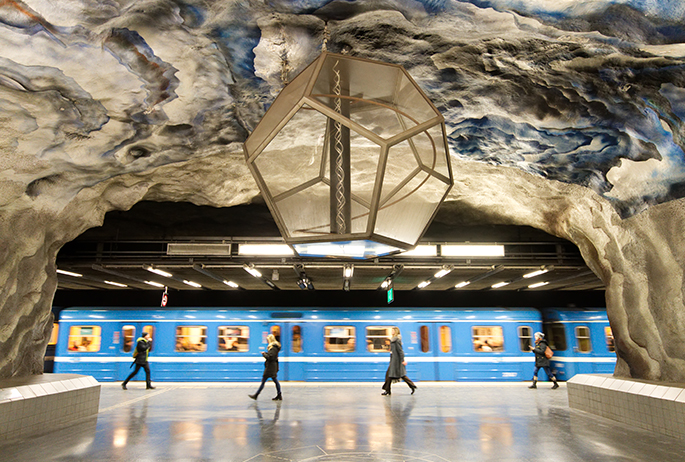
Stockholm is often described as a modern, forward-looking capital, celebrated for innovation, sustainability, and design. Yet beneath its contemporary surface lies a rich and layered past that continues to shape the city’s identity. The History Scene in Stockholm is not confined to textbooks or monuments—it is alive, evolving, and deeply embedded in everyday cultural life.
From world-renowned museums and royal heritage to independent artists, historians, and creatives reinterpreting the past, Stockholm offers a dynamic approach to history. This article explores how the city preserves, presents, and reimagines its historical narrative through institutions and local voices.
- Stockholm as a Living Historical Landscape
- Museums as the Backbone of the History Scene
- Gamla Stan: History Beyond Museum Walls
- Archives, Libraries, and Hidden History
- Local Creatives Reinterpreting History
- History and Social Change
- Neighborhood Museums and Grassroots Initiatives
- Education and the History Scene
- Tourism and Historical Experience
- Challenges Facing Stockholm’s History Scene
- Why Stockholm’s History Scene Stands Out
Stockholm as a Living Historical Landscape
A City Built Across Centuries
Founded in the 13th century, Stockholm has grown from a strategic trading post into a Nordic capital spanning 14 islands. Each era has left visible traces—from medieval alleyways to 19th-century industrial districts and modernist suburbs.
Unlike cities that separate old and new, Stockholm integrates historical layers into daily life. Offices occupy former warehouses, cafés operate inside centuries-old buildings, and public squares reflect political and social transformations.
Why History Matters in Modern Stockholm
History in Stockholm is not treated as static heritage but as a resource for understanding identity, democracy, and social values. Museums, schools, and creative spaces actively engage with the past to contextualize present-day debates.
Museums as the Backbone of the History Scene
The Vasa Museum: A Global Icon
The Vasa Museum is one of Scandinavia’s most visited cultural institutions. It houses a 17th-century warship salvaged from Stockholm’s harbor after more than 300 years underwater.
Beyond its dramatic story, the museum offers insights into naval power, craftsmanship, and political ambition during Sweden’s era as a European empire.
More information can be found at the official Vasa Museum website.
The National Museum: Art and History Intertwined
The National Museum connects Sweden’s artistic heritage with broader European history. Its collections span from medieval religious art to contemporary design, reflecting shifting values and aesthetics.
By presenting art within historical context, the museum reinforces the idea that culture and history are inseparable.
Visit Nationalmuseum for detailed exhibitions and research initiatives.
Gamla Stan: History Beyond Museum Walls
The Medieval Heart of Stockholm
Gamla Stan, Stockholm’s Old Town, is one of Europe’s best-preserved medieval city centers. Narrow cobblestone streets, merchant houses, and public squares tell stories of trade, religion, and royal power.
Landmarks such as Storkyrkan (Stockholm Cathedral) and the Royal Palace anchor the area’s historical significance.
Everyday History in a Tourist Setting
Despite its popularity with visitors, Gamla Stan remains a lived-in neighborhood. Local artisans, bookbinders, and small galleries continue traditions that blur the line between heritage and contemporary creativity.
The Swedish National Archives
For those seeking deeper historical insight, Stockholm hosts extensive archival resources. The Swedish National Archives preserve documents dating back centuries, including royal decrees, census records, and maps.
These materials support academic research, genealogy, and public education.
Libraries as Cultural Memory
Public libraries in Stockholm serve as democratic spaces for accessing historical knowledge. The Stockholm Public Library, designed by Gunnar Asplund, stands as both an architectural and intellectual landmark.
Local Creatives Reinterpreting History
Artists and Designers Engaging With the Past
Stockholm’s creative community frequently draws inspiration from history. Visual artists reinterpret folk traditions, designers reference functionalist ideals, and filmmakers explore social change through historical narratives.
Rather than nostalgia, these works often question whose history is told and how it is represented.
Storytelling Through New Media
Podcasts, digital exhibitions, and interactive installations have become important tools for engaging younger audiences. History is presented through immersive experiences rather than static displays.
This shift expands the reach of the History Scene, making it accessible beyond traditional cultural institutions.
Reexamining National Narratives
In recent years, museums and creatives have increasingly addressed complex aspects of Sweden’s past, including colonial involvement, migration, and social inequality.
Exhibitions now incorporate multiple perspectives, reflecting a more inclusive understanding of history.
Public Debate and Memory
Historical interpretation often sparks public debate. Decisions about monuments, street names, and museum narratives reveal how society negotiates memory and responsibility.
These discussions are part of Stockholm’s evolving cultural conversation.
Neighborhood Museums and Grassroots Initiatives
Local History at the Community Level
Smaller museums and heritage centers focus on specific districts or themes, such as industrial labor, housing movements, or suburban development.
These initiatives preserve stories that might otherwise be overlooked.
Volunteers and Civic Engagement
Many local history projects rely on volunteers, retired professionals, and enthusiasts. Their contributions strengthen community identity and intergenerational dialogue.
Education and the History Scene
Schools and Cultural Institutions
Stockholm’s schools actively collaborate with museums and archives. Educational programs emphasize critical thinking and source analysis rather than memorization.
Students are encouraged to see history as an interpretive process.
Lifelong Learning Opportunities
Public lectures, guided walks, and workshops allow residents and visitors to engage with history at any stage of life.
Tourism and Historical Experience
Cultural Tourism With Depth
Visitors increasingly seek meaningful cultural experiences. Stockholm responds by offering curated historical tours, thematic museum passes, and multilingual resources.
Balancing Preservation and Popularity
Managing visitor numbers while preserving historical sites remains an ongoing challenge. Sustainable tourism strategies aim to protect heritage without limiting access.
Challenges Facing Stockholm’s History Scene
Funding and Prioritization
Cultural institutions depend on public funding, which can fluctuate with political priorities. Maintaining long-term historical projects requires consistent support.
Digitalization and Authenticity
While digital tools expand access, they also raise questions about authenticity and depth. Balancing innovation with scholarly rigor is essential.
Why Stockholm’s History Scene Stands Out
The strength of Stockholm’s historical ecosystem lies in its diversity. Major museums, grassroots initiatives, and individual creatives contribute equally to a shared cultural narrative.
The History Scene thrives because it is not isolated from contemporary life—it actively shapes how residents understand identity, democracy, and belonging.
Exploring Stockholm’s past is not about stepping backward in time, but about understanding the forces that shaped the present. Museums preserve artifacts, archives safeguard memory, and local creatives reinterpret stories for new generations.
Together, they form a living, evolving historical culture—one that invites curiosity, reflection, and dialogue.
For anyone seeking to understand Stockholm beyond its modern reputation, engaging with its history offers depth, context, and a powerful sense of continuity.