Sweden Green: a city of the future
2 months ago · Updated 2 months ago
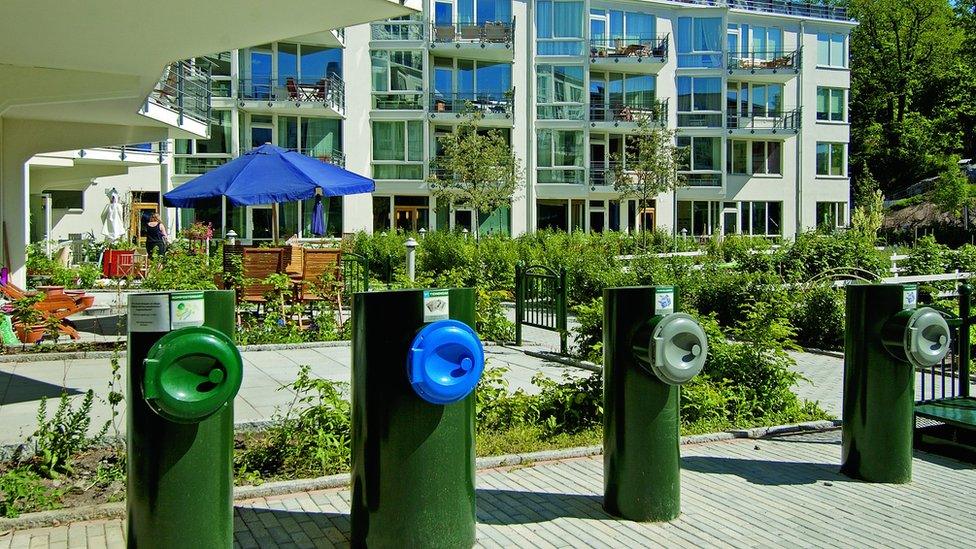
The Green Transition is no longer a distant policy ambition in Sweden — it is a structural transformation already reshaping industries, infrastructure, and daily life. At the center of this transformation stands the Stockholm region, where climate innovation, renewable energy, and sustainable urban planning are converging to accelerate the country’s path toward a low-carbon future.
From fossil-free public transportation to clean-tech investment hubs, Stockholm is emerging as one of Europe’s most ambitious metropolitan areas in climate action. This article explores how Sweden Green Transition is unfolding in and around the capital, and why the region has become a model for sustainable development.
- Understanding Sweden’s Climate Ambition
- Stockholm: A Regional Engine for Climate Innovation
- Clean Energy Expansion and Electrification
- Sustainable Urban Planning in the Stockholm Region
- The Role of Innovation and Startups
- Circular Economy and Waste Management
- Public Transportation and Low-Carbon Mobility
- Business and Industry Decarbonization
- Social Inclusion and Climate Policy
- Challenges Ahead
- International Recognition and Cooperation
- The Economic Opportunity of the Green Transition
- Looking Ahead: A Blueprint for Europe?
- Conclusion
Understanding Sweden’s Climate Ambition
Sweden has set one of the world’s most ambitious climate targets: achieving net-zero greenhouse gas emissions by 2045. This long-term objective requires coordinated action across energy, transport, construction, manufacturing, and finance.
The Green Transition in Sweden is supported by carbon pricing mechanisms, renewable energy expansion, and innovation funding — all aligned with European Union climate frameworks. Stockholm, as the political and economic heart of the country, plays a central role in implementing these policies at scale.
Stockholm: A Regional Engine for Climate Innovation
The Stockholm region combines policy leadership with private-sector dynamism. The city has long invested in district heating, waste-to-energy systems, and public transportation powered by renewables.
As discussed in our in-depth feature on Stockholm’s green transition, municipal authorities have integrated sustainability into long-term urban development planning, including energy-efficient housing and smart grid systems.
This integrated model allows Stockholm to move beyond climate pledges and into measurable outcomes.
Clean Energy Expansion and Electrification
Renewable Electricity Leadership
Sweden already generates a large share of its electricity from hydropower, wind power, and nuclear energy, creating a relatively low-carbon energy mix compared to many European countries. In the Stockholm region, grid modernization and offshore wind projects are further strengthening renewable capacity.
Energy company Vattenfall has played a major role in expanding fossil-free electricity production and investing in electrification infrastructure. These efforts directly support the broader Sweden Green Transition strategy.

Electrifying Transport Systems
Transportation is one of the most visible elements of climate action in Stockholm. Key developments include:
- Electric buses across urban routes
- Expanded EV charging infrastructure
- Investment in battery innovation
- Incentives for electric vehicle adoption
Swedish battery manufacturer Northvolt has become a strategic player in Europe’s clean mobility ecosystem, supporting large-scale battery production that reduces reliance on fossil fuels.
Sustainable Urban Planning in the Stockholm Region
Urban design is central to the Sweden Green Transition. Stockholm’s regional authorities have prioritized mixed-use neighborhoods, public transportation accessibility, and green space integration.
Districts such as Hammarby Sjöstad have become international case studies for sustainable urban development, combining:
- Energy-efficient buildings
- Integrated waste recycling systems
- Water purification technologies
- Climate-smart mobility solutions
These initiatives demonstrate how the Green Transition is embedded into daily life rather than treated as an isolated policy agenda.
The Role of Innovation and Startups
Stockholm’s startup ecosystem is another pillar of the transition. The region has produced global technology leaders and continues to attract climate-tech entrepreneurs focused on clean energy, circular economy solutions, and smart infrastructure.
Our analysis of from startup to scale-up explains how Stockholm’s entrepreneurial ecosystem supports rapid scaling of innovative climate solutions.
Access to venture capital, research institutions, and government grants accelerates commercialization of sustainable technologies, reinforcing Sweden’s international leadership in green innovation.
Circular Economy and Waste Management
Stockholm has long embraced circular economy principles. Waste-to-energy plants convert household waste into district heating, while recycling rates remain among the highest in Europe.
Households are accustomed to sorting waste into multiple categories, and infrastructure supports high recovery rates for plastics, paper, and organic materials. These systems significantly reduce landfill dependency and support the Sweden Green Transition at the municipal level.
Public Transportation and Low-Carbon Mobility
Public transport in Stockholm is efficient, accessible, and increasingly powered by renewable energy. The metro system, commuter trains, and buses form a well-connected network that reduces reliance on private cars.
Cycling infrastructure has also expanded in recent years, reinforcing sustainable mobility goals. Active transportation contributes to both emission reduction and improved public health.
This mobility model enhances livability — a factor discussed in our article on quality of life in Stockholm.
Business and Industry Decarbonization
Industrial decarbonization remains one of the most complex elements of the Green Transition. Sweden is investing heavily in green steel production, fossil-free manufacturing, and electrified logistics systems.
Stockholm’s financial sector also plays a role, channeling investment into ESG-aligned funds and climate-focused innovation ventures.
Collaboration between public institutions and private enterprises accelerates systemic change while maintaining economic competitiveness.
A successful Green Transition requires public trust and social equity. Sweden’s policy framework emphasizes transparency, public consultation, and equitable distribution of costs and benefits.
Energy-efficient housing projects, improved public transport access, and green job creation contribute to social cohesion while advancing climate goals.
The cultural and social dimensions of policy reform are further explored in our feature on Sweden at a cultural crossroads, where societal adaptation to change remains central to national identity.
Challenges Ahead
Despite strong progress, the Sweden Green Transition faces structural challenges:
- Grid capacity constraints
- Supply chain dependencies for critical minerals
- Balancing economic growth with emission reductions
- Ensuring rural-urban policy alignment
Addressing these issues requires sustained political commitment, technological innovation, and cross-sector collaboration.

International Recognition and Cooperation
Stockholm’s regional climate strategy has drawn international attention. The city frequently participates in global climate networks and collaborates with European partners on sustainable urban development.
Official sustainability frameworks and regional climate plans can be accessed through the City of Stockholm’s international portal:
This transparency reinforces institutional trust and strengthens Sweden’s reputation as a climate leader.
The Economic Opportunity of the Green Transition
Far from being solely an environmental imperative, the Sweden Green Transition represents a significant economic opportunity. Clean energy investment, electrification technologies, and circular economy innovation generate jobs and attract global capital.
Stockholm’s ability to align sustainability with competitiveness positions the region as a long-term growth hub within Europe’s low-carbon economy.
Looking Ahead: A Blueprint for Europe?
As climate urgency intensifies across the continent, Stockholm’s regional model may serve as a blueprint for other European metropolitan areas. The integration of policy, technology, infrastructure, and civic engagement creates a cohesive approach rather than fragmented initiatives.
The Sweden Green Transition in Sweden is still evolving, but Stockholm’s region demonstrates that ambitious targets can translate into tangible progress when supported by governance, innovation, and public participation.
Conclusion
Sweden Green Transition is redefining how a modern economy can decarbonize while maintaining prosperity and quality of life. In the Stockholm region, climate ambition is visible in everyday infrastructure — from electric buses and renewable power grids to sustainable neighborhoods and circular waste systems.
By combining policy leadership, technological innovation, and social inclusion, Stockholm is ramping up for a low-carbon future that extends beyond environmental metrics. It represents a broader transformation of how cities function, grow, and thrive in a climate-conscious era.
As the global race toward net-zero accelerates, Stockholm’s regional strategy offers both inspiration and practical lessons for cities seeking to turn climate commitments into measurable results.