Cricket Comes to Sweden: How the Sport Is Growing in Stockholm’s Diverse Communities
8 months ago · Updated 8 months ago
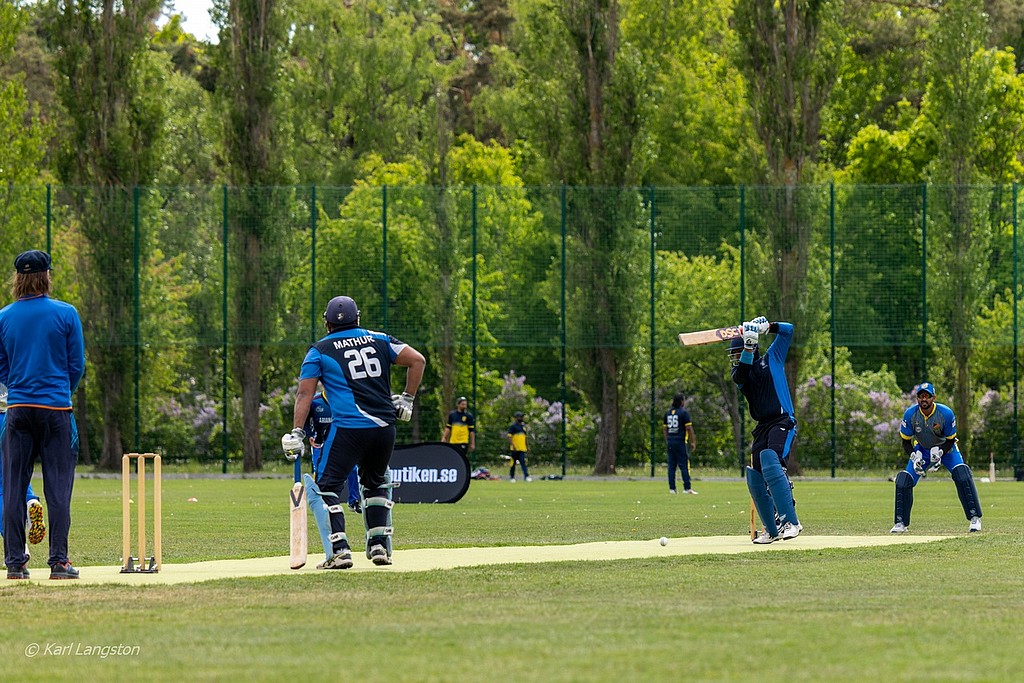
Long associated with countries such as England, India, Pakistan, and Australia, may seem like an unlikely fit for Scandinavia. Yet in recent years, Stockholm has witnessed a quiet but steady rise in interest in the sport. Fueled by migration, community building, and grassroots initiatives, cricket is carving out a place within Sweden’s evolving sporting landscape.
This growth reflects broader social changes in Stockholm, a city shaped by diversity, inclusion, and openness to global influences. What was once a niche activity has become a powerful tool for integration, youth engagement, and cultural exchange.
- How Cricket Arrived in Sweden
- The Role of Stockholm’s Diverse Communities
- Organized Cricket in Stockholm
- Breaking Into the Swedish Sports Culture
- Women and Cricket in Stockholm
- Cricket as a Tool for Integration
- Media Coverage and Public Awareness
- Challenges Facing Cricket in Stockholm
- The Future of Cricket in Sweden
- Cricket and Stockholm’s Urban Identity
How Cricket Arrived in Sweden
Migration as a Catalyst
The expansion of cricket in Sweden is closely linked to immigration patterns. Over the past decades, Stockholm has welcomed residents from South Asia, the Middle East, Africa, and the United Kingdom—regions where the sport plays a central cultural role.
For many newcomers, playing cricket offered a sense of familiarity and belonging. Informal matches in parks and open fields gradually evolved into organized clubs and leagues.
Early Community-Led Initiatives
In the early stages, most games were self-organized, relying on volunteer effort rather than institutional support. Equipment was shared, pitches were improvised, and rules adapted to local conditions.
This grassroots origin continues to define the sport’s character in Stockholm, emphasizing participation and community over commercial success.
The Role of Stockholm’s Diverse Communities
Cricket has become more than a game—it functions as a meeting point for people from different backgrounds. Matches often bring together players from multiple nationalities, religions, and age groups.
Language barriers fade on the field, replaced by shared rules, teamwork, and mutual respect.
Youth Engagement and Identity
For young people growing up in multicultural neighborhoods, provides a way to connect with family heritage while integrating into Swedish society.
Youth programs emphasize discipline, cooperation, and confidence, supporting personal development alongside athletic skills.
Organized Cricket in Stockholm
Local Clubs and Leagues
Stockholm now hosts several clubs competing in regional and national leagues. These clubs range from amateur teams to semi-professional organizations, offering structured training and regular competition.
The Swedish Cricket Federation, known as Sweden, oversees league organization, development programs, and national representation.
Facilities and Playing Grounds
Access to suitable pitches has been one of the main challenges. Unlike football or ice hockey, cricket requires specific field dimensions and surfaces.
In response, municipalities and clubs collaborate to adapt existing sports fields during summer months, reflecting growing institutional recognition.
Breaking Into the Swedish Sports Culture
Competing With Established Sports
Football, ice hockey, and handball dominate Sweden’s sporting identity. New sports must navigate limited media attention and funding.
Despite this, emphasis on inclusivity and community engagement has helped it gain visibility, particularly in urban areas like Stockholm.
Schools and Grassroots Development
Introducing in schools has proven effective. Physical education programs increasingly experiment with alternative sports to reflect student diversity.
According to the Swedish Sports Confederation, participation in non-traditional sports is growing, especially among youth from immigrant backgrounds.
Women and Cricket in Stockholm
Expanding Participation
Women’s involvement in cricket is steadily increasing. Clubs actively encourage female participation through training sessions and mixed-gender initiatives.
This aligns with Sweden’s broader commitment to gender equality in sports.
Role Models and Visibility
Female players and coaches serve as role models, challenging stereotypes and broadening perceptions of who the sport is for.
Increased visibility supports long-term sustainability and community acceptance.
Cricket as a Tool for Integration
Sport has long been recognized as a mechanism for integration. Cricket enables newcomers to build social networks beyond their immediate communities.
Clubs often organize social events, family days, and outreach programs, strengthening local connections.
Support From Civil Society
Non-profit organizations and local councils increasingly recognize cricket’s social value. Funding and logistical support help clubs reach underserved groups.
Studies from institutions such as the Swedish Migration Agency highlight the importance of community-based activities in successful integration.
Media Coverage and Public Awareness
From Niche to Noticed
While mainstream sports media remains focused on traditional disciplines, local outlets and digital platforms are beginning to cover cricket events.
Social media plays a key role in promoting matches, sharing highlights, and attracting new players.
Changing Public Perception
As awareness grows is increasingly viewed not as a foreign import, but as part of Sweden’s evolving cultural mosaic.
Challenges Facing Cricket in Stockholm
Infrastructure Limitations
Limited access to dedicated facilities remains a significant obstacle. Seasonal weather also restricts outdoor play, shortening the competitive calendar.
Funding and Volunteer Dependence
Many clubs rely heavily on volunteers, which can strain long-term development. Sustainable funding models are still emerging.
The Future of Cricket in Sweden
Youth Pathways and Talent Development
Investment in youth academies and coaching education is crucial for long-term success. Structured pathways help retain talent and raise playing standards.
International Ambitions
Sweden’s national teams are gaining experience through international competition, increasing the sport’s visibility and credibility.
Recognition from bodies like the International Cricket Council supports Sweden’s continued development.
Cricket and Stockholm’s Urban Identity
A Reflection of a Global City
The growth mirrors Stockholm’s transformation into a global city shaped by migration and cultural exchange.
Sport becomes a lens through which broader social dynamics can be understood.
From Margins to Mainstream
While still emerging, presence is no longer marginal. Its steady integration into local sports culture suggests a lasting future.
The rise of cricket in Stockholm is not simply a sporting story—it is a narrative about community, identity, and social change.
Through grassroots effort, institutional support, and cultural openness, the sport has found fertile ground in Sweden’s capital.
As Stockholm continues to evolve,stands as a symbol of how global traditions can take root in new environments, enriching the city’s social and cultural life for generations to come.