
Bangladesh Sweden Tasneem Khalil: 2008–2026 timeline

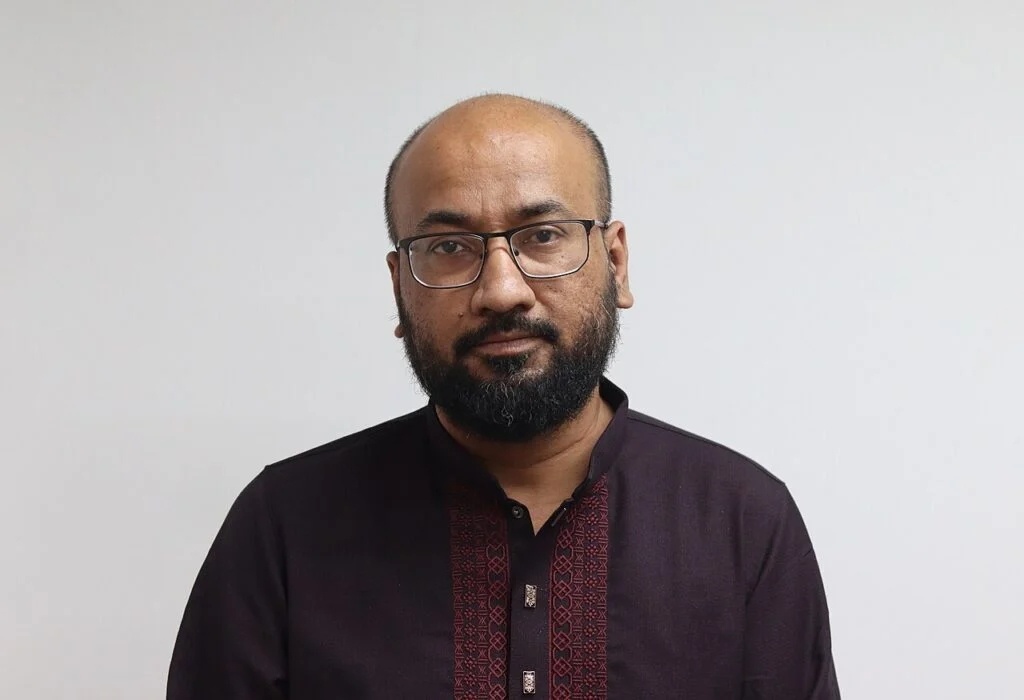
Tasneem Khalil is a Bangladeshi journalist who was tortured under Bangladesh's 2007–2008 state of emergency. Sweden granted him asylum, and he later became editor-in-chief of the exiled outlet Netra News. The record from 2008 to 2026 runs through asylum, exile reporting and the July 2024 uprising.
Who is Tasneem Khalil?
Khalil is a Bangladeshi journalist and editor-in-chief of Netra News, an exiled outlet covering Bangladesh and South Asia. His X profile lists him as a journalist in Malmö, Sweden, and dates his account to March 2007. As of the last public view, it showed 6,704 posts, 438 following and 27,700 followers. Before seeking refuge in Europe, he reported from Dhaka. His name became known internationally after 2008 reports that he had been detained, tortured and later granted asylum in Sweden. He has remained a public voice on Bangladeshi politics, mixing professional announcements with sharp commentary on press freedom.
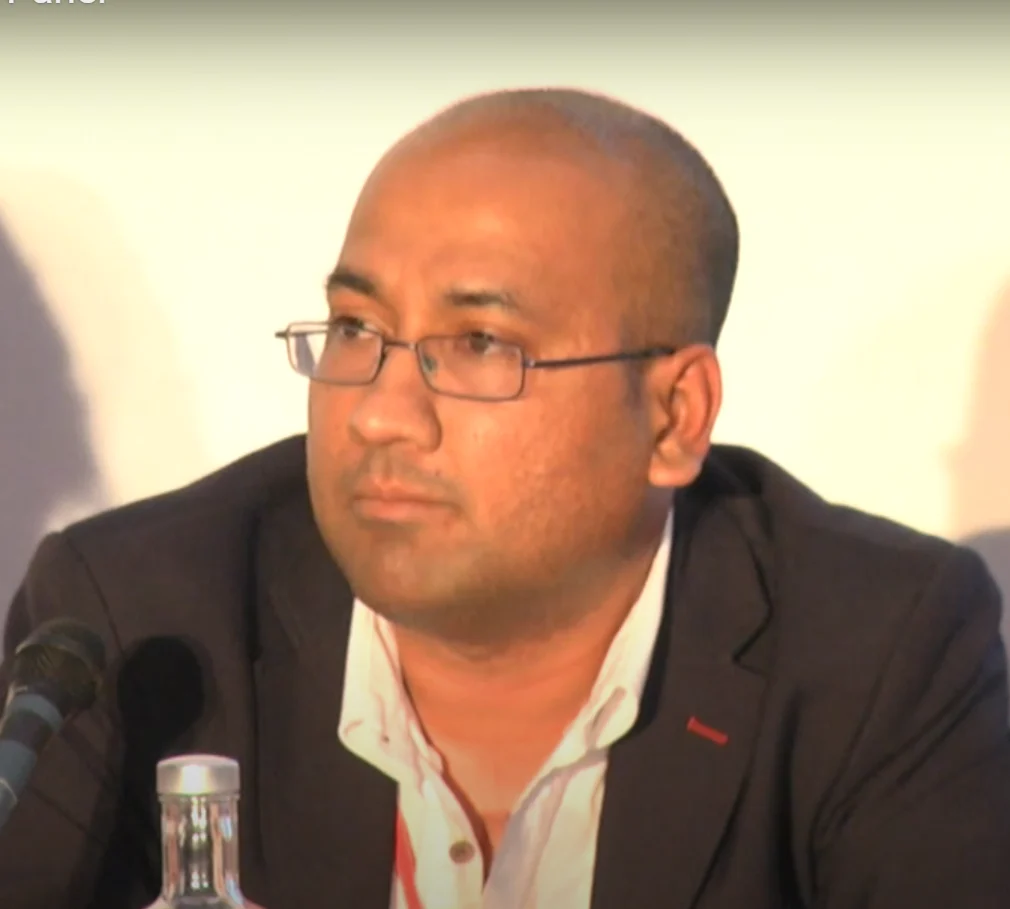
2008: torture, state of emergency and asylum in Sweden
Khalil's case reached international attention on 14 February 2008, when the Associated Press reported that he had been granted asylum in Sweden in June 2007. The report described him as a 27-year-old journalist and named his wife, Shuchi, and his son, Tiyash. Bangladesh was under a state of emergency in 2007 and 2008, and he was detained and tortured before leaving the country. A 2008 human-rights report recorded the abuse, and his political asylum in Sweden made the case a reference point for press-freedom groups. The Associated Press dispatch put the asylum decision in June 2007, before the state of emergency ended. Dhaka was the origin; Stockholm became the place where he could continue working.
Timeline: Tasneem Khalil and Sweden, 2008–2026
The connection runs from a Bangladeshi detention cell to a Swedish newsroom, with dated turning points.
| Period | Event | Source |
|---|---|---|
| March 2007 | Khalil joins X, according to his profile | Tasneem Khalil on X |
| 2007–2008 | Detained and tortured in Bangladesh under the 2007–2008 state of emergency; Associated Press reported on 14 Feb 2008 that asylum had been granted in June 2007, naming wife Shuchi and son Tiyash | Associated Press |
| 2016 | A Stockholm News archive note appeared under the heading "Bangladesh – Sweden – The World" | Stockholm News archive |
| July–August 2024 | Covers the July Revolution and information blackout from X; says Netra News transmitted some audio and video from Bangladesh; criticises Indian media coverage of the interim government | Tasneem Khalil on X |
| 2025 | Shares a Netra News report on secret detention sites in February; speaks at the International Journalism Festival in Perugia on 11 April; posts solidarity with The Wire in May | Tasneem Khalil on X |
| 2026 | X profile still lists him as a journalist in Malmö, Sweden, and editor-in-chief of Netra News | Tasneem Khalil on X |
Taken together, the rows show a change in role: from asylum seeker in 2007 to editor publishing into Bangladesh from Sweden in 2025. The July 2024 row is the hinge, because the internet blackout made outside transmission valuable. The 2016 archive note shows that the Sweden–Bangladesh connection had already been treated as a single story. The 2025 posts then shift towards legal accountability for disappearances and to regional press-freedom disputes.
Netra News and reporting from exile
Netra News is an exiled news outlet with Khalil as editor-in-chief and a public base in Malmö, Sweden. It covers Bangladeshi politics, accountability and press freedom from outside the country, and its reporting reaches readers back into Bangladesh and across Europe. In February 2025 Khalil wrote that the Bangladesh Army was putting pressure on the chief adviser not to take journalists and survivors along on visits to secret detention sites, and he shared the outlet's report on survivors and journalists being barred from Aynaghar and TFI. The report described a dispute between the interim government and the Commission of Inquiry on Enforced Disappearance. Operating from Sweden matters: it allows a team to publish on sensitive subjects while keeping editorial distance from authorities in Dhaka. Exile does not make the work safe, but it changes the space in which it is done. The outlet's reporting has focused on accountability for enforced disappearance and on the treatment of journalists, two themes that connect 2008 and 2024.
July 2024 uprising and what he covered
In July 2024, Bangladesh faced student-led protests that became known as the July Revolution, along with a severe government information blackout. From Sweden, Khalil used X to write that Netra News had finally managed to transmit some audio and video from Bangladesh while the country remained disconnected from the rest of the world. In August 2024 he wrote that Indian media and some intellectuals were conducting information warfare against the people of Bangladesh, especially the Gen Z revolutionaries and the interim government. He also responded to Narendra Modi's call with US President Joe Biden by posting that the White House had already lost the trust of millions of Bangladeshis. His reporting turned the uprising into a story about which outside voices were believed. The fact that an editor in Malmö could move material out of a blacked-out country showed how exile operations can act as a back channel.
Press freedom in Bangladesh and why Sweden is part of the story
Press freedom in Bangladesh is the thread that ties Khalil's case to Sweden. A 2008 human-rights report recorded his torture and helped establish him as a test of how Bangladesh treats journalists. Sweden's decision to grant asylum in 2007 made that test a European concern. On 9 May 2025 he posted, "Don't let the Indian democracy go dark, solidarity from Bangladesh," while sharing support for The Wire. Sweden does not host only one kind of exile; Bangladeshi journalists are part of a wider pattern of people who continue political work from Stockholm and Malmö. The connection now sits within Sweden's immigrant communities and Stockholm's identity, because a case from Dhaka can shape local conversations about exile and free expression. The same diversity appears in everyday city life, from how cricket is growing in Stockholm's diverse communities to the practical adjustments covered in life in Stockholm for newcomers.
Why this matters now
Khalil's case matters because it shows what exile-based journalism can and cannot do. Sweden gave him a base; he used it to keep covering a country where press freedom remains contested. The record from 2008 to 2026 is a dated path through asylum, Bangladeshi politics and the global fight over information. For Sweden, a decision made in 2007 still shapes public debate in 2026. It also shows that an exile is not a single event but a continuing role. That is the value of reading the story as a timeline rather than as isolated headlines.
FAQ
Who is Tasneem Khalil?
A Bangladeshi journalist tortured under the 2007–2008 emergency and granted asylum in Sweden; editor-in-chief of Netra News.
Why did Tasneem Khalil move to Sweden?
Sweden granted asylum in 2007 after he was detained and tortured in Bangladesh.
What is Netra News?
An exiled news outlet based in Sweden, run by Khalil as editor-in-chief, covering Bangladesh and South Asia.
What did he report about July 2024 in Bangladesh?
He covered the July Revolution, student protests and the information blackout, sharing material on X.
Why is Bangladesh's press freedom relevant to Sweden?
Sweden hosted exiled Bangladeshi journalists and gave Khalil asylum, making the country part of the story.
Sources
- Associated Press, 14 February 2008
- Netra News
- Tasneem Khalil on X (@tasneem)
Keep reading