
Ethiopia Swedish Journalists Trial: From 2011 to Today

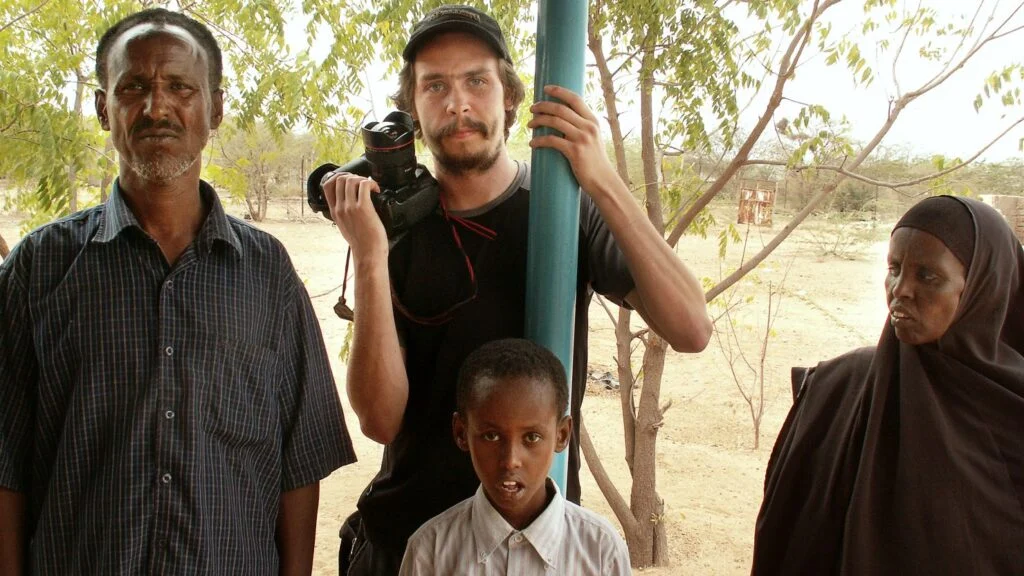
The Ethiopia Swedish journalists trial began in July 2011, when Swedish journalists Martin Schibbye and Johan Persson were arrested in Ethiopia’s Ogaden region and later sentenced to 11 years in prison on terrorism-related charges. They were pardoned and freed in September 2012. A 2016 archive note recorded Ethiopia’s refusal to admit Swedish journalists to a sensitive trial.
What happened in the 2011 Ethiopia trial
The case began on 1 July 2011, when Martin Schibbye and Johan Persson were detained in the Ogaden region near the border with Somalia. They had entered Ethiopia from Somalia without official permission and were there to report on the conflict between Ethiopian forces and the Ogaden National Liberation Front, a separatist group that Ethiopia bans as a terrorist organisation. Ethiopian prosecutors charged the two men with supporting that banned group and with illegal entry into the country.
In December 2011, a federal court in Addis Ababa convicted both men on terrorism-related charges and sentenced each to 11 years in prison. The proceedings were partly closed, and the court relied on evidence that defence lawyers said did not justify the terrorism charge. Human Rights Watch had already documented how tightly Ethiopia controlled reporting and movement in the Ogaden, which made the case part of a broader record of restricted access. Press freedom groups described the sentence as a warning to foreign journalists considering work in closed parts of the Horn of Africa.
Who are Martin Schibbye and Johan Persson?
Martin Schibbye and Johan Persson are Swedish freelance journalists. They worked independently rather than for a single large newsroom, and the Ogaden assignment was a story about a conflict that few outside reporters could reach. The pair crossed from Somalia without Ethiopian permission, and that illegal entry became the first formal charge in the trial beside the terrorism-related accusation. The two names remained paired in court reporting and in statements by groups such as Amnesty International and the Committee to Protect Journalists, which tracked the case from arrest to release. For Swedish readers, the case turned two freelancers into an example of the risks of reporting from closed regions. They returned to Sweden after the September 2012 pardon, and later accounts of the case have continued to link their names to press freedom in the Horn of Africa.
Timeline: arrest, sentence and release
The following timeline uses dates recorded by Amnesty International and the Committee to Protect Journalists.
| Date | Event |
| 1 July 2011 | Schibbye and Persson are arrested in the Ogaden region after crossing into Ethiopia from Somalia. |
| December 2011 | An Ethiopian federal court in Addis Ababa convicts both men on terrorism-related charges and sentences them to 11 years in prison. |
| September 2012 | Ethiopia grants a pardon, and the two men are released and return to Sweden. |
| 2016 | A Stockholm News archive note records that Ethiopia does not want Swedish journalists in a sensitive trial; CPJ documents the refusal. |
The gap between the 11-year sentence and the September 2012 release is explained by diplomatic pressure and a formal pardon rather than a retrial. Swedish diplomats raised the case repeatedly, and the decision to release both men was announced by Ethiopian state media. This timeline is the core of the Ethiopia Swedish journalists trial; the later 2016 refusal shows that access remained restricted long after the prison term ended.
Why Ethiopia refused Swedish journalists in 2016
In 2016, a Stockholm News archive note recorded that Ethiopian authorities did not want Swedish journalists in a sensitive trial. The Committee to Protect Journalists documents the refusal in its press freedom records, treating it as part of a restrictive pattern rather than an isolated decision. Ethiopian officials had already limited access to the earlier Schibbye–Persson trial, and by 2016 they used similar discretion to keep foreign reporters out of politically sensitive proceedings. The 2016 note did not say the journalists were accused of any offence; the issue was access. Its significance is that it connects the 2011 imprisonment to a longer period in which Ethiopia treated Swedish media as unwelcome in certain courtrooms. That continuity is why the case still appears in press freedom timelines alongside later restrictions on independent media in Ethiopia.
What changed between Ethiopia and Sweden afterwards
When the September 2012 pardon was announced, Sweden’s Ministry for Foreign Affairs welcomed the release and brought the two men home. The case did not develop into a lasting diplomatic break, but it made Ethiopian court access part of Sweden’s security debate whenever Swedish nationals are detained abroad. In later years, Stockholm’s immigrant communities and Sweden’s relationship with the wider world also shaped public memory of the case: it was treated as a test of how a small state manages consular pressure and press freedom at the same time.
Ethiopia Sweden relations never collapsed over the trial, but the case became a reference point in Swedish debates about consular protection. By the end of the 2010s the Schibbye–Persson episode was no longer front-page news, but it remained the clearest recent example of Swedish journalists being jailed in a politically sensitive African court.
Why this still matters for press freedom
The Ethiopia Swedish journalists trial still matters because it showed how an 11-year sentence can follow from crossing a border without permission and reporting from a closed region. Groups such as CPJ and Reporters Without Borders track Ethiopia precisely because court access and territorial control are used to manage what journalists publish. For Swedish and international readers, the case also connects to how media see Sweden itself; an international media perspective on Sweden shows why press access is treated as a diplomatic test. Follow-up pieces are available in the Stockholm News archive.
FAQ
What happened to the Swedish journalists in Ethiopia?
Martin Schibbye and Johan Persson were arrested in July 2011, convicted in December 2011 and released in September 2012.
Why were Schibbye and Persson imprisoned?
Ethiopian authorities charged them with terrorism-related offences and illegal entry after they crossed into Ethiopia from Somalia without permission.
Did Sweden intervene in the case?
Yes. The Swedish government raised the case and asked for clemency, and the journalists were released under a September 2012 pardon.
Why did Ethiopia bar Swedish journalists in 2016?
Ethiopian officials restricted access to a sensitive trial, and the Committee to Protect Journalists documented the refusal in its press freedom records.
Sources
Committee to Protect Journalists (CPJ)
Amnesty International
Human Rights Watch
Keep reading